BACKGROUNDChildhood apraxia of speech (CAS) affects a child's ability to produce sounds and syllables precisely and consistently, and to produce words and sentences with accuracy and correct speech rhythm. It is a rare condition, affecting only 0.1% of the general population. Consensus has been reached that three core features have diagnostic validity: (1) inconsistent error production on both consonants and vowels across repeated productions of syllables or words; (2) lengthened and impaired coarticulatory transitions between sounds and syllables; and (3) inappropriate prosody (ASHA 2007). A deficit in motor programming or planning is thought to underlie the condition. This means that children know what they would like to say but there is a breakdown in the ability to programme or plan the fine and rapid movements required to accurately produce speech. Children with CAS may also have impairments in one or more of the following areas: non-speech oral motor function, dysarthria, language, phonological production impairment, phonemic awareness or metalinguistic skills and literacy, or combinations of these. High-quality evidence from randomised controlled trials (RCTs) is lacking on interventions for CAS.OBJECTIVESTo assess the efficacy of interventions targeting speech and language in children and adolescents with CAS as delivered by speech and language pathologists/therapists.SEARCH METHODSWe searched CENTRAL, MEDLINE, Embase, eight other databases and seven trial registers up to April 2017. We searched the reference lists of included reports and requested information on unpublished trials from authors of published studies and other experts as well as information groups in the areas of speech and language therapy/pathology and linguistics.SELECTION CRITERIARCTs and quasi-RCTs of children aged 3 to 16 years with CAS diagnosed by a speech and language pathologist/therapist, grouped by treatment types.DATA COLLECTION AND ANALYSISTwo review authors (FL, AM) independently assessed titles and abstracts identified from the searches and obtained full-text reports of all potentially relevant articles and assessed these for eligibility. The same two authors extracted data and conducted the 'Risk of bias' and GRADE assessments. One review author (EM) tabulated findings from excluded observational studies (Table 1).MAIN RESULTSThis review includes only one RCT, funded by the Australian Research Council; the University of Sydney International Development Fund; Douglas and Lola Douglas Scholarship on Child and Adolescent Health; Nadia Verrall Memorial Scholarship; and a James Kentley Memorial Fellowship. This study recruited 26 children aged 4 to 12 years, with mild to moderate CAS of unknown cause, and compared two interventions: the Nuffield Dyspraxia Programme-3 (NDP-3); and the Rapid Syllable Transitions Treatment (ReST). Children were allocated randomly to one of the two treatments. Treatments were delivered intensively in one-hour sessions, four days a week for three weeks, in a university clinic in Australia. Speech pathology students delivered the treatments in the English language. Outcomes were assessed before therapy, immediately after therapy, at one month and four months post-therapy. Our review looked at one-month post-therapy outcomes only.We judged all core outcome domains to be low risk of bias. We downgraded the quality of the evidence by one level to moderate due to imprecision, given that only one RCT was identified. Both the NDP-3 and ReST therapies demonstrated improvement at one month post-treatment. A number of cases in each cohort had recommenced usual treatment by their speech and language pathologist between one month and four months post-treatment (NDP-3: 9/13 participants; ReST: 9/13 participants). Hence, maintenance of treatment effects to four months post-treatment could not be analysed without significant potential bias, and thus this time point was not included for further analysis in this review.There is limited evidence that, when delivered intensively, both the NDP-3 and ReST may effect improvement in word accuracy in 4- to 12-year-old children with CAS, measured by the accuracy of production on treated and non-treated words, speech production consistency and the accuracy of connected speech. The study did not measure functional communication.AUTHORS' CONCLUSIONSThere is limited evidence that, when delivered intensively, both the NDP-3 and ReST may effect improvement in word accuracy in 4- to 12-year-old children with CAS, measured by the accuracy of production on treated and non-treated words, speech production consistency and the accuracy of connected speech. The study did not measure functional communication. No formal analyses were conducted to compare NDP-3 and ReST by the original study authors, hence one treatment cannot be reliably advocated over the other. We are also unable to say whether either treatment is better than no treatment or treatment as usual. No evidence currently exists to support the effectiveness of other treatments for children aged 4 to 12 years with idiopathic CAS without other comorbid neurodevelopmental disorders. Further RCTs replicating this study would strengthen the evidence base. Similarly, further RCTs are needed of other interventions, in other age ranges and populations with CAS and with co-occurring disorders.
The ability to communicate pervades every aspect of life, reflecting one's personality to oneself and to others, and is critical in forming and sustaining relationships, impacting education, employment, and social engagement. This chapter provides information on dysarthria, given the role of the brainstem in articulation, intonation, prosody, and fluency. The different types of dysarthria associated with different lesions are described and methods of assessment and treatment are outlined, emphasizing the importance of a holistic approach to the management of this often overlooked, but profoundly disabling disorder.
Chromosome 16p11.2 deletion syndrome is a genetic syndrome that includes difficulties in speech, language, and motor coordination. Arbaclofen, a selective GABA-B receptor agonist, has improved motor functioning and memory in mouse models. Prior clinical trials of arbaclofen in fragile X syndrome and autism spectrum disorder suggested benefit for social communication. L16hthouse (NCT04271332) is a multi-site, double-blind, randomized, placebo-controlled phase 2 trial to evaluate safety, efficacy, and tolerability of arbaclofen compared in 60 youths with 16p11.2 deletion syndrome (5 to 17:11 years) randomized on a 1:1 ratio. Primary outcomes included speech articulation, measured by the Goldman Fristoe Test of Articulation 3 (GFTA-3). Secondary outcomes included objective dysarthria indices, memory, motor control, and cognitive function, assessed with both standardized clinical measures and novel, computer-based assessments with automated scoring. Exploratory outcomes included attention, autism traits, and electrophysiological responses. L16hthouse is the first randomized trial in 16p11.2 deletion syndrome and uses an array of novel outcome measures to assess potential benefit in this population. In addition to providing potential insights about the safety, efficacy, and tolerability of arbaclofen, L16hthouse will provide an initial assessment of how these developmental outcome measures perform in a clinical trial across a broad age range.Clinical trial registration number: NCT04271332; 2020-02-13.
Background and objective Speech disorders are a common presenting concern to paediatricians. Yet evidence to guide detection and speech sound therapy referral of cases at risk for persistent speech disorder is limited, with no normative English speech data published for over two decades. Here we describe speech development in a large, contemporaneous normative sample, to help clinicians identify errors of disordered speech from developmental errors (which are of lesser concern). We also examine differences in speech development over 20 years.Methods Children aged 2 years 0 months-12 years 11 months were recruited from 24 sites (9 schools, 15 childcare/kindergarten settings) from New South Wales and Victoria in Australia. Speech sound acquisition and accuracy were documented, including whole word accuracy and type of sound error patterns categorised (developmental vs disordered).Results 1179 participants (53% male) were assessed. Speech performance was highly variable up to 6 years of age. By 7 years, 90% of participants could produce all sounds. There were negligible differences in word accuracy and error pattern performance between 8 and 12 years. Common disordered errors included transpositions (eg,'efelant' for elephant), vowel errors and backing (eg,'glack' for black). Compared with historical norms, sounds were acquired at a slower rate, and resolution of some common developmental errors was also slower.Conclusions We found a high prevalence and variability of errors up to 6 years which explains why so many families seek support for speech development in the preschool years. Furthermore, our data suggest speech may be mastered more slowly nowadays compared with two decades ago. We provide an assessment tool with age-referenced normative cut-points and identify 'red flag' speech errors to guide data-driven referral of children at risk for persistent disorder to speech and language therapy.
Genetic practices are increasingly recognised as essential components of modern healthcare. Allied health professionals and nurses are ideally placed to initiate discussions about genetic investigations with patients and families. However, there are known barriers such as a lack of confidence and knowledge. A key step to addressing these barriers is identifying implementation strategies that support the integration of genetics across healthcare disciplines. We conducted a systematic review to identify empirical and conceptual implementation strategies to support genetic practices among allied health professionals and nurses. We searched CINAHL, Embase, Emcare, Medline, Scopus, and Web of Science for articles published from 2020. Twenty-eight full-text articles were included in the review. Identified implementation strategies were mapped to the Theoretical Domains Framework (TDF) to identify key areas for behaviour change. Empirical strategies, including workshops, online learning, case-based education, and leadership development, demonstrated positive effects on supporting genetic integration into clinical practice. Conceptual strategies identified included: (1) education/learning, (2) professional development, (3) policy, (4) evaluation tools, and (5) educational resources. The TDF domains of Knowledge, Social Influences, and Social/Professional Role and Identity were commonly found, while the TDF domains of Intentions, Reinforcement, Optimism, Emotion and Goals were underrepresented. Findings demonstrate that empirical and conceptual implementation strategies lack evaluation and tend to focus solely on commonly targeted domains. Future research is needed to investigate the feasibility and effectiveness of implementation strategies, explore the underrepresented domains, and support efforts to increase genetic literacy and practices among allied health professionals and nurses.
Background Psychosocial difficulties or reduced functioning in social-cognitive, emotional/mental health, or behavioural domains are common following moderate-to-severe traumatic brain injury. However, there is currently no Australian-based guideline for management of these difficulties. To inform development of such a guideline, we aimed to integrate evidence available with stakeholder input to establish the guideline scope. Methods Overarching governance for the project was provided through an established Guideline Development Group who oversaw the four key steps of the scoping process: (1) initial areas of relevance were generated; (2a) scoping reviews were conducted to establish the availability of evidence; (2b) priority surveys with health professionals (n = 86) and individuals with lived experience of traumatic brain injury or close others (n = 55) were completed; (3) a panel comprising 26 experts convened at a 1-day workshop to conceptualise the initial guideline scope; and (4) the scope was then iteratively refined, leading to a scoping document specifying the key clinical questions, difficulties/disorders and treatment outcomes the guideline would address. Results The scoping reviews identified intervention studies across mental health (n = 74), behaviour (n = 55) and social cognition (n = 19). Survey results prioritised most psychosocial difficulties and identified key treatment outcomes. The final guideline scope included one key clinical question relating to treatment effectiveness, four sub-questions related to treatment decisions for specific groups and circumstances, and two areas of additional commentary to supplement recommendations. Conclusions The methodology used to establish the guideline scope will facilitate the development of a clinical practice guideline for the management of psychosocial difficulties in adults with moderate-to-severe traumatic brain injury.
Speech and language impairments are central features of CDK13-related disorder. While pathogenic CDK13 variants have been associated with childhood apraxia of speech (CAS), a systematic characterisation of communication has not been conducted. Here we examined speech, language, non-verbal communication skills, social behaviour and health and development in 41 individuals with CDK13-related disorder from 10 countries (male = 22, median-age 7 years 1 month, range 1–25 years; 33 novel). Most participants used augmentative and alternative communication (AAC) in early childhood (24/41). CAS was common (14/22). Performance varied widely across intellectual ability, social behaviour and expressive language skills, with participants ranging from within average through to the severely impaired range. Receptive language was significantly stronger than expressive language ability. Social motivation was a relative strength. In terms of a broader health phenotype, a quarter had one or more of: renal, urogenital, musculoskeletal, and cardiac malformations, vision impairment, ear infections and/or sleep disturbance. All had gross and fine motor impairments (41/41). Other conditions included mild-moderate intellectual disability (16/22) and autism (7/41). No genotype-phenotype correlations were found. Recognition of CAS, a rare speech disorder, is required to ensure appropriately targeted therapy. The high prevalence of speech and language impairment underscores the importance of tailored speech therapy, particularly early access to AAC supports.
Importance:Monogenic causes of childhood hearing loss are well established, as are polygenic risk contributions to age-related hearing loss. However, an untested possibility is that polygenic risk scores (PRS) also contribute to childhood hearing loss of all severities, alongside environmental and/or monogenic causes. Objective:To examine the association between a PRS for adult hearing loss and childhood hearing loss phenotypes. Design, Setting, and Participants:This cross-sectional study used a unique population-based dataset spanning normal hearing to profound loss, combining 2 contemporaneous population cohorts in Australia. This included the Child Health CheckPoint, a national population-based cross-sectional study nested within the Longitudinal Study of Australian Children, and the Victorian Childhood Hearing Longitudinal Databank (VicCHILD), a statewide population-based longitudinal data bank open to every child with congenital hearing loss in Victoria, Australia. The analysis took place from March to August 2023. Exposures:Genotype data were generated from saliva- or blood-derived DNA using global single-nucleotide variations arrays. Based on genotype data, PRS was computed using published UK Biobank genome-wide association study results for self-reported hearing difficulty in individuals aged 40 to 69 years. Main Outcomes and Measures:Hearing outcomes were classified by laterality (bilateral, unilateral), severity (mild, moderate, severe or worse) and types (sensorineural, conductive, mixed, auditory neuropathy, atresia). Analyses included multinominal logistic regressions of PRS with hearing outcomes. Results:Overall, 1488 CheckPoint study children (49.8% boys, aged 11-12 years) and 527 VicCHILD study children (55.2% boys, aged 0-13 years) with hearing and genotype data were included. A 1-SD increment in PRS was associated with higher odds of mild (odds ratio [OR], 1.3; 95% CI, 1.0-1.6), moderate (OR, 5.1; 95% CI, 3.2-8.1), and severe or worse (OR, 5.3; 95% CI, 3.9-7.3) unilateral hearing loss compared with normal hearing. Similarly, the PRS was associated with increased odds of mild, moderate, and severe or worse bilateral hearing loss (per-SD ORs, 3.9-6.6) and all hearing loss types (per-SD ORs, 8.5-10.6). Conclusions and Relevance:In this cross-sectional study, a PRS initially developed for adult hearing difficulty was associated with wide-ranging childhood hearing loss phenotypes, partly explaining hearing phenotype variations despite shared genetic and environmental factors (eg, preterm birth). Large-scale studies with objectively defined hearing phenotypes are crucial for refining PRS and predicting high-risk children.
Background: Rapid population-level identification of language disorders could help provide care to young children to improve their outcomes. Two previous studies identified and replicated up to six parent-reported items that predicted 11-year language outcome with ≥71% sensitivity and specificity. Here, we assess whether including genetic propensity for toddlerhood vocabulary improves predictive accuracy. Method: The Early Language in Victoria Study (ELVS) recruited 1,910 8-month-olds in Melbourne in 2003-2004. The Longitudinal Study of Australian Children (LSAC) recruited 5,107 0-1-year-olds across Australia in 2004. Both collected parent-reported items at 2-3 years, a comparable 11-year language outcome: the Clinical Evaluation of Language Fundamentals (CELF-4) Core Language score or Recalling Sentences subtest, and biospecimens for genotyping. We derived polygenic scores capturing participants’ genetic propensity for parent-reported 24-38-month vocabulary. We calculated univariate associations with continuous language outcomes. We used ensemble method SuperLearner to estimate how accurately the parent-reported predictors and polygenic scores predict low 11-year language outcome (more than 1.5 standard deviations below the mean) in each cohort. Results: Language outcome was available for 839 ELVS and 1,441 LSAC participants. Polygenic scores accounted for little variance in continuous language outcomes (R-squared less than 1.5%). Adding polygenic scores to the predictor sets increased accuracy of predicting language outcome by up to 7%, but inconsistently between analyses. Conclusions: Polygenic scores derived for toddlerhood vocabulary did not meaningfully predict late childhood language. Polygenic scores derived for later global language measures in larger samples may be better predictors. Presently, parent-reported measures or clinician observation appear best for predicting language outcome at this age.
Parents perceive a lack of prognostic information among the most challenging consequences of having a child with a rare disease. Although the medical phenotype of FOXP1 syndrome, including neurodevelopmental delay, speech impairment, psychiatric problems and congenital malformations is becoming clearer, there is little detailed information about the acquisition of activities of daily living. This study aimed to provide a detailed picture of practical and daily social skills development in individuals with FOXP1 syndrome. In this cross-sectional study, parents were invited to complete an online questionnaire about the medical issues, milestones and practical abilities of their child with FOXP1 syndrome (n = 52, age 2-54 years). We found that individuals with FOXP1 syndrome have great difficulties with both basic and instrumental activities of daily living, but continue to develop their skills into adulthood. Although most individuals learn to perform some basic daily living tasks independently, the majority heavily rely on their parents, many needing 24-7 supervision to support many aspects of daily life up to adulthood. The results of this study can be used to counsel parents after a diagnosis of FOXP1. We include a visual representation of the results for parents in the Supplementary file.
Dysarthria is a motor speech disorder that is a common symptom of cerebellar dysfunction in people with multiple sclerosis (pwMS). Despite its prevalence, little is known regarding changes in brain functioning associated with dysarthria in this cohort. Management strategies for cerebellar symptoms such as dysarthria are also limited. Fifty-five pwMS and 14 healthy controls participated in this study. We used fMRI to assess changes in speech related functional activation associated with MS, and split our MS cohort into people with and without dysarthria, and with and without cerebellar dysfunction clinically evident as upper limb action tremor. We found that pwMS performed worse on speech production tasks and had overall lower functional activation while preparing for speech than controls. Furthermore, pwMS require additional recruitment of the left Brodmann areas 45 and 46, key motor speech regions, during speech production compared to healthy controls. MS participants presenting with both dysarthria and action tremor performed worst on speech production tasks. These participants had lower functional activation during speech production compared to other MS participants. People with multiple sclerosis display altered functional activation of motor speech areas during speech production, either due to MS injury or reduced activity during preparation. Compensatory activation is reduced in those with both clinical dysarthria and action tremor compared to MS controls and those with tremor only, likely due to more advanced MS.
Polypyrimidine tract-binding protein 1 (PTBP1) is a heterogeneous nuclear ribonucleoprotein primarily known for its alternative splicing activity. It shuttles between the nucleus and cytoplasm via partially overlapping N-terminal nuclear localization (NLS) and export (NES) signals. Despite its fundamental role in cell growth and differentiation, its involvement in human disease remains poorly understood. We identified 27 individuals from 25 families harboring de novo or inherited pathogenic variants - predominantly start-loss (89%) and, to a lesser extent, missense (11%) - affecting NES/NLS motifs. Affected individuals presented with a syndromic neurodevelopmental disorder and variable skeletal dysplasia with disproportionate short stature with short limbs. Intellectual functioning ranged from normal to moderately delayed. Start-loss variants led to translation initiation from an alternative downstream in-frame methionine, resulting in loss of the NES and the first half of the bipartite NLS, and increased cytoplasmic stability. Start-loss and missense variants shared a DNA methylation episignature in peripheral blood and altered nucleocytoplasmic distribution in vitro and in vivo with preferential accumulation in processing bodies, causing aberrant gene expression but normal RNA splicing. Transcriptomic analysis of patient-derived fibroblasts revealed dysregulated pathways involved in osteochondrogenesis and neurodevelopment. Overall, our findings highlight a cytoplasmic role for PTBP1 in RNA stability and disease pathogenesis.
KIF1A-associated neurological disorder (KAND) is a genetic condition characterised by motor, cognitive and ophthalmologic features. The speech and language phenotype have not been systematically analysed. Here, we assess speech and language using observer- and clinician-reported outcomes, and performance outcome measures. 44 individuals (25 female) with KAND (median age 7 years, range 1-60 years) participated. Median age at diagnosis was 4 years (range 0.5-58 years). KIF1A variants were missense (41/44 individuals, 93%), intragenic deletion (2/44, 5%) and splice site (1/44, 2%). Age at first words was delayed (>12 months) in 38/44 (86%) individuals. At assessment, 28/44 (64%) combined words into sentences and all of the 20 individuals assessed had dysarthria. Apraxic speech features and phonological impairments occurred in children aged under 8 years. 36/37 (97%) participants had language impairment, with expressive language skills stronger than receptive (p = 0.02) and written (p = 0.03) language on the Vineland Adaptive Behaviour Scales. 7/32 (22%) caregivers reported speech and language regression. Mild to severe intellectual disability occurred in 31/33 (94%) individuals. 22/44 (50%) participants had used augmentative and alternative communication, such as key word sign or speech generating devices. Individuals had average social motivation skills in contrast to moderately impaired social cognition, communication and awareness on the Social Responsiveness Scale (p < 0.05). 16/44 (36%) had epilepsy and 40/44 (91%) had visual impairment, namely nystagmus (16/44, 36%), optic nerve atrophy and strabismus (both 12/44, 27%). Individuals with KAND frequently have speech and language disorders necessitating early and targeted speech and language interventions.
CLN2 and CLN3 diseases, the most common types of Batten disease (also known as neuronal ceroid lipofuscinosis), are childhood dementias associated with progressive loss of speech, language and feeding skills. Here we delineate speech, language, non-verbal communication and feeding phenotypes in 33 individuals (19 females) with a median age of 9.5 years (range 3-28 years); 16 had CLN2 and 17 CLN3 disease; 8/15 (53%) participants with CLN2 and 8/17 (47%) participants with CLN3 disease had speech and language impairments prior to genetic diagnosis. At the time of study all participants, bar one, had language impairments. The remaining participant with typical language was tested at age 3 years, following pre-symptomatic enzyme replacement therapy (ERT) from age 9 months. CLN2 and CLN3 disease had different profiles. For CLN2 disease, all affected individuals showed language impairment with dysarthria; older individuals with classical disease progressively became non-verbal. For CLN3 disease, the presentation was more heterogeneous. Speech impairment was evident early in the disease course, with dysarthria (13/15, 87%), often manifesting as neurogenic stuttering (5/15, 33%). Participants with CLN2 disease had comparable expressive and receptive language skills (p > 0.99), yet participants with CLN3 disease had stronger expressive language than receptive language skills (p = 0.004). Speech, cognitive and language impairment and adaptive behaviour showed progressive decline in both diseases. Individuals with pre-symptomatic ERT or atypical CLN2 disease were less impaired. Challenging behaviours were common in CLN3 (11/17, 65%), but less frequent in CLN2 (4/16, 25%) disease. Individuals with Batten disease require tailored speech therapy incorporating communication partner training utilising environment adaptations and informal communication behaviours.
INTRODUCTION:Pharmacological and dietary treatments are increasingly investigated as alternatives or adjuncts to behavioural therapy for developmental stuttering. However, their relative efficacy, acceptability, tolerability and safety remain unclear. This systematic review evaluated the evidence for these treatments. METHODS:We searched CENTRAL, MEDLINE, Embase, Cochrane and other databases from inception to June 2024 for studies examining pharmacological or dietary treatments for developmental stuttering. We did not limit studies by design. Primary outcomes included clinician-rated and self-reported measures of stuttering severity and frequency. Risk of bias was assessed using the Cochrane Risk-of-Bias tool (RoB 2) for randomised trials and ROBINS-I for non-randomised studies. RESULTS:Thirty-nine studies examining 17 drug classes and 4 dietary treatments were included. Most studies (87 %) focused on adolescents/adults with persistent stuttering. Only 7 of 19 randomised controlled trials were rated as low/some risk of bias. Newer antipsychotics showed promising results with better tolerability than conventional antipsychotics. Atomoxetine combined with speech therapy showed greater stuttering reduction compared to speech therapy alone in children. Dietary treatments (copper, thiamine, green tea, Ayurvedic supplements) had insufficient evidence. Side effects varied widely, from minimal to severe enough to cause withdrawal, particularly with conventional antipsychotics. DISCUSSION:Despite some promising findings, particularly for newer antipsychotics and atomoxetine, methodological limitations prevent definitive treatment recommendations. Key issues included lack of randomised placebo-controlled trials, inconsistent outcome measures, and small sample sizes. Future research requires larger trials with standardised protocols to evaluate treatment efficacy while accounting for individual variability in response and potential adverse effects.
Speech and language disorders are known to have a substantial genetic contribution. Although frequently examined as components of other conditions, research on the genetic basis of linguistic differences as separate phenotypic subgroups has been limited so far. Here, we performed an in-depth characterization of speech and language disorders in 52 143 individuals, reconstructing clinical histories using a large-scale data-mining approach of the electronic medical records from an entire large paediatric healthcare network. The reported frequency of these disorders was the highest between 2 and 5 years old and spanned a spectrum of 26 broad speech and language diagnoses. We used natural language processing to assess the degree to which clinical diagnoses in full-text notes were reflected in ICD-10 diagnosis codes. We found that aphasia and speech apraxia could be retrieved easily through ICD-10 diagnosis codes, whereas stuttering as a speech phenotype was coded in only 12% of individuals through appropriate ICD-10 codes. We found significant comorbidity of speech and language disorders in neurodevelopmental conditions (30.31%) and, to a lesser degree, with epilepsies (6.07%) and movement disorders (2.05%). The most common genetic disorders retrievable in our analysis of electronic medical records were STXBP1 (n = 21), PTEN (n = 20) and CACNA1A (n = 18). When assessing associations of genetic diagnoses with specific linguistic phenotypes, we observed associations of STXBP1 and aphasia (P = 8.57 × 10⁻⁷, 95% confidence interval = 18.62-130.39) and MYO7A with speech and language development delay attributable to hearing loss (P = 1.24 × 10⁻⁵, 95% confidence interval = 17.46-infinity). Finally, in a sub-cohort of 726 individuals with whole-exome sequencing data, we identified an enrichment of rare variants in neuronal receptor pathways, in addition to associations of UQCRC1 and KIF17 with expressive aphasia, MROH8 and BCHE with poor speech, and USP37, SLC22A9 and UMODL1 with aphasia. In summary, our study outlines the landscape of paediatric speech and language disorders, confirming the phenotypic complexity of linguistic traits and novel genotype-phenotype associations. Subgroups of paediatric speech and language disorders differ significantly with respect to the composition of monogenic aetiologies.
Childhood brain tumor and leukemia (CBTL) and their treatments can have negative effects on development, including communication and swallowing. Clinical practice guideline recommendations for managing communication and swallowing difficulties in children diagnosed with CBTL were informed by (i) a systematic review using the GRADE approach to rate certainty of evidence; (ii) GRADE Evidence to Decision Framework involving an international panel of experts; and (iii) a Health Professional and Consumer survey. To improve outcomes and quality of life, children with CBLT should have access to communication and swallowing assessment and intervention from cancer diagnosis, throughout and after treatment, and across survivorship.
 Sheena Reilly合作论文数54
 David J Amor合作论文数34
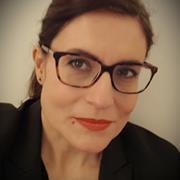 Frederique Liegeois合作论文数Great Ormond Street Institute of Child Health, University College London;Developmental Neurosciences Department, University College London34
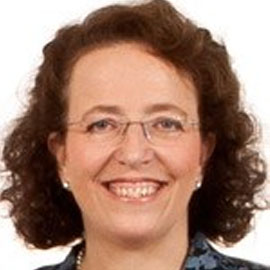 Ingrid Scheffer合作论文数Department of Medicine, The University of Melbourne;Faculty of Medicine, Dentistry and Health Sciences, The University of Melbourne;Florey Institute of Neuroscience and Mental Health;Department of Neurology, Royal Children's Hospital Melbourne;Austin Health32
 Adam Vogel合作论文数Bionics Institute;Hertie-Institut fur klinische Hirnforschung, Eberhard Karls Universitat Tubingen;Murdoch Childrens Research Institute;Redenlab;Monash Health;Centre for Neuroscience of Speech, Department of Audiology and Speech Pathology, Melbourne School of Health Sciences, Faculty of Medicine, Dentistry and Health Sciences, The University of Melbourne30
 Michael Hildebrand合作论文数Department of Medicine, Melbourne Medical School, Faculty of Medicine, Dentistry and Health Sciences, The University of Melbourne24Cristina Mei合作论文数24
 Simon E. Fisher合作论文数Department of Language and Genetics, Max Planck Institute for Psycholinguistics;Donders Institute for Brain, Cognition and Behaviour, Faculty of Science, Radboud University Nijmegen23
 Amanda Brignell合作论文数22
 Ruth Braden合作论文数Murdoch Childrens Res Inst19
 Katherine Sanchez合作论文数Murdoch Children's Research Institute;University of Melbourne;Murdoch Children's Research Institute, University of Melbourne19
 Elizabeth Ward合作论文数School of Health and Rehabilitation Sciences, Faculty of Health and Behavioural Sciences, The University of Queensland15Samantha J. Turner合作论文数15
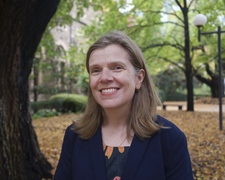 Alicia Spittle合作论文数Department of Physiotherapy, Melbourne School of Health Sciences, Faculty of Medicine, Dentistry and Health Sciences, The University of Melbourne14
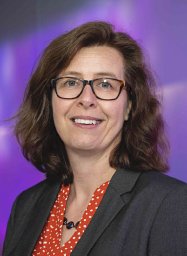 Melanie Bahlo合作论文数Walter and Eliza Hall Institute of Medical Research13
 Lottie D Morison合作论文数Speech and Language, Murdoch Children's Research Institute12Himanshu Goel合作论文数Hunter New England Local Hlth Dist11
 Jessica O Boyce合作论文数11
 Jenny Donovan合作论文数Department of Social Medicine, University of Bristol;School of Social and Community, University of Bristol;Medical School, University of Bristol11Melissa Wake合作论文数11Pigdon Lauren合作论文数11Bruce E. Murdoch合作论文数university of queensland11Olivia van Reyk合作论文数10Alan Connelly合作论文数10David A Koolen合作论文数9Miya St John合作论文数9
 Gina Conti-Ramsden合作论文数Division of Psychology Communication and Human Neuroscience, The University of Manchester9Jackson Victoria E合作论文数9
 Peter Anderson合作论文数Turner Institute for Brain and Mental Health, School of Psychological Sciences, Monash University9
 Fiona Mensah合作论文数Paediatrics Royal Children's Hospital;Murdoch Children's Research Institute;Clinical Epidemiology and Biostatistics Unit, Department of Paediatrics, The University of Melbourne9
 Katherine Lange合作论文数Murdoch Childrens Res Inst8
 Lex Doyle合作论文数Division of Medicine, Dentistry and Health Sciences, The University of Melbourne8Govindasami Koveela合作论文数8
 Katrina Williams合作论文数Department of Paediatrics, Monash University;University of Melbourne8Malgorzata Tymrakiewicz合作论文数8
 Deanne Thompson合作论文数National Herbarium of Victoria, Royal Botanic Gardens Melbourne8
 Victoria Harmer合作论文数7Ellen Verhoef合作论文数Max Planck Inst Psycholinguist, Language & Genet Dept, Nijmegen, Netherlands7Kleefstra Tjitske合作论文数7
 B. St. Pourcain合作论文数Sch Social & Community Med, Univ Bristol7Reddihough Dinah合作论文数7
 Andreas Makris合作论文数7
 Tokhir Dadaev合作论文数Inst Canc Res, London, England7
 Cristina Mckean合作论文数The University of Melbourne, Australia Newcastle University7
 Srivastava Siddharth合作论文数Hugo W. Moser Research Institute, Kennedy Krieger Institute.7
 Janet Dunn合作论文数Warwick Clinical Trials Unit, Warwick Medical School, University of Warwick7
 Freddie Hamdy合作论文数Nuffield Department of Surgical Sciences, University of Oxford7Michelle Guy合作论文数7
 Patricia Eadie合作论文数Department of Plastic and Reconstructive Surgery, Our Lady’s Children’s Hospital7




