Cancer has a considerable impact on adolescents and young adults (AYAs) as their identity develops. One contentious issue in the literature is what to call people with a cancer history. Here we investigated the following: (1) what identity labels AYAs with and without a cancer history prefer, (2) demographic and psychological factors associated with adopting the ‘survivor’ label, and (3) how AYAs’ cancer identity preferences evolve over time. Study 1 compared identity preferences cross-sectionally between 93 AYAs with a cancer history, and 51 comparison AYAs with a non-cancer illness history. Study 2 longitudinally followed a subsample of AYAs with a cancer history (N = 40). AYAs completed two identity-related tasks, as well as measures of depression, anxiety, and illness centrality. AYAs treated for cancer were more likely to adopt the ‘survivor’ label than the comparison group. AYAs with a cancer history who indicated that cancer remained a more central part of their identity were more likely to adopt the ‘survivor’ identity. The highest proportion preferring ‘survivor’ as an identity was shortly post-treatment (35
Abstract Background Precision medicine trials are advancing best practice for young patients with poor prognosis central nervous system (CNS) cancers, however little research has characterised parent psychological distress in this setting. Methods We collected mixed-methods data from parents of children (<21 years) with poor prognosis CNS cancers via a psychosocial study (PRISM-Impact) embedded in the ZERO Childhood Cancer Program’s precision medicine trial (PRISM). We administered questionnaires at trial enrolment (Time 0, T0) and after return of results (Time 1, T1), with an optional qualitative interview at T1. We calculated the prevalence of clinically-relevant psychological concerns via the Emotion Thermometers Tool (ETT) and fear of disease progression via the short-form caregiver FoP Scale. We used a linear mixed model to examine relationships between psychological (e.g., intolerance of uncertainty) and trial (e.g., results received) factors, and parents’ psychological distress. Results Most parents reported clinically-relevant levels of psychological concerns (distress, anxiety, depression, anger and/or need for help) on the ETT at trial enrolment (88/113, 78%) and after return of their child’s results (40/56, 71%). Clinical levels of fear of disease progression were also evident across timepoints (in 65% and 79% of parents). Higher levels of intolerance of uncertainty at baseline were associated with higher parent distress at T1 (p<.05), while receiving a pathogenic/likely pathogenic germline finding appeared associated with lower psychological distress (p<.05). Interview data (N = 21) highlights how uncertainty and hope can drive families’ engagement with precision medicine. Conclusions Our findings highlight the psychological and clinical factors that may compound parents’ normative psychological responses to caring for a child with a likely life-limiting CNS cancer. Better understanding the causes of their child’s cancer may play some role in easing parents’ distress, even if cure is not possible. Strategies to support parents experiencing high levels of fear and difficulty managing uncertainty are needed.
The International Paediatric Oncology Society Global Mapping Programme aims to collect data on global paediatric oncology services by continent, with Africa and Latin America completed. This study reports on the methodology and lessons learned for Oceania, a unique continent with resource disparity across countries, multiple small island developing states, small populations and complex climate and cultural factors. Recruitment and data collection processes have built invaluable regional connections and highlighted the challenges impacting regional childhood cancer care. This first comprehensive overview of paediatric oncology capacity in Oceania addresses a critical evidence gap and will inform future cancer control plans and advocacy.
ABSTRACT Objective Pediatric neuroprognostication is often complicated by uncertainty and embedded in high‐stakes medical decisions. For child neurology residents, participation in neuroprognostication can represent key learning experiences but also comes with emotional and ethical challenges, which poses a risk of moral distress. This study sought to describe contextual influences and impacts on residents participating in neuroprognostication. Methods One‐on‐one, semi‐structured virtual interviews were conducted with senior (postgraduate year 5–6) child neurology residents. Deidentified transcripts were iteratively analyzed to develop themes and generate a narrative of resident experiences. Initial themes were shared with participants for additional feedback. Final themes were synthesized to characterize contextual influences and the emotional and professional impacts of participating in neuroprognostication. Results Fifteen residents from 12 institutions across 10 states participated, representing a range of program sizes and geographic locations across the United States. Qualitative analysis identified five themes: (1) Serious neurologic pathology and decisions with high stakes , highlighting neurology teams' roles in major medical decisions; (2) Navigating uncertainty and hope , describing the difficulty of limited data; (3) Systemic barriers and challenges to prognostic communication , underscoring team‐ and institution‐level factors; (4) Negative emotional impacts , with concerns of developing emotional exhaustion; and (5) The importance of neuroprognostication , emphasizing the gravity of this responsibility and distress when residents felt ineffective in this role. Conclusions Residents describe neuroprognostication as an emotionally salient experience carrying a strong sense of responsibility. This narrative highlights opportunities to support residents in training, improve prognostic communication, and address potential threats to resident well‐being.
OBJECTIVES:Patients hospitalized with a life-limiting illness, along with their loved ones, frequently experience anxiety, stress, and pain. Legacy building through storytelling and music may alleviate emotional strain and provide comfort. Musical Rounds is a novel music medicine program designed to reduce distress and support legacy building for adult patients receiving palliative care and their loved ones. METHODS:This multisite, mixed-methods, pre-post feasibility study was conducted across 3 hospitals in California, USA. Participants engaged in live bedside recording sessions in which personal stories were shared with real-time musical improvisation provided by a clinician-musician. Afterward, participants received a personalized edited recording combining voice and improvised music. Pain, stress, anxiety, and comfort were assessed before and after each session using a 0-10 numeric rating scale. Perceived mood changes were assessed through directed qualitative content analysis. RESULTS:We invited 100 adult patients hospitalized with a life-limiting illness and their loved ones to participate. If patients were unable to respond, loved ones participated on their behalf. Patients (n = 79) demonstrated statistically significant within-group differences between pre- and post-session assessments, including lower pain (-1.58, p < .001), stress (-2.89, p < .001), and anxiety (-2.73, p < .001), and higher comfort (+1.61, p < .001). Loved ones (n = 42) reported lower stress (-3.14, p < .001) and anxiety (-2.86, p < .001), and higher comfort (+1.83, p = .004). Directed content analysis indicated perceived mood improvement in 59% (47/80) of patients and 68% (30/44) of loved ones. SIGNIFICANCE OF RESULTS:Musical Rounds, a personalized music and storytelling session for hospitalized patients with life-limiting illness and their loved ones, was associated with lower self-reported stress, pain (patients only), and anxiety, and higher comfort and perceived mood across 3 hospitals. Findings demonstrate the feasibility and suggest potential benefits of music medicine-supported legacy building in palliative care. Controlled studies with independent assessors are needed to further evaluate efficacy.
12103 Background: Early, developmentally appropriate palliative care communication is an international standard for adolescents and young adults (AYAs) with cancer, yet remains inconsistently implemented. Clinicians report uncertainty regarding the optimal timing of palliative care discussions and around what training they need. This study aimed to establish international consensus on when key palliative care topics should be introduced with AYAs across the cancer trajectory and to identify clinician training priorities. Methods: A three-round international Delphi study was conducted with multidisciplinary health professionals who had worked with at least five AYAs who had died from cancer or its complications. Participants rated the appropriateness of introducing four palliative care communication topics (prognosis/goals of care, emotional/existential issues, quality of life, and end-of-life–related medical care) across prognosis levels and treatment phases. Participants also rated the importance of clinician training topics and likelihood of attending different training modalities. Consensus was defined a priori as ≥80% agreement. Results: Seventy-seven experts from 14 countries completed the final round. Consensus indicated that emotional and existential issues were appropriate to discuss early, including during active cancer treatment. In contrast, end-of-life–related medical decisions were considered appropriate later, most commonly following relapse, disease progression or poor prognosis. Discussions about prognosis, goals of care and quality of life were generally considered appropriate once cure was uncertain. Conversation timing was the only training topic to reach consensus as a priority (85.8%). Although no training modality reached formal consensus, learning from bereaved family members was the most highly endorsed approach (72.8%), followed by experiential and interdisciplinary learning formats. The presence of complex family or culturally and linguistically diverse dynamics did not fundamentally alter clinicians’ views on timing, but was associated with a need for greater team support and time. Conclusions: This international consensus provides clear guidance on when different palliative care topics should be discussed with AYAs with cancer and identifies timing as the primary area in which clinicians require additional support. Strong clinician endorsement of experiential and family-informed training approaches highlights opportunities to strengthen workforce capacity for earlier, developmentally appropriate palliative care communication.
To respond to the psychological needs of adolescent and young adult (AYA) cancer survivors, we developed and evaluated a theoretically grounded online intervention to teach adaptive coping skills to promote resilience in early survivorship: ‘Recapture Life’. This qualitative study aimed to evaluate the process of implementing Recapture Life into community organisations, after having been initially developed in an academic setting. The study duration was 2017–2022. Eighteen community staff members were interviewed before the implementation (T0) and nine of them after the implementation (T1). A qualitative data process evaluation using the Proctor model for implementation was completed. Interviews were thematically analysed and mapped to four key domains: acceptability, adoption, appropriateness, and sustainability. Major facilitators included the training provided to staff before implementation, support from the community organisation, and the culture within the organisation, as well as the communication between the university/hospital and the community organisation/s. Major barriers included staff turnover and recruitment of participants. Most, but not all, of the potential barriers and facilitators mentioned at T0 were confirmed at T1. The COVID-19 pandemic was considered both a barrier and a facilitator. Additionally, this category did not fit into the Proctor framework, as it cut across all outcomes. We identified several processes critical to supporting the success of an AYA cancer intervention delivery. This study highlights the potential for psychological programs to be delivered online by skilled and well-trained psychosocial staff in community and not-for-profit settings. Trial registration The study was registered in the Australian New Zealand Clinical Trials Registry (ACTRN126240013995830) November 26th, 2024 (retrospectively registered).
Informed consent is fundamental to Australian newborn bloodspot screening (NBS), but emerging genomic screening technologies pose new challenges to clinical care and research. Optimizing consent processes is necessary to support ethical practice and maintain public trust as NBS evolves. This study aimed to identify gaps and opportunities to improve NBS consent processes in Queensland, Australia, while also exploring preliminary insights into the evolving complexity of consent in the context of genomic NBS (gNBS) and NBS-related research. A qualitative study design was used, with two facilitated interest-holder workshops (a total of 12 h) involving 86 participants (healthcare professionals, policy-makers, researchers, genomics experts, and consumer representatives). Workshop 1 (n = 25) was held virtually, and Workshop 2 (n = 61) was held in person. Thematic analysis was used to identify practical recommendations and ethical considerations. Participants identified three priority domains for improving consent in Queensland’s NBS program: (1) revision of the Guthrie Card and consent statement, (2) development of consistent, antenatal information resources across healthcare providers, and (3) standardized consent delivery training for healthcare staff. Discussions also highlighted tensions around information requirements for informed consent, revealing growing complexities regarding layered consent models. While recommendations on research consent were not fully developed at the workshop, insights highlighted the growing complexity and divergence of views on layered consent models. Findings suggest that improving NBS consent requires both operational reform and reassessment of ethical standards, alongside broader interest-holder engagement and feasible, scalable models also suited to genomic technologies. A nationally consistent framework is needed.
Youth vaping is increasing in Australia and internationally, highlighting the need for effective prevention and cessation strategies. Large-scale public health campaigns targeting vaping remain relatively uncommon, particularly those incorporating youth-informed design and rigorous evaluation. This project aimed to develop and evaluate a national, peer-to-peer anti-vaping campaign (UNCLOUD) using a multi-stage research approach. We conducted three sequential studies with young people aged 14–25 years in Australia (2022–2024). In Study 1, we used a cross-sectional national survey (n = 2,204) to assess vaping behaviors, attitudes, and perceived social norms. In Study 2, we conducted a qualitative study (n = 135) using interviews and group discussions to explore responses to anti-vaping messaging and inform campaign development. In Study 3, we implemented a repeated cross-sectional evaluation (n = 3,000) to assess campaign awareness, media performance, and self-reported attitudinal and behavioral outcomes. We compared participants who were aware versus unaware of the campaign using weighted analyses. In Study 1, 29
Abstract Each year, approximately 400,000 children and more than a million adolescents and young adults (AYAs) are diagnosed with cancer. This chapter explores the impact of childhood and AYA cancer on survivors’ neurocognitive functioning, mental health, and social functioning. It also outlines the transition from pediatric to adult healthcare settings, emphasizing the importance of regular comprehensive assessments and individualized survivorship care. Key topics include cancer-related worries, post-traumatic growth, and the financial impact on survivors and families (including parents and siblings). Cultural and ethical considerations are addressed, highlighting priority populations and the challenges faced in low- and middle-income countries. The chapter concludes by discussing professional issues including healthcare provider training and the emotional toll of caring for young cancer survivors.
Background Poor physical fitness and fatigue are prevalent long-term issues for childhood cancer survivors. This study aimed to determine associations between childhood cancer survivors’ self-reported physical fitness domains and their perceptions of links between exercise and fatigue. Methods A cross-sectional survey assessed survivors' self-reported muscle strength, running speed and flexibility using The International Fitness Scale as well as survivors’ perceptions of exercise and fatigue. Non-parametric correlation tests were used. Results One hundred and seven childhood cancer survivors aged 8–18 years participated at a median of six years post-completion of treatment. Poor muscle strength, running speed and flexibility were self-reported by 11%, 18% and 36% of survivors, respectively. Fatigue was perceived as a barrier to exercise by 50% of survivors, while 44% of survivors perceived that exercising reduced fatigue. Poor self-reported muscle strength was significantly associated with perceiving fatigue as a barrier to exercise (rrb = −0.219) and with perceiving exercising to reduce fatigue (Tb = 0.192). Poor self-reported running speed was associated with perceiving fatigue as a barrier to exercise (rrb = −0.199) and with perceiving exercising to reduce fatigue (Tb = 0.228). Conclusions An assessment of self-reported physical fitness domains and perceptions of exercise and fatigue is needed among childhood cancer survivors to identify and support those who perceive poor physical fitness domains or believe that fatigue hinders their exercising. Implications for cancer survivors Interventions that improve confidence in a childhood cancer survivor’s own ability to exercise should be investigated to improve re-engagement with exercise.
INTRODUCTION:The Implementation Research Logic Model (IRLM) is a key tool for guiding evidence-based health care implementation. However, multilevel interventions are inherently complex, making it challenging to distinguish the inter-relationships between clinical and implementation interventions. AIMS:To address this, we developed the Clinical, Service, and Implementation Intervention Research Logic Model (CSII-RLM) to support the co-design and implementation of ProCure, a database that supports clinicians with off-label therapy applications in pediatric precision medicine. METHODS:We deductively coded and analyzed a qualitative dataset using the Consolidated Framework for Implementation Research (CFIR), generated from 17 pediatric health care professional semi-structured interviews. We entered the synthesized data into the IRLM Clinical Intervention template and made adaptations to allow for a more comprehensive fit of the data, resulting in the CSII-RLM. We incorporated worked examples and developed algorithms to demonstrate application and functionality. RESULTS:The new intermediary "Service Intervention" successfully defined ProCure as a separate, supporting intervention within the broader context of pediatric precision medicine. Worked examples demonstrate how the CSII-RLM distinguishes between clinical and service-level interventions and helps to capture and understand real-world implementation. Novel algorithms further support the development and understanding of causal pathways for each intervention. CONCLUSIONS:The CSII-RLM is a promising tool that can assist the design and implementation of service interventions to support complex clinical interventions within the health care setting. The application of the CSII-RLM has been demonstrated in the implementation planning phase of ProCure and will continue to be tested and refined throughout its implementation. SPANISH ABSTRACT:http://links.lww.com/IJEBH/A582.
Background Bereavement following a cancer-related death profoundly affects families, yet global evidence on grief and its relationship with end-of-life care experiences remains limited. This WHO-supported study examined emotional challenges, grief symptoms, and perceptions of care among bereaved family members across high-, middle-, and low-income countries. Methods The WHO Lived Experience of Cancer survey was disseminated in 120 countries in 25 languages(1). Participants answered questions about their bereavement experiences, access to palliative care services and advance-care planning, and emotional challenges such as depression, anxiety, adjustment difficulties since the death (‘yes’/’‘no’). Probable Prolonged Grief Disorder (PPGD) was identified according to the PG-13-R scoring guidelines, requiring endorsement of core symptoms, functional impairment, and bereavement duration >12 months. Open-ended responses explored participants’ greatest emotional challenges since the death. Results 316 participants answered questions about their bereavement experiences (86% female; 74% in high-income countries; 34% were parents whose child died from cancer). The most prevalent self-reported emotional challenges were adjustment difficulties (59%), depression (55%), and post-traumatic stress symptoms (38%). Among the 108 participants who provided complete PG-13-R data, the mean score was 33.7 (SD:10.8; bereaved parents: 35.1; others: 32.5), and 37% met criteria for PPGD. Qualitative responses revealed recurring themes of enduring loneliness, guilt, anger, and identity disruption. Participants from LMICs shared distress over resource shortages and the emotional toll of witnessing preventable suffering. Bereaved parents highlighted experiences of emotional isolation, difficulty communicating their grief with others, and the challenge of sustaining hope while caring for their surviving children. Conclusions Participants reported enduring emotional distress following family members’ cancer-related deaths. Reported PG-13-R scores and PPGD rate appear higher than those typically reported in cancer-bereaved populations, although these findings may reflect our non-representative sample and incomplete data. Strengthening equitable access to palliative and bereavement-informed care is vital in promoting long-term family wellbeing and quality of life.
PURPOSE:Adolescents affected by cancer experience unique educational and social challenges during high school due to cancer diagnosis, treatment, and survivorship. High school experiences may also be impacted by developmental stage at diagnosis. This study aims to compare the high school experiences related to age at diagnosis (childhood or adolescence) from adolescent and young adult and parent perspectives. METHODS:We used purposive sampling to recruit youths and parents to semistructures interviews, including 18 youths (11-23 years), diagnosed during childhood (n = 8; age at diagnosis M = 6.8) and adolescence (n = 10, age at diagnosis M = 13.8), and 13 parents (34-65 years), of youths diagnosed in childhood (n = 8, child age at diagnosis M = 6.9) and adolescence (n = 5, child age at diagnosis M = 13.6). Interviews were transcribed verbatim and analyzed thematically. RESULTS:We identified two common themes for youths: Academic Calibration, highlighting the adjustments to academic performance and engagement throughout the cancer journey, and (Dis)connection, describing shifts in social identity and peer relationships. For parents, themes included: Navigating School Engagement, reflecting challenges with education engagement, and Social Flux, capturing changes in social functioning and peer interactions. Distinct subthemes were identified across all youths, including Missing Out, Social Isolation and School Takes a Back Seat, detailing the social and academic experiences of youths diagnosed in adolescence. CONCLUSIONS:This study underscores the shared and distinct challenges faced by adolescents affected by cancer in high school. Disruptions to social networks faced by adolescents with cancer and enduring academic challenges of adolescents diagnosed in childhood underscore the need for tailored, comprehensive support.
BACKGROUND:Germline genomic sequencing (GGS) is increasingly offered to children with cancer. We explored families' experiences of consent, result-disclosure, and satisfaction in the PREDICT study, a standalone trio-GGS study of unselected, newly-diagnosed patients ( ≤ 21 yrs). METHODS:Using a convergent parallel mixed-methods design, parents and children ( ≥ 12 yrs) completed questionnaires at baseline/post-consent (T0), results-return (T1), and for parents, one-year post-enrolment (T2). Parents completed T1 interviews. RESULTS:187/248 parents (mean:40.4 yrs) and 19/32 children (mean:14.9 yrs) from 128/144 families participated; 49 parents were interviewed. Few reported thoroughly reading consent materials and consent-related distress was low, though higher among parents with lower-income (p = 0.001) or below-average genetics knowledge (p = 0.027). At result-return, participants reported moderate distress, with no differences by result type (p = 0.118). Satisfaction was high (median: parents 98/100, children 87/100), 96% of parents and 60% of children would recommend PREDICT, and parents reported minimal regret (mean:15.74/100). Qualitative data revealed that cancer diagnosis-related distress influenced consent comprehension and potentially impeded parents' ability to consider study implications for themselves. Emotional reactions to results ranged from relief to distress, regardless of findings. Communication and trust shaped experiences. CONCLUSIONS:Consent for trio-GGS at cancer diagnosis is complex, requiring flexible, tailored processes. Clear, timely communication from trusted clinicians is key to improving family experiences.
1670 Background: As the growing number of childhood cancer survivors exceeds follow-up care capacity, scalable models to improve access and support self-management are needed. We evaluated the effectiveness of the ‘Engage’ survivorship program (primary outcomes: self-efficacy and health-related quality of life; HRQoL). Methods: Engage is a multidisciplinary program comprising a treatment summary; online health/lifestyle assessment; telehealth nurse consultations; multidisciplinary review; tailored survivorship recommendations for survivors and their nominated primary-care physician. Survivors treated at two Australian hospitals were eligible if diagnosed <18years, >5 years post-diagnosis, and completed treatment. Mixed-effects models examined change over time (baseline, 1-, 6-, 12-month) and differences by diagnosis (brain cancer vs other), adjusting for sex and age at diagnosis. Results: Of 138 consenting survivors 92% completed the health assessment and 89.1% completed the whole program (n=123). Median age was 24 years; median time since diagnosis was 15 years; 28% lived in rural/remote/regional areas; and 53% were brain cancer survivors. Program acceptability was high, with >80% of survivorsreporting Engage was helpful, improved knowledge and confidence, and was easy to access. Health-related self-efficacy improved over 12 months (χ²(3)=146.52, p<.001 ), with no evidence of differences in change between diagnostic groups (time × group; p=.97 ). HRQoL (EQ-5D index) improved modestly by 12 months (0.77 to 0.82; p=.011 ); brain cancer survivors reported lower baseline scores, with similar patterns of change over time. Satisfaction with care improved over time (χ²=35.59, p<.001 ), with higher satisfaction among non-brain cancer survivors (χ²=4.03, p=.045 ) but not over time (time×group p=.75 ). Among health behaviours, alcohol consumption decreased over time (χ²=16.20, p=001) and was higher overall among non-brain survivors (χ²=5.97, p=.015), with no time×group interaction ( p=.94 ). Adherence to personalised healthcare recommendations >50%, with greater adherence if discussed briefly during a follow-up nurse consult. Conclusions: Engage was associated with sustained improvements in survivors’ self-efficacy and satisfaction with care and modest improvements in HRQoL at 12-months follow-up. Similar trajectories across diagnosis groups suggest telehealth survivorship models can also support survivors with higher risk profiles (e.g., brain cancer survivors). Clinical trial information: ACTRN12621000590864.
AIM:Family members of patients with developmental and epileptic encephalopathies (DEEs) face profound emotional, social and practical challenges, yet little is known about how they access psychosocial support. We synthesised the literature on the psychosocial support accessed by family members of patients with DEEs, including evidence-based interventions. METHOD:Four databases were searched. Two reviewers independently screened and extracted data, appraised study quality (QualSyst Tool), and determined certainty of evidence (GRADE-CERQual Framework). Data were synthesised using inductive thematic analysis. RESULTS:28 papers comprising 27 unique studies were included and methodological quality was high overall (median = 0.91, IQR = 0.85-1.00). Most studies focused on parent experiences; only two included siblings' perspectives. Families reported high psychological needs which were rarely met by psychological support. Clinicians rarely provided adequate information, quality communication or addressed mental health. Families valued respite care, but experienced barriers to access. Peer support was the most common and valued resource. Three studies tested interventions and appeared feasible and acceptable for parents. However, evidence for intervention effectiveness is preliminary and limited to small, uncontrolled pilot studies. INTERPRETATION:Gaps exist in psychosocial support provision for families of patients with DEEs, including insufficient research on siblings' and grandparents' needs, and lack of evidence-based interventions. We propose evidence-informed research and implementation strategies to address these gaps.
Purpose This cross-sectional survey study explored health-related quality of life (HRQoL) across adult survivors of childhood- or adult-onset cancer in Australia, compared to controls with no history of cancer, and assessed factors associated with HRQoL among cancer survivors. Methods Participants completed a survey including clinical and demographic factors and HRQoL (assessed using EQ-5D-5L). Results Childhood cancer survivors (< 16 years at diagnosis, n = 403) and adult-onset cancer survivors (> 16 years at diagnosis, n = 656) participated, alongside 901 controls. Overall HRQoL was comparable between childhood cancer survivors and controls, whilst adult cancer survivors reported better HRQoL than controls. Over 50% of child and adult cancer survivors reported meaningful reductions in overall HRQoL compared to perfect health (i.e. EQ-5D-5L index < 0.92). Childhood survivors reported more mobility and activity limitations on the EQ-5D-5L domains compared to controls, whilst adult survivors reported fewer self-care issues. Childhood survivors' poorer HRQoL was significantly associated with cancer diagnosis and treatment, greater health issues, lower resilience, and smoking history. Adult survivors' poorer HRQoL was associated with older age, lower education, fewer health issues, lower resilience, and less physical activity. Conclusion This study provides a comprehensive examination of HRQoL among Australian cancer survivors, shedding light on age-specific differences and the multifaceted nature of associated factors. Implications for cancer survivors Factors associated with HRQoL highlight modifiable opportunities for targeted survivorship care interventions that may improve survivors' long-term coping and adaptation, as well as broader physical health after cancer.
While whole exome sequencing (WES) in pregnancy for fetal structural anomalies (FSA) has become increasingly feasible in Australia, parents' experiences of undergoing WES for FSA are poorly understood. This study explored the experiences of participants undergoing prenatal WES for FSA in Australia. Forty expectant parents from 28 parent-fetus trios were interviewed prior to receiving WES results, and interviews were analyzed using inductive content analysis. Participants consistently expressed a desire for as much information as possible about their unborn child (n = 17), describing this as a "quest for knowledge." The waiting period for results was identified as an especially difficult and emotionally taxing aspect of WES during pregnancy (n = 12). Overall, participants reported mostly positive experiences with healthcare professionals, noting the importance of compassionate and supportive care (n = 21). Many couples also considered termination of pregnancy as a possible outcome if a diagnosis was confirmed through WES (n = 13). These findings suggest that a nuanced understanding of participants' experiences can help guide clinical practice. Improvements may be achieved by expediting testing processes, ensuring supportive and compassionate healthcare interactions, and facilitating sensitive discussions regarding termination of pregnancy if families feel ready to engage with this potential option. The future of genomic sequencing in pregnancy will rely on providing supported access to clinical testing and ensuring laboratories deliver fast, accurate results during this critical period for prospective parents.
BACKGROUND:Acute lymphoblastic leukaemia (ALL) is one of the most treatable forms of paediatric cancer; however, there is a substantial burden of treatment-related toxicities (TRTs). In addition, the long-term changes in children's health-related quality of life (HRQoL) due to toxic treatments are not well understood. AIMS:To describe parent-reported HRQoL of children with ALL over a 5-year period from diagnosis and identify risk factors associated with parent reporting of low HRQoL in children. METHODS:Through a national longitudinal prospective study, we invited parents of children diagnosed with ALL within the last 100 days to report the HRQoL impacts on their child over time using the PedsQL Cancer Module. Mixed models were used to identify predictors of HRQoL. RESULTS:In total, 190 parents participated at one or more time points (representing children with a mean age of 6.2 years). Parents reported clinically meaningful reductions in their child's HRQoL throughout ALL treatment: Within the first 6 months of diagnosis, 59.2% of parents reported that their child had reduced HRQoL and 47.6% did at 54 months. Procedural anxiety and cognitive dysfunction were key contributors to HRQoL through and beyond treatment. Age at diagnosis, sex and rurality were associated with HRQoL. CONCLUSION:Almost half of parents reported that their children experienced poor HRQoL during and after treatment. Procedural anxiety and cognitive dysfunction were key contributors to HRQoL that did not reduce with time, demonstrating the need for comprehensive assessment of children's HRQoL to support access to psychosocial supportive care needs and improve overall HRQoL into survivorship years.
 Richard Jules Cohn合作论文数School of Women's and Children's Health, University of New South Wales200
 Joanna Elizabeth Fardell合作论文数School of Women's and Children's Health, Faculty of Medicine, The University of New South Wales79
 Christina Signorelli合作论文数Behavioural Sciences Unit, Sydney Children's Hospital;Discipline of Paediatrics, School of Women's &UNSW Medicine, UNSW Australia;School of Women's & Children's Health, Sydney Children's Hospital77
 Ursula Margaret Sansom Daly合作论文数School of Women's and Children's Health, Faculty of Medicine, The University of New South Wales75
 Jordana kathleen Mcloone合作论文数71
 Sarah Ellis合作论文数Centre for Childhood Cancer Research, The University of New South Wales;School of Clinical Medicine, Faculty of Medicine & Health, The University of New South Wales;Sydney Children's Hospital53
 Brittany Claire McGill合作论文数School of Women's and Children's Health, Faculty of Medicine, The University of New South Wales51
 Kate Hetherington合作论文数a School of Psychology, The University of New South Wales48
 Anazodo Antoinette合作论文数Kids Cancer Centre (KCC),, Sydney Children's Hospital38
 Eden Robertson合作论文数School of Clinical Medicine, University of New South Wales36
 Patterson Pandora合作论文数M. Clin. Psych, CanTeen Australia33
 David Ziegler合作论文数Children's Cancer Institute;School of Clinical Medicine, University of New South Wales;Kids Cancer Centre, Sydney Children’s Hospital30
 Glenn Marshall合作论文数Children’s Cancer Institute;School of Women’s and Children’s Health, Faculty of Medicine, University of New South Wales;Kids Cancer Centre, Sydney Children's Hospital28
 Karen Johnston合作论文数27
 Lauren Kelada合作论文数27
 Vetsch Janine合作论文数Department of Health Sciences &University of Lucerne;Department of Health Sciences & Health Policy, University of Lucerne25Donoghoe Mark W合作论文数23Lori Wiener合作论文数23
 Jennifer L. Cohen合作论文数Department of Pediatrics, Duke University School of Medicine22
 Phyllis Butow合作论文数School of Psychology, Faculty of Science, University of Sydney22M. Warby合作论文数20
 Donna Drew合作论文数20
 Doolan Emma L合作论文数School of Women's and Children's Health, University of New South Wales;Kids Cancer Centre, Sydney Children's Hospital (SCH),;School of Women's and Children's Health, University of New South Wales20
 David Mizrahi合作论文数School of Health Sciences, Faculty of Medicine and Health, The University of Sydney18Kathy Tucker合作论文数17
 Lauren Ha合作论文数16
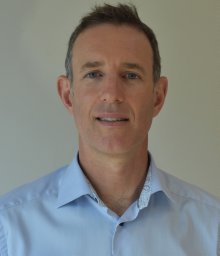 David Simar合作论文数School of Medical Sciences, University of New South Wales16
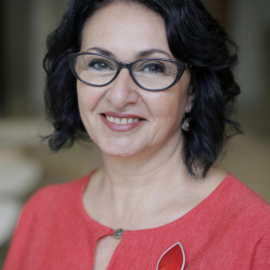 Afaf Girgis AM合作论文数South Western Sydney Clinical School, Faculty of Medicine, The University of New South Wales15Judi Homewood合作论文数15
 Michael Osborn合作论文数14
 Bettina Meiser合作论文数School of Clinical Medicine, University of New South Wales14
 Tracey A. O'Brien合作论文数Centre for Cancer and Blood Disorders, Sydney Children's Hospital14R. Cohn合作论文数13
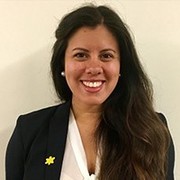 Carolyn Mazariego合作论文数School of Public Health, Faculty of Medicine and Health, The University of Sydney13
 Frank Alvaro合作论文数13
 Richard Bryant合作论文数School of Psychology, University of New South Wales13
 Holly Evans合作论文数12
 Mary A. Burns合作论文数Discipline of Pediatrics School of Women's and Children's Health, UNSW12Barb Donnan合作论文数12
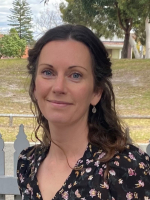 Natalie Taylor合作论文数University of New South Wales;The University of Sydney12Daly Rebecca A合作论文数Department of Microbiology, The Ohio State University12Donovan Leigh合作论文数12Walwyn Thomas合作论文数12
 Maria Mccarthy合作论文数Children‘s Cancer Centre, Royal Children‘s Hospital12
 Nadine A. Kasparian合作论文数School of Women's and Children's Health, Faculty of Medicine, The University of New South Wales12Elysia Thornton-Benko合作论文数11
 Skye McKay合作论文数Cancer Council NSW, The University of Sydney11Alison Luk Young合作论文数11
 Judy Kirk合作论文数School of Medicine, Faculty of Medicine and Health, The University of Sydney11




