Current knowledge of the spatiotemporal patterns of changes in soil moisture-based terrestrial aridity has considerable uncertainty. Using Standardized Soil Moisture Index (SSI) calculated from multi-source merged data sets, we find widespread drying in the global midlatitudes, and wetting in the northern subtropics and in spring between 45°N–65°N, during 1971–2016. Formal detection and attribution analysis shows that human forcings, especially greenhouse gases, contribute significantly to the changes in 0–10 cm SSI during August–November, and 0–100 cm during September–April. We further develop and apply an emergent constraint method on the future SSI’s signal-to-noise (S/N) ratios and trends under the Shared Socioeconomic Pathway 5-8.5. The results show continued significant presence of human forcings and more rapid drying in 0–10 cm than 0–100 cm. Our findings highlight the predominant human contributions to spatiotemporally heterogenous terrestrial aridification, providing a basis for drought and flood risk management.
Concentration–discharge dynamics were evaluated in a small (~ 2.25 km2) headwater catchment underlain with discontinuous permafrost on the Seward Peninsula of western Alaska. A large storm, during which 48 mm of rain fell over a 24‐h period, enabled the evaluation of solute concentration–discharge response to a sizeable hydrological event, while water stable isotopes enabled an appraisal of the contributions of event water. Under normal catchment conditions, chemostatic behaviour was observed for solutes typically derived from mineral weathering (e.g. calcium, magnesium, sodium and silica). The chemostatic behaviour observed for most solutes under normal catchment conditions indicated that catchment storage and residence times are sufficiently long for many solute generating reactions to approach equilibrium. Following the storm however, most solutes exhibited dilutive and highly variable behaviour. This likely indicated the exceedance of a discharge threshold where chemostatic behaviour could no longer be maintained for most solutes. Dissolved organic carbon and silica were the only solutes monitored to exhibit chemostatic behaviour during all time periods.
Foundation species have disproportionately large impacts on ecosystem structure and function. As a result, future changes to their distribution may be important determinants of ecosystem carbon (C) cycling in a warmer world. We assessed the role of a foundation tussock sedge (Eriophorum vaginatum) as a climatically vulnerable C stock using field data, a machine learning ecological niche model, and an ensemble of terrestrial biosphere models (TBMs). Field data indicated that tussock density has decreased by ∼0.97 tussocks per m2 over the past ∼38 years on Alaska’s North Slope from ∼1981 to 2019. This declining trend is concerning because tussocks are a large Arctic C stock, which enhances soil organic layer C stocks by 6.9% on average and represents 745 Tg C across our study area. By 2100, we project that changes in tussock density may decrease the tussock C stock by 41% in regions where tussocks are currently abundant (e.g. −0.8 tussocks per m2 and −85 Tg C on the North Slope) and may increase the tussock C stock by 46% in regions where tussocks are currently scarce (e.g. +0.9 tussocks per m2 and +81 Tg C on Victoria Island). These climate-induced changes to the tussock C stock were comparable to, but sometimes opposite in sign, to vegetation C stock changes predicted by an ensemble of TBMs. Our results illustrate the important role of tussocks as a foundation species in determining future Arctic C stocks and highlight the need for better representation of this species in TBMs.
Widespread aridification of the land surface causes substantial environmental challenges and is generally well documented. However, the mechanisms underlying increased aridity remain relatively underexplored. Here, we investigated the anthropogenic and natural factors affecting long-term global aridity changes using multisource observation-based aridity index, factorial simulations from the Coupled Model Intercomparison Project phase 6 (CMIP6), and rigorous detection and attribution (D&A) methods. Our study found that anthropogenic forcings, mainly rising greenhouse gas emissions (GHGE) and aerosols, caused the increased aridification of the globe and each hemisphere with high statistical confidence for 1965–2014; the GHGE contributed to drying trends, whereas the aerosol emissions led to wetting tendencies; moreover, the bias-corrected CMIP6 future aridity index based on the scaling factors from optimal D&A demonstrated greater aridification than the original simulations. These findings highlight the dominant role of human effects on increasing aridification at broad spatial scales, implying future reductions in aridity will rely primarily on the GHGE mitigation.
Climate warming will alter photosynthesis and respiration not only via direct temperature effects on leaf biochemistry but also by increasing atmospheric dryness, thereby reducing stomatal conductance and suppressing photosynthesis. Our knowledge on how climate warming affects these processes is mainly derived from seedlings grown under highly controlled conditions. However, little is known regarding temperature responses of trees growing under field settings. We exposed mature tamarack and black spruce trees growing in a peatland ecosystem to whole‐ecosystem warming of up to +9°C above ambient air temperatures in an ongoing long‐term experiment (SPRUCE: Spruce and Peatland Responses Under Changing Environments). Here, we report the responses of leaf gas exchange after the first two years of warming. We show that the two species exhibit divergent stomatal responses to warming and vapor pressure deficit. Warming of up to 9°C increased leaf N in both spruce and tamarack. However, higher leaf N in the warmer plots translate into higher photosynthesis in tamarack but not in spruce, with photosynthesis being more constrained by stomatal limitations in spruce than in tamarack under warm conditions. Surprisingly, dark respiration did not acclimate to warming in spruce, and thermal acclimation of respiration was only seen in tamarack once changes in leaf N were considered. Our results highlight how warming can lead to differing stomatal responses to warming in co‐occurring species, with consequent effects on both vegetation carbon and water dynamics.
Increased concerns about regional and global climate change in recent decades has led to a significant expansion of monitoring, observational, and experimental sites in remote areas of the world. During this same time, advances in technology and availability of low-power equipment, have allowed increasingly sophisticated measurements with an increasingly wide variety of instruments, sensors, and sensor networks. However, the deployment and use of these technologies in remote locations is restricted not only by harsh environmental conditions, but by the availability of electrical power and communication options. With this presentation we would like to share our experience of designing and building hybrid energy (solar and wind) module that can be used to provide power and communication capabilities for remote installations.
The long atmospheric residence time of CO2 creates an urgent need to add atmospheric carbon drawdown to CO2 regulatory strategies. Synthetic and systems biology (SSB), which enables manipulation of cellular phenotypes, offers a powerful approach to amplifying and adding new possibilities to current land management practices aimed at reducing atmospheric carbon. The participants (in attendance: Christina Agapakis, George Annas, Adam Arkin, George Church, Robert Cook-Deegan, Charles DeLisi, Dan Drell, Sheldon Glashow, Steve Hamburg, Henry Jacoby, Henry Kelly, Mark Kon, Todd Kuiken, Mary Lidstrom, Mike MacCracken, June Medford, Jerry Melillo, Ron Milo, Pilar Ossorio, Ari Patrinos, Keith Paustian, Kristala Jones Prather, Kent Redford, David Resnik, John Reilly, Richard J. Roberts, Daniel Segre, Susan Solomon, Elizabeth Strychalski, Chris Voigt, Dominic Woolf, Stan Wullschleger, and Xiaohan Yang) identified a range of possibilities by which SSB might help reduce greenhouse gas concentrations and which might also contribute to environmental sustainability and adaptation. These include, among other possibilities, engineering plants to convert CO2 produced by respiration into a stable carbonate, designing plants with an increased root-to-shoot ratio, and creating plants with the ability to self-fertilize. A number of serious ecological and societal challenges must, however, be confronted and resolved before any such application can be fully assessed, realized, and deployed.
Increased concerns about climate change have led to a significant expansion of monitoring, observational, and experimental sites in remote areas of the world. Meanwhile, advances in technology and availability of low-power equipment have allowed increasingly sophisticated measurements with a wide variety of instruments. However, the deployment and use of these technologies in remote locations is often restricted not only by harsh environmental conditions, but also by the availability of electrical power and communication options. In some cases, research stations and military installations can provide power for scientific equipment, data acquisition, storage, and transmission. Clustering of research sites near existing infrastructure has had the unintended consequence of limiting a spatial understanding of large geographic regions. Fortunately, the modern market offers many power and communication solutions, but most of them are oriented toward large industrial applications. Use of those solutions to power a research site is limited because of their cost and need for significant modification for the specific research purposes. Each study has its own unique power requirements and needs for proper instrumentation. A power and communication solution for a vast majority of implementations with or without modification would be of considerable benefit. This article describes design of a universal, scalable hybrid energy module for the Next-Generation Ecosystem Experiments Arctic project(https://ngee-arctic.ornl.gov/). Two modules were built, and the authors describe their implementation and findings over a 2-year period at a remote field site on the Seward Peninsula in western Alaska, USA.
The availability of labile carbon (C) compounds in Arctic wetland soils is expected to increase due to thawing permafrost and increased fermentation as a result of decomposition of organic matter with warming. How microbial communities respond to this change will affect the balance of CO(2)and CH(4)emitted during anaerobic organic matter decomposition, and ultimately the net radiative forcing of greenhouse gas emissions from these soils. While soil water content limits aerobic respiration, the factors controlling methanogenesis and anaerobic respiration are poorly defined in suboxic Arctic soils. We conducted incubation experiments on two tundra soils from field sites on the Seward Peninsula, Alaska, with contrasting pH and geochemistry to determine the pathways of anaerobic microbial respiration and changes with increasing substrate availability upon warming. In incubation of soils from the circumneutral Teller site, the ratio of CO(2)to CH(4)dropped from 10 to <2 after 60 days, indicating rapid depletion of alternative terminal electron acceptors (TEAs). Addition of acetate stimulated production of CO(2)and CH(4)in a nearly 1 : 1 ratio, consistent with methanogenesis, and the composition of the microbial community shifted to favor clades capable of utilizing the added acetate such as the Fe(iii)-reducingGeobacterand the methanogenic archaeaMethanosarcina. In contrast, both CO(2)and CH(4)production declined with acetate addition during incubation of soils from the more acidic Council site, and fermentative microorganisms increased in abundance despite the high availability of fermentation products. These results demonstrate that the degree to which increasing substrate availability stimulates greenhouse gas production in tundra wetlands will vary widely depending on soil pH and geochemistry.
An Arctic research team of 150 members that implemented a culture of safety, inclusion, and trust as the foundation for cross-disciplinary science shares lessons from its experiences.
Human life intimately depends on plants for food, biomaterials, health, energy, and a sustainable environment. Various plants have been genetically improved mostly through breeding, along with limited modification via genetic engineering, yet they are still not able to meet the ever-increasing needs, in terms of both quantity and quality, resulting from the rapid increase in world population and expected standards of living. A step change that may address these challenges would be to expand the potential of plants using biosystems design approaches. This represents a shift in plant science research from relatively simple trial-and-error approaches to innovative strategies based on predictive models of biological systems. Plant biosystems design seeks to accelerate plant genetic improvement using genome editing and genetic circuit engineering or create novel plant systems through de novo synthesis of plant genomes. From this perspective, we present a comprehensive roadmap of plant biosystems design covering theories, principles, and technical methods, along with potential applications in basic and applied plant biology research. We highlight current challenges, future opportunities, and research priorities, along with a framework for international collaboration, towards rapid advancement of this emerging interdisciplinary area of research. Finally, we discuss the importance of social responsibility in utilizing plant biosystems design and suggest strategies for improving public perception, trust, and acceptance.
 Paul J Hanson合作论文数Environmental Sciences Division, Oak Ridge National Laboratory;Climate Change Science Institute, Oak Ridge National Laboratory26
 Richard J. Norby合作论文数Department of Ecology and Evolutionary Biology, College of Arts and Sciences, University of Tennessee-Knoxville;Oak Ridge National Laboratory;School of Geography, Earth and Environmental Sciences, University of Birmingham18
 Cathy Wilson合作论文数Los Alamos National Laboratory17
 Derrick Oosterhuis合作论文数Dept Crop Soil & Environm Sci, Univ Arkansas14
 Colleen M Iversen合作论文数Environmental Sciences Division, Oak Ridge National Laboratory;Climate Change Science Institute, Oak Ridge National Laboratory12
 Charles T. Garten Jr.合作论文数Environmental Sciences Division, Oak Ridge National Laboratory11
 Gerald A. Tuskan合作论文数Center for Bioenergy Innovation, Biological Sciences Division, Oak Ridge National Laboratory11
 W. M. Post合作论文数Environmental Sciences Division, Oak Ridge National Laboratory10
 Ca Gunderson合作论文数9
 Alistair Rogers合作论文数Climate and Ecosystem Sciences Division, Lawrence Berkeley National Laboratory9
 Baohua Gu合作论文数Environmental Sciences Division, Oak Ridge National Laboratory;Department of Biosystems Engineering and Soil Science, The University of Tennessee;Institute 0f Agriculture, The University of Tennessee9Peter E. Thornton合作论文数Numerical Terradynamic Simulation Group;School of Forestry;University of Montana;School of Forestry, University of Montana9Anthony W. King合作论文数8
 David J. Weston合作论文数Environmental Sciences Division;Oak Ridge National Laboratory;Environmental Sciences Division, Oak Ridge National Laboratory8Carla A. Gunderson合作论文数8
 David Graham合作论文数School of Engineering, Newcastle University7Samuel B. Mclaughlin合作论文数7
 Yang Ziming合作论文数Department of Chemistry and Biochemistry, Arizona State University6
 Liyuan Liang合作论文数Geo consultants Corp6
 Jeffrey M. Heikoop合作论文数Earth and Environmental Sciences, Los Alamos National Laboratory6
 Julie D. Jastrow合作论文数Environmental Science Division, Argonne National Laboratory6Brent D. Newman合作论文数6
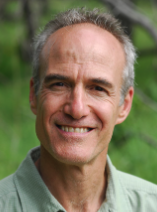 Peter Reich合作论文数Department of Forest Resources, College of Food, Agricultural and Natural Resources Sciences, University of Minnesota6
 Margaret Torn合作论文数Earth Sciences Division, Lawrence Berkeley National Laboratory6
 Ashehad Ashween Ali合作论文数Bioclimatol, Univ Gottingen5
 Chonggang Xu合作论文数Earth and Environmental Sciences Division, Los Alamos National Laboratory5Jeffery S. Riggs合作论文数5
 Timothy J. Tschaplinski合作论文数Biosciences Division, Oak Ridge National Laboratory;UT-ORNL Genome Science & Technology Graduate School, University of Tennessee5
 Rosie Fisher合作论文数Center for International Climate Research5
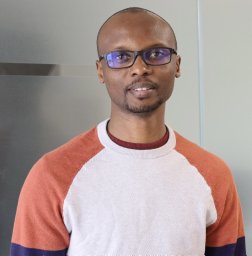 Mirindi Eric Dusenge合作论文数Dept Geog, Univ Western Ontario4
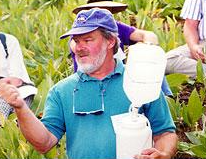 Dale W. Johnson合作论文数Department of Natural Resources and Environmental Science, College of Agriculture, Biotechnology and Natural Resources, University of Nevada, Reno4
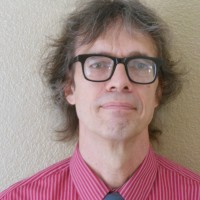 Jeffrey Amthor合作论文数AIR Worldwide Corp;Northern Arizona University Center for Ecosystem Science and Society4
 Chowdhury Taniya Roy合作论文数School of Environment and Natural Resources, The Ohio State University4
 Elizabeth M Herndon合作论文数Environmental Sciences Division, Oak Ridge National Laboratory;Department of Earth, Environmental, and Planetary Sciences, College of Arts and Sciences, The University of Tennessee, Knoxville4
 Ning Zeng合作论文数Department of Atmospheric and Oceanic Science, University of Maryland;Earth System Science Interdisciplinary Center, University of Maryland;Department of Geology, University of Maryland;Carbon Lockdown4
 Jasper Vrug合作论文数Department of Civil and Environmental Engineering, Samueli School of Engineering, University of California4
 Danielle Way合作论文数Department of Biology, University of Western Ontario4
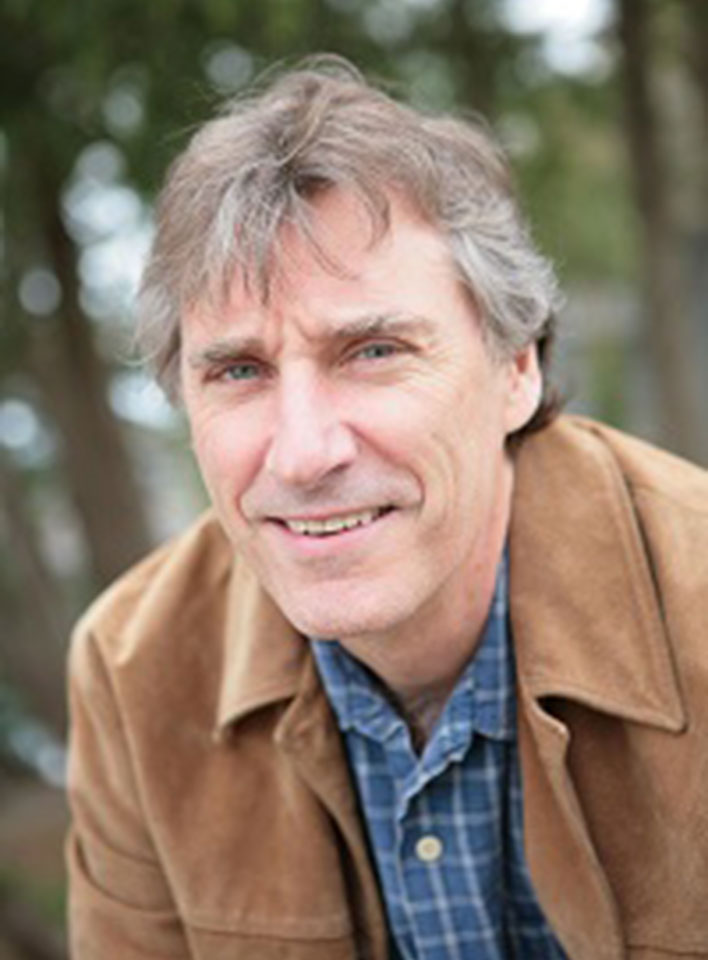 Peter Lafleur合作论文数School of the Environment, Trent University4
 Yiqi Luo合作论文数Center for Ecosystem Science and Society, Department of Biological Sciences, Northern Arizona University4George Perkins合作论文数4
 David E Graham合作论文数Oak Ridge National Laboratory4
 Anthony V. Palumbo合作论文数Oak Ridge National Laboratory4
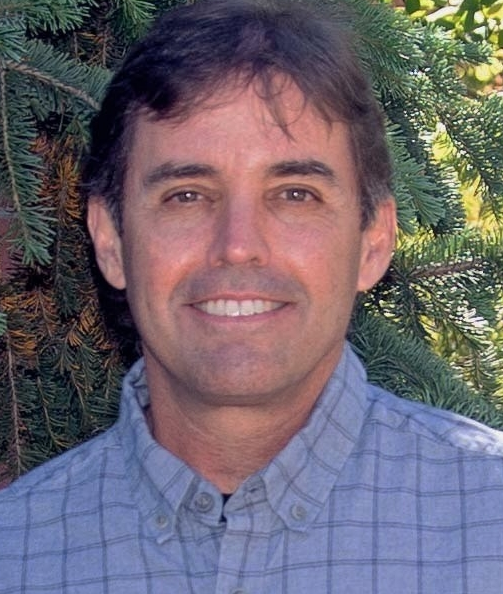 John S. Kimball合作论文数Department of Ecosystem and Conservation Sciences, WA Franke College of Forestry and Conservation, University of Montana4
 C.P. Patrick Reid合作论文数4
 Madhavi Z. Martin合作论文数Environmental Sciences Division Oak Ridge National Laboratory4
 Xiaohan Yang (杨笑菡)合作论文数Oak Ridge National Laboratory4
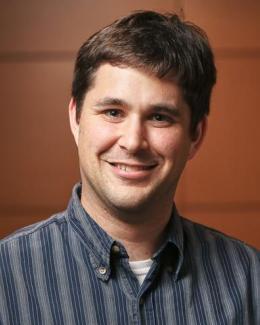 Daniel M. Ricciuto合作论文数Environmental Sciences Division, Oak Ridge National Laboratory4
 Tristram O. West合作论文数Pacific NW Natl Lab, Joint Global Change Res Inst4
 Eric J Ward合作论文数Wetland and Aquatic Research Center4




