Objective Reoperative valve surgery in the setting of infective endocarditis (REDO) conveys a high risk of morbidity and mortality. Recurrent substance use in patients with substance use disorder (SUD) may complicate decision making in valve reinfection. We sought to evaluate the relative impact of recurrent substance use in REDO. Methods An institutional multidisciplinary endocarditis database, including Society of Thoracic Surgeons (STS) data, was analyzed for all patients undergoing isolated or concomitant valve surgery for acute infective endocarditis between July 2016 and June 2024. Patients were stratified by REDO and recurrent substance use. Multivariable regression modeling assessed the interaction between REDO and SUD on risk-adjusted outcomes. Results A total of 741 consecutive patients undergoing valve surgery for endocarditis were analyzed, including 475 with SUD (64.1%) and 210 undergoing REDO (28.3%). The incidence of second or further REDO was higher among SUD patients compared to non-SUD patients (23.1% vs 16.1%; P = .003). Compared to first-time valve surgery, REDO was associated with higher rates of mortality (7.6% vs 2.6%; P = .002) and major morbidity (31.9% vs 23.0%; P = .012). After risk adjustment, REDO was associated with increased STS composite mortality or major morbidity in non-SUD patients (odds ratio [OR], 4.6; P = .005) but not in SUD patients (OR, 1.4; P = .271). However, >2 reoperations in the setting of recurrent substance use was associated with higher risk-adjusted major morbidity or mortality (OR, 6.23; P < .0001). Conclusions Reoperation for infective endocarditis is associated with increased morbidity and mortality. For patients with recurrent substance use, initial reoperative surgery did not independently impact outcomes, but multiple reoperations did. These data can inform surgical decision making when approaching recurrent endocarditis due to recurrent substance use.
Background Patients with endocarditis frequently require valve surgical procedure, and despite the recent growth of minimally invasive cardiac surgery (MICS) for complex valve operations, consensus recommendations still suggest conventional sternotomy. Methods The institutional Adult Cardiac Surgery Database of The Society of Thoracic Surgeons (STS) evaluated all patients undergoing valve surgical procedure for endocarditis from July 2016 to March 2024. Patients were stratified by conventional sternotomy vs an MICS approach, including hemisternotomy, right thoracotomy, and robotic-assisted mitral, tricuspid, or aortic valve surgical procedure. Logistic regression assessed the risk-adjusted association with the primary outcomes of STS major morbidity or mortality and the MICS approach by accounting for all covariates in current STS risk models. Results Of 741 patients undergoing valve surgical procedure for endocarditis, the median age was 37 years, 582 (78.5%) had a substance use disorder, 210 (28.3%) underwent redo sternotomies, and 166 (22.4%) had redo valve operations. MICS was associated with a higher repair rate for mitral valves (76.3% vs 48%; P < .0001) but a lower rate for tricuspid valve (22.5% vs 44.1%; P < .0001), with no difference for aortic valves (8.3% vs 7.4%; P = .372). Before risk adjustment, MICS was associated with longer cross-clamp times (99 minutes vs 86 minutes; P = 0.019) but a lower incidence of STS major morbidity or mortality (15.4% vs 27.8%; P = 0.019). After robust risk adjustment, age (odds ratio [OR], 1.1; P = 0.008), lung disease (OR, 2.2; P = 0.010), preoperative creatinine (OR, 1.3; P = 0.016), and valve repair vs replacement (OR, 0.17; P = 0.002), but not MICS (OR, 1.2; P = 0.807), were independently associated with STS major morbidity and mortality. Conclusions MICS valve surgical procedure for endocarditis appears both safe and effective, with repair rates and risk-adjusted outcomes similar to those of open surgical procedure.
A sinus of Valsalva aneurysm (SoVA) is a rare cardiac condition caused by the dilation of a coronary sinus. If untreated, it can commonly lead to valvular dysfunction, arrhythmias, or rupture. A 71-year-old patient with hypertension and hyperlipidemia presented with an embolic stroke. Multimodality imaging revealed a large, 7.0 cm × 5.6 cm SoVA originating from the noncoronary sinus and causing nearly complete obstruction of the left atrium. The aneurysm was surgically repaired, and the patient made a full recovery. In rare cases, a stroke may be the initial presentation of a SoVA. The probable cause of the patient's stroke was attributed to thrombus formation within the SoVA that embolized. This case emphasizes the importance of multimodality imaging for the diagnosis of a SoVA and for planning surgical repair. Additionally, clinicians should consider a SoVA in the differential diagnosis for a patient presenting with a stroke.
OBJECTIVE:To determine whether anticoagulation for new onset atrial fibrillation (AF) with rivaroxaban decreases length of stay compared with warfarin. SUMMARY OF BACKGROUND DATA:Direct Oral Anticoagulants (DOACs) have been shown to be noninferior to warfarin for stroke prevention in nonsurgical patients with atrial fibrillation. There are no published randomized trials comparing DOACs to warfarin in cardiac surgery patients, and DOACs are yet to be widely adopted in this population. METHODS:In a pragmatic, prospective, clinical trial, 100 patients with new-onset AF after cardiac surgery were randomized to receive rivaroxaban (n=50) or warfarin (n=50). Patients were followed for 30 days postdischarge, with patient-reported outcomes assessed 2 weeks after discharge using the Perception of Anticoagulant Treatment Questionnaire and the EuroQol-5D-3L survey. RESULTS:The primary endpoint, length of stay (LOS) from day of surgery to discharge (days, IQR), was 7 (6-9) for rivaroxaban and 8 (6-9) for warfarin ( P =0.460). LOS from initiation of anticoagulation to discharge was 2 (1-4) days for rivaroxaban and 2 (1-3) days for warfarin ( P =0.738). The mean INR at discharge in the warfarin group was 1.68 (SD 0.5). No major bleeding events, strokes, or other arterial thromboembolism events occurred in either group. Minor bleeding events were reported in 3/50 (6%) patients in the rivaroxaban group versus 1/50 (2%) in the warfarin group ( P =0.617), none of which required blood transfusion. One patient (2%) in the rivaroxaban group developed a pericardial effusion requiring drainage, compared with none in the warfarin group ( P =1.000). Patients taking rivaroxaban reported significantly higher scores for convenience ( P <0.001) and better overall perception of their anticoagulation experience ( P =0.006), though both groups reported similar treatment satisfaction ( P =0.494). Mobility issues were reported by 42.2% of patients taking rivaroxaban compared with 18.6% of those taking warfarin ( P =0.021). All outcomes were consistent in both the intention-to-treat and as-treated populations. CONCLUSIONS:Treatment with rivaroxaban in new-onset atrial fibrillation after cardiac surgery did not decrease length of stay compared with warfarin. However, patients treated with rivaroxaban reported significantly better convenience and a more favorable overall perception of their anticoagulation experience compared with warfarin. Given similar safety profiles, these findings support incorporating rivaroxaban as an option for shared decision-making when selecting anticoagulation therapy for this patient population.
Background Approval of transcatheter aortic valve replacement (TAVR) for all risk profiles has extended TAVR use in patients not otherwise examined in clinical trials. We sought to evaluate contemporary real-world outcomes of surgical aortic valve replacement (SAVR) vs TAVR in Medicare beneficiaries by risk strata. Methods Using the US Centers for Medicare Services database, all patients aged 65-85 years undergoing isolated first-time SAVR (n = 34,215) or TAVR (n = 124,897) were evaluated (2018-2022). Predicted patient risk accounting for comorbidities simulating The Society of Thoracic Surgeons predicted risk of surgical mortality, but including frailty, were stratified by low (<4%, n = 36,297 TAVR; n = 14,693 SAVR), intermediate (4%-8%, n = 44,026 TAVR; n = 9693 SAVR), or high (>8%, n = 44,574 TAVR; n = 9841 SAVR) risk. Doubly robust risk adjustment with inverse probability weighting and multilevel regression with competing-risk time-to-event analyses compared outcomes. Results SAVR was associated with higher risk-adjusted in-hospital mortality, acute kidney injury, and bleeding but lower pacemaker rate compared with TAVR across all risk strata (all P < .05). Longitudinal 5-year analysis highlighted that, compared with TAVR, SAVR was associated with superior freedom from composite death, stroke, or valve reintervention in low- and intermediate-risk patients (hazard ratio [HR] 0.85, P = .044, and HR 0.86, P = .039, respectively) as well as lower overall readmission for stroke in low- (HR 0.72, P = .038) and intermediate- (HR 0.78, P = .042) risk patients. Conclusions In low- and intermediate-risk Medicare beneficiaries, SAVR was associated with higher in-hospital mortality but superior 5-year longitudinal freedom from death, stroke, or valve reintervention compared to TAVR. These data may further enhance heart team decision-making and patient counseling.
Objective: In this study we report trends and survival of durable left ventricular assist device (LVAD) patients who underwent heart transplantation under the 2018 allocation system.Methods: The United Network for Organ Sharing database was queried for adult recipients of heart transplants after durable LVAD implantation from January 1, 2016, to December 31, 2020. We excluded patients with additional mechanical sup-port, multiorgan transplants, previous heart transplants, or loss to follow-up.Results: One thousand seven hundred eighty-three patients with durable LVADs received heart transplants under the new allocation system (new), and 3445 under the old (old). New recipients were more likely hospitalized at transplant (n = 376 [22.4%] vs n = 446 [13.6%]; P < .001) and inotrope-dependent (n = 134 [7.5%] vs n = 206 [6.0%]; P = .038). Donors of the new cohort were more likely to have history of smoking (n = 234 [13.4%] vs n = 373 [11.0%]; P = .013), cocaine use (n = 506 [29.0%] vs n = 829 [24.4%]; P <.001), Centers for Disease Control and Prevention high risk status (n = 656 [36.8%] vs n = 1046 [30.4%]; P <.001), with ejection fraction<45% (n = 15 [0.8%] vs n = 10 [0.3%]; P = .012), and higher donor sequence numbers (mean 22.3 vs 12.0; P < .001)-trends that are not observed in non-LVAD transplants. Distances were further (mean 240 vs 144 miles; P < .001) and ischemic times longer (3.41 vs 3.04 hours; P < .001). Kaplan-Meier curves show worse survival in new recipients in unadjusted analysis (P = .005), and trends toward worse survival on propensity matching (P = .058). Similarly, increased mortality risk in the new era was shown in univariable Cox regression (hazard ratio, 1.27; 95% CI, 1.07-1.49; P = .005), but not multivariable analysis (P = .090).Conclusions: Durable LVAD patients are more likely to accept marginal donor organs under the new system because of difficulty in receiving offers. Worse survival trends might be attributed to recipient conditions and donor organ differences.
Objective: The objective was to assess whether race/ethnicity is an independent predictor of failure to rescue (FTR) after orthotopic heart transplantation (OHT).Summary Background Data: Outcomes following OHT vary by patient level factors; for example, non-White patients have worse outcomes than White patients after OHT. Failure to rescue is an important factor associated with cardiac surgery outcomes, but its relationship to demographic factors is unknown.Methods: Using the United Network for Organ Sharing database, we included all adult patients who underwent primary isolated OHT between 1/1/2006 snd 6/30/2021. FTR was defined as the inability to prevent mortality after at least one of the UNOS-designated post-operative complications. Donor, recipient, and transplant characteristics, including complications and FTR, were compared across race/ethnicity. Logistic regression models were created to identify factors associated with complications and FTR. Kaplan Meier and adjusted Cox proportional hazards models evaluated the association between race/ethnicity and posttransplant survival.Results: There were 33,244 adult, isolated heart transplant recipients included: the distribution of race/ethnicity was 66% (n=21,937) White, 21.2% (7,062) Black, 8.3% (2,768) Hispanic, and 3.3% (1,096) Asian. The frequency of complications and FTR differed significantly by race/ethnicity. After adjustment, Hispanic recipients were more likely to experience FTR than White recipients (OR 1.327, 95% CI[1.075-1.639], P=0.02). Black recipients had lower 5-year survival compared with other races/ethnicities (HR 1.276, 95% CI[1.207-1.348], P<0.0001).Conclusions: In the US, Black recipients have an increased risk of mortality after OHT compared with White recipients, without associated differences in FTR. In contrast, Hispanic recipients have an increased likelihood of FTR, but no significant mortality difference compared with White recipients. These findings highlight the need for tailored approaches to addressing race/ethnicity-based health inequities in the practice of heart transplantation.
Objective: To assess the effects of the 2020 United States Public Health Service (PHS) “Increased Risk” Guidelines update. Background: Donors labeled as “Increased Risk” for transmission of infectious diseases have been found to have decreased organ utilization rates despite no significant impact on recipient survival. Recently, the PHS provided an updated guideline focused on “Increased Risk” organ donors, which included the removal of the “Increased Risk” label and the elimination of the separate informed consent form, although the actual increased risk status of donors is still ultimately transmitted to transplant physicians. We sought to analyze the effect of this update on organ utilization rates. Methods: This was a retrospective analysis of the Organ Procurement and Transplantation Network database which compared donor organ utilization in the 2 years before the June 2020 PHS Guideline update for increased-risk donor organs (June 2018–May 2020) versus the 2 years after the update (August 2020–July 2022). The organ utilization rate for each donor was determined by dividing the number of organs transplanted by the total number of organs available for procurement. Student t test and multivariable logistic regression models were used for analysis. Results: There were 17,272 donors in the preupdate cohort and 17,922 donors in the postupdate cohort; of these, 4,977 (28.8%) and 3,893 (21.7%) donors were considered “Increased Risk”, respectively. There was a 2% decrease in overall organ utilization rates after the update, driven by a 3% decrease in liver utilization rates and a 2% decrease in lung utilization rates. After multivariable adjustment, donors in the postupdate cohort had 10% decreased odds of having all organs transplanted. Conclusions: The 2020 PHS “Increased Risk” Donor Guideline update was not associated with an increase in organ utilization rates in the first 2 years after its implementation, despite a decrease in the proportion of donors considered to be at higher risk. Further efforts to educate the community on the safe usage of high-risk organs are needed and may increase organ utilization.
The current understanding of the safety of heart transplantation from COVID-19+ donors is uncertain. Preliminary studies suggest that heart transplants from these donors may be feasible. We analyzed 1-year outcomes in COVID-19+ donor heart recipients using 1:3 propensity matching. The OPTN database was queried for adult heart transplant recipients between 1 January 2020 and 30 September 2022. COVID-19+ donors were defined as those who tested positive on NATs or antigen tests within 21 days prior to procurement. Multiorgan transplants, retransplants, donors without COVID-19 testing, and recipients allocated under the old heart allocation system were excluded. A total of 7211 heart transplant recipients met the inclusion criteria, including 316 COVID-19+ donor heart recipients. Further, 290 COVID-19+ donor heart recipients were matched to 870 COVID-19− donor heart recipients. Survival was similar between the groups at 30 days (p = 0.46), 6 months (p = 0.17), and 1 year (p = 0.07). Recipients from COVID-19+ donors in the matched cohort were less likely to experience postoperative acute rejection prior to discharge (p = 0.01). National COVID-19+ donor heart usage varied by region: region 11 transplanted the most COVID-19+ hearts (15.8%), and region 6 transplanted the fewest (3.2%). Our findings indicate that COVID-19+ heart transplantation can be performed with safe early outcomes. Further analyses are needed to determine if long-term outcomes are equivalent between groups.
Objective: The study objective was to assess the safety and efficacy of a preemptive direct-acting antiviral therapy in lung transplants from hepatitis C virus donors to uninfected recipients. Methods: This study is a prospective, open-label, nonrandomized, pilot trial. Recipients of hepatitis C virus nucleic acid test positive donor lungs underwent preemptive direct-acting antiviral therapy with glecaprevir 300 mg/pibrentasvir 120 mg for 8 weeks from January 1, 2019, to December 31, 2020. Recipients of nucleic acid test positive lungs were compared with recipients of lungs from nucleic acid test negative donors. Primary end points were Kaplan-Meier survival and sustained virologic response. Secondary outcomes included primary graft dysfunction, rejection, and infection. Results: Fifty-nine lung transplantations were included: 16 nucleic acid test positive and 43 nucleic acid test negative. Twelve nucleic acid test positive recipients (75%) developed hepatitis C virus viremia. Median time to clearance was 7 days. All nucleic acid test positive patients had undetectable hepatitis C virus RNA by week 3, and all alive patients (n = 15) remained negative during follow-up with 100% sustained virologic response at 12 months. One nucleic acid test positive patient died of primary graft dysfunction and multiorgan failure. Three of 43 nucleic acid test negative patients (7%) had hepatitis C virus antibody positive donors. None of them developed hepatitis C virus viremia. One-year survival was 94% for nucleic acid test positive recipients and 91% for nucleic acid test negative recipients. There was no difference in primary graft dysfunction, rejection, or infection. One-year survival for nucleic acid test positive recipients was similar to a historical cohort of the Scientific Registry of Transplant Recipients (89%). Conclusions: Recipients of hepatitis C virus nucleic acid test positive lungs have similar survival as recipients of nucleic acid test negative lungs. Preemptive direct-acting antiviral therapy results in rapid viral clearance and sustained virologic response at 12 months. Preemptive direct-acting antiviral may partially prevent hepatitis C virus transmission.
Objectives: Drug use-associated infective endocarditis is a rapidly growing clinical problem. Although operative outcomes are generally satisfactory, reinfection sec-ondary to recurrent substance use is distressingly common, negatively affects long-term survival, generates practical and ethical challenges, and creates potential conflict among care team members. We established a Drug Use Endocarditis Treat-ment team including surgeons, infectious disease, and addiction medicine experts specifically focused on the unique complexities of drug use-associated infective en-docarditis. Methods: We reviewed the impact of Drug Use Endocarditis Treatment team involvement on quantitative measures of quality of care, including length of stay, time to addiction medicine consultation, time to surgery, and discharge on appro-priate medications for opioid use disorder, as well as operative mortality. Standard statistical tests were used, including the Fisher exact test, t test, and Wilcoxon rank -sum test. Qualitative assessment was made of the impact on clinicians, including communication and mutual understanding. Results: Comparing the pre-Drug Use Endocarditis Treatment cohort with the post-Drug Use Endocarditis Treatment cohort, patients in the post-Drug Use En-docarditis Treatment cohort who underwent surgery had a significantly lower time from admission to addiction medicine consultation (3.8 vs 1.0 days P < .001) and clinically relevant increase in discharge on medications for opioid use disorder (48% vs 67% P 1/4 .35). Additionally, involved members of the team thought communication was improved. Conclusions: The Drug Use Endocarditis Treatment team improved engagement with addiction medicine consultation and appropriate discharge care. Given the impact of relapse of injection drug use on long-term outcomes, interventions such as this offer potentially powerful tools for the treatment of this complex pa-tient population. (J Thorac Cardiovasc Surg 2023;166:457-64)
High-quality Surgical videos are an important tool for education, assessment of trainees, and dissemination of surgical techniques. However, there is significant variability in the quality of published videos. Although seemingly straightforward, surgical video creation has several common pitfalls. We outline our approach to producing high-quality surgical videos.
Background:As the practice of cardiothoracic surgery continues to evolve, the optimal training model represents an area of uncertainty. We sought to describe and to compare the early career experiences of cardiothoracic surgery graduates from the 3 training models. Methods:An anonymous survey with questions pertaining to an individual's demographic characteristics, training model, first employment experience, experience as junior faculty, career satisfaction, and personal reflection was sent to graduates from US cardiothoracic surgery training programs between 2012 and 2020. Respondents completed a traditional fellowship (2-3 years), a 4+3 model, or an integrated 6-year (I-6) residency. Results:Of the 670 graduates who received the survey, there were 267 (40%) respondents. Of these, 209 (78%) respondents graduated from a traditional fellowship, 27 (10%) respondents graduated from a 4+3 pathway, and 31 (12%) respondents graduated from an I-6 residency. There was no difference in overall satisfaction, major case volume, operative autonomy, burnout, and lifestyle satisfaction between the models (P>.05). When respondents were asked about the ideal model, the 4+3 and I-6 models were favored by its graduates, regardless of the surgeons' field of practice. Conclusions:Important early career outcomes were not different between graduates of traditional, 4+3, or I-6 models. Most graduates of the 4+3 and I-6 models believe these are the ideal training models, regardless of their field of practice.
Background. Intraoperative team turnover is necessary given the duration of many cardiac surgical procedures, despite being an established risk factor for harm. We sought to determine if there was an association between intraoperative anesthesia handoff (AH) and patient morbidity and/or mortality after cardiac surgery. Methods. All adult cardiac surgery procedures from November 2016 through November 2021 were retrospectively interrogated for AH. These results were merged with postoperative patient outcomes data and analyzed for morbidity and mortality. Results. A single AH occurred in 1,087/5,937 (18.3%) procedures, and two or more AHs occurred in 224 (3.8%) procedures. Baseline characteristics show that AH is more frequently associated with higher complexity patients and operations. The primary outcome of operative mortality occurred in 113 (2.4%), 54 (5.0%), and 7 (3.1%) patients in the no AH, single AH, and multiple AH cohorts. After multivariable adjustment, the odds ratio for mortality was 1.15 (95% CI 0.79–1.67 and P = 0.46 ) for a single AH and 0.83 (95% CI 0.36–1.90 and P = 0.66 ) for multiple AH. There were no significant differences in readmission, length of stay, or a composite complication outcome between the cohorts after adjustment. Conclusions. In a large single-center experience, intraoperative anesthesia handoffs were not associated with adverse outcomes after cardiac surgery.
BACKGROUND Donor organ demand continues to outpace supply in heart transplantation. Utilization of donation after circulatory death (DCD) hearts could significantly increase heart donor availability for patients with advanced heart failure.OBJECTIVES The purpose of this study was to describe hemodynamic and clinical profiles of DCD hearts in comparison to standard of care (SOC) hearts donated after brain death (DBD).METHODS This single-center retrospective cohort study of consecutive heart transplant recipients analyzed right heart catheterization measurements, inotrope scores, echocardiograms, and clinical outcomes between DCD and DBD heart recipients.RESULTS Between April 2016 and February 2022, 47 DCD and 166 SOC hearts were transplanted. Median time from DCD consent to transplant was significantly shorter compared with SOC waiting list time (17 days [6-28 days] vs 70 days [23-240 days]; P < 0.001). Right heart function was significantly impaired in DCD recipients compared with SOC re-cipients 1 week post-transplant (higher median right atrial pressure (10 mm Hg [8-13 mm Hg] vs 7 mm Hg [5-11 mm Hg]; P < 0.001), higher right atrial pressure to pulmonary capillary wedge pressure ratio (0.64 [0.54-0.82] vs 0.57 [0.43-0.73]; P = 0.016), and lower pulmonary arterial pulsatility index (1.66 [1.27-2.50] vs 2.52 [1.63-3.82]; P < 0.001), but was similar between groups by 3 weeks post-transplant. DCD and SOC recipient mortality was similar at 30 days (DCD 0 vs SOC 2%; P = 0.29) and 1 year post-transplant (DCD 3% vs SOC 8%; P = 0.16).CONCLUSIONS DCD heart utilization is associated with transient post-transplant right heart dysfunction and short-term clinical outcomes otherwise similar to transplantation using DBD hearts. (J Am Coll Cardiol 2022;80:1314-1326) (c) 2022 by the American College of Cardiology Foundation.
INTRODUCTION: The impact of donation after circulatory death (DCD) heart procurement techniques on the utilization and outcomes of concurrently procured DCD livers and kidneys remains unclear. METHODS: Using the United Network for Organ Sharing database, we identified 246 DCD donors whose heart was procured using direct procurement and ex-situ machine perfusion and 128 DCD donors whose heart was procured using in-situ thoracoabdominal normothermic regional perfusion (12/2019-03/2022). We evaluated the transplantation rate of concurrently procured DCD livers and kidneys (defined as the number of organs transplanted/total number of organs available for procure-ment) and their post-transplant outcomes.RESULTS: The transplantation rate of concurrently procured DCD livers was higher with in-situ perfusion compared to direct procurement (67.1% vs 56.5%, p = 0.045). After excluding pediatric, multiorgan, and repeat transplant recipients, there was no difference in 6-month liver graft failure rate (direct procurement 0.9% vs in-situ perfusion 0%, p > 0.99). Recipients of kidneys procured with in-situ perfusion had less delayed graft function (11.3% vs 41.5%, p < 0.0001) shorter length of stay, and lower serum creatinine at discharge (both p < 0.05). Six-month recipient survival in the direct procurement and in-situ perfusion group were similar after DCD liver and kidney transplantation (p = 0.24 and 0.79 respectively). CONCLUSIONS: Compared to direct procurement, DCD heart procurement with in-situ thoracoabdomi-nal normothermic regional perfusion was associated with increased utilization of DCD livers and a lower incidence of delayed graft function in concurrently procured DCD kidneys. Broader implementa-tion of DCD heart transplantation must maximize the transplant potential of concurrently procured abdominal organs and ensure their successful outcomes. J Heart Lung Transplant 2023;42:993-1001 & COPY; 2023 International Society for Heart and Lung Transplantation. All rights reserved.
BACKGROUND:Since the beginning of the pandemic, coronavirus disease 2019 (COVID-19) has caused debilitating lung failure in many patients. Practitioners have understandably been hesitant to use lungs from donors with COVID-19 for transplantation. This study aimed to analyze the characteristics and short-term outcomes of lung transplantation from donors with recent positive COVID-19 testing results. METHODS:Lung transplantations performed between January 2020 and June 2022 were queried from the United Network for Organ Sharing database. Pediatric, multiorgan, and repeat lung transplantations were excluded. Propensity scoring matched recipients of lungs from donors with recent positive COVID-19 testing results to recipients of lungs from donors with negative COVID-19 testing results, and comparisons of 30-day mortality, 3-month mortality, and perioperative outcomes were performed. RESULTS:A total of 5270 patients underwent lung transplantation during the study dates, including 51 patients who received lungs from donors with recent positive COVID-19 testing results. Forty-five recipients of lungs from donors with recent positive COVID-19 testing results were matched with 135 recipients of lungs from donors with negative COVID-19 testing results. After matching, there was no difference in 30-day (log-rank P = .42) and 3-month (log-rank P = .42) mortality. The incidence of other perioperative complications was similar between the groups. CONCLUSIONS:The 30-day and 3-month survival outcomes were similar between recipients of lungs from donors with recent positive COVID-19 testing results and recipients of lungs from donors with negative COVID-19 testing results. This finding suggests that highly selected COVID-19-positive donors without evidence of active infection may be safely considered for lung transplantation. Further studies should explore long-term outcomes to provide reassurance about the safety of this practice.
The natriuretic peptides (NPs) are potent natriuretic/diuretic and vasodilatory factors, and augmentation of their levels or signaling via inhibition of the enzymes neprilysin (NEP) and phosphodiesterase 9 (PDE9), respectively, has beneficial actions in heart failure (HF).The authors investigated dual enhancement of NP bioactivity by combining PDE9 inhibition and NEP inhibition in HF using an ovine model.Eight sheep with pacing-induced HF received on 4 separate days intravenous PDE9 inhibition (PF-04749982), NEP inhibition (SCH-32615), PDE9 inhibition + NEP inhibition (PI+NI), and vehicle control treatment.Compared with the control treatment, NEP inhibition significantly increased plasma NP concentrations with a corresponding rise in second messenger cyclic guanosine monophosphate (cGMP), whereas PDE9 inhibition increased circulating cGMP with a negligible effect on NP levels. Combined PI+NI elevated plasma NPs to an extent comparable to that seen with NEP inhibition alone but further increased cGMP, resulting in a rise in the cGMP-to-NP ratio. All active treatments reduced mean arterial pressure, left atrial pressure, pulmonary arterial pressure, and peripheral resistance, with combined PI+NI further reducing mean arterial pressure and left atrial pressure relative to either inhibitor separately. Active treatments increased urine volume and sodium, potassium and creatinine excretion, and creatinine clearance, in association with rises in urine cGMP levels. PI+NI induced a significantly greater natriuresis and increase in urinary cGMP relative to either inhibitor singly.The present study demonstrates for the first time that combined PI+NI has additional beneficial hemodynamic and renal effects when compared with either PDE9 inhibition or NEP inhibition alone. The superior efficacy of this 2-pronged augmentation of NP bioactivity supports PI+NI as a potential therapeutic strategy for HF.
The standard method for cardiac allograft preservation for the past 50 years has been static storage using crushed ice. A heart transplant transportation system designed to improve preservation quality with temperature monitoring, the Paragonix SherpaPak Cardiac Transport System (SCTS), was evaluated for its impact on postoperative costs relative to conventional ice storage. Observational US multicenter registry data collected during the August 2015 to November 2021 timeframe from 12 transplant hospitals were analyzed using logistic regression analysis and propensity matching to balance measured baseline covariates and to reduce selection bias. Hospital cost and outcome data post-transplant were then evaluated using various statistical methods. One hundred seventy-four (174) patients were identified resulting in 87 matches. Baseline characteristics were similar between groups. The SCTS group had a significantly lower proportion of ICU days on post-transplant mechanical circulatory support (p < 0.0001); significantly fewer patients on extracorporeal membrane oxygenation (p = 0.017); and significantly fewer patients experiencing severe primary graft dysfunction (PGD) (p = 0.03). Overall hospital plus mechanical circulatory support post-transplant costs were significantly lower by $26.7K in the CTS cohort (p = 0.03). Use of the SCTS is associated with improved clinical outcomes resulting in significantly lower overall hospital care costs.
 Osho Asishana A合作论文数School of Medicine, Duke University Medical Center16Eriberto Michel合作论文数10
 Dane C Paneitz合作论文数10
 Thoralf M. Sundt合作论文数Division of Cardiac Surgery, Massachusetts General Hospital8
 David D'Alessandro合作论文数Division of Cardiac Surgery, Massachusetts General Hospital;Harvard Medical School7Langer Nathaniel B合作论文数6Selena S Li合作论文数5Mauricio A Villavicencio合作论文数5
 Arminder S. Jassar合作论文数Massachusetts Gen Hosp, Boston, MA 02114 USA5
 Rabi S Alireza合作论文数Dept Med, Johns Hopkins Univ5Ruby Singh合作论文数4
 Badhwar Vinay合作论文数Department of Cardiovascular and Thoracic Surgery, West Virginia University4Moonsamy Philicia合作论文数4
 J. Hunter Mehaffey合作论文数3Lawrence M. Wei合作论文数3Funamoto Masaki合作论文数3
 Bloom Jordan P合作论文数Harvard Medical School, Massachusetts General Hospital;Department of Trauma, Emergency Surgery and Surgical Critical Care, Massachusetts General Hospital;Harvard Medical School, Massachusetts General Hospital3Kamila Drezek合作论文数2Akash Premkumar合作论文数2Ali Darehzereshki合作论文数2Jason Thomas合作论文数2
 Boateng Kubi合作论文数2V. Ton合作论文数2Navyatha Mohan合作论文数2Ganapathi Asvin M合作论文数Dept Surg, Duke Univ2
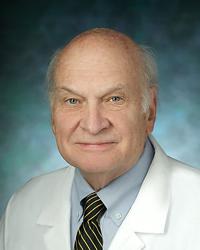 Duke Edward Cameron合作论文数Massachusetts General Hospital;School of Medicine, Johns Hopkins University2Gregory D. Lewis合作论文数1Larisa Shagabayeva合作论文数1Connor Raikar合作论文数1
 Anastasia Christ合作论文数1
 Chi-Fu Yang合作论文数1Luigi F. Lagazzi合作论文数1Orit Abrahim合作论文数1Vikrant Jagadeesan合作论文数1Thais Gift合作论文数1David Convissar合作论文数1Monica Soni合作论文数1Nosayaba Enofe合作论文数1Lana Tsao合作论文数1Christopher E Mascio合作论文数1Chih-Wen Pai合作论文数1Todd L Astor合作论文数1Sami Aljohani合作论文数1Rahul Sakhuja合作论文数1James D. Mills合作论文数1Steven Song合作论文数1Dominick Megna合作论文数1Ann Marie Leifer合作论文数1




