High-throughput experimentation (HTE) accelerates chemical discovery by shortening the lead times for molecule synthesis. The choice of initial reaction conditions directly influences the outcome and length of any reaction optimization. But human involvement in plate design and data analysis remains a significant cost factor and is accompanied by biases. Therefore, making the most out of past reaction outcomes is crucial. While advances in machine learning allow us to generate promising reaction conditions, this approach is often not suitable because not enough relevant reaction data are available or it is of insufficient quality. Herein we introduce a robust statistical method using z-scores to analyze 66,000 internal HTE reactions on complex molecules. Additionally, we publish the underlying data as well as a tool to analyze and draw actionable conclusions from this data set. We exemplify the power of this method for the widely employed Buchwald-Hartwig and Suzuki-Miyaura cross-coupling reactions. The results reveal optimal conditions that differ significantly from literature-based guidelines. These data-driven insights provide high-quality starting points for optimization campaigns, improving their overall efficiency.
List of the 44 3D structures of HSC70 (HSPA8) in complex with the BAG domain of BAG-1 used in comparative structural analyses.
Background/Objectives: Pyrazole carboxamides are widely used as adaptable medicinal-chemistry scaffolds and have been explored as cholinesterase (ChE) inhibitor chemotypes. In this work, we prepared a new series of 4-arylazo-3,5-diamino-N-tosyl-1H-pyrazole-1-carboxamides 5(a–m) and evaluated their inhibitory activity against acetylcholinesterase (AChE) and butyrylcholinesterase (BChE), supported by structure-based computational analyses. Methods: Thirteen derivatives 5(a–m) were synthesized, fully characterized with analytical techniques (FT-IR, H NMR, and C NMR), and tested in vitro against AChE and BChE, with tacrine (THA) used as the reference inhibitor. Docking calculations were used to examine plausible binding modes. The top-ranked complexes (7XN1–5e and 4BDS–5i) were further examined by 100 ns explicit-solvent molecular dynamics (MD) simulations in Cresset Flare, followed by RMSD/RMSF analysis and contact-persistence profiling. Predicted ADME/Tox. properties were also assessed to identify potential developability issues. Results: The series showed strong ChE inhibition, and several compounds were more potent than THA. Compound 5e (4-nitro) was the most active AChE inhibitor (KI = 20.86 ± 1.61 nM) compared with THA (KI = 164.40 ± 20.84 nM). For BChE, the KI values ranged from 31.21 to 87.07 nM and exceeded the reference compound’s activity. MD trajectories supported stable binding in both systems (10–100 ns mean backbone RMSD: 2.21 ± 0.17 Å for 7XN1–5e; 1.89 ± 0.11 Å for 4BDS–5i). Most fluctuations were confined to flexible regions, while key contacts remained in place, consistent with the docking models. ADME/Tox. predictions suggested moderate lipophilicity but generally low aqueous solubility; all compounds were predicted as non-BBB permeant, and selected liabilities were flagged (e.g., carcinogenicity for 5e/5g/5h/5i; nephrotoxicity for 5f/5g). Conclusions: The 4-arylazo-3,5-diamino-N-tosyl-1H-pyrazole-1-carboxamide scaffold delivers low-nanomolar ChE inhibition, with docking and MD supporting stable binding modes. Future optimization should prioritize solubility improvement and mitigation of predicted toxicities and metabolic liabilities, especially given the predicted lack of BBB permeability for CNS-directed applications.
X15695 is a 2-phenylimidazo[1,2-a] pyridine derivative previously described as an orally active, selective estrogen receptor (ER) degrader that inhibits the proliferation of ER+ breast cancer cells. Here, we show that X15695 and derivatives are aryl hydrocarbon receptor (AHR) ligands. Knockout of AHR abolishes the anti-proliferative property of the imidazopyridine derivatives. In the presence of estradiol, X15695 and derivatives outperform the standard of care drug fulvestrant in suppressing the growth of ER+ breast cancer cells, expressing either the wild-type or clinically relevant ER mutant forms (Y537S and D538G) and of patient-derived organoids established from ER+ tumors. Using computational techniques, we discovered that a low pKa value resulting from electron-withdrawing substituents in the 2-phenylimidazo[1,2-a] pyridine compounds is a key feature that identifies them as potent AHR ligands, leading to the potential discovery of additional derivatives for future therapeutic development.
Abstract Simultaneous inhibition of DNA gyrase and topoisomerase IV (Topo IV) is a primary pharmacological strategy to enhance antibacterial efficacy and markedly reduce the emergence of antibiotic resistance. In this regard, a new set of twelve ciprofloxacin-based derivatives was rationally developed, synthesized, and structurally verified. The DNA gyrase and Topo IV inhibitory actions of the developed Compounds 6a-l were investigated. Compound 6 g showed the most promising results, with IC50 values of 1.75 ± 0.05 and 03.47 ± 0.14 µM against DNA gyrase and Topo IV, respectively, compared to ciprofloxacin at 02.13 ± 0.06 and 25.22 ± 1.27 µM, respectively. Compound 6 g demonstrated the highest antibacterial activity, with MIC values of 0.025, 0.025, and 0.125 µg/mL against E. coli, P. aeruginosa, and S. aureus, respectively. It exhibits comparable efficacy to ciprofloxacin against E. coli, a gram-negative bacterium, although it possesses only half the potency against P. aeruginosa and the gram-positive S. aureus. Compound 6 g exhibits a significant antibiofilm action; at the MIC level, the biofilm inhibition percentage was 96%. Docking analyses revealed that Compound 6 g displays enhanced binding affinity for E. coli DNA gyrase B and Topo IV compared to ciprofloxacin. Molecular dynamics simulations validated the exceptional stability of the 6 g–DNA gyrase B complex. In silico ADMET studies demonstrated satisfactory lipophilicity and metabolic characteristics. These findings collectively underscore 6 g as a viable antibacterial candidate.
A novel library of diazo and pyrazole-carboxamide-linked molecules containing the sulfonamide pharmacophore was developed and synthesized, yielding selective inhibitors of clinically relevant carbonic anhydrase (CA) isoforms. The synthesis method involved the production of diazonium salts from 4- and 3-aminobenzenesulfonamide precursors, followed by cyclization and further functionalization to yield structurally diverse pyrazole derivatives. All compounds were evaluated for their inhibitory efficacy against hCA I and II (cytosolic isoforms) and the tumor-associated isoenzymes hCA IX and XII; also, cytotoxicity and molecular modeling studies were conducted for the compounds. The newly synthesized hybrid compounds displayed extensive inhibitory activity, with most derivatives showing significant potency and selectivity for cancer-associated isoforms. More specifically, para-substituted analogs exhibited enhanced inhibitory properties relative to their meta-substituted counterparts. Compound 5f, with a 3,4-dichloro motif, exhibited the highest activity with a very low KI value of 1.8 nM against hCA IX, greatly surpassing the reference drug acetazolamide. Electron-withdrawing substituents improved inhibitory efficacy, whereas electron-donating groups often reduced activity. Furthermore, compounds 5f (A549: 41.17 μM; HCT116: 4.47 μM) and 6c (A549: 14.64 μM; HCT116: 4.03 μM) showed the lowest IC50 values in both cell lines. The findings emphasize diazo- and pyrazole-carboxamide-linked benzenesulfonamides as promising scaffolds for advancing isoform-selective carbonic anhydrase inhibitors.
Fluorescence lifetime imaging microscopy (FLIM) is an optical imaging modality that can provide multiplexed readouts with remarkable sensitivity to cellular microenvironments. Even though fluorescence lifetimes can distinguish fluorophores having overlapping spectral profiles, conventional fluorophores possess a narrow range of emission lifetimes (typically shorter than 5 ns) that limits their potential for multiplexed imaging. In this work, we have systematically designed and evaluated a combination of thermally activated delayed fluorescence (TADF) nanoprobes for multiplexed FLIM. We have synthesized a collection of 36 TADF biocompatible nanoprobes with long and diverse fluorescence lifetimes in aqueous media (up to 15 ns) and employed selected probes for live-cell imaging of bacterial cells under physiological conditions. By leveraging the exceptionally broad range of fluorescence lifetimes of these TADF emitters, we have achieved unprecedented simultaneous imaging of five nanoprobes within a single spectral window using a FLIM-phasor strategy. These findings demonstrate that TADF emitters are excellent scaffolds to unlock the capabilities of fluorescence lifetime imaging for multi-color biological studies.
Thio-2 reduces genome-wide androgen receptor binding in LNCaP prostate cancer cells.
Development of castration resistant prostate cancer patient derived xenograft organoids.
Today, global freshwater resources are increasingly threatened by rapid population growth and intensified industrial activity, which contribute significantly to the discharge of untreated wastewater into surrounding environments. Rapid urbanization and large-scale industrial expansion have markedly reduced the availability of clean freshwater, elevating water pollution to a major global challenge and further aggravating water scarcity. Polyacrylamide-based hydrogels have attracted significant attention from the scientific community as versatile materials for wastewater treatment, thanks to their promising properties. This review presents a comprehensive overview of recent progress in the synthesis, modification, and environmental applications of polyacrylamide-based hydrogels for the elimination of toxic metal ions and dyes from aquatic systems. Various synthesis approaches, including free radical polymerization & crosslinking, controlled/''living” polymerizations (CRP), (RAFT, ATRP), and grafting techniques, in-situ formation of nanocomposite hydrogels, electrospinning and fiber fabrication, and post-polymer modification (functionalization, anchoring), are critically examined. Also, recently published works on incorporated polyacrylamide-based hydrogels with functional materials, as an effective strategy to improve selectivity, sorption capacity, and reusability, are highlighted. Finally, current challenges and future perspectives related to mechanical and structural, selectivity, reusability and regeneration, environmental risks, and production and scalability are discussed. Overall, this review provides critical insights to direct the rational design of high-performance polyacrylamide-based materials hydrogel adsorbents for sustainable water treatment and environmental remediation.
Mouse organ hematoxylin and eosin, and BAG-1 immunohistochemistry, in BAG-1 knockout mice.
Background/Objectives: The dual inhibition of the COX-2 and 5-LOX pathways, in addition to sEH inhibition, presents a superior approach to managing inflammation while mitigating the cardiovascular adverse effects typically associated with conventional NSAIDs. These multi-target agents are safer and more efficient as they inhibit the synthesis of pro-inflammatory leukotrienes while preserving cardioprotective epoxyeicosatrienoic acids. Methods: This study reports the development of multi-target inhibitors to mitigate inflammatory and cardiovascular conditions. We examined a series of tetrahydroindazole-sulfonamide hybrids (3a–g and 4a–e) against the enzymes COX-1/2, 5-LOX, and sEH. Results: Compound 3b outperformed celecoxib as a multi-target agent, inhibiting COX-2 (IC50 = 0.08 µM, SI = 82), 5-LOX (IC50 = 0.46 µM), and sEH (IC50 = 21.95 nM) in many metrics. In cellular experiments, 3b showed strong cardioprotective and anti-inflammatory effects, significantly reducing TNF-α (65.58%), LDH (76.26%), and CK-MB (76.76%) levels compared to LPS-treated controls. Molecular docking validated these findings, indicating that 3b was comparable to celecoxib at the COX-2 site via a thorough six hydrogen-bond network and achieves considerable sEH affinity through specialized halogen bonding and aromatic stacking. These results indicate that 3b effectively provides dual anti-inflammatory and cardioprotective effects. Conclusions: Our findings suggest that targeting the COX/5-LOX/sEH pathways simultaneously offers a balanced multi-target profile for treating complex inflammatory diseases while minimizing cardiovascular risks.
A sustainable, ultrasound-assisted approach for synthesizing a bis-rhodanine derivative (BR) was established using N-allylrhodanine and 5-bromo-2-hydroxyisophthalaldehyde, employing a recyclable glycerol/proline (2:1) deep eutectic solvent. Structural characterization was unequivocally confirmed by NMR, FT-IR, HRMS, and elemental analysis. The red donor-π-acceptor fluorophore (BR) was evaluated as a wide-range spectrofluorometric pH probe. At 5.0 µM, BR exhibits dual absorption maxima at 357 and 568 nm with high molar absorptivity, and a red emission band centered at 718 nm with a 149 nm Stokes shift. Fluorescence is reversibly governed by a protonation/deprotonation equilibrium: acidification (pH 6.5-1.0) quenches emission with strong linearity (r ≈ 0.998), whereas alkalinity (pH 8.5-12.0) stabilizes an ICT-favored emissive state and linearly sensitizes fluorescence (r ≈ 0.995). The signal stabilizes within ~ 30 s, remains durable under reversible cycling between the fluorescence OFF mode at pH 2.0 and the fluorescence ON mode at pH 10.5. Therefore, BR interestingly functions as a dual-regime fluorescent pH probe, exhibiting acid-induced quenching at low pH and base-induced sensitization at high pH, with an explicitly characterized near-neutral transition (pH 6.5-8.5) that bridges the two operating domains. Moreover, BR is highly selective to pH as it resists common ionic interferents. Finally, the developed BR-derived spectrofluorometric pH probe is validated for the assay of acidic and alkaline pH in real samples of tap and lake waters, as well as in fresh lemon and orange juices, with high accuracy (98.9-102.3% recovery) and precision (% RSD: 0.93-1.13%).
Sulfones are key motifs in pharmaceuticals, agrochemicals, and functional materials, as well as versatile intermediates in synthesis. We report a general and practical protocol for sulfone synthesis that combines the group‐transfer capability of hypervalent iodine reagents (HIRs)—particularly in situ‐generated sulfonyl‐containing HIRs—with organozinc pivalates. The method delivers a broad range of sulfones in high yields under mild conditions, exhibiting excellent functional group tolerance. Importantly, the method enables efficient sulfonylation using sodium bicyclo[1.1.1]pentane sulfinate (BCP–SO2Na), providing streamlined access to functionalized BCP‐sulfones. The protocol further enables in situ sulfinate generation and one‐pot transformations. These findings expand the scope of HIR‐enabled umpolung reactivity and offer a practical, modular and operationally simple platform for accessing sulfones with broad synthetic and medicinally relevance.
Background: Inhibition of histone deacetylase is a highly sought-after objective in the fight against cancer. Thus, the development of innovative HDAC inhibitors with significantly higher potency than SAHA against specific cancer cell types represents complex and demanding work. Method: The utilization of the underexplored and privileged scaffold 4-chlorothieno[2,3-b]pyridine as a cap tethering diverse aliphatic and aromatic linkers, followed by the screening of both cellular and enzymatic activities, is undertaken in this study. Results: Compounds 7a and 9a demonstrated impressive mean GI50 values of 2.15 µM and 1.89 µM, respectively. Both compounds reduced caspase-3 levels in RPMI-8226 cells, suggesting induction of apoptosis. Compound 7a showed remarkable IC50 values of 0.37 µM, 0.58 µM, and 0.70 µM against HDACs 1, 4, and 6, respectively, consistent with the cellular assay. Additionally, compound 7a exhibited a selectivity index of 11 for RPMI-8226 cells over PBMCs, reflecting its high selectivity and potential safety. Moreover, ADMET prediction tools indicated that compounds 7a and 9b may have more favorable pharmacokinetic properties than the gold-standard HDAC inhibitor, SAHA. Conclusions: Further study and exploration of the derivatives of compounds 7a and 9a can lead to further advancement in the development of potent HDAC inhibitor anticancer drugs.
A novel series of quinolin-2-one/thiazole hybrids (6a–l) was designed, synthesized, characterized, and evaluated for their in vitro antiproliferative efficacy against three human cancer cell lines: HCT-116, MCF-7, and HepG-2. Most derivatives demonstrated good-to-moderate cytotoxic profiles. Among them, compound 6b emerged as the most potent lead candidate, with a mean IC50 of 4.20 µM, representing a 1.7-fold higher potency than the reference drug, sorafenib (IC50 = 6.80 µM). Specifically, compound 6b exhibited enhanced cytotoxicity against HCT-116 (IC50 = 5.20 µM) and MCF-7 (IC50 = 4.20 µM), and a two-fold higher potency against HepG-2 (IC50 = 3.20 µM) cells compared to sorafenib. Enzymatic assays revealed that 6b acts as an efficient multi-kinase inhibitor, effectively targeting EGFR (IC50 = 0.058 µM) and HER-2 (IC50 = 0.060 µM) with potencies comparable or superior to the standard controls erlotinib and lapatinib, while moderately inhibiting VEGFR-2 (IC50 = 0.51 µM). Safety screening against normal WI-38 cells showed low cytotoxicity (IC50 = 51.21 µM) and outstanding selectivity indices (SI > 10, > 12, and 16) for HCT-116, MCF-7, and HepG-2, respectively. Mechanistic investigations in HepG-2 cells confirmed that 6b induced a 6.9-fold increase in caspase-3/7 activity, triggering significant apoptosis. SAR analysis highlighted that a 6-methyl substitution on the quinoline core, an unsubstituted N-1 position, and a bulky 3-phenyl group on the thiazole ring are key structural prerequisites for optimal anticancer activity. These findings, along with docking investigation, highlight compound 6b as a promising multi-kinase therapeutic scaffold for further targeted oncological optimization.
 Martin Nieger合作论文数Department of Chemistry, Faculty of Science, University of Helsinki226
 Nicole Jung合作论文数139
 Ashraf A. Aly合作论文数Faculty of Science, El-Minia University82
 Alaa A. Hassan合作论文数Dept Chem, Menia Univ66
 Ute Schepers合作论文数Kekulé-Institut für Organische Chemie und Biochemie, Rheinische Friedrich-Wilhelms Universität Bonn61
 O. Fuhr合作论文数58Simone Gräßle合作论文数52Hassan Zahid合作论文数49Bahaa G.M. Youssif合作论文数Laboratory of Medicinal and Pharmaceutical Chemistry, Gifu Pharmaceutical University47
 Christof Wöll合作论文数Institute of Functional Interfaces, Karlsruher Institut fur Technologie45
 Andrew C.B. Cato合作论文数Instìtut für Genetik und für Toxikologie, Kernforschungszentrum Karlsruhe45Victor Gourain合作论文数41
 Antje Neeb合作论文数41
 Laura Cato合作论文数41Thierry Muller合作论文数41Adam Sharp合作论文数School of Medicine, University of Southampton40
 Nasr K. Mohamed合作论文数Faculty of Science, El- Minia University35
 Eli Zysman-Colman合作论文数Department of Chemistry;Princeton UniVersity;Frick Laboratory;Frick Laboratory, Princeton UniVersity34Baumann Thomas合作论文数32
 Grosjean Sylvain合作论文数31Claudia Muhle-Goll合作论文数31Volz Daniel合作论文数cynora GmbH, Werner-von-Siemensstraße 2-6, building 5110, 76646, Bruchsal, Germany.29Sylvia Vanderheiden合作论文数29Eduard Spuling合作论文数27Stefan Dahmen合作论文数27Manuel Tsotsalas合作论文数27Alan B. Brown合作论文数Chemistry Department, Florida Institute of Technology25
 Essmat M. El-Sheref合作论文数25
 Lamya H. Al-Wahaibi合作论文数Dept Chem, Princess Nourah Bint Abdulrahman Univ24
 Armin de Meijere合作论文数Institute of Organic and Biomolecular Chemistry, Universität Göttingen;Faculty of Chemistry, Universität Göttingen23
 Lars Heinke合作论文数Universität Leipzig;Fakultät für Physik und Geowissenschaften;Universität Leipzig|Fakultät für Physik und Geowissenschaften23
 Daniel Nava Rodrigues合作论文数Department of Cellular Pathology, Royal Free London NHS Foundation Trust22
 Ines Figueiredo合作论文数22Ruth Riisnaes合作论文数22
 Xavier Salvatella合作论文数Department of Chemistry, University of Cambridge22
 Bissan Al-Lazikani合作论文数Data Science, Institute of Cancer Research, London22Ana Ferreira合作论文数21Rebecca Seeger合作论文数21
 Nane Kuznik合作论文数21Lorenzo Buroni合作论文数21
 Denisa Bogdan合作论文数Division of Clinical Studies, The Institute of Cancer Research21Xintao Qiu合作论文数Dana Farber Canc Inst, Dept Med Oncol, Boston, MA 02115 USA21Jian Ning合作论文数21
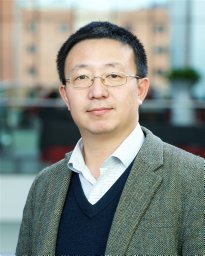 Wei Yuan合作论文数The Institute of Cancer Research21
 Juan Manuel Jimenez-Vacas合作论文数21
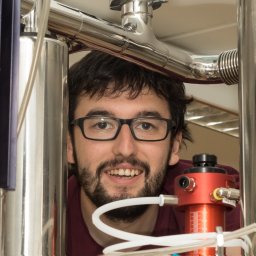 Borja Mateos合作论文数Institute for Research in Biomedicine, IRB21
 Amanda Swain合作论文数Inst Canc Res, Sect Gene Funct & Regulat, London SW3 6JB, England21Jan Rekowski合作论文数21
 Mateus Crespo合作论文数21




