Ischemic heart disease (IHD) often progresses to heart failure due to persistent microvascular dysfunction not corrected by conventional epicardial revascularization. We developed a scaffold-free vascular organoid composed of human endothelial progenitor cells (EPCs) and mesenchymal stem cell-derived smooth muscle cells (SMCs) and evaluated its therapeutic potential in a porcine IHD model. Fourteen days after ischemia induction, bilayer EPC-SMC organoids were transplanted onto the left ventricular surface, and animals were followed for four weeks. Cardiac MRI demonstrated the preservation of left ventricular ejection fraction and modest improvement in regional function compared with controls. Histological and immunohistochemical analyses revealed the migration of transplanted cells into host myocardium, increased vascular density, and enhanced vessel maturation, while gene expression profiling showed the upregulation of angiogenesis-related genes. These findings demonstrate that scaffold-free EPC-SMC vascular organoids can engraft, promote microvascular remodeling, and preserve cardiac function after ischemic injury.
Background A growing number of children with congenital heart disease survive to adulthood and require heart transplantation. This study evaluates the trends and outcomes of cardiothoracic transplantation for patients with adult congenital heart disease (ACHD) and describes our institution's 3 decades of experience.Methods We identified all patients with ACHD who underwent first-time cardiothoracic transplantation at our institution between December 1987 and December 2024. We compared characteristics and outcomes between a historical and contemporary cohort of transplant recipients.Results In total, 196 patients with ACHD underwent cardiothoracic transplantation. The annual rate of cardiothoracic transplantation in patients with ACHD doubled after 2018. The first era of heart transplantation in patients with ACHD from 1987 to 2018 is defined predominantly by heart-lung transplantation, most commonly for isolated septal defect. The second era since 2018 is defined by sicker, more complex patients. Following the United Network for Organ Sharing heart allocation policy change, recipients were older, underwent more prior cardiac surgeries, were more likely to be hospitalized, and were more likely to have single-ventricle anatomy with Glenn/Fontan palliation. Comparing the 2 eras, 1-year survival rates for all patients with ACHD were comparable (81% versus 81%, P=0.939) and improved for heart-only transplant recipients (72.5% versus 90.7%, P=0.066).Conclusions The number and complexity of patients with ACHD undergoing cardiothoracic transplantation has grown, with a significant increase in patients who previously underwent palliative surgeries. With increased use of medical and surgical adjuncts, excellent long-term survival for transplant recipients is achievable.
OBJECTIVE:The Ross procedure inclusion technique seeks to limit autograft dilation by enclosing it within a synthetic graft, yet its impact on neoaortic valve function is incompletely characterized. We sought to assess whether different inclusion techniques alter neoaortic leaflet or sinus function. METHODS:Eight porcine pulmonic roots were harvested with aortic controls for assessment in a 3D-printed left-heart simulator in the following conditions: unsupported autograft, external annular ring and sinotubular straight graft, Valsalva graft inclusion technique, and straight graft inclusion technique. Hemodynamic, kinematic, and echocardiographic outcomes were measured in systemic and pulmonic conditions. RESULTS:Valves within a straight graft had higher transvalvular gradients (7.01±0.96 mmHg) compared to the annular/STJ (1.33±0.96 mmHg), unsupported (3.42±0.96 mmHg) and control groups (AC: 3.72±0.96, PC: 1.47±0.96 mmHg, p<0.01). All conditions had similar leaflet velocities, but the Valsalva condition had higher relative opening forces (1.81±0.21) compared to the annular/STJ (0.93±0.21), unsupported (0.98±0.21) and control (AC: 1.00±0.21, PC: 0.97±0.21) conditions (p<0.01). Leaflet forces normalized with Valsalva sinus modification (2mm slit). Root strain was higher in pulmonic controls (18.21±2.35%, p<0.01) while maximum sinus diameter was reduced in the straight graft and pulmonic control conditions relative to supported and unsupported techniques (p<0.01). In a sensitivity analysis of only systemic conditions, more restrictive inclusion techniques had significantly reduced root strain relative to the annular/STJ support condition (p<0.01). CONCLUSIONS:We demonstrate that autografts implanted within common inclusion techniques achieve leaflet and sinus performance comparable to native, unsupported autografts, while likely mitigating the risks of future autograft dilatation and neoaortic insufficiency.
•This piece offers direct visualization of MitraClip integration into mitral leaflets and chordae tendineae in a human heart.•MitraClip integration into the mitral apparatus may alter valvular biomechanics and function.•Alterations of mitral valve biomechanics may have implications for long-term durability of transcatheter edge-to-edge repair (TEER).
We developed a 3-dimensional coronet-shaped reinforced ringed graft intended to integrate annular stabilization and predefined root geometry into a single platform for valve-sparing aortic root replacement (VSARR). The device was previously evaluated in ex-vivo comparative studies against conventional reimplantation and remodeling techniques. We now report first in-vivo implantation in an adult ovine terminal model. A 67-kg male sheep underwent VSARR under cardiopulmonary bypass with a total cross-clamp time of 83 minutes. The device was implanted using a single circumferential mattress suture line at the valvulo-ventricular junction. The animal was weaned from bypass without hemodynamic instability. Intraoperative transaortic echocardiography demonstrated preserved cusp mobility, symmetric coaptation, and absence of aortic regurgitation. These findings confirm technical feasibility of the reinforced graft platform in-vivo and support further translational evaluation.
Background Simultaneous heart–kidney transplantation (SHKT) or isolated heart transplantation (IHT) benefits patients with end‐stage heart disease and kidney dysfunction. Understanding the outcomes, risk factors for post‐IHT kidney transplantation, and survival benefits of SHKT compared with those of IHT and kidney‐after‐heart transplantation can guide clinical decision‐making. This study aimed to evaluate IHT outcomes, identify risk factors for post‐IHT isolated kidney transplantation, and compare the survival benefits of IHT, SHKT, and kidney‐after‐heart transplantation. Methods This retrospective study analyzed data from the United Network for Organ Sharing database, spanning 2000 to 2022. Adult patients (aged ≥18 years) who underwent their first IHT (n=48 069) or SHKT (n=2345) were included. Among patients undergoing IHT, 667 (1.4%) subsequently received isolated kidney transplantation. The primary outcome was patient survival, which was visualized by Kaplan–Meier analysis and assessed using the shared‐frailty Cox proportional hazards model. Survival rates were compared among IHT, SHKT, and kidney‐after‐heart transplantation recipients. Logistic regression analysis identified risk factors for post‐IHT isolated kidney transplantation. Results The recipient's age, body mass index, pre‐IHT diabetes, prior dialysis, and estimated glomerular filtration rate were significant risk factors for post‐IHT isolated kidney transplantation. Kaplan–Meier analysis showed significantly higher survival with SHKT than with IHT (1‐year: 88.0% versus 85.7%; 5‐year: 70.5% versus 64.1%; 10‐year: 38.1% versus 30.3%; overall P=0.005). Compared with kidney‐after‐heart transplantation, SHKT tended to show lower short‐term survival but higher long‐term survival (5‐year: 72.1% versus 61.9%, P=0.047; 10‐year: 42.9% versus 15.8%, P<0.001). Conclusions Selected patients with end‐stage heart disease and kidney dysfunction derive more long‐term survival benefit from SHKT than from IHT.
Objective Beating heart transplantation (BHT) was adopted to avoid an additional episode of cardioplegic arrest and reperfusion and reduce allograft ischemia-reperfusion injury. We sought to establish a direct comparison of outcomes between the first cohort of BHT recipients at our center and standard DCD recipients across the US. Methods The UNOS registry was queried to identify adult recipients who underwent first-time isolated DCD HT between 12/2019-12/2023 (before the first BHT was performed outside of our center). All adult patients who underwent first-time isolated DCD BHT between 10/2022-9/2024 at our center were included. Nearest neighbor propensity-score matching was performed and groups were compared for 30-day survival, need for post-transplant mechanical circulatory support, major complications, length of stay, and 1-year survival. Results A total of 1,083 standard DCD recipients and 31 BHT recipients were identified. Before matching, more BHT recipients required pre-transplant IABP (29% vs 9.8%, p=0.003) and ECMO (6.5% vs 0.7%, p=0.029), had higher status on the waitlist (Status 1-3; 97.5% vs. 62%, p<0.001), and spent fewer days waiting [7(5,14) vs 30(9,149) days, p<0.001). After matching, BHT recipients demonstrated similar 30-day survival (100% vs 98.3%, p>0.9) and improved 1-year graft survival (100% vs 83.9%, p<0.001) compared to standard DCD recipients. Conclusion Despite BHT recipients being sicker than standard DCD recipients pre-transplant, their matched survival at 30-days was similar and graft survival was improved at 1-year post-transplant. While BHT may confer excellent early post-transplant outcomes, a larger sample size and longer-term follow-up are needed to confirm the survival benefit associated with BHT.
The increase in prevalence of valvular heart disease coupled with an aging population has placed increased emphasis on durable valvular repair strategies. Despite many advances in valvular therapies, there has been little rigorous biomechanical evaluation and validation of existing repair strategies. Our research group engineered a novel 3D-printed, ex vivo heart simulator, which has allowed us to refine and innovate numerous surgical repair strategies with hemodynamic and biomechanical feedback in real time on explanted animal heart valves. Data obtained from this novel simulator have directly influenced clinical practice at our institution. It has also proven to be an outstanding platform for valvular device development. Herein, we will review our experience with ex vivo biomechanical simulation, subdivided into work on aortic valve pathology, mitral valve pathology, and novel devices.
Purpose: Simultaneous heart-kidney transplantation (HKTx) remains underutilized in regions outside the United States and Europe. Assessing the clinical outcomes of HKTx in Asian recipients is crucial for promoting its adoption in Asia. This retrospective study aimed to compare the survival outcomes of HKTx between Asian and non-Hispanic White (NHW) recipients with similar baseline characteristics. Methods: This study included 1494 recipients aged ≥18 years who underwent HKTx for the first time between 2000 and 2022. Among them, 1392 were NHW and 102 were Asian. Propensity score matching was used to balance the baseline characteristics between the Asian and NHW recipients. Kaplan–Meier survival analysis and log-rank tests were utilized to evaluate and compare overall survival. Results: In the prematched cohort, the in-hospital mortality rates were 10.0% and 6.7% for Asian and NHW recipients, respectively (p=0.216). Kaplan–Meier mortality estimates at 1, 5, and 10 years were 17.3%, 42.2%, and 67.7% for Asians, and 14.6%, 35.5%, and 65.9% for NHW recipients (p=0.692), respectively. After matching, the in-hospital mortality rates were 10.0% for Asians and 6.6% for NHW recipients (p=0.355). Long-term 1-, 5-, and 10-year mortality rates remained comparable: 13.9%, 36.1%, and 62.5% for Asians, versus 10.7%, 34.3%, and 59.2% for NHW recipients, respectively (p=0.665). Conclusion: Asian recipients demonstrated comparable long-term survival to NHW recipients after HKTx.
Traditional methods of heart transplantation utilizing allografts from donors after circulatory death (DCD) involve 2 periods of ischemia and 2 ischemia reperfusion injuries (IRI). Both ischemia and IRI are associated with increased rates of primary graft dysfunction (PGD) as well as worsened short- and long-term survival. To minimize the ischemic insults - compounded by the subsequent reperfusion injuries - we have developed a beating heart implantation technique that obviates the need for a second cardioplegic arrest after ex vivo normothermic perfusion. By implanting the heart while beating and perfused with warm blood from the recipient cardiopulmonary bypass (CPB) circuit, this method mitigates ischemic and reperfusion injuries and has the potential to improve both short- and long-term outcomes by reducing the inflammatory response to these insults. This method is easily adoptable by experienced high volume heart transplant centers and has become our center’s standard of care for DCD heart transplantation. Herein, we describe the technical steps for beating heart implantation.
Objective: Recipients of lung transplants experience the lowest long-term survival among all solid-organ transplant recipients. Airway complications contribute significantly to morbidity and mortality post-lung transplant and may be driven by airway devascularization inherent to procurement and implantation of the lungs. We studied application of biodegradable, nanofiber-based thin films to devascularized autotransplanted airways to mitigate airway ischemia. Methods: We used a rat tracheal autotransplantation model that replicates airway ischemia. Rats were divided into an operated control group (n = 18) and a treatment group (n = 12) receiving an electrospun film composed of randomly aligned polydioxanone (PDO) nanofibers applied to the circumferential surface of the transplanted trachea. Airway perfusion was assessed via laser speckle contrast analysis at 0, 3, and 10 days. Differences in perfusion units were calculated between the nontransplanted and transplanted segments of the trachea. Multimodal analysis of angiogenesis in tracheal autografts included immunoassay profiling for proangiogenic cytokines, histologic injury grading, and speckle angiography. Results: Qualitative and quantitative perfusion differences were demonstrated at days 0, 3, and 10. Nanofiber-based, PDO thin films significantly improved perfusion in the transplanted segment of trachea (P < .05). Histologic injury scoring was significantly worse in the operated controls compared with the treatment group (P < .01). Immunoassays demonstrated increased expression of vascular cell adhesion molecule 1 in the treatment group (P < .05). Conclusions: Application of a nanofiber-based, PDO thin film induced a local tissue response that improved perfusion and histologic injury scoring of the transplanted airway in an autotransplant model of airway devascularization. Immune multiplexing suggests local inflammatory responses may drive angiogenesis.
Lipid bilayer nanoparticles (NPs) with and without stromal cell-derived factor (SDF) were created to target and treat ischemia/reperfusion (I/R)-injured myocardium. Male Wistar rats were subjected to myocardial I/R insult and, at reperfusion, randomized to receive systemic injections of 5 mL/kg PBS, 6 mu g/kg of NPs, SDF, or SDF-NPs. Four days after treatment, SDF-NPs circulated and accumulated selectively in the ischemic myocardium, with an SDF concentration roughly three times that of the other three treatments. SDF-NP-treated rats had more endothelial progenitor cells (EPCs) in the blood and preserved capillaries and arterioles in the ischemic border myocardium four weeks post-treatment, which improved microvascular perfusion, reduced fibrosis, and preserved heart function. Notably, hearts treated with SDF-NPs retained left ventricular function at four weeks compared to 1-day post-treatment, with a 2.7 +/- 1.2 % increase in the ejection fraction. The other three treatments decreased left ventricular function at four weeks (PBS: -7.8 +/- 1.2 %, P < 0.001; empty NPs: -3.9 +/- 1.3 %, P = 0.004; SDF solution: -5.1 +/- 1.3 %, P = 0.001). Hence, systemically injected SDF-NPs selectively accumulate in ischemic cardiac tissue, shielding the myocardium from I/R injury via angiogenic effects through increased EPC migration. This novel cardioprotective drug may be clinically translatable.
 Joseph Woo合作论文数Department of Cardiothoracic Surgery, Stanford University School of Medicine37
 Yuanjia Zhu合作论文数26
 Yasuhiro Shudo合作论文数Department of Cardiothoracic Surgery, Stanford University School of Medicine21Yajima Shin合作论文数17
 Macarthur John W合作论文数Department of Cardiothoracic Surgery, Stanford University16
 Danielle M Mullis合作论文数Department of Cardiothoracic Surgery, Stanford University15
 Aravind Krishnan合作论文数Department of Cardiothoracic Surgery, Stanford University School of Medicine15
 Hanjay Wang合作论文数15Sabrina K. Walsh合作论文数9Hao He合作论文数9
 Brandon A. Guenthart合作论文数9Seung Hyun Lee合作论文数8
 Basil M. Baccouche合作论文数Sch Med, Stanford Univ8
 Matthew H Park合作论文数Department of Cardiothoracic Surgery, Stanford University;Department of Mechanical Engineering, Stanford University;Stanford University, Stanford University8
 Chawannuch Ruaengsri合作论文数Division of Cardiothoracic SurgeryStructural Heart and Valve Center, Emory University7Charles J. Stark合作论文数6Catherine A Wu合作论文数6
 William Hiesinger合作论文数Department of Cardiothoracic Surgery, Stanford University6Y. Shudo合作论文数5
 Pearly K Pandya合作论文数Department of Cardiothoracic Surgery, Stanford University;Department of Mechanical Engineering, Stanford University;Stanford University, Stanford University5
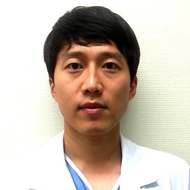 Bum Joon Kim合作论文数Neurosurgery, College of Medicine, Korea University4
 Hyun Chel Joo合作论文数Yonsei University College of Medicine, Yonsei University Health System4Y. Joe J. Woo合作论文数3Nicholas A Tran合作论文数3Sidarth Ethiraj合作论文数3Akshay Venkatesh合作论文数3Matthew A Wu合作论文数3
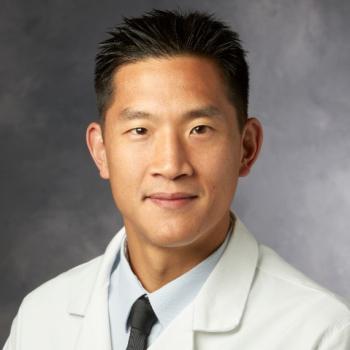 Michael Ma合作论文数Department of Cardiothoracic Surgery, Stanford University3Robert J. Wilkerson合作论文数2Reid Dale合作论文数2
 Michael John Paulsen合作论文数2Katharine G Casselman合作论文数2Jinsuh Jung合作论文数2
 Akshara Thakore合作论文数Department of Cardiothoracic Surgery, Stanford University2Andreas de Biasi合作论文数2M. Leipzig合作论文数Stanford University2Hye Sook Shin合作论文数2Haley J. Lucian合作论文数2Kiah M Williams合作论文数Department of Cardiothoracic Surgery, Stanford University2Lingala Bharathi合作论文数2
 Gundeep Dhillon合作论文数Department of Medicine, School of Medicine, Stanford University2
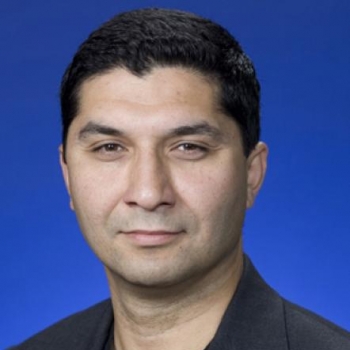 Teimour Nasirov合作论文数Department of Cardiothoracic Surgery, Stanford University2Elbert E Heng合作论文数2Tobias Deuse合作论文数2
 Jack Boyd合作论文数Department of Cardiothoracic Surgery, Stanford University2
 Elan Chanel Burton合作论文数Department of Cardiothoracic Surgery, School of Medicine, Stanford University;Cardiovascular Institute, Stanford University2
 Jayakumar Rajadas合作论文数Biomaterials and Advance Drug Delivery Lab, School of Medicine;Stanford University;Stanford;School of Medicine, Stanford University2
 Elisabeth Martin合作论文数Inserm U682, University Louis Pasteur2
 Bruce A Reitz合作论文数Department of Cardiothoracic Surgery, Stanford University2




