Ensemble methods for stream mining necessitate managing multiple models and updating them as data distributions evolve. Considering the calls for more sustainability, established methods are however not sufficiently considerate of ensemble members' computational expenses and instead overly focus on predictive capabilities. To address these challenges and enable green online learning, we propose heterogeneous online ensembles (HEROS). For every training step, HEROS chooses a subset of models from a pool of models initialized with diverse hyperparameter choices under resource constraints to train. We introduce a Markov decision process to theoretically capture the trade-offs between predictive performance and sustainability constraints. Based on this framework, we present different policies for choosing which models to train on incoming data. Most notably, we propose the novel ζ-policy, which focuses on training near-optimal models at reduced costs. Using a stochastic model, we theoretically prove that our ζ-policy achieves near optimal performance while using fewer resources compared to the best performing policy. In our experiments across 11 benchmark datasets, we find empiric evidence that our ζ-policy is a strong contribution to the state-of-the-art, demonstrating highly accurate performance, in some cases even outperforming competitors, and simultaneously being much more resource-friendly.
We present a human-in-the-loop (HIL) approach to permutation regression, the task of predicting a continuous value for a given ordering of items. The model is a gradient boosted regression model that incorporates simple human-understandable constraints of the form x < y, i.e. item x has to be before item y, as binary features. The approach, HuGuR (Human Guided Regression), lets a human explore the search space of such transparent regression models. Interacting with HuGuR, users can add, remove, and refine order constraints interactively, while the coefficients are calculated on the fly. We evaluate HuGuR in a user study and compare the performance of user-built models with multiple baselines on 9 data sets. The results show that the user-built models outperform the compared methods on small data sets and in general perform on par with the other methods, while being in principle understandable for humans. On larger datasets from the same domain, machine-induced models begin to outperform the user-built models. An additional expert study indicates that domain knowledge can further improve the quality of the user-built models. Further work will study the trust users have in models when constructed by themselves and how the scheme can be transferred to other pattern domains, such as strings, sequences, trees, or graphs.
The paper surveys automated scientific discovery, from equation discovery and symbolic regression to autonomous discovery systems and agents. It discusses the individual approaches from a "big picture" perspective and in context, but also discusses open issues and recent topics like the various roles of deep neural networks in this area, aiding in the discovery of human-interpretable knowledge. Further, we will present closed-loop scientific discovery systems, starting with the pioneering work on the Adam system up to current efforts in fields from material science to astronomy. Finally, we will elaborate on autonomy from a machine learning perspective, but also in analogy to the autonomy levels in autonomous driving. The maximal level, level five, is defined to require no human intervention at all in the production of scientific knowledge. Achieving this is one step towards solving the Nobel Turing Grand Challenge to develop AI Scientists: AI systems capable of making Nobel-quality scientific discoveries highly autonomously at a level comparable, and possibly superior, to the best human scientists by 2050.
In the social sciences, it is often necessary to debias studies and surveys before valid conclusions can be drawn. Debiasing algorithms enable the computational removal of bias using sample weights. However, an issue arises when only a subset of features is highly biased, while the rest are already representative. Algorithms need to substantially alter the sample distribution to handle a few highly biased features, which can, in turn, introduce bias into otherwise representative variables. To address this issue, we developed a method that uses feature weights to minimize the impact of highly biased features on the computation of sample weights. Our algorithm is based on Maximum Representative Subsampling (MRS), which debiases datasets by iteratively removing elements from a non-representative sample to align it with a representative one. The new algorithm, named feature-weighted MRS (FW-MRS), decreases the emphasis on highly biased features, allowing it to retain more instances for downstream tasks. The feature weights are derived from the feature importance of a domain classifier trained to differentiate between the representative and non-representative datasets. We validated FW-MRS using eight tabular datasets, each of which we artificially biased. Biased features can be important for downstream tasks, and focusing less on them could reduce generalization. For this reason, we assessed the generalization performance of FW-MRS on downstream tasks and found no statistically significant differences. Additionally, FW-MRS was applied to a real-world dataset from the social sciences. The source code is available at https://github.com/kramerlab/FeatureWeightDebiasing .
Explainable artificial intelligence has gained significant attention, with decision trees playing a key role due to their interpretability. However, incremental decision trees, namely Hoeffding trees (HT), widely used for efficient and transparent data stream processing, suffer from unbounded growth. Existing adaptive methods address this but overlook transparency. We introduce Pruning Hoeffding Trees by Feature Importance (ProeFI), a novel approach that, in a transparent manner, prunes HT to mitigate unbounded growth and enhance adaptability to evolving data. ProeFI employs incremental permutation feature importance and a self-adaptive threshold to dynamically refine its pruning process in response to drifting data distributions. Experimental results show ProeFI achieves comparable performance to state-of-the-art methods while maintaining similar tree complexity. Our method outperforms existing techniques in balancing predictive performance and complexity.
Deep learning approaches are becoming increasingly attractive for equation discovery. We show the advantages and disadvantages of using neural-guided equation discovery by giving an overview of recent papers and the results of experiments using our modular equation discovery system MGMT (Multi-Task Grammar-Guided Monte-Carlo Tree Search for Equation Discovery). The system uses neural-guided Monte-Carlo Tree Search (MCTS) and supports both supervised and reinforcement learning, with a search space defined by a context-free grammar. We summarize seven desirable properties of equation discovery systems, emphasizing the importance of embedding tabular data sets for such learning approaches. Using the modular structure of MGMT, we compare seven architectures (among them, RNNs, CNNs, and Transformers) for embedding tabular datasets on the auxiliary task of contrastive learning for tabular data sets on an equation discovery task. For almost all combinations of modules, supervised learning outperforms reinforcement learning. Moreover, our experiments indicate an advantage of using grammar rules as action space instead of tokens. Two adaptations of MCTS – risk-seeking MCTS and AmEx-MCTS – can improve equation discovery with that kind of search.
Neural-guided equation discovery systems use a data set as prompt and predict an equation that describes the data set without extensive search. However, if the equation does not meet the user's expectations, there are few options for getting other equation suggestions without intensive work with the system. To fill this gap, we propose Residuals for Equation Discovery (RED), a post-processing method that improves a given equation in a targeted manner, based on its residuals. By parsing the initial equation to a syntax tree, we can use node-based calculation rules to compute the residual for each subequation of the initial equation. It is then possible to use this residual as new target variable in the original data set and generate a new prompt. If, with the new prompt, the equation discovery system suggests a subequation better than the old subequation on a validation set, we replace the latter by the former. RED is usable with any equation discovery system, is fast to calculate, and is easy to extend for new mathematical operations. In experiments on 53 equations from the Feynman benchmark, we show that it not only helps to improve all tested neural-guided systems, but also all tested classical genetic programming systems.
Bias mitigation techniques offer the opportunity to intervene on statistical models so to reduce the risk that these will discriminate towards certain groups. These techniques rely on learning a mapping from the sensitive data S to some decision variable (Y) over bar, usually mediated by the non-sensitive covariates X. Some of the methods available in this space propose to learn a stochastic mapping, which has several theoretical benefits from a computational perspective: namely, randomization makes it possible to compute certain mitigation objectives, and widens the search space for "optimal" models. From the perspective of procedural fairness, however, stochastic mappings may imply arbitrary decisions. In this paper, we study and discuss the distribution of arbitrariness in popular randomized bias mitigation techniques which are currently available in standard fairness toolkits. We find that individuals belonging to different groups may have different risks for arbitrariness; furthermore, we observe different patterns of arbitrariness for different randomized mitigation strategies, and discuss possible causes for this general phenomenon.
Automating scientific discovery has been one of the motivating tasks in the development of AI methods. The task of Equation Discovery (also called Symbolic Regression) is to learn a free-form symbolic equation from experimental data. Equation Discovery benchmarks, however, assume the experimental data as given. Recent successes in protein folding and material optimization, powered by advancements, amongst others, in reinforcement learning and deep learning, have renewed the broader community’s interest in applications of AI in science. Nonetheless, these successful applications do not necessarily lead to an improved understanding of the underlying phenomena, just as super-human chess engines do not necessarily lead to improved understanding of chess theory and practice. In this paper, we propose Science-Gym: a new testbed for basic physics understanding. To the best of our knowledge, Science-Gym is the first scientific discovery benchmark that requires agents to autonomously perform data collection, experimental design, and discover the underlying equations of phenomena. Science-Gym is a Python software library with Gym-compatible bindings. It offers seven scientific simulations, which reproduce basic physics and epidemiology principles: the law of the lever, projectile motion, the inclined plane, Lagrangian points in space, brachistochrones, the SIRV model, and the friction force of a droplet. In these environments, agents may be evaluated not only on their ability in e.g. balancing objects on the two beams of a lever, but more importantly on finding equations that describe the overall behavior of the dynamical system at hand.
Maintaining learning models in dynamic environments requires transparency for trust and compliance, particularly under regulatory frameworks like the Artificial Intelligence (AI) Act by the European Union. Data stream models must balance adaptability with interpretability, and to keep AI models effective in evolving contexts, maintaining transparency is essential. To address this, we introduce Soft Hoeffding Trees (SoHoT) as transparent, differentiable decision trees for data streams. SoHoTs use a novel routing function, leveraging the Hoeffding inequality for tree expansion, while gradient descent updates tree weights to adapt to drifting data distributions. Transparency is further enhanced with decision-rule-based feature importance and a sparse activation function, enabling selective subtree consideration for final predictions. We also provide a visualization of the model’s decision-making process for user interpretability. Evaluated on 20 data streams, SoHoT outperforms Hoeffding trees and competes with Hoeffding adaptive trees and soft trees under AUROC. We also demonstrate how to balance transparency and performance, by looking at the trade-off and measuring prediction performance per complexity, which showcases SoHoT’s benefits compared to existing data stream algorithms.
We propose soft Hoeffding trees (SoHoT) as a new differentiable and transparent model for possibly infinite and changing data streams. Stream mining algorithms such as Hoeffding trees grow based on the incoming data stream, but they currently lack the adaptability of end-to-end deep learning systems. End-to-end learning can be desirable if a feature representation is learned by a neural network and used in a tree, or if the outputs of trees are further processed in a deep learning model or workflow. Different from Hoeffding trees, soft trees can be integrated into such systems due to their differentiability, but are neither transparent nor explainable. Our novel model combines the extensibility and transparency of Hoeffding trees with the differentiability of soft trees. We introduce a new gating function to regulate the balance between univariate and multivariate splits in the tree. Experiments are performed on 20 data streams, comparing SoHoT to standard Hoeffding trees, Hoeffding trees with limited complexity, and soft trees applying a sparse activation function for sample routing. The results show that soft Hoeffding trees outperform Hoeffding trees in estimating class probabilities and, at the same time, maintain transparency compared to soft trees, with relatively small losses in terms of AUROC and cross-entropy. We also demonstrate how to trade off transparency against performance using a hyperparameter, obtaining univariate splits at one end of the spectrum and multivariate splits at the other.
Aims:Automatic echocardiographic measurements using artificial intelligence have shown promising results; however, they have not been compared with manual measurements regarding heart failure (HF) progression and algorithm runtime. Methods and results:Data came from the prospective HF study MyoVasc (NCT04064450), which involved a highly standardized 5-h examination, including comprehensive echocardiography, at a dedicated study centre between January 2013 and April 2018. Worsening of HF was a primary composite endpoint, recorded by structured follow-up, death certificates, and medical records. The automated assessment was performed using EchoDL, eight 3D convolutional neural networks (CNNs) trained to predict clinical parameters. Manual and automatic left ventricular ejection fraction (LVEF), E/E'-ratio and left ventricular mass (LVM) demonstrated a good intraclass correlation coefficient {LVEF: 0.75 [95% confidence interval (CI) 0.75-0.77], E/E'-ratio: 0.59 [CI 0.56-0.61], LVM: 0.64 [CI 0.62-0.66]}. After a median follow-up of 3.8 years (IQR 2.1-5.0), 470 patients experienced worsening of HF. In multivariable Cox analysis, comparison of manually and automatically assessed LVEF, E/E'-ratio and LVM demonstrated risk estimates slightly in favour of the CNNs. Direct comparison of C-indices showed significantly better model performance for automatically determined LVEF (0.71 vs. 0.73, P = 0.038) and E/E'-ratio (0.64 vs. 0.66, P = 0.013) and a trend for LVM (0.66 vs. 0.68, P = 0.063). Echo-DL required an average of 1053.4 ms (95% CI 1050.7-1056.0) to analyse a four-second-long echocardiogram. Conclusion:Automated analysis of echocardiograms using 3D CNNs was comparable to manual measurements in predicting HF-specific outcomes. Echo-DL offers potential time savings and improved risk prediction in clinical settings, allowing integration into echocardiographic hardware.
Large Language Models (LLMs) frequently lack domain-specific knowledge and even fine-tuned models tend to hallucinate. Hence, more reliable models that can include external knowledge are needed. We present a pipeline, 4StepFocus, and specifically a preprocessing step, that can substantially improve the answers of LLMs. This is achieved by providing guided access to external knowledge making use of the model's ability to capture relational context and conduct rudimentary reasoning by themselves. The method narrows down potentially correct answers by triplets-based searches in a semi-structured knowledge base in a direct, traceable fashion, before switching to latent representations for ranking those candidates based on unstructured data. This distinguishes it from related methods that are purely based on latent representations. 4StepFocus consists of the steps: 1) Triplet generation for extraction of relational data by an LLM, 2) substitution of variables in those triplets to narrow down answer candidates employing a knowledge graph, 3) sorting remaining candidates with a vector similarity search involving associated non-structured data, 4) reranking the best candidates by the LLM with background data provided. Experiments on a medical, a product recommendation, and an academic paper search test set demonstrate that this approach is indeed a powerful augmentation. It not only adds relevant traceable background information from information retrieval, but also improves performance considerably in comparison to state-of-the-art methods. This paper presents a novel, largely unexplored direction and therefore provides a wide range of future work opportunities. Used source code is available at https://github.com/kramerlab/4StepFocus.
Boolean matrix factorization aims to represent binary data as a product of two factor matrices, in order to uncover the underlying structure of the data and find a compressed representation. However, finding the factors of a given ground truth is computationally hard and calls for fast implementations that accomplish a good approximation in reasonable time. We present cuTeBool, a novel parallel algorithm that exploits Tensor Cores on CUDA-enabled GPUs for fast matrix operations based on a randomized approach. Our comprehensive performance evaluation shows that it produces approximate factorization competitive to other state-of-the-art tools within vastly reduced runtime for a variety of input matrices. Moreover, our algorithm is the only available method that scales well with the size of the ground truth and is able to factorize matrices that are at least one order-of-magnitude larger than all competitors. We further analyze algorithmic parameters allowing us to find a trade-off between performance and reconstruction quality.
Multi-relational databases are the basis of most consolidated data collections in science and industry today. Most learning and mining algorithms, however, require data to be represented in a propositional form. While there is a variety of specialized machine learning algorithms that can operate directly on multi-relational data sets, propositionalization algorithms transform multi-relational databases into propositional data sets, thereby allowing the application of traditional machine learning and data mining algorithms without their modification. One prominent propositionalization algorithm is RELAGGS by Krogel and Wrobel, which transforms the data by nested aggregations. We propose a new neural network based algorithm in the spirit of RELAGGS that employs trainable composite aggregate functions instead of the static aggregate functions used in the original approach. In this way, we can jointly train the propositionalization with the prediction model, or, alternatively, use the learned aggegrations as embeddings in other algorithms. We demonstrate the increased predictive performance by comparing N-RELAGGS with RELAGGS and multiple other state-of-the-art algorithms.
A sum-product network (SPN) is a graphical model that allows several types of probabilistic inference to be performed efficiently. In this paper, we propose a privacy-preserving protocol which tackles structure generation and parameter learning of SPNs. Additionally, we provide a protocol for private inference on SPNs, subsequent to training. To preserve the privacy of the participants, we derive our protocol based on secret sharing, which guarantees privacy in the honest-but-curious setting even when at most half of the parties cooperate to disclose the data. The protocol makes use of a forest of randomly generated SPNs, which is trained and weighted privately and can then be used for private inference on data points. Our experiments indicate that preserving the privacy of all participants does not decrease log-likelihood performance on both homogeneously and heterogeneously partitioned data. We furthermore show that our protocol's performance is comparable to current state-of-the-art SPN learners in homogeneously partitioned data settings. In terms of runtime and memory usage, we demonstrate that our implementation scales well when increasing the number of parties, comparing favorably to protocols for neural networks, when they are trained to reproduce the input-output behavior of SPNs.
In many real-world settings, machine learning models and interactive systems have access to both structured knowledge, e.g., knowledge graphs or tables, and unstructured content, e.g., natural language documents. Yet, most rely on either. Semi-Structured Knowledge Bases (SKBs) bridge this gap by linking unstructured content to nodes within structured data. In this work, we present Autofocus-Retriever (AF-Retriever), a modular framework for SKB-based, multi-hop question answering. It combines structural and textual retrieval through novel integration steps and optimizations, achieving the best zero- and one-shot results across all three STaRK QA benchmarks, which span diverse domains and evaluation metrics. AF-Retriever's average first-hit rate surpasses the second-best method by 32.1 In summary, while constantly adjusting the focus like an optical autofocus, AF-Retriever delivers a configurable amount of answer candidates in four constraint-driven retrieval steps, which are then supplemented and ranked through four additional processing steps. An ablation study and a detailed error analysis, including a comparison of three different LLM reranking strategies, provide component-level insights. The source code is available at https://github.com/kramerlab/AF-Retriever.
Decision trees have been studied extensively in the context of fairness, aiming to maximize prediction performance while ensuring non-discrimination against different groups. Techniques in this space usually focus on imposing constraints at training time, constraining the search space so that solutions which display unacceptable values of relevant metrics are not considered, discarded, or discouraged. If we assume one target variable y and one sensitive attribute s, the design space of tree learning algorithms can be spanned as follows: (i) One can have one tree T that is built using an objective function that is a function of y, s, and T. For instance, one can build a tree based on the weighted information gain regarding y (maximizing) and s (minimizing). (ii) The second option is to have one tree model T that uses an objective function in y and T and a constraint on s and T. Here, s is no longer part of the objective, but part of a constraint. This can be achieved greedily by aborting a further split in a subspace as soon as the splitting condition that optimizes the objective function in y does not satisfy the constraint on s. The simplest form to examine other possible splits in this subspace is to backtrack in tree construction, once a fairness constraint in terms of s is violated in a subspace of a new split. (iii) The third option is to have two trees T-y and T-s, one for y and one for s, such that the tree structure for y and s does not have to be shared. In this way, information regarding y and regarding s can be used independently, without having to constrain the choices in tree construction by the mutual information between the two variables. Quite surprisingly, of the three options, only the first one and the greedy variant of the second have been studied in the literature so far. In this paper, we introduce the above two additional options from that design space and characterize them experimentally on multiple datasets.
The goal of neuro-symbolic AI is to integrate symbolic and subsymbolic AI approaches, to overcome the limitations of either. Prominent systems include Logic Tensor Networks (LTN) or DeepProbLog, which offer neural predicates and end-to-end learning. The versatility of systems like LTNs and DeepProbLog, however, makes them less efficient in simpler settings, for instance, for discriminative machine learning, in particular in domains with many constants. Therefore, we follow a different approach: We propose to enhance symbolic machine learning schemes by giving them access to neural embeddings. In the present paper, we show this for TILDE and embeddings of constants used by TILDE in similarity predicates. The approach can be fine-tuned by further refining the embeddings depending on the symbolic theory. In experiments in three real-world domain, we show that this simple, yet effective, approach outperforms all other baseline methods in terms of the F1 score. The approach could be useful beyond this setting: Enhancing symbolic learners in this way could be extended to similarities between instances (effectively working like kernels within a logical language), for analogical reasoning, or for propositionalization.
Artificial intelligence is increasingly leveraged across various domains to automate decision-making processes that significantly impact human lives. In medical image analysis, deep learning models have demonstrated remarkable performance. However, their inherent complexity makes them black box systems, raising concerns about reliability and interpretability. Counterfactual explanations provide comprehensible insights into decision processes by presenting hypothetical "what-if" scenarios that alter model classifications. By examining input alterations, counterfactual explanations provide patterns that influence the decision-making process. Despite their potential, generating plausible counterfactuals that adhere to similarity constraints providing human-interpretable explanations remains a challenge. In this paper, we investigate this challenge by a model-specific optimization approach. While deep generative models such as variational autoencoders (VAEs) exhibit significant generative power, probabilistic models like sum-product networks (SPNs) efficiently represent complex joint probability distributions. By modeling the likelihood of a semi-supervised VAE's latent space with an SPN, we leverage its dual role as both a latent space descriptor and a classifier for a given discrimination task. This formulation enables the optimization of latent space counterfactuals that are both close to the original data distribution and aligned with the target class distribution. We conduct experimental evaluation on the cheXpert dataset. To evaluate the effectiveness of the integration of SPNs, our SPN-guided latent space manipulation is compared against a neural network baseline. Additionally, the trade-off between latent variable regularization and counterfactual quality is analyzed.
 Christoph Helma合作论文数In-silico Toxicology, Basel, Switzerland20
 Andreas Karwath合作论文数Institute of Cancer and Genomic Sciences, University of Birmingham18
 Bernhard Pfahringer合作论文数Department of Computer Science, University of Waikato16
 Zahra Ahmadi合作论文数14
 Mattia Cerrato合作论文数Computer Science Institute, Johannes Gutenberg Universität Mainz13
 Luc De Raedt合作论文数Department of Computer Science, KU Leuven;Faculty of Engineering Science, KU Leuven;Institute for Artificial Intelligence, KU Leuven13
 Hermann Kaindl合作论文数Institut fur Computertechnik, Fakultat fur Elektrotechnik und Informationstechnik, Technische Universitat Wien13
 Sophie Burkhardt合作论文数Johannes Gutenberg Univ Mainz, Mainz, Germany12
 Jörg Simon Wicker合作论文数School of Computer Science, University of Auckland;EnviPath12
 Madeleine Forker合作论文数Audi Business Innovation GmbH12
 Andreas Maunz合作论文数Freiburg Center for Data Analysis and Modeling (FDM), Hermann-Herder-Str. 3, D-79104 Freiburg im Breisgau, Germany10Martin Guetlein合作论文数8
 Atif Raza合作论文数Institute of Computer Science, Johannes Gutenberg University Mainz8
 Marius Köppel合作论文数Johannes Gutenberg Univ Mainz, Saarstr 21, Mainz, Germany8Jana Schmidt合作论文数8
 Eibe Frank合作论文数Department of Computer Science, University of Waikato8
 Ulrich Rückert合作论文数Statistical Artificial Intelligence Lab, University of California at Berkeley8
 Kathrin Fenner合作论文数Department of Chemistry, University of Zurich;Department of Environmental Chemistry, Eawag8Partosch F合作论文数7
 Lothar Richter合作论文数Technische Universität München7
 Michael Geilke合作论文数Fachbereich Informatik, Technische Universität Kaiserslautern7Fabian Buchwald合作论文数7Lukas Pensel合作论文数Johannes Gutenberg Univ Mainz6Frank Stephan合作论文数Departments of Mathematics and Computer Science of the National University of Singapore6
 Ljupco Todorovski合作论文数Department of Knowledge Technologies;Jozef Stefan Institute;Ljupco Todorovski6
 Sanjay Jain合作论文数School of Computing, National University of Singapore6
 Christophe Giraud合作论文数Department of Statistics and Data Science, Cornell University;Institut de Mathématiques d'Orsay, Paris Saclay University6
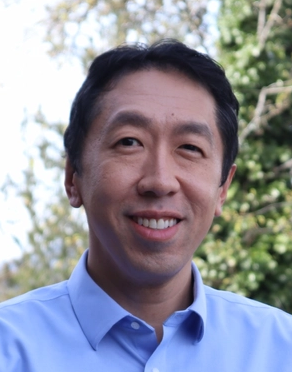 Andrew Ng (吳恩達)合作论文数Landing AI;Deeplearning. Ai;AI Fund;Coursera;Computer Science Department, Stanford University6Ricardo Vilalta合作论文数University of Houston;Department of Computer Science6Andreas Hapfelmeier合作论文数Institut für Informatik, Technische Universität München6
 Ute Schmid合作论文数Faculty Information Systems and Applied Computer Science, University of Bamberg6
 Tobias Girschick合作论文数Technische Universitat Munchen6Joerg Wicker合作论文数5Segner Alexander合作论文数5Julia Siekiera合作论文数5Eamonn Keogh合作论文数5
 Guenter Roth合作论文数Lab MEMS Applicat, Univ Freiburg5
 Barry Hardy合作论文数5
 Pieter Abbeel合作论文数Department of Electrical Engineering and Computer Sciences, University of California, Berkeley;Amazon5Gundert-Remy Ursula合作论文数5
 Haralambos Sarimveis合作论文数Department of Process Analysis and Plant Design, School of Chemical Engineering, National Technical University of Athens;Unit of Process Control & Informatics, School of Chemical Engineering, National Technical University of Athens;Euclia5
 James Cussens合作论文数University of York5
 Uwe Haberkorn合作论文数Department of Nuclear Medicine, University Hospital Heidelberg;Translational Lung Research Center Heidelberg;Deutsches Krebsforschungszentrum5Martin Gutlein合作论文数5
 Kristian Kersting合作论文数Computer Science Department and Centre for Cognitive Science, TU Darmstadt5
 Johannes Wohrle合作论文数5Annette Bitsch合作论文数5
 Pavel Brazdil合作论文数Laboratory of Artificial Intelligence and Decision Support, Institute for Systems and Computer Engineering, Technology and Science;University of Porto5W. Mier合作论文数4




