Objective: Previous research on problem-based learning (PBL) describes that videotaped observations develop meaningful insights into cognitive processes in tutorial groups. Analysis regarding the amount of prior knowledge on learning achievement has not been investigated in medical education so far, although both are key factors of PBL success. Thus, we intended to analyse videos of digital problem-based learning (dPBL) sessions, focusing on knowledge acquisition and interaction dynamics among groups with different levels of prior knowledge to reveal any distinctions.Methods: This study employed a pilot design by dividing 60 dental students into twelve subgroups with less or more prior knowledge, determined by a pre-semester multiple choice test (MCQ). The groups engaged in videotaped dPBL cases, which were examined regarding group interactions and tutor effectiveness. The learning achievement was assessed through a post-semester MCQ, an oral and practical exam.Results: The video analysis showed that dPBL groups with less prior knowledge achieved significantly higher tutor effectiveness and group interaction utterances, but that the percentage of time in which utterances occurred was similar in both groups. Related to the MCQ results, the students with less prior knowledge learned four times more than those with profound previous abilities, but no significant difference was found in the results of the oral exam and practical exam.Conclusions: The interaction dynamics in dPBL depend on the group’s amount of prior knowledge. Especially groups including participants with less prior knowledge seemed to benefit from dPBL in comparison to groups with more prior knowledge. The dPBL groups acquired knowledge in different ways during the courses but, finally, all students arrived at a similar level of knowledge.
The purpose of this observational follow-up clinical study was to observe the quality of posterior composite restorations more than 23 years after application. A total of 22 patients, 13 male and 9 female (mean age 66.1 years, range 50–84), with a total of 42 restorations attended the first and second follow-up examinations. The restorations were examined by one operator using modified FDI criteria. Statistical analysis was performed with the Wilcoxon Mann–Whitney U test and Wilcoxon exact matched-pairs test with a significance level of p = 0.05. Bonferroni–Holm with an adjusted significance level of alpha = 0.05 was applied. With the exception of approximal anatomical form, significantly worse scores were seen for six out of seven criteria at the second follow-up evaluation. There was no significant difference in the first and second follow-up evaluations in the grades of the restorations with regard to having been placed in the maxilla or mandible, as well as for one-surface or multiple-surface restorations. The approximal anatomical form showed significantly worse grades at the second follow-up when having been placed in molars. In conclusion, the study results show that significant differences regarding FDI criteria in posterior composite restorations occur after more than 23 years of service. Further studies with extended follow-up time and at regular and short time intervals are recommended.
Abstract Background:Oral health-related quality of life (OHRQoL) is recognized as a significant aspect of health outcomes. The Oral Health Impact Profile (OHIP-14) and the Psychosocial Impact Dental Aesthetics Questionnaire (PIDAQ) are valid instruments that capture different facets of OHRQoL. The OHIP-14 focuseson the effects of oral disorders, whereas the PIDAQ emphasizes the impacts of dental aesthetics on quality of life. The intention of this study was to adapt the OHIP-14 and PIDAQ in a Greek cultural context and to investigate their psychometric properties in all age groups of adults. Methods:The original English OHIP-14 and PIDAQ questionnaires were translated into Greek, cross-culturally adapted according to the forward-backward technique, pretested, and applied to a validation sample of 280 participants aged 18-79 in dental practice. In total, 59 participants in thevalidation set underwent the procedure after 12 weeks. Internal consistency and reproducibility established reliability. Content, construct, and convergent validity were supported. The questionnaires were also contrasted with sociodemographic variables (age, gender, education, residence). Discussion:Cronbach´s alpha was 0.94 for the OHIP-14-Gr and 0.95 for the PIDAQ-Gr. Correcteditem-total correlation coefficients ranged from 0.45 to 0.81 for the OHIP-14-Gr and from 0.53 to 0.82 for the PIDAQ-Gr. Average interitemcorrelation coefficients were 0.52 (OHIP-14-Gr) and 0.48 (PIDAQ-Gr). Interclass correlation coefficient(ICC) was 0.73 for theOHIP-14-Gr and 0.86 for the PIDAQ-Gr. Factor analysis with target rotation confirmed the four-dimensional factor structure of the PIDAQ-Gr. Item factor loadings varied between 0.38 and 1.09. Pearson`s correlation coefficients between the subscales and the total scores of the OHIP-14-Gr and PIDAQ-Gr ranged from 0.29 to 0.67,resulting in highly significant correlations for the total scores and subscales of the Greek questionnaires (p < 0.001). The results attribute good to excellent psychometric properties to the Greek versionsof the PIDAQ and OHIP-14. They indicate reliable and valid tools for the standardized assessment of the psychosocial impact of oral disorders and dental aesthetics among adults. The present study extends the use of these questionnaires to includethe important target group of young adults.
Objectives: This study aimed to investigate the influence of the respective mechanical and chemical pre-treatments on the composite repair of a CAD/CAM hybrid ceramic using a microtensile bond strength test (mu TBS). Methods: 15 CAD/CAM Blocks of Vita Enamic (VE) were randomly sectioned into three mechanical pre-treatments: (1.) Diamond bur (D), (2.) Airborne abrasion (A), (3.) Tribochemical silica coating (T) and subsequently five chemical pre-treatments: (1.) Clearfil SE Bond Bond (B; negative control), (2.) ESPE Sil (S), (3.) Clearfil Ceramic Primer Plus (CPP), (4.) Clearfil Repair (CR) and (5.) Scotchbond Universal (SCB). Per block, n = 20 specimens were sawn. Half of the specimens were randomly selected and subjected to an immediate bond strength test, while the other half was subjected to artificial aging for 6 months 180 days at 37 degrees C and subsequent thermocycling of 5000 cycles. A mu TBS was performed and data (MPa) were compared in one-way and two-way ANOVA and Tukey's HSD. Paired-t-test was used for artificial aging (alpha = 0.05). Debonded specimens were analyzed of for failure modes with a stereomicroscope (SEM). Results: The results of one-way ANOVA for the fifteen fastening procedures after aging indicated significant differences according to SCB-A and CPP-T. Two-way ANOVA after aging observed inferior bond strength for SCB. No differences were observed for mechan-ical pre-treatments. Artificial aging showed a significant reduction in bond strength on most of the fastening procedures. Significance: SCB showed the lowest bond strength values besides B, S, CPP, and CR. MDP and silane are both suitable for the repair of VE. (C) 2022 The Academy of Dental Materials. Published by Elsevier Inc. All rights reserved.
Aim To evaluate preclinical education in Endodontology at Austrian, German and Swiss dental schools using an online survey. Methodology An online survey divided into nine categories was sent using SurveyMonkey software to 37 dental schools, before the spread of the COVID-19 pandemic. The questionnaire included 50 questions to evaluate preclinical endodontic education, such as faculty-to-student ratios, topics taught and materials used, in preclinical phantom head courses. Seven and 14 days after the first e-mail contact, dental schools received a reminder e-mail. After four and six weeks, the dental schools were contacted by telephone and asked to participate in the online survey. The processing time was eight weeks in total. Results The response rate was 89%. Preclinical endodontic education at the participating dental schools differs considerably. Theory classes ranged from 1 to 70 h (15 h mean), and practical classes ranged from 3 to 78 h (39 h mean). The faculty-to-student ratio varied between 1:4 and 1:38 (1:15 mean). Forty-five per cent of the dental schools had a specialist in endodontics teaching theory. Several dental microscopes were available for preclinical teaching purposes at 82% of the dental schools. The majority (82%) taught root canal preparation with rotary or reciprocating NiTi instruments. Overall, 85% of the dental schools taught lateral compaction, amongst other methods, for canal filling. Conclusion A substantial divergence amongst the dental schools regarding the time dedicated to theory and practical instruction in Endodontology was reported. However, convergence in the use of root canal treatment techniques and materials was reported.
Objective. Aim of this study was to evaluate the biocompatibility of four experimental anti adhesive and antibacterial dental filling composites on human gingival fibroblasts (HGFs). Methods. For these experimental resin composites a delivery system based on novel polymeric hollow beads, loaded with Tego Protect (Aa1), Dimethicone (Aa2), Irgasan (Ab1) and methacrylated polymerizable Irgasan (Ab2) as active agents was used. The cultured HGFs' cell integrity, proliferation, viability, collagen synthesis and cytokine release were measured. For this purpose, human gingival fibroblasts were treated with eluates from all four composites and compared with an experimental standard composite (ST). Eluate extraction times 24 h and 168 h were chosen. Results. Statistical analysis was conducted via a mixed model. Both antibacterial composites reduced proliferation, collagen and cytokine synthesis significantly (p < 0.05), increasing with time of elution. Ab1 did also have a damaging effect on the membrane and on cell viability. Significance. Overall, it can be concluded that the antiadhesive composites showed clear advantages over the antibacterial composites in terms of biocompatibility. This study also continues to show the potential of the new poly-pore system, as it can be used for a variety of other applications in future composite mixtures. (c) 2021 The Academy of Dental Materials. Published by Elsevier Inc. All rights reserved.
Background The importance of Silver diamine fluoride (SDF) as a minimally invasive and nonaerosolizing management during COVID-19 pandemic has highly increased. SDF is a caries-arresting agent that causes staining of tooth structure. Managing this discoloration will increase its acceptance in treating primary teeth. The main aim of this study was to quantify the color change associated with the application of SDF on extracted carious primary molars, the potential masking of this color change by potassium iodide (KI), composite (CMP) and glass ionomer cement (GI) and the effect of aging on this color masking effect. Methods An in-vitro study in which 52 carious primary molars were collected, prepared, and distributed randomly into four groups equally as follows: Group A: SDF 38%; Group B: SDF 38% + KI; Group C: SDF 38% + CMP; Group D: SDF 38% + GI. Color changes were recorded for each sample at baseline, and after application of the tested materials. Moreover, all samples had undergone Suntest aging followed by a third color reading. CIELAB values L*, a*, b*, ΔL, Δa, and Δb were measured, ΔE was calculated, and data were analyzed using multivariate analysis of variance (MANOVA) and post-Hoc Scheffé test ( p < 0.05). Results MANOVA revealed the significant influence of the factor ‘material’. SDF caused an obvious color change compared to the color of carious dentin. Regarding ΔL, the color change of groups C and D was not significant directly after application of the tested materials. After aging, it was significant among all groups, including groups C and D. In Δa there was a difference between SDF and groups B and C after application of the tested materials, and aging produced the same results. The color shifts of Δb of all tested groups varied significantly from one another. After aging, there was no difference between group D and either group A or B. Conclusions Treatment with SDF caused obvious discoloration of carious dentin. Directly after SDF application, all tested materials could effectively mask the color change associated with the application of SDF. CMP was the only material whose color masking effect was not completely reversed by aging.
The purpose of the study was to investigate the bacterial viability of the initial biofilm on the surface of experimental modified dental resin composites. Twenty-five healthy individuals with good oral hygiene were included in this study. In a split-mouth design, they received acrylic splints with five experimental composite resin specimens. Four of them were modified with either a novel polymeric hollow-bead delivery system or methacrylated polymerizable Irgasan (Antibacterial B), while one specimen served as an unmodified control (ST). A delivery system based on Poly-Pore® was loaded with one of the active agents: Tego® Protect 5000 (Antiadhesive A), Dimethicone (Antiadhesive B), or Irgasan (Antibacterial A). All study subjects refrained from toothbrushing during the study period. Specimens were detached from the splints after 8 h and given a live/dead staining before fluorescence microscopy. A Friedman test and a post hoc Nemenyi test were applied with a significance level at p < 0.05. In summary, all materials but Antibacterial B showed a significant antibacterial effect compared to ST. The results suggested the role of the materials' chemistry in the dominance of cell adhesion. In conclusion, dental resin composites with Poly-Pore-loaded active agents showed antibacterial effectiveness in situ.
To investigate plaque inhibition of 0.1% octenidine mouthwash (OCT) vs. placebo over 5 days in the absence of mechanical plaque control. For this randomized, placebo-controlled, double-blind, parallel group, multi-center phase 3 study, 201 healthy adults were recruited. After baseline recording of plaque index (PI) and gingival index (GI), collection of salivary samples, and dental prophylaxis, subjects were randomly assigned to OCT or placebo mouthwash in a 3:1 ratio. Rinsing was performed twice daily for 30 s. Colony forming units in saliva were determined before and after the first rinse. At day 5, PI, GI, and tooth discoloration index (DI) were assessed. Non-parametric van Elteren tests were applied with a significance level of p < 0.05. Treatment with OCT inhibited plaque formation more than treatment with placebo (PI: 0.36 vs. 1.29; p < 0.0001). OCT reduced GI (0.04 vs. placebo 0.00; p = 0.003) and salivary bacterial counts (2.73 vs. placebo 0.24 lgCFU/ml; p < 0.0001). Tooth discoloration was slightly higher under OCT (DI: 0.25 vs. placebo 0.00; p = 0.0011). Mild tongue staining and dysgeusia occurred. OCT 0.1% mouthwash inhibits plaque formation over 5 days. It therefore can be recommended when regular oral hygiene is temporarily compromised. When individual plaque control is compromised, rinsing with octenidine mouthwash is recommended to maintain healthy oral conditions while side effects are limited.
The treatment of carious lesions is one of the most fundamental competencies in daily dental practice. However, many commercially available training models lack in reality regarding the simulation of pathologies such as carious lesions. 3D printed models could provide a more realistic simulation. This study provides an exemplary description of the fabrication of 3D printed dental models with carious lesions and assesses their educational value compared to commercially available models in conservative dentistry. A single-stage, controlled cohort study was conducted within the context of a curricular course. A stereolithographic model was obtained from an intraoral scan and then printed using fused deposition modelling. These models were first piloted by experts and then implemented and compared against commercial models in a conservative dentistry course. Experts and students evaluated both models using a validated questionnaire. Additionally, a cost analysis for both models was carried out. Thirteen dentists and twenty-seven 5th year dental students participated in the study. The 3D printed models were rated significantly more realistic in many test areas. In particular, the different tactility and the distinction in colour was rated positively in the 3D printed models. At 28.29€ (compared to 112.36€), the 3D printed models were exceptionally cost-efficient. 3D printed dental models present a more realistic and cost-efficient alternative to commercial models in the undergraduate training of conservative dentistry.
Background The purpose of this pilot study was to create a valid and reliable set of assessment questions for examining Evidence-based Dentistry (EbD) knowledge. For this reason, we adapted and validated for dental students the Berlin Questionnaire (BQ), which assesses Evidence-based Medicine (EbM) abilities. Methods The Berlin Questionnaire was validated with medical residents. We adapted it for use in a dentistry setting. An expert panel reviewed the adapted BQ for content validity. A cross-sectional cohort representing four training levels (EbD-novice dental students, EbD-trained dental students, dentists, and EbM−/EbD-expert faculty) completed the questionnaire. A total of 140 participants comprised the validation set. Internal reliability, item difficulty and item discrimination were assessed. Construct validity was assessed by comparing the mean total scores of students to faculty and comparing proportions of students and faculty who passed each item. Results Among the 133 participants (52 EbD-novice dental students, 53 EbD-trained dental students, 12 dentists, and 16 EbM-/ EbD-expert faculty), a statistically significant ( p < 0.001) difference was evident in the total score corresponding to the training level. The total score reliability and psychometric properties of items modified for discipline-specific content were acceptable. Cronbach’s alpha was 0.648. Conclusion The adapted Berlin Questionnaire is a reliable and valid instrument to assess competence in Evidence-based Dentistry in dental students. Future research will focus on refining the instrument further.
The main goal of this pilot study is to evaluate if two different educational movie concepts regarding the failure management provide a statistically significant difference in the acquisition of manual abilities (in this case bending of a triangular clasp) for dental students.
The purpose of this study was to create a valid assessing instrument using a set of questions to examine preclinical dental education in endodontics. For this reason, we constructed the “German Endodontology Questionnaire” (GEndoQ), which assesses preclinical dental education in endodontics. In recent years and decades, various curricula in preclinical and clinical endodontic education have been evaluated at both national and international levels and the results published. However, the conception of the questionnaires that have been used have never been discussed or published.
Background: As a teaching method, feedback is an integral part of medical education. However, there is a lack of a uniform theoretical basis or generally recognized guidelines for its specific design. Against this background, the aim of this article is to discuss conceptual considerations and empirical findings regarding feedback using various practical examples. Procedure and conceptual considerations: Building on the results of a workshop of the Committee for Communicative and Social Competences of the Society for Medical Education (GMA), this article first explains central conceptual considerations and empirical results on the topic of feedback. A particular focus is on various variables that influence the effect of feedback. This includes the feedback source, the frequency of feedback, starting points of feedback, the connection between feedback and reflection as well as the motivation and meta-cognitive skills of the feedback recipient. Practical examples: The implementation of feedback in practice is illustrated using eight examples from the field of medical and dental education. They stem from various settings and the focus is on formative oral feedback. It will become evident that the focus is more on the givers of feedback than the recipients of feedback. Instructions for recipients of feedback on how to reflect on it is still the exception. Discussion: Many of the relevant aspects for the effect of feedback described in the literature are already taken into account in the practical examples discussed. In conclusion, seven recommendations are made for implementing feedback in practice.
Six dentin adhesives were tested in vitro regarding their cytotoxicity on human fibroblasts. The adhesives Hybrid Bond, One-up Bond F Plus, AdheSE, Clearfil SE Bond, Optibond Solo Plus and Syntac were eluted with culture medium as single or sequentially applied adhesive part for 24 h. 75 Petri dishes were produced per group. They were evaluated triangulated, comprising the quantitative evaluation (105 ones) to determine "viable", "dead" and "debris" cells with the use of a cell-counter and the reactivity index was also identified based on the qualitative assessment (420 ones). One-up Bond F Plus, AdheSE and Clearfil SE Bond showed a statistical difference of viable cells to the cell control. For One-up Bond F Plus, statistically, differences compared to hybrid bond and Syntac were also found. All the adhesives except One-up Bond F Plus showed significant differences between single and sequentially applied adhesive part regarding the quantitative evaluation. The test material showed a moderate grade of cytotoxicity. As a result, a statistically significant difference of the cytotoxicity between the self-etch and etch-and-rinse adhesives cannot be demonstrated regarding the qualitative evaluation and the reactivity index, but the differences between sequentially applied and single applied components can be proved.
The aim of this randomized in vitro study is to clarify whether resin based restorative materials (RBRM) behave in a way comparable to non-resin based restorative materials (non-RBRM) in dentine-limited cavities with regard to their marginal fit.
INTRODUCTION:The aim was to assess the competencies of undergraduate students in their roles of dental expert, scholar, communicator, collaborator, health advocate, manager and professional. MATERIALS AND METHODS:For this retrospective, pseudonymised observational study (pre-/post-testing), students in two cohorts in their first clinical semester in operative dentistry were asked to judge their competencies (1 = very good to 6 = insufficient) with a learning objective catalogue designed at the Goethe University Frankfurt (modelled after the National Competency-Based Learning Objective Catalogue Dentistry), at the beginning and end of their phantom course. In order to relate the students' subjective competency judgements to objective evidence of their skills, at the end of the semester their marks from the summative Objective Structured Practical Examination (OSPE) were compared with the subjective judgement of their exam performance before the final results were known. RESULTS:The reliability of the evaluation sheet was evaluated with Cronbach's alpha 0.98. The students judged their competencies as "sufficient" (4.23 ± 0.51) at the beginning and "satisfactory" (2.82 ± 0.43) at the end. A significant improvement in competencies was observed within all roles. The students' subjective judgement of the exam results (3.66 ± 0.62) was significantly correlated with the actual marks (3.69 ± 0.83) in the OSPE at 0.3547 (P = 0.0015). CONCLUSION:The evaluation instrument showed excellent reliability. The students judged that their competencies significantly increased during the semester. The triangulation with the actual marks in the context of an OSPE demonstrated a significant correlation with the students' exam judgements.
This multivariate, prospective, monocentric, single blind, observational study evaluates the experimental application of an interactive e-learning module under different tutorial guidance on the topic of EbD (Evidence based Dentistry).
This randomised experimental pilot study is intended to contribute to the investigations about the learning success of students in their first clinical semester of dentistry using game-based learning in
The aim of the study was to investigate the infl uence of additive etching of dentine with phosphoric acid on the shear bond strength of two different, self-conditioning, all-in-one adhesives [Adect (ADE), and One-Up-Bond F (OUP)]. Dentine discs from 90 human molars (n = 15 per group) were exposed to penetration by Ringer's solution (60 cm height, 22 °C) by means of a perfusion device.
 Susanne Gerhardt-Szep合作论文数19
 Ralf Janda合作论文数14
 Wolfgang H. -M. Raab合作论文数9Gerhardt-Szep Susanne合作论文数6Thomas Beikler合作论文数6
 Andreas Moltner合作论文数5M Giraki合作论文数4Stefanie Dreher合作论文数4
 Tobias Weberschock合作论文数4
 Astrid Klocke合作论文数3Maria Giraki合作论文数3
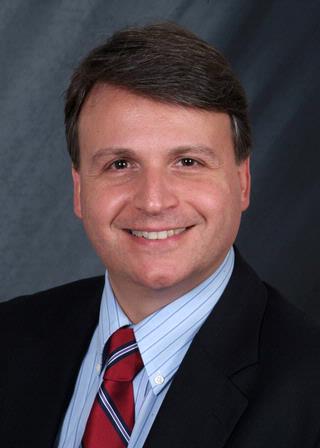 Georgios E. Romanos合作论文数Department of Periodontolog, School of Dental Medicine, Stony Brook University;Eastman Institute for Oral Health, University of Rochester Medical Center3Nora Bergmann合作论文数2
 Anja Hartl合作论文数2
 Ulrike Peters合作论文数Department of Epidemiology, School of Public Health, University of Washington2
 Flemmig, Thomas Frank合作论文数Institute for Advanced Dentistry, Faculty of Dentistry, University of Hong Kong;Division of Periodontology & Implant Dentistry, Faculty of Dentistry, University of Hong Kong2Adyani-Fard Sabine合作论文数2
 Ingrid Preusche合作论文数2Eva Herrmann合作论文数2
 Mark A. Latta合作论文数Department of General Dentistry, Creighton University School of Dentistry2Renate Deinzer合作论文数2Claudia Kiessling合作论文数University Basel2P. Parvini合作论文数1G. Saleh合作论文数1Claudia Jourdan合作论文数1thorsten peter合作论文数1Thea Rott合作论文数1Amr Abd Elaziz合作论文数1Alexander Wünsch合作论文数1Zahn T.合作论文数1Goetz Fabry合作论文数1Stefan J Heitkamp合作论文数1Robert Sader合作论文数1Antonio Ciardo合作论文数1Susanne Pruskil合作论文数1Melanie Kienitz合作论文数1Niklas Burgard合作论文数1S Gerhardt Szép合作论文数1obias Weberschock合作论文数1Senay Tomruk合作论文数1
 Christian Thrien合作论文数1florian kunkel合作论文数1L Baumann合作论文数1Tanja Graupe合作论文数1Judith Krawinkel合作论文数1Jean-François Roulet合作论文数1
 Dina Hamdy合作论文数1
 Amira Saad Badran合作论文数1Konrad Neumann合作论文数1




