Change is an inevitable part of any organization if it wants to adapt and strive in a changing environment. That was what the American Academy of Microbiology (Academy) did from 2019-2023 when it transformed itself into a scientific think tank at ASM while maintaining the high standard of an honorific community of scholars. Here, we report on the recent history of the Academy and the changes that have taken place during this period. With the contribution of many thougtful leaders, the Academy refreshed its commitment to promote excellence and uphold its high values.
The views expressed in this article do not necessarily reflect the views of the journal or of ASM. The world after COVID-19 will be significantly different than the one we thought we knew so well only months ago. Only one thing is clear to us about the post-COVID-19 future, the scientific research system will change and we must start planning for that change now. COVID-19 has revealed a biomedical research enterprise at once powerful and yet remarkably vulnerable. On one hand, drawing from a bedrock of coronavirus research, in practically no time the enterprise has registered well over 300 interventional clinical trials and over 100 vaccine trials. Thanks to vaccine platform technology, we have seen the fastest first in human test for a vaccine ever and preliminary results from two Phase III clinical trials, concluded in record time, indicate extremely encouraging results. On the other, this novel, highly contagious virus has made a mockery of advanced scientific countries around the world with its unpredictability and atypical outcomes in different human populations. So far, the most effective strategy has been to wear a mask, “stay home and wash your hands frequently.” This is essentially the same advice our grandmothers, who survived the 1918 pandemic flu, used to give us all the time. However this pandemic plays out, we think that the scientific ecology that once supported the “old” research system will be vastly different afterward. We do not mean merely the scientific knowledge we gain about pandemics or even the field of microbiology, but the whole niche in our society where basic and applied research has flourished for decades. Funding, education, institutional stability, government policy, international …
As we enter the second quarter of the COVID-19 pandemic, with testing for severe acute respiratory syndrome coronavirus 2 (SARS–CoV-2) increasingly available (though still limited and/or slow in some areas), we are faced with new questions and challenges regarding this novel virus. When to test? Whom to test? What to test? How often to test? And, what to do with test results? Since SARS–CoV-2 is a new virus, there is little evidence to fall back on for test utilization and diagnostic stewardship (1). Several points need to be considered to begin answering of these questions; specifically, what types of tests are available and under which circumstances are they useful? This understanding can help guide the use of testing at the local, regional, state, and national levels and inform those assessing the supply chain to ensure that needed testing is and continues to be available. Here, we explain the types of tests available and how they might be useful in the face of a rapidly changing and never-before-experienced situation. There are two broad categories of SARS–CoV-2 tests: those that detect the virus itself and those that detect the host’s response to the virus. Each will be considered separately.
A Scientific Integrity Consortium developed a set of recommended principles and best practices that can be used broadly across scientific disciplines as a mechanism for consensus on scientific integrity standards and to better equip scientists to operate in a rapidly changing research environment. The two principles that represent the umbrella under which scientific processes should operate are as follows: (1) Foster a culture of integrity in the scientific process. (2) Evidence-based policy interests may have legitimate roles to play in influencing aspects of the research process, but those roles should not interfere with scientific integrity. The nine best practices for instilling scientific integrity in the implementation of these two overarching principles are (1) Require universal training in robust scientific methods, in the use of appropriate experimental design and statistics, and in responsible research practices for scientists at all levels, with the training content regularly updated and presented by qualified scientists. (2) Strengthen scientific integrity oversight and processes throughout the research continuum with a focus on training in ethics and conduct. (3) Encourage reproducibility of research through transparency. (4) Strive to establish open science as the standard operating procedure throughout the scientific enterprise. (5) Develop and implement educational tools to teach communication skills that uphold scientific integrity. (6) Strive to identify ways to further strengthen the peer review process. (7) Encourage scientific journals to publish unanticipated findings that meet standards of quality and scientific integrity. (8) Seek harmonization and implementation among journals of rapid, consistent, and transparent processes for correction and/or retraction of published papers. (9) Design rigorous and comprehensive evaluation criteria that recognize and reward the highest standards of integrity in scientific research.
It was with great excitement that I took the helm of the great ASM schooner as the new Chief Executive Officer at the beginning of January. It has been only a few months, but I would like to share my first impressions and the excitement that I feel.
Many scientists attempt to publish their work in a journal with the highest possible journal impact factor (IF). Despite widespread condemnation of the use of journal IFs to assess the significance of published work, these numbers continue to be widely misused in publication, hiring, funding, and promotion decisions (1, 2).
The Journal Impact Factor (JIF) is like the weather: everyone talks about it, everyone complains about it, and everyone feels incapable of changing it. Indeed, the scientific community has been held hostage of this measure of impact for a long time, which erroneously became the one and only simple metric to evaluate the impact of a single publication, the prestige of a journal, or the relevance of an individual scientist.
A little over 1 year ago, the American Society for Microbiology (ASM) launched mSphere as an open-access, online, pan-microbial sciences journal. We established two major goals: publish cutting-edge science and implement policies and processes to make the publication experience less onerous for
 Michael J. Imperiale合作论文数Department of Microbiology and Immunology, Medical School, University of Michigan2
 Thomas E. Shenk合作论文数Department of Molecular Biology, Princeton University2
 Lynn W. Enquist合作论文数Department of Molecular Biology, Princeton University2
 Arturo Casadevall合作论文数W. Harry Feinstone Department of Molecular Microbiology and Immunology, Bloomberg School of Public Health, Johns Hopkins University;School of Medicine, Johns Hopkins University2
 Delia Murphy合作论文数1
 Elitza S. Theel合作论文数Laboratory Medicine and Pathology, Mayo Clinic1Nguyen K Nguyen合作论文数1Dorothea K Vafiadis合作论文数1
 Sarah M. Rovito合作论文数The National Academies of Sciences, Engineering, and Medicine1
 Kirsten St. George合作论文数Biomedical Sciences Department, School of Public Health, University at Albany;Wadsworth Center, Department of Health, New York State1
 Timothy J. Donohue合作论文数Department of Bacteriology, College of Agricultural and Life Sciences, University of Wisconsin-Madison1
 Chavonda Jacobs-Young合作论文数U.S. Department of Agriculture1Andrea Grantham合作论文数1
 Harold L. Drake合作论文数Department of Ecological Microbiology, Faculty for Biology, Chemistry and Earth Sciences, University of Bayreuth1
 Rozanne M. Sandri-Goldin合作论文数Department of Microbiology & Molecular Genetics, School of Medicine, University of California, Irvine1
 Ferric C. Fang合作论文数Department of Laboratory Medicine & Pathology, School of Medicine, University of Washington1
 Esther Babady合作论文数Memorial Sloan Kettering Cancer Center;Pan American Society for Clinical Virology1
 Thomas J. Silhavy合作论文数Department of Molecular Biology, Princeton University1Kretser Alison J合作论文数1
 Jo-Anne Young合作论文数Division of Infectious Diseases and International Medicine, Department of Medicine, Medical School, University of Minnesota1
 Gregory A. Storch合作论文数Division of Infectious Disease, Department of Pediatrics, Washington University School of Medicine in St. Louis;St. Louis Children's Hospital;Institute for Public Health, Washington University St. Louis1
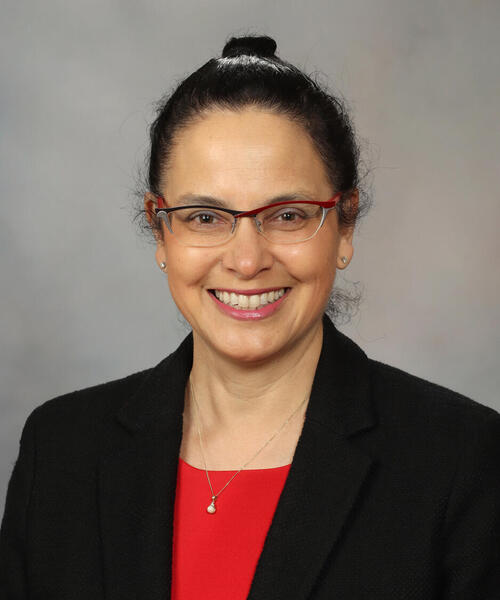 Robin Patel合作论文数Division of Clinical Microbiology, Department of Laboratory Medicine and Pathology, Mayo Clinic;Division of Infectious Diseases, Department of Internal Medicine, Mayo Clinic1
 Jessica Wyndham合作论文数1
 Michael J. Buchmeier合作论文数Center for Virus Research, University of California, Irvine;Pacific Southwest Center for Biodefense and Emerging Infectious Disease, School of Medicine, University of California;School of Biological Sciences, University of California, Irvine1
 Tara C. Smith合作论文数College of Public Health, Kent State University1
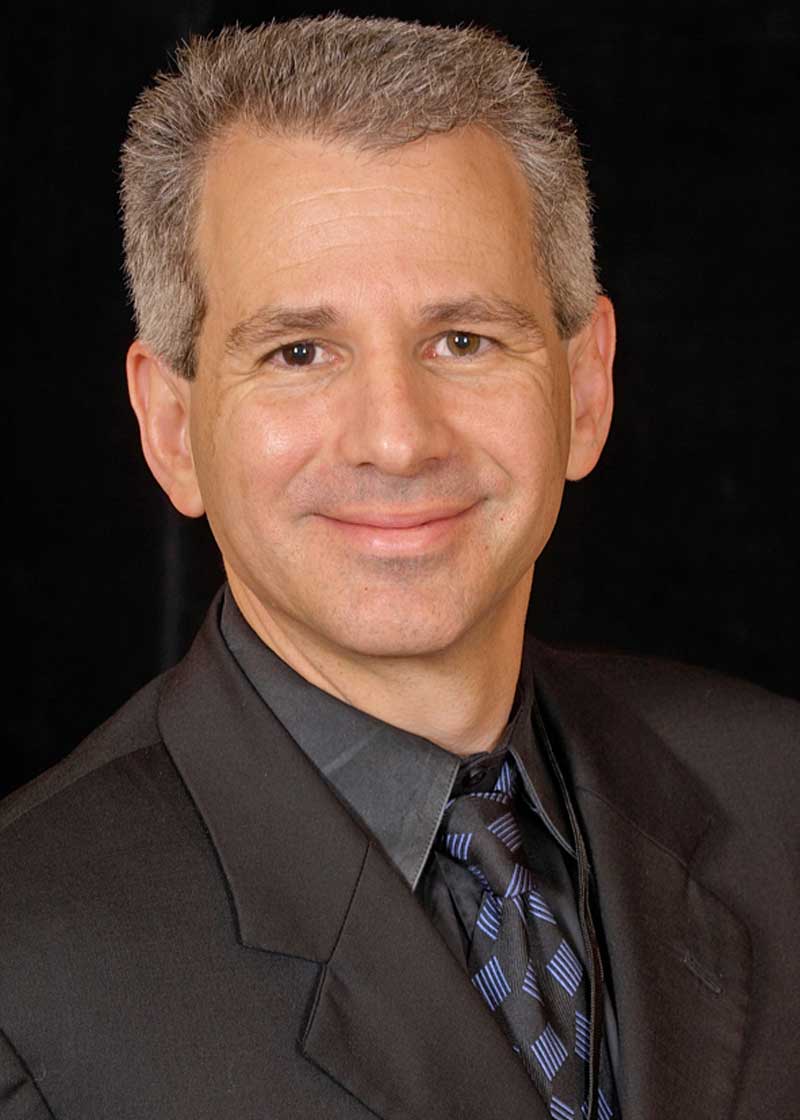 David B. Allison合作论文数Department of Epidemiology & Biostatistics, School of Public Health, Indiana University;Children's Nutrition Research Center, Baylor College of Medicine1
 Johanna T. Dwyer合作论文数Tufts Medical Center1
 Louis B. Rice合作论文数Department of Molecular Microbiology and Immunology, Brown University1
 Kathryn Boor合作论文数Department of Global Development, College of Agriculture and Life Sciences, Cornell University1
 Roger J Davis合作论文数NeuroNexus Institute, T.H. Chan School of Medicine, University of Massachusetts;Department of Biochemistry and Molecular Biotechnology, Morningside Graduate School of Biomedical Sciences, University of Massachusetts;Howard Hughes Medical Institute1
 James M. Tiedje (詹姆斯·迪杰)合作论文数Department of Plant, Soil and Microbial Sciences, College of Agriculture & Natural Resources, Michigan State University1
 Alexander Mcadam合作论文数Department of Laboratory Medicine, Boston Children’s Hospital;Harvard Medical School1
 Peggy Cotter合作论文数Department of Microbiology and Immunology, School of Medicine, The University of North Carolina at Chapel Hil1
 Marcela F. Pasetti合作论文数School of Medicine, University of Maryland1
 Rachelle D Hollander合作论文数1
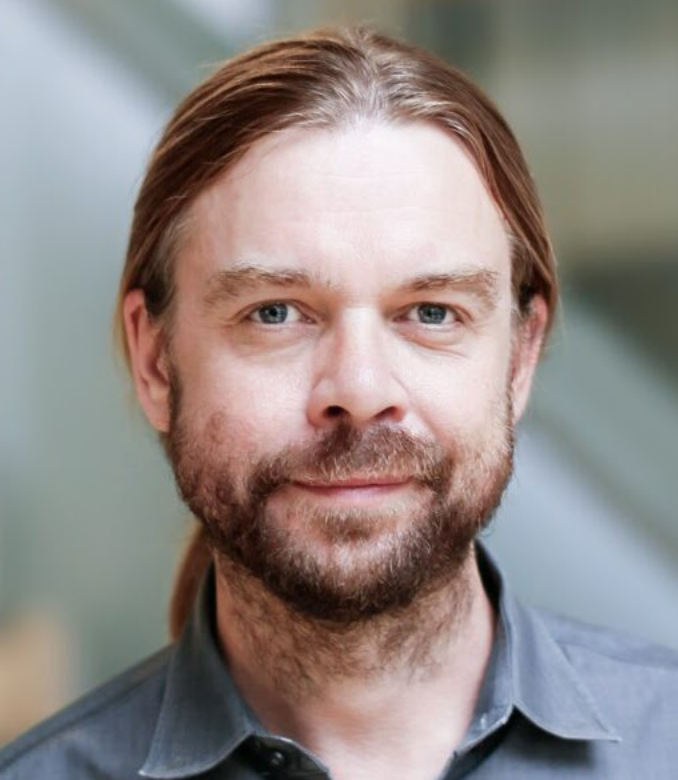 Jack Gilbert合作论文数Scripps Institution of Oceanography, University of California, San Diego;Department of Pediatrics, University of California, San Diego;BiomeSense1
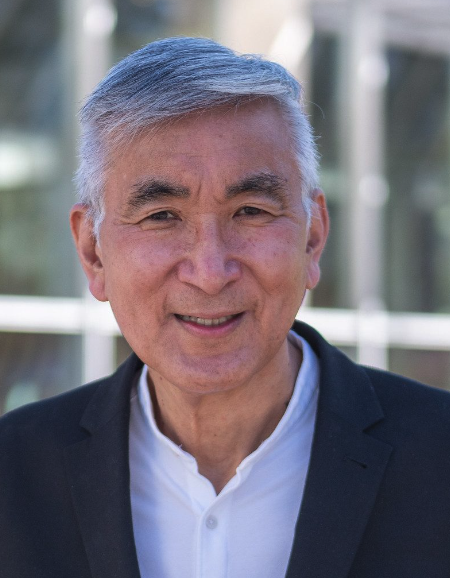 Rickey Y. Yada合作论文数Faculty of Land and Food Systems, University of British Columbia1
 Benjamin Pinsky合作论文数Department of Pathology, Stanford University;School of Medicine, Stanford University1




