The Image Processing (IP) and Human Centred Systems (HCSs) are attractive and current topics of the Computer Science (CS) field. This paper provides methods and algorithms to support these topics in everyday application environments (e.g., entrainment) as well as in specialistic contexts (e.g., rehabilitation). In particular, it is focused on the dissemination of our most recent results obtained in the following research areas: Signal Processing: we show our advances in Image Processing (IP) with respect to the following matters: Adaptive Acquisition and reconstruction of biomedical images, 3D Reconstruction of dental models, and Analysis of brain images. Human Centred Systems: we show our advances in Human-Computer Interaction (HCI) with respect to the following matters: Sketch Recognition, Gesture Recognition, and Handwriting Identification. We also present advances in Human Body Modelling (including hands) and Human Body Recognition (HB-R) and Tracking (HB-T) (including hands).
The handwriting analysis is a field of great interest since supports the study of different personal characteristics of the human beings, including identity, character, and neurological disabilities. In particular, the handwriting identification area, which also includes the handwritten signature verification, is a topic continuously investigated since the freehand writing of a manuscript, as well as the appending of a personal signature on a paper document, are still the most widespread ways to certify documents in legal, financial and administrative fields. The rapid diffusion of devices that enable user interaction by means of freehand or capacity pen based writing, and the growing successes obtained in processing the digital handwriting, are allowing us to extend more and more the boundaries of this fascinating area. The automatic handwriting identification is an engaging matter that supports several application contexts including the personal identification. In this paper we present a novel on-line handwriting identification algorithm based on the computation of the static and dynamic features of the strokes composing an handwritten text. Extensive experiments have demonstrated the usefulness and the accuracy of the proposed method.
This book contains the proceedings of the 4th International Conference on Data Analysis and Processing held in Cefalu' (Palermo, ITALY) on September 23-25 1987. The aim of this Conference, now at its fourth edition, was to give a general view of the actual research in the area of methods and systems for achieving artificial vision as well as to have an up-dated information of the current activity in Europe. A number of invited speakers presented overviews of statistical classification problems and methods, non conventional archi tectures, mathematical morphology, robotic vision, analysis of range images in vision systems, pattern matching algorithms and astronomical data processing. Finally a survey of the discussion on the contribution of AI to Image Analysis is given. The papers presented at the Conference have been subdivided in four sections: knowledge based approaches, basic pattern recognition tools, multi features system based solutions, image analysis-applications. We must thank the IBM-Italia and the Digital Equipment Corpo ration for sponsoring this Conference. We feel that the days spent at Cefalu' were an important step toward the mutual exchange of scientific information within the image processing community. v. Cantoni Pavia University V. Di Gesu' Palermo University S. Levialdi Rome University v CONTENTS INVITED LECTURES . . 3 Morphological Optics.
The 3D Human BodyModels (3D HBMs) and the 3D Virtual Reality Environments (3D VREs) enable users to interact with simulated scenarios in an engaging and natural way. The Computer Vision (CV) based Motion Capture (MoCap) systems allow us to obtain user models (i.e., self-avatars) without using cumbersome and uncomfortable physical tools (e.g., sensor suites) which could adversely affect user experience. This last point is of great importance in developing interactive applications for balance rehabilitation purposes where the recovery of lost skills is related to different factors (e.g., patient motivation) including spontaneity of the interaction during the virtual rehabilitative exercises. This paper presents an overview of the Customized Rehabilitation Framework (CRF), a single range imaging sensor based system oriented to patients who experienced with brain strokes, head traumas or neurodegenerative disorders. In particular, the paper is focused on the implementation of two new ad-hoc virtual exercises (i.e., Surfboard and Swing) supporting patients in recovering physical and functional balance. Observations on accuracy of user body models and their real-time interaction ability within rehabilitative simulated environments are presented. In addition, basic experiments concerning usefulness of the proposed exercises to support balance rehabilitation purposes are also reported.
Mixed reality represents a promising technology for a wide range of applicative fields, including computer based training, systems maintenance and medical imaging, just to name a few. The floating interface for gesture-based interaction architecture presented in this study, puts together a context adaptive head-up interface, which is projected in the central region of the user's visual field, with gesture-based interaction, to enable easy, robust and powerful manipulation of the virtual contents which are visualized after being mapped onto the real environment surrounding the user. The interaction paradigm combines one-hand, two-hands and time-based gestures to select tools/functions among those available as well as to operate them. Even conventional keyboard-based functions like typing, can be performed without a physical interface by means of a floating keyboard layout. The paper describes the overall system architecture and its application to the interactive visualization of tri-dimensional models of human anatomy, for either training or educational purposes. We also report the results of an evaluation study to assess usability, effectiveness and eventual limitations of the proposed approach.
Hand gesture interfaces provide an intuitive and natural way for interacting with a wide range of applications. Nowadays, the development of these interfaces is supported by an increasing number of sensing devices which are able to track hand and finger movements. Despite this, the physical and technical features of many of these devices make them unsuitable for the implementation of interfaces oriented to the everyday desktop applications. Conversely, the LEAP motion controller has been specifically designed to interact with these applications. Moreover, this latter device has been equipped with a hand skeletal model that provides tracking data with a high level of accuracy. This paper describes a novel approach to define and recognize hand gestures. The proposed method adopts freehand drawing recognition algorithms to interpret the tracking data of the hand and finger movements. Although our approach is applicable to any hand skeletal model, the overall features of that provided by the LEAP motion controller have driven us to use it as a reference model. Extensive preliminary tests have demonstrated the usefulness and the accuracy of the proposed method.
The nonverbal communication can be informally defined as the communicative process between two or more entities (e.g., persons) which achieving an informative exchange without using the semantic meaning of the words. This process can be accomplished by using one or more language forms, including the body language (i.e., movements, gestures, and postures) which in turn can be composed by voluntary and involuntary behaviours. The analysis and interpretation of these behaviours can infer different internal states of persons (e.g., feelings, attitudes, emotions) which in turn can support the development of a wide range of automatic applications in different fields, such as: rehabilitation, security, people identification, human behaviour analysis, biometric. In recent years, we have focused our efforts in developing a first implementation of Kinematic, a novel multimodal framework designed to support advanced human-machine interfaces. The purpose of the framework is to provide a tool to analyze and interpret verbal and nonverbal human-to-human communication in order to transfer this ability to the human-machine interaction. In this paper we face a specific aspect of the framework regarding the first calibration phase of the numerical measures related to the Kinect skeleton used to analyze and interpret the body language. The numerical measures was obtained analyzing the movements of the skeleton during individual and social contexts. A preliminary qualitative and quantitative study has been reported and discussed.
In the proposed demo, a new approach to e-learning environments for deaf people is illustrated. Using a fully iconic web-based environment, a tutor can define, generate and test e-learning courses for deaf people, which are automatically managed, published and served by the system itself.
In this paper we present a new web mashup system for helping people and professionals to retrieve information about emergencies and disasters. Today, the use of the web during emergencies, is confirmed by the employment of systems like Flickr, Twitter or Facebook as demonstrated in the cases of Hurricane Katrina, the July 7, 2005 London bombings, and the April 16, 2007 shootings at Virginia Polytechnic University. Many pieces of information are currently available on the web that can be useful for emergency purposes and range from messages on forums and blogs to georeferenced photos. We present here a system that, by mixing information available on the web, is able to help both people and emergency professionals in rapidly obtaining data on emergency situations by using multiple web channels. In this paper we introduce a visual system, providing a combination of tools that demonstrated to be effective in such emergency situations, such as spatio/temporal search features, recommendation and filtering tools, and storyboards. We demonstrated the efficacy of our system by means of an analytic evaluation (comparing it with others available on the web), an usability evaluation made by expert users (students adequately trained) and an experimental evaluation with 34 participants.
We present a framework to address educational issues, especially focusing on deaf people, and present a preliminary model based on recent methodological findings. We started to develop multimedia learning environments based on Storytelling and Conceptual Metaphors, and adopt Cognitive Embodiment as a framework to address sensorially-critical subjects. We are using such methods to develop a Deaf-centered E-Learning Environment (DELE) Therefore, a Story Controller is designed for supporting stories handling. Its behaviour is formally specified through a formal model based on statecharts.
The exponential explosion of images and videos concerns everybody's common life, since this media is now present everywhere and in all human activities. Scientists, artists and engineers, in any field, need to be aware of the basic mechanisms that allow them to understand how images are essentially information carriers. Images bear a strong evocative power, because their perception quickly brings into mind a number of related pictorial contents of past experiences, and even of abstract concepts like pleasure, attraction or aversion. This book analyzes the visual hints, thanks to which, images are generally interpreted, processed and exploited, both by humans and computer programs. Comprehensive introductory text Introduces the reader to the large world of imagery on which many human activities are based, from politics to entertainment, from technical reports to artistic creations Provides a unified framework where both biological and artificial vision are discussed through visual cues, through the role of contexts and the available multi-channels to deliver information
MADCOW 2.0 is a system for annotation of Web content, supporting the production and exploration of personal and public annotations on text, images and videos in a Web page. Its design starts from the main requirement that the annotation activity does not have to disrupt the normal browsing of Web pages by a user. MADCOW 2.0 allows interaction with the annotated portions of the page to provide access to the annotation content. Conversely, the representation of the existing notes supports different forms of exploration of the Web page, and can become the starting point for further navigation over the Web. A uniform style of interaction has been adopted for creating and accessing annotations on text, images and videos, and some novel solutions have been introduced to cope with overlaps between the annotated portions. The annotation user experience is facilitated by enabling forms of in-place annotation and manipulation of both the annotated portion and the annotation content.
 Luigi Cinque合作论文数Computer Science Department
Universita di Roma "La Sapienza"48
Luigi Cinque合作论文数Computer Science Department
Universita di Roma "La Sapienza"48 Paolo Bottoni合作论文数Department of Computer Science, Sapienza University of Rome47Maria F. Costabile合作论文数IVU laboratory, Dipartimento di Informatica, Universita degli Studi di Bari23
 Virginio Cantoni合作论文数Department of Electrical, Computer and Biomedical Engineering, University of Pavia;Computer Vision and Multimedia Lab, University of Pavia20
 Alessio Malizia合作论文数School of Creative Arts, University of Hertfordshire18
 Maria De Marsico合作论文数Department of Computer Science, Sapienza University of Rome17
 Piero Mussio合作论文数Computer Semiotics Laboratory, Dipartimento di Informatica e Comunicazione, Università degli Studi di Milano10
 Emanuele Panizzi合作论文数"Sapienza, Università di Roma10
 Shi-Kuo Chang合作论文数Department of Computer Science, School of Computing and Information, University of Pittsburgh10Di Gesu, V.合作论文数9
 Danilo Avola合作论文数Istituto di Ricerche sulla Popolazione e Politiche Sociali, CNR9
 Maria Francesca Costabile合作论文数IVU laboratory
Dipartimento di Informatica
Universita degli Studi di Bari8
Maria Francesca Costabile合作论文数IVU laboratory
Dipartimento di Informatica
Universita degli Studi di Bari8 Genoveffa Tortora合作论文数Dipartimento di Informatica, University of Salerno8P. Crane合作论文数7
 Jerome H. Friedman合作论文数Department of Statistics, School of Humanities and Sciences, Stanford University7
 Luca Lombardi合作论文数Dipartimento di Informatica e Sistemistica, University of Pavia7
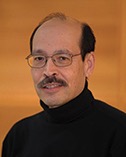 Steve Tanimoto合作论文数Paul G. Allen School of Computer Science & Engineering, University of Washington7L Scarsi合作论文数6
 Rita Cucchiara合作论文数Dipartimento di Ingegneria “Enzo Ferrari”, Università di Modena e Reggio Emilia5
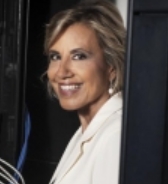 Tiziana Catarci合作论文数Department of Computer, Control and Management Engineering, Sapienza - University of Roma5Rosa Trinchese合作论文数5
 Giuseppe Placidi合作论文数5
 Alan Dix合作论文数School of Computer Science, The University of Birmingham5
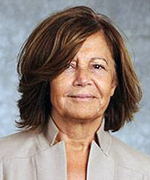 Concettina Guerra合作论文数School of Interactive Computing, College of Computing, Georgia Institute of Technology5
 Andrea Bellucci合作论文数4
 Andrea Petracca合作论文数4
 Matteo Spezialetti合作论文数Department of Life, Health and Environmental Sciences, University of L'Aquila4
 Paolo Di Tommaso合作论文数Ctr Genom Regulat, Barcelona Inst Sci & Technol4Roberta Mancini合作论文数4
 Anna Labella合作论文数Department of Computer Science, Sapienza University of Rome3
 Marco Ferretti合作论文数Dipartimento di Ingegneria Industriale e dell'Informazione, University of Pavia3Domenico Ventriglia合作论文数3
 Maristella Matera合作论文数Dipartimento di Elettronica, Informazione e Bioingegneria, Politecnico di Milano;Human-Centric Interactive Technology Lab, Politecnico di Milano3Gianluca Pignalberi合作论文数3
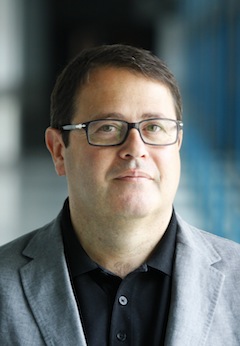 Ignacio Aedo Cuevas合作论文数Universidad Carlos III de Madrid3
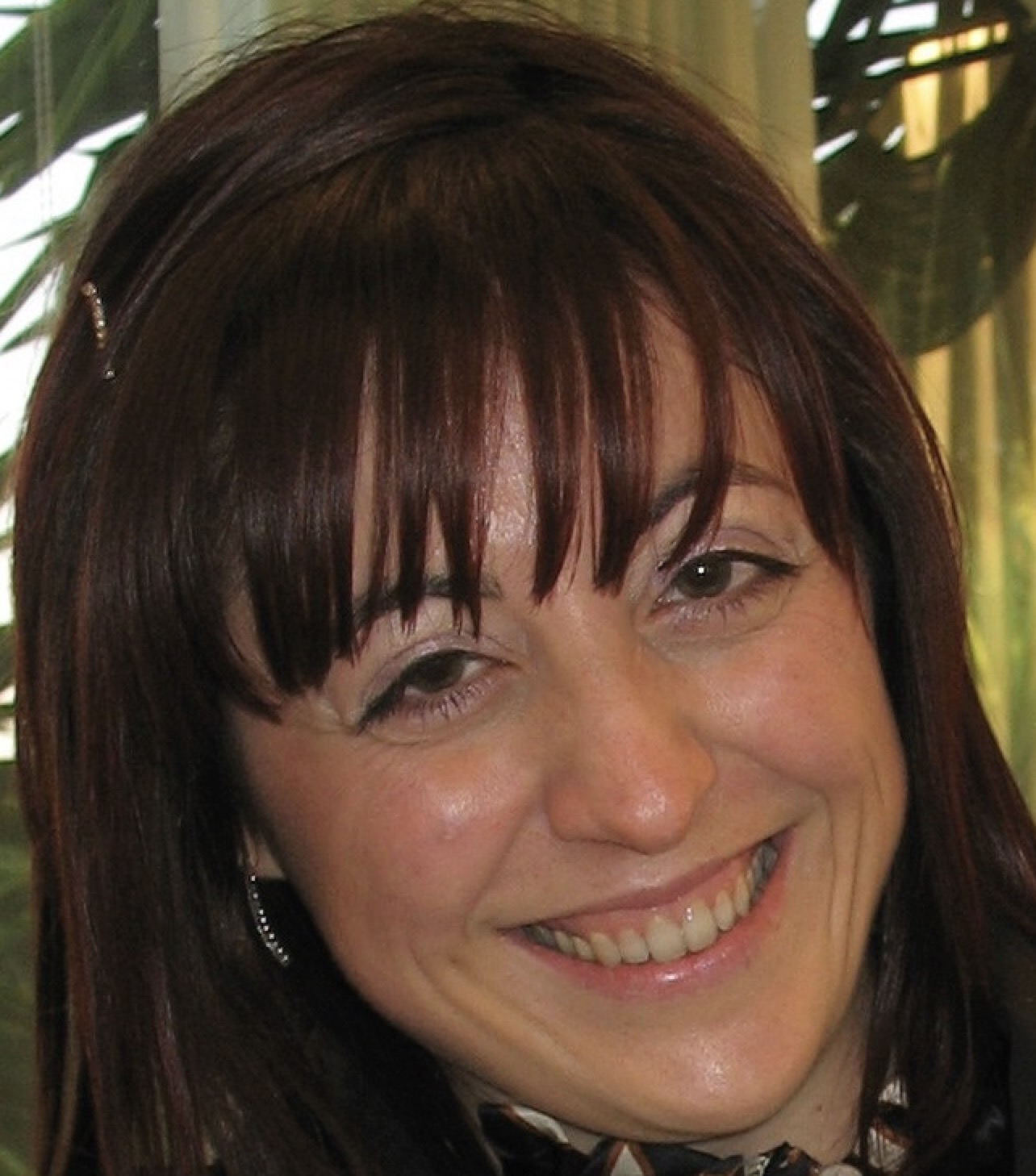 Veronica Rossano合作论文数Technology Enhanced Learning Lab, Department of Computer Science, University of Bari Aldo Moro;Dipartimento di Informatica, Università degli Studi di Bari3
 Stefano Ricciardi合作论文数Department of Biosciences, University of Molise3
 Rosa Lanzilotti合作论文数Department of Computer Science, University of Bari3Luigi P. Cordella合作论文数3
 Teresa Roselli合作论文数Dipartimento di Informatica;Universit?? degli Studi di Bari3Silvano Di Zenzo合作论文数2F. De Rosa合作论文数2Marco Passavanti合作论文数2
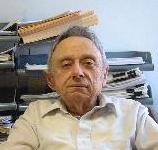 Azriel Rosenfeld合作论文数Center for Automation Research, University of Maryland, College Park;College of Computer, Mathematical and Physical Sciences, University of Maryland in College Park2
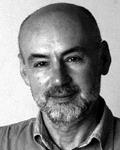 Carlo Arcelli合作论文数Institute of Cybernetics E. Caianiello, National Research Council of Italy2
 Maurizio Tucci合作论文数University of Salerno2
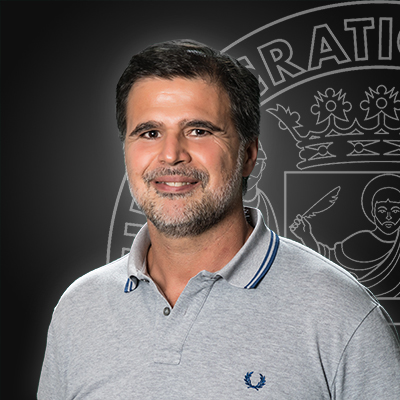 Andrea F. Abate合作论文数Universita Degli Studi di Salerno2
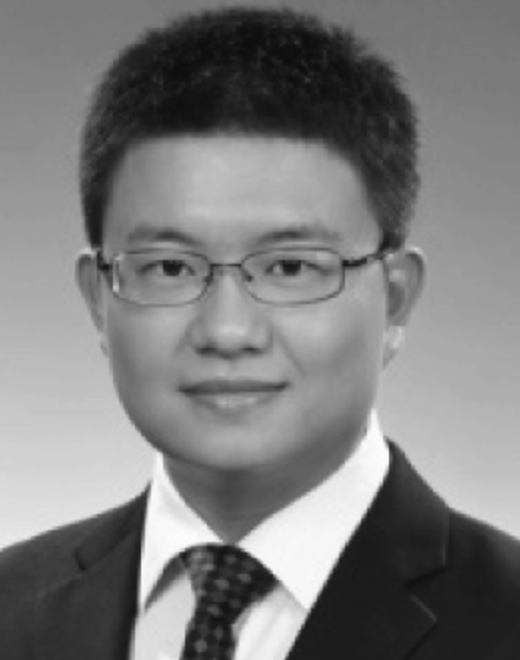 Jianhua Ma合作论文数School of Materials Science and Engineering, Xi’an Polytechnic University2




