Antifreeze proteins (AFPs) are natural biomolecules found in cold-adapted organisms that lower the freezing point of water, allowing survival in icy conditions. These proteins have the potential to improve cryopreservation techniques by enhancing the quality of genetic material postthaw. Deschampsia antarctica, a freezing-tolerant plant, possesses AFPs and is a promising candidate for cryopreservation applications. In this study, we investigated the cryoprotective properties of AFPs from D. antarctica extracts on Atlantic salmon spermatozoa. Apoplastic extracts were used to determine ice recrystallization inhibition (IRI), thermal hysteresis (TH) activities and ice crystal morphology. Spermatozoa were cryopreserved using a standard cryoprotectant medium (C+) and three alternative media supplemented with apoplastic extracts. Flow cytometry was employed to measure plasma membrane integrity (PMI) and mitochondrial membrane potential (MMP) postthaw. Results showed that a low concentration of AFPs (0.05 mg/mL) provided significant IRI activity. Apoplastic extracts from D. antarctica demonstrated a cryoprotective effect on salmon spermatozoa, with PMI comparable to the standard medium. Moreover, samples treated with apoplastic extracts exhibited a higher percentage of cells with high MMP. These findings represent the first and preliminary report that suggests that AFPs derived from apoplastic extracts of D. antarctica have the potential to serve as cryoprotectants and could allow the development of novel freezing media.
BACKGROUND:The clustering of immune repertoire data is challenging due to the computational cost associated with a very large number of pairwise sequence comparisons. To overcome this limitation, we developed Anchor Clustering, an unsupervised clustering method designed to identify similar sequences from millions of antigen receptor gene sequences. First, a Point Packing algorithm is used to identify a set of maximally spaced anchor sequences. Then, the genetic distance of the remaining sequences to all anchor sequences is calculated and transformed into distance vectors. Finally, distance vectors are clustered using unsupervised clustering. This process is repeated iteratively until the resulting clusters are small enough so that pairwise distance comparisons can be performed. RESULTS:Our results demonstrate that Anchor Clustering is faster than existing pairwise comparison clustering methods while providing similar clustering quality. With its flexible, memory-saving strategy, Anchor Clustering is capable of clustering millions of antigen receptor gene sequences in just a few minutes. CONCLUSIONS:This method enables the meta-analysis of immune-repertoire data from different studies and could contribute to a more comprehensive understanding of the immune repertoire data space.
An evolutionary algorithm is used to evolve a population of self-driving automata (SDAs), modified state machines, that are used to produce output in the form of a DNA sequence. The SDAs are evaluated based on their ability to create sequences that closely match all DNA sequences within a given set. This is evaluated in a pairwise fashion, but attempts to match all sequences concurrently, using two fitness functions that are differentiated by whether they allow for gaps. Additionally, a secondary fitness metric, Sequence Diversity Fitness, encourages diversity among the output of the SDAs within the population throughout evolution. The target sequences are Phi-segments of dehydrin proteins, which are weakly-conserved, can vary considerably in length, and for which traditional methods fail when used to find patterns within them. The ultimate goal is to use SDAs to assist in identifying patterns within Phi-segments.Locating such a pattern could prove fruitful for understanding the functions of dehydrins and how they contribute to the protection of plants from abiotic stresses.Several sets of target sequences are used for analysis, with some sets being more closely-related than others. The evolutionary algorithm was found to produce sequences that matched (according to one of the fitness functions) up to 100% of a given set of target sequences under certain conditions, with closely-related sequences being more accurately matched.
A population of Self-Driving Automata (SDAs) is evolved using a steady-state evolutionary algorithm tasked with matching six DNA sequences. This is a step towards using SDAs to assist in identifying patterns within groups of DNA sequences for which conventional methods for identifying patterns fail. The fitness function uses both a primary and a secondary fitness metric to determine the overall fitness of an SDA. The primary metric is sequence matching fitness, evaluating how well the evolved sequence matches the target sequence. The secondary metric is sequence diversity fitness: considering pairs of sequences with the same primary fitness, this counts the number of differences that exist between them. It is found that promoting diversity in this manner by using a secondary fitness metric dramatically improves results for the primary fitness metric.
EDITORIAL article Front. Plant Sci., 04 May 2023Sec. Plant Abiotic Stress Volume 14 - 2023 | https://doi.org/10.3389/fpls.2023.1193542
Dehydrins form the group II LEA protein family and are known to play multiple roles in plant stress tolerance and enzyme protection. They harbor a variable number of conserved lysine rich motifs (K-segments) and may also contain three additional conserved motifs (Y-, F- and S-segments). In this work, we report the isolation and characterization of an FSK2-type dehydrin from the halophytic species Atriplex halimus, which we designate as AhDHN1. In silico analysis of the protein sequence revealed that AhDHN1 contains large number of hydrophilic residues, and is predicted to be intrinsically disordered. In addition, it has an FSK2 architecture with one F-segment, one S-segment, and two K-segments. The expression analysis showed that the AhDHN1 transcript is induced by salt and water stress treatments in the leaves of Atriplex seedlings. Moreover, circular dichroism spectrum performed on recombinant AhDHN1 showed that the dehydrin lacks any secondary structure, confirming its intrinsic disorder nature. However, there is a gain of α-helicity in the presence of membrane-like SDS micelles. In vitro assays revealed that AhDHN1 is able to effectively protect enzymatic activity of the lactate dehydrogenase against cold, heat and dehydration stresses. Our findings strongly suggest that AhDHN1 can be involved in the adaptation mechanisms of halophytes to adverse environments.
Intrinsically disordered proteins (IDPs) are proteins that lack a stable 3D structure but maintain a biological function. It has been frequently suggested that IDPs are difficult to align because they tend to have fewer conserved residues compared to ordered proteins, but to our knowledge this has never been directly tested. To compare the alignments of ordered proteins to IDPs, their multiple sequence alignments (MSAs) were assessed using two different methods. The first compared the similarity between MSAs produced using the same sequences but created with Clustal Omega, MAFFT, and MUSCLE. The second assessed MSAs based on how well they recapitulated the species tree. These two methods measure the "correctness" of an MSA with two different approaches; the first method measures consistency while the second measures the underlying phylogenetic signal. Proteins that contained both regions of disorder and order were analyzed along with proteins that were fully disordered and fully ordered, using nucleotide, codon and peptide sequence alignments. We observed that IDPs had less similar MSAs than ordered proteins, which is most likely linked to the lower sequence conservation in IDPs. However, comparisons of tree distances found that trees from the ordered sequence MSAs were not significantly closer to the species tree than those inferred from disordered sequence MSAs. Our results show that it is correct to say that IDPs are difficult to align on the basis of MSA consistency, but that this does not equate with alignments being of poor quality when assessed by their ability to correctly infer a species tree.
Student Evaluations of Teaching (SETs) are a ubiquitous tool in higher education. Though they are not effective means of evaluating teaching ability, they are useful in formative teaching development of a teaching career. We characterise the current formative use of and attitudes towards SETs by instructors across all disciplines (STEM and non-STEM). We found that tenured instructors used SETs for formative development more than untenured, and that non-STEM instructors had more negative associations with SETs than STEM instructors. Based upon these data, we make recommendations to redesign the SET instrument and change the way in which the data are used to support formative teaching development.
Evolutionary algorithms are used to evolve Self-Driving Automata (SDAs), finite automata that both read and output symbols. The output of the SDA can be used to generate biological data in the form of sequences or networks. The fitness of an SDA is assessed based on its ability to match real target data: DNA sequences and weighted contact networks. In sequence matching, the SDA method achieves 96.5% accuracy for one of the sequences, and over 90% for half of the target sequences, which range in length from 57 to 102 bases. In network matching, the SDA method is compared to another well-known method using three fitness functions. While the SDA method successfully reproduces multiple clusters in the target network, in general the results lag behind the comparator method. Several avenues for future work are identified, with the eventual goal of using SDAs to identify patterns in biological sequence data.
To deal with increasingly severe periods of dehydration related to global climate change, it becomes increasingly important to understand the complex strategies many organisms have developed to cope with dehydration and desiccation. While it is undisputed that late embryogenesis abundant (LEA) proteins play a key role in the tolerance of plants and many anhydrobiotic organisms to water limitation, the molecular mechanisms are not well understood. In this review, we summarize current knowledge of the physiological roles of LEA proteins and discuss their potential molecular functions. As these are ultimately linked to conformational changes in the presence of binding partners, post-translational modifications, or water deprivation, we provide a detailed summary of current knowledge on the structure-function relationship of LEA proteins, including their disordered state in solution, coil to helix transitions, self-assembly, and their recently discovered ability to undergo liquid-liquid phase separation. We point out the promising potential of LEA proteins in biotechnological and agronomic applications, and summarize recent advances. We identify the most relevant open questions and discuss major challenges in establishing a solid understanding of how these intriguing molecules accomplish their tasks as cellular sentinels at the limits of surviving water scarcity.
Bimodal grade distributions indicate a gap in learning, where the highest quartile of students is skilful in the subject matter, but the lowest quartile is not retaining course material that demonstrates a good level of understanding. Students in the lower quartile do not necessarily have the same challenges as remedial students (i.e., those that do not meet the minimum course requirement) and should therefore be directed differently. We suggest that it is important to consider which elements of the course can be modified to reduce or eliminate bimodality. We provide here an approach to detect bimodality, explore the causes, and provide potential solutions that could be applied to any course. Our case study is on a third-year biochemistry course where several semesters showed a bimodal grade distribution. While student composition and timing of the course may have contributed to this result, underlying causes that can be controlled by the instructor include the lack of student engagement and academic motivation. Increasing the opportunities to earn marks and receive feedback, adding online components using social media, implementing seminars, and training teaching assistants to lead seminars can help reduce this problem.
COPYRIGHT © 2022 Sperotto, Hrmova, Graether and Timmers. This is an open-access article distributed under the terms of the Creative Commons Attribution License (CC BY). The use, distribution or reproduction in other forums is permitted, provided the original author(s) and the copyright owner(s) are credited and that the original publication in this journal is cited, in accordance with accepted academic practice. No use, distribution or reproduction is permitted which does not comply with these terms. Editorial: Structural bioinformatics and biophysical approaches for understanding the plant responses to biotic and abiotic stresses
Plants can be exposed to cold temperatures and have therefore evolved several mechanisms to prevent damage caused by freezing. One of the most important targets are membranes, which are particularly susceptible to cold damage. To protect against such abiotic stresses, plants express a family of proteins known as late embryogenesis abundant (LEA) proteins. Many LEA proteins are intrinsically disordered, that is, they do not contain stable secondary or tertiary structures alone in solution. These proteins have been shown in a number of studies to protect plants from damage caused by cold, drought, salinity, and osmotic stress. In this family, the most studied proteins are the type II LEA proteins, better known as dehydrins (dehydration-induced proteins). Many physiological studies have shown that dehydrins are often located near the membrane during abiotic stress and that the expression of dehydrins helps to prevent the formation of oxidation-modified lipids and reduce the amount of electrolyte leakage, two hallmarks of damaged membranes. One of the earliest biophysical clues that dehydrins are involved in membrane cryoprotection came from in vitro studies that demonstrated a binding interaction between the protein and membranes. Subsequent work has shown that one conserved motif, known as K-segments, is involved in binding, while recent studies have used NMR to explore the residue specific structure of dehydrins when bound to membranes. The biophysical techniques also provide insight into the mechanism by which dehydrins protect the membrane from cold stress, which appears to mainly involve the lowering of the transition temperature.
Intrinsically disordered proteins (IDPs) are a class of proteins that do not have a well-defined 2D or 3D structure in solution and instead can be described as resembling "boiling spaghetti" or "protein clouds." To better understand the structure/function relationship of IDPs, we require expression systems capable of producing large quantities (milligram scale) of highly purified proteins. While purification from a natural host is possible, it is not also ideal as samples may be heterogeneous due to post-translational modifications. This protocol outlines the considerations that are made to express and purify IDPs for in vitro characterization. An optional protocol for producing isotopically labeled proteins is also described.
Plants have evolved a number of different ways to deal with different types of abiotic stresses; at the molecular level, dehydration can cause multiple forms of damage to different biomolecules [...].
Dehydrins are intrinsically disordered proteins composed of several well conserved sequence motifs known as the Y-, S-, F-, and K-segments, the latter of which is a defining feature of all dehydrins. These segments are interspersed by regions of low sequence conservation and are organized modularly, which results in seven different architectures: Kn, SKn, YnSKn, YnKn, KnS, FnK and FnSKn. Dehydrins are expressed ubiquitously throughout the plant kingdom during periods of low intracellular water content, and are capable of improving desiccation tolerance in plants. In vitro evidence of dehydrins shows that they are involved in the protection of membranes, proteins and DNA from abiotic stresses. However, the molecular mechanisms by which these actions are achieved are as of yet somewhat unclear. With regards to macromolecule cryoprotection, there is evidence to suggest that a molecular shield-like protective effect is primarily influenced by the hydrodynamic radius of the dehydrin and to a lesser extent by the charge and hydrophobicity. The interaction between dehydrins and membranes is thought to be a surface-level, charge-based interaction that may help to lower the transition temperature, allowing membranes to maintain fluidity at low temperatures and preventing membrane fusion. In addition, dehydrins are able to protect DNA from damage, showing that these abiotic stress protection proteins have multiple roles.
Dehydrins are intrinsically disordered proteins expressed ubiquitously throughout the plant kingdom in response to desiccation. Dehydrins have been found to have a cryoprotective effect on lactate dehydrogenase (LDH) in vitro, which is in large part influenced by their hydrodynamic radius rather than the order of the amino acids within the sequence (alternatively, this may be a sequence specific effect). However, it seems that a different mechanism may underpin the cryoprotection that they confer to the cold-labile yeast frataxin homolog-1 (Yfh1). Circular dichroism spectroscopy (CD) was used to assess the degree of helicity of Yfh1 at 1 °C, both alone and in the presence of several dehydrin constructs. Three constructs were compared to the wild type: YSK2-K→R (lysine residues substituted with arginine), YSK2-Neutral (locally neutralized charge), and YSK2-SpaceK (evenly distributed positive charge). The results show that sequence rearrangements and minor substitutions have little impact on the ability of the dehydrin to preserve LDH activity. However, when the positive charge of the dehydrin is locally neutralized or evenly distributed, the dehydrin becomes less efficient at promoting structure in Yfh1 at low temperatures. This suggests that a stabilizing, charge-based interaction occurs between dehydrins and Yfh1. Dehydrins are intrinsically disordered proteins, expressed by certain organisms to improve desiccation tolerance. These proteins are thought to serve many cellular roles, such as the stabilization of membranes, DNA, and proteins. However, the molecular mechanisms underlying the function of dehydrins are not well understood. Here, we examine the importance of positive charges in dehydrin sequences by making substitutions and comparing their effects in the cryoprotection of two different proteins.
Dehydrins (DHNs) belong to the LEA (late embryogenesis abundant) family group II, that comprise four conserved motifs (the Y-, S-, F-, and K-segments) and are known to play a multifunctional role in plant stress tolerance. Based on the presence and order of these segments, dehydrins are divided into six subclasses: YnSKn, FnSKn, YnKn, SKn, Kn, and KnS. DHNs are rarely studied in halophytes, and their contribution to the mechanisms developed by these plants to survive in extreme conditions remains unknown. In this work, we carried out multiple genomic analyses of the conservation of halophytic DHN sequences to discover new segments, and examine their architectures, while comparing them with their orthologs in glycophytic plants. We performed an in silico analysis on 86 DHN sequences from 10 halophytic genomes. The phylogenetic tree showed that there are different distributions of the architectures among the different species, and that FSKn is the only architecture present in every plant studied. It was found that K-, F-, Y-, and S-segments are highly conserved in halophytes and glycophytes with a few modifications, mainly involving charged amino acids. Finally, expression data collected for three halophytic species (Puccinillia tenuiflora, Eutrema salsugenium, and Hordeum marinum) revealed that many DHNs are upregulated by salt stress, and the intensity of this upregulation depends on the DHN architecture.
Late embryogenesis abundant (LEA) proteins are produced during seed embryogenesis and in vegetative tissue in response to various abiotic stressors. A correlation has been established between LEA expression and stress tolerance, yet their precise biochemical mechanism remains elusive. LEA proteins are very rich in hydrophilic amino acids, and they have been found to be intrinsically disordered proteins (IDPs) in vitro. Here, we perform biochemical and structural analyses of the four LEA3 proteins from Arabidopsis thaliana (AtLEA3). We show that the LEA3 proteins are disordered in solution but have regions with propensity for order. All LEA3 proteins were effective cryoprotectants of LDH in the freeze/thaw assays, while only one member, AtLEA3-4, was shown to bind Cu2+ and Fe3+ ions with micromolar affinity. As well, only AtLEA3-4 showed binding and a gain in α-helicity in the presence of the membrane mimic dodecylphosphocholine (DPC). We explored this interaction in greater detail using 15 N-heteronuclear single quantum coherence (HSQC) nuclear magnetic resonance, and demonstrate that two sets of conserved motifs present in AtLEA3-4 are involved in the interaction with the DPC micelles, which themselves gain α-helical structure.
Activity-regulated cytoskeleton-associated protein (Arc) is an immediate-early gene product that support neuroplastic changes important for cognitive function and memory formation. As a protein with homology to the retroviral Gag protein, a particular characteristic of Arc is its capacity to self-assemble into virus-like capsids that can package mRNAs and transfer those transcripts to other cells. Although a lot has been uncovered about the contributions of Arc to neuron biology and behavior, very little is known about how different functions of Arc are coordinately regulated both temporally and spatially in neurons. The answer to this question we hypothesized must involve the occurrence of different protein post-translational modifications acting to confer specificity. In this study, we used mass spectrometry and sequence prediction strategies to map novel Arc phosphorylation sites. Our approach led us to recognize serine 67 (S67) and threonine 278 (T278) as residues that can be modified by TNIK, which is a kinase abundantly expressed in neurons that shares many functional overlaps with Arc and has, along with its interacting proteins such as the NMDA receptor, been implicated as a risk factor for psychiatric disorders. Furthermore, characterization of each residue using site-directed mutagenesis to create S67 and T278 mutant variants revealed that TNIK action at those amino acids can strongly influence Arc’s subcellular distribution and self-assembly as capsids. Together, our findings reveal an unsuspected connection between Arc and TNIK. Better understanding of the interplay between these two proteins in neuronal cells could lead to new insights about apparition and progression of psychiatric disorders.
 Brian D. Sykes合作论文数Department of Biochemistry,Faculty of Medicine & Dentistry,University of Alberta9
 Karamjeet Singh合作论文数8
 Daniel Ashlock合作论文数Department of Mathematics and Statistics, College of Engineering and Physical Sciences, University of Guelph6Boddington Kelly F合作论文数5
 Leon Aloys Bravo合作论文数Facultad de Ciencias Naturales y Oceanográficas, Universidad de Concepción Casilla5
 Jiménez-Bremont Juan F合作论文数Lab Biol Mol Hongos & Plantas, Inst Potosino Invest Cient & Tecnol AC4
 Hernández-Sánchez Itzell E合作论文数Laboratorio de Estudios Moleculares de Respuesta a Estrés en Plantas, Instituto Potosino de Investigación Científica y Tecnológica AC4
 Peter L.Davies合作论文数Department of Biomedical and Molecular Sciences, School of Medicine, Queen's University4
 Shoshanah Jacobs合作论文数4
 Milko Jorquera合作论文数Center of Plant, Soil Interaction and Natural Resources Biotechnology, Universidad de La Frontera4Stephanie Hughes合作论文数3Josephine Warnica合作论文数3
 Fernanda Cid Alda合作论文数3
 Michael Dube合作论文数3
 Alicyia Walczyk - Mooradally合作论文数J.H. and A.W.M. contributed equally to this report.3Martynowicz David M合作论文数3Walker Virginia K合作论文数3
 Israel Maruri Lopez合作论文数División de Biología Molecular, Instituto Potosino de Investigación Científica y Tecnológica A. C.3
 John P. Atkinson合作论文数Division of Biology and Biomedical Sciences,Washington University3Emma E. Findlater合作论文数3
 Sheridan K. Houghten合作论文数Brock University3
 Zongchao Jia合作论文数Department of Biomedical and Molecular Science, Faculty of Health Sciences, Queen's University;Protein Function and Structure Lab, Queen's University3Michael Kuiper合作论文数Google DeepMind;CSIRO's Data613Nicholas J Brandon合作论文数2
 Judith A. Steen合作论文数2Siwar Ghanmi合作论文数2Ray De Villa合作论文数2Matthew W. Clarke合作论文数2
 Tyler Marshall合作论文数Dept Psychiat, Univ Alberta2
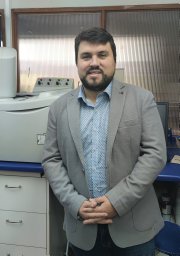 John Quinones Diaz合作论文数Fac Ciencias Agr & Forestales, Univ La Frontera2
 Jennifer Holborn合作论文数2
 Jasmin Lalonde合作论文数Univ Guelph, Dept Mol & Cellular Biol, Guelph, ON N1G 2W1, Canada2Patel Shruti N合作论文数2Zettel John L合作论文数2
 Stephen J. Haggarty合作论文数Haggarty Lab, Department of Neurology, Harvard Medical School;Massachusetts General Hospital2
 Genevieve Newton合作论文数a Department of Human Health and Nutritional Sciences, University of Guelph2
 Stefania E Short合作论文数2
 Julien Olivier合作论文数Department of Pharmaceutical Chemistry, University of California-San Francisco2
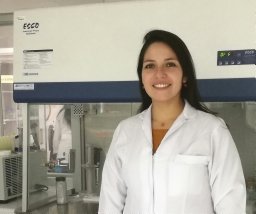 Rommy Díaz合作论文数Laboratorio de Producción Animal, Universidad de La Frontera;Programa de Doctorado en Ciencias mención Biología Celular y Molecular Aplicada, Universidad de La Frontera;Universidad de La Frontera, Universidad de La Frontera2
 Karl Cottenie合作论文数Department of Integrative Biology, University of Guelph2
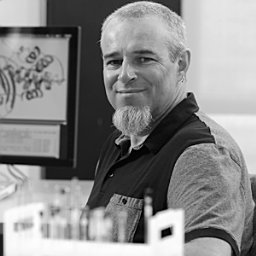 Stéphane M. Gagné合作论文数Institut de biologie intégrative et des systèmes and Regroupement PROTEO, Université Laval2
 Jorge G Farias合作论文数Instituto de Estudios de la Salud, Universidad Arturo Prat2
 Fumito Maruyama合作论文数Graduate School of Bioscience and Biotechnology, Tokyo Institute of Technology2
 Debasis Patnaik合作论文数Centre for Plant Molecular Biology;Department of Plant Molecular Biology;University of Delhi;Centre for Plant Molecular Biology, University of Delhi2
 Daniel Doucet合作论文数2
 Hendrik Wesseling合作论文数Department of Chemical Engineering and Biotechnology, University of Cambridge2
 Moez Hanin合作论文数Plant Molecular Genetics Unit B.P’K’, Centre of Biotechnology of Sfax (CBS)2
 Laurie Ann Graham合作论文数Department of Biochemistry, Queen's University2Michael G. Tyshenko合作论文数2




