Evasion of apoptosis promotes tumor survival and contributes to resistance to cancer therapeutics in head and neck squamous cell carcinoma (HNSCC). Our recent work has demonstrated that HNSCC’s highly express pro-survival anti-apoptotic proteins Bcl-xL and Mcl-1. Nevertheless, the mechanism of HNSCC to evade apoptosis is still not well understood. We used BH3 profiling, a functional assay which measures mitochondrial depolarization in response to the introduction of BH3 peptides, to evaluate apoptosis competency and dependency upon BCL-2 family anti-apoptotic proteins in a panel of immortalized and patient-derived HNSCC lines. We assessed response to BH3 mimetics including ABT-263 (navitoclax), an inhibitor of Bcl-2/Bcl-xL/Bcl-w, and S63845, an inhibitor of Mcl-1, both as single agents and in combination. We demonstrate that apoptosis signaling appears to be intact in the majority of HNSCC cells, and they are co-dependent upon Bcl-xL and Mcl-1 for survival. We found the combination to be highly synergistic in 2D culture and in 3D organoid models of HHNSCC. Given our findings that co-dependency on Bcl-xL and Mcl-1 is common, and co-inhibition of these molecules is synergistic for growth suppression in HNSCC cells, these results elucidate the therapeutic potential of BCL-xL and MCL-1 inhibition in HNSCC.
Objective To establish and characterize a diverse library of head and neck squamous cell cancer (HNSCC) cultures using conditional reprogramming (CR). Methods Patients enrolled on an IRB‐approved protocol to generate tumor cell cultures using CR methods. Tumor and blood samples were collected and clinical information was recorded. Successful CR cultures were validated against banked reference tumors with short tandem repeat genotyping. Cell morphology was archived with photodocumentation. Clinical and demographic factors were evaluated for associations with successful establishment of CR culture. Human papilloma virus (HPV) genotyping, clonogenic survival, MTT assays, spheroid growth, and whole exome sequencing were carried out in selected cultures. Results Forty four patients were enrolled, with 31 (70%) successful CR cultures, 32% derived from patients who identified as Black and 61% as Hispanic. All major head and neck disease sites were represented, including 15 (48%) oral cavity and 8 (26%) p16‐positive oropharynx cancers. Hispanic ethnicity and first primary tumors (vs. second primary or recurrent tumors) were significantly associated with successful CR culture. HPV expression was conserved in CR cultures, including CR‐024, which carried a novel HPV‐69 serotype. CR cultures were used to test cisplatin responses using MTT assays. Previous work has also demonstrated these models can be used to assess response to radiation and can be engrafted in mouse models. Whole exome sequencing demonstrated that CR cultures preserved tumor mutation burden and driver mutations. Conclusion CR culture is highly successful in propagating HNSCC cells. This study included a high proportion of patients from underrepresented minority groups. Level of Evidence Not Applicable Laryngoscope , 134:2748–2756, 2024
Background: Novel ZNF genes, such as ZNF671, that are located on chromosome 19q13 are known to be hypermethylated at a high frequency in HNSCC as well as in other epithelial solid tumors. Their function is largely unknown. Results: Here, we show that ZNF671 is epigenetically silenced in HNSCC primary tumors compared to matched adjacent normal tissue. Moreover, low expression of ZNF671 is significantly associated with decreased survival in HNSCC patients. Over-expression of ZNF671 in UM-SCC-1 oral cancer cells resulted in a significant reduction in tumor cell mobility and invasion compared to the empty-vector control cells. Transcriptomic analysis showed that ZNF671 re-expression resulted in a significant decrease in the expression of a major oncogenic long non-coding RNA LINC00665. Conclusions: Together, these results suggest that epigenetic silencing of ZNF671 may activate multiple oncogenic signaling pathways via the resulting up-regulation of LINC00665.
Most laboratory models of head and neck squamous cell cancer (HNSCC) rely on established immortalized cell lines, which carry inherent bias due to selection and clonality. We established a robust panel of HNSCC tumor cultures using a “conditional reprogramming” (CR) method, which utilizes a rho kinase inhibitor (Y‐27632) and co‐culture with irradiated fibroblast (J2 strain) feeder cells to support indefinite tumor cell survival. Sixteen CR cultures were successfully generated from 19 consecutively enrolled ethnically and racially diverse patients with HNSCC at a tertiary care center in the Bronx, NY. Of the 16 CR cultures, 9/16 were derived from the oral cavity, 4/16 were derived from the oropharynx, and 3/16 were from laryngeal carcinomas. Short tandem repeat (STR) profiling was used to validate culture against patient tumor tissue DNA. All CR cultures expressed ΔNp63 and cytokeratin 5/6, which are markers of squamous identity. Human papillomavirus (HPV) testing was assessed utilizing clinical p16 staining on primary tumors, reverse transcription polymerase chain reaction (RT‐PCR) of HPV16/18‐specific viral oncogenes E6 and E7 in RNA extracted from tumor samples, and HPV DNA sequencing. Three of four oropharyngeal tumors were p16 and HPV‐positive and maintained HPV in culture. CR cultures were able to establish three‐dimensional spheroid and murine flank and orthotopic tongue models. CR methods can be readily applied to all HNSCC tumors regardless of patient characteristics, disease site, and molecular background, providing a translational research model that properly includes patient and tumor diversity.
Abstract Introduction Head and neck squamous cell carcinoma (HNSCC) most commonly arise in the oral cavity, pharynx, and larynx and exhibit diverse molecular characteristics and clinical behavior across sites. Current models of HNSCC largely rely on immortalized cell lines, which suffer from selection bias and clonality. Primary cell cultures, on the other hand, are difficult to maintain and are limited by their finite ability to proliferate. Here, we describe the establishment of a robust HNSCC cell line bank using a “conditional reprogramming” (CR) method which relies on treatment with a rho kinase inhibitor (Y-27632) and co-culture with irradiated fibroblast (J2 strain) feeder cells to support indefinite tumor cell survival. Methods HNSCC tumors were acquired on an IRB-approved prospective tissue banking protocol. Tumor tissue and blood were collected from each patient, and tumor cells were digested and cultured using previously described CR methods. DNA was collected from tumor tissue and CR cultures and short tandem repeat (STR) profiling was used to validate culture against patient tumor tissue. To verify that the cultures were of squamous origin, western blot analysis was used to detect cytokeratin 5, cytokeratin 6 and p63. Tumor cell phenotype and growth characteristics were examined with light microscopy. HPV testing was carried out on DNA from CR cultures and matched tumor samples using PCR and specific genotyping by oligonucleotide hybridization. HPV testing was correlated with clinical p16 testing results. Whole exome sequencing was carried out on a subset of blood/tumor/CR culture samples. Results Eighteen CR lines were successfully cultured and validated with STR genotyping from 25 sequentially procured tumors. 10/18 were derived from oral cavity squamous cell cancers (SCCs), 5/18 were derived from oropharyngeal SCCs, and 3/18 were derived from laryngeal SCCs. 18/18 lines were found to express p63 and either cytokeratin 5 or 6, verifying these cultures contained tumor cells of squamous origin. 4/5 tumors from oropharyngeal SCCs were p16-positive on clinical testing and considered HPV-mediated. These 4 tumors all tested positive for HPV DNA in both tumor samples and CR cultures. Preliminary comparison of exome sequencing results between CR cultures and primary tumors suggests that overall mutational profiles are preserved through the tumor “conditional programming” process. Tumor heterogeneity between original tumor and CR culture is being actively compared in ongoing analyses. Conclusion We have consistently generated primary tumor CR cultures from patients with HNSCC arising in three major anatomical subsites of HNSCC disease, including HPV-mediated tumors. CR methods can be readily applied to all HNSCC tumors regardless of disease site and molecular background, providing a translational research model that can capture the molecular and phenotypic breadth of HNSCC disease. Citation Format: Daniel Li, Carlos Thomas, Nitisha Shrivastava, Nicholas Gadsden, Nicole Kawachi, Bradley A. Schiff, Richard V. Smith, Nicolas F. Schlecht, Michael B. Prystowsky, Gregory Rosenblatt, Stelby Augustine, Chandan Guha, Evripidis Gavathiotis, Robert D. Burk, Vikas Mehta, Thomas J. Ow. Conditional reprogramming of primary head and neck tumor cells to establish consistent and diverse cell line models [abstract]. In: Proceedings of the American Association for Cancer Research Annual Meeting 2021; 2021 Apr 10-15 and May 17-21. Philadelphia (PA): AACR; Cancer Res 2021;81(13_Suppl):Abstract nr 2986.
 Michael B. Prystowsky合作论文数Department of Pathology, Albert Einstein College of Medicine5
 Richard V. Smith合作论文数Department of Ophthalmology;University of Oklahoma;Health Sciences Center;Health Sciences Center, University of Oklahoma5
 Thomas Julian Ow合作论文数5
 Carlos Thomas合作论文数4Daniel Li合作论文数4Gregory Rosenblatt合作论文数4
 Chandan Guha合作论文数Department of Radiation Oncology, Montefiore Einstein Comprehensive Cancer Center;Department of Pathology, Montefiore Einstein Comprehensive Cancer Center;Department of Urology, Montefiore Einstein Comprehensive Cancer Center;Albert Einstein College of Medicine, Montefiore Einstein Comprehensive Cancer Center4
 Bradley Schiff合作论文数Head and Neck Surgery;University of Texas M. D. Anderson Cancer Center;Head and Neck Surgery, University of Texas M. D. Anderson Cancer Center4
 Nitisha Shrivastava合作论文数Department of Microbiology and Microbial Technology;College of Biotechnology and Allied Sciences;Allahabad Agricultural Institute, Deemed University;Allahabad Agricultural Institute, Deemed University4
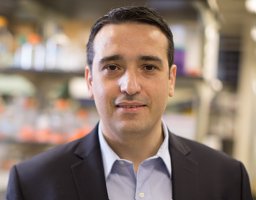 Evripidis Gavathiotis合作论文数Albert Einstein Coll Med, Dept Biochem, Bronx, NY 10467 USA4
 Vikas Mehta合作论文数Department of Pathology, Loyola University Medical Center4
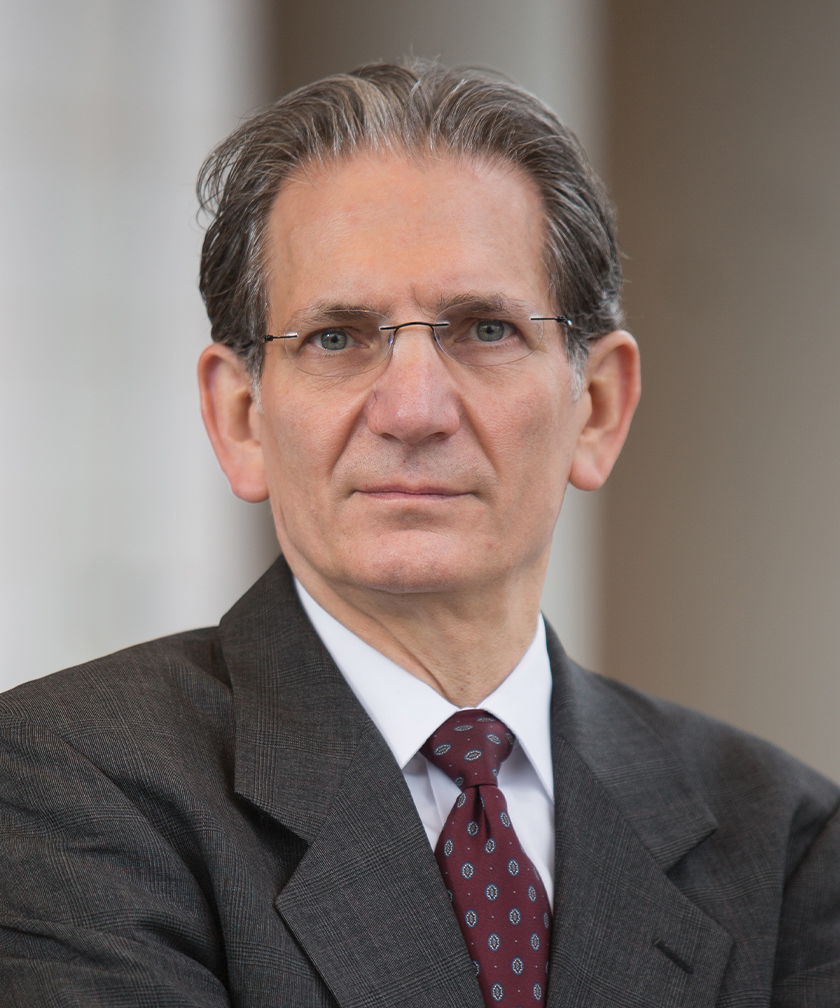 Robert D. Burk合作论文数Department of Pediatrics, Albert Einstein College of Medicine;Department of Microbiology & Immunology, Albert Einstein College of Medicine3Nicolas F. Schlecht合作论文数3Nicole Kawachi合作论文数3Adam Gersten合作论文数2Nicholas Gadsden合作论文数2Shanye Yin合作论文数Harvard Medical School, Harvard Medical School1
 Andrea Lopez合作论文数1
 Thomas J Belbin合作论文数Departments of Molecular Genetics and Pathology and the Seaver Center for Bioinformatics, Albert Einstein College of Medicine1




