BACKGROUND:Sex-related discrepancies concerning the treatment of patients in intensive care are increasingly described. However, information about management and outcome of critically ill patients undergoing electroencephalography is scarce. OBJECTIVES:This study explores sex-related disparities in management and clinical outcomes in critically ill patients needing electroencephalography for clinical purposes. DESIGN, SETTING, PATIENTS, AND INTERVENTIONS:In this post hoc analysis of the multicenter Continuous Electroencephalography Randomized Trial in Adults (CERTA), which included patients with impaired consciousness requiring electroencephalography, we explored correlations between sex and the timing of electroencephalography, detection of electroencephalography abnormalities, mechanical ventilation, sedation, antiseizure therapy, mortality, and favorable functional outcome (Cerebral Performance Category [CPC] 1-2) at 6 months, using univariable and multivariable analyses. MEASUREMENTS AND MAIN RESULTS:Among 364 patients (33.8% women), women showed a higher prevalence of intracranial hemorrhage (women 30.9%, men 19.5%; p = 0.015) and epileptiform electroencephalography discharges (women 27.6%, men 21.2%; p = 0.008), but use of sedation, antiseizure medication and mechanical ventilation was similar between sexes. Although mortality was similar (adjusted odds ratio [OR], 0.70; 95% CI, 0.39-1.28), women were less likely to reach CPC 1-2 (adjusted OR, 0.50; 95% CI, 0.28-0.90). CONCLUSIONS:Critically ill women and men requiring electroencephalography appear to receive similar clinical management and have comparable mortality, although long-term functional outcome in surviving women is worse. These findings warrant further investigation to identify modifiable factors contributing to sex-related outcome differences.
Status epilepticus (SE) is a neurological emergency with significant morbidity and mortality. Refractory status epilepticus (RSE) occurs in 20–30% of cases and may require treatment escalation to continuously administered intravenous anesthetic drugs (CIVAD). Despite widespread use, fundamental questions remain unresolved regarding optimal anesthetic management. This narrative scoping review examines CIVAD use in non-anoxic adult SE, focusing on three critical questions: What is the optimal titration goal? When should CIVADs be initiated and discontinued? Which patients benefit from CIVAD therapy? Regarding titration targets, current evidence does not support burst suppression as superior to seizure cessation for most RSE patients. Regarding timing, studies examining first- or second-line CIVAD administration have shown conflicting results, although a delayed initiation when used as a third-line treatment is associated with worse outcomes. Patient selection remains particularly challenging, as limited evidence supports aggressive CIVAD use in refractory nonconvulsive SE (NCSE) without coma or focal motor SE, whereas individualized approaches appear necessary for high-risk populations, such as NCSE with coma. The available evidence consists primarily of observational studies with inherent limitations. CIVAD therapy requires individualized decision-making based on SE type, patient characteristics, and etiology rather than standardized protocols. Future research should focus on prospective studies, advanced EEG analytics, and identification of robust biomarkers to enable precision medicine approaches in RSE management.
The onset of epilepsy in adulthood occurs most commonly after 55 years of age. Given the ageing global population, this disorder represents an increasing burden on healthcare and society. The bidirectional link between epilepsy and dementia is a focus of intense research with underlying tau pathology highlighted as a potential mechanistic link. In this review, we examine the evidence for tau-related neurodegenerative processes in epilepsy beginning with how changes in biochemical and structural properties of the tau protein can lead to abnormal phosphorylation and pathological aggregation. We consider the role of tau in seizure occurrence and cognitive difficulties in experimental animal epilepsy models to human epileptic syndromes. Seizure prevalence is evaluated across established primary and secondary tauopathies to understand the associated hyperexcitability phenotype. We discuss the use of neurophysiology, metabolic imaging and novel fluid biomarkers as non-invasive measures of potential underlying neurodegeneration in epilepsy. It may, for example, be that these can be combined with remote measures of cognition and other physiological parameters to provide accurate longitudinal monitoring of cognition and underlying pathology. We also explore clinical trials that have targeted pathological tau accumulation in neurodegenerative conditions and consider an ongoing clinical study with sodium selenate, an enhancer of protein phosphatase enzyme PP2A, in people with epilepsy. These efforts signify a novel disease-modifying era with treatments that reduce seizures and modify cognitive outcomes in people with epilepsy. Our analysis of the literature underscores the need for more in-depth characterization of tau pathology, at biochemical and structural levels in brain tissue and peripheral samples from people with epilepsy, as an important step to deciphering the role of tau in the pathogenesis of epilepsy and related disorders. Examining the relationships between tau pathology and cognitive impairment in those with epilepsy provides critical perspectives on potential causal tau pathomechanisms that may have important roles in epileptogenesis and dementia.
A 63-year-old patient with relapsing-remitting multiple sclerosis (MS) and comorbid liver cirrhosis presented with progressive cognitive decline, gait disturbance and elevated serum neurofilament light chain (NfL), suggesting disease progression independent of relapse activity (PIRA). Development of acute hepatic encephalopathy led to reconsideration of the cause of previous clinical worsening and MRI revealed progressive basal ganglia manganese accumulation, establishing the diagnosis of acquired hepatocerebral degeneration, retrospectively challenging the PIRA diagnosis. Careful evaluation of comorbidities is warranted in older MS patients, as progressive worsening and high NfL may indicate alternative etiologies, particularly if GFAP (glial fibrillary acidic protein) stays within normal range.
Seizure burden seems to correlate with clinical outcome in critically ill patients. Continuous electroencephalogram (cEEG) is increasingly utilized in this context but is more resource-demanding than routine EEG (rEEG). Strategies to stratify the risk of seizures on cEEG have been proposed, but the impact of seizure duration on detection latency has not been well characterized. This is a retrospective analysis of data from the CERTA trial on critically ill adults (NCT03129438), evaluating detection latencies between recording start and short seizures (events lasting < 5 min) vs. status epilepticus [(SE) ≥ 5 min] on cEEG. Results were correlated to prognosis at 6 months (mortality and functional outcome). Of 364 patients in the trial, 182 received cEEG. SE was detected in 16 [median latency 0 min, interquartile range (IQR) 0–552] and short seizures in 13 (median latency 375 min, IQR 54–1398; p < 0.030). Patients with seizures/SE had higher mortality (24/29 vs. 65/153, p < 0.001) but comparable functional outcome at 6 months compared with those without seizures/SE. SE events were detected significantly earlier than short seizures. If confirmed in larger cohorts, and supported by additional data on the relationship between timely seizures/SE detection, treatment and outcome, these findings may aid in optimizing EEG resource allocation.
OBJECTIVE:Midazolam and propofol are the most frequently used sedative agents in intensive care units (ICU). Their effects on EEG in patients with altered consciousness received limited attention; we aim to assess their effects on diagnostic yield for epileptiform abnormalities. METHODS:This retrospective analysis of a multicenter randomized clinical trial (CERTA) included adult patients with acute consciousness disorders. All patients had EEG recordings and they were randomized 1:1 to either a continuous EEG (cEEG) or two routine EEG (rEEG). Patients were stratified according whether or not they received sedative medications and their dosage (combining midazolam and propofol). RESULTS:We analyzed 364 patients, 246 (67.6%) received sedative medication. Median dose of propofol was 0.89 mg/kg/h and 0.08 mg/kg/h for midazolam. Sedation was more frequent in structural brain injuries, and lower consciousness scores. Epileptiform discharges were more frequent in cEEG, women, higher consciousness scores, less severe condition, in patients with antiseizure medication (ASM). Sedation was not independently associated with EEG epileptiform activity. CONCLUSIONS:Despite its potential of suppressing epileptiform activity, we found no difference in terms of detection of epileptiform activity whether patients received sedation or not. SIGNIFICANCE:Continuously administrated sedation may have less effect on EEG than when administered in bolus.
OBJECTIVE:Prognostication of neurological outcome in critically ill patients presents significant challenges. While EEG reactivity may be associated with outcome in hypoxic-ischemic brain injury (HIBI), it has received scarce attention in other etiological conditions. Our objective was to investigate the association of EEG reactivity to clinical outcome in patients with disorders of consciousness of various etiologies. METHOD:This is an ancillary study of the randomized CERTA trial (NCT03129438), which included adults with disorders of consciousness randomized to continuous EEG for 30-48 h or two routine EEGs (20-30 min). We explored the association between EEG characteristics and neurological outcome at 6 months, a modified Rankin Scale (mRS) 3-6 being considered unfavorable. RESULTS:A total of 364 patients were included. Among them, 112 patients had HIBI, 85 intracranial hemorrhage (ICH), 28 ischemic stroke, 48 traumatic brain injury (TBI), 23 toxic-metabolic encephalopathy, 7 encephalitis, and 114 had unknown or other etiologies. In the overall cohort, abnormal background continuity (OR 2.33, 95% CI [1.15-4.76], p = 0.019), ictal-interictal continuum features (OR 2.78, 95% CI [1.16-6.67], p = 0.021) and unreactive background (OR 10.9, 95% CI [1.97-58.82], p = 0.006) were independently associated with unfavorable outcome. In the overall cohort, unreactive EEG had specificity of 97.3% (95% CI [94.3-100]) and sensitivity of 22.1% (95% CI [17-27.2]) for unfavorable outcome. In HIBI, specificity was 97% (95% CI [91.1-100]) and sensitivity 46.8% (95% CI [35.8-57.8]); in ICH, specificity was 94.1% (95% CI [83-100]) and sensitivity 8.8% (95% CI [2.05-15.55]); in TBI, specificity was 94.1% (95% CI [83-100]) and sensitivity 22.6% (95% CI [7.8-37.3]). CONCLUSION:In this etiologically mixed cohort of critically ill adults, unreactive EEG predicted unfavorable outcome at 6 months with high specificity. EEG reactivity may reduce prognostic uncertainty not only for patients with HIBI, but also for other types of acute brain injury, such as TBI and ICH.
Background: Delirium is a frequent yet pathophysiologically still poorly understood complication in the intensive care unit (ICU) and is associated with adverse outcomes for the patients. Currently, guidelines give several recommendations for treating delirium in the ICU, but to date no sufficient drug treatment exists. Dexmedetomidine, primarily used for anesthesia and sedation in ICUs has shown a preventive effect of delirium compared to other sedatives, such as propofol. We hypothesize that overnight administration of dexmedetomidine may prevent and/or shorten the duration of delirium in ICU patients. Methods: The Basel propofol dexmedetomidine (BaProDex) Study was a single-center, prospective, randomized controlled trial. We included adult ICU patients with hyperactive or mixed delirium. Patients with delirium prior to ICU admission, advanced heart block, uncontrolled hypotension, or status epilepticus were excluded. The participants were randomly assigned 1:1 to either receive dexmedetomidine (study group) or propofol (control group) as a continuous infusion overnight. The Intensive Care Delirium Screening Checklist (ICDSC) was applied at least three times per day. Delirium was defined as an ICDSC ≥ 4. The study drug was administered until the end of delirium or ICU discharge. The primary endpoint was the time to delirium episode end, which was analyzed using cumulative incidence curves and a cause specific Cox proportional hazards regression with death as a competing risk. Secondary endpoints included recurrence of delirium until 28 days after ICU discharge, death until day 28, severity of ICU delirium, number of ventilation days, ICU length of stay (LOS) in hours, hospital length of stay in days and survival after three and twelve months after ICU discharge. Due to insufficient recruitment the trial needed to be stopped prematurely. Results: In total, 38 patients were enrolled and randomized in the two groups. The median duration of delirium was shorter in the dexmedetomidine group as compared to the propofol group (ITT: 34 vs. 66 h; PP: 31 vs. 66 h), resulting in a hazard ratio of 1.92 (95% CI 0.89–4.15, p = 0.097) in the ITT and 2.95 (95% CI 1.27–6.86, p = 0.012) in the PP analysis. In the PP analysis, the 28-day mortality was lower in the dexmedetomidine group (1 vs. 5 deaths) and fewer patients needed ventilation (7 vs. 15 patients). Both ICU and hospital LOS were shorter in the dexmedetomidine group (ICU LOS: median 43 vs. 128 h; hospital LOS: median 12 vs. 22 days). Further, mortality up to three and twelve months was lower in the dexmedetomidine group compared to the propofol group (PP: 2 vs. 8 patients died within twelve months, 2 vs. 7 patients died within three months). The recurrence of delirium until 28 days after ICU discharge and severity of delirium were similar in both groups. Conclusions: Despite premature termination, BaProDex provides preliminary evidence for a reduction in the duration of delirium by nocturnal infusion of dexmedetomidine compared to propofol. Therefore, dexmedetomidine may be considered an option to treat hyperactive or mixed delirium in ICU patients. However, due to the small sample size, the study is rather of exploratory nature due to the premature termination, and we cannot rule out that the observed treatment effect is overly optimistic or by chance.
OBJECTIVE:Assessment and comparison of public attitudes toward people with epilepsy (PWE) in Austria (AT), Switzerland (CH) and Germany (DE), including the identification of predictors. METHODS:Web-based surveys were conducted in all three countries using the same method of data collection, data weighting and validated questionnaires: SAPE (Scale of Attitudes toward People with Epilepsy) to assess Social Distance, Stereotypes, Personal Concerns, and Emotional Reactions, and Suitability of Professional and Leisure Activities for PWE, Epilepsy Knowledge, Experience with epilepsy, and Sociodemographic data of the respondents. For comparison with former surveys the Caveness Questions (CQ) were added. Adult respondents (≥ 18 years) who had heard of epilepsy from AT (n = 1017), CH (n = 951), and DE (n = 1001) were included. RESULTS:About two thirds of the population have known someone with epilepsy, around half have witnessed a seizure but less than half would know what to do during a seizure. Attitudes toward PWE were similar across the three countries and did not differ significantly (presented as mean ± standard deviation in the total group): Concerns (41.9 ± 23.2) and Fears (36.6 ± 23.9) in dealing with PWE being more pronounced than Anger (9.6 ± 17.1), negative Stereotypes (17.7 ± 18.3), and Social Distance (17.0 ± 18.6). One's own involvement appears to be a key in reducing social distance and improving attitudes toward PWE: Personal contact with PWE, the ability to help during a seizure, and knowledge about treatment of epilepsy were the most important predictors for positive attitudes. Women reported less Social Distance and Anger than men. Only 5-7 % of the respondents considered epilepsy as insanity, but between 22-27 % would agree with at least one distancing item of the CQ. Professional activities involving dangerous situations or weapons and those involving direct responsibility for a helpless person (baby) were considered less suitable for PWE by around 40 % or more of the respondents in all three countries. However, the share of those who were uncertain about the Suitability of Occupational and Leisure Activities was quite high. SIGNIFICANCE:For the first time a common survey was conducted in the three German speaking countries of Austria, Switzerland and Germany with the new tool (SAPE) encompassing adapted scales on Social Distance and Emotional Reactions. The survey laid the foundation for monitoring changes in attitudes in the three countries in the long term and shows which priorities should be set for desirable joint actions by the three Epilepsy Leagues/Societies to positively influence the attitudes of the populations toward PWE.
We describe a male patient with symptomatic multifocal epilepsy struggling with medication adherence. He accepted escalating adherence interventions with conventional dosing aids such as pillboxes and medication adherence technologies (MATech) including a smart medication dispensing and adherence device (SMAD). Adherence metrics and drug levels were continuously monitored by electronic monitoring (EM) and therapeutic drug monitoring (TDM). Initially, adherence metrics with pre-filled punch cards supplied by a community pharmacy showed 64% taking adherence, 63% timing adherence, and 47% correctly dosed days, including a five-day medication holiday. Adherence improved with a pharmacy-filled SMAD, reaching 93% taking adherence, 90% timing adherence, 86% correctly dosed days, and no medication holiday. No epileptic seizures were noticed during periods with EM. The patient was satisfied with the SMAD while struggling with other adherence tools. Adherence tended to decrease once adherence reminders were removed. In conclusion, we emphasize the importance of personalized adherence strategies and shared decision-making. This case highlights the positive impact of an interprofessional adherence improvement program, integrating efforts from researchers, neurologists, and community pharmacists.
The new S2k guideline "First epileptic seizure and epilepsies in adulthood" provides recommendations on clinically relevant issues in five major topics: management of first epileptic seizures, pharmacotherapy, epilepsy surgery, complementary and supportive treatment, and psychosocial aspects. For the topic management of first epileptic seizures, the guideline provides recommendations on identifying the two major differential diagnoses, syncope and psychogenic non-epileptic seizure. The importance of additional examinations such as EEG, MRI and cerebrospinal fluid for syndromic classification and etiological allocation is discussed. Recommendations on neuropsychological and psychiatric screening tests are also given. The topic pharmacotherapy issues recommendations on antiseizure medication in monotherapy for focal, generalized and unclassified epilepsies; patient groups with special challenges such as the aged, women of childbearing potential and people with mental retardation are emphasized. Further issues are indications for measuring serum concentrations of antiseizure medication and possible risks of switching manufacturers. In the topic epilepsy surgery, indications for presurgical assessment and the multiple therapeutic approaches, such as resection, laser ablation, and neurostimulation are presented. Recommendations on postoperative management of patients, including rehabilitation and psychosocial counselling, are given. The topic complementary and supportive therapeutic approaches comprises recommendations on the diagnostics and treatment of common psychiatric comorbidities of epilepsy, such as anxiety disorder, depression and psychosis. Another important issue is the management of psychogenic non-epileptic seizures as a neuropsychiatric differential diagnosis or comorbidity of epileptic seizures. Furthermore, recommendations on the potential role of ketogenic diet and on acupuncture, homeopathy and other complementary approaches are made. The recommendations on psychosocial aspects comprise practical issues, such as fitness to drive a car, training and occupation, medical rehabilitation, sport, transition, patients' self-help, education programs for patients and next of kin, adherence, advise on SUDEP.
 Raoul Christian Sutter合作论文数65
 Stephan Marsch合作论文数Department Intensive Care, University Hospital Basel, Universität Basel53
 Peter Fuhr合作论文数Department of Neurology, University Hospital Basel27
 Adam Strzelczyk合作论文数Epilepsy Center Frankfurt Rhine-Main, Department of Neurology, Goethe-University Frankfurt25
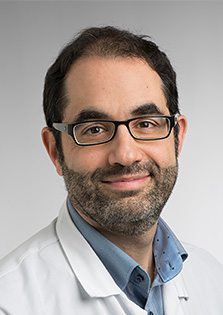 Andrea O. Rossetti合作论文数Faculte de Biologie et Medecine, Universite de Lausanne;Lausanne University Hospital23
 Gian Marco De Marchis合作论文数21
 Vincent Alvarez合作论文数20
 Saskia Semmlack合作论文数19
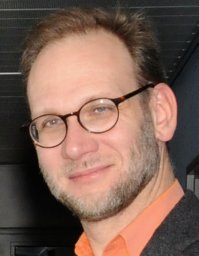 Schmitt Friedhelm C合作论文数Dept Neurol, Otto Von Guericke Univ19Jan Novy合作论文数18
 Kaspar Anton Schindler合作论文数Sleep-Wake-Epilepsy-Center, Department of Neurology, Bern University Hospital17
 Eugen Trinka合作论文数Department of Neurology, Paracelsus Medical University Salzburg;Christian Doppler Klinik, University Hospital of the Paracelsus;Medical University15Edda Haberlandt合作论文数14
 Sabina Hunziker合作论文数Dept. Internal Medicine, University Hospital Basel13
 Sira Maria Baumann合作论文数11Martin Hardmeier合作论文数11
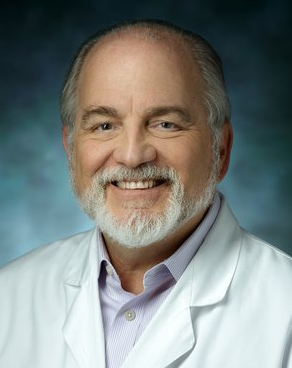 Peter W. Kaplan合作论文数Department of Neurology, Johns Hopkins Bayview Medical Center, The Johns Hopkins University11
 Christoph R. Meier合作论文数Departement Pharmazeutische Wissenschaften, Philosophisch-Naturwissenschaftliche Fakultät, Universitat Basel10
 Stefan Engelter合作论文数Department of Clinical Research, University of Basel;Chefarzt University Geriatric Medicine FELIX PLATTER9
 Philippe Lyrer合作论文数University Hospital of Basel;Stroke Center, University of Basel9
 Margitta Seeck合作论文数Département des Neurosciences Cliniques, Hôpitaux Universitaires de Genève9Andreas J. Steck合作论文数9
 Sarah Tschudin Sutter合作论文数9
 Christoph Kellinghaus合作论文数9
 Isabelle Beuchat合作论文数8Iris Unterberger合作论文数From the Departments of Neurology and Internal Medicine, University Hospital Innsbruck8Felix Rosenow合作论文数8
 Urs Patrick Fisch合作论文数8Pascale Grzonka合作论文数7
 Susan S. Jick合作论文数School of Public Health, Boston University7Uzelac Zeljko合作论文数7Tilz C合作论文数7Tisljar Kai合作论文数7Christian Schindler合作论文数Swiss Tropical and Public Health Institute, University of Basel7Mauro Oddo合作论文数7
 Soheyl Noachtar合作论文数Section of Epilepsy and Sleep Disorders, Department of Neurology Klinikum Grosshadern Marchioninistrasse 15 81377 Munich Germany7
 Tolga Daniel Dittrich合作论文数6Michael Bodmer合作论文数6
 Andreas Schulze-Bonhage合作论文数Abteilung Prächirurgische Epilepsiediagnostik, Epilepsiezentrum, Universitätsklinikum Freiburg6
 Rainer Spiegel合作论文数6
 Martin Siegemund合作论文数6Valentina Urbano合作论文数5
 Julia Spoendlin合作论文数5Gunter Kramer合作论文数5
 Frederic Zubler合作论文数5Leticia Grize合作论文数5Theodor W. May合作论文数5
 Patrick Hunziker合作论文数University Hospital of Basel5




