Segmentectomy is offered in selected patients with clinical T1a-b N0 M0 lung cancer. In case of positive N1 lymph node at fresh frozen section, conversion to lobectomy is recommended. Indication for redo surgery and completion lobectomy in case of positive N1 lymph node at final pathology is highly debated. We aim to compare the outcome between segmentectomy and lobectomy in patients with cT1a–b N0 M0 lung cancer with postoperative N1-upstaging. We retrospectively reviewed all patients with pT1a-b N1cM0 lung cancer who underwent surgical resection with lymph node dissection between January 2013 and January 2024 at our institution. We included patients with tumor size ≤ 2 cm and postoperative N1-upstaging. Disease-free (DFS) and overall (OS) survivals were calculated from the date of surgery until recurrence or death and were compared between the groups. Twenty-five patients with cT1a-b N0 M0 lung cancer and postoperative N1-upstaging were identified. Median age was 64 years (42–81). Sixteen (64
INTRODUCTION:Standard Ewing sarcoma treatment includes chemotherapy and local therapy. Previous studies found no average treatment effect of combined local therapy (radiotherapy and surgery) versus surgery alone, leaving it unclear which patients benefit from combined therapy. METHODS:We analysed patients with localized Ewing sarcoma from the EURO-E.W.I.N.G. 99 and Ewing 2008 trials. Using causal survival forests validated through repeated k-fold cross-validation, we predicted individualized treatment effects (ITEs) for 5-year event-free survival (5y EFS) comparing combined therapy to surgery alone. We developed a personalized treatment rule and evaluated ITE predictors using Shapley additive explanations analysis. RESULTS:Of 1501 patients, 719 received combination therapy and 782 surgery alone. Predicted ITEs showed substantial heterogeneity (range: -0.7-1.0 years). We found that 19.4% of patients derived clinically meaningful benefit (5y EFS increase ≥6 months) from combined therapy. In the quartile predicted to benefit least, hazards of any event were increased by 53% (HR 1.53, 95% CI 1.06-2.20, p = 0.02). Conversely, in the quartile predicted to benefit most, hazards were reduced by 40% (HR 0.60, 95% CI 0.42-0.85, p = 0.004). In patients undergoing combined treatment, surgical margin status was not associated with treatment benefit. A simulation analysis showed that applying our treatment strategy could improve EFS. DISCUSSION:Our predicted ITEs can help identify patients benefiting from combined therapy. The finding that patients with non-wide surgical margins did not benefit from combined therapy challenges current decision-making practices based on traditional subgroup analyses.
OBJECTIVES:Primary pulmonary sarcomas (PPS) are rare, accounting for 1% of all pulmonary malignancies. No dedicated staging system for PPS is available. We tested the value of lung cancer and Trunk and Extremity Soft Tissue Sarcoma (STS) staging systems for PPS. METHODS:An international multicentre retrospective study including patients with PPS was performed through a network of sarcoma expert centres. Data on demographics, staging, multimodality treatment including surgery, and outcomes were retrieved. Patients were staged according to TNM for lung cancer (eighth edition) and American Joint Committee on Cancer (AJCC) Staging for Trunk and Extremity STS. Overall survivals (OS) were compared. RESULTS:A total of 173 patients with PPS from 18 centres from 9 European countries were included. Of these, 115 patients (66%) underwent curative-intent surgery. Median tumour size was 85 mm. Sixty-nine patients had grade 3 PPS (72%). Eleven patients had nodal involvement (16%). Five-year OS was 49%. Median follow-up was 33 months. According to TNM for lung cancer, 15 (13%) patients had stage I, 15 (13%) had stage II, 45 (40%) had stage III, and 22 (19%) had stage IV. Five-year OS were 90%, 55%, 48%, and 22%, respectively (P = .001). According to AJCC staging for Trunk and Extremity STS 3 (3.4%) patients had stage I, 19 (21.6%) had stage II, 39 (44.3%) had stage III, and 27 (30.7%) had stage IV (Table 1). Five-year OS were 100% 74% 50%, and 24%, respectively (P = .005). CONCLUSIONS:In our cohort of patients with curative-intent surgery for PPS, AJCC staging for Trunk and Extremity STS is more reliable than lung cancer staging system.
Segmentectomy has become the new standard of care for selected patients with stage IA1-2 non-small cell lung cancer (NSCLC). For stage IA3 NSCLC, lobectomy is indicated. This study aims to compare the outcome after segmentectomy and lobectomy in patients with stage IA3 NSCLC. We retrospectively reviewed all patients undergoing surgery for NSCLC in our center between 2013 and 2023. We identified all patients who underwent segmentectomy or lobectomy for pathological stage IA3 tumors. Survival was calculated from the date of surgery until last follow- up. Univariate analysis was performed to study the impact on overall survival (OS) and disease-free survival (DFS) of clinical variables. We identified fifty-nine patients undergoing surgery for stage IA3 NSCLC. Twenty- seven (28
Objective: Ewing sarcoma (EWS) of the mediastinum is extremely rare, with only a few cases reported in the literature. We aimed to gain a better understanding of primary mediastinal EWS, describing patients treated within two international, multicenter, prospective, randomized EWS trials. Methods: Data from patients with primary mediastinal EWS were retrieved from the database of the EURO-E.W.I.N.G.99 (ClinicalTrials.gov identifier: NCT00020566) and EWING 2008 (ClinicalTrials.gov identifier: NCT00987636) trials. Patient and treatment characteristics were analyzed. Results: Out of 2969 patients with EWS, 9 (0.3%) had primary mediastinal EWS. The median age at diagnosis was 30.5 years (4 to 49). At the time of diagnosis, n = 3 (33%) patients had synchronous metastases. All patients underwent multiagent chemotherapy. Local therapy for non-metastatic patients was surgery (n = 2, 22%), surgery and radiotherapy (n = 2, 22%) or radiotherapy alone (n = 2, 22%). Surgery consisted of extended resections in most patients (n = 3, 33%). Five-year survival for the whole cohort was 64%. Apart from one patient who was lost to follow-up, all patients (n = 4) who had undergone surgery were alive at the end of follow-up. Conclusions: Primary mediastinal ES is extremely rare, with a prevalence of 0.3% among EWS. Five-year survival was favorable compared to primary mediastinal sarcoma of all histologies and in line with EWS of different origin.
Sarcomas with an EWSR1::POU2AF3(COLCA2) fusion are a very recently described entity of preferentially sinonasal origin and with undifferentiated round/spindle cell morphology. We established a novel cell line (PF1095) carrying a EWSR1::POU2AF3 fusion from the malignant pleural effusion of a 25-year-old sarcoma patient. The patient was first diagnosed with poorly differentiated neuroendocrine carcinoma based on tumor cell morphology and positivity to markers such as EMA, synaptophysin, and CD56. Later, the EWSR1 translocation was identified in the tumor cells with unknown partners and the patient received chemotherapy according to the Ewing 2008 protocol in combination with surgery and proton beam radiotherapy. At the time of cell line establishment, the disease progressed to pleural sarcomatosis with pleural effusion. In the cell line, we identified POU2AF3 as a fusion partner of EWSR1 and a TP53 frameshift deletion. Next, we determined the sensitivity of PF1095 cells to the currently approved chemotherapies in comparison to two conventional Ewing sarcoma lines (EW-7 and MHH-ES1) with the two most frequent EWSR::FLI1 fusions. Finally, we tested potential new combination therapies. We performed cell viability, proliferation, and cell cycle assays. We found that the proliferation rate of PF1095 cells was much slower than the EWSR1::FLI1 fusion lines and they also had a lower sensitivity to both irinotecan and doxorubicin treatment. Expression level of SLFN11, a predictor of sensitivity to DNA damaging agents, was also lower in PF1095 cells. Combination treatment with the PARP inhibitors olaparib and irinotecan or doxorubicin synergistically reduced cell viability and induced cell death and cell cycle arrest. This unique cell model provides an opportunity to test therapeutic approaches preclinically for this novel and aggressive sarcoma entity.
Thymomas are rare malignancies, constituting nearly half of anterior mediastinal tumors. We present a case of a large AB-Thymoma infiltrating adjacent structures. We evaluated computer tomography (CT)-based three-dimensional (3D) reconstruction to assess its utility in preoperative planning. The reconstructed images elucidated the spatial relationships between the tumor and surrounding structures and the findings from the reconstruction aligned with the surgical resection extent. Due to inherent imaging modality, the reconstruction had limitations in visualizing nerves and the pericardium. Nevertheless, 3D CT-based reconstruction of mediastinal tumors enhanced surgical planning by providing a detailed roadmap, facilitating preoperative discussions with patients, and serving as an educational tool for medical students.
Sarcomas are a heterogeneous group of rare and aggressive malignancies and have a propensity to metastasize to the thoracic cavity. While sarcoma lung metastasectomy is an established modality, only scarce information is available about potential prognostic factors for sarcoma patients with pleural dissemination. Accordingly, all consecutive sarcoma patients treated at our thoracic surgery department between 2010 and 2023 with pleural sarcomatosis and/or malignant pleural effusion were retrospectively analyzed. Preoperative circulating biomarker values were collected at the time of first pleural involvement. Overall survival was calculated from the first sarcoma diagnosis as well as from the first diagnosis of pleural dissemination. 98 patients (42 female) were included in the cohort with a median age of 54.6 years (range: 15.9–84.3 years) at the time of pleural involvement. 77 patients had soft tissue sarcoma, while 21 patients had primary sarcoma in the bone including 4 chondrosarcoma. Among the 19 different sarcoma types, synovial sarcoma (13%), liposarcoma (11%), undifferentiated pleomorphic sarcoma (11%), Ewing (like) sarcoma (10%) and leiomyosarcoma (9%) were the most frequent. Pleural dissemination was mostly metachronous, while only 7 cases were synchronous. The median pleural dissemination-free interval was 17.1 months after sarcoma diagnosis. The median overall survival after pleural dissemination was 12 months. WBC values outside the normal range had no significant impact on overall survival. High LDH (>250 U/L) and CRP (>1 mg/dL) conferred significantly lower overall survival (8.6 months vs. 19.1 months (p < 0.0001) and 4.9 months vs. 29 months (p < 0.0001), respectively). Albumin alone showed no prognostic impact, however, the modified Glasgow prognostic score (0, 1, and 2) was a strong prognosticator (20.4 vs. 8.6 vs. 1.7 months (p < 0.0001). In a multivariable analysis, CRP remained a significant prognostic factor. In conclusion, routine circulating biomarkers carry prognostic information for sarcoma patients with pleural dissemination and should be considered for risk stratification and personalized therapeutic decisions.
Objective To evaluate outcome and prognostic factors of patients with primary pulmonary sarcoma (PPS) who underwent curative-intent surgery within multimodality treatment. Methods An international, multicenter, retrospective study including patients with PPS was performed through a network of sarcoma experts. Data on demographics, staging, treatment, and outcomes were retrieved. Overall survival was calculated from the date of diagnosis. Prognostic factors were assessed using uni- and multivariate analysis. Results Eighteen centers from 9 countries contributed, for a total of 173 patients. One hundred fifteen patients (66%) underwent curative-intent surgery within multimodality treatment. There were 58 male patients (50%). Twenty-two patients (20%) had metastases, mainly to lung (n = 7, 30%) and pleura (n = 9, 39%). Thirty-three patients (30%) underwent preoperative chemotherapy. Extent of lung resection was sublobar (n = 11, 10%), lobar (n = 58, 54%), or bilobar/pneumonectomy (n = 39, 36%). Median tumor size was 85 mm. Sixty-nine patients had grade 3 tumors (71%). Resection was complete in 85 patients (75%). Lymphadenectomy was performed in 70 patients (63%), with nodal involvement in 10 (14%). Thirty-seven (37%) patients received adjuvant chemotherapy, and 27 (27%) patients received adjuvant radiotherapy. Overall survival was 49% and 31% at 5 and 10 years, respectively. Median follow-up was 33 months. Male gender (P = .003), age older than 60 years (P = .021), presence of metastasis (P = . 002), tumor size >40 mm (P = . 046), and incomplete resections (P = . 008) were independent prognostic factors for poor survival. Conclusions In patients with curative-intent multimodal treatment for PPS, an encouraging 5-year survival rate of 49% can be achieved in expert centers. Independent prognostic factors may aid in selecting patients for curative treatment.
OBJECTIVES: Lung volume reduction surgery (LVRS) is an established treatment approach for patients with severe pulmonary emphysema, enhancing lung function and quality of life in selected patients. Functional benefits and outcomes after uni- versus bilateral lung volume reduction remain a topic of debate. METHODS: A retrospective analysis of patients undergoing LVRS from January 2018 to October 2022 was conducted. After encouraging initial results, the standard unilateral LVRS approach was switched to bilateral. The goal of this study was to assess the impact on functional outcomes at 3 and 6 months post-surgery compared to preoperative levels for the uni- versus the bilateral approach. RESULTS: A total of 83 patients were included (43 bilateral, 40 unilateral). Baseline demographic and functional parameters were comparable between groups. The most common complication was prolonged air leak in 19 patients (11 in the unilateral group, 8 in the bilateral group). Two patients died perioperatively (2.4%). Overall, LVRS improved forced expiratory volume in 1 s by 8.3% after 3 and 12.5% after 6 months postoperatively compared to baseline. Bilateral surgery presented significantly superior forced expiratory volume in 1 s improvement than unilateral approach at both 3 (29.2% versus 2.9%; P = 0.0010) and 6 months (21.5% versus 3%; P = 0.0310) postoperatively. Additionally, it reduced hyperinflation (residual volume) by 23.1% after 3 months and by 17.5% after 6 months, compared to reductions of 16% and 9.1% in the unilateral group. CONCLUSIONS: Bilateral approach resulted in better functional outcomes 3 and 6 months postoperatively compared to unilateral surgery.
OBJECTIVES:Compared to lung resections, airway procedures are relatively rare in thoracic surgery. Despite this, a growing number of dedicated airway centres have formed throughout Europe. These centres are characterized by a close interdisciplinary collaboration and they often act as supra-regional referring centres. To date, most evidence of airway surgery comes from retrospective, single-centre analysis as there is a lack of large-scale, multi-institutional databases. METHODS:In 2018, an initiative was formed, which aimed to create an airway database within the framework of the ESTS database (ESTS-AIR). Five dedicated airway centres were asked to test the database in a pilot phase. A 1st descriptive analysis of ESTS-AIR was performed. RESULTS:A total of 415 cases were included in the analysis. For adults, the most common indication for airway surgery was post-tracheostomy stenosis and idiopathic subglottic stenosis; in children, most resections/reconstructions had to be performed for post-intubation stenosis. Malignant indications required significantly longer resections [36.0 (21.4-50.6) mm] when compared to benign indications [26.6 (9.4-43.8) mm]. Length of hospital stay was 11.0 (4.1-17.3) days (adults) and 13.4 (7.6-19.6) days (children). Overall, the rates of complications were low with wound infections being reported as the most common morbidity. CONCLUSIONS:This evaluation of the 1st cases in the ESTS-AIR database allowed a large-scale analysis of the practice of airway surgery in dedicated European airway centres. It provides proof for the functionality of ESTS-AIR and sets the basis for rolling out the AIR subsection to all centres participating in the ESTS database.
Clear cell sarcoma (CCS) of tendons and aponeuroses and CCS-like malignant gastrointestinal neuroectodermal tumor/sarcoma (GINET) are characterized by frequent local and distant relapses, alongside with low efficacy of all systemic treatments. We aimed to collect a comprehensive dataset to identify prognostic factors and treatment outcomes. We performed a retrospective single center analysis for diagnosed CCS and GINET on demographic, tumor, treatment and survival data. We identified 43 patients (w:25, m:18) with a median follow-up of 35mo and a 5y-OS-rate of 42
Background. Ewing sarcoma (EwS) is a rare and highly malignant bone tumor primarily affecting children, adolescents, and young adults. The pelvis, trunk, and lower extremities are the most common sites, while EwS of the sacrum as a primary site is very rare, and only few studies focusing on this location are published. Due to the anatomical condition, local treatment is challenging in sacral malignancies. We analyzed factors that might influence the outcome of patients suffering from sacral EwS. Methods. We retrospectively analyzed data of the GPOH EURO-E.W.I.N.G 99 trial and the EWING 2008 trial, with a cohort of 124 patients with localized or metastatic sacral EwS. The study endpoints were overall survival (OS) and event-free survival (EFS). OS and EFS were calculated using the Kaplan–Meier method, and univariate comparisons were estimated using the log-rank test. Hazard ratios (HRs) with respective 95% confidence intervals (CIs) were estimated in a multivariable Cox regression model. Results. The presence of metastases (3y-EFS: 0.33 vs. 0.68; P<0.001; HR = 3.4, 95% CI 1.7 to 6.6; 3y-OS: 0.48 vs. 0.85; P<0.001; HR = 4.23, 95% CI 1.8 to 9.7), large tumor volume (≥200 ml) (3y-EFS: 0.36 vs. 0.69; P=0.02; HR = 2.1, 95% CI 1.1 to 4.0; 3y-OS: 0.42 vs. 0.73; P=0.04; HR = 2.1, 95% CI 1.03 to 4.5), and age ≥18 years (3y-EFS: 0.41 vs. 0.60; P=0.02; HR = 2.6, 95% CI 1.3 to 5.2; 3y-OS: 0.294 vs. 0.59; P=0.01; HR = 2.92, 95% CI 1.29 to 6.6) were revealed as adverse prognostic factors. Conclusion. Young age seems to positively influence patients` survival, especially in patients with primary metastatic disease. In this context, our results support other studies, stating that older age has a negative impact on survival. Tumor volume, metastases, and the type of local therapy modality have an impact on the outcome of sacral EwS. Level of evidence: Level 2. This trial is registered with NCT00020566 and NCT00987636.
Abstract Background Whole lung transpulmonary chemoembolization using a combination of doxorubicin (DXO) and degradable starch microspheres (DSM-TPCE) might be a promising treatment option in soft tissue sarcoma. To pave the way for clinical studies, this study aimed to evaluate the short-term effects of DSM-TPCE with DXO using an ex vivo isolated lung perfusion (ILP) model. Methods Nine lung specimens retrieved from patients undergoing lobectomy underwent ex vivo ILP. In groups of three, lung specimens were either treated with sole DXO, sole DSM, or combined substances (DSM + DXO). During ex vivo ILP, histological samples were obtained from each lung every 15 min. Quantitative DXO analysis and histopathological grading of possible tissue damage using a five-point Likert scale was performed. Two-way repeated measures ANOVA tested for differences between treatment groups and changes over time. Results We created a preclinical ex vivo ILP model to simulate the effects of DSM-TPCE. In histopathological analysis, only two specimens, treated with only DXO, showed an increase in parenchymal damage over time. No significant effect of time (3.3%, p = 0.305) or group (23.3; p = 0.331) was identified. Within the lung tissue, the DXO concentration ranged from 205 to 1,244 ng/g. No significant effects could be detected regarding different treatment groups (4.9% of total variation, p = 0.103). Conclusion In an ex vivo ILP model using human lung lobes, the physiological effects of DSM-TPCE with DXO could be tested. Neither increased DXO concentrations in lung tissue nor histopathological changes indicating early lung toxicity were observed. Relevance statement An ex vivo ILP model using human lung specimens did not show any signs of early lung toxicity after transpulmonary chemoembolization with DXO. These results support further evaluation of DSM-TPCE in phase I/II trials. Key Points Transpulmonary chemoembolization can be investigated in an ex vivo ILP model. DSM did not increase DXO in normal lung tissue. DSM did not increase parenchymal toxicity compared to the control groups. Graphical Abstract
Patients who are potential candidates for lung transplantation might suffer from rapid deterioration of their disease which cannot be stabilized with conventional methods. For a long time, the use of extracorporeal life support (ECLS) was considered a contraindication for lung transplantation (LuTx) because of its potential side effects and reluctance to transplant patients in such a compromised condition.In recent years, several studies have shown that in selected patients bridged with ECLS, the posttransplant outcome is comparable to those without pretransplant ECLS. Use of ECLS can even lead to better survival if used as an alternative to mechanical ventilation in an awake setting.Due to technical developments and the improvements in allocation algorithms ECLS, bridging to LuTx is now a standard procedure in many centers. Improvements of the available devices and cannulation techniques allow an individualized approach according to the respiratory and hemodynamic situation of the patient as well as the anticipated duration of extracorporeal support leading to a decrease in morbidity and mortality.
 Clemens Aigner合作论文数36
 Theresa Stork合作论文数30
 Daniel Valdivia合作论文数20Uta Dirksen合作论文数15Keita Tokuishi合作论文数14Jendrik Hardes合作论文数12Beate Timmermann合作论文数11
 Sebastian Bauer合作论文数11
 Jelena Rascon合作论文数10
 Raciborska Anna合作论文数10
 Marc De Perrot合作论文数University Health Network;University of Toronto;Institute of Medical Sciences;Toronto General Hospital Research Institute10Walter Weder合作论文数10
 Andreas Ranft合作论文数Departments of Pediatric Oncology, University Hospital of Münster10
 Balazs Hegedus合作论文数University of Duisburg-Essen10Jukka Kanerva合作论文数10Bénédicte Brichard合作论文数10
 Wolfgang Hartmann合作论文数Gerhard-Domagk-Institute of Pathology, Faculty of Medicine, Universität Münster;University Hospital Münster9
 Peter Hauser合作论文数Second Department of Pediatrics, Semmelweis University9
 Hans Gelderblom合作论文数Department of Medical Oncology, Leiden University Medical Center9H. T. Eich合作论文数8
 Shaf Keshavjee合作论文数Department of Surgery, Temerty Faculty of Medicine, University of Toronto;Institute of Biomedical Engineering, Faculty of Applied Science & Engineering, University of Toronto;Toronto General Hospital Research Institute;Cancer Clinical Research Unit, Princess Margaret Cancer Centre;Latner Thoracic Research Laboratories;SickKids Research Institute8Arne Streitbuerger合作论文数8Josephine Kersting合作论文数7
 Hans-Ulrich Schildhaus合作论文数7
 Alexis Slama合作论文数Department of Thoracic Surgery, Medical University of Vienna7
 Thomas Waddell合作论文数Division of Thoracic Surgery, Temerty Faculty of Medicine, University of Toronto;Division of Thoracic Surgery, University Health Network7Thomas Kuehne合作论文数6Sona Cyprova合作论文数6Kazuhiro Yasufuku合作论文数Institute of Medical Science, Temerty Faculty of Medicine, University of Toronto6Bhadri Vivek A合作论文数6
 Till Plones合作论文数Department of Thoracic Surgery, University Medical Center Witten/Herdecke6
 Torben Ek合作论文数6Heribert Juergens合作论文数6Sven Hillinger合作论文数6Nicolas Girard合作论文数5Yasmine Uhlenbruch合作论文数5
 Philip Heesen合作论文数Faculty of Medicine, University of Zurich5C. Poettgen合作论文数Dept Radiotherapy, Univ Hosp Essen5
 Alex Soltermann合作论文数Institut für Klinische Pathologie, Medizinische Fakultät, Universität Zürich;Pathologie Länggasse5
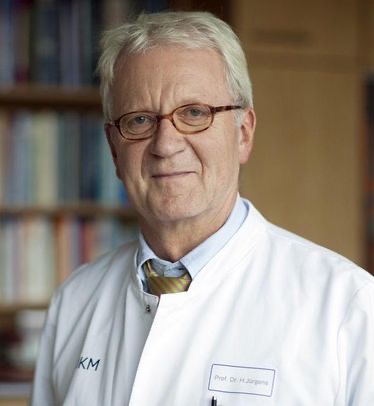 Heribert Jürgens合作论文数Medizinische Fakultät Münster5Lianne M. Haveman合作论文数5
 Olaf Mercier合作论文数5Özlem Okumus合作论文数4Dirk Stefani合作论文数4Mohamed Zaatar合作论文数4
 Marcelo Cypel合作论文数Department of Surgery, Temerty Faculty of Medicine, University of Toronto;Toronto General Hospital Research Institute, University Health Network;Department of Surgery, Toronto General Hospital;Department of Surgery, Mount Sinai Hospital;Department of Surgery, Hospital for Sick Children4
 Andrew Pierre合作论文数Department of Surgery, Temerty Faculty of Medicine, University of Toronto4
 Elie Fadel合作论文数Paris-Sud University;Department of Thoracic and Vascular Surgery and Heart-Lung Transplantation, Marie Lannelongue Hospital4




