This cross-sectional study evaluates the prevalence of hearing loss among specific patient populations in Alberta and explores participant perceptions about patient-health care worker communication and potential solutions.
Individuals living with chronic illness commonly experience co-occurring physical, psychological, and existential symptoms that cluster and reinforce one another, contributing to functional decline and distress. Yet, frailty and existential distress have rarely been examined alongside psychological and physical symptoms, and few studies have mapped how these symptoms interrelate across chronic conditions. This study used baseline patient-reported outcome measures (PROMs) from the eMPower randomized controlled trial to examine interconnections among symptoms across physical, psychological, and existential domains in adults living with chronic medical conditions. Adults aged ≥18 years (n = 825) were enrolled in the 12-week eMPower digital mind-body program (breathwork/meditation practices, movement, psychology-based coping skills curriculum based on acceptance and commitment therapy (ACT)). Baseline PROMs included the Hospital Anxiety and Depression Scale (HADS), Modified Fatigue Impact Scale (MFIS), EQ-5D-5L, SF-12, Edmonton Frail Scale Acute Care version (EFS-AC), online Fried Frailty Phenotype (online FFP), Demoralization Scale-II (DS-II), and PROMIS Sleep Disturbance SF-8a. Network analysis of pooled baseline data using LASSO-regularized partial correlations identified clusters and central symptoms. Participants had a mean age 55.6 ± 12.7 years and were predominantly female (84%). Across the cohort, symptom burden was high, frailty was prevalent, and quality of life was impaired. Network analysis identified three clusters: (i) mental health; (ii) fatigue and frailty; and (iii) quality of life, with physical fatigue emerging as the most central node linking psychological and functional domains. These findings suggest that fatigue, demoralization, and frailty are interconnected drivers of symptom burden in chronic illness. Targeting fatigue may represent an important strategy for improving mental health and functional outcomes in people living with chronic medical conditions.
Purpose of review: Cardiovascular disease (CVD) accounts for nearly half of deaths among people receiving maintenance hemodialysis. Observational and interventional data suggest that higher serum magnesium, achieved through higher dialysate magnesium concentrations or oral supplementation, may improve cardiovascular outcomes and survival. This review synthesizes current evidence and provides context for an ongoing cluster-randomized trial that is testing whether a center-wide dialysate magnesium concentration of 0.75 mmol/L, versus ≤0.50 mmol/L, delivered as a policy and sustained for up to four years, reduces the risk of major cardiovascular-related hospitalizations. Sources of information: Peer-reviewed articles. Methods: We searched MEDLINE and EMBASE for observational and interventional studies evaluating serum or dialysate magnesium concentrations and cardiovascular outcomes in patients with chronic kidney disease and/or kidney failure. We appraised the methodological quality of interventional trials. This review is divided into four sections: (1) epidemiological associations between serum magnesium concentrations and CVD outcomes, (2) the impact of a higher concentration of dialysate magnesium on CVD outcomes, (3) the impact of oral magnesium supplementation on CVD outcomes, and (4) ongoing trials. Key findings: Twenty studies, including 10 randomized controlled trials, were reviewed. Systematic reviews and meta-analyses show that hypomagnesemia is associated with higher risks of cardiovascular events and all-cause mortality in hemodialysis. Interventional studies indicate that higher dialysate magnesium concentrations or oral supplementation can improve surrogate markers of vascular health, including less vascular calcification and stiffness. Higher dialysate concentrations may also lower cardiovascular mortality. Given encouraging but predominantly surrogate-based evidence, adequately powered randomized trials are warranted. Limitations: Most trials were small, single-center, and of short duration. They relied on surrogate endpoints, and there was heterogeneity in interventions and outcome measures.
AIMS:Obesity, systemic inflammation, and hyperinsulinemia are all features of metabolic syndrome and frequently occur together. We aimed to evaluate the association of body mass index (BMI) with incident non-communicable chronic disease (NCD) or all-cause mortality, independent of C-reactive protein (CRP) and fasting insulin. METHODS:This prospective population-representative cohort included Canadian residents aged ≥18 years from the Canadian Health Measure Survey. The exposures were BMI, CRP, and fasting insulin and the outcomes were mortality and incident NCDs. Results were externally validated using data from the United States (NHANES) and the United Kingdom (UK Biobank). We report hazards ratios (HRs) from Cox models using percentiles for the continuous exposures: 99th, 95th, 85th, 50th, 15th, 1st versus the 5th percentile. The fifth percentile for BMI was 19.6 kg/m2, which falls within the "healthy" range. RESULTS:Of ~8280 participants: 24.4% had obesity (BMI ≥30 kg/m2), 56.5% had inflammation (CRP >1 mg/L), and 36.6% had hyperinsulinemia (fasting insulin >75 pmol/L). Metabolic syndrome (≥1 feature) was more common without obesity (42.8%; ~3544 participants) than with obesity (22.9%; ~1896 participants). Participants were followed for a median of 6.7 years; 3.1% died and 7.4% developed an NCD (including 1.8% with cardiovascular disease). After adjustment for age, sex and smoking, CRP was positively associated with mortality (HR vs. referent for 1st and 99th %ile: 0.72 [95% confidence interval, CI 0.61, 0.84] and 7.67 [95% CI 2.89, 20.38]), as was fasting insulin (0.88 [95% CI 0.78, 0.99] and 3.22 [95% CI 1.12, 9.29] respectively). BMI was negatively associated with mortality (HR vs. referent for 1st and 95th %ile: 1.45 [95% CI 1.11, 1.88] and 0.46 [95% CI 0.22, 0.97]), although HR for the 99th %ile was non-significant (0.51 [95% CI 0.20, 1.27]). All three exposures were mostly positively associated with incident NCD but varied depending on the type of NCD. CONCLUSIONS:After adjustment for confounding by systemic inflammation and hyperinsulinemia, obesity was associated with a lower risk of death but with a higher risk of incident NCD. As there are more people with metabolic syndrome without obesity than with obesity, future research should prioritise the study of how to best diagnose, monitor and treat inflammation and hyperinsulinemia rather than obesity.
KEY POINTS:People with kidney failure perceive disruptions in continuity of care before, during, and after their emergency care encounters. Patients report taking steps themselves to bridge gaps in continuity and ensure consistent informational flow across care teams. Strategies tailored to the unique emergency care needs of people with kidney failure may help strengthen continuity of care in this context. BACKGROUND:People with kidney failure have complex care needs and frequently access care using the emergency department (ED). Little is known about how continuity of care (CoC) relates to ED care seeking for people with kidney failure. To understand the experiences of CoC among adults with kidney failure in relation to their recent ED encounter. METHODS:Using a qualitative descriptive methodology, we purposively sampled adults with kidney failure (defined as eGFR <15 ml/min per 1.73 m 2 and/or receipt of maintenance dialysis) from Alberta who accessed the ED for a non-life-threatening indication within the preceding 6 weeks between May 2024 and January 2025. We conducted individual semistructured interviews and analyzed transcripts in duplicate using a framework analysis approach with reference to an established framework defining CoC according to three types ( i.e ., relational, management, and informational). Thematic development involved both inductive and deductive techniques. RESULTS:Twenty-nine patients were included (12 in-center hemodialysis, one in-center nocturnal hemodialysis, seven peritoneal dialysis, five home hemodialysis, and four without KRT). Themes were identified within CoC types and across settings of before, during, and after the acute care encounter. Key relational continuity themes included stability and trust in care teams, disrupted therapeutic relationships, and re-establishing engagement in circles of care. Management continuity themes included safeguarding kidney supports and kidney care fragmentation in the ED. Informational continuity themes included patients as continuity self-advocates, bridging care through information sharing, and extending continuity beyond the ED. CONCLUSIONS:Patients with kidney failure expressed varied experiences of CoC and identified important gaps relevant to the emergency care context. Strategies that bridge these perceived gaps across outpatient and acute care settings may help to mitigate the burden of ED use in this population.
Introduction: People with hemodialysis-dependent kidney failure experience significantly higher cardiovascular (CV) morbidity, mortality, symptom burden, and cognitive impairment compared to the general population. Hemodialysis-induced ischemia contributes to myocardial stunning, which worsens CV outcomes. Intradialytic cycling has the potential to mitigate cardiac stunning, but its effects have not been assessed in randomized controlled trials (RCTs). Methods: This multicenter RCT evaluates the impact of 12 weeks of intradialytic cycling on hemodialysis-induced myocardial stunning. The study will recruit 160 adults (80 intervention and 80 control) receiving maintenance hemodialysis at five Canadian centers and one Australian center. Outcome assessments are conducted at baseline, 12 weeks, and 16 weeks. An intervention implementation process evaluation is part of this study. Outcomes: The primary outcome is change in number of regional wall motion abnormalities (RWMAs) at peak hemodialysis stress from baseline to 12 weeks. Secondary outcomes include changes in cognitive function, hemodialysis recovery time, and symptom burden. Statistical Analysis: Change in number of RWMAs at peak hemodialysis stress from baseline to 12 weeks are compared between study groups using an independent 2-tailed t test and using a Poisson generalized linear mixed model with study group as a fixed effect, and time and mean ultrafiltration rate as random effects. Conclusion: Compared with standard care, we anticipate that intradialytic cycling will decrease myocardial stunning, resulting in improved symptom burden, and functional and cognitive status. This trial provides critical evidence regarding the benefits and feasibility of exercise during hemodialysis, potentially informing clinical practice, and guidelines for hemodialysis care. Trial registration number: NCT04877041
Higher pulmonary microvascular function may contribute to higher rest and exercise diffusing capacity (DLCO), pulmonary capillary blood volume (VC) and membrane diffusing capacity (DM) in trained individuals. We hypothesized that pulmonary vasodilatation with sildenafil would increase resting and exercise DLCO, VC and DM in untrained (UT) individuals, whereas trained (T) individuals would have a smaller response. This double-blind randomized crossover trial recruited n = 24 healthy participants (nine females) into UT and T groups (n = 12 each) based on V ̇ O 2 peak $\dot{V}{{{\mathrm{O}}}_{2{\mathrm{peak}}}}$ (mean ± SD V ̇ O 2 peak $\dot{V}{{{\mathrm{O}}}_{2{\mathrm{peak}}}}$ = 37.5 ± 3.8 and 65.3 ± 6.7 mL.kg-1 .min-1, respectively). Rest and exercise DLCO (cycle ergometry; 60 W, 30%, 60% and 90% of V ̇ O 2 peak $\dot{V}{{{\mathrm{O}}}_{2{\mathrm{peak}}}}$ ) was measured following oral sildenafil (50 mg) or placebo (block randomized) and evaluated using one-way ANOVA and linear mixed effects modelling. At rest, right ventricular systolic pressure was reduced with sildenafil across groups (mean ∆ = -2.1 mmHg; P = 0.01), indicating effective pulmonary vasodilatation. No group, drug or drug by group interaction effect was detected in resting DLCO, VC or DM (all Pgroup > 0.058). T had higher exercise DLCO during all workloads (all Pgroup < 0.031) and higher VC in relative workloads (Pgroup = 0.006). Sildenafil did not impact exercise DLCO, VC or DM at any workload (all Pdrug > 0.395), with no significant drug by group interaction (all Pinteraction > 0.086). As sildenafil did not impact rest or exercise DLCO, VC or DM in either group, there was no evidence that improved nitric oxide-mediated pulmonary vasodilatory function would explain the greater DLCO observed in trained individuals. KEY POINTS: Higher pulmonary vascular function may explain why trained individuals have higher pulmonary diffusing capacity for carbon monoxide (DLCO) compared to untrained individuals. This double-blind randomized crossover trial investigated whether pulmonary vasodilatation with sildenafil would elucidate changes in resting and exercise DLCO within trained and untrained groups. Trained individuals had higher DLCO, but sildenafil did not elicit alterations in DLCO in either group. Our findings suggest that improved nitric oxide-mediated pulmonary vasodilatation is not likely the primary mechanism responsible for the greater DLCO observed in trained individuals. Future work should investigate which mechanism(s) are responsible for the higher DLCO in trained individuals.
Background: People with hearing loss may have difficulty communicating with health care providers if not properly supported. Hearing loss is common among people with kidney failure. Outpatient hemodialysis centers may present communication barriers due to noisy machines and overlapping conversations. Tools, such as assistive listening devices, exist to help people with hearing loss communicate. If and how they should be used in the outpatient hemodialysis setting is unclear. Understanding the patient perspective is an important first step before implementing such solutions. Objective: Describe the communication-related experiences of patients with hearing loss when conversing with health care providers during hemodialysis treatment, focusing on perceptions about communication tools. Design: Qualitative descriptive. Setting: Outpatient hemodialysis centers in Calgary and Edmonton, Alberta, Canada. Participants: Adults with kidney failure receiving maintenance hemodialysis with self-reported hearing loss. Methods: Semi-structured individual interviews. Interviews were audio-recorded, transcribed, and abductively coded using a validated communication framework, a strategy to guide communication access in practice, and participants’ experiences. Results: Fourteen patients participated between October 2023 and January 2024. Patient perceptions about communication tools varied. We identified three themes that describe these differences: (1) communication tools may be needed in transitional or clinically complex situations, (2) patients with their own resources may rely less on center-provided tools, and (3) awareness and self-advocacy for support varies across patients. Limitations: The major limitation of this study is the lack of representation from patients with language barriers and those belonging to the Deaf community or with overlooked hearing difficulties. Consequently, results may not be transferable to all patients with hearing loss in Alberta or elsewhere. Conclusions: Communication support needs are both person-specific and context-dependent, varying across and within patients. Not all patients that may benefit from communication tools will be comfortable asking or accepting help. Clinicians should routinely check in with patients about their communication needs and offer a variety of tools to accommodate as needed.
BACKGROUND:Patients with advanced COPD have pulmonary vascular dysfunction and destruction; thus, it is unclear whether they are responsive to selective pulmonary vasodilators. RESEARCH QUESTION:What is the effect of inhaled nitric oxide (iNO) on exercise capacity in patients without hypoxemia with mild-to-severe COPD without pulmonary hypertension, and are there structural and/or functional predictors of response? STUDY DESIGN AND METHODS:Sixty-one patients with mild-to-severe COPD (mean FEV1, 65% ± 18% predicted) were recruited to this randomized, placebo-controlled, double-anonymized, crossover trial. Assessments included pulmonary function, echocardiography, and quantitative CT scan. Small vessel volume fraction, defined as the vascular volume of blood vessels with a cross-sectional area < 5 mm2 (BV5) divided by total vascular volume (TVV), was used as an index of small vessel perfusion or pulmonary vascular pruning. Participants received iNO or placebo (randomized) during 2 separate incremental exercise tests to determine exercise capacity (peak rate of oxygen consumption [Vo2peak]). RESULTS:The mean effect of iNO on Vo2peak was 0.36 mL/kg/min (95% CI, -0.18 to 0.89) in an unadjusted linear mixed effects model. In prespecified analyses, there was evidence of iNO effect modification by BV5/TVV, whereby higher BV5/TVV was associated with greater iNO-induced improvement in Vo2peak (adjusted mean change, 0.14 mL/kg/min; 95% CI, 0.02-0.26 per 1% increment in BV5/TVV), independent of severity of airflow obstruction, pulmonary diffusing capacity, emphysema, or total lung capacity. iNO-induced increases in Vo2peak were associated with improved ventilatory efficiency and reduced dyspnea (both P < .05). INTERPRETATION:Our results show that despite a null mean effect of iNO on Vo2peak in unadjusted analysis, a significant drug-induced improvement in Vo2peak was observed in patients with higher BV5/TVV. Improvements in Vo2peak with iNO were associated with improved ventilatory efficiency and reduced dyspnea. Our findings suggest a potential COPD pulmonary vascular endotype responsive to inhaled pulmonary vasodilators, characterized by greater small vessel perfusion or less vascular pruning, that is independent of severity of airflow obstruction, diffusing capacity, emphysema, or lung size. CLINICAL TRIAL REGISTRATION:ClinicalTrials.gov; No.: NCT03679312; URL: www. CLINICALTRIALS:gov.
Background Anxiety, depression, and fatigue affect >50% of adults across a range of chronic medical conditions, leading to reductions in quality of life. Digital symptom management interventions may address this burden, but clinical trial evidence across diverse conditions is limited, and the added value of human support remains uncertain. This study aimed to determine whether a multicomponent digital intervention, delivered with or without human support, reduces anxiety and depression compared with usual care at 12 weeks in adults with chronic medical conditions, and whether human-supported delivery outperforms self-directed delivery. Methods and findings A three-arm parallel-group open-label randomized controlled trial was conducted from February 2023 to December 2024, with online recruitment and delivery across 13 countries. 825 adults (≥18 years) with self-reported chronic medical conditions and internet access were allocated by computer-generated stratified block randomization (1:1:1) to: (i) waitlist control ( n = 274); (ii) eMPower, a self-directed digital program integrating video-guided movement, breathwork, and meditation practices, a psychology-based coping skills curriculum, and disease education ( n = 275); or (iii) eMPower + human support consisting of weekly telephone check-ins (≤15 min) from trained nonclinicians ( n = 276). The primary outcome was change in Hospital Anxiety and Depression Scale (HADS) total score from baseline to 12 weeks in the eMPower + human support arm compared with the control arm, adjusted for baseline score, chronic condition type, age, and sex. Secondary outcomes included HADS anxiety and depression subscales, fatigue (Modified Fatigue Impact Scale [MFIS]), and health-related quality of life (Short Form-12 [SF-12] mental and physical component scores and EQ-5D-5L index score). Twelve-week assessments were completed by 695 participants (84.2%). Primary outcome data were available for 222 participants in the eMPower + human support arm, 214 in the self-directed eMPower arm, and 259 in the control arm. Analyses followed the intention-to-treat principle. In the prespecified primary comparison, eMPower + human support improved HADS total score by 2.9 points (95% CI [2.0, 3.8]; p < 0.001). In prespecified exploratory analyses, the self-directed eMPower arm also significantly improved HADS total score, compared with control (mean difference 2.6 points; 95% CI [1.8, 3.5]; p < 0.001). No significant differences were observed between intervention arms for any outcome (all p > 0.05). Both intervention arms were associated with improvements across prespecified secondary outcomes compared with control. No intervention-related adverse events were reported in any arm. Key limitations include the use of a waitlist control design, which does not control for nonspecific intervention effects; reliance on self-reported diagnoses for most participants; the 12-week follow-up period; and a predominantly female and highly educated sample, which may limit generalizability. Additional registered process-oriented secondary outcomes and exploratory outcomes will be reported in companion publications. Conclusions A multicomponent digital intervention with human support significantly reduced anxiety and depression symptoms compared with usual care in adults with chronic medical conditions. Comparable effects between self-directed and human-supported delivery in exploratory analyses highlight potential for scalable, low-resource implementation. Longer-term follow-up and cost-effectiveness analyses are warranted. Trial registration: ClinicalTrials.gov: NCT05786482.
Background and rationale The American Thoracic Society recommends long-term supplemental oxygen therapy (O2) for individuals with interstitial lung disease who experience hypoxaemia due to its potential to improve symptoms. However, studies have shown that patient education regarding the use of O2 is inadequate. Our aim was to explore the educational needs of individuals with interstitial lung disease (ILD) using O2 therapy. Given that many educational tools are based on chronic obstructive pulmonary disease (COPD), a secondary aim was to examine how O2 therapy education needs differ between ILD and COPD.Methods Focus groups and semistructured interviews were used to understand the perspectives of individuals living with ILD or COPD and healthcare professionals (HCPs). Participants were recruited from Alberta, Canada. Individuals living with ILD or COPD were recruited through province-wide disease support groups while HCPs were recruited from a previous study. Separate focus groups were conducted for each participant category: (1) HCPs, (2) individuals with a lived experience with ILD and (3) individuals with a lived experience of COPD. An inductive coding approach was employed, guided by thematic analysis.Results 20 HCPs with a mean of 20.9 (SD±0.7) years of experience in healthcare and a mean of 12.8 (SD±8.4) years of experience working with individuals with ILD participated. 13 individuals with ILD and one ILD caregiver and 10 individuals with COPD participated in the study. Common themes among individuals with ILD and COPD were person-centred approaches to education, establishing ongoing support and building confidence through knowledge and learning. Compared with COPD, ILD-specific educational needs included the importance of more frequent assessments of O2 therapy needs and an emphasis on maintaining higher flow rates when using O2 therapy.Conclusion We identified educational approaches that focus on empowerment, confidence-building and establishing support systems may facilitate the use of O2 therapy in individuals with ILD.
Key PointsThe term, frailty, had unclear meaning for most participants but was commonly explained as weakness, dependence, and unmodifiable.Knowledge of frailty assessment tools and the evidence to support their prognostic utility was low among clinicians.Though patients and caregivers saw value in discussing frailty, the label of frailty was often viewed as pejorative.BackgroundFrailty is highly prevalent among individuals with kidney failure and independently associated with poor health outcomes. Identifying and managing frailty can inform prognosis and care but stakeholders' understanding of frailty and their perspectives on how to detect and manage it in routine kidney care are unknown.MethodsWe recruited participants from four Canadian kidney programs in Alberta, Manitoba, and Nova Scotia from January 2021 to June 2023. We conducted focus groups and semistructured interviews with patients (50 years or older with dialysis-dependent or nondependent kidney failure), caregivers, allied health care professionals, and nephrologists. We used qualitative description and inductive thematic analysis to describe their perspectives.ResultsNinety-one people participated: patients (N=31), caregivers (N=8), kidney allied health care professionals (N=38), and nephrologists (N=14). We identified three themes, each with subthemes: (1) What is frailty? All groups expressed uncertainty, but frailty was commonly described as physical, visible, inevitable, and fixed; (2) discussing frailty: the value of knowing what to expect with frailty, and frailty as a difficult topic to discuss; (3) frailty assessment and management: skepticism from patients and caregivers that frailty is measurable; support from clinicians for a systematic approach to identifying frailty but a lack of knowledge on multidisciplinary roles and potential interventions. For all groups, having actionable solutions after identifying frailty was key for acceptability and successful implementation.ConclusionsEducation on the nature and potentially modifiable aspects of frailty as well as the scope and potential benefits of frailty interventions is necessary for successful implementation of frailty detection and management in kidney care.
Background: In individuals receiving hemodialysis, lower serum magnesium concentrations are associated with a higher risk of death and cardiovascular disease and more discomfort from muscle cramps. Small trials suggest that increasing serum magnesium by using a higher concentration of dialysate magnesium may be beneficial. This protocol outlines a large, randomized trial examining the effects of adopting a high versus low concentration of dialysate magnesium as a hemodialysis center-wide policy on the risk of mortality, major adverse cardiovascular events, and the burden of muscle cramps. Objective: To determine whether implementing a dialysate magnesium concentration of 0.75 mmol/L versus ≤ 0.5 mmol/L as a hemodialysis center-wide policy, for up to 4 years, affects (1) the rate of all-cause mortality or major cardiovascular-related hospitalizations or (2) the level of discomfort individuals experience from muscle cramps. Design: Pragmatic, 2-arm, parallel-group, registry-based, open-label, 2-sided superiority cluster randomized trial. Hemodialysis centers were randomly allocated (1:1) to one of the 2 arms. The assignment was constrained by five center-level prognostic factors and stratified by province. Setting: 137 hemodialysis centers in four Canadian provinces—Ontario, British Columbia, Alberta, and Manitoba. The trial period is from April 4, 2022, to March 31, 2026. Outcomes will be analyzed after March 31, 2026, using provincial health care databases and self-reported questionnaires. Participants: Individuals who received maintenance hemodialysis at participating centers during the trial period. Intervention: Use of a dialysate magnesium concentration of either 0.75 mmol/L or ≤ 0.5 mmol/L as a center-wide policy during the trial period. Measurements: The two primary outcomes are (1) a composite of all-cause mortality or major cardiovascular-related hospitalization (a hospital admission with myocardial infarction, congestive heart failure, or ischemic stroke) recorded in large health care databases and (2) self-reported muscle cramps collected from questionnaires. Methods: Using an intent-to-treat approach, the intervention effect on the instantaneous rate of the primary composite outcome will be analyzed using a stratified Cox proportional hazards model accounting for center-level clustering. The observation time will be censored for provincial emigration or the trial end date. Self-reported muscle cramps will be analyzed using a cumulative link (proportional odds) model. All models will be stratified by province and adjusted for the covariates used to constrain randomization. Limitations: The trial start date was delayed in some centers due to post-pandemic supply disruptions (including discontinued dialysate formulations); however, all centers secured dialysate concentrates in alignment with the trial-allocated magnesium level. Conclusions: The results of this pragmatic trial will inform center-wide policy on the optimal dialysate magnesium concentration for patient health. Trial Registration: www.clinicaltrials.gov ; identifier: NCT04079582
Rehabilitation is the mainstay of recovery after stroke, but key recommendations focused on delivering ‘as much therapy as possible’ and stroke survivor outcome measures have remained relatively unchanged for decades. Traditional therapy approaches focus on maximum improvement of physical impairments while a stroke survivor is in hospital to ensure that community discharge can be deemed ‘safe’. This narrow approach sidelines the outcomes that are meaningful to the stroke survivor in the long term and the challenges they may face within their social context. In this article, we highlight the importance of the whole-person approach and review recent research introducing novel considerations to optimise outcomes after stroke. Psychosocial well-being is a major component of health but is poorly acknowledged and managed for stroke survivors. Evidence supports the use of self-management interventions, peer befriending, and culturally – responsive methods, including deep engagement with Indigenous and cultural knowledge. Cultural safety and involvement of a stroke survivor’s important personal connections are also vital for achieving truly person-centred care and equity in rehabilitation outcomes. Outcomes in rehabilitation will be optimised if we shift our mindsets from a sole focus on improving physical impairments to a broader scope of delivering whole-person care.
INTRODUCTION:Mental health symptoms are underdiagnosed and undertreated among people receiving dialysis treatment. Despite a high prevalence of depression (40%) and anxiety (42%) symptoms in this population, international guidance does not exist. To address this gap, a multi-phase project involved collaboration by diverse groups in Alberta, Canada to develop and tailor a pathway that supports person-centred mental health care for Albertans receiving dialysis. METHODS:This mixed methods patient-oriented research was conducted in two phases. Phase 1 included: (a) an online clinician survey (n = 199), (b) 11 focus groups and 2 interviews involving 10 people with lived experience and 44 clinicians and administrators, and (c) a scoping review of evidence-based pharmacological treatment. Descriptive analyses of the survey data and summative content analysis of qualitative data (written survey comments and data from focus groups and interviews) were conducted to understand current processes, health services, and interventions for mental health care in Alberta Kidney Care for people receiving dialysis, and to determine appropriateness and opportunities of existing mental health services and interventions. The results were used to develop preliminary statements to inform development of the pathway. Attributes of centeredness in health care - being unique, being heard, and shared responsibility - guided pathway development. Phase 2 involved building consensus on these statements via two rounds of modified Delphi surveys (n = 59 and 51 for rounds 1 and 2, respectively), followed by a consensus call on a virtual platform for discussion and voting involving 27 participants. Voters rated their agreement for each statement using a 3-point Likert scale. Consensus was defined a priori as ≥80% agreement by two groups of voters: people with lived experience and clinicians/others. RESULTS:Phase 1 results informed the development of 68 statements in round 1 of Delphi voting; 42 were approved. Based on voter comments, 11 new statements were developed and 23 statements were revised. Round 2 of Delphi voting included 34 statements. A call was held with people with lived experience to understand why they voted differently than clinicians/others. We learned that some statement language was too technical, such as "assessment" or "score." We talked through each statement and people with lived experience verbally approved the intention of all statements. Through this dialogue, and round 2 voting, 20 statements were approved. A consensus call was held, concluding with voting on 5 statements previously not approved by both groups; 3 were approved. In total, 66 statements were approved for use in development of a pathway addressing symptoms of depression and anxiety, as well as coping. Approved statements guided depiction of the pathway as an algorithm for initial conversations, assessment, follow-up (including "red-flags" or urgent referrals), and management with non-pharmacological and pharmacological supports. CONCLUSION:Strategies to ensure person-centeredness provided all involved parties with opportunities to engage in meaningful ways in pathway development, a novel approach which may provide transferable lessons for kidney programs across Canada and internationally.
Background: Improving interactions between people receiving hemodialysis and health care providers of facility-based hemodialysis care is a top priority for patients, caregivers, and health care providers. Objective: To identify challenges for high-quality clinical interactions in facility-based hemodialysis care as well as potential solutions. Design: Multicentre qualitative study using focus groups and semi-structured interviews to elicit the perspectives of patients, caregivers, and health care providers. Setting: Five Canadian facility-based hemodialysis centers. Participants: English-speaking adults receiving facility-based hemodialysis for longer than 6 months, their caregivers, and hemodialysis health care providers. Methods: Between May 2017 and August 2018, focus groups and interviews with patients and their caregivers subsequently informed semi-structured interviews with providers. Data were analyzed using inductive thematic analysis with application of a grounded theory approach. Results: A total of 8 focus groups and 44 interviews were completed. Participants included 64 people receiving hemodialysis, 18 caregivers, and 31 health care providers. Communication between health care providers and patients was often characterized as intersections of care (unidirectional) rather than interactions (bidirectional). Challenges were grouped into 4 main themes as follows: (1) culture of care provision; (2) mistrust between patients and health care providers; (3) time constraints for clinical interactions, and (4) lack of collaboration and care coordination among health care team. Potential solutions were identified for each challenge. Limitations: Findings were limited to Canadian context, English-speaking adults, and individuals receiving facility-based hemodialysis in urban centers. Conclusions: Interactions between health care providers and people receiving dialysis are often unidirectional, where the patient is a passive recipient of ideas and information from the health care provider. To promote improved bidirectional interactions, team-based care that includes better tools to improve information transfer, better information regarding roles, and identity of health care team members and opportunities for all members of the health care team, including the people receiving dialysis, to provide input on care plans is required. Trial Registration: Not applicable.
People with chronic kidney disease (CKD) have a high cardiovascular (CV) disease burden. Physical activity and exercise can improve CV risk, but adaptations are specific to the activity performed. Therefore, changes in individual CV risk factors may be influenced by variables such as the volume and type of exercise. This narrative Review will outline the evidence for the effects of physical activity and exercise type on cardiometabolic risk factors in adults and provide insights for patients and clinicians. Current evidence suggests that changes in risk factors such as cardiorespiratory fitness and body composition demonstrate specificity to exercise type across the CKD spectrum. However, limited data for each exercise type within some sub-groups (e.g., disease stage), trial heterogeneity, and other barriers limit the ability to draw definitive conclusions regarding optimal exercise type for some outcomes. Despite these gaps, evidence supports physical activity and exercise's role in improving CV health in people with CKD. A greater emphasis on activity counselling, multifactorial interventions, and implementation strategies may help to maximize the effects of physical activity and exercise on CV health in people with CKD.
People with CKD have a high cardiovascular (CV) disease burden. Physical activity and exercise can improve CV risk, but adaptations are specific to the activity performed. Therefore, changes in individual CV risk factors may be influenced by variables such as the volume and type of exercise. This narrative review will outline the evidence for the effects of physical activity and exercise type on cardiometabolic risk factors in adults and provide insights for patients and clinicians. Current evidence suggests that changes in risk factors such as cardiorespiratory fitness and body composition demonstrate specificity to exercise type across the CKD spectrum. However, limited data for each exercise type within some subgroups ( e.g ., disease stage), trial heterogeneity, and other barriers limit the ability to draw definitive conclusions regarding optimal exercise type for some outcomes. Despite these gaps, evidence supports physical activity and exercise's role in improving CV health in people with CKD. A greater emphasis on activity counseling, multifactorial interventions, and implementation strategies may help to maximize the effects of physical activity and exercise on CV health in people with CKD.
 Marcello Tonelli合作论文数International Society of Nephrology;WHO Collaborating Centre for the Prevention and Control of Chronic Kidney Disease46
 Scott Klarenbach合作论文数Department of Medicine, Faculty of Medicine & Dentistry, University of Alberta37
 Bohm Clara J合作论文数Department of Internal Medicine, University of Manitoba34
 Aminu Bello合作论文数32
 Jennifer M. Macrae合作论文数24Natasha Wiebe合作论文数24
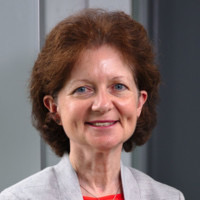 Brenda Hemmelgarn合作论文数College of Health Sciences, University of Alberta;Faculty of Medicine & Dentistry, University of Alberta19
 Kara Schick-Makaroff合作论文数Faculty of Nursing, Edmonton Clinic Health Academy18
 Alan Barber合作论文数Faculty of Medical and Health Sciences, University of Auckland;Centre for Brain Research, University of Auckland17
 Braden Manns合作论文数O'Brien Institute for Public Health, University of Calgary17Alan Davis合作论文数16
 Matire Harwood合作论文数Department of General Practice and Primary Health Care, School of Population Health, Faculty of Medical and Health Sciences, The University of Auckland15Harry Karel McNaughton合作论文数Medical Research Institute of New Zealand14John Fink合作论文数14
 Dominique Cadilhac合作论文数School of Clinical Sciences, Faculty of Medicine, Nursing and Health Sciences, Monash University;Florey Institute of Neuroscience and Mental Health13
 Jeroen Douwes合作论文数Research Centre for Hauora and Health, Massey University13
 Valery Feigin合作论文数National Institute for Stroke and Applied Neurosciences, Auckland University of Technology;Department of Global Health, Institute for Health Metrics and Evaluation, University of Washington;Novosibirsk State Medical University;Capital Medical University;North Shore Hospital13
 John Gommans合作论文数13
 Paul Bennett合作论文数12Kailash K. Jindal合作论文数12
 Anna Ranta合作论文数11Feng Ye合作论文数11Neesh Pannu合作论文数11Corbin Marine合作论文数11
 Hayley Denison合作论文数MRC Lifecourse Epidemiology Unit, University of Southampton11
 William Levack合作论文数Department of Medicine, University of Otago;Division of Health Sciences, University of Otago11
 Nikhil Shah合作论文数Hirabai Cowasji Jehangir Med Res Inst10
 Ikechi Okpechi合作论文数10Braam Branko合作论文数10Deenaz Zaidi合作论文数9Nancy Verdin合作论文数9Soroush Shojai合作论文数9Ranta Annemarei合作论文数Department of Neurology, MidCentral Health9
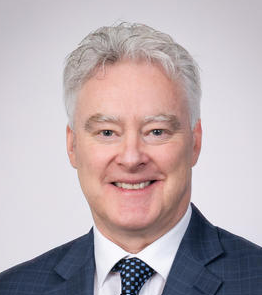 Andrew C. Wilson合作论文数Quantum Physics Division, National Institute of Standards & Technology9
 Collister David T合作论文数Department of Biological Sciences, University of Manitoba9
 Oksana Harasemiw合作论文数Chron Dis Innovat Ctr8
 Matthew T James合作论文数Department of Community Health Sciences, University of Calgary8Hans Vorster合作论文数7Jackie Girvan合作论文数7Maoliosa Donald合作论文数7
 Kenneth Wilund合作论文数Carle Illinois College of Medicine, University of Illinois at Urbana-Champaign7Karthik K Tennankore合作论文数7Ginny Abernethy合作论文数6Iwona Gabrys合作论文数6Virginia Abernethy合作论文数6
 Anukul Ghimire合作论文数Dept Med, Univ Alberta6
 Thomas J Wilkinson合作论文数NIHR Applied Research Collaboration East Midlands (ARC EM),, University of Leicester6
 Anita Molzahn合作论文数Faculty of Nursing, University of Alberta6
 Raj Padwal合作论文数Department of Medicine, Faculty of Medicine & Dentistry, University of Alberta;MMHG Inc.6




