BACKGROUND:Previous research has shown that among patients presenting with classic cardiac pain, women receive fewer investigations than men do. OBJECTIVE:To assess whether a protocolized assessment strategy for chest pain presentations would mitigate sex-based differences in clinical testing or investigations. METHODS:We conducted a retrospective cohort study of all adult patients presenting with chest pain, including what was felt to be ischemic/cardiac (Canadian Triage Acuity Score (CTAS) II) and non-cardiac (CTAS III) chest pain from November 9, 2020, to June 20, 2022. An advanced diagnostic pathway including high-sensitivity troponin (hs-TnI) was in use. The primary outcome was a composite of repeat hs-TnI testing, imaging, and consultations. Secondary outcomes included 30-day major adverse cardiac events (MACE). RESULTS:Overall, 19,324 patients (49.7% females) were included. Women had a higher proportion of single hs-TnI testing (75.1% vs 64.7%; p < 0.0001) than men; this finding persisted when adjusting for age, comorbidities, acuity, and troponin results. Women waited 19% longer to be assessed by a physician (median difference 16 (95% CI: 12.4-19.6) minutes). Finally, men experienced a higher risk of MACE (aHR: 1.45, 95% CI: 1.29-1.63). CONCLUSION:Women were significantly less likely to receive serial troponin testing, while experiencing delays in care and longer length of stay; however, MACE outcomes were worse in men. Evidence-based protocols with specific risk stratification based on initial hs-TnI results do not prevent sex-based differences from occurring.
Cardiac intensive care units are specialized, high-acuity, and resource-intensive environments for the care of critically ill patients with cardiovascular disease. Over the past 60 years, medical and interventional therapeutic advances have improved survival and reduced the risk of life-threatening arrythmias in many common cardiovascular conditions. Nonetheless, some hospitals have maintained historical cardiac intensive care admission practices, resulting in admissions of low-acuity patients who could otherwise be cared for in a telemetry-equipped hospital ward environment. These triage practices may be partially attributable to a lack of guidance from international societies on contemporary cardiac intensive care admission standards. In this scientific statement, we propose cardiac intensive care triage practice standards for common cardiovascular conditions, summarize available prediction scores, and outline priorities for future health services research in this field.
BACKGROUND:The paucity of data to guide selection of specific vasoactive agents in patients with cardiogenic shock (CS) may lead to variability in practice patterns. The level of variability and specific factors that are associated with the use of vasoactive medications and inodilators have not been previously described. METHODS:The CCCTN (Critical Care Cardiology Trials Network) is an international, multicenter network of cardiac intensive care units (CICUs) coordinated by the TIMI Study Group. This analysis included CICU admissions for CS from 2019 to 2023. Variation in the use of inodilator treatment (dobutamine/milrinone) was assessed with multivariable mixed-effects logistic modeling. RESULTS:A total of 3282 admissions from 37 CICUs comprised the analysis cohort. The use of vasoactive medications, including inodilator treatment, varied substantially across institutions. Patient-level variables associated with greater use of inodilators included history of heart failure (odds ratio, 1.98 [95% CI, 1.61-2.44]), biventricular failure (1.59 [95% CI, 1.27-2.00]), Society of Cardiovascular Angiography and Interventions stage D (1.34 [95% CI, 1.07-1.68]), valvular disease (1.34 [95% CI, 1.03-1.74]), and male sex (1.23 [95% CI, 1.02-1.49]). Variables associated with less inodilator use included cardiac arrest (0.33 [95% CI, 0.27-0.42]), right ventricular failure (0.50 [95% CI, 0.33-0.73]), Society of Cardiovascular Angiography and Interventions stage E (0.57 [95% CI, 0.41-0.81]), acute myocardial infarction-CS (0.71 [95% CI, 0.56-0.90]), peripheral arterial disease (0.73 [95% CI, 0.54-0.99]), older age (0.77 [95% CI, 0.72-0.83], per 10-year increase), and estimated glomerular filtration rate (0.96 [95% CI, 0.93-0.99], per 10 mL/min per 1.73 m2 increase). No individual measurable institution-level factors (eg, transplant center) were associated with variability in inodilator use. In mixed-effects logistic modeling, 45.7% of variation in inodilator use was attributed to patient-level factors and 22.7% to the random effect of individual CICU centers. Similarly, 35.3% of variation in the use of dobutamine versus milrinone was attributed to patient-level factors and 32.6% to the random effect of individual CICU centers. CONCLUSIONS:There is significant variation in vasoactive treatment and inodilator use in CS. Variation in inodilator use was associated with patient-level factors and with substantial individual CICU practice variation. Such variability underscores the need for additional high-quality evidence to guide vasoactive treatment strategies in CS.
Background Acute kidney injury (AKI) is associated with high morbidity and mortality in critically ill patients. Multicenter analyses describing the epidemiology of AKI in the cardiac intensive care unit (CICU) are scarce. Here, we describe the prevalence, predictors, and outcomes associated with AKI in a contemporary multicenter CICU population. Methods The Critical Care Cardiology Trials Network (CCCTN) is a collaboration of CICUs in North America coordinated by the TIMI Study Group (Boston, MA). We evaluated patient and hospital-level outcomes as a function of creatinine-only Kidney Disease: Improving Global Outcomes (KDIGO) AKI stage within the CCCTN registry. Logistic regression was used to assess associations with in-hospital mortality. Results Among 21 603 admissions, the overall prevalence of AKI was 23.7%, which was composed of KDIGO stage 1: 12.7%, stage 2: 1.7%, and stage 3: 9.2%. A higher prevalence and severity of AKI were seen in patients with baseline kidney disease, hypertension, or diabetes and in admissions with heart failure, cardiogenic shock, and cardiac arrest (P < .001 for all). There was a stepwise increase in hospital mortality across AKI stages (stage 1: 23%, stage 2: 39%, stage 3: 42%; P < .0001). The increased risk of death associated with progressive AKI stage persisted after multivariate adjustment (adjusted OR: stage 1: 2.1, stage 2: 3.7, stage 3: 3.4). Conclusions: AKI occurs in 1 in 4 admissions to the CICU, and a higher AKI stage is incrementally associated with in-hospital mortality, highlighting a need to develop strategies to mitigate AKI and its complications.
INTRODUCTION:Out-of-hospital cardiac arrest (OHCA) is associated with high mortality and substantial long-term neurological sequelae among survivors. During postresuscitation intensive care after return of spontaneous circulation (ROSC), myocardial dysfunction, vasoplegia, and mixed shock states are often observed. Arterial blood pressure alone may not adequately reflect tissue perfusion or oxygen delivery. Advanced hemodynamic profiling has the potential to improve individualized postresuscitation management, but the overall evidence base has not been comprehensively mapped. AIMS:This scoping review will map the available evidence on advanced hemodynamic monitoring during early postresuscitation care after adult OHCA (< 72 h after ROSC). Specifically, we will characterize which hemodynamic variables are measured, when and how they are measured, and in which clinical contexts; summarize how studies report associations between these variables and outcomes or markers of organ perfusion/function; and identify methodological gaps in hemodynamic monitoring. METHODS:A scoping review will be conducted, including adult (≥ 18 years) patients hospitalized after OHCA with sustained ROSC. Eligible studies must investigate one or more predefined advanced hemodynamic parameters using invasive or non-invasive techniques beyond arterial pressure monitoring. There are no restrictions on comparators, publication year, language, setting, or publication type. Animal, pediatric, simulation, intra-arrest-only studies, microcirculatory/local perfusion studies, and echocardiography-only studies are excluded. MEDLINE (via PubMed) will be searched from inception to 31 January 2026. Two reviewers will screen and extract data independently in duplicate using Covidence. Data will be synthesized descriptively. CONCLUSIONS:This review will provide a comprehensive overview of advanced hemodynamic monitoring after OHCA and identify evidence and gaps in the research in this area.
BACKGROUND:Little is known about end-of-life trajectories in survivors of cardiogenic shock complicating acute myocardial infarction (AMI-CS) who die beyond their index admission, or utilization of palliative care services in AMI-CS survivors. OBJECTIVES:This study aimed to examine long-term palliative and end-of-life care among AMI-CS survivors. METHODS:This was a population-based, retrospective cohort of AMI-CS survivors in Ontario, Canada, from 2009 to 2020 who died during longitudinal follow-up. RESULTS:We identified 3,881 AMI-CS survivors (2009-2020) who died after discharge and before March 2024. The median survival time was 1,096 days (IQR: 312-2,139 days). Overall, 2,100 patients (54.1%) died in acute care, with no difference between those who did and did not receive palliative care. Patients who did not receive palliative care were more likely to die in intensive care units (ICU) than those who did (23% vs 17%, absolute standard difference 0.15). Most patients received palliative care in the final year of life (n = 2,485, 64%); 1,057 patients (42.5%) had outpatient visits, 505 patients (20.3%) had inpatient palliative care consultations, and 327 patients (13.2%) had palliative care hospitalizations. Palliative care, however, was most commonly initiated in the last 14 days of life (1,185 patients, 47.7%). Earlier palliative care referrals were associated with reduced rates of dying in hospital (adjusted OR: 0.50; 95% CI: 0.42-0.65) and ICU (adjusted OR: 0.34; 95% CI: 0.26-0.45). CONCLUSIONS:Early and intermediate term palliative care involvement was associated with reduced risk of death in hospital and ICU. Such consultation may improve end-of-life outcomes in AMI-CS survivors.
Higher pulmonary microvascular function may contribute to higher rest and exercise diffusing capacity (DLCO), pulmonary capillary blood volume (VC) and membrane diffusing capacity (DM) in trained individuals. We hypothesized that pulmonary vasodilatation with sildenafil would increase resting and exercise DLCO, VC and DM in untrained (UT) individuals, whereas trained (T) individuals would have a smaller response. This double-blind randomized crossover trial recruited n = 24 healthy participants (nine females) into UT and T groups (n = 12 each) based on V ̇ O 2 peak $\dot{V}{{{\mathrm{O}}}_{2{\mathrm{peak}}}}$ (mean ± SD V ̇ O 2 peak $\dot{V}{{{\mathrm{O}}}_{2{\mathrm{peak}}}}$ = 37.5 ± 3.8 and 65.3 ± 6.7 mL.kg-1 .min-1, respectively). Rest and exercise DLCO (cycle ergometry; 60 W, 30%, 60% and 90% of V ̇ O 2 peak $\dot{V}{{{\mathrm{O}}}_{2{\mathrm{peak}}}}$ ) was measured following oral sildenafil (50 mg) or placebo (block randomized) and evaluated using one-way ANOVA and linear mixed effects modelling. At rest, right ventricular systolic pressure was reduced with sildenafil across groups (mean ∆ = -2.1 mmHg; P = 0.01), indicating effective pulmonary vasodilatation. No group, drug or drug by group interaction effect was detected in resting DLCO, VC or DM (all Pgroup > 0.058). T had higher exercise DLCO during all workloads (all Pgroup < 0.031) and higher VC in relative workloads (Pgroup = 0.006). Sildenafil did not impact exercise DLCO, VC or DM at any workload (all Pdrug > 0.395), with no significant drug by group interaction (all Pinteraction > 0.086). As sildenafil did not impact rest or exercise DLCO, VC or DM in either group, there was no evidence that improved nitric oxide-mediated pulmonary vasodilatory function would explain the greater DLCO observed in trained individuals. KEY POINTS: Higher pulmonary vascular function may explain why trained individuals have higher pulmonary diffusing capacity for carbon monoxide (DLCO) compared to untrained individuals. This double-blind randomized crossover trial investigated whether pulmonary vasodilatation with sildenafil would elucidate changes in resting and exercise DLCO within trained and untrained groups. Trained individuals had higher DLCO, but sildenafil did not elicit alterations in DLCO in either group. Our findings suggest that improved nitric oxide-mediated pulmonary vasodilatation is not likely the primary mechanism responsible for the greater DLCO observed in trained individuals. Future work should investigate which mechanism(s) are responsible for the higher DLCO in trained individuals.
BACKGROUND:Patients with advanced COPD have pulmonary vascular dysfunction and destruction; thus, it is unclear whether they are responsive to selective pulmonary vasodilators. RESEARCH QUESTION:What is the effect of inhaled nitric oxide (iNO) on exercise capacity in patients without hypoxemia with mild-to-severe COPD without pulmonary hypertension, and are there structural and/or functional predictors of response? STUDY DESIGN AND METHODS:Sixty-one patients with mild-to-severe COPD (mean FEV1, 65% ± 18% predicted) were recruited to this randomized, placebo-controlled, double-anonymized, crossover trial. Assessments included pulmonary function, echocardiography, and quantitative CT scan. Small vessel volume fraction, defined as the vascular volume of blood vessels with a cross-sectional area < 5 mm2 (BV5) divided by total vascular volume (TVV), was used as an index of small vessel perfusion or pulmonary vascular pruning. Participants received iNO or placebo (randomized) during 2 separate incremental exercise tests to determine exercise capacity (peak rate of oxygen consumption [Vo2peak]). RESULTS:The mean effect of iNO on Vo2peak was 0.36 mL/kg/min (95% CI, -0.18 to 0.89) in an unadjusted linear mixed effects model. In prespecified analyses, there was evidence of iNO effect modification by BV5/TVV, whereby higher BV5/TVV was associated with greater iNO-induced improvement in Vo2peak (adjusted mean change, 0.14 mL/kg/min; 95% CI, 0.02-0.26 per 1% increment in BV5/TVV), independent of severity of airflow obstruction, pulmonary diffusing capacity, emphysema, or total lung capacity. iNO-induced increases in Vo2peak were associated with improved ventilatory efficiency and reduced dyspnea (both P < .05). INTERPRETATION:Our results show that despite a null mean effect of iNO on Vo2peak in unadjusted analysis, a significant drug-induced improvement in Vo2peak was observed in patients with higher BV5/TVV. Improvements in Vo2peak with iNO were associated with improved ventilatory efficiency and reduced dyspnea. Our findings suggest a potential COPD pulmonary vascular endotype responsive to inhaled pulmonary vasodilators, characterized by greater small vessel perfusion or less vascular pruning, that is independent of severity of airflow obstruction, diffusing capacity, emphysema, or lung size. CLINICAL TRIAL REGISTRATION:ClinicalTrials.gov; No.: NCT03679312; URL: www. CLINICALTRIALS:gov.
BACKGROUND:Contemporary data characterizing older adults admitted to cardiac intensive care units (CICUs) across diverse indications are limited. OBJECTIVES:The objective of the study was to describe the clinical characteristics, critical care therapies, and in-hospital outcomes of older patients admitted to the CICU compared with younger adults. METHODS:The Critical Care Cardiology Trials Network is a multicenter, international registry of CICUs. Between 2017 and 2024, participating centers contributed annual ≥2-month snapshots of consecutive medical CICU admissions. Admissions were categorized into 4 age groups: <65, 65-<75, 75-<85, and ≥85 years. Outcomes included CICU and in-hospital mortality and length of stay. Multivariable models adjusted for sex, illness severity (SOFA score), lactate, and kidney function. RESULTS:Among 35,265 admissions from 50 sites, 44%, 27%, 21%, and 9% were aged <65, 65-<75, 75-<85, and ≥85 years, respectively. Acute coronary syndrome was the most common admission diagnosis among all age groups. Patients aged ≥85 years had the lowest use of mechanical circulatory support (5.5%), which consisted exclusively of intra-aortic balloon pumps. Relative to patients <65 years, adjusted ORs of in-hospital mortality were 1.53 (1.40-1.67) for 65-<75 years, 1.83 (1.67-2.01) for 75-<85 years, and 1.95 (1.72-2.22) for ≥85 years. Among cardiac arrest patients the increase in mortality with age was steeper, reaching 3.09 (2.24-4.26) for patients ≥85 years. CONCLUSIONS:Patients ≥85 years in contemporary CICUs experience survival comparable to those aged 75-<85 years, except in the setting of cardiac arrest. These findings support consideration of factors beyond chronological age in CICU triage and treatment decisions.
Central blood volume (CBV) is a key haemodynamic determinant of pulmonary diffusing capacity for carbon monoxide (DLCO) and its components, capillary blood volume (Vc) and membrane diffusing capacity (Dm,CO). However the contribution of CBV to DLCO regulation remains poorly defined. We tested the hypothesis that graded increases and decreases in CBV would elicit differential changes in DLCO, primarily driven by Vc. Eighteen healthy young adults (6 women; age: 25 [3] years; V ̇ O 2 peak : 44.5 [8.5] mL/kg/min) completed supine graded lower body positive (LBPP) and negative pressure (LBNP). DLCO, Vc and Dm,CO were assessed using the combined DLCO,NO approach at baseline and throughout LBPP and LBNP. Impedance cardiography-derived thoracic fluid content (TFC) was used as a proxy of CBV. LBPP induced a progressive increase in TFC (P < 0.001); however DLCO did not change (P = 0.589) due to a reciprocal increase in Vc (P = 0.009) and a decrease in Dm,CO (P < 0.001). In contrast LBNP elicited graded reductions in TFC (P < 0.001), DLCO (P < 0.001) and Vc (P < 0.001), with no change in Dm,CO (P = 0.610). Across LBPP and LBNP changes in TFC were associated with the corresponding changes in DLCO (P < 0.001) and Vc (P < 0.001), and Dm,CO (P < 0.044). Collectively these findings demonstrate that, in the supine position, pulmonary gas transfer is dynamically influenced by relatively small perturbations in CBV, primarily via alterations in Vc. KEY POINTS: Central blood volume (CBV) and pulmonary artery pressure are key determinants of pulmonary diffusing capacity for carbon monoxide (DLCO) and its components, capillary blood volume (Vc) and membrane diffusing capacity (Dm,CO); however the role of CBV in DLCO and its components has not yet been elucidated. During lower body positive pressure (increased CBV), DLCO did not change due to reciprocal increases in Vc and decreases in Dm,CO. During lower body negative pressure (central hypovolaemia), DLCO significantly declined, secondary to a decrease in Vc. DLCO and Vc exhibited non-linear relationships with thoracic fluid content (TFC, an index of CBV), whereas Dm,CO demonstrated a negative linear relationship with TFC. Our findings demonstrate that TFC-mediated Vc expansion alone is insufficient to augment DLCO, whereas central hypovolaemia reduces DLCO primarily via reduced capillary distention/recruitment.
 David A. Morrow合作论文数Levine Cardiac Intensive Care Unit, Brigham and Women's Hospital;Harvard Medical School, Harvard University111
 Jason Neil Katz合作论文数Department of Medicine, Duke University School of Medicine99Jentzer Jacob合作论文数74
 Erin Bohula合作论文数68
 David Berg合作论文数The University of Arizona College of Medicine53
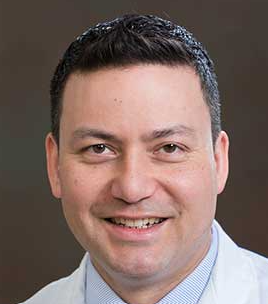 Christopher B. Fordyce合作论文数Centre for Cardiovascular Innovation, University of British Columbia49Carlos L. Alviar合作论文数47Miller P Elliott合作论文数42
 Christopher Bull Granger合作论文数Department of Medicine, School of Medicine, Duke University;School of Nursing, Duke University41
 Pascal Vranckx合作论文数39
 Gregory Barsness合作论文数33
 Finlay McAlister合作论文数Department of Medicine, University of Alberta;University of Alberta Hospital31Jeong-Gun Park合作论文数30
 Patrick Lawler合作论文数Institute of Medical Science, Temerty Faculty of Medicine, University of Toronto;Peter Munk Cardiac Centre, University Health Network;Toronto General Hospital Research Institute30
 Shashank Sinha合作论文数30
 Venu Menon合作论文数Cleveland Clinic29
 Laura Kristin Newby合作论文数Department of Medicine, School of Medicine, Duke University;Duke Clinical Research Institute, Duke University28
 Michael Stickland合作论文数Division of Pulmonary Medicine, Department of Medicine, Faculty of Medicine & Dentistry, University of Alberta;G.F. MacDonald Centre for Lung Health, Covenant Health27Timothy D. Henry合作论文数26
 Christopher Barnett合作论文数Department of Medicine, University of California San Francisco25
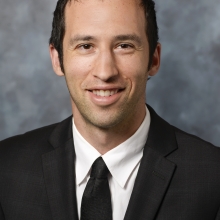 Michael Goldfarb合作论文数Jewish General Hospital25Michael A Solomon合作论文数24
 Frederik Verbrugge合作论文数Vrije Universiteit Brussel;Universitair Ziekenhuis Brussel24
 Padma Kaul合作论文数24Vivian M Baird-Zars合作论文数22Justin A. Ezekowitz合作论文数22
 Chaudhry Sunit-Preet合作论文数Department of Medicine, Case Western Reserve University Hospital21Robert O Roswell合作论文数20
 Paul W Armstrong合作论文数Department of Medicine, Faculty of Medicine & Dentistry, University of Alberta;Virtual Coordinating Centre for Global Collaborative Cardiovascular Research, University of Alberta20
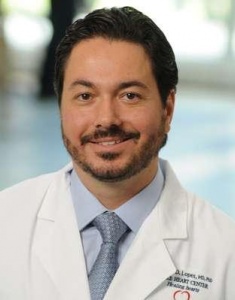 Renato Delascio Lopes合作论文数Department of Medicine, School of Medicine, Duke University;Duke Clinical Research Institute, School of Medicine, Duke University20David A Morrow合作论文数19
 Jianping Guo (郭剑平)合作论文数Institute of Precision Medicine, The First Affiliated Hospital, Sun Yat-sen University19
 Holger Thiele合作论文数Department of Internal Medicine/Cardiology, Heart Center Leipzig, University of Leipzig19
 Michael C Kontos合作论文数Department of Internal Medicine, School of Medicine, Virginia Commonwealth University19
 Graham Wong合作论文数Division of Cardiology & Cardiovascular Surgery, The University of British Columbia;Division of Cardiology, Vancouver General Hospital;Department of Medicine, University of British Columbia19
 Shaun Goodman合作论文数Division of Cardiology, Department of Medicine, St. Michael’s Hospital;Department of Medicine, Faculty of Medicine & Dentistry, University of Alberta;University of Toronto18
 David a Baran合作论文数Columbia University18
 Kianoush B. Kashani合作论文数Department of Nephrology and Hypertension, Mayo Foundation for Medical Education and Research17
 Lori Daniels合作论文数Department of Forest & Conservation Sciences, Faculty of Forestry, The University of British Columbia16
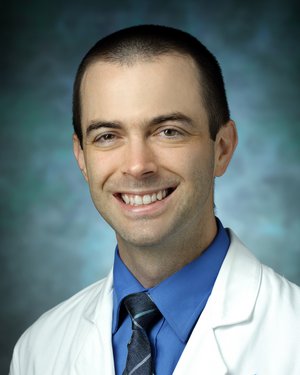 Thomas Stephen Metkus Jr.合作论文数School of Medicine, Johns Hopkins University16
 Michelle M. Graham合作论文数15Adriana Luk合作论文数Department of Medicine, Temerty Faculty of Medicine, University of Toronto14Carnicelli Anthony P合作论文数University of Rochester School of Medicine and Dentistry14Janek Senaratne合作论文数14Alexander I Papolos合作论文数13
 Sophie É Collins合作论文数Div Pulm Med, Univ Alberta13
 Brian Grunau合作论文数Department of Family Medicine, University of British Columbia13
 O'Brien Connor合作论文数Department of Microbiology and Immunology, Columbia University College of Physicians and Surgeons13




