Background: Despite optimal and early surgical treatment of non-small-cell lung cancer (NSCLC), many patients die of recurrent NSCLC. We investigated the association between gene methylation and recurrence of the tumor.Methods: Fifty-one patients with stage I NSCLC who underwent curative resection but who had a recurrence within 40 months after resection (case patients) were matched on the basis of age, NSCLC stage, sex, and date of surgery to 116 patients with stage I NSCLC who underwent curative resection but who did not have a recurrence within 40 months after resection (controls). We investigated whether the methylation of seven genes in tumor and lymph nodes was associated with tumor recurrence.Results: In a multivariate model, promoter methylation of the cyclin-dependent kinase inhibitor 2A gene p16, the H-cadherin gene CDH13, the Ras association domain family 1 gene RASSF1A, and the adenomatous polyposis coli gene APC in tumors and in histologically tumor-negative lymph nodes was associated with tumor recurrence, independently of NSCLC stage, age, sex, race, smoking history, and histologic characteristics of the tumor. Methylation of the promoter regions of p16 and CDH13 in both tumor and mediastinal lymph nodes was associated with an odds ratio of recurrent cancer of 15.50 in the original cohort and an odds ratio of 25.25 when the original cohort was combined with an independent validation cohort of 20 patients with stage I NSCLC.Conclusions: Methylation of the promoter region of the four genes in patients with stage I NSCLC treated with curative intent by means of surgery is associated with early recurrence.
Background Nuclear factor erythroid-2 related factor 2 (NRF2) is a redox-sensitive transcription factor that positively regulates the expression of genes encoding antioxidants, xenobiotic detoxification enzymes, and drug efflux pumps, and confers cytoprotection against oxidative stress and xenobiotics in normal cells. Kelch-like ECH-associated protein 1 (KEAP1) negatively regulates NRF2 activity by targeting it to proteasomal degradation. Increased expression of cellular antioxidants and xenobiotic detoxification enzymes has been implicated in resistance of tumor cells against chemotherapeutic drugs.Methods and Findings Here we report a systematic analysis of the KEAP1 genomic locus in lung cancer patients and cell lines that revealed deletion, insertion, and missense mutations in functionally important domains of KEAP1 and a very high percentage of loss of heterozygosity at 19p13.2, suggesting that biallelic inactivation of KEAP1 in lung cancer is a common event. Sequencing of KEAP1 in 12 cell lines and 54 non-small-cell lung cancer (NSCLC) samples revealed somatic mutations in KEAP1 in a total of six cell lines and ten tumors at a frequency of 50% and 19%, respectively. All the mutations were within highly conserved amino acid residues located in the Kelch or intervening region domain of the KEAP1 protein, suggesting that these mutations would likely abolish KEAP1 repressor activity. Evaluation of loss of heterozygosity at 19p13.2 revealed allelic losses in 61% of the NSCLC cell lines and 41% of the tumor samples. Decreased KEAP1 activity in cancer cells induced greater nuclear accumulation of NRF2, causing enhanced transcriptional induction of antioxidants, xenobiotic metabolism enzymes, and drug efflux pumps.Conclusions This is the first study to our knowledge to demonstrate that biallelic inactivation of KEAP1 is a frequent genetic alteration in NSCLC. Loss of KEAP1 function leading to constitutive activation of NRF2-mediated gene expression in cancer suggests that tumor cells manipulate the NRF2 pathway for their survival against chemotherapeutic agents.
Proc Amer Assoc Cancer Res, Volume 46, 2005480 Background: As HIV-infected patients are surviving longer on antiretroviral medication, case reports of lung cancer developing in HIV patients are emerging. We conducted the present study to characterize the differences between lung cancer patients with and without HIV infection. Methods: Patients with lung carcinoma and HIV were identified at an urban hospital, Johns Hopkins, between 1985-2004 by linking the institution’s Lung Cancer SPORE and outpatient HIV clinic databases. HIV + patients with lung cancer were compared to 7,428 patients in the Lung Cancer SPORE database with unknown HIV status (mostly HIV uninfected). Results: We identified 90 HIV+ patients with lung cancer. No patient developed lung cancer before HIV diagnosis. The median interval between HIV diagnosis and lung cancer was 6 years. HIV+ lung cancer patients were younger than others with lung cancer (median age 46 vs. 63 years, p=0.001). The younger age at onset is a likely explanation for lower average pack-years of smoking observed in the HIV-infected lung cancer patients (35 versus 53 pack-years, p=0.001), despite the fact that the prevalence of smoking was higher in the HIV-infected (99%) compared to other (88%) lung cancer patients. Both groups were majority male, but differed by race with the HIV cohort being more likely to be African-American (p=0.001). HIV+ patients more frequently presented with adenocarcinoma than other patients (53% vs. 32%, respectively, p=0.02). The median CD4 count for the HIV+ patients at lung cancer diagnosis was 298 cells/ml (range 0 - 1,091 cells/ml). The median viral load was 613 copies/ml (range 0 - 750,000 copies/ml). The survival of the HIV+ group was significantly shorter than that of the non-HIV lung cancer group (median 6 vs. 9 months; p=0.002; univariate RR 1.50, 95% CI, 1.19-1.87). Late stage of disease appeared to explain the poorer prognosis among HIV-infected lung cancer patients, since after adjusting for lung cancer stage at presentation in a multivariate analysis, HIV+ and other lung cancer patients had a similar death rate (RR 1.06, 95% CI 0.85-1.34). Conclusion: We report a clinical observation of a large number of patients with HIV and lung carcinoma in a single institution. HIV+ patients with lung cancer present at a younger age and are more likely than other patients to have adenocarcinomas and more advanced cancer at diagnosis. Extensive smoking histories are ubiquitous. Survival of HIV+ patients is poor primarily due to late stage of presentation. This study adds additional evidence concerning the potential link between HIV and lung cancer.
PURPOSE: For the study of translational tumor biology, human lung cancer cell lines are convenient but limited models as they don't reproduce the three-dimensional cellular interactions of tumors in-vivo. Recent studies suggest the utility of primary human cancer xenografts as better models for cancer biology and therapeutics. Examples include demonstration of genetic changes such as EGFR amplification in primary brain tumors that are maintained in xenograft tumors but not in tissue cultures (Pandita, 2004); at our institution, primary pancreatic cancer xenograft lines can model preclinical responses to Hedgehog pathway inhibitors (Berman, 2004). Such xenografts usually require surgically resected samples, unlikely situation for Small Cell Lung Cancers (SCLC). We are reporting on what we believe are the first series of human SCLC xenografts grown from bronchoscopically retrieved samples, their biologic properties and preliminary translational studies.
th playing of Canada's National Open Championship. As a valued member of the Stratford & District Chamber of Commerce you now have access to an exclusive ticket offer for this iconic Canadian event. Through this special offer, members of the Stratford & District Chamber of Commerce receive 25% off the following ticket options:
 Gabrielson Edward合作论文数6
 Stephen B. Baylin合作论文数Johns Hopkins School of Medicine;Cancer Genetics and Epigenetics, Johns Hopkins University5
 James G Herman合作论文数Division of Hematology, Department of Medicine, School of Medicine, University of Pittsburgh5Malcolm V. Brock合作论文数Environmental Health and Engineering, Bloomberg School of Public Health, Johns Hopkins University3
 Shyam S. Biswal合作论文数Environmental Health and Engineering, Bloomberg School of Public Health, Johns Hopkins University3
 David Sidransky合作论文数The Sidney Kimmel Comprehensive Cancer Center, School of Medicine, Johns Hopkins University3
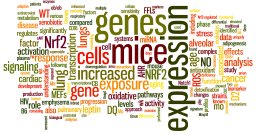 Misra Vikas合作论文数3Hannah Lee合作论文数3Stephen C. Yang合作论文数3Craig Hooker合作论文数3Sabine Glockner合作论文数2Yu Han合作论文数2
 Mingzhou Guo (郭明洲)合作论文数School of Medicine, Nankai University;Chinese People's Liberation Army General Hospital;Zhengzhou University2
 Anju Singh合作论文数2
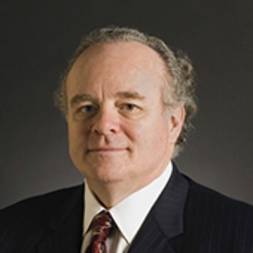 Steven Piantadosi合作论文数Department of Surgical Oncology, Brigham And Women's Hospital;Harvard Medical School;Department of Biostatistics, Johns Hopkins Bloomberg School of Public Health2
 Rajesh Thimmulappa合作论文数Bloomberg School of Public Health, Johns Hopkins University2
 Mohammad Hoque合作论文数Department of Otolaryngology-Head and Neck Surgery, School of Medicine, Johns Hopkins University2Steven A. Belinsky合作论文数2Kristen Pelosky合作论文数1Genevieve Pridham合作论文数1Emi Ota Machida合作论文数1zhetian chuang (創 折田)合作论文数1RC Yung合作论文数1Vincent C. Daniel合作论文数1gregory s gessel合作论文数1eric syphard合作论文数1fred couples合作论文数1chang yan he wan (昌彦 鶴丸)合作论文数1yuan mei na xu (元美 那須)合作论文数1
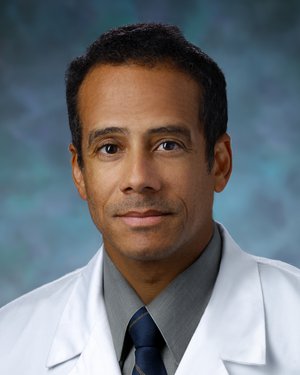 Malcolm V Brock合作论文数Department of Otolaryngology-Head and Neck Surgery, School of Medicine, Johns Hopkins University1
 Anthony Alberg合作论文数Department of Epidemiology and Biostatistics, Arnold School of Public Health, University of South Carolina;Department of Public Health Sciences, Medical University of South Carolina;Department of Epidemiology, Bloomberg School of Public Health, Johns Hopkins University1
 Craig D Peacock合作论文数Department of Microbiology, University of Western Australia1
 Eric A. Engels合作论文数Division of Cancer Epidemiology & Genetics, National Cancer Institute1
 Paul Flint合作论文数1
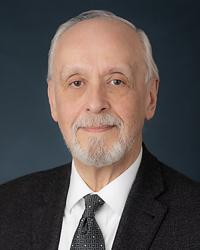 Richard D. Moore合作论文数Johns Hopkins University School of Medicine;Bloomberg School of Public Health, Johns Hopkins University;Johns Hopkins Hospital1
 Julie Brahmer合作论文数School of Medicine, Johns Hopkins University;Sidney Kimmel Comprehensive Cancer Center, Johns Hopkins University;Bloomberg~Kimmel Institute for Cancer Immunotherapy, Johns Hopkins University;Johns Hopkins Sidney Kimmel Comprehensive Cancer Center1Kim Anthony合作论文数1
 David Berman合作论文数Division of Cancer Biology and Genetics, Sinclair Cancer Research Institute, Queen's University;Department of Pathology and Molecular Medicine, Faculty of Health Sciences, Queen's University1
 Maura L. Gillison合作论文数Department of Thoracic/Head and Neck Medical Oncology, Division of Cancer Medicine, The University of Texas MD Anderson Cancer Center1
 Rex C Yung合作论文数1
 D Neil Watkins合作论文数LifeStrands Genomics Australia;Peninsula and Southeastern Oncology1




