Wildlife conflicts between people and large herbivores or mammalian carnivores are widely researched in Africa, but there is limited work on human-crocodile conflicts (HCC). In Uganda, conservation efforts have enabled the recovery of the Nile Crocodile (Crocodylus niloticus) population, yet the expanding human population and activities increasingly overlap with crocodile habitats resulting in negative interactions. This study used a combination of literature review, surveys, and the Nominal Group Technique to investigate the factors underpinning HCC around Murchison Falls Conservation Area. Results indicate that 115 attacks on humans occurred during 2012-2017, 84.3% of these being fatal. Also, 93.1% of the attacks occurred as victims were either fishing or collecting water. Construction of crocodile exclusion enclosures and translocation of problem crocodiles to protected areas were the most preferred mitigation measure. To reduce the prevalence of human injuries and offset local hostility toward crocodiles, conservation actors need to actively engage the affected communities.
Abstract Collaborative conservation interventions based on engagement with local communities are increasingly common, especially for large carnivores that negatively impact people's livelihoods and well‐being. However, evaluating the effectiveness of large‐scale community‐based conservation interventions is rarely done, making it problematic to assess or justify their impact. In our study focused on snow leopards (Panthera uncia) in five countries, we show that bespoke and well‐implemented community‐based and conflict management intervention efforts can lead to more sustainable conservation outcomes. Collaborative interventions, spread over about 88,000 km2 of snow leopard habitat, reduced livestock depredation and disease and associated economic costs. Additionally, they generated conservation‐linked livelihoods and enhanced community decision‐making, leading to more positive behavioral intent toward snow leopards and improved communities’ cooperation, economic security, and confidence. Our results provide lessons learned and recommendations for practitioners and governments to alleviate conflicts and foster coexistence with snow leopards and large carnivores more broadly. These include prioritizing locally led tailored solutions based on the PARTNERS principles, recognizing local community rights in conservation decision‐making, and recognizing the role of social norms in ensuring accountability.
Farmers in developing countries often work in challenging environments with poor infrastructure, marginal agricultural potential, and limited economic opportunities. These challenges are exacerbated when wildlife impact human livelihoods. Here, we analyze data quantifying the type and frequency of human-wildlife impacts within communal conservancies across Namibia and explore possible drivers of temporal and spatial variation of these data. A total of 112,165 human-wildlife impacts were reported between 2001 and 2019 at the national level, with livestock depredation the most common. Marked regional variation was however evident with crop raiding and attacks on humans more prevalent in the mesic North-East, and both livestock depredation and infrastructure damage highest in the arid north-western regions. Elephant, jackal, hyena, cheetah, and leopard (in descending order) were the species most frequently linked to reported damage. Distance to the nearest protected area and river, terrain ruggedness, conservancy size, and annual rainfall (amongst others) all had a significant impact on both the distribution and extent of human-wildlife impact reports. Reports did not vary significantly with years but were significantly influenced by average monthly rainfall. Understanding spatial and temporal patterns of human-wildlife impacts at a national scale, in addition to their potential drivers, allows for the identification of conflict hotspots and the allocation of resources and expertise to mitigate them. Ultimately, mitigating negative interactions between people and wildlife will allow for the continued sharing of space and with that the sustainability of a model that has seen a dramatic increase in both the distribution and abundance of wildlife in Namibia.
Adaptive management (AM) is widely promoted to improve management of natural resources, yet its implementation is challenging. We show that obstacles to the implementation of AM are related not only to the AM process per se but also to external factors such as ecosystem properties and governance systems. To overcome obstacles, there is a need to build capacities within the AM process by ensuring adequate resources, management tools, collaboration, and learning. Additionally, building capacities in the legal and institutional frames can enable the necessary flexibility in the governance system. Furthermore, in systems experiencing profound changes in wildlife populations, building such capacities may be even more critical as more flexibility will be needed to cope with increased uncertainty and changed environmental conditions.
Poaching is a global driver of wildlife population decline, including inside protected areas (PAs). Reducing poaching requires an understanding of its cryptic drivers and accurately quantifying poaching scales and intensity. There is little quantification of how poaching is affected by law enforcement intensity (e.g., ranger stations) versus economic factors (e.g., unemployment), while simultaneously accounting for imperfect detection. Using extensive data of poaching events (i.e., seizures) and censuses of nine ungulate species across the PAs and unprotected lands of Iran from 2010 to 2018, we developed a single-visit hierarchical (N-mixture) model to accurately estimate annual poaching of Iranian ungulates and to differentiate between social and ecological effects on annual poaching intensity. We found that poaching detectability increased with numbers of ranger stations. A recent surge in poaching (2013–2018) coincides with rising unemployment rate. We estimated that 19,727 ungulates (95% confidence interval 11,178–36,195) were poached across the country during 2010–2018. Poaching intensity was positively related to unemployment rate, road density, and ungulate abundance. Our simulations demonstrated that the Poisson and Negative binomial N-mixture models had adequate performance when the conditions of Sólymos et al. (2012) were satisfied, in particular, when at least one covariate is unique to both the detection and abundance parts of the model. Overall, we suggest that single-visit models offer unique insights into understanding the link between poaching intensity, economic conditions, and law enforcement in large-scale landscapes while accounting for imperfect detection of poaching events.
Efforts to manage conservation conflicts are typically focused on reconciling disputes between opposing stakeholders over conservation objectives. However, this is an oversimplification of conflict dynamics, driven by the difficulties of understanding and addressing deeper-rooted issues. In this study, an ethnographic approach using a combination of informal discussions, participant observation, and in-depth interviews was used to examine local stakeholder narratives around a conservation conflict over grouse shooting and raptor conservation. Analysis highlighted three main narratives - cooperation, resistance, and despondence, that served as a basis for individuals to justify their responses to conflict: to work toward collaboration, act antagonistically, or avoid. Our analysis suggests that the current status quo in conflict management serves to reinforce antagonistic positions. We recommend a more nuanced approach to understanding stakeholder decision-making that goes beyond superficial disputes to recognize diversity within stakeholder groups, access hidden voices, and encompass the wider socio-political context.
Releasing gamebirds in large numbers for sport shooting may directly or indirectly influence the abundance, distribution and population dynamics of native wildlife. The abundances of generalist predators have been positively associated with the abundance of gamebirds. These relationships have implications for prey populations, with the potential for indirect impacts of gamebird releases on wider biodiversity. To understand the basis of these associations, we investigated variation in territory size, prey provisioning to chicks, and breeding success of common buzzards Buteo buteo, and associations with variation in the abundances of free-roaming gamebirds, primarily pheasants Phasianus colchicus, and of rabbits Oryctolagus cuniculus and field voles Microtus agrestis, as important prey for buzzards. The relative abundance of gamebirds, but not those of rabbits or voles, was weakly but positively correlated with our index of buzzard territory size. Gamebirds were rarely brought to the nest. Rabbits and voles, and not gamebirds, were provisioned to chicks in proportion to their relative abundance. The number of buzzard chicks increased with provisioning rates of rabbits, in terms of both provisioning frequency and biomass, but not with provisioning rates for gamebirds or voles. Associations between the abundances of buzzards and gamebirds may not be a consequence of the greater availability of gamebirds as prey during the buzzard breeding season. Instead, the association may arise either from habitat or predator management leading to higher densities of alternative prey (in this instance, rabbits), or from greater availability of gamebirds as prey or carrion during the autumn and winter shooting season. The interactions between gamebird releases and associated practices of predator control and shooting itself require better understanding to more effectively intervene in any one aspect of this complex social-ecological system.
Financial mechanisms to mitigate the costs of negative human–carnivore interactions are frequently promoted to support human coexistence with carnivores. Yet, evidence to support their performance in different settings is scarce. We evaluated a community-based livestock insurance program implemented as part of a broader snow leopard conservation effort in the Tost Tosonbumba Nature Reserve, South Gobi, Mongolia. We assessed program efficiency and effectiveness for snow leopard conservation using a results-based evaluation approach. Data sources included program records from 2009 to 2018, as well as surveys conducted in 2016 and 2017, which allowed us to compare key indicators across communities that participated in the insurance program and control communities. Program coverage and number of livestock insured rapidly increased over the years to reach 65% of households and close to 11,000 livestock. Participants expressed satisfaction with the program and their contributions increased over time, with an increasing proportion (reaching 64% in 2018) originating from participant premiums, suggesting strong community ownership of the program. Participants were less likely to report the intention to kill a snow leopard and reported fewer livestock losses than respondents from control communities, suggesting increased engagement in conservation efforts. These results together suggest that the insurance program achieved its expected objectives, although it is challenging to disentangle the contributions of each individual conservation intervention implemented in intervention communities. However, in the first three years of the program, snow leopard mortalities continued to be reported suggesting that additional interventions were needed to reach impact in terms of reducing retaliatory killings of large carnivores.
Agricultural damage by geese is a growing problem in Europe and farmers play a key role in the emerging multilevel adaptive management system. This study explored how characteristics associated with the farmer and the farm, along with experience of damage, cognitive appraisals, emotions, and management beliefs were associated with the perceived adaptive capacity of the goose management system among farmers in the south of Sweden (n = 1,067). Survey results revealed that owning a larger farm, a farm closer to water or formally protected areas, along with cultivating cereal and root crops, were associated with geese evoking stronger negative emotions. Further, more previous experience of damage was related to stronger negative emotions and lower levels of perceived adaptive capacity. However, even more important determinants of perceived adaptive capacity were cognitive appraisals, emotions, and management beliefs. Bridging the ties between individual farmers and the system is important for improved multilevel management.
Over the last 40 years, many goose populations have recovered from historic lows and are now more numerous than ever. At the same time, geese have shifted from natural foraging habitats to securing most of their nutritional demands from agricultural fields, leading to crop damage and conflict with agriculture. We studied field use by Greylag Geese (Anser anser) in the agricultural landscape surrounding a main breeding and moulting lake in Sweden. From 2012 to 2016, weekly roadside surveys were conducted from May to July. Data were collected on goose numbers, crop type and sward height in agricultural fields. Using a compositional analysis, we demonstrate that Greylag Geese show a strong selection for ley and pasture fields compared to other crop types (rank order: ley/pasture > oat > barley > wheat > other crops). This selection was consistent across years and between pre- and post-moult. Aside from ley and pasture, no other crop types were selected for, as they were used less than expected given their availability. Irrespective of crop type, geese foraged predominantly on short (0–10 cm) swards. The strong selection for ley and pasture may have been driven by higher nutritional quality of short, managed grass swards relative to other available foods. This suggests that during the summer grass fields may be more vulnerable to damage compared to other crop types. Our study provides a deeper understanding of the ecology of Greylag Geese, which may be used to inform management strategies focused on mitigating crop damage and alleviating conflict.
People's views and values for wild animals are often a result of their experiences and traditional knowledge. Local folklore represents a resource that can enable an understanding of the nature of human-wildlife interactions, especially the underlying cultural values. Using archival searches and semi-structured interviews, we collected narratives about the ibex (Capra sibirica) (n = 69), and its predators, the wolf (Canis lupus) (n = 52) and the snow leopard (Panthera uncia) (n = 43), in Ladakh, India. We compared these stories to those of a mythical carnivore called seng ge or snow lion (n = 19), frequently referenced in local Tibetan Buddhist folklore and believed to share many of the traits commonly associated with snow leopards (except for livestock depredation). We then categorized the values along social-cultural, ecological and psychological dimensions. We found that the ibex was predominantly associated with utilitarianism and positive symbolism. Both snow leopard and wolf narratives referenced negative affective and negative symbolic values, though more frequently in the case of wolves. Snow leopard narratives largely focused on utilitarian and ecologistic values. In contrast, snow lion narratives were mostly associated with positive symbolism. Our results suggest that especially for snow leopards and wolves, any potentially positive symbolic associations appeared to be overwhelmed by negative sentiments because of their tendency to prey on livestock, unlike in the case of the snow lion. Since these values reflect people's real and multifarious interactions with wildlife, we recommend paying greater attention to understanding the overlaps between natural and cultural heritage conservation to facilitate human-wildlife coexistence.
Conflicts between biodiversity conservation and other human activities are multifaceted. Understanding farmer preferences for various conflict mitigation strategies is therefore critical. We developed a novel interactive game around farmer land management decisions across 18 villages in Gabon to examine responses to three elephant conflict mitigation options: use of elephant deterrent methods, flat-rate subsidy, and agglomeration payments rewarding coordinated action for setting land aside for elephants. We found that all three policies significantly reduced participants' inclinations to engage in lethal control. Use of deterrents and agglomeration payments were also more likely to reduce decisions to kill elephants in situations where levels of social equity were higher. Only the two monetary incentives increased farmers' predisposition to provide habitats for elephants, suggesting that incentive-based instruments were conducive to pro-conservation behavior; different subsidy levels did not affect responses. Likewise, neither participants' socioeconomic characteristics nor their real-life experiences of crop damage by elephants affected game decisions. Killing behavior in the games was 64% lower in villages influenced by protected areas than in villages surrounded by logging concessions, highlighting the need to address conservation conflicts beyond protected areas. Our study shows the importance of addressing underlying social conflicts, specifically equity attitudes, prior to, or alongside addressing material losses.
Research on human–wildlife interactions has largely focused on the magnitude of wildlife‐caused damage, and the patterns and correlates of human attitudes and behaviors. We assessed the role of five pathways through which various correlates potentially influence human responses toward wild animals, namely, value orientation, social interactions (i.e. social cohesion and support), dependence on resources such as agriculture and livestock, risk perception and nature of interaction with the wild animal. We specifically evaluated their influence on people’s responses toward two large carnivores, the snow leopard Panthera uncia and the wolf Canis lupus in an agropastoral landscape in the Indian Trans‐Himalaya. We found that the nature of the interaction (location, impact and length of time since an encounter or depredation event), and risk perception (cognitive and affective evaluation of the threat posed by the animal) had a significant influence on attitudes and behaviors toward the snow leopard. For wolves, risk perception and social interactions (the relationship of people with local institutions and inter‐community dynamics) were significant. Our findings underscore the importance of interventions that reduce people’s threat perceptions from carnivores, improve their connection with nature and strengthen the conservation capacity of local institutions especially in the context of wolves.
Facilitating coexistence between people and large carnivores is critical for large carnivore conservation in human-dominated landscapes, when their presence impacts negatively on human interests. Such situations will often require novel ways of mediating between different values, worldviews and opinions about how carnivores should be managed. We report on such a process in an agricultural area of recent wolf recovery in central Italy where unsolved social tensions over wolf presence have radicalized opinions on either side of the wolf debate, resulting in a stalemate. Where previous mitigation policies based on top-down damage compensation have failed, we tested the potential for applying a participatory approach to engage different stakeholder groups in a dialogue aimed at sharing a deep understanding of the problem and co-creating potential solutions. We based our approach on the theory of meta-consensus, using a decision support tool known as Multi Criteria Decision Analysis (MCDA). Over the course of three months, we carried out five workshops with stakeholder representatives from farming, hunting and environmental associations, and one biologist. Stakeholders shared several objectives and agreed over many management interventions, including the management of free-ranging dogs, the implementation of damage prevention measures, and a damage compensation system suitable for farmers. The process facilitated agreement over actions aimed at improving relations between stakeholders and enhancing the state of knowledge on the issues at stake. Most importantly, we recorded positive social and relationship outcomes from the workshops, and observed a willingness from participants to engage in further discussions over disputed management preferences. Overall, we found MCDA to be a useful tool for laying the groundwork for further participatory and deliberative processes on wolf management. However, challenges ahead included the involvement of a larger number of representatives of different social sectors, and a simplification of the methodology which some participants found too complicated and time consuming.
Social conflicts over large carnivores are becoming more frequent following the general recovery of large carnivores in human shaped landscapes in Europe. To manage conflicts over large carnivores a detailed knowledge is necessary on the social, economic, cultural but also interpersonal dimensions of the conflicts. This can be achieved through a participatory engagement of all stakeholders within a procedure tailored to local contexts. We looked at conditions necessary for implementing the above approach in areas of intense large carnivores-human conflict across Europe (bear and wolves), and where traditional management conflict policies do not appear to be successful, as often based on urgent responses to emergency situations. We focussed on four areas in Europe where we interviewed stakeholders to characterize the conflicts and assess the potential for mitigation interventions through participatory processes. We focused on four key aspects related to social conflicts: (a) perception of the current situation and relationship with other stakeholders; (b) availability and accessibility of information and communication; (c) economic, ecological and social impacts; and (d) promotion of coexistence and participatory processes. We show that (lack of) trust between stakeholders and the relevant authorities as well as the lack of genuine communication among stakeholders were the key features that characterized social conflicts related to large carnivores. With specific reference to large carnivores, the lack or inaccessibility of reliable information was reported in all cases by all stakeholders, as well as the need for proactive and inclusive policies developed and implemented by the relevant authorities. A consistent message was that support and engagement from relevant management institutions was pivotal for effective management of conflicts over large carnivores. Our findings highlight the importance for conflict mitigation of a deeper and mutual understanding of issues prior to the implementation of participatory processes.
Conflicts between people with different worldviews, values and perspectives over nature and its conservation can be damaging for both people and nature. Managing such conflicts is therefore a priority and key to effective conservation. In this chapter we outline some of the current approaches to managing conflicts in conservation. We focus on the aim of bringing about fundamental shifts in the ways in which the people involved in the conflict reflect on the real point of conflict and the paradigms and approaches used to mitigate it, leading to the transformation of the institutions and discourses, as well as in the relationships within and between the conflicted parties. We conclude with the need to focus on worldviews, as they can and do shape evidence, institutional arrangements and approaches to conservation, including the way in which conflicts are managed.
Integrating local knowledge with scientific knowledge can offer significant benefits to improving environmental decision-making. However, this is especially challenging in environmental conflict situations where advice is lacking, and no single approach can foster conflict transformation. To understand stakeholder knowledge and its integration in a conflict transformation process in Scotland, we brought together diverse stakeholder organisations and encouraged power sharing in the project's management. Our mixed-methods approach was based on theories of community science, knowledge co-production, knowledge integration and implementation and conflict transformation. We gathered stakeholder perceptions to see where local and scientific knowledge converged and diverged. Stakeholders holding opposing views mutually prioritised knowledge gaps and identified future collaborative actions. Building upon lessons learned, we present a practical framework and associated considerations to realise knowledge integration goals in conservation conflict situations. This framework is widely applicable, especially in situations where disputes over the evidence-base prevent positive outcomes for people and nature.
Ecologists quantify animal diets using direct and indirect methods, including analysis of faeces, pellets, prey items and gut contents. For stable isotope analyses of diet, Bayesian stable isotope mixing models (BSIMMs) are increasingly used to infer the relative importance of food sources to consumers. Although a powerful approach, it has been hard to test BSIMM performance for wild animals because precise, direct dietary data are difficult to collect. We evaluated the performance of BSIMMs in quantifying animal diets when using delta C-13 and delta N-15 stable isotope ratios from the feathers and red blood cells of common buzzard Buteo buteo chicks. We analysed mixing model outcomes with various trophic discrimination factors (TDFs), with and without informative priors, and compared these to direct observations of prey provisioned to chicks by adults at nests, using remote cameras. Although BSIMMs with different TDFs varied markedly in their performance, the statistical package SIDER generated TDFs for both feathers and blood that resulted in model outputs that accorded well with direct observations of prey provisioning. Using feather TDFs derived from captive peregrines Falco peregrinus resulted in estimates of diet composition that were also similar to provisioned prey, although blood TDFs from the same study performed poorly. The inclusion of informative priors, based on conventional analysis of pellet and prey remains, markedly reduced model performance. BSIMMs can provide accurate assessments of diet in wild animals. TDF estimates from the SIDER package performed well. The inclusion of informative priors from conventional methods in Bayesian mixing models can transfer biases into model outcomes, leading to erroneous results.
Bird species are declining across Europe. Current European policy, that is, the Birds and Habitats Directives, focus on habitat management as a way of halting the declines. This paper explores the role of predation in causing bird population declines and asks if we need to reconsider our approach to the management of generalist predators. We analysed bird population trends and distribution changes across Europe, Britain and Ireland, reflecting an increasing gradient of generalist predator abundance (principally red foxVulpes vulpesand species of the familyCorvidae). We tested if ground-nesting bird species, considered more vulnerable to predation, were in greater decline compared to other nesting strategies. We also compared Annex I designated species to non-designated species as a proxy for habitat management. We found that across Europe, 74% of ground-nesting bird species were in decline, compared to 41% of other species. This was especially evident in Britain, where the pattern was 66% compared to 31%, and in Ireland, 71% compared to 20%. Ground-nesting species were significantly more likely to be declining than other species. These patterns are consistent with the idea that population declines are at least partially related to the increased abundance of generalist predators. In Britain, ground-nesting species were less likely to be in decline if covered by Annex I designation. However, in Europe and Ireland, Annex I status did not mitigate the effect of nesting strategy. Policy implications. Current legislation is clearly insufficient to prevent widespread declines in ground-nesting birds, and this is the case across Europe, in Britain and Ireland. Ignoring the role of generalist predators in modern landscapes may lead to further declines and losses. We urgently need large-scale experiments to establish causality in the impact of generalist predators on ground-nesting birds in different landscapes. If we value our ground-nesting bird species, consideration needs to be given to the control of widespread generalist predators, at least until landscapes are restored.
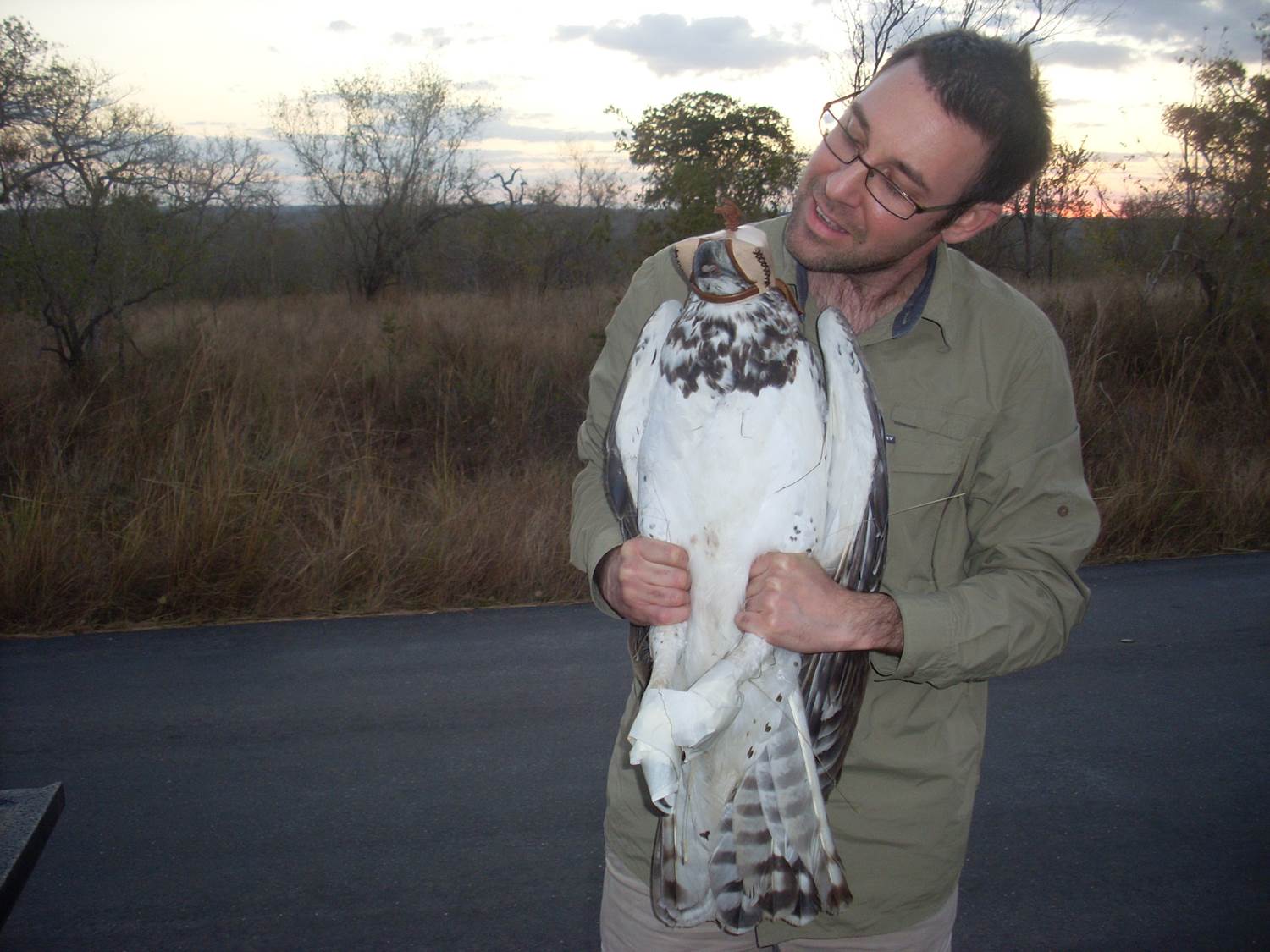 Arjun Amar合作论文数FitzPatrick Institute of African Ornithology,University of Cape Town32
 Francois Mougeot合作论文数Centre d'Etudes;Biologiques de Chize ´;Centre National de la Recherche Scientifique;Centre d'Etudes|Biologiques de Chize ´, Centre National de la Recherche Scientifique31
 Beatriz Arroyo合作论文数Instituto de Investigación en Recursos Cinegéticos (IREC, CSIC-UCLM-JCCM)29Simon Thirgood合作论文数27
 Juliette Young合作论文数Centre for Ecology & Hydrology, NERC20f leckie合作论文数17FIONA LECKIE合作论文数15
 Nils Bunnefeld合作论文数university of stirling15
 Darren M Evans合作论文数Centre for Ecology & Hydrology, NERC15
 Jesus Martinez-Padilla合作论文数14S. J. Thirgood合作论文数13
 Cp Mishra合作论文数Nature Conservation Foundation12
 Peter Hudson合作论文数Department of Biology, Eberly College of Science, The Pennsylvania State University;Huck Institutes of the Life Sciences, The Pennsylvania State University11
 Iain Gordon合作论文数Lincoln University11
 Kulbhushansingh Suryawanshi合作论文数10
 Aidan Keane合作论文数Global Change, School of GeoSciences, The University of Edinburgh9
 Robin Pakeman合作论文数School of Biological Science, University of Liverpool;The James Hutton Institute9
 Nathalie Pettorelli合作论文数Institute of Zoology, Zoological Society of London9
 Matthew Gompper合作论文数Department of Fish, Wildlife & Conservation Ecology, College of Agricultural, Consumer, and Environmental Sciences, New Mexico State University8
 Peter Dennis合作论文数8
 Res Altwegg合作论文数Institute of Zoology;University of Zürich;Institute of Zoology, University of Zürich8
 Todd E. Katzner合作论文数National Aviary Department of Conservation and Field Research, Allegheny Commons8
 R. J. Gutiérrez合作论文数Deparlment of Wildlife;Humboldt State University;Deparlment of Wildlife, Humboldt State University8
 Jason Matthiopoulos合作论文数Centre for Research into Ecological and Environmental Modeling, University of St. Andrews7
 Lorenzo Perez-Rodriguez合作论文数CSIC-UCLM-JCCM), IREC Instituto de Investigación en Recursos Cinegéticos7
 Rafael Villafuerte合作论文数Instituto de Investigación en Recursos Cinegéticos Ronda, CSIC-UCLM-JCCM)7
 Trenton W J Garner合作论文数Zoological Society of London Institute of Zoology7SHARON A. EVANS合作论文数6
 Saloni Bhatia合作论文数School of Geography and the Environment, University of Oxford6
 Xavier Lambin合作论文数The School of Biological Sciences, University of Aberdeen6
 Robert Justin Irvine合作论文数Department6
 James Pearce-Higgins合作论文数Department of Zoology, University of Cambridge;School of Biological Sciences, University of East Anglia6
 Pablo M. Vergara合作论文数Departamento de Ingeniería Geográfica, Universidad de Santiago de Chile6Johan Månsson合作论文数Department of Ecology, Swedish University of Agricultural Sciences6
 Stuart Piertney合作论文数School of Biological Sciences;University of Aberdeen;School of Biological Sciences, University of Aberdeen6David A. Elston合作论文数6Zachary Baynham-Herd合作论文数Univ Edinburgh, Edinburgh, Midlothian, Scotland5
 Grant Murray合作论文数Marine Science & Conservation, Nicholas School of the Environment, Duke University5Karen E Mock合作论文数Wildland Resources Department;Utah State University;Wildland Resources Department, Utah State University5
 Robbie Mcdonald合作论文数Food and Environment Research Agency5
 Anke Fischer合作论文数Socio-Economic Research Group, Macaulay Land Use Research Institute5n bayfield合作论文数4aly mccluskie合作论文数4
 John Skartveit合作论文数4BM Appleby合作论文数4Sonja C. Ludwig合作论文数4
 jorge ruiz ruiz合作论文数Instituto de Estudios Sociales Avanzados4
 George J F Swan合作论文数Environm & Sustainabil Inst, Univ Exeter4
 Isla Hodgson合作论文数Biological and Environmental Sciences, University of Stirling4




