ABSTRACT At the early endosome, cargos are sorted into subdomains; receptors destined for recycling to the plasma membrane are sorted into tubulovesicular structures that undergo fission and release cargo-laden vesicles that traffic along microtubules. Although branched actin has been implicated in the establishment/maintenance of endosomal membrane subdomains, its role in cargo segregation, fission, and recycling has not been extensively studied. Using inhibitors of formin-and ARP2/3-mediated actin assembly, we show that branched actin, but not linear actin, is required for endosome fission and receptor recycling. To examine the spatial relationship between actin and cargo, we transfected cells with constitutively active RAB5 Q79L to generate enlarged endosomes and demonstrated that internalized transferrin localized to discrete endosomal regions adjacent to branched actin. ARP2/3 inhibition disrupted this organization, resulting in broader cargo distribution on the endosomal membrane and coalescence of degradative and retrieval subdomains. Consistent with impaired endosomal sorting and fission, branched actin inhibition led to cargo accumulation. Our findings identify ARP2/3-mediated branched actin as a key regulator of cargo segregation, subdomain maintenance, and fission at the early endosome.
Endosome fission is essential for the generation of carrier vesicles and recycling of receptors to the plasma membrane. Early events in endosome fission depend on the generation of Arp2/3-mediated branched actin, which segregates cargo and constricts the endosomal membrane to form buds. It has been proposed that once membrane buds have been formed, branched actin attenuation is necessary for fission proteins, such as EHD1, to access the endosomal neck and complete the cleavage process. Whereas several proteins and complexes involved in actin growth at endosomes have been characterized, less is known about actin attenuation at endosomes. In our study, we identified MICAL2, a constitutively active actinregulatory monooxygenase, as a key regulator of endosomal fission, likely through its regulation of branched actin. MICAL2 depletion, or inhibition of its monooxygenase activity, resulted in a substantial increase in branched actin associated with endosomes. Moreover, we demonstrate that MICAL2 is required for both endosome fission and the recycling of clathrin-dependent cargo. Overall, our study highlights a novel role for MICAL2 in regulating actin at endosomes, thereby facilitating fission and recycling.
At the early endosome, cargos are sorted into subdomains; receptors destined for recycling to the plasma membrane are sorted into tubulovesicular structures that undergo fission and release cargo-laden vesicles that traffic along microtubules. Although branched actin has been implicated in the establishment and/or maintenance of endosomal membrane subdomains, its role in cargo segregation, fission and recycling has not been extensively studied. Using chemical inhibitors and siRNA knockdown to impede formin- and ARP2/3-mediated actin assembly, we show that branched actin, but not linear actin, is required for endosome fission and receptor recycling. To examine the spatial relationship between actin and cargo, we transfected cells with constitutively active RAB5 Q79L to generate enlarged endosomes and demonstrated that internalized transferrin localized to discrete endosomal regions adjacent to branched actin. ARP2/3 inhibition disrupted this organization, maintaining receptors at the endosome, resulting in broader cargo distribution on the endosomal membrane and coalescence of clathrin-dependent degradative cargo with clathrin-independent recycling cargo. Our findings identify ARP2/3-mediated branched actin as a key regulator of cargo segregation, subdomain maintenance and fission at the early endosome.
Eps15 homology domain-containing proteins comprise a conserved family of membrane-remodeling ATPases that regulate endocytic trafficking, membrane fission, receptor recycling, primary ciliogenesis and membrane dynamics across eukaryotes. Since the initial identification of EHD1 and its Caenorhabditis elegans homolog RME-1 as regulators of endocytic recycling, research over the past quarter century has expanded the functional scope of EHD proteins far beyond classical receptor return to the plasma membrane. In mammals, EHD1, EHD2, EHD3, and EHD4 occupy overlapping but distinct cellular locations and regulate diverse processes including tubular recycling endosome fission, caveolae stabilization, primary ciliogenesis, centrosome duplication, cytokinesis, mitochondrial homeostasis, lipid droplet biology, and lipophagy. These cellular functions are supported by extensive studies in cultured cells and animal models, including mice, zebrafish, flies, worms, and plants, highlighting both conserved and specialized roles for EHD orthologs. EHD dysfunction has also been associated with a broad range of human diseases, including metabolic and cardiovascular disorders, inflammatory and infectious disease, neurologic conditions, cancer, and ciliopathies. Although many disease links remain correlative or model-based, the recent identification of an EHD1 founder mutation causing proteinuria, hearing loss, and polycystic kidney disease provides direct genetic evidence connecting EHD dysfunction to human pathology. This review summarizes 25 years of EHD research, emphasizing how EHD proteins coordinate membrane trafficking, organelle remodeling, and disease-relevant cellular physiology.
The Eps15 Homology Domain protein-1 (EHD1) is an ATPase and key endocytic regulatory protein required for optimal receptor recycling, and primary ciliogenesis. Over the past decade, a central role for EHD1 has been identified in the fission of endosomes. Despite these findings, additional evidence has also pointed at a potential function of EHD1 in the regulation of microtubules. Herein, we demonstrate that EHD1 regulates the distribution of endosomes, and conversely, centrosome depletion alters EHD1 localization in cells. We show that endogenous EHD1 is found in a complex with various endogenous tubulins including TUBB3, TUBB1, α-tubulin and γ-tubulin, interactions that are independent of intact microtubules, and appear to be indirect. Depletion of key individual EHD1 interaction partners that are known to bind tubulin fail to impede EHD1-tubulin interactions, suggesting that either several proteins are capable of mediating EHD1's connection with microtubules, or that the bridging interaction partner remains to be identified. Functionally, EHD1 depletion leads to impaired microtubule regrowth and decreased end-binding protein displacement, suggesting a role for EHD1 in modulating microtubule plus-end dynamics. Finally, EHD1's role in microtubule regulation appears to be evolutionarily conserved, as single-cell stage C. elegans embryos with a dysfunctional EHD1/RME-1 protein displayed enhanced tubulin accumulation at metaphase spindle poles. Our findings strongly support a previously unaddressed role for EHD1 in microtubule regulation.
The primary cilium is a crucial signaling organelle that can be generated by most human cells, and impediments to primary ciliogenesis lead to a variety of developmental disorders known as ciliopathies. The removal of the capping protein, CP110, from the mother centriole is a key early step that promotes generation of the ciliary vesicle and ciliogenesis. Recent studies have demonstrated that CP110 undergoes polyubiquitination and degradation in the proteosome, but the mechanisms of unfolding and removal from the mother centriole remain unknown. Herein we demonstrate that p97/Valosin-containing protein (VCP or Cdc48), a member of the ATPase Associated with diverse Activities (AAA) protein family, is responsible for removal of CP110 from the mother centriole. We show that use of p97 knockdown or inhibition impairs ciliogenesis, in a mechanism dependent on CP110. Our findings demonstrate a novel role for p97 in the process of primary ciliogenesis, and support a mechanism by which ubiquitinated CP110 is degraded in a process that requires p97-mediated unfolding and removal from the mother centriole.
Recycling endosomes are essential for membrane trafficking, retrieving internalized cell surface receptors and lipids to the plasma membrane. In this study, we investigate the dynamics of tubular recycling endosomes (TREs) and their regulation. We demonstrate that TREs are highly dynamic structures that first undergo biogenesis and later fission upon internalization of CD98, a known clathrin-independent cargo. Our findings identify two new constituents and novel regulators of TRE function, CD2AP and CIN85, which are recruited to TRE through interactions with MICAL-L1 via their SH3 domains. Depletion of either CD2AP or CIN85 impairs recycling, demonstrating that these proteins play important roles in TRE function. Our study highlights the importance of coordinated protein interactions in maintaining endosomal function and identifies CD2AP and CIN85 as key regulators of the recycling pathway, potentially through their impact on the actin cytoskeleton. Understanding these mechanisms provides new insights into membrane trafficking and may have implications for diseases where endosomal recycling is disrupted.
ABSTRACT The primary cilium is an antenna-like projection from the plasma membrane that serves as a sensor of the extracellular environment and a crucial signaling hub. Primary cilia are generated in most mammalian cells, and their physiological significance is highlighted by the large number of severe developmental disorders or ciliopathies that occur when primary ciliogenesis is impaired. Primary ciliogenesis is a tightly regulated process, and a central early regulatory step is the removal of a key mother centriole capping protein, CP110 (also known as CCP110). This uncapping allows vesicles docked on the distal appendages of the mother centriole to fuse to form a ciliary vesicle, which is bent into a ciliary sheath as the microtubule-based axoneme grows and extends from the mother centriole. When the mother centriole migrates toward the plasma membrane, the ciliary sheath fuses with the plasma membrane to form the primary cilium. In this Review, we outline key early steps of primary ciliogenesis, focusing on several novel mechanisms for removal of CP110. We also highlight examples of ciliopathies caused by genetic variants that encode key proteins involved in the early steps of ciliogenesis.
Endosome fission is required for the release of carrier vesicles and the recycling of receptors to the plasma membrane. Early events in endosome budding and fission rely on actin branching to constrict the endosomal membrane, ultimately leading to nucleotide hydrolysis and enzymatic fission. However, our current understanding of this process is limited, particularly regarding the coordination between the early and late steps of endosomal fission. Here we have identified a novel interaction between the endosomal scaffolding protein, MICAL-L1, and the human homologue of the Drosophila Nervous Wreck (Nwk) protein, FCH and double SH3 domains protein 2 (FCHSD2). We demonstrate that MICAL-L1 recruits FCHSD2 to the endosomal membrane, where it is required for ARP2/3-mediated generation of branched actin, endosome fission and receptor recycling to the plasma membrane. Because MICAL-L1 first recruits FCHSD2 to the endosomal membrane, and is subsequently responsible for recruitment of the ATPase and fission protein EHD1 to endosomes, our findings support a model in which MICAL-L1 orchestrates endosomal fission by connecting between the early actin-driven and subsequent nucleotide hydrolysis steps of the process.
Despite their significance in receptor-mediated internalization and continued signal transduction in cells, early/ sorting endosomes (EE/SE) remain incompletely characterized, with many outstanding questions that surround the dynamics of their size and number. While several studies have reported increases in EE/SE size and number resulting from endocytic events, few studies have addressed such dynamics in a methodological and quantitative manner. Herein we apply quantitative fluorescence microscopy to measure the size and number of EE/SE upon internalization of two different ligands: transferrin and epidermal growth factor. Additionally, we used siRNA knock-down to determine the involvement of 5 different endosomal RAB proteins (RAB4, RAB5, RAB8A, RAB10 and RAB11A) in EE/SE dynamics. Our study provides new information on the dynamics of endosomes during endocytosis, an important reference for researchers studying receptor-mediated internalization and endocytic events.
Primary cilia are sensory organelles that coordinate diverse signaling pathways, controlling development and homeostasis. Progression beyond the early steps of ciliogenesis requires the removal of a distal end protein, CP110, from the mother centriole, a process mediated by Eps15 Homology Domain protein 1 (EHD1). We show that EHD1 regulates CP110 ubiquitination during ciliogenesis, and identify two E3 ubiquitin ligases, HECT domain and RCC1-like domain 2 (HERC2) and mindbomb homolog 1 (MIB1), that interact with and ubiquitinate CP110. We determined that HERC2 is required for ciliogenesis and localizes to centriolar satellites, which are peripheral aggregates of centriolar proteins known to regulate ciliogenesis. We reveal a role for EHD1 in the transport of centriolar satellites and HERC2 to the mother centriole during ciliogenesis. Taken together, our work showcases a mechanism whereby EHD1 controls centriolar satellite movement to the mother centriole, thus delivering the E3 ubiquitin ligase HERC2 to promote CP110 ubiquitination and degradation.
 Naslavsky Naava合作论文数81Naava Naslavsky合作论文数26
 Mahak Sharma合作论文数Department of Biochemistry and Molecular Biology, University of Nebraska Medical Center22
 Shuwei Xie合作论文数Department of Biochemistry and Molecular Biology and the Fred and Pamela Buffett Cancer Center, The University of Nebraska Medical Center16
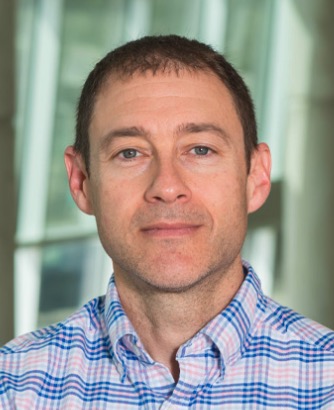 Paul Sorgen合作论文数Department of Biochemistry and Molecular Biology, College of Medicine, University of Nebraska Medical Center14
 Sai Srinivas P G合作论文数13J. Rahajeng合作论文数11Joyce Solheim合作论文数10
 Marko Jovic合作论文数Nicoya Lifesci Inc10
 Amit Tuli合作论文数Eppley Institute for Research in Cancer and Allied Diseases, University of Nebraska Medical Center9Trey Farmer合作论文数School of Medicine, University of Colorado Anschutz Medical Campus8
 Cai Bishuang合作论文数Dept Med, Columbia Univ8
 Michal Baniyash合作论文数8Fabien Kieken合作论文数8Bahl Kriti合作论文数the Fred and Pamela Buffett Cancer Center, The University of Nebraska Medical Center7
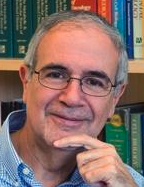 Juan S. Bonifacino合作论文数Section on Intracellular Protein Trafficking, Eunice Kennedy Shriver National Institute of Child Health and Human Development, National Institutes of Health7James B Reinecke合作论文数6Jing Zhang合作论文数6J. Reinecke合作论文数5Laura Simone合作论文数5
 Quanlong Lu合作论文数5LM Hartnell合作论文数4McIlhaney Mary M合作论文数4
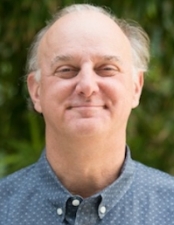 Peter K. Jackson合作论文数Baxter Laboratory for Stem Cell Biology, Department of Microbiology & Immunology, School of Medicine, Stanford University;Department of Pathology, School of Medicine, Stanford University4Haley L. Capek合作论文数4
 Debora Rapaport合作论文数4
 Mia Horowitz合作论文数Department of Cell Research and Immunology, Faculty of Life Sciences, Tel Aviv University4C. J. Westlake合作论文数3
 Kanika Dhawan合作论文数3
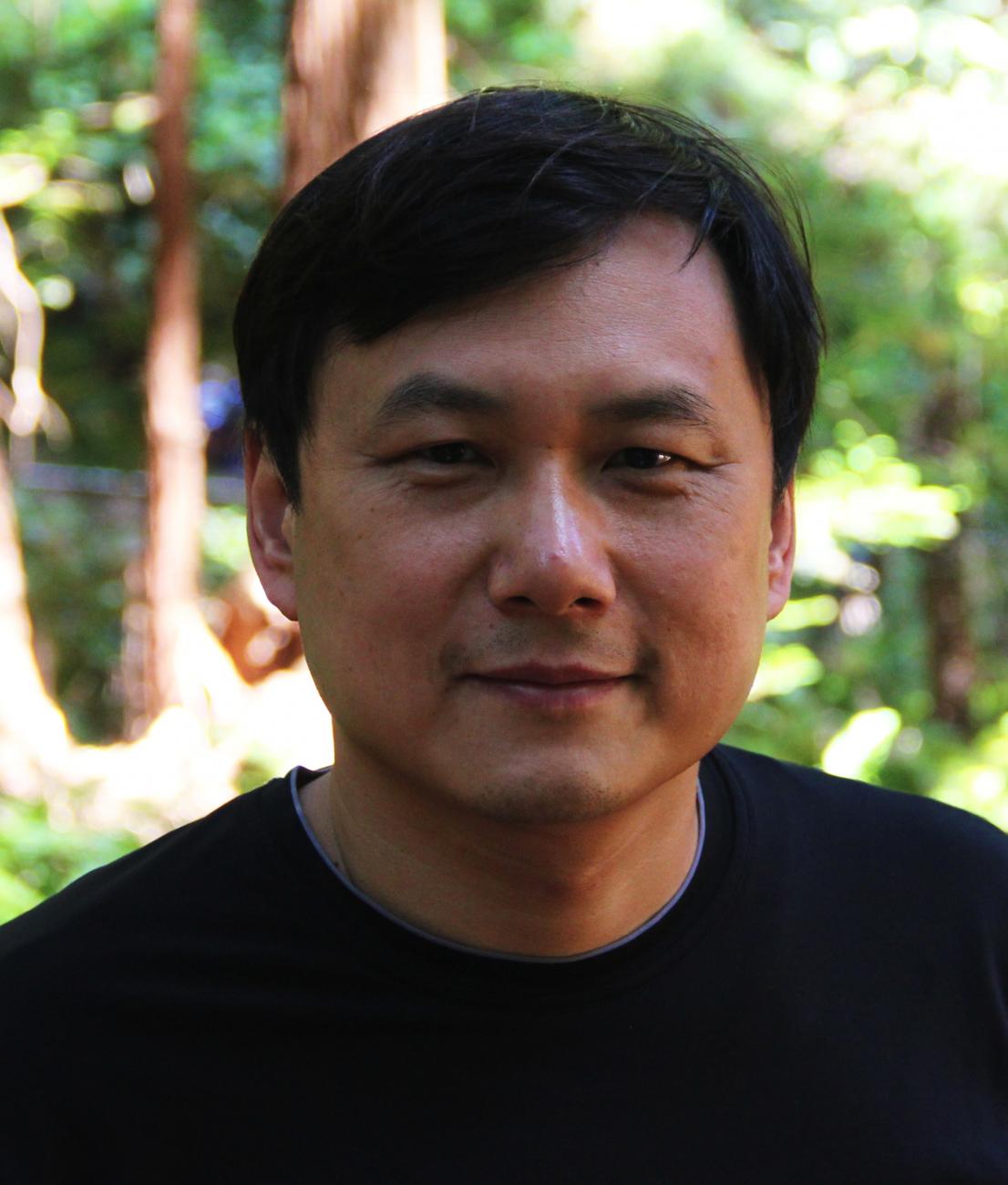 Wei Guo合作论文数Department of Biology, School of Arts & Sciences, University of Pennsylvania3
 Calliste Reiling合作论文数3
 Gaelle Spagnol合作论文数3
 James E. Talmadge合作论文数Department of Pathology and Microbiology, College of Medicine, University of Nebraska Medical Center3Xiaojian Wang合作论文数3
 Luis A Marky合作论文数3
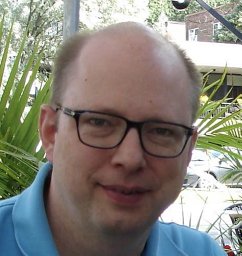 Robert Lodge合作论文数Centre Hospitalier de l'Université Laval, Université Laval3Barth D. Grant合作论文数Department of Molecular Biology and Biochemistry, Rutgers University3D. Katafiasz合作论文数2Caitlin O McAtee合作论文数2J. A. Schmidt合作论文数2Ec Dell'Angelica合作论文数2
 Wojtek Auerbach合作论文数2D Henderson合作论文数2Gh Patterson合作论文数2V Skalski合作论文数2Mj Wheelock合作论文数2Tyler Jones合作论文数2B. Cai合作论文数2




