Background The dose escalation phase of a first-in-human (FIH) study demonstrated acceptable safety and preliminary antitumor activity of fianlimab (anti-lymphocyte activation gene-3 [LAG-3]) as monotherapy and in combination with cemiplimab (anti-programmed cell death-1 [PD-1]). Here, the authors present safety and clinical activity data from the dose-expansion portion of the FIH study in patients with advanced non-small cell lung cancer (NSCLC), clear cell renal cell carcinoma (ccRCC), head and neck squamous cell carcinoma (HNSCC), and cutaneous squamous cell carcinoma (CSCC).Methods Anti-PD-1/PD-L1 naive (N) or experienced (E) patients with advanced NSCLC, ccRCC, HNSCC, and CSCC were enrolled in this phase 1 study (NCT03005782). Patients received fianlimab 1600 mg plus cemiplimab 350 mg intravenously every 3 weeks for up to 24 months. The primary end point was the objective response rate (ORR) per RECIST 1.1.Results Investigator-assessed ORR was 27% in NSCLC-N (four partial responses [PRs]), 7% in NSCLC-E (one PR), 20% in ccRCC-N (three PRs), 7% in ccRCC-E (one PR), 33% in HNSCC-N (five PRs), 7% in HNSCC-E (one PR), and 20% CSCC-E (two complete responses; one PR). The most common treatment-related treatment-emergent adverse events among patients across all cohorts were fatigue (15%), rash (12%), pruritus (10%), infusion-related reaction (10%), and adrenal insufficiency (10%).Conclusions Fianlimab plus cemiplimab demonstrated modest clinical efficacy with an acceptable safety profile in patients with advanced malignancies across several tumor types mostly in treatment-naive patients. Further investigation is warranted.
6038 Background: Concurrent blockade of LAG-3 may enhance efficacy of anti–PD-1 therapies. We present safety and clinical activity data from a Phase 1 study in patients (pts) with head and neck squamous cell carcinomas (HNSCC) treated with anti–LAG-3 (fianlimab) + anti–PD-1 (cemiplimab). Methods: Two expansion cohorts of adult pts with recurrent and/or metastatic HNSCC with no curative options who were anti–PD-1/PD-L1-naïve (cohort 11) or anti–PD-1/L1-experienced with most recent dose within 3 months (mos) prior to screening (cohort 12) were enrolled. All pts received fianlimab 1600 mg + cemiplimab 350 mg intravenously every 3 weeks (wks) for up to 24 mos. Tumor measurements were performed every 6 wks for 24 wks, then every 9 wks. Results: 15 pts each in cohort 11 and 12 (total N=30; median age: 69 years) were enrolled and treated with fianlimab + cemiplimab as of 04 Oct 2023 data cutoff.For cohorts 11 and 12 respectively, 80% and 87% of pts were male, and 53% and 80% were White. All pts had prior cancer-related systemic therapy. 33% (5/15) and 87% (13/15) of pts in cohorts 11 and 12 had ≥2 lines of prior therapies, respectively. For cohorts 11 and 12, median treatment duration was 12 wks (mean: 41 wks) and 13 wks (mean: 24 wks), and median follow-up was 12 mos and 10 mos, respectively. Grade ≥3 treatment-emergent adverse events (TEAEs) occurred in 47% of pts each in cohorts 11 and 12. Serious TEAEs occurred in 13% and 20% of pts in cohorts 11 and 12, respectively. Treatment-related TEAEs (TRAEs) were reported in 67% of pts in cohorts 11 and 53% of pts in cohort 12. The most common TRAEs (any grade) were hypothyroidism (33%) in cohort 11; and fatigue (20%) and pneumonitis (20%) in cohort 12. Grade ≥3 TRAEs occurred in 7% of pts in cohorts 11 and 13% of pts in cohorts 12. Treatment-related immune-related AEs were reported in 47% and 40% of pts in cohorts 11 and 12, respectively. Treatment was discontinued due to any TEAE in 2 pts in cohort 12. In cohort 12, there was one death due to grade 5 respiratory failure attributable to aspiration pneumonia. RECIST 1.1-based investigator-assessed objective response rate (ORR) was 33% (5 partial responses [PRs]) in cohort 11 and 7% (1 PR) in cohort 12. The disease control rate (DCR) was 47% and 67% in cohorts 11 and 12, respectively. Kaplan–Meier estimation of median progression-free survival was 2 mos (95% CI, 1–14) in cohort 11 and 4 mos (95% CI, 1–7) in cohort 12 pts. Duration of responses were 17, 10, 20, 22, and 20 mos in 5 responders in cohort 11; and 32 mos in 1 responder in cohort 12. Estimated event-free probability at 12 month was 33% (95% CI, 12–56) in cohort 11 and 16% (95% CI, 3–40) in cohort 12 pts. Conclusions: Fianlimab + cemiplimab in pts with HNSCC showed signs of clinical activity with durable responses among pts with anti–PD-1/PD-L1-naïve (cohort 11) and anti–PD-1/L1-experienced (cohort 12), with an acceptable safety profile which warrants further investigation. Clinical trial information: NCT03005782 .
Analysis of T-cell subset proliferation subsequent to initiation of fianlimab as monotherapy or in combination with cemiplimab in (A) CD4 effector memory T cells and (B) CD8 effector memory T cells. Representative dot plots of CD4 and CD8+ T-cell memory subpopulations expressing Ki67+, LAG3+, HLA-DR+, PD-1+, or PD-L1+. Pharmacodynamic assay data from the 40 mg/kg dose cohort could not be generated due to poor quality of samples. DL, dose level; IV, intravenous; Q3W, every 3 weeks.
A, Clinical activity and (B) changes to target lesion over time in patients treated with fianlimab plus cemiplimab. Figure only includes patients who had both baseline and postbaseline target lesion assessments; not all patients had these assessments–therefore some patients may not be shown in this figure. Seven patients (7/47, 14.9%) were not evaluated in this treatment group. DL, dose level; IV, intravenous; Q3W, every 3 weeks; SOD, sum of diameters.
A, Clinical activitya and (B) changes to target lesion over time in patients treated with monotherapy to combination therapy. aBest overall response is calculated on the basis of tumor change from the start of combination treatment. bTumor response for this patient was calculated as the best change in tumor size from the start of combination therapy. Triangles denote the last tumor assessment on fianlimab monotherapy. Figure only includes patients who had both baseline and postbaseline target lesion assessments; not all patients had these assessments—therefore some patients may not be shown in this figure. Three patients (3/16, 18.8%) were not evaluated in this treatment group. DL, dose level; IV, intravenous; Q3W, every 3 weeks; SOD, sum of diameters.
373 Background: Cabo is a multi-tyrosine kinase inhibitor harboring anti-VEGFR2, MET, AXL, MER and TYRO3 activity. Immunomodulatory and synergistic anti-tumor activity of cabo in combination with PD-1/L1 inhibitors have been demonstrated preclinically and in prior studies in various solid tumors. The phase Ib gastrointestinal (GI) basket CAMILLA trial evaluating cabo + durva confirmed manageable toxicity and anti-tumor activity, leading to the expansion into a multi-cohort phase 2 study. Herein, we report the results of the phase II G/E adenocarcinoma cohort. Methods: Patients (Pts) enrolled in the phase II G/E adenocarcinoma cohort were administered cabo + durva at the RP2D of 40mg QD and 1500mg IV Q4W respectively. Enrolled pts must have progressed on >1 line(s) of systemic therapy. Prior exposure to PD-1/L1 inhibitors was allowed. Those with HER2 positive disease must have progressed on anti-HER2 therapies. The primary outcome was objective response rate (ORR). Secondary outcomes were treatment-related adverse events (TRAEs), disease control rate (DCR), progression free survival (PFS), and overall survival (OS). Exploratory subgroup analyses were conducted in PD-L1 CPS >5. Results: 31 patients were enrolled, with 29 patients evaluable for efficacy. The median age was 61 years (range 32-79). 86% had an ECOG performance status of one. 48% had ≥ 2 prior lines of systemic therapies (range 1-4). Of the 29 pts evaluable for efficacy, 6 pts had confirmed objective responses (5 PR + 1 CR = ORR 20.69%). The most common TRAEs were fatigue (65%), anorexia (58%), elevated liver enzymes (39%), and diarrhea (35%). Grade >3 TRAEs occurred in 19% of pts. Grade >3 immune-related adverse events (irAE) rate was 6%. DCR was 86.2% (25/29). Median PFS and OS were 4.4 (95% confidence interval (CI) 2.2-5.4) and 5.6 months (95% CI 3.6-8.3) respectively. In patients with PD-L1 CPS >5 (12/29), ORR was 25%, and median PFS and OS were 5.5 months (95% CI 1.8-12.4) and 19.3 months (95% CI 2.3-28.2) respectively. Conclusions: Cabo + durva showed anti-tumor activity and manageable toxicity in advanced chemotherapy refractory G/E adenocarcinoma. Further evaluation in patients with high PD-L1 CPS ≥ 5 is warranted in a future randomized trial. Clinical trial information: NCT03539822 .
PURPOSE:Preclinical data indicate that fianlimab (antilymphocyte activation gene-3) plus cemiplimab (anti-PD-1) enhances antitumor activity. Here, we report prespecified final analyses of the dose-escalation part of a first-in-human, phase 1 study (NCT03005782) of fianlimab as monotherapy and in combination with cemiplimab in patients with advanced malignancies. PATIENTS AND METHODS:Adult patients received 1 to 40 mg/kg of fianlimab plus 350 mg of cemiplimab every 3 weeks (Q3W) across various dose-escalation schedules. Primary objectives were the rate of dose-limiting toxicities, adverse events (including immune mediated), deaths, laboratory abnormalities, and pharmacokinetics. Secondary outcomes were objective response rate, best overall response, duration of response, and antidrug antibody variables. RESULTS:Seventy-eight patients were enrolled (fianlimab + cemiplimab, n = 47; fianlimab monotherapy, n = 31). One patient treated with 3 mg/kg fianlimab + cemiplimab experienced dose-limiting toxicities, including increased blood creatine phosphokinase and myasthenic syndrome. No maximum tolerated dose was reached. Any-grade treatment-emergent adverse events occurred in 90% of patients with fianlimab monotherapy, in 87% of patients with fianlimab + cemiplimab, and in 87% of patients who transitioned from monotherapy to combination therapy. Fianlimab pharmacokinetics were dose proportional and similar in monotherapy and combination therapy. Across patients who received fianlimab + cemiplimab, five achieved a partial response, three of whom experienced a response after transitioning from monotherapy to combination therapy. Fianlimab 1,600 mg Q3W (20 mg/kg in an 80-kg individual) is the selected dose for phase 2 and phase 3 studies. CONCLUSIONS:Fianlimab as monotherapy and in combination with cemiplimab demonstrated acceptable safety and preliminary antitumor activity, which is generally consistent with previous reports of cemiplimab.
Background Previous studies have established that higher baseline quality of life (QOL) scores are associated with improved survival in patients with metastatic colorectal cancer (mCRC). We examined the relationship between overall survival (OS) and baseline QOL. Patients and Methods A total of 1 247 patients with mCRC participating in N9741 (comparing bolus 5-FU/LV, irinotecan [IFL] vs infusional 5-FU/leucovorin [LV]/oxaliplatin [FOLFOX] vs. irinotecan/oxaliplatin [IROX]) provided data at baseline on overall QOL using a single-item linear analogue self-assessment (LASA) 0–100 point scale. The association of OS according to clinically deficient (defined as CD-QOL, score 0–50) vs not clinically deficient (nCD-QOL, score 51–100) baseline QOL scores was tested. A multivariable analysis using Cox proportional hazards modeling was performed to adjust for the effects of multiple baseline factors. An exploratory analysis was performed evaluating OS according to baseline QOL status among patients who did or did not receive second-line therapy. Results Baseline QOL was a strong predictor of OS for the whole cohort (CD-QOL vs nCD-QOL: 11.2 months vs 18.4 months, P < .0001), and in each arm IFL 12.4 vs 15.1 months, FOLFOX 11.1 months vs 20.6 months, and IROX 8.9 months vs 18.1 months. Baseline QOL was associated with baseline performance status (PS) ( P < .0001). After adjusting for PS and treatment arm, baseline QOL was still associated with OS ( P = .017). Conclusions Baseline QOL is an independent prognostic factor for OS in patients with mCRC. The demonstration that patient-assessed QOL and PS are independent prognostic indicators suggests that these assessments provide important complementary prognostic information.
329 Background: Surgical rection is the only potentially curative intervention for locally advanced adenocarcinoma of esophagus, GEJ and stomach. Results from various studies have demonstrated the benefits of perioperative treatment including neoadjuvant and adjuvant chemotherapy or chemoradiation, however, there is lack of universally accepted standard. Recent data demonstrated the benefit of immune checkpoint inhibitor in adjuvant setting in patients who had pre-operative chemoradiation. This single arm phase 2 trial is aimed to evaluate efficacy and safety of pembrolizumab, an immune checkpoint inhibitor, in combination with mFOLFOX in patients with potentially resectable adenocarcinoma of distal esophagus, GEJ and stomach with the primary objectives of pathological response rate (ypRR with tumor regression score, TRS ≤ 2). We are reporting the preliminary analyses while the study nears completion. Methods: Patients with newly diagnosed locally advanced (T1N1-3M0 or T2-3NanyM0), potentially resectable adenocarcinoma of distal esophagus, GEJ and stomach by PET, EUS, CT C/A/P and staging laparoscopy were treated with pre-operative mFOLFOX6 (oxaliplatin 85mg/m2, Leucovorin 400mg/m2, 5-FU bolus 400mg/m2, and 5-FU 2400mg/m2 infusion every 2 weeks) for 4 cycles and pembrolizumab (200 mg IV q3week) for 3 cycles. Patients with no evidence of metastatic disease by PET and CT C/A/P who are eligible for resection underwent surgery. Post-operative treatment consisted of 4 cycles of mFOLFOX and 13 cycles of pembrolizumab 4-8 weeks postoperatively. Results: Of 35 patients enrolled (age range 44-86, mean of 65 years; with male:female of 28:7), 33 finished preoperative treatment, 26 had curative intended operations with R0 resection for all, 1 is pending for surgery, and 2 are still on pre-operative treatment. 5 of 26 pts achieved ypCR (19% regression score of 0). All except 2 patients (24/26, 92%) had shown pathologic response to the treatment with TRS ≤ 2. 23/26 (88%) finished post-operative treatment. 20 patients completed all planned treatment with an average follow-up of 22.7 months. Amount them, 2 patients had recurrence/ metastatic disease (at 9 and 10 months, respectively) with 1 died 23.3 months from enrollment, and the rest are all free of disease. G3/4 toxicities were reported in 19 of all 35 treated patients. There were no unexpected toxicities. Conclusions: The combination of FOLFOX and pembrolizumab as peri-operative (pre- and post-operative) therapy in patients with locally advanced adenocarcinoma of distal esophagus, GEJ and stomach is safe and preliminary benefit data are very encouraging with ypRR of 92% and ypCR of 19% and supporting the combination of chemotherapy and Immune checkpoint inhibitor at perioperative setting. Clinical trial information: NCT03488667.
BackgroundIbrutinib, a first-in-class inhibitor of Bruton's tyrosine kinase, is approved for the treatment of various B-cell malignancies and chronic graft-versus-host disease. Based on encouraging preclinical data, safety and efficacy of ibrutinib combined with companion drugs for advanced renal cell carcinoma (RCC), gastric/gastroesophageal junctional adenocarcinoma (GC), and colorectal adenocarcinoma (CRC) were evaluated.MethodsIbrutinib 560 mg or 840 mg once daily was administered with standard doses of everolimus for RCC, docetaxel for GC, and cetuximab for CRC. Endpoints included determination of the recommended phase 2 dose (RP2D) of ibrutinib in phase 1b and efficacy (overall response rate [ORR] for GC and CRC; progression-free survival [PFS] for CRC) in phase 2.ResultsA total of 39 (RCC), 46 (GC), and 50 (RCC) patients were enrolled and received the RP2D. Safety profiles were consistent with the individual agents used in the study. Confirmed ORRs were 3% (RCC), 21% (GC), and 19% (CRC). Median (90% CI) PFS was 5.6 (3.9-7.5) months in RCC, 4.0 (2.7-4.2) months in GC, and 5.4 (4.1-5.8) months in CRC.ConclusionsClinically meaningful increases in efficacy were not observed compared to historical controls; however, the data may warrant further evaluation of ibrutinib combinations in other solid tumours.Trial registrationClinicalTrials.gov, NCT02599324.
PURPOSE:Three agents with differing mechanisms of action are available for treatment of advanced colorectal cancer: fluorouracil, irinotecan, and oxaliplatin. In this study, we compared the activity and toxicity of three different two-drug combinations in patients with metastatic colorectal cancer who had not been treated previously for advanced disease. PATIENTS AND METHODS:Patients were concurrently randomly assigned to receive irinotecan and bolus fluorouracil plus leucovorin (IFL, control combination), oxaliplatin and infused fluorouracil plus leucovorin (FOLFOX), or irinotecan and oxaliplatin (IROX). The primary end point was time to progression, with secondary end points of response rate, survival time, and toxicity. RESULTS:A total of 795 patients were randomly assigned between May 1999 and April 2001. A median time to progression of 8.7 months, response rate of 45%, and median survival time of 19.5 months were observed for FOLFOX. These results were significantly superior to those observed for IFL for all end points (6.9 months, 31%, and 15.0 months, respectively) or for IROX (6.5 months, 35%, and 17.4 months, respectively) for time to progression and response. The FOLFOX regimen had significantly lower rates of severe nausea, vomiting, diarrhea, febrile neutropenia, and dehydration. Sensory neuropathy and neutropenia were more common with the regimens containing oxaliplatin. CONCLUSION:The FOLFOX regimen of oxaliplatin and infused fluorouracil plus leucovorin was active and comparatively safe. It should be considered as a standard therapy for patients with advanced colorectal cancer.
4156 Background: Targeting a molecular subset of pancreatic cancer (PC) may identify alternatives to perpetual chemotherapy and chemo-resistance/toxicity. Poly (ADP ribose) polymerase inhibitors (PARPi) have shown efficacy in germline BRCA mutation via synthetic lethality. Preclinical evidence suggests PARPi may target DNA repair defects beyond BRCA. We conducted a Niraparib phase II study in PC patients with germline/somatic DNA repair defects. Methods: This is an open-label, phase 2 trial in pts with locally advanced or metastatic PC with germline or somatic mutations , known or tested after consent to pre-screening tumor tissue analysis in DNA repair genes (BRCA1/2, PALB2, ATM, NBN, ATR, BRIP1, IDH1/2, RAD51, RAD51B/C/D, RAD54L, CDK12, BARD1, FAM175A, BAP1, CHEK1/2, GEN1, MRE11A, XRCC2, SHFM1, FANCD2, FANCA, FANCC, FANCG, RPA1, ARID1A), who have progressed on or intolerant of at least one line of therapy, no prior PARPi, with evaluable disease, and ECOG PS 0-1. Eligible pts were treated with Niraparib 300mg or 200mg PO daily for 28 days (1 cycle = 28 days) (200mg dose for baseline weight is < 77 kg or baseline platelet count is < 150,000 µL) until disease progression, unacceptable toxicity, investigator decision, withdrawal of consent, or death. The primary objective was 6-month PFS rate. The secondary objectives were OS, DCR and safety. Pts were evaluable for safety if they had received > 1 dose of Niraparib and for efficacy if they had also received > 1 follow-up imaging study. Results: As of Feb 2023, 36 (13 female, 23 male) pts were enrolled, with a mean age of 62.9 (median 64, IQR 51-73, min 41, max 83, SD 11.25), of whom 27 (8 female, 19 male) were evaluable for efficacy. After a median follow-up of 9.0 months (IQR 6.0-15.1 m), the 6-month PFS rate was 40.7% (11/27 pts; 95% CI 4.7%- 100 %). The median PFS is 4.4 m (CI 2.3 - 6.5 m), and median OS is 9.1 m (7.5 -15.1 m). The disease control rate at 8 weeks was 70.4% (19 of 27 pts; 95% CI 49.8%-86.3%). Of the 27 evaluable pts- BRCA2 mutation was seen in 10 pts, ATM (5), CHEK2 (5), BRCA1 (2), NBN (2), ARID1A (1), FANCA (1), FAM175 A (1), RAD51B (1), IDH1 (1), IDH2 (1). Among 36 pts evaluable for safety, treatment-related adverse events occurred in 75% (27/36), and Grade 3 and grade 4 treatment-related adverse events occurred in 31% (11/36). The most common treatment-related AEs were anemia (25%, 9/36), nausea (22%, 8/36), thrombocytopenia (19%, 7/36), vomiting (19%, 7/36), and fatigue (17%, 6/36). Serious treatment-emergent adverse events were reported in 11% (4/36). There were no treatment-related deaths. Conclusions: In previously treated pts with locally advanced and metastatic PC harboring DNA repair defects, niraparib monotherapy yielded a 6-month PFS rate of 40%, median PFS of 4.4 months, and median OS of 9.1 months. Clinical trial information: NCT03553004 . [Table: see text]
 Joaquina C. Baranda合作论文数Medical Oncology Division, Department of Internal Medicine, The University of Kansas Medical Center25
 Anup Kasi合作论文数Department of Medicine, Kansas University Medical Center;Kansas University Cancer Center;Kansas University Medical Center, Kansas University Cancer Center23
 Andrew K. Godwin合作论文数Division of Genomic Diagnostics, University of Kansas Medical Center;Center for Genetic Services and Health Equity, University of Kansas Medical Center;Kansas Institute for Precision Medicine, University of Kansas Medical Center22
 David R. Gandara合作论文数Department of Internal Medicine, UC Davis Comprehensive Cancer Center22
 John Crowley合作论文数School of Public Health, Oregon Health and Science University21
 Anwaar Saeed合作论文数19
 Weijing Sun合作论文数堪萨斯大学医院17
 Raed Al-Rajabi合作论文数Department of Internal Medicine, University of Kansas Medical Center16Kelly Karen合作论文数16
 Daniel Sargent合作论文数Mayo Clinic16
 Charles S. Fuchs合作论文数Genentech and Roche;EvolveImmune Therapeutics16
 Ramesh Ramanathan合作论文数ZielBio, Inc.15Gregory A. Reed合作论文数Department of Chemistry, Wayne State University15Jayakumar Mani合作论文数13
 Roscoe F. Morton合作论文数CHRISTUS St. Vincent;Mission Cancer + Blood;Navigating Care, Inc.13Lara Primo N合作论文数12Chen Shuquan合作论文数12Peter J. Van Veldhuizen合作论文数12
 Milind Phadnis合作论文数Gastroenterology-Hepatology, University of Alabama at Birmingham12Qamar J Khan合作论文数11Lowy Israel合作论文数11
 Richard M Goldberg合作论文数Department of Medicine, School of Medicine, West Virginia University;Cancer Institute, West Virginia University11Vladimir Jankovic合作论文数10Papadopoulos Kyriakos P合作论文数10S. Masinde合作论文数9Stephanie LaFaver合作论文数9Priyanka Sharma合作论文数9
 Bruce F. Kimler合作论文数Department of Radiation Oncology, University of Kansas Medical Center9
 Philip C. Mack合作论文数Division of Hematology & Oncology, University of California Davis Cancer Center9
 Anne Paccaly合作论文数9
 Nehal J. Lakhani合作论文数START Research9Glenn Kroog合作论文数8Ding Wang合作论文数8
 Giuseppe Gullo合作论文数St Vincent's University Hospital8B. P. Findlay合作论文数8
 Afshin Dowlati合作论文数Department of Medicine, School of Medicine, Case Western Reserve University;University Hospitals8
 Tasha Sims合作论文数Department of Medical Microbiology & Immunology, University of Alberta8
 Howard L. McLeod合作论文数Center for Precision Medicine & Functional Genomics, Utah Tech University;Clarified Precision Medicine8Robert B. Livingston合作论文数8Brian P. Findlay合作论文数7Karissa Finke合作论文数7Anne O'Dea合作论文数7Jaimie Heldstab合作论文数7
 Chao Huang合作论文数Shanghai Key Lab Artificial Intelligence Med Imag, Shanghai 200051, Peoples R China7
 Robin Park合作论文数Division of Hematology and Medical Oncology, Moffitt Cancer Center7
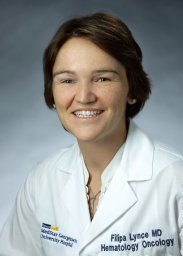 Lynce Filipa合作论文数Medstar Washington Hospital Center, Washington Cancer Institute7
 Harsh B Pathak合作论文数7
 Vandana G. Abramson合作论文数Division of Hematology/Oncology, Department of Medicine, Vanderbilt University Medical Center;Vanderbilt-Ingram Cancer Center, Vanderbilt University Medical Center7Pessetto Ziyan Y合作论文数Department of Pathology and Laboratory Medicine, University of Kansas Medical Center7




