PURPOSE:To quantify facility-level variation in cardiac rehabilitation (CR) completion among Medicare beneficiaries after major cardiovascular procedures. METHODS:We analyzed Medicare fee-for-service claims for beneficiaries discharged alive after common cardiovascular procedures between July 2016 and December 2018. Beneficiaries were attributed to CR facilities via the national provider identifier on CR claims. Facilities with <20 patients were excluded. CR completion was defined as finishing 36 sessions within 1 year of hospital discharge. Hierarchical logistic regression estimated risk-adjusted facility completion rates, adjusting for demographics, procedure, clinical complexity, and clustering between facilities. The model cluster-level variance informed the median OR to quantify the between-facility variation in CR completion. Bivariate analyses compared risk-adjusted completion across urbanicity, facility-volume quartiles, US census region, and local community distress. RESULTS:Among 183 888 beneficiaries who attended ≥1 CR session across 2194 facilities, the mean ± SD number of sessions attended was 25.6 ± 12.4, with 53 558 (29%) completing CR. Risk-adjusted facility-level completion rates ranged from 0% to 90.9% (median: 32.9%; IQR: 18.7%, 44.9%). After adjusting for patient factors, the median OR for CR adherence between facilities was 2.34 (95% CI, 2.26-2.43), indicating a facility-level difference in completion independent of patient mix. Completion did not differ significantly by urbanicity or facility volume but varied by region and level of community distress (P < .001). CONCLUSIONS:Completion of CR varies widely across facilities and is highly facility-dependent, indicating opportunities for quality improvement.
BACKGROUND:Frailty before cardiovascular procedures is associated with poorer outcomes. While underutilized, cardiac rehabilitation (CR) is guideline-recommended for patients undergoing cardiovascular procedures and may help mitigate the effects of frailty. This study evaluated the association between preprocedural frailty and CR use, as well as the interaction of frailty and CR use on 1-year mortality. METHODS:Medicare fee-for-service claims were queried for patients undergoing percutaneous or surgical revascularization or aortic valve replacement between July 2016 and December 2018. Patients who experienced mortality during the index admission or within 30 days of discharge were excluded. Patients were stratified into quartiles (Q1-Q4) using the validated claims-based frailty index (CFI). CR use was defined as attending any CR session within 1 year of discharge. Unadjusted comparisons and multivariable analyses were used to evaluate the relationship between frailty and CR use (CFI-Q4 versus CFI-Q1). An inverse probability treatment weighting model was used to determine if there was an interaction between CR, frailty, and 1-year mortality. RESULTS:Overall CR use among the 501 049 beneficiaries was 37.7%; the average age was 75.9 years (SD, 7.3), and 37.0% were female. Increasing frailty was associated with decreased CR use (CFI-Q1: 49.7%, CFI-Q2: 42.2%, CFI-Q3: 35.3%, and CFI-Q4: 23.7%; P<0.001; adjusted odds ratioCFI-Q4 versus CFI-Q1, 0.63 [95% CI, 0.62-0.64]). Unadjusted 1-year mortality was higher with increasing frailty (CFI Q1: 2.5%, CFI-Q2: 5.1%, CFI-Q3: 9.0%, and CFI Q4: 16.9%; P<0.001). After adjustment, the reduction in mortality associated with CR use was greater among frailer patients relative to less frail patients (CFI-Q4: 9.2% and CFI-Q1: 1.7%; P<0.001). CR use was associated with a significantly reduced association between CFI and 1-year mortality (P<0.001). CONCLUSIONS:Preprocedural frailty is associated with lower CR use despite greater absolute benefits on 1-year mortality. Increasing CR use of frail Medicare beneficiaries may reduce 1-year mortality after cardiac interventions.
PURPOSE:Cardiac rehabilitation (CR) could be an important opportunity for optimization of guideline-directed medical therapies (GDMT) for patients with heart failure with reduced ejection fraction (HFrEF). We set out to describe GDMT prescribing among enrollees in CR with HFrEF. METHODS:We queried the electronic health record of an academic medical center and identified patients with HFrEF who attended CR between 2016 and 2023. We defined CR cycles as at least 6 CR sessions with fewer than 6 months between sessions. Using a validated algorithm, we generated medication optimization scores (MOS, 0%-100% optimized) at the first and final CR session. The algorithm's input included GDMT, New York Heart Association classification, systolic blood pressure, heart rate, creatinine, potassium, allergies, and race. Wilcoxon Signed-Rank analysis was used to compare MOS. RESULTS:A total of 172 CR cycles were completed by 152 patients (64% male, 78% White, 67.5 ± 12.1 years old). Mean sessions per CR cycle was 26.4 ± 10.6. At the end of CR, 85 (49%) patients were on a beta-blocker, 84 (49%) a renin-angiotensin-aldosterone inhibitor, and 31 (18%) a mineralocorticoid receptor antagonist. Accounting for contraindications, patients were eligible for initiation or uptitration of at least 1 GDMT class after 84% of cycles. Median MOS at the start of CR was 39% (IQR: 14, 57) and 35% (IQR: 14, 57) at the end of CR ( P = .90). CONCLUSION:GDMT utilization among patients with HFrEF in CR is suboptimal. There is a substantial opportunity to develop and validate strategies to improve GDMT prescribing during CR.
PURPOSE:An internship experience is vital in the training of clinical exercise physiologists (CEP), yet the availability and scope of clinical exercise internships throughout the United States have not been described. We evaluate the availability and scope of clinical exercise internship programs throughout the United States. METHODS:Using a survey-based study design, we recruited clinicians (eg, CEP, nurses, respiratory therapists) via email to complete a 31-question survey covering facility characteristics, internship availability and scope, and knowledge/skills needed to work as a CEP. RESULTS:Of the 295 completed surveys, 74% of the respondents, representing 42 US states, reported offering a clinical exercise internship. Among sites offering an internship, 88% included a pre-internship interview, while a few (7%) included a quiz (eg, electrocardiogram, cardiac medications) for evaluating potential student interns. Internship sites reported supervising 4 ± 3 interns annually, 41% included stress testing (96 ± 124 hours), 49% included Phase I experience (55 ± 81 hours), and 95% included Phase II experience (245 ± 134 hours). Additionally, 91% of the sites included other learning opportunities, including developing individualized treatment plans (83%) and working in pulmonary rehabilitation (71%), weight management programs (59%), human performance testing (16%), and exercise oncology (13%). Overall, 88% of all 295 respondents strongly agreed that a clinical internship experience is vital for training future CEP. CONCLUSION:Our survey data suggest that clinical internships for future CEP are felt to be an important part of student training, and most (95%) internship program settings surveyed include direct patient care experience in cardiac rehabilitation.
Introduction:A prominent symptom of post-acute sequelae of SARS-CoV-2 infection (i.e., Long COVID) is exercise intolerance with or without post-exertional malaise (PEM). PEM is characterized by the worsening of both symptoms and function following even minor physical or mental exertion, with symptoms typically worsening 12 to 48 hours after activity and lasting for days or even weeks. Individualized, supervised cardiopulmonary rehabilitation is considered a safe and effective intervention for many cardiac and pulmonary conditions, and has been effective in gradually improving function in previously hospitalized and nonhospitalized patients with severe COVID-19. While traditional cardiopulmonary rehabilitation approaches appear helpful in some situations, the exercise intolerance symptoms experienced by many individuals with Long COVID may require a different approach, especially when attempts to increase physical activity result in PEM. No clear consensus exists on the optimal treatment of PEM, and no major studies have evaluated the efficacy in individuals with Long COVID of either carefully supervised, individualized cardiopulmonary rehabilitation programs for exercise intolerance without significant PEM or activity pacing interventions designed to treat or prevent PEM. Methods and Analysis:The Researching COVID to Enhance Recovery Clinical Trials (RECOVER-CT) initiative funded by the National Institutes of Health (NIH) included a prospective, multicenter, randomized controlled platform trial (RECOVER-ENERGIZE) designed to assess two interventions in patients with Long COVID and exercise intolerance: (1) cardiopulmonary rehabilitation for patients without significant PEM and (2) structured activity pacing to prevent or reduce PEM in participants who experience the symptom. The intervention duration will be 12 weeks. The primary endpoints for the trial include the Endurance Shuttle Walk Test as a measure of endurance capacity for the cardiopulmonary rehabilitation intervention and a modified version of the DePaul Symptom Questionnaire-Post-Exertional Malaise for the pacing intervention. Assessments will be completed at baseline, middle of intervention, end of intervention, and 12 weeks after completion of the intervention, and include physical performance measures and patient-reported surveys. Ethics and Dissemination:The RECOVER-ENERGIZE trial protocol has been approved by an institutional review board (Advarra), and written informed consent will be obtained from all participants prior to enrollment. The trial is registered on ClinicalTrials.gov ( NCT06404047 ). Formally assessing PEM and developing a structured activity pacing intervention delivered by local pacing coaches are novel features of this trial. Results will be disseminated through peer-reviewed publications, presentations at scientific conferences, and communication with participants, patient advocacy organizations, and the broader Long COVID community. De-identified participant data will be made available through the NIH RECOVER data repository in accordance with NIH data-sharing policies. If successful, this protocol will provide accessible tools that clinicians can use to address exercise intolerance and PEM in patients with Long COVID. Trial registration:ClinicalTrials.gov - Platform: NCT06404047 ; Appendix A: NCT06404060 ; Appendix B: NCT06404073 . Registered on May 6, 2024. Strengths and limitations of this study:RECOVER-ENERGIZE is a large, multicenter, randomized controlled platform trial that stratifies participants by PEM status, separately evaluating cardiopulmonary rehabilitation in those without significant PEM and structured activity pacing in those with PEM, while mitigating the risk of exertional harm.The structured activity pacing intervention is novel and has not previously been tested in a randomized trial in Long COVID. Its coach-delivered, video-conference format is designed to be easily implemented and scalable across diverse clinical settings.Patient, caregiver, and community representatives were integrally involved throughout protocol development, shaping eligibility criteria, intervention design, and selection of outcome measures, which strengthens the relevance of the trial to the Long COVID community.The trial combines a performance-based measure of endurance capacity (the Endurance Shuttle Walk Test) with a modified, PEM-specific patient-reported instrument (mDSQ-PEM). However, the nature of the interventions precludes blinding of participants and providers, and several key outcomes rely on self-report, which may introduce bias.
Background : To inform the delivery of cardiac rehabilitation (CR) care nationwide at the hospital level, we described hospital-level variation in CR metrics, overall and stratified by the hospital's tier of cardiac care provided. Methods : This retrospective cohort analysis used Medicare fee-for-service (FFS) data (2018-2020), Parts A and B, and American Hospital Association (AHA) data (2018). We included beneficiaries with an acute myocardial infarction (AMI), percutaneous coronary intervention (PCI), or coronary artery bypass graft (CABG) in 2018, aged ≥65 years, and continuously enrolled in a FFS plan. We calculated hospital-level metrics for hospitals with ≥20 CR-qualifying events, which were identified using diagnostic/procedure codes. Claims for CR were identified by Healthcare Common Procedure Coding System (HCPCS) codes. We used multi-level models to examine patient- and hospital-level factors associated with CR metrics. Hospitals were stratified by tier of cardiac care provided (comprehensive, AMI/PCI, AMI-only care). Results : Across the US, 2,212 hospitals treated individuals aged ≥65 years with a CR-qualifying event in 2018. By tier of cardiac care, 44.4% of hospitals provided comprehensive care, 31.2% provided AMI/PCI care, and 24.4% provided AMI-only care. Across all hospitals, there was substantial variation in CR enrollment (median 19.6%, interquartile range [IQR]=7.0%, 32.8%). Among hospitals with enrollment (n=1,866), median time to enrollment was 55.0 days (IQR=41.0, 71.0), median number of CR sessions was 26.0 (IQR=23.0, 29.0), and median percent completion was 26.0% (IQR=10.5%, 41.2%). There was also substantial variation in CR performance metrics among hospitals within each tier of cardiac care (e.g., median percent CR enrollment was 30.7% [IQR=20.7%-41.3%] among comprehensive care hospitals, 18.6% [IQR=9.5%-27.7%] among AMI/PCI hospitals, and 0.0% [IQR=0.0%-7.7%] among AMI-only hospitals). In adjusted analyses, characteristics associated with lower odds of CR enrollment included patient-level factors (older age, female sex, non-White race or ethnicity), and hospital-level factors (for-profit ownership, regions other than the Midwest, rural location, medium/large hospital size). Conclusions : This is the first national, hospital-level analysis of CR metrics among Medicare beneficiaries. Substantial variation across hospitals, including peer hospitals within the same tier of cardiac care, indicates opportunities for hospital-level quality improvement strategies to improve CR referral and participation metrics.
Background Cardiac rehabilitation (CR) can improve cardiovascular health. We identified whether CR participation was associated with fewer subsequent inpatient hospitalizations and emergency department visits and less Medicare and out‐of‐pocket expenditures, and whether outcomes varied by amount of participation. Methods This retrospective study used Medicare fee‐for‐service claims data, including beneficiaries with a CR‐qualifying event in 2016. Participants attended ≥2 sessions of CR within 365 days of the event. Propensity score matching was used to identify CR‐eligible nonparticipants. Difference‐in‐differences analyses were used to compare differences in outcomes before (2014–2015) and after (2018–2019; 2‐year CR period=2016–2017) the CR period between participants and nonparticipants. Results We identified 57 668 CR‐eligible beneficiaries after matching, with equal numbers of participants and nonparticipants. Nearly 65% of beneficiaries had a percutaneous coronary intervention, 33.5% had an acute myocardial infarction, 17.5% had a coronary artery bypass graft, and 16.8% had a heart valve repair/replacement. Compared with nonparticipants, participants had 47.6 fewer subsequent annual inpatient hospitalizations per 1000 beneficiaries (95% CI, −58.8 to −36.3) and $1005 lower subsequent annual Medicare expenditures per beneficiary (95% CI, −$1352 to −$659). Compared with no participation, medium participation (12–23 sessions), high participation (24–35 sessions), and CR completion (≥36 sessions) were associated with fewer inpatient hospitalizations and lower Medicare expenditures per year. Conclusions CR was associated with fewer subsequent annual inpatient hospitalizations and lower subsequent annual Medicare expenditures. A higher amount of participation was associated with a further reduction in hospitalizations and expenditures. These findings can inform programs and policies that encourage CR participation.
BACKGROUND: Cardiac rehabilitation (CR) reduces morbidity and mortality among individuals with heart disease. Although the COVID-19 pandemic disrupted health services, its impact on CR participation remains poorly understood—especially among commercially insured populations, for whom CR utilization trends are poorly documented. METHODS: This cross-sectional time series study of enrollees aged 18 to 64 years with ≥1 CR-qualifying event (acute myocardial infarction, coronary artery bypass graft, heart valve repair/replacement, percutaneous coronary intervention, or heart/heart-lung transplant) during 2017 to 2022, with follow-up through 2023, used MarketScan commercial claims data. Adjusted analyses used Poisson log-linear models with robust standard errors to examine trends in enrollment and completion (≥36 sessions), and generalized linear models with negative binomial distribution and log-link function to examine trends in days to enrollment and number of sessions. RESULTS: The sample included 143 870 unique individuals aged 18 to 64 years with a CR-qualifying event. Of the sample, the mean age was 53.9 (SD, 8.1), and 70% were men. On average, from 2017 to 2023, enrollment was 24.2%, days to enrollment were 46.3 (SD, 51.4 days), the number of sessions was 13.9 (SD, 12.8), and completion was 9.6%. Compared with year 2017, 2020 was associated with a 12% lower prevalence of enrollment (adjusted prevalence ratio, 0.88 [95% CI, 0.85–0.90]), 6-day longer time to enrollment on average (adjusted difference, 6.04 [95% CI, 4.36–7.72]), 1.2 fewer sessions on average (adjusted difference, −1.24 [95% CI, −1.72 to −0.75]), and 13% lower prevalence of completion (prevalence ratio, 0.87 [95% CI, 0.78–0.97]). All metrics rebounded to prepandemic levels, except days to enrollment (4 days longer in 2022 versus 2017; adjusted difference, 3.78 [95% CI, 2.22–5.34]). CONCLUSIONS: Among commercially insured adults <65 years, only one-quarter of eligible individuals participated in CR. CR metrics worsened during the COVID-19 pandemic in 2020, but most rebounded to prepandemic levels. These findings highlight an opportunity for health systems and public health initiatives to support broader CR uptake.
Purpose: Patients with heart failure with preserved ejection fraction (HFpEF) have significant impairments in patient-reported outcomes (PRO) including physical functioning and quality of life (QOL). We conducted a meta-analysis of randomized clinical trials of supervised exercise training (SET) to examine the efficacy of such training. Methods: We included six single-blinded SET trials in patients with HFpEF, defined as a left ventricular EF >= 50%, published since 2010 in which participants were randomized to a facility-based exercise training program or usual care. We identified trials from a 2024 Cochrane review of exercise-based cardiac rehabilitation for adults with heart failure as well as other reviews and meta-analyses in PubMed. We used random effects meta-analysis to estimate the respective SET effects for five endpoints: the 36-Item Short Form Survey (SF-36) Physical Functioning Scale (PFS), the SF-36 Physical Component Summary, the Minnesota Living With Heart Failure Questionnaire (MLWHFQ) total score, the Kansas City Cardiomyopathy Questionnaire (KCCQ) Overall Summary Score, and the KCCQ QOL subscale. Results: The treatment effect estimate favored SET for all five endpoints. However, the SET effect was only statistically significant for the SF-36 PFS (P < .0001) and the MLWHFQ total score (P = .01). Conclusions: This meta-analysis demonstrated clear evidence that patient-reported physical functioning, an outcome that patients with HFpEF identify as a prominent disability, is significantly improved with SET. It also showed consistent improvements across several other multi-dimensional measures of QOL.
https://youtu.be/r8yQKiNeJWc INTRODUCTION The most frequently used exercise test protocol in the United States is the Bruce treadmill protocol. Using this standard protocol enables clinicians to report clinically useful information beyond myocardial ischemia, hemodynamic response, and rhythm, such as estimating prognosis with the Duke Treadmill Score and categorizing fitness by age and sex. However, some patients, especially highly fit aerobic-type athletes, might be better served with tailored exercise test procedures. CASE PRESENTATION A 22-year-old, apparently healthy male, collegiate track athlete complained of lightheadedness and profound fatigue after repeated intervals of 400-800 m. The referring physician ordered a cardiopulmonary exercise test in order to replicate his training regimen and symptoms. MANAGEMENT A plan was developed to perform a graded exercise test (GXT) on a treadmill with measurement of expired air, followed by a 3-min active cooldown, then up to 4 run/walk intervals of 1- and 2-min duration, respectively. Spirometry was performed before the GXT and repeatedly up to 20 min after the last run interval. The GXT protocol was based on the athlete’s self-reported pace during warmup (8:00/mile [4:58/km]) and a 10 km run (6:00/mile [3:44/km]) with a target duration of 10 min. The run intervals were based on his self-reported target time to complete 400 m (~65 s) during training. That time was converted to speed (13.8 miles/h [22.2 km/h]) and the associated metabolic equivalents of task (METs) were estimated (22 METs). Because the maximum speed of the laboratory treadmill is 12 miles/h (19.3 km/h), a 3% incline was used to achieve the target METs during the run intervals. A 12-lead ECG and pulse oximetry were monitored continuously during the GXT, the run/walk intervals, and through 6 min of recovery. Blood pressure (BP) was monitored via auscultation every 2 min through the initial 6 min of the GXT and recovery. BPs could not be obtained at higher running speeds. He did not use the handrail for support during testing. He reported that the run intervals were a similar level of exertion as during training. No abnormalities were noted during the GXT or the spirometry. His symptoms were reproduced during the 4th run interval. Total time in the laboratory was 1.5 hours. DISCUSSION Exercise testing on this patient could have been limited to a GXT (Bruce protocol or other), but the probability of reproducing his symptoms would have been low. As a young athlete, staff were confident that he could tolerate a GXT and several running intervals during the same encounter. Knowledge of METs allowed for an equivalent workload to be identified for the intervals despite limitations of the treadmill speed. It is not uncommon for laboratories to limit testing protocols to a few options (e.g. Bruce or modified Bruce). However, it can be beneficial to tailor procedures for select patients to increase the likelihood of reproducing patient-specific complaints or responses.
AIMS:Most adults with stable heart failure are safe to exercise at a moderate intensity for 150 min/week. Regular participation in exercise may improve outcomes in adults with heart failure with preserved ejection fraction (HFpEF). Few adults with HFpEF initiate and sustain long-term exercise. To promote exercise adherence in adults with HFpEF, we developed the Heart Failure Exercise and Resistance Training (HEART) Camp Connect intervention that is tested in this clinical trial. This trial tests our central hypothesis that theory-informed coaching strategies delivered virtually will promote long-term adherence to exercise in adults with HFpEF and drive clinically meaningful, and cost-effective improvements in physiological and patient-reported outcomes. Our aims are to (a) evaluate the effects of virtual and in-person exercise and coaching on long-term adherence, (b) determine a benchmark of minutes of moderate intensity exercise associated with health status as related to key biobehavioural outcomes, (c) examine behaviour change theory-defined constructs as mediators of exercise adherence and (d) evaluate intervention costs. METHODS:This 18 month, three-group, repeated measures randomized controlled trial is enrolling 300 adults with HFpEF. Participants are randomized to enhanced usual care (EUC), virtual coaching, or in-person coaching. Our intervention applies coaching strategies, informed by behaviour change theories, in one-on-one and group settings weekly for 12 months. Our objective is to compare the effects of each delivery method to the other and EUC on exercise adherence (defined as ≥ 120 min of moderate intensity exercise/week) at 12 months (primary endpoint) and 18 months (sustainability endpoint). Secondary outcomes include minutes of moderate intensity exercise needed to drive minimal clinically important differences in health status, biomarkers, patient-reported symptoms and cost. Behaviour change theory-defined constructs (e.g., self-efficacy and outcome expectations) will be tested as mediators of exercise adherence. RESULTS:We expect that virtual coaching is equally as efficacious and more cost effective at promoting exercise adherence as in-person coaching. Effects on exercise adherence may be mediated by theory-defined constructs. We also expect to identify a threshold for minutes of moderate intensity exercise to potentially serve as an adherence benchmark in adults with HFpEF, one that may differ from the 120 min of exercise in our current definition. CONCLUSIONS:These findings could shift the paradigm of exercise coaching in HF towards virtual delivery and increase the generalizability and reach of exercise training. This is especially important for adults with HFpEF as they are excluded from Medicare reimbursement for traditional cardiopulmonary rehabilitation.
Background: Cardiac rehabilitation (CR) is a key intervention for patients recovering from major cardiovascular procedures, but access may be limited. Objectives: The purpose of this study was to evaluate the relationship between travel distance to the nearest CR facility, degree of urbanicity, and CR participation. Methods: A retrospective cohort study was conducted on a sample of 100% Medicare fee-for-service claims for beneficiaries with a recent cardiovascular procedure between July 2016 and December 2018. Travel distance between the beneficiary and nearest CR facility was estimated using estimated travel distance between zip codes using Google Maps and categorized as being within the same zip code, 1-15 miles, 16-30 miles, and 30+ miles. Urbanicity was classified as urban, suburban, small town, and rural using U.S. Census data. Multivariable logistic regression compared CR enrollment (attending at least one session) and completion rates (attending 36 sessions or more) across distance and urbanicity categories. Results: Of the 501,049 beneficiaries in the sample, 76% of urban beneficiaries lived within 15 miles of the nearest CR facility (80,182/84,345), and 63% of rural beneficiaries 15 miles away or more (70,892/112,697). CR enrollment was highest among beneficiaries living within the same zip code as a CR facility (45.6%, 53,935/118,642) and lowest among those living 30 or more miles from the nearest CR facility (19.5%, 7,462/38,309), with an adjusted difference of −22.6 (95% CI: −23.1 to −22.0; P < 0.001). In rural areas, the effect of travel distance on CR enrollment and completion was significantly greater when compared with individuals in urban areas. Conclusions: Increased travel distance was associated with lower overall CR participation, with the effect varying by local degree of urbanicity.
The American Association of Cardiovascular and Pulmonary Rehabilitation (AACVPR) convened a writing group to define virtual and remote delivery of cardiac and pulmonary rehabilitation (CR-PR) services and their components. Virtual CR-PR is delivered using synchronous real-time audiovisual communication, while remotely delivered CR-PR is delivered asynchronously. In many cases, a hybrid of these approaches may be optimal, including a mix of in-person, virtually, and remotely delivered sessions. Regardless of the delivery method, CR-PR must include all core components listed in the most recent scientific statements and relevant guidelines from AACVPR. The metrics to assess the performance and quality of CR-PR remain the same, irrespective of the delivery methods. CR-PR programs should consistently track patient outcomes and care quality, which can be standardized by the use of the AACVPR registries (https://www.aacvpr.org/Registries) to monitor program and patient outcomes. Patient selection is critical to optimizing and utilizing appropriate CR-PR resources to ensure the CR-PR model fits the patient's medical status and preferences. A comprehensive assessment, preferably in-person, if possible, should precede program initiation. The exercise prescription used for virtual/remote CR-PR models should not differ from in-person CR-PR but should be adapted to the patient's environment, needs, and existing resources. Emergency and safety protocols, and education of the patient and caregivers regarding such protocols, should be established for virtual/remote CR-PR programs. In-person delivery of CR-PR is the most evidence-based model for delivering the service and remains the consensus recommendation for all eligible patients willing to attend; however, alternative models of CR-PR (virtual, remote, and hybrid) can be implemented to increase the number of patients benefiting from CR-PR programs.
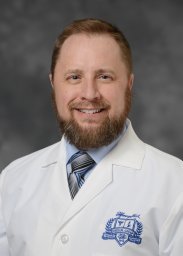 Clinton A. Brawner合作论文数Henry Ford Hospital173
 Jonathan Ehrman合作论文数Department of Internal Medicine, Henry Ford Hospital146
 Mouaz Al-Mallah合作论文数Department of Cardiology, Houston Methodist;Academic Institute, Houston Methodist;Weill Cornell Medical College78
 Michael J. Blaha合作论文数Division of Cardiovascular and Clinical Epidemiology, Department of Epidemiology, Bloomberg School of Public Health, The Johns Hopkins University;Division of Cardiology, Department of Medicine, The Johns Hopkins University School of Medicine75
 Dennis J. Kerrigan合作论文数46
 William Erle Kraus合作论文数Duke Molecular Physiology Institute;Department of Medicine, Duke University School of Medicine44
 Ileana Piña合作论文数Sidney Kimmel Medical College, Thomas Jefferson University;Central Michigan University;Center for Devices and Radiological Health, Food and Drug Administrations35
 David J. Whellan合作论文数Jefferson Clinical Research Institute, Thomas Jefferson University;Sidney Kimmel Medical College, Thomas Jefferson University34
 John R. Schairer合作论文数34
 Waqas Qureshi合作论文数Houston Methodist31
 Christopher M. O'Connor合作论文数31
 Jerome L. Fleg合作论文数Division of Cardiovascular Sciences, National Heart, Lung, and Blood Institute30
 Devraj Sukul合作论文数Division of Cardiovascular Medicine, Department of Internal Medicine, Medical School, University of Michigan-Ann Arbor27Matthew Saval合作论文数24Michael P Thompson合作论文数22
 Dalane W. Kitzman合作论文数Congdon Heart and Vascular Center, Atrium Health Wake Forest Baptist;Clinical and Translational Science Institute, Wake Forest School of Medicine;Department of Medicine, Wake Forest School of Medicine21
 Donald S. Likosky合作论文数Department of Cardiac Surgery, Medical School, University of Michigan-Ann Arbor20
 Roger S. Blumenthal合作论文数School of Medicine, The Johns Hopkins University;Ciccarone Center for the Prevention of Cardiovascular Disease, The Johns Hopkins University19Whelton Seamus P合作论文数Johns Hopkins Ciccarone Ctr Prevent Heart Dis19
 Dardari Zeina A合作论文数Johns Hopkins Ciccarone Center for the Prevention of Heart Disease19Quinn R. Pack合作论文数18
 Lawton S. Cooper合作论文数Division of Prevention and Population Sciences, National Heart, Lung, and Blood Institute, National Institutes of Health;Lawton Cooper Clinical Research Consulting18Eric Leifer合作论文数18Stephen J. Ellis合作论文数17
 David E. Lanfear合作论文数Center for Individualized and Genomic Medicine Research, Henry Ford Health;School of Medicine, Wayne State University;College of Human Medicine, Michigan State University17Hechuan Hou合作论文数Michigan Medicine15
 Robert John Mentz合作论文数Department of Medicine, Duke University;Department of Population Health Sciences, Duke University;Duke Clinical Research Institute15
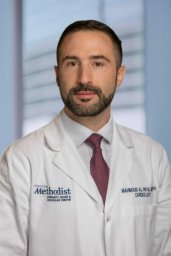 Al Rifai Mahmoud合作论文数Bloomberg School of Public Health, Johns Hopkins University14Celeste T. Williams合作论文数14
 Khurram Nasir合作论文数London School of Economics and Political Science;Weill Cornell Medical College, Cornell University;Academic Institute, Houston Methodist Hospital13
 Erin Donnelly Michos合作论文数Division of Cardiology, School of Medicine, Johns Hopkins University;Department of Epidemiology, Bloomberg School of Public Health, Johns Hopkins University12
 Juraschek Stephen P合作论文数Beth Israel Deaconess Med Ctr12
 Francis Dominic Pagani合作论文数Frankel Cardiovascular Center, University of Michigan, Ann Arbor12
 Sherif Sakr合作论文数King Saud bin Abdulaziz University for Health Sciences12Yelena Selektor合作论文数12Ann Swank合作论文数11
 Philip Ades合作论文数Department of Neurological Sciences, Larner College of Medicine, The University of Vermont11Mona Fiuzat合作论文数11Heather Aldred合作论文数11Rupert K Hung合作论文数10Mike P Thompson合作论文数10Jessica M Yaser合作论文数10
 Phillip J. Schulte合作论文数Division of Clinical Trials and Biostatistics, Department of Quantitative Health Sciences, Mayo Clinic10
 Amjad M. A. Ahmed合作论文数National Guard Health Affairs10Bunny Pozehl合作论文数10Laurence S. Sperling合作论文数10Crystal Grimshaw合作论文数9Joseph F Norman合作论文数College of Allied Health Professions, University of Nebraska Medical Center9
 Nancy T. Artinian合作论文数College of Nursing, Michigan State University9




