Cis -nonPro peptides, a very rare feature in protein structures, are of considerable importance for two opposite reasons. On one hand, their genuine occurrences are mostly found at sites critical to biological function, from the active sites of carbohydrate enzymes to rare adjacent-residue disulfide bonds. On the other hand, a cis -nonPro can easily be misfit into weak or ambiguous electron density, which has led to a high incidence of unjustified cis -nonPro over the last decade. This paper uses the greatly expanded crystallographic data and newly stringent quality-filtering to identify the genuine occurrences and survey both individual examples and broad patterns of their functionality. The accompanying paper describes the problem of cis -nonPro over-use, including its causes, validation, and correction.We explain the procedure developed to identify genuine cis -nonPro examples with almost no false positives, including the new observation that peptides with a glycine on one side or the other need extra care to avoid mis-assignment as cis -nonPro. We then survey a sample of the varied functional roles and structural contexts of cis -nonPro, emphasizing aspects not previously covered systematically: the preferred occurrence at β-strand ends in TIM barrel structures, the concentration of occurrence in proteins that process, bind, or contain carbohydrates, and the resulting complications in defining a simple occurrence frequency.
Context-specific epigenetic dependencies, shaped by chromatin remodeling can create exploitable vulnerabilities for cancer therapies that are unique to tissue types and cellular identities. Here, we show that loss of BPTF (Bromodomain PHD Finger Transcription Factor), a core component of the NURF (Nucleosome Remodeling Factor) complex, results in the emergence of estrogen-responsive, tamoxifen-sensitive, Estrogen Receptor alpha (ERα) positive mammary tumors without altering cancer cell state and tumor pathology. Elevated ERα levels in BPTFKO mammary tumor cells are linked with decreased TGF-β activity and limited metastatic spread of mammary tumor cells to the lungs. Loss of ERα is sufficient to restore TGF-β activity and the metastatic potential in BPTFKO tumors. These findings highlight a mechanism through which BPTF regulates tumor development and progression in mammary epithelial cells, offering insights into the interplay between chromatin remodeling, estrogen signaling, and their resultant adjuvant therapeutic potential in breast cancer.
Background: Use of standard-length anatomic total shoulder (TSA) humeral stems has been associated with high rates of medial calcar bone loss. Calcar bone loss has been attributed to stress shielding, debris-induced osteolysis, and undiagnosed infection. Short stem and canal-sparing humeral components may provide more optimal stress distribution and thus lower rates of calcar bone loss related to stress shielding. The purpose of this study is to determine whether implant length will affect the rate and severity of medial calcar resorption.Methods: A retrospective review was performed on TSA patients treated with three different-length humeral implants (canal-sparing, short, and standard-length designs). Patients were matched 1:1:1 based on both gender and age (+/- 4 years), resulting in 40 patients per cohort. Radiographic changes in medial calcar bone were evaluated and graded on a 4-point scale, from the initial postoperative radiographs to those at 3 months, 6 months, and 12 months.Results: The presence of any degree of medial calcar resorption demonstrated an overall rate of 73.3% at one year. At 3 months, calcar resorption was observed in 20% of the canal-sparing cohort, while the short and standard designs demonstrated resorption in 55% and 52.5%, respectively (P = .002). At 12 months, calcar resorption was seen in 65% of the canal-sparing design, while both the short and standard designs had a 77.5% rate of resorption (P = .345). The severity of calcar resorption for the canal-sparing cohort was significantly lower at all time points when compared to the short stem (3 months, P = .004; 6 months, P = .003; 12 months, P = .004) and at 3Conclusion: Patients treated with canal-sparing TSA humeral components have significantly lower rates of early calcar resorption with less severe bone loss when compared to patients treated using short and standard-length designs.(c) 2023 Journal of Shoulder and Elbow Surgery Board of Trustees. All rights reserved.
During female adolescence and pregnancy, rising levels of hormones result in a cyclic source of signals that control the development of mammary tissue. While such alterations are well understood from a whole-gland perspective, the alterations that such hormones bring to organoid cultures derived from mammary glands have yet to be fully mapped. This is of special importance given that organoids are considered suitable systems to understand cross species breast development. Here we utilized single-cell transcriptional profiling to delineate responses of murine and human normal breast organoid systems to female hormones across evolutionary distinct species. Collectively, our study represents a molecular atlas of epithelial dynamics in response to estrogen and pregnancy hormones.
Abstract Chromatin remodeling controls transcriptional programs that drive mammary epithelial lineage commitment and cellular differentiation. This process is also important for the regulation of highly dynamic cellular states during mammary tumorigenesis, and perturbing the chromatin landscape of cancer cells can halt cellular and molecular mechanisms of mammary cancer development and progression. However, this paradigm assumes that all cancer cells that develop in the mammary tissue bear the same chromatin dependencies, and rely on similar programs throughout cancer progression. Here, we show that molecular dependencies regulated by the epigenetic factor BPTF control tumor development and progression across distinct mammary cancer cell states. With the utilization of classical models of mammary tumorigenesis, single cell transcriptional profiling, and organoid cultures, we demonstrate that BPTF loss results in the development of mammary tumors with a longer latency of ER•+ expression and tamoxifen sensitivity and the inhibition of lung metastasis development. While gain of ER• expression was associated with gain of luminal markers in Krt5+ BPTF KO mammary epithelial cells (MECs), metastasis-like signatures were significantly perturbed in cells with defined luminal fate. In addition, we detected a partial rescue of metastatic features via the activation of transcriptional programs controlled by TGF-•, thus indicating that BPTF sits atop a canonical metastatic pathway. Collectively, our studies illustrate how BPTF-specific chromatin remodeling inhibition induces phenotypes that differentially affect tumor development and progression, while allowing for the development of a murine model of ER•+ mammary tumorigenesis. Citation Format: Chen Chen, Michael F. Ciccone, Marygrace c. Trousdell, Deeptiman Chatterjee, Yixin Zhao, Steven M. Lewis, Dhivya Anandan, John E. Wilkinson, William C. K. Pomerantz, Adam Siepel, Camila O. dos Santos. Loss of BPTF restores estrogen-regulated programs and suppress metastatic development of mammary tumors [abstract]. In: Proceedings of the AACR Special Conference in Cancer Research: Advances in Breast Cancer Research; 2023 Oct 19-22; San Diego, California. Philadelphia (PA): AACR; Cancer Res 2024;84(3 Suppl_1):Abstract nr A079.
Background: Subscapularis management is a critical component to the success of anatomic total shoulder arthroplasty (TSA). Failure to heal the subscapularis can result in pain, weakness, loss of function, and revision. However, not all patients have poor outcomes. The purpose of this study is to compare patients with normal and dysfunctional subscapularis function following TSA in regard to (1) patient-reported outcome measures (PROMs); (2) range of motion (ROM) and strength; (3) achievement of minimal clinically important differences (MCIDs); and (4) specific functional internal rotation tasks. Methods: A retrospective review of patients treated with TSA for osteoarthritis with a minimum 2-year follow-up was performed to identify patients with subscapularis dysfunction. Subscapularis dysfunction was diagnosed when any degree of weakness in internal rotation was detected on physical examination (positive belly press sign). These patients were case controlled matched on a 1:3 ratio to patients with normal subscapularis function based on age and sex. PROMs, measured active motion, revision rates, patient satisfaction, and postoperative radiographic findings were compared. Population-specific institutional anchor-based MCID values were used to compare the improvement in PROM. Results: Of the 668 patients included, 34 patients (5.1%) demonstrated evidence of subscapularis dysfunction. Mean follow-up for the normal subscapularis function cohort was 63.4 +/- 29.7 and 58.7 +/- 26.8 for the dysfunctional subscapularis cohort. Patients with subscapularis dysfunction demonstrated significantly worse postoperative Simple Shoulder Test, Single Assessment Numerical Evaluation, visual analog scale (VAS) function, VAS pain, and American Shoulder and Elbow Surgeons Standardized Shoulder Assessment Form (ASES) scores with higher rates of unsatisfactory results when compared to patients with normal subscapularis function. Abduction, elevation, internal rotation ROM, along with supraspinatus and external rotation strength were also significantly worse in the dysfunctional group. Similarly, these patients were more likely to have decreased ability to perform functional internal rotation tasks, with only 47% of the patients being able to reach the small of their back compared to 85% with normal subscapularis function. Radiographically, the dysfunctional cohort demonstrated higher rates of anterior subluxation (56% vs. 7%; P < .001) and glenoid loosening (24% vs. 5%; P = .004). Similarly, revision rates were significantly higher for patients with subscapularis dysfunction (8 patients, 23.5%). Nonetheless, the dysfunctional subscapularis cohort demonstrated improvements in VAS pain (4.0 +/- 3.7) and ASES (46.4 +/- 35.9) scores that exceeded MCID thresholds. Conclusion: Patients who develop subscapularis dysfunction after TSA have significantly worse PROMs, ROM, functional tasks of internal rotation, and radiographic outcomes, as well as increased rates of revision. Although patients show worse outcomes and high revision rates compared with their normal-functioning counterparts, these patients maintained improvement above MCID thresholds for pain and function at a mean 5-year follow-up. (c) 2023 Journal of Shoulder and Elbow Surgery Board of Trustees. All rights reserved.
Background: End-stage glenohumeral joint arthritis is common in patients with inflammatory arthritis. Reverse shoulder arthroplasty (RSA) and anatomic total shoulder arthroplasty (TSA) are both indicated in this setting. RSA is often considered based on the impacts of long-standing inflammatory arthritis including glenoid and humeral bone erosion and rotator cuff insufficiency. However, acromial and scapular spine fractures following RSA have been reported more commonly in these patients, which can have a significant impact on outcomes. Currently, no study has directly compared the efficacy and complication rates of RSA vs. TSA in patients with inflammatory arthritis. This study aimed to investigate differences in clinical outcomes and complications in patients undergoing RSA vs. TSA with glenohumeral inflammatory arthritis. Methods: We performed a retrospective review of 86 patients with inflammatory arthritis treated with primary RSA (n = 43) or TSA (n = 43) with a minimum of 2 years' follow-up. American Shoulder and Elbow Surgeons scores, Simple Shoulder Test scores, visual analog scale scores for pain and function, active range of motion, and patient self-ratings of upper-extremity normality (Subjective Assessment of Normal Evaluation [SANE]) were collected preoperatively and at minimum 2-year follow-up. Radiographic classification of preoperative glenoid and humeral bone loss was performed, and postoperative complications were observed. Revision and compliResults: The study cohort had an average age of 72.1 years (range, 31-92 years) and average follow-up period of 51.6 months (range, 22-159 months). Both the RSA and TSA cohorts demonstrated improvements in patient-reported outcome measures and ranges of motion; however, patients treated with TSA showed a greater postoperative final Simple Shoulder Test score (P < .001), visual analog scale score for function (P = .0347), active elevation (P = .0331), active external rotation (P < .001), active internal rotation (P = .005), and Single Assessment Numeric Evaluation (SANE) score (P = .0161). Analysis of complication rates demonstrated no statistically significant difference between cohorts. Four acromial fractures occurred in the RSA group. When RSA patients who sustained acromial fractures were removed from the analysis, there were minimal differences in outcomes between the RSA and TSA cohorts. Conclusion: TSA in patients with inflammatory arthritis leads to improved clinical outcomes but higher early revision rates when compared with RSA. RSA outcomes are negatively impacted by a high rate of postoperative acromial fractures. Level of evidence: Level III; Retrospective Cohort Comparison; Treatment Study (c) 2022 Journal of Shoulder and Elbow Board of Trustees. All reserved.
Early discharge has been a target of cost-control efforts given the growing demand for joint replacement surgeries. A multisystem medically-based risk-assessment tool known as the Outpatient Arthroplasty Risk Assessment (OARA) score has shown high predictive ability for safe early discharge following an outpatient lower extremity arthroplasty utilizing a score threshold ≤79. Shoulder arthroplasties have been shown to have lower associated medical risks than lower extremity arthroplasties. An OARA score threshold of 110 was recently shown to be safe for same-day discharge (SDD) following shoulder arthroplasties in a series of 422 patients. The purpose of this study is to re-examine the OARA score threshold for shoulder arthroplasties by evaluating its effectiveness in selecting patients for SDD utilizing a larger population of patients. We hypothesize that the OARA score threshold for shoulder arthroplasty will remain higher than the established threshold for lower-extremity arthroplasty. A retrospective review was performed on 734 consecutive patients who underwent a primary anatomic or reverse total shoulder arthroplasty between April 2018 and December 2020 by a single surgeon. As standard practice, all patients were counseled preoperatively regarding SDD and given the choice to stay overnight. Medical history, length of stay, 30- and 90-day readmissions, and 90-day emergency room and urgent care visits were obtained from medical records. Analysis of variance testing, Chi-square testing, and screening test characteristics compared the performance of OARA scores to that of the American Society of Anesthesiologists Physical Status. A receiver operating characteristic analysis was completed to determine the optimal OARA score threshold for safe SDD. The receiver operating characteristic analysis showed that 102.5 was the optimal preoperative OARA score threshold for safe SDD following a shoulder arthroplasty. The OARA score cutoff of ≤102.5 points demonstrated a sensitivity of 87.0% for identifying SDD patients. OARA scores ≤102.5 also showed a negative predictive value of 80.6% but remained incomprehensive with a specificity of 28.5% (P < .0001) and a positive predictive value of 39.2. Patients with OARA scores ≤102.5 were over 4 times less likely to have a 90-day emergency room visit (P < .001) than those with scores >102.5. There was no difference in 30-day and 90-day readmission rates for patients with OARA scores ≤102.5, ≤110, and ≤79 and American Society of Anesthesiologists Physical Status ≤2. A preoperative OARA score threshold of ≤102.5 is effective and conservative in screening patients for SDD following a shoulder arthroplasty, with low rates of 90-day emergency room visits and readmissions. This threshold is a useful screening tool to identify patients that are not good candidates for SDD.
RBC transfusion therapy is essential for the treatment of anemia. A serious complication of transfusion is the development of non-ABO alloantibodies to polymorphic RBC Ags; yet, mechanisms of alloantibody formation remain unclear. Storage of mouse RBCs before transfusion increases RBC immunogenicity through an unknown mechanism. We previously reported that sterile, stored mouse RBCs activate splenic dendritic cells (DCs), which are required for alloimmunization. Here we transfused mice with allogeneic RBCs to test whether stored RBCs activate pattern recognition receptors (PRRs) on recipient DCs to induce adaptive immunity. TLRs are a class of PRRs that regulate DC activation, which signal through two adapter molecules: MyD88 and TRIF. We show that the inflammatory cytokine response, DC activation and migration, and the subsequent alloantibody response to transfused RBCs require MyD88 but not TRIF, suggesting that a restricted set of PRRs are responsible for sensing RBCs and triggering alloimmunization.
Background:Early discharge has been a target of cost control efforts, given the growing demand for joint replacement surgery. Select patients are given the choice for same-day discharge (SDD) or overnight stay after shoulder arthroplasty. The COVID-19 pandemic changed patient perspectives regarding hospital visitation and admission. The purpose of this study was to determine if the COVID-19 pandemic impacted the utilization of SDD after shoulder arthroplasty. We hypothesize that patients undergoing shoulder arthroplasty after the start of the COVID-19 pandemic will have higher rates of SDD.Methods:A retrospective continuous review was performed on 370 patients who underwent a primary anatomic (total shoulder arthroplasty) or reverse shoulder arthroplasty between August 2019 and December 2020 by a single surgeon. This group of patients represent the 185 arthroplasty cases completed before the COVID-19 pandemic and the first 185 patients after the start of the pandemic. April 1, 2020, was chosen as the cutoff for pre-COVID patients, as this represents the date a statewide ban on elective surgery was declared. All patients were counseled preoperatively regarding SDD and given the choice to stay overnight, unless medically contraindicated. Demographics, medical history, length of stay, 30- and 90-day readmissions, and 90-day emergency room (ER) and urgent care visits were obtained from medical records and compared. Two-tailed student t-tests, chi-square tests, and Fischer's exact were performed where appropriate.Results:The 2 groups were similar in age, body mass index, gender distribution, and Outpatient Arthroplasty Risk Assessment score. During the collection period, there were more anatomic shoulder arthroplasties performed after (54%) than before (44%) the COVID-19 pandemic (P = .029). Patients treated after the start of the COVID-19 pandemic were almost 3 times more likely to have an SDD (P < .001), with 85.4% (158/185) of patients being discharged the same day after COVID-19, compared with 34.6% (64/185) before COVID-19. Discharge disposition (location of discharge) was significantly different, as 99% (183/185) of patients undergoing surgery after the start of the COVID-19 pandemic were discharged home, compared with 94% (174/185) of patients before COVID-19. There was no difference in 30-day readmissions, 90-day readmissions, and 90-day (ER) and urgent care visits between the 2 groups.Conclusion:Our study suggests that the COVID-19 pandemic has dramatically impacted patient choices for SDD within a single surgeon's practice, with nearly 3 times as many patients electing for SDD. Readmissions and ER visits were similar, indicating that SDD remains a safe alternative for patients after total shoulder arthroplasty and reverse shoulder arthroplasty.Level of evidence:Level III; Retrospective Comparative Study.
INTRODUCTION:Lesser tuberosity osteotomy (LTO) and subscapularis peel (Peel) are 2 common techniques used to mobilize the subscapularis tendon during anatomic total shoulder arthroplasty (TSA). The literature is inconclusive over which technique is optimal; thus, controversy exists over which technique should be performed. The purpose of this study was to compare specific functional internal rotation tasks and general outcome scores in TSA patients who received either an LTO or Peel. METHODS:A retrospective review of 563 patients treated with primary TSA using either an LTO (n = 358) or Peel (n = 205) with a minimum 2-year follow-up was performed. Subjective internal rotation, active internal rotation, and specific questions related to functional internal rotation isolated from the Simple Shoulder Test (SST) and American Shoulder and Elbow Surgeons functional questionnaires were reviewed. Other outcome scores including visual analog scale pain and function, Single Assessment Numerical Evaluation, SST, American Shoulder and Elbow Surgeons, and revision rates were compared between the 2 groups. RESULTS:The study found no difference in postoperative functional internal rotation and range of motion between LTO and Peel. Patients who received a Peel were shown to have a slightly greater improvement in the ability to perform toileting and a higher average change in SST score that did not reach clinical significance. There was no difference in the percentage of maximal improvement, revision rate, or need for revision between the 2 groups. CONCLUSION:No difference was found between the LTO and Peel techniques in regard to functional tasks of internal rotation at short-term follow-up.
While mouse models and two-dimensional (2D) cell culture systems have dominated as research tools for cancer biology, three-dimensional (3D) cultures have gained traction as a new approach that retains features of in vivo biology within an in vitro system. Over time, 3D culture systems have evolved from spheroids and tumorspheres to organoids, and by doing so, they have become more complex and representative of original tissue. Such technological improvements have mostly benefited the study of heterogeneous solid tumors, like those found in breast cancer (BC), by providing an attractive avenue for scalable drug testing and biobank generation. Experimentally, organoids have been used in the BC field to dissect mechanisms related to cellular invasion and metastasis-and through co-culture methods-epithelial interactions with stromal and immune cells. In addition, organoid studies of wild-type mouse models and healthy donor samples have provided insight into the basic developmental cellular and molecular biology of the mammary gland, which may inform one's understanding of the initial stages of cancer development and progression.
Each year vast international resources are wasted on irreproducible research. The scientific community has been slow to adopt standard software engineering practices, despite the increases in high-dimensional data, complexities of workflows, and computational environments. Here we show how scientific software applications can be created in a reproducible manner when simple design goals for reproducibility are met. We describe the implementation of a test server framework and 40 scientific benchmarks, covering numerous applications in Rosetta bio-macromolecular modeling. High performance computing cluster integration allows these benchmarks to run continuously and automatically. Detailed protocol captures are useful for developers and users of Rosetta and other macromolecular modeling tools. The framework and design concepts presented here are valuable for developers and users of any type of scientific software and for the scientific community to create reproducible methods. Specific examples highlight the utility of this framework and the comprehensive documentation illustrates the ease of adding new tests in a matter of hours.
Many scientific disciplines rely on computational methods for data analysis, model generation, and prediction. Implementing these methods is often accomplished by researchers with domain expertise but without formal training in software engineering or computer science. This arrangement has led to underappreciation of sustainability and maintainability of scientific software tools developed in academic environments. Some software tools have avoided this fate, including the scientific library Rosetta. We use this software and its community as a case study to show how modern software development can be accomplished successfully, irrespective of subject area. Rosetta is one of the largest software suites for macromolecular modeling, with 3.1 million lines of code and many state-of-the-art applications. Since the mid 1990s, the software has been developed collaboratively by the RosettaCommons, a community of academics from over 60 institutions worldwide with diverse backgrounds including chemistry, biology, physiology, physics, engineering, mathematics, and computer science. Developing this software suite has provided us with more than two decades of experience in how to effectively develop advanced scientific software in a global community with hundreds of contributors. Here we illustrate the functioning of this development community by addressing technical aspects (like version control, testing, and maintenance), community-building strategies, diversity efforts, software dissemination, and user support. We demonstrate how modern computational research can thrive in a distributed collaborative community. The practices described here are independent of subject area and can be readily adopted by other software development communities.
Software to predict the change in protein stability upon point mutation is a valuable tool for a number of biotechnological and scientific problems. To facilitate the development of such software and provide easy access to the available experimental data, the ProTherm database was created. Biases in the methods and types of information collected has led to disparity in the types of mutations for which experimental data is available. For example, mutations to alanine are hugely overrepresented whereas those involving charged residues, especially from one charged residue to another, are underrepresented. ProTherm subsets created as benchmark sets that do not account for this often underrepresented certain mutational types. This issue introduces systematic biases into previously published protocols’ ability to accurately predict the change in folding energy on these classes of mutations. To resolve this issue, we have generated a new benchmark set with these problems corrected. We have then used the benchmark set to test a number of improvements to the point mutation energetics tools in the Rosetta software suite.
The Rosetta software for macromolecular modeling, docking and design is extensively used in laboratories worldwide. During two decades of development by a community of laboratories at more than 60 institutions, Rosetta has been continuously refactored and extended. Its advantages are its performance and interoperability between broad modeling capabilities. Here we review tools developed in the last 5 years, including over 80 methods. We discuss improvements to the score function, user interfaces and usability. Rosetta is available at http://www.rosettacommons.org .
 Brian Kuhlman合作论文数Department of Biochemistry and Biophysics, School of Medicine, The University of North Carolina at Chapel Hil28
 Andrew Leaver-Fay合作论文数Prescient Design15
 Jens Meiler合作论文数Department of Chemistry, College of Arts and Science, Vanderbilt University;Leipzig University14
 Sergey Lyskov合作论文数14Renfrew P Douglas合作论文数13
 Tanja Kortemme合作论文数Department of Bioengineering and Therapeutic Sciences, School of Pharmacy, University of California, San Francisco;Quantitative Biosciences Institute, University of California, San Francisco13
 Philip Bradley合作论文数Public Health Sciences Division, Fred Hutch Cancer Center;Immunotherapy Integrated Research Center, Fred Hutch Cancer Center13
 Leman Julia Koehler合作论文数Department of Chemical and Biomolecular Engineering, Johns Hopkins University12
 Jared Adolf-Bryfogle合作论文数Janssen Biotherapeutics, The Janssen Pharmaceutical Companies of Johnson & Johnson11Mulligan Vikram Khipple合作论文数Dept Biochem, Univ Washington11
 Andrew M. Watkins合作论文数Department of Chemistry, New York University11Labonte Jason W合作论文数Department of Chemistry, Johns Hopkins University11
 Weitzner Brian D合作论文数Dept Chem & Biomol Engn, Johns Hopkins Univ11
 Richard Bonneau合作论文数Department of Biology and Computer Science, New York University11Moretti Rocco合作论文数11
 William R. Schief合作论文数Department of Biochemistry, University of Washington11
 Ora Schueler-Furman合作论文数Hadassah Medical School, The Hebrew University11
 Dominik Gront合作论文数Faculty of Chemistry, University of Warsaw11Justyna D Kryś合作论文数Univ Warsaw, Fac Chem, Biol & Chem Res Ctr, Pasteura 1, PL-02093 Warsaw, Poland10
 Roland L. Dunbrack合作论文数Institute for Cancer Research, Fox Chase Cancer Center10
 Chris Bystroff合作论文数Department of Biological Sciences, Rensselaer Polytechnic Institute;Department of Computer Science, Rensselaer Polytechnic Institute10Charlie E. M. Strauss合作论文数Los Alamos National Lab, Los Alamos, NM9
 Jeffrey J. Gray合作论文数Department of The Sidney Kimmel Comprehensive Cancer Center, School of Medicine, Johns Hopkins University8
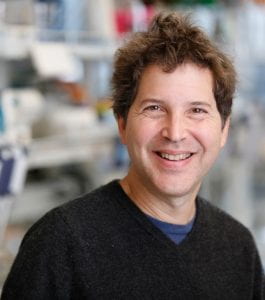 David Baker合作论文数Institute for Protein Design, University of Washington;Department of Biochemistry, University of Washington8
 Jonathan C Levy合作论文数6Dylan Cannon合作论文数6
 Hugo C. Rodriguez合作论文数6
 Raphaela T. Goldbach-Mansky合作论文数Translational Autoinflammatory Diseases Section, Laboratory of Clinical Immunology & Microbiology, National Institute of Allergy and Infectious Diseases, National Institutes of Health6
 Suárez-Fariñas Mayte合作论文数Laboratory for Investigative Dermatology, The Rockefeller University6
 Jamie Lynn Harden合作论文数The State University of New York at Buffalo6Ortenzio Francesca S合作论文数6
 Anne Bowcock合作论文数Department of Dermatology, Icahn School of Medicine at Mount Sinai;Department of Genetics and Genomic Sciences, Icahn School of Medicine at Mount Sinai;Department of Oncological Sciences, Icahn School of Medicine at Mount Sinai6Tim Lentini合作论文数6
 Michelle Lowes合作论文数INDERAC;The Rockefeller University6Katherine C. Pierson合作论文数6
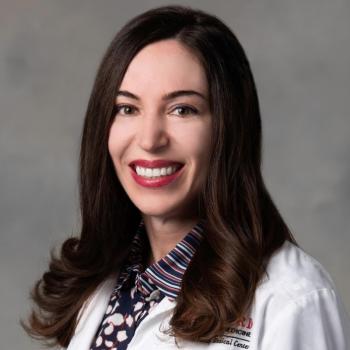 Lisa Zaba合作论文数Dermatology Department, Stanford University6
 Rhiju Das合作论文数Biochemistry Department, Stanford University5
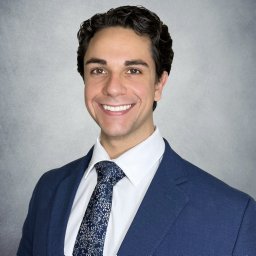 Jose Garcia合作论文数4
 Camila Oresco Dos Santos合作论文数4
 Jeffrey Gray合作论文数Department of Chemical and Biomolecular Engineering, Whiting School of Engineering, Johns Hopkins University4Seth Cooper合作论文数University of Washington4
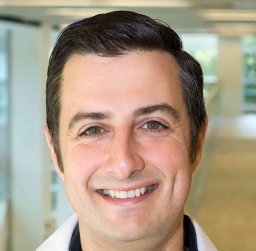 John Karanicolas合作论文数Department of Molecular Biology, The Scripps Research Institute4David E Kim合作论文数3
 Austin Vegas合作论文数3Adam Watkins合作论文数3Flora Huang合作论文数3Arlene Sereno合作论文数3xiufeng wu合作论文数3
 Oliver F Lange合作论文数Dept Chem, Tech Univ Munich3




