Fluorescent modification of nucleic acids using nucleobase analogues provides unique capabilities for imaging nucleic acids in cells and monitoring their conformational changes upon interaction with other biomolecules. The fluorescent nucleobase analogue ABN was shown recently to be the first base analogue to enable single-molecule detection of dsDNA, but its sensitivity to photobleaching under one-photon excitation required the use of oxygen scavenging reagents, and may limit future applications in live-cell imaging. Here, we show that two-photon excitation of ABN allows the stable detection of single DNA molecules in aqueous solution without antifade additives. The two-photon brightness of ABN in dsDNA exceeds by an order of magnitude that reported previously for any base analogue, and is comparable to that of the fluorescent protein EGFP, making it a promising candidate for the ultrasensitive imaging of nucleic acids in living cells and tissues.
A modular synthetic strategy for the preparation of intrinsically fluorescent unnatural α-amino acids by C-2 oxidation and alkenylation of a tryptophan-derived tetrahydro-β-carboline is described. This approach yielded a novel tryptophan-coumarin hybrid with strong environmental sensitivity and compatibility with near-infrared two-photon excitation.
Nicked DNA can result from damage or cellular processing and is also prevalent in DNA nanostructures, so sensitive methods to probe the generation and location of nicks are desirable. It was found recently that sulfo-Cy3 (sCy3), a disulfonated version of Cy3, could stack in a nick of double-stranded DNA (dsDNA) when attached to a thymidine on the 3' end of one strand, resulting in an increase in fluorescence brightness. Here, we have performed a systematic time-resolved fluorescence study of the stacking of sCy3 on nicked DNA. We have varied the labeling polarity (5' vs 3'), linker (dT vs phosphate), labeled nucleotide (A, C, T, or G), DNA structure (nicked dsDNA, dsDNA, single-stranded DNA, and dsDNA with a single-strand overhang), and NaCl concentration. We also studied the effect of switching the negatively charged sCy3 to the positively charged Cy3. We have shown that the site-specific stacking and fluorescence modulation of sCy3 on nicked DNA is a general phenomenon that could find application in time-resolved assays of DNA processes such as annealing, strand displacement, and enzymatic nicking.
Fluorescent base analogues (FBAs) are versatile nucleic acid labels that can replace a native nucleobase, while maintaining base pairing and secondary structure. Following the recent demonstration that free FBAs can be detected at the single-molecule level, the next goal is to achieve this level of detection sensitivity in oligonucleotides. Due to the short-wavelength absorption of most FBAs, multiphoton microscopy has emerged as a promising approach to single-molecule detection. We report the multiphoton-induced fluorescence of 5-(5-(4-methoxyphenyl)thiophen-2-yl)-6-aza-uridine (MeOthaU), a polarity-sensitive fluorescent thymidine analogue, as a nucleoside, and in two single-stranded deoxyribo-oligonucleotides, with and without their complementary strands. Ensemble steady-state and time-resolved measurements in dioxane, following one-photon and two-photon excitation, reveals both strongly and weakly emissive species, assigned as rotamers, while in Tris buffer there are additional non-emissive states, which are attributed to tautomeric forms populated in aqueous environments. The two-photon (2P) brightness for MeOthaU is highest as the free nucleoside in dioxane (10 GM) and lowest as the free nucleoside in Tris buffer (0.05 GM). The species-averaged 2P brightness values in DNA are higher for the single strands (0.66 and 0.82 GM for sequence context AXA and AXT, respectively, where X is MeOthaU) than in the duplex (0.31 and 0.25 GM for AXA and AXT, respectively). Using 2P microscopy with pulse-shaped broadband excitation, we were able to detect single- and double-stranded oligos with a molecular brightness of 0.8-0.9 kHz per molecule. This allowed the detection of as few as 7 DNA molecules in the focus, making it the brightest responsive FBA in an oligonucleotide reported to date.
AbstractSerine recombinases are proposed to catalyse site-specific recombination by a unique mechanism called subunit rotation. Cutting and rejoining DNA occurs within an intermediate synaptic complex comprising a recombinase tetramer bound to two DNA sites. After double-strand cleavage at both sites, one half of the complex rotates 180° relative to the other, before re-ligation of the DNA ends. We used single-molecule FRET (smFRET) methods to provide compelling direct physical evidence for subunit rotation by recombinases Tn3 resolvase and Sin. Synaptic complexes containing fluorescently labelled DNA show FRET fluctuations consistent with the subunit rotation model. FRET changes were associated with the rotation steps, on a timescale of 0.4–1.1 $${{\mbox{s}}}^{-1}$$ s − 1 , as well as opening and closing of the gap between the scissile phosphates during cleavage and ligation. Multiple rounds of recombination were observed within the ~25 s observation period, including frequent consecutive rotation events in the cleaved-DNA state without evidence of intermediate ligation.
An increasing number of human disorders are attributed to genomic expansions of short tandem repeats (STRs). Secondary DNA structures formed by STRs are believed to play an important role in expansion, while the presence of nucleotide interruptions within the pure repeat sequence is known to delay the onset and progression of disease. We have used two single-molecule fluorescence techniques to analyse the structure and dynamics of DNA three-way junctions (3WJs) containing CAG repeat hairpin slipouts, with and without a single CAA interrupt. For a 3WJ with a (CAG)10 slipout, the CAA interrupt is preferentially located in the hairpin loop, and the branch migration dynamics are 4-fold slower than for the 3WJ with a pure (CAG)10, and 3-fold slower than a 3WJ with a pure (CAG)40 repeat. The (CAG)11 3WJ with CAA interrupt adopts a conformation that places the interrupt in or near the hairpin loop, with similar dynamics to the pure (CAG)10 and (CAG)11 3WJs. We have shown that changing a single nucleotide (G to A) in a pure repeat can have a large impact on 3WJ structure and dynamics, which may be important for the protective role of interrupts in repeat expansion diseases.
Nuclear power is a sustainable zero-carbon energy source but requires generated radionuclide waste be remediated from contaminated lands. Legacy, mining and disposal activities all engender environmental contamination, particularly for uranium, which is the main component by mass being both radioactive and toxic. Microbial mediated redox transformations have been targeted as bioremediation techniques. Typically studied by bulk quantitative techniques or on fixed (dead) cells, an absence of techniques capable of quantitatively probing the distribution and environment of radionuclides in living cells has impeded repurposing such wastes. Here we demonstrate the use of two-photon luminescence microscopy utilizing the intrinsic optical properties of the uranyl cation (UVIO2 2+) to follow microbial processes at the sub-micron level in vivo. The fundamental multiphoton photophysical properties of key uranyl species have been determined, and two-photon imaging performed. The long-lived uranyl emission and inherent spatial control of two-photon excitation allows high-resolution, label free visualization of uranyl-containing biological material, while fluorescence lifetime mapping demonstrates the ability to visualize the microscopic redox conditions over the surface of uranyl-reducing bacterial cells.
Thiazoloindole α-amino acids have been synthesized in four steps from tryptophan using a dual-catalytic thiolation reaction and a copper-mediated intramolecular N-arylation process. Late-stage diversification of the thiazoloindole core with electron-deficient aryl substituents produced chromophores that on one-photon excitation displayed blue-green emission, mega-Stokes shifts, and high quantum yields. The thiazoloindole amino acids could also be excited via two-photon absorption in the near-infrared, demonstrating their potential for biomedical imaging applications.
PIFE was first used as an acronym for protein-induced fluorescence enhancement, which refers to the increase in fluorescence observed upon the interaction of a fluorophore, such as a cyanine, with a protein. This fluorescence enhancement is due to changes in the rate of cis/trans photoisomerisation. It is clear now that this mechanism is generally applicable to interactions with any biomolecule and, in this review, we propose that PIFE is thereby renamed according to its fundamental working principle as photoisomerisation-related fluorescence enhancement, keeping the PIFE acronym intact. We discuss the photochemistry of cyanine fluorophores, the mechanism of PIFE, its advantages and limitations, and recent approaches to turn PIFE into a quantitative assay. We provide an overview of its current applications to different biomolecules and discuss potential future uses, including the study of protein-protein interactions, protein-ligand interactions and conformational changes in biomolecules.
Fluorescent nucleobase analogues (FBAs) are established tools for studying oligonucleotide structure, dynamics and interactions, and have recently also emerged as an attractive option for labeling RNA-based therapeutics. A recognized drawback of FBAs, however, is that they typically require excitation in the UV region, which for imaging in biological samples may have disadvantages related to phototoxicity, tissue penetration, and out-of-focus photobleaching. Multiphoton excitation has the potential to alleviate these issues and therefore, in this work, we characterize the multiphoton absorption properties and detectability of the highly fluorescent quadracyclic adenine analogue 2CNqA as a ribonucleotide monomer as well as incorporated, at one or two positions, into a 16mer antisense oligonucleotide (ASO). We found that 2CNqA has a two-photon absorption cross section that, among FBAs, is exceptionally high, with values of σ2PA(700 nm) = 5.8 GM, 6.8 GM, and 13 GM for the monomer, single-, and double-labelled oligonucleotide, respectively. Using fluorescence correlation spectroscopy, we show that the 2CNqA has a high 2P brightness as the monomer and when incorporated into the ASO, comparing favorably to other FBAs. We furthermore demonstrate the usefulness of the 2P imaging mode for improving detectability of 2CNqA-labelled ASOs in live cells.
Multiphoton excitation of fluorescence has many potential advantages over resonant (one-photon) excitation, but the method has not found widespread use for ultrasensitive applications. We recently described an approach to the multiphoton excitation of single molecules that uses a pulse shaper to compress and tailor pulses from an ultrafast broadband laser in order to optimise the brightness and signal-to-background ratio following non-linear excitation. Here we provide a detailed description of the setup and illustrate its use and potential by optimising two-photon fluorescence of a common fluorophore, rhodamine 110, at the single-molecule level. We also show that a DNA oligonucleotide labelled with a fluorescent nucleobase analogue, tC, can be detected using two-photon FCS, whereas one-photon excitation causes rapid photobleaching. The ability to improve the signal-to-background ratio and to reduce the incident power required to attain a given brightness can be applied to the multiphoton excitation of any fluorescent species, from small molecules with low multiphoton cross sections to the brightest nanoparticles.
It is unclear how the length of a repetitive DNA tract determines the onset and progression of repeat expansion diseases, but the dynamics of secondary DNA structures formed by repeat sequences are believed to play an important role. It was recently shown that three-way DNA junctions containing slip-out hairpins of CAG or CTG repeats and contiguous triplet repeats in the adjacent duplex displayed single-molecule FRET (smFRET) dynamics that were ascribed to both local conformational motions and longer-range branch migration. Here we explore these so-called "mobile" slip-out structures through a detailed kinetic analysis of smFRET trajectories and coarse-grained modeling. Despite the apparent structural simplicity, with six FRET states resolvable, most smFRET states displayed biexponential dwell-time distributions, attributed to structural heterogeneity and overlapping FRET states. Coarse-grained modeling for a (GAC)10 repeat slip-out included trajectories that corresponded to a complete round of branch migration; the structured free energy landscape between slippage events supports the dynamical complexity observed by smFRET. A hairpin slip-out with 40 CAG repeats, which is above the repeat length required for disease in several triplet repeat disorders, displayed smFRET dwell times that were on average double those of 3WJs with 10 repeats. The rate of secondary-structure rearrangement via branch migration, relative to particular DNA processing pathways, may be an important factor in the expansion of triplet repeat expansion diseases.
Expansions of CAG/CTG trinucleotide repeats in DNA are the cause of at least 17 degenerative human disorders, including Huntington's Disease. Repeat instability is thought to occur via the formation of intrastrand hairpins during replication, repair, recombination, and transcription though relatively little is known about their structure and dynamics. We use single-molecule Förster resonance energy transfer to study DNA three-way junctions (3WJs) containing slip-outs composed of CAG or CTG repeats. 3WJs that only have repeats in the slip-out show two-state behavior, which we attribute to conformational flexibility at the 3WJ branchpoint. When the triplet repeats extend into the adjacent duplex, additional dynamics are observed, which we assign to interconversion of positional isomers. We propose a branchpoint migration model that involves conformational rearrangement, strand exchange, and bulge-loop movement. This migration has implications for how repeat slip-outs are processed by the cellular machinery, disease progression, and their development as drug targets.
The Cover Feature depicts the fluorescent dye Cy3 stacking in a gap in a DNA double helix. The Cy3 emission can be strongly enhanced upon stacking, which is used here to report on DNA structure and dynamics. More information can be found in the Communication by Dr. Steven W. Magennis and co-workers.The Tetris trade dress is owned by Tetris Holding, used with permission.
Fluorescent nucleobase surrogates capable of Watson-Crick hydrogen bonding are essential probes of nucleic acid structure and dynamics, but their limited brightness and short absorption and emission wavelengths have rendered them unsuitable for single-molecule detection. Aiming to improve on these properties, we designed a new tricyclic pyrimidine nucleoside analogue with a push-pull conjugated system and synthesized it in seven sequential steps. The resulting C-linked 8-(diethylamino)benzo[b][1,8]naphthyridin-2(1H)-one nucleoside, which we name ABN, exhibits epsilon(442) = 20 000 M-1 cm(-1) and phi(em,540) = 0.39 in water, increasing to phi(em) = 0.50-0.53 when base paired with adenine in duplex DNA oligonucleotides. Single-molecule fluorescence measurements of ABN using both one-photon and two-photon excitation demonstrate its excellent photostability and indicate that the nucleoside is present to > 95% in a bright state with count rates of at least 15 kHz per molecule. This new fluorescent nucleobase analogue, which, in duplex DNA, is the brightest and most red-shifted known, is the first to offer robust and accessible single-molecule fluorescence detection capabilities.
The metallation of a DNA hairpin by an organo-osmium anticancer complex was studied using single-molecule Förster resonance energy transfer (FRET) microscopy. Ensemble measurements suggested simple, two-state opening and closing of the hairpin, while single-molecule experiments revealed complex DNA dynamics which are attributed to different degrees of metallation of the GC-rich hairpin stem. More information can be found in the Full Paper by P. J. Sadler, S. W. Magennis, et al. on page 4980.
The synthesis and photophysical properties of a new class of α-amino acid bearing a rigid pyrazoloquinazoline chromophore are described. Confromational constraint of the amino acid side-chains resulted in high emission quantum yields, while the demonstration of two-photon-induced fluorescence via near-IR excitation signifies their potential for sensitive bioimaging applications.
The metallation of nucleic acids is key to wide-ranging applications, from anticancer medicine to nanomaterials, yet there is a lack of understanding of the molecular-level effects of metallation. Here, we apply single-molecule fluorescence methods to study the reaction of an organo-osmium anticancer complex and DNA. Individual metallated DNA hairpins are characterised using Forster resonance energy transfer (FRET). Although ensemble measurements suggest a simple two-state system, single-molecule experiments reveal an underlying heterogeneity in the oligonucleotide dynamics, attributable to different degrees of metallation of the GC-rich hairpin stem. Metallated hairpins display fast two-state transitions with a two-fold increase in the opening rate to approximate to 2 s(-1), relative to the unmodified hairpin, and relatively static conformations with long-lived open (and closed) states of 5 to >= 50 s. These studies show that a single-molecule approach can provide new insight into metallation-induced changes in DNA structure and dynamics.
 Anita C Jones合作论文数School of Chemistry, The University of Edinburgh16
 Michael J. Morten合作论文数13David Nobis合作论文数Sch Chem, Univ Glasgow10Toulmin Anita合作论文数9
 Ifor Samuel合作论文数School of Physics and Astronomy, University of St Andrews;Organic Semiconductor Centre, University of St Andrews;Centre for Biophotonics, University of St Andrews9
 Quinn Steven D合作论文数SUPA School of Physics and Astronomy, University of St Andrews8
 Simon Parsons合作论文数School of Chemistry, College of Science and Engineering, The University of Edinburgh8
 Laura E. Baltierra-Jasso合作论文数Dept Canc Biol & Genet, Ohio State Univ7Tara Sabir合作论文数The School of Chemistry, The University of Manchester7
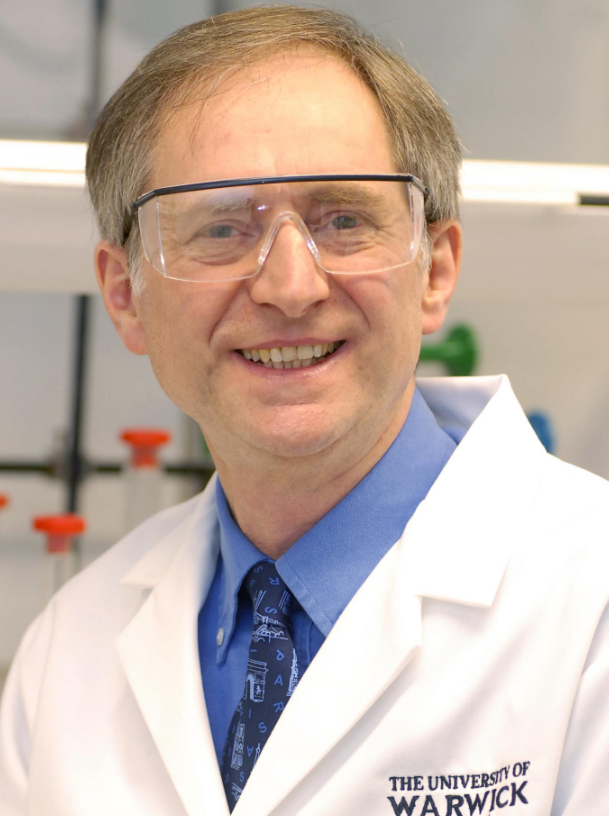 Peter Sadler合作论文数Department of Chemistry, University of Warwick7Henry G Sansom合作论文数6
 Zoe Pikramenou合作论文数Department of Chemistry and the Center for Fundamental Materials Research, Michigan State University6Peter Mcglynn合作论文数6Raul Berrocal-Martin合作论文数5Rachel S Fisher合作论文数CUNY, Adv Sci Res Ctr, Struct Biol Initiat, New York, NY 10021 USA5
 Gunnar F. Schroeder合作论文数Forschungszentrum Julich5
 Paul Burn合作论文数School of Chemistry and Molecular Biosciences, Faculty of Science, The University of Queensland;Centre for Organic Photonics & Electronics, The University of Queensland5
 Robert K Neely合作论文数Department of Biology;Eastern Michigan University;Department of Biology, Eastern Michigan University5David Dryden合作论文数4Aidan Rafferty合作论文数Department of Atmospheric and Oceanic Sciences and Department of Chemistry, McGill University, 805 Sherbrooke Street West, Montreal, QC, CanadaH3A 0B9. thomas.preston@mcgill.ca.4Sanchez-Cano Carlos合作论文数Department of Chemistry, University of Warwick4
 Brian O. Smith合作论文数Cambridge Center for Molecular Recognition Department of Biochemistry, University of Cambridge4
 Marcus Wilhelmsson合作论文数Department of Chemical and Biological Engineering/Physical Chemistry, Chalmers University of Technology4I. Emilie Steinmark合作论文数3jonathan p j markham合作论文数3Anders F Füchtbauer合作论文数3Anders Dahlén合作论文数Discovery Sciences Research and Development, AstraZeneca3Louise Natrajan合作论文数Department of Chemistry, School of Natural Sciences, Faculty of Science and Engineering, The University of Manchester3John Gardiner合作论文数Department of Chemistry, School of Natural Sciences, Faculty of Science and Engineering, The University of Manchester3Graham Emmelyn M合作论文数3
 Andrew Sutherland合作论文数School of Chemistry, University of Glasgow3Dalton Charlotte E合作论文数3
 Mattias Bood合作论文数3Lane Richard S K合作论文数3
 Yitzhak Tor合作论文数Department of Chemistry and Biochemistry, University of California, San Diego3
 Dalia Daujotyte合作论文数Institute of Biotechnology3A. Corval合作论文数3
 Abraha Habtemariam合作论文数3
 Morten Grötli合作论文数Department of Chemistry & Molecular Biology, University of Gothenburg3J.N.G. Pillow合作论文数2linda laflor合作论文数2Tianyu Hu合作论文数2
 Pingyu Zhang (张平玉)合作论文数College of Chemistry and Environmental Engineering, Shenzhen University2
 Russell Needham合作论文数2Jong Jin Ro合作论文数2
 Sangamesh Sarangamath合作论文数Chem & Biochem, Chalmers Univ Technol2Cookson K. C. Chiu合作论文数2
 Saulius Klimašauskas合作论文数Inst Biotechnol, Vilnius Univ2Andrew Ferguson合作论文数Pritzker School of Molecular Engineering, The University of Chicago2




