Purpose: The aim of this study was to characterize the clinical phenotype of patients with tetrasomy of the distal 15q chromosome in the form of a neocentric marker chromosome and to evaluate whether the phenotype represents a new clinical syndrome or is a phenocopy of Shprintzen-Goldberg syndrome. Methods: We carried out comprehensive clinical evaluation of four patients who were identified with a supernumerary marker chromosome. The marker chromosome was characterized by G-banding, fluorescence in situ hybridization, single nucleotide polymorphism oligonucleotide microarray analysis, and immunofluorescence with antibodies to centromere protein C. Results: The marker chromosomes were categorized as being neocentric with all showing tetrasomy for regions distal to 15q25 and the common region of overlap being 15q26→qter. Conclusion: Tetrasomy of 15q26 likely results in a distinct syndrome as the patients with tetrasomy 15q26 share a strikingly more consistent phenotype than do the patients with Shprintzen-Goldberg syndrome, who show remarkable clinical variation. Genet Med 2012:14(9):811–818
We report on maternal half‐sibs born to unaffected, non‐consanguineous parents with classical Shprintzen–Goldberg syndrome (SGS) who had in addition intestinal malrotation and an aberrant subclavian artery. In one other SGS family germline mosaicism has been described. SGS is molecularly heterogeneous and has been linked to mutations in three genomic loci. This suggests there may be multiple other genetic factors that result in a common clinical phenotype and a number of investigators have implicated a fourth region (15q25‐qter) in the etiology of SGS. © 2012 Wiley Periodicals, Inc.
Stickler syndrome is characterized by ocular, auditory, skeletal, and orofacial abnormalities. We describe a family with autosomal recessive Stickler syndrome. The main clinical findings consisted of high myopia, vitreoretinal degeneration, retinal detachment, hearing loss, and short stature. Affected family members were found to have a homozygous loss‐of‐function mutation in COL9A2, c.843_c.846 + 4del8. A family with autosomal recessive Stickler syndrome was previously described and found to have a homozygous loss‐of‐function mutation in COL9A1. COL9A1, COL9A2, and COL9A3 code for collagen IX. All three collagen IX α chains, α1, α2, and α3, are needed for formation of functional collagen IX molecule. In dogs, two causative loci have been identified in autosomal recessive oculoskeletal dysplasia. This dysplasia resembles Stickler syndrome. Recently, homozygous loss‐of‐function mutations in COL9A2 and COL9A3 were found to co‐segregate with the loci. Together the data from the present study and the previous studies suggest that loss‐of‐function mutations in any of the collagen IX genes can cause autosomal recessive Stickler syndrome. © 2011 Wiley‐Liss, Inc.
 Leena Ala-Kokko合作论文数3Barbara Frederick合作论文数2Brynn Levy合作论文数2Alan L. Shanske合作论文数2David Tegay合作论文数Dept Med, NYIT Coll Osteopath Med1Tsuchida Tammy N合作论文数1
 James T. Goodrich (詹姆斯•古德里奇)合作论文数Montefiore Health System1Nahum Odelia合作论文数1Hyland James C合作论文数1Fillman Corrine合作论文数1Booth Carol合作论文数1Papenhausen Peter合作论文数1
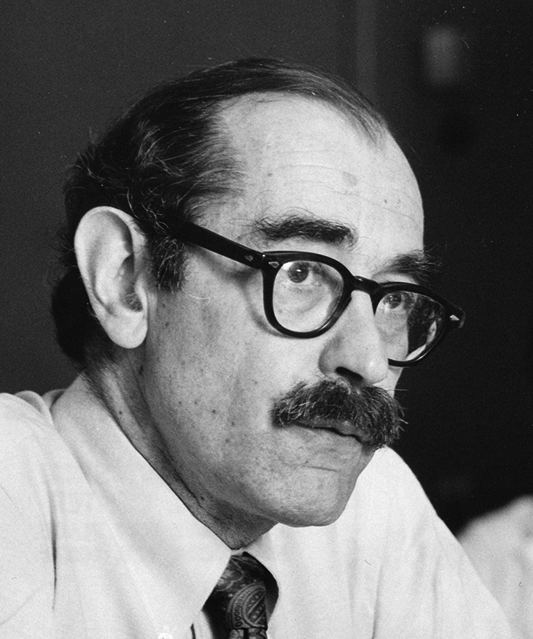 Kurt Hirschhorn合作论文数School of Medicine, City University of New York1
 Michael J Shapiro合作论文数1James H. Tepperberg合作论文数1Peter E. Warburton合作论文数1Michael P. Blair合作论文数1
 Beth A Pletcher合作论文数1




