The characteristics of two new benthic species of Pyramimonas isolated from coral rubble have been determined. One, P. superba sp. nov., most similar to P. lunata, has a morphological character suite and molecular phylogenetic signal supporting it as a member of the subgenus Trichocystis, despite its uniqueness in producing mucilage. The other, P. lamellipunctata sp. nov., also shows phylogenetic affiliation with the subgenus Trichocystis using partial SSU data. However, this second species aligns with muciferous punctate species using rbcL data, although the clade is problematic as it includes the genus Pterosperma. Morphologically, cells of P. lamellipunctata share many features with muciferous punctate species but also exhibit important disparities with this group, most notably a lack of mucilage, suggesting that they form a unique lineage.HIGHLIGHTS● Two new species of Pyramimonas are indicated as members of the subgenus Trichocystis using SSU data.● rbcL data only supports this association for one of the new species and affiliates the other with muciferous species of the subgenus Punctatae.● Morphological data only partially supports the second affiliation with punctate species, thereby inferring a unique lineage.
BACKGROUND: It is important to appreciate microalgal diversity, better understand their ecosystem functioning and therefore implement conservation measures. The National Biodiversity Act of South Africa has a marine and coastal component which promotes such investigations. OBJECTIVE: To develop a cryostorage method for the marine unicellular algal species Pyramimonas mucifera. MATERIALS AND METHODS: Cell viability, measured by propidium iodide, was used to determine both optimal exposure time to 10 % DMSO and survival following thawing of cryopreserved cells. Cryopreservation was achieved by a two-step cooling method. RESULTS & DISCUSSION: A 30-min DMSO exposure was selected for P. mucifera , as cells following such treatment retained cell shape and integrity. Although density was significantly reduced after cryopreservation, the surviving cells were capable of returning to viability levels equal to those of the untreated control (>90%). CONCLUSION: Cultures of P. mucifera can be successfully cryopreserved and propidium iodide provides a useful indication of culture vitality.
Rapidly accumulating genetic data from environmental sequencing approaches have revealed an extraordinary level of unsuspected diversity within marine phytoplankton,1-11 which is responsible for around 50% of global net primary production.12,13 However, the phenotypic identity of many of the organisms distinguished by environmental DNA sequences remains unclear. The rappemonads represent a plastid-bearing protistan lineage that to date has only been identified by environmental plastid 16S rRNA sequences.14-17 The phenotypic identity of this group, which does not confidently cluster in any known algal clades in 16S rRNA phylogenetic reconstructions,15 has remained unknown since the first report of environmental sequences over two decades ago. We show that rappemonads are closely related to a haptophyte microalga, Pavlomulina ranunculiformis gen. nov. et sp. nov., and belong to a new haptophyte class, the Rappephyceae. Organellar phylogenomic analyses provide strong evidence for the inclusion of this lineage within the Haptophyta as a sister group to the Prymnesiophyceae. Members of this new class have a cosmopolitan distribution in coastal and oceanic regions. The relative read abundance of Rappephyceae in a large environmental barcoding dataset was comparable to, or greater than, those of major haptophyte species, such as the bloom-forming Gephyrocapsa huxleyi and Prymnesium parvum, and this result indicates that they likely have a significant impact as primary producers. Detailed characterization of Pavlomulina allowed for reconstruction of the ancient evolutionary history of the Haptophyta, a group that is one of the most important components of extant marine phytoplankton communities.
This Commentary is a response to a Commentary published in the May/June 2020 issue: Nattrass N. Why are black South African students less likely to consider studying biological sciences? S Afr J Sci. 2020;116(5/6), Art. #7864, 2 pages. https://doi.org/10.17159/sajs.2020/7864 Responses to the Commentary in the May/June 2020 issue have been published collectively in a special issue of Volume 116.
Mary Agard Pocock (1886–1977) made seminal contributions to our knowledge of the green algal genus Volvox L. During the 1930–1950s, she published a series of papers dealing with Volvox and the related colonial volvocine algae. Working first at the University of Cape Town, and later at Rhodes University College (later Rhodes University, Grahamstown), Pocock was the most active researcher in this field of phycology during that time. In this essay, her extremely detailed works on Volvox, an organism of great interest for developmental biologists today, are briefly analysed (with an emphasis on the ontogenetic aspects). We show that Pocock’s data on morphogenesis and reproduction of several members of the genus reveal her significant role in the emergence of this field and her passion for the biology of this organism. Her works still retain an importance for understanding contemporary developmental biology of Volvox, rather than being of mere historical interest. Documenting this is important for those with an interest in the scientific history of this model taxon in developmental biology, and in phycology research in South Africa in general.
A new species of the dinoflagellate genus Bysmatrum was isolated from tidal pool samples originating from Cape Peninsula, South Africa. This new species was investigated by light, scanning and transmission electron microscopy, and its phylogenetic affinities were analyzed using molecular data. Cells were pentagonal in ventral view, 25-45 mu m long and 20-42.5 mu m wide and only slightly flattened in a dorsiventral plane. The epitheca, in apical view, was almost circular, with a slight ventral depression. Plate tabulation (PO, X, 4', 3a, 7", 6c, 4s, 5"', 2"") was typical for the genus Bysmatrum. Apical plate 1' was heptagonal and broadly asymmetric, with an elongated, fingerlike extension at the base. The intercalary plates 2a and 3a were separated by a direct connection between plates 3' and 4". The thecal plates were perforated by pores of different sizes and ornamented with linearly arranged reticulations. Intercalary bands were smooth, and antapical plates were not indented. This new species differs from the five other known species of the genus Bysmatrum in morphology (e.g. the shape of apical plate 1') and it occupies an isolated position in phylogenetic trees inferred by analyses of small-subunit ribosomal DNA (SSU-rDNA) sequence data. This also represents the first report of the SSU rDNA sequence for Bysmatrum arenicola.
SUMMARYA small tidal pool bloom‐forming dinoflagellate, Gymnodinium natalense T. Horiguchi & Pienaar, sampled from its type locality in South Africa, was re‐investigated and a new combination Ansanella natalensis (T. Horiguchi & Pienaar) Dawut, Sym & T. Horiguchi comb. nov. was proposed. The species was originally described as a new species of the genus Gymnodinium, and later, Moestrup et al. (2009a) transferred it to their new genus Biecheleria based on morphological resemblance. However, no molecular data were available at that time, making confirmation of its phylogenetic affinities impossible. An organism more‐recently isolated from the type locality was confirmed as G. natalense based on its morphological features. In addition, we were able to characterize details of its surface structure, which were lacking in the original description. Cells were covered with small, mostly hexagonal, amphiesmal vesicles (AV) arranged in 11–13 latitudinal rows. The episome contained an elongated amphiesmal vesicle (EAV) enclosing approximately 25 knobs in linear array. A phylogenetic analysis based on SSU rDNA sequences revealed that this dinoflagellate was closely related to Ansanella granifera the only member of the genus. The G. natalense shared numerous characteristics with A. granifera, such as the arrangement of AVs in a similar number of latitudinal rows, the shape and position of the EAV, the possession of a type E eyespot, a similar type of pyrenoid, the absence of a peduncle and nuclear chambers, the lack of a nuclear fibrous connective and no resting cyst‐like cells. Yet, it also showed some morphological differences, i.e. the possession of a single chloroplast that lacks grana‐like thylakoids, which separate it from A. granifera. These morphological features, along with its highly supported molecular affinity with A. granifera, led to the conclusion that this dinoflagellate represents a new member of this genus, i.e. A. natalensis comb. nov. The phylogenetic analysis showed no support for a close relationship with members of the genus Biecheleria.
Dinoflagellates are known to possess chloroplasts of multiple origins derived from a red alga, a green alga, haptophytes, or diatoms. The monophyletic "dinotoms" harbor a chloroplast of diatom origin, but their chloroplasts are polyphyletic belonging to one of four genera: Chaetoceros, Cyclotella, Discostella, or Nitzschia. It has been speculated that serial replacement of diatom-derived chloroplasts by other diatoms has caused this diversity of chloroplasts. Although previous work suggested that the endosymbionts of Nitzschia origin might not be monophyletic, this has not been seriously investigated. To infer the number of replacements of diatom-derived chloroplasts in dinotoms, we analyzed the phylogenetic affinities of 14 species of dinotoms based on the endosymbiotic rbcL gene and SSU rDNA, and the host SSU rDNA. Resultant phylogenetic trees revealed that six species of Nitzschia were taken up by eight marine dinoflagellate species. Our phylogenies also indicate that four separate diatom species belonging to three genera were incorporated into the five freshwater dinotoms. Particular attention was paid to two crucially closely related species, Durinskia capensis and a novel species, D. kwazulunatalensis, because they possess distantly related Nitzschia species. This study clarified that any of a total of at least 11 diatom species in five genera are employed as an endosymbiont by 14 dinotoms, which infers a more frequent replacement of endosymbionts in the world of dinotoms than previously envisaged.
A non-toxic red tide with resulting anoxia was the cause of a major harmful algal bloom in St Helena Bay, South Africa, in February and March 2015. The red tide was observed along approximately 200 km of the Namaqua coastline extending well north of the Olifants River and southward into the bay. A maximum cell concentration of 14.32 x 10(6) cells l(-1) was recorded in the southern reaches of the bay, and oxygen concentrations declined to as low as 0.06 ml l(-1) in the shallow waters off Dwarskersbos. The hypoxia induced ecological fallout was significant with massive marine mortalities, including an estimated 415 tons of rock lobster (Jasus lalandii). The causative organism was identified morphologically, ultrastructurally and phylogenetically (using partial sequences of the 18S small subunit rDNA and the 28S large subunit rDNA) as Prorocentrum triestinum (Dinophyceae). Light and electron microscopy (both scanning and transmission) also facilitated identification of P. triestinum and addressed possible confusion with similar taxa. The global incidence of P. triestinum blooms is low, with hot spots limited to coastal areas in eastern China and the Mediterranean Sea, where blooms are sometimes associated with anthropogenic nutrient pollution. The harmful bloom documented here is the first exceptional bloom event with anoxic-related marine mortalities induced by P. triestinum in a major eastern boundary upwelling system such as the Benguela.
Programmed cell death (PCD) is central to organism development and for a long time was considered a hallmark of multicellularity. Its discovery, therefore, in unicellular organisms presents compelling questions. Why did PCD evolve? What is its ecological effect on communities? To answer these questions, one is compelled to consider the impacts of PCD beyond the cell, for death obviously lowers the fitness of the cell. Here, we examine the ecological effects of PCD in different microbial scenarios and conclude that PCD can increase biological complexity. In mixed microbial communities, the mode of death affects the microenvironment, impacting the interactions between taxa. Where the population comprises groups of relatives, death has a more explicit effect. Death by lysis or other means can be harmful, while PCD can evolve by providing advantages to relatives. The synchronization of death between individuals suggests a group level property is being maintained and the mode of death also appears to have had an impact during the origin of multicellularity. PCD can result in the export of fitness from the cell to the group level via re-usable resources and PCD may also provide a mechanism for how groups beget new groups comprising kin. Furthermore, PCD is a means for solving a central problem of group living - the toxic effects of death - by making resources in dying cells beneficial to others. What emerges from the data reviewed here is that while PCD carries an obvious cost to the cell, it can be a driver of complexity in microbial communities.
Pyramimonas vacuolata Suda, Horiguchi & Sym sp. nov. is described from Okinawa-jima Island, Japan. The species has been characterized using light and electron microscopy and its phylogenetic position inferred based on 18S rDNA and rbcL gene sequences relative to other species. Strains of P. vacuolata were isolated from coastal sand samples collected from two localities in Okinawa-jima. The cells are quadriflagellate but remarkably large for the genus, and the posterior half of the cell is vacuolated. The single parietal chloroplast is olive-green and contains two conspicuous pyrenoids lying on the same transverse plane, slightly anterior to the equatorial region of the cell. The pyrenoids are surrounded by numerous starch grains, and thylakoids randomly traverse the pyrenoid matrix. Two monolayered eyespots are present, situated on the same transverse plane as the pyrenoids. The alga possesses three types of body scales and four types of flagellar scales, inclusive of two types of hair scales. This species is readily distinguished from known species of Pyramimonas by its large cell size, the conspicuous posterior vacuole and the presence of two pyrenoids. The most obvious character of this species is its large posterior vacuole, and this prompted the adoption of the specific epithet 'vacuolata'. Analysis of 18S rDNA and rbcL gene sequences of P. vacuolata relative to those of other species of Pyramimonas shows that it falls, with strong support, in a monophyletic clade representing the subgenus Pyramimonas.
SummaryLipid accumulation has been investigated in numerous microalgal species to assess their potential with respect to biodiesel production. The present work determines the effect of nitrogen stress on physiological and ultrastructural changes in Isochrysis galbana U4. This study is unique in showing the correlations between growth, lipid production, pigmentation and ultrastructural changes in Isochrysis cells undergoing nitrogen starvation. The continuation of algal growth after the complete depletion of external nitrogen was shown to be supported by internal nitrogen stores, possibly in the pyrenoid. Cell growth ceased and lipid accumulation was initiated after the internal store of nitrogen had become exhausted. The depletion of intracellular nitrogen reservoirs to critical thresholds initiated the onset of the stationary phase, a decline in chlorophyll content and the initiation of lipid and carotenoid accumulation. The most notable ultrastructural changes, upon nitrogen stress, were the accumulation of plastidial and cytoplasmic lipid bodies and the dismantling of the chloroplast. The size of the pyrenoid when external nitrogen became depleted was found to decrease significantly, up to four‐fold. This was attributed to the remobilization of nitrogen from Rubisco. The level of expression of heterochromatin was found to increase when cells were nitrogen starved. This is thought to favor long‐term dormancy in this species because aging cells have been noted to recover rapidly when returned to conditions favorable for growth. The observations of this study are consistent with the hypothesis that the responses of Isochrysis cells to nitrogen starvation are regulated by the internal reserves of nitrogen, and the depletion of these reserves is an important trigger for lipid accumulation in this species. The findings of this study also indicate that Isochrysis galbana U4 is a promising candidate for biodiesel lipid production.
The nitrogenous resource used to promote algal growth has cost implications for mass culture processes. The present study therefore aimed to determine the effect of different nitrogenous resources (nitrate, ammonium and urea) on various performance parameters (growth, final cell yield, pigmentation, lipid yield and cellular and sub‐cellular characteristics) in Isochrysis galbana. Growth rate was unaffected by nitrogenous resource, but the final cellular yield in the nitrate and urea treatments far exceeded that evident in the ammonium treatments. The reduced cell yield in ammonium treatments and the earlier onset of the stationary phase was brought about by nitrogen‐starvation due to an increase in pH and resultant ammonia volatilization. This starvation initiated an early onset of lipid accumulation, chlorophyll depletion and an increase in the carotenoid to chlorophyll ratio relative to the other nitrogen (N) source treatments. Hence, in spite of being potentially the preferred source of N by algae (due to its reduced state), ammonium‐nitrogen is undesirable for mass culture. The performance parameters of Isochrysis grown in urea (an organic N source) and nitrate (an inorganic N source) were similar, but lipid accrued earlier in cells grown in medium supplemented with urea. This is advantageous for lipid acquisition for the production of biodiesel since it would reduce the duration of photobioreactor runs. Urea is easily available and considerably cheaper than all the other N sources tested and is thus recommended as the nitrogenous resource for large‐scale culture of I. galbana for biodiesel production.
The effect of nitrogen concentration on lipid accumulation, biomass productivity and lipid productivity in Isochrysis galbana U4 (Isochrysidales, Haptophyta) was tested. Nitrogen limitation induces fluctuations in the lipid productivity in this species. The lipid productivities were influenced to a greater extent by the lipid yield rather than by biomass productivity. Lipid productivities were maximal during the early stationary phase when lipid accumulation was initiated and declined as the stationary phase progressed which was attributed to the cessation in lipid accumulation when the upper limit to the lipid storage capacity of I. galbana cells was reached. Hence, the cost of I. galbana mass culture for lipid production, as biofeed for biodiesel, can be reduced by harvesting the cells during the early stationary phase, when lipid productivity is at a maximum. This would maximize lipid yields and reduce the duration of photo-bioreactor runs resulting in reductions in energy costs.
The fuel properties of microalgal biodiesel are predicted using published microalgal fatty acid (FA) compositions and predictive fuel models. Biodiesels produced from the microalgae investigated are predicted to have extremely poor oxidative stabilities and the majority also have poor cold-flow properties. The cetane number in most cases is out of specification, but less so than the oxidative stability and cold flow. These findings support the idea that feedstocks rich in monounsaturated fatty acids (MUFAs) are desirable for biodiesel but the composition of the saturated fatty acids (SFAs) is also shown to be of great importance. There is an apparent relationship between algal class and the percentage of FAs represented by MUFA. This potentially allows for the identification of high-MUFA algal classes, or at least provides some basis for researchers to make initial selections of target classes for bioprospecting. Comparisons of FA groups between algal classes also show that the SFAs of Mediophyceae contain significantly higher proportions of C14:0, which is in contrast to the normally abundant C16:0 and the Mediophyceae therefore have better cold-flow characteristics than other classes with similar total SFA contents. Certain particularly promising cases for biodiesel production are presented as species level examples of feedstocks that are close to satisfying the biodiesel standards and to further illustrate the challenges that remain. Variation in FA composition as a response to changes in certain environmental variables forms another important facet to feedstock selection and is briefly considered, with suggestions for further research.
A novel colonial prymnesiophyte from the inshore waters of South Africa, which is reminiscent of the genus Corymbellus, is described at light and electron microscope levels. It differs from the only species of this genus, Corymbellus aureus, in scale structure, cell shape and colony morphology and has a complement of unusual morphological features that link it most with members of the Prymnesiales. Phylogenetic analyses of the nuclear-encoded SSU and LSU ribosomal DNA sequences indicate that this organism is closely related to members of the genus Prymnesium sensu lato and it is thus considered as a novel species, here named P. radiatum. The closest relative to P. radiatum in the SSU rDNA phylogenetic tree was Prymnesium neolepis (formerly Hyalolithus neolepis). The reconfiguration of the cytoskeleton during cell division in this organism is also novel, with a progressive elaboration of existing elements, rather than the massive reorganization expected in the prymnesiophytes.
In 1988 and 1989, an undescribed gymnodinioid dinoflagellate species turned the waters of the largest bay in South Africa, False Bay, to a dirty olive-green colour. The bloom was accompanied by extensive abalone (Haliotis midae) mortalities and noxious gases causing eye, nose, skin and throat irritations in humans. In 1995, another undescribed gymnodinioid species bloomed in the same bay but with no adverse effects on marine fauna or humans. These two species form an established component of the phytoplankton assemblage on the south coast of South Africa. They are described here as Karenia cristata Botes, Sym & Pitcher and K. bicuneiformis Botes, Sym & Pitcher. Karenia cristata has a straight apical groove elevated into an apical crest and extending down immediately to the right of the sulcal extension on the ventral side. The hypocone is asymmetrical, with the right lobe larger and more rounded than the left; the nucleus is central, with the bulk situated in the hypocone. Its pigment content is similar to that of K. mikimotoi and K. brevis. Other than K. brevis, K. bicuneiformis is significantly larger than the other Karenia species and is distinctly dorso-ventrally flattened. The hypocone is w-shaped and the epicone is conical, giving the cell a distinctly angular outline. Pairwise distance comparisons of partial large subunit (28S) rDNA sequences indicate that these two species are clearly different from other species within the genus.
A novel member of the Calyptrosphaeraceae surrounded by a hyaline sheath, with only one chloroplast and without an emergent haptonema, is tentatively described as a species of Calyptrosphaera Lohmann. It has an interrupted body to its single pyrenoid and a unique microtubular root complement with only one crystalline root (CR) nucleating on root 2 (R2). At preprophase it produces a CR1, lending support to the idea that these crystalline roots contribute to the mitotic spindle. It shares numerous ultrastructural traits with the heterococcolithophorid Cruciplacolithus neohelis but, although it is tempting to consider it a haploid phase of this organism, is distinct from it.
 Takeo Horiguchi合作论文数5
 Vincent Gray合作论文数5
 Masanobu Kawachi合作论文数National Institute for Environmental Studies4
 Richard N. Pienaar合作论文数4
 Roopnarain A合作论文数School of Molecular and Cell Biology, University of the Witwatersrand3Pierre M. Durand合作论文数Evolutionary Medicine Unit, University of the Witwatersrand and National Health Laboratory Service;Department of Ecology and Evolutionary Biology, University of Arizona3Shoichiro Suda合作论文数3
 Mahmutjan Dawut合作论文数2
 Grant C. Pitcher合作论文数Marine and Coastal Management2Graham Robert Stansell合作论文数2Isao Inouye合作论文数2K. Mokoena合作论文数1Nisha Dhar合作论文数1Kim Madikiza合作论文数1Motoki Kayama合作论文数1
 Mohammad Azmal Hossain Bhuiyan合作论文数1Candice Nikita Neves合作论文数Sch Anim Plant & Environm Sci, Univ Witwatersrand1
 Hanlie Madelein Engelbrecht合作论文数Dept Bot & Zool, Stellenbosch Univ1
 S. Situngu合作论文数Sch Anim Plant & Environm Sci, Univ Witwatersrand1Andrew Ndhlovu合作论文数university of the witwatersrand1
 Norico Yamada合作论文数1Egge Elianne S合作论文数Department of Bioscience, University of Oslo1Faria Daphne Georgina合作论文数Department of Life Science, Sangmyung University1Nomura Mami合作论文数1
 Richard Michod合作论文数College of Science, University of Arizona1
 Glennon Kelsey L合作论文数1
 Reynolds Chevonne合作论文数FitzPatrick Institute of African Ornithology
University of Cape Town1
Reynolds Chevonne合作论文数FitzPatrick Institute of African Ornithology
University of Cape Town1 Ryoma Kamikawa合作论文数Graduate School of Agriculture, Kyoto University1
 Alexey Desnitskiy合作论文数1
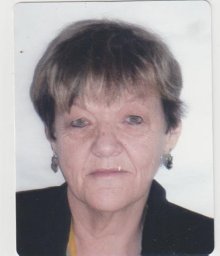 Martie Sanders合作论文数Science Education, Witwatersrand University1
 Francesca Parrini合作论文数E.N.E.L. Centro Ricerche Termiche Nucleari Milano1Isabel M. Weiersbye合作论文数School of Animal, Plant and Environmental Sciences, University of the Witwatersrand1
 Robert J. Scholes合作论文数Global Change and Sustainability Research Institute, Witwatersrand University1
 Ian Probert合作论文数CNRS, Université Pierre et Marie Curie1
 Ida Risenga合作论文数School of Animal, Plant and Environmental Sciences, University of the Witwatersrand1
 Wayne Twine合作论文数University of Colorado at Boulder1David Mycock合作论文数1
 Bente Edvardsen合作论文数Microbial Evolution Research Group (MERG),, University of Oslo1
 E.T. F. Witkowski合作论文数School of Animal, Plant and Environmental Sciences, Faculty of Science, University of the Witwatersrand1
 Glynis V. Cron合作论文数1
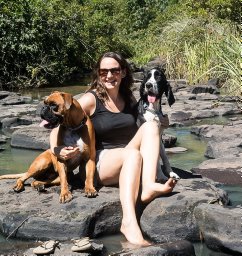 Jolene Tichauer Fisher合作论文数1
 Kevin Balkwill合作论文数School of Animal, Plant and Environmental Sciences, University of the Witwatersrand1
 Darragh J. Woodford合作论文数School of Biological Sciences;University of Canterbury;School of Biological Sciences, University of Canterbury1
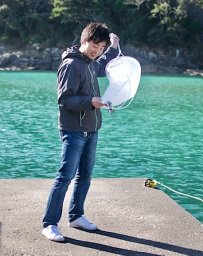 Takuro Nakayama合作论文数Graduate School of Life and Environmental Sciences, University of Tsukuba1
 Hideaki Miyashita合作论文数1
 Vivienne L. Williams合作论文数School of Animal, Plant and Environmental Science, University of the Witwatersrand1Lizeth Botes合作论文数1
 Sally Archibald合作论文数Sensing Research Unit, Remote;Meraka Institute;Natural Resources & Environment;Remote Sensing Research Unit, Meraka Institute1
 Marcus J Byrne合作论文数School of Animal, Plant and Environmental Sciences, University of the Witwatersrand1




