The reconstruction and repair of large bone defects, resulting from trauma, cancer or metabolic disorders, is a major clinical challenge in orthopaedics. Clinically available biological and synthetic grafts have clear limitations that necessitate the development of new graft materials and/or strategies. Human mesenchymal stem cells (MSCs), obtained from the adult bone marrow, are multipotent cells capable of differentiating into various mesenchymal tissues. Of particular interest is the ability of these cells to differentiate into osteoblasts, or bone-forming cells. At Osiris, we have extensively characterized MSCs and have demonstrated MSCs can induce bone repair when implanted in vivo in combination with a biphasic calcium phosphate, specifically hydroxyapatite/tricalcium phosphate. This article reviews previous and current studies utilizing mesenchymal stem cells and biphasic calcium phosphates in bone repair.
Analogs of 1α,25-dihydroxyvitamin D3 [1α,25(OH)2D3] activate both genomic mechanisms via the nuclear vitamin D3 receptor (nVDR) and nongenomic pathways via the plasma membrane vitamin D3 receptor (pmVDR). Both of these pathways are normally activated by 1α,25(OH)2D3, but as a result of synthesis of numerous analogs of 1α,25(OH)2D3 these pathways can be distinguished. We used increasing doses of vitamin D3 analogs to determine their potencies of action on these two distinct pathways, measuring calcium channel potentiation as an indicator of the nongenomic action and measuring increases in osteocalcin mRNA and protein release and bone resorption as indicators of genomic action. We found that both 25(OH)-16,23E-diene-D3 (R) and 1α,25(OH)2-16,23E-diene-D3 (A) are 10-fold more potent than 1α,25(OH)2D3 for activation of the nongenomic pathway because double bonds in the side chain and the D ring increase the affinity for calcium channel potentiation. While the C-1α-hydroxyl group is not necessary for potentiation of calcium channels, methyl groups at this position can alter the affinity for calcium channel potentiation. On the other hand, 1000 fold higher concentrations of nongenomic analogs were needed compared to 1α,25(OH)2D3 to increase osteocalcin mRNA or protein release. 1α,25-Dihydroxy-16-ene-23-yne-26,27-hexafluorovitamin D3, (E) is an agent that is 10 fold more potent than 1α,25(OH)2D3 at increasing osteocalcin mRNA and protein release, whereas 1α,25(OH)2-3-epi-D3 increases osteocalcin mRNA and protein with a potency over 10 fold lower than 1α,25(OH)2D3. These results suggest that double bonds in the side chain and the D ring stabilize action on the nongenomic pathway whereas F6 on the terminal portion of the side chain increases potency for nVDR. On the other hand, while the C-1α-hydroxyl group is necessary for activation of genomic events via nVDR, the activation of nongenomic events occurs in the absence of this group.
 M R Uskokovic合作论文数1Weiping Qiu合作论文数1Sj Peter合作论文数1
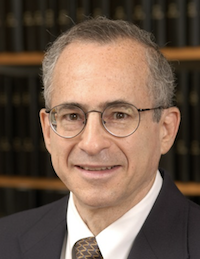 Gary H. Posner合作论文数Department of Chemistry, Krieger School of Arts & Sciences, Johns Hopkins University1
 Austin Smith合作论文数Living Systems Institute, University of Exeter1Kazuhiro Takeuchi合作论文数1Sharon T Eyes合作论文数1
 Kevin Mcintosh合作论文数1Michael Archambault合作论文数1G.Satyanarayana Reddy合作论文数1Sandra E. Guggino合作论文数School of Medicine, The Johns Hopkins University1Shizuka Nagaba合作论文数1




