We obtain the various forms of BRST symmetry by using the Batalin-Fradkin-Vilkovisky formalism in a prototypical first class system. We have shown that the various forms of symmetry can be obtained through canonical transformation in the ghost sector. The so called "dual-BRST" symmetry which is claimed to be an independent symmetry due to its roots in differential geometry is obtained from usual BRST symmetry by making a canonical transformation in the ghost sector.
Soil biodiversity remains one of the least systematically studied components of global biodiversity, largely invisible in policy agendas. A coordinated soil biodiversity monitoring approach is urgently needed to enable national‐level action.
Water scarcity is a major challenge for world agricultural productivity, and using water conserving techniques (WCT) is required in different agro-ecologies. The review aims to evaluate various water conservation techniques used in agriculture and assess their efficiency across different agroecological zones. In this review, a variety of water-saving practices used in field-based agriculture under different climate and soil environments were presented. Meta-analytic methods were used to integrate evidence across studies, and account for methodological and contextual factors that modulate the effects. The literature review included peer-reviewed publications, government reports, and field studies produced between 2000 and 2024. The work compares ancient techniques, such as mulching, crop rotation, and rainwater harvesting, to modern technologies, such as drip irrigation, precision agriculture, and drought-resistant varieties. The results showed that the effectiveness of conservation practices strongly depended on the agroecological context, with the water use efficiency of drip irrigation ranging between 60-90% in arid areas compared to 30-45% for the non-conservation practice of traditional surface irrigation. The synergism that is revealed among various conservation measures, primarily by implementing soil moisture conservation measures coupled with efficient irrigation, is reconstructed here. The review elaborates vital considerations that drive the choice of method, such as the type of soil, amount of rainfall, crop water requirement, and economic situation. It is documented that the site-specific adaptation of conservation tillage technology delivers the best results, with water saving being between 20-70% based on the agroecological environment. The next investigative steps are to build and promote climate-smart conservation practices and facilitate farmer uptake through participatory methodologies and policy support. In conclusion, the evidence clearly indicates that successful water conservation requires integration of technical interventions with supportive policies, institutional mechanisms, and community participation. Future research must focus on developing climate-resilient conservation strategies while ensuring equitable access to water-saving technologies for all farmers.
The loss of soil due to erosion is one of the most critical land degradation issues globally, representing a vital asset for both the economy and the environment. To effectively manage and regulate such a global issue, it is imperative to estimate the loss. With technological advancements, methodologies such as Geographic Information Systems (GIS) and Remote Sensing (RS) are crucial in addressing these difficulties. The primary objective of this study was to employ the Revised Universal Soil Loss Equation (RUSLE) model inside a GIS framework to quantify soil loss in the Ranganadi river basin of Assam, providing a more rapid and accurate estimate. Three distinct physiographic units, i.e., Piedmont Plain, Alluvial Plain, and Flood Plain, were delineated. Collected 60 GPS-based soil samples from distinct physiographic units were collected and analyzed for different soil physico-chemical properties, in addition to taking into account a variety of criteria, such as rainfall erosivity factor (R), soil erodibility factor (K), topography factor (LS), cover and management factor (C), and conservation practices factor (P), the RUSLE approach is based on the evaluation of soil loss per unit area. Five basic RUSLE factors, viz., R factor, K factor, LS factor, C factor, and P factor, were used to determine soil erosion. Further, erosion ratio, dispersion ratio, and erosion index are the basic examples of erodibility indicators that were taken into consideration while used to evaluating the erodibility of the soil. The anticipated soil erosion in the above-said area varied from minimal to severe, with values between 0.01 and 27.38 t ha-1 yr-1. Among the physiographic units, alluvial plain soils had the greatest mean soil erosion value of 8.52 t ha-1 yr-1, whereas floodplain landscapes indicated the lowest average value of 3.39 t ha-1 yr-1. The dispersion ratio varied between 0.08 and 0.33, with soils exhibiting a dispersion ratio exceeding 0.15, signifying their vulnerability to erosion. The erosion ratio varied between 0.04 and 0.61, whereas the erosion index fluctuated from 0.06 to 0.84. As a result, this model is particularly useful in anticipating soil loss in an area, allowing community members, legislatures, and other linked agencies to plan ahead of time for future efforts to mitigate the degradation.
Soil carbon sequestration represents a critical natural climate solution for mitigating atmospheric CO₂ concentrations while simultaneously enhancing soil health and agricultural productivity. This comprehensive review examines recent developments in soil carbon sequestration strategies, analysing mechanisms, quantification methods, and implementation approaches across diverse ecosystems. Recent studies demonstrate that optimised agricultural practices can increase soil organic carbon stocks by 0.4-1.2 Mg C ha⁻¹ yr⁻¹, contributing significantly to climate mitigation goals. Key strategies include conservation agriculture, cover cropping, biochar application, agroforestry systems, and enhanced weathering techniques. However, permanence challenges, measurement uncertainties, and socioeconomic barriers remain significant constraints. Advanced monitoring technologies, including remote sensing and machine learning approaches, show promise for improving carbon stock assessments. Emerging credit carbon markets create financial incentives for soil carbon sequestration, with voluntary markets currently dominating transactions. Policy frameworks incorporating carbon credits and incentive mechanisms are emering globally to promote adoption. This review synthesises current knowledge on sequestration potential across different soil types and climatic zones, evaluates technological innovations, and identifies research priorities. Future directions emphasise integrated landscape management, precision agriculture technologies, and nature-based solutions. Achieving substantial climate mitigation through soil carbon sequestration requires coordinated efforts combining scientific advancement, policy support, and stakeholder engagement to realise the full potential of soils as carbon sinks.
Soil microbial diversity represents one of the most complex and essential components of terrestrial ecosystems, playing crucial roles in nutrient cycling, organic matter decomposition, and ecosystem stability. This comprehensive review examines recent advances in understanding soil microbial communities and their functional significance in ecosystem processes. Through analysis of contemporary molecular techniques including high-throughput sequencing, metagenomics, and metabolomics, we explore how technological innovations have revolutionized our understanding of microbial diversity patterns across various soil types and environmental gradients. The review synthesizes findings on key microbial groups including bacteria, archaea, fungi, and protists, examining their interactions and contributions to critical ecosystem services such as carbon sequestration, nitrogen fixation, and phosphorus mobilization. We discuss the impacts of anthropogenic activities, climate change, and land-use practices on soil microbial communities and their functional resilience. Special attention is given to the Indian subcontinent's diverse soil ecosystems, from the Indo-Gangetic plains to the Western Ghats, highlighting region-specific microbial adaptations and their agricultural implications. The review identifies current knowledge gaps and proposes future research directions, emphasizing the need for integrated approaches combining traditional and cutting-edge methodologies. Understanding soil microbial diversity is paramount for developing sustainable land management strategies, enhancing agricultural productivity, and mitigating climate change impacts through improved soil health management.
Soil represents a critical element of plant existence, ranking prominently among the five essential elements. When soil quality declines, it adversely impacts crop productivity. In the present research, the emphasis was placed on conducting a physicochemical analysis of soils in various villages within the Pendhurti block of Visakhapatnam district. In this research, 30 samples of soil were gathered haphazardly from 0 to 15 cm depth across 15 distinct villages.The soil samples gathered underwent analysis in a laboratory to assess their physicochemical parameters. The results revealed that the soil pH exhibited a neutral to slightly alkaline reaction i.e. 6.9 to 8.2 and EC 0.076 to 0.381. The organic-C content was found to be low i.e. (0.12 to 0.59). The Particle density and bulk density were observed to be 2.05 to 2.8 Mg m-3 and 1.33 to 1.57 Mg m-3. The available N in soil was found lowi.e.75.26 to 137.98 kg ha-1, medium to low for K (78.4 to 389.40), and high for P i.e. (22.38 to 151.98 kg ha-1). The available Ca and Mg were recorded to be adequate and S was low to medium (0.21 to 19.6 mg kg-1) and nutrient index values for N, S, Organic-C found to be low, medium for K and high for P. The available micronutrients were reported sufficient (Cu, Zn) to high (Fe, Mn).This analysis emphasizes the need for a greater emphasis on improving soil quality using enhanced practices such as integrated nutrient management and crop rotations, rather than depending solely on monoculture farming.
This paper explores the integration of robotics in aquaculture practices to achieve sustainable seafood production, thereby enhancing global food security. With the increasing demand for seafood and the challenges posed by overfishing and environmental changes, innovative solutions are required to ensure a consistent supply of high-quality seafood. Robotic technologies offer promising avenues for optimizing various aspects of aquaculture, including monitoring, feeding, disease detection, and habitat management. Through a comprehensive review of recent advancements and case studies, this paper highlights the potential benefits, challenges, and future directions of robot-assisted aquaculture systems. By leveraging automation, data analytics, and artificial intelligence, the aquaculture industry can achieve greater efficiency, reduced environmental impact, and enhanced seafood availability, ultimately contributing to improved food security on a global scale.
The current study was conducted at the different villages of the Arajiline block of Varanasi district, Uttar Pradesh, India during November, 2022–June, 2023 to evaluate the variability of soil properties and nutrient indexof soils. The random sampling technique was used to collect 40 soil samples at different locations with the help of GPS at 0–15 cm depth. The collected soil samples were air-dried in shade at room temperature, passed through a 2 mm filter paper, and analyzed for different physico-chemical properties. The result revealed that the TS (range 8.2–81.3%), VFS (range 4.2–35.5%), Silt (range 10.1–54.2%), Clay (range 7.7–38.8%), BD (range 1.08–1.45 g cm-3), PD (range 2.04–2.33), Porosity (range 30.24–51.56%) pH (range 6.4-7.8), EC (range 0.1-0.3 dS m-1), OC (0.2-0.6%), and available N, P, K, S, Ca, and Mg varied from 130.12–260.30 kg ha-1, 14.2-23.2 kg ha-1, 145.0–240.0 kg ha-1, 7.5–17.6 kg ha-1, 3.8–8.2 cmol(P+)/kg, and 2.1-4.1 cmol(P+)/kg, respectively. The findings indicated that the studied soils were slightly acidic to moderately acidic and free from salinity hazards; 70% of the soil samples were low in organic carbon, 30% were medium in organic carbon, and 100% of the soil samples were low in available N and medium in available P, K, and S. 100% of soil samples were found to be sufficient in exchangeable Ca and Mg. The findings of this research could help in crop nutrient management, fertilizer recommendation, and decision-making for increasing agricultural production and farmer profitability.
The Himalayan region is one of the planet's most distinctive mountain ecosystems as a result of its geography, altitude, and biological diversity. Mountain ecosystems throughout the world are being affected by overuse of resources, widespread land conversion, and climate change. Despite their rich biodiversity and diverse ecosystems, mountains are facing an increasing pressure from land conversion, industrialization, and climate change. Between 2000 and 2025, food production in developing nations, now estimated at 1223 million metric tonnes (Mt), should increase by 778 million Mt, or 2.5% annually, to fulfill the demands of an expanding population and an anticipated change in diet. SOC is regarded as the most important indicator of soil quality and agricultural sustainability. Focusing on improving soil quality and agronomic productivity per unit area through an increase in the soil organic carbon pool provides the most additional advantages among all the others. Adopting suggested management techniques on arable lands and degraded soils would improve soil quality. Cropland deterioration is accelerated by increased agricultural activity, and restoration has been controlled by modifying the vegetation on the land. However, little is known about the crucial microbiome that fuels the degradation of organic materials linked to plants during vegetation regeneration. Ecological rehabilitation of deteriorated areas has gradually increased public awareness and sparked widespread concern around the world. Thus, this chapter will focus on the role of microbes and their functioning in enhancing SOC and in the restoration of the degraded agricultural ecosystems.
The rapidly evolving landscape of agriculture faces myriad challenges, including pests, diseases, and environmental factors that jeopardise global food security. The urgency of these challenges necessitates innovative plant protection strategies that are both effective and environmentally sustainable. This review offers a comprehensive examination of the advancements and considerations in plant protection, from traditional methods to modern technological approaches. Traditional practices, although eco-friendly, often fall short in efficacy and scalability. The advent of chemical solutions such as pesticides revolutionised plant protection but brought about environmental and health concerns. Biological controls offer a middle-ground, leveraging natural predators and bio-pesticides to combat agricultural threats. Technology is playing an increasingly critical role in shaping the future of plant protection. Sensor technologies and drones are enabling precision agriculture, enhancing the monitoring and application of protection measures. Genetic engineering holds the promise of creating crops resistant to pests and diseases, albeit amid ethical and safety debates. Integrated Pest Management (IPM), a balanced, eco-friendly approach, is gaining traction, supported by case studies that validate its effectiveness and adaptability. Meanwhile, policy and regulation are evolving to better govern the use of chemicals, promote sustainability, and address the impacts of climate change on agriculture. This review explores future trends, particularly the influence of emerging technologies such as nanotechnology and IoT, and potential shifts in global policies towards more sustainable practices. It argues for the imperative of integrating these multifaceted approaches, guided by robust policies and regulations, to achieve the dual objectives of high agricultural yield and environmental conservation. It aims to provide a holistic understanding and guide future directions in plant protection strategies, emphasising the importance of adaptability, sustainability, and integration in facing the challenges of tomorrow.
Assessing soil fertility is crucial for developing effective soil management strategies that can enhance soil health, increase crop productivity, and promote sustainable agricultural practices. The current study was conducted to assess the soil fertility index and, to prepare a soil fertility zonation map using combine fuzzy and analytical hierarchy process (AHP) approaches in Udham Singh Nagar of Uttarakhand. Sixty GPSbased surface soil samples were collected (0-30 cm depth) from different locations, and analyzed chemical properties using a stratified multistage random sampling method and maps were prepared to identify their spatial distribution. The results show that the values of soil fertility index on the fuzzy scale (0-1) was varied from 0.04-0.62 and, therefore, the study area was classified as very low, low, and moderate soil fertility classes comprising 55.61%, 44.24% and 0.14%, respectively. AHP analysis revealed that the most important limiting factor for wheat production was available nitrogen, followed by phosphorous, potassium, organic carbon, pH and electrical conductivity. A correlation coefficient between wheat yield and soil fertility index was found to be as high as 0.86, and its validating the zonation of soil fertility classes. This study infers that combined fuzzy-AHP techniques may be used to compute soil fertility index and limiting factors of wheat production.
Environmental sustainability is a critical concern for the well-being of future generations. Within the realm of sustainability, soil conservation plays a crucial role in preserving Earth's vital resource and maintaining the balance of ecosystems and agricultural productivity. This review explores the importance of environmental sustainability and the significance of soil conservation in achieving this objective. It examines the detrimental impacts of soil degradation on ecosystems and agriculture, emphasizing the need for effective conservation strategies. Various strategies for soil conservation and sustainable land management are discussed, including erosion control, soil restoration, agroforestry, and precision agriculture. The review also highlights the benefits and challenges associated with implementing soil conservation measures. By embracing these strategies, we can ensure the long-term health and productivity of our planet's soil, securing a sustainable future for generations to come.
The review titled "Soil Science and Sustainable Farming: Paving the Way for Food Security" explores the critical role of soil science in achieving sustainable agriculture and ensuring global food security. The review focuses on key aspects of soil science that contribute to sustainable farming practices, including soil health assessment, soil management practices, soil conservation strategies, soil amendments and nutrient management, and soil-water interactions. Each subheading delves into specific topics within soil science, highlighting their importance in promoting soil fertility, preventing erosion and land degradation, balancing crop nutrition, and optimizing irrigation and water use efficiency. By understanding and implementing these soil science principles, farmers can adopt sustainable practices that enhance soil productivity, preserve natural resources, and support long-term food security.
Biofortification is a promising agricultural approach for addressing micronutrient shortages and increasing the nutritional content of food crops. Micronutrient deficiencies, also known as "hidden hunger," continue to affect many people around the world, particularly in underdeveloped countries. This presentation emphasises the need of biofortification in solving this worldwide health issue. Biofortification tries to improve the level of important micronutrients such as iron, zinc, vitamin A, and iodine in edible plant portions by using traditional breeding techniques or current biotechnological procedures. Iron-fortified beans, zinc-enhanced rice, vitamin A-rich sweet potatoes, and iodine-enriched crops are all examples of successful biofortified crops. To maximise their impact, biofortification programmes must be integrated with nutrition education and agronomic practises, according to the abstract. Governments, research institutes, non-governmental organisations, and the commercial sector must work together to scale up biofortification activities and build healthier, more resilient communities around the world.
Soil a significant carbon sink, plays a pivotal role in mitigating climate change. This review underscores the potential of soil amendments for enhancing carbon sequestration, focusing on the intricate relationship between these amendments and soil microbial communities. Soil amendments, ranging from biochar and organic compost to mineral additives, have been identified as viable strategies to boost soil carbon stocks. Concurrently, these amendments influence the diversity, structure, and functional roles of microbial communities, which in turn, are integral to soil carbon dynamics. Tools like 16S rRNA sequencing, metagenomics, and isotope tracing techniques have propelled our understanding of microbial responses, shedding light on the complex microbial networks and their roles in carbon cycling. While promising, the application of soil amendments presents challenges. Variability arising from different soil types, climates, and microbial dynamics poses a consistent research challenge. Potential risks like reduced sequestration over time and economic considerations for large-scale application necessitate attention. Future directions hinge on innovations in soil amendment products, harnessing microbial inoculants for synergistic effects, and fostering interdisciplinary collaborations. This convergence of science, technology, and collaborative research heralds a future where soils are not just seen as substrates but as active, dynamic entities in the fight against climate change.
 Bhabani Prasad Mandal合作论文数Banaras Hindu University12
 Priyanka Rani合作论文数9
 Ashish Rai合作论文数Krishi Vigyan Kendra, DRPCAU6
 Ayush Bahuguna合作论文数5Avinash Rai合作论文数4
 Dr P.K. Bharteey合作论文数Assam Agricultural University4
 Saroj Kumar Prasad合作论文数3
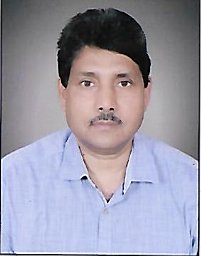 Satish Kumar Singh合作论文数3
 Dinesh Chandola合作论文数3Narinder Panotra合作论文数3
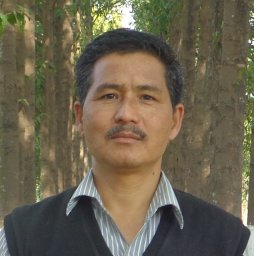 Veer Singh合作论文数Govind Ballabh Pant University of Agriculture and Technology3
 Rajesh Kumar Singh合作论文数Department of Earth Sciences, Indian Institute of Technology Bombay3
 Maneesh G Kumar合作论文数3
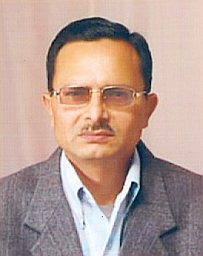 Jagdish Chandra Kuniyal合作论文数Himachal Unit, G.B. Pant Institute of Himalayan Environment and Development3
 Anand Prakash Singh合作论文数Department of Mathematics, Shivaji University3Nidhi Luthra合作论文数2Sudhir Pal合作论文数2
 Marami Dutta合作论文数2
 Pooja Thathola合作论文数2
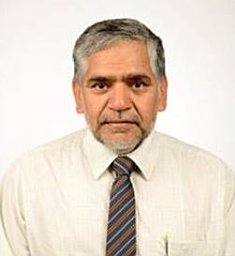 Awtar Singh合作论文数2
 Anshu Gangwar合作论文数Krishi Vigyan Kendra, Dr. Rajendra Prasad Central Agricultural University2
 Jitendra Rajput合作论文数Water Technol Ctr, ICAR IARI2
 Achin Kumar合作论文数2Ronaldo Thibes合作论文数2
 K. Chandra Sekar合作论文数Ctr Biodivers Conservat & Management, GB Pant Natl Inst Himalayan Environm2
 Kapil Kesarwani合作论文数2
 Bipul Deka合作论文数2
 Sudhaker Upadhyay合作论文数BHU2
 Amitava Rakshit合作论文数Agricultural and Food;Engineering Department;Indian Institute of Technology;Engineering Department, Indian Institute of Technology2Derrick Y. F. Lai合作论文数1Rishikesh Yadav合作论文数1
 Shreedhar Beese合作论文数1Sanjib Ranjan Borah合作论文数1Akshay Kumar Kurdekar合作论文数1Vaishnavi Gawande合作论文数1C. L. Maurya合作论文数1Vidhya C.S.合作论文数1
 Deepak Kumar Meena合作论文数1Hanumanta D. Lamani合作论文数1Arvind Kumar Singh合作论文数1Namrata Kashyap合作论文数1
 Apurba Pal合作论文数1P. Thilagam合作论文数1
 Nidhi Kanwar合作论文数1Neha Sharma合作论文数1
 Lata Vishnoi合作论文数1
 Kapil Bisht合作论文数1Ram Babu Sharma合作论文数1Kavita Devi合作论文数1




