BackgroundDrug-eluting bead trans-arterial chemoembolization (DEB-TACE) has been extensively employed as a locoregional therapy for hepatocellular carcinoma (HCC). In this work, machine-learning algorithms are used to forecast early treatment response in HCC patients undergoing DEB-TACE.MethodsWe collected data on patients with HCC who underwent anthracycline-loaded DEB-TACE at our institution over two periods: July 2023 to November 2024 and January to September 2025. The treatment response was evaluated at 1, 3, and 6 months after therapy by dynamic contrast-enhanced computed tomography (CT) based on the modified Response Evaluation Criteria in Solid Tumors (mRECIST). Univariable and multivariable logistic regression analyses were conducted. Independent predictors identified were used to build the predictive model. Machine learning models were evaluated using multiple performance metrics, including AUC, accuracy, sensitivity, and specificity, across the internal validation set and the temporal validation cohort.ResultsA total of 299 HCC patients were included (196 internal cohort, 103 temporal validation cohort), with objective response rates at 1, 3, and 6 months of 56.1%, 51.2%, and 45.9% for the internal cohort and 57.3%, 52.4%, and 49.5% for the temporal validation cohort. Risk factor analysis identified independent predictors of treatment response at various time points, including age, BCLC stage, tumor distribution, and largest tumor diameter. LR showed the highest AUC across all time points, with values of 0.830, 0.840, and 0.854 in the internal validation set and 0.817, 0.832, and 0.839 in the temporal validation cohort at M1, M3, and M6. Subgroup analyses suggested generally consistent predictive performance of the LR model across selected treatment-related subgroups.ConclusionIn the treatment of hepatocellular carcinoma with DEB-TACE, machine learning models demonstrated promising performance in predicting early treatment response, supporting the development of personalized treatment strategies in the future.
Melanoma-associated antigen D4 (MAGED4) belongs to the melanoma-associated antigen family and is upregulated in various cancer types. However, the functional role and molecular mechanisms of MAGED4 in hepatocellular carcinoma (HCC) remain largely unknown. In this study, we observed that MAGED4 expression levels were significantly higher in HCC tissues than in non-cancerous tissues and elevated expression was associated with poor patient outcomes. Functional assays demonstrated that MAGED4 promoted proliferation and migration of HCC. We found that MAGED4 can activate the Janus kinase 2/signal transducer and activator of transcription 3 (JAK2/STAT3) signaling pathway. Mass spectrometry and co-immunoprecipitation assays revealed an interaction between MAGED4 and tripartite motif-containing 21 (TRIM21). Confocal microscopy experiments confirmed the colocalization of MAGED4 with TRIM21. Mechanistically, MAGED4 can regulate the stability of TRIM21 by preventing its ubiquitination and degradation. Furthermore, MAGED4 contributes to the downregulation of suppressor of cytokine signaling 3 (SOCS3) via TRIM21, and this effect can be partially reversed by si-TRIM21 in MAGED4-overexpressing cells. These findings indicate that MAGED4 promotes HCC progression through the activation of the JAK2/STAT3 pathway by stabilizing TRIM21, suggesting that targeting MAGED4 may provide new insights into HCC treatment strategies.
Hepatocellular carcinoma (HCC) remains a leading cause of cancer-related mortality worldwide. Photoimmunotherapy, which integrates photodynamic/photothermal therapy with immunomodulation, has emerged as a promising therapeutic strategy. However, its efficacy is often constrained by the immunosuppressive tumor microenvironment (TME) characteristic. Activation of the cGAS/STING signaling pathway represents a key mechanism for initiating innate immunity, thereby providing an attractive target for enhancing immunotherapy. In this study, we identified acetaminophen (APAP) as a potent in situ STING pathway activator capable of activating the cGAS/STING pathway and inducing apoptosis in HCC cells. To enable tumor-targeted delivery of APAP, we constructed a degradable nanoplatform termed GSST/APAP@HA. This system was fabricated by incorporating disulfide bonds into a Gd-TCPP-based amorphous metal-organic framework (MOF)-like networks (Gd-aMOF), loading it with APAP, and modifying the surface with hyaluronic acid (HA) for active targeting. Both in vitro and in vivo evaluations demonstrated efficient tumor accumulation of the nanoplatform and photodynamic-triggered immunogenic cell death (ICD), which provoked a robust antitumor immune response. Simultaneously, laser-induced reactive oxygen species (ROS) within the acidic TME promoted Gd-aMOF degradation and APAP release, leading to cGAS/STING pathway activation and remodeling of the immunosuppressive microenvironment. This combinatory approach resulted in significant tumor suppression in mouse HCC models. Coupled with its low cytotoxicity, excellent biocompatibility and superior magnetic resonance imaging (MRI) capability, the GSST/APAP@HA nanoplatform represents a promising theranostic strategy for cancer photoimmunotherapy.
Hepatocellular carcinoma (HCC) exhibits limited clinical response to immunotherapy, highlighting the pressing need for novel strategies targeting its immunosuppressive microenvironment. While metabolic reprogramming and epigenetic alterations contribute to malignancy, the role of lactate-driven protein lactylation in remodeling the tumor microenvironment remains elusive. This study aimed to investigate the role of histone and non-histone lactylation in HCC, focusing on its regulatory impact on cholesterol metabolism and anti-tumor immune responses. To elucidate novel epigenetic mechanisms driven by lactate-induced histone and non-histone lactylation, global lactylome profiling was implemented in this study. Additionally, customized site-specific antibodies, RNA sequencing, lipidomics, and single-cell RNA-seq (scRNA-seq) validation were employed to systematically investigate the underlying regulatory network. Next, spontaneous orthotopic HCC mouse models, humanized orthotopic HCC models, and flow cytometry were utilized to explore the functional characteristics of METTL3-K27 lactylation. Mechanistically, H3K18 lactylation upregulated METTL3 expression, while site-specific METTL3 K27 lactylation facilitated m⁶A modification of FDFT1 transcripts. Moreover, IGF2BP2 recognized these epitranscriptomic marks to promote FDFT1 translation, thereby enhancing cholesterol biosynthesis and efflux. Then, this metabolite-driven reprogramming polarized tumor-associated macrophages toward an immunosuppressive M2 phenotype. These findings highlighted the pivotal role of the H3K18la/METTL3-K27la/FDFT1 axis in reprogramming the TME. Consequently, targeting this pathway may alleviate immunosuppression in HCC, establishing a novel therapeutic strategy that interconnects histone lactylation, non-histone lactylation, cholesterol metabolic reprogramming, and immune modulation.
Purpose:The current treatment of hepatocellular carcinoma (HCC) is confronted with anoxic drug resistance and significant side effects. To address these issues, a Reactive Oxygen Species (ROS)-responsive and targeted nano drug delivery system named REG/YC-1@PTP-RGD NPs (RYP-RGD NPs) was designed for the co-delivery of Regorafenib (REG) and the hypoxia inhibitor 3-(5'-hydroxymethyl-2'-furyl)-1-benzylindazole (YC-1). Methods:RYP-RGD NPs were fabricated through the self-assembly method. A series of techniques, such as transmission electron microscopy (TEM), UV-visible spectroscopy, and others, were employed to characterize their properties. In Vitro investigations encompassed drug release assays, cytotoxicity evaluations using Cell Counting Kit-8 (CCK-8) and other methods, cell uptake experiments, and Western blot analysis. In vivo, the biodistribution of RYP-RGD NPs was tracked by IVIS imaging, and their antitumor efficacy and biosafety were assessed in a HepG2 tumor-bearing mouse model with histological staining and biochemical analysis. Results:RYP-RGD NPs exhibited a spherical morphology with an appropriate size and excellent dispersion. They demonstrated ROS-triggered drug release behavior. In vitro studies revealed good tumor-targeting ability, enhanced cytotoxicity against HCC cells, and the downregulation of hypoxia-inducible factor-1α (HIF-1α) by YC-1. In vivo experiments showed improved tumor targeting, significant inhibition of tumor growth, and lower toxicity compared to single drugs. Conclusion:The successfully developed RYP-RGD NPs offer a novel strategy for HCC treatment. They enhance drug targeting, synergistically boost the therapeutic effect, and maintain biosafety, showing great potential for clinical translation.
Liver metastases represent a late-stage manifestation of numerous cancers, often associated with poor patient prognosis. Kupffer cells (KCs), resident liver macrophages, play a critical role in liver metastasis (LM). However, the mechanisms by which the polarization of KCs facilitate colorectal cancer (CRC) liver metastases remain elusive. Here, we established a CRC liver metastasis mouse model and employed a co-culture system, found that KCs were recruited and polarized to M2 phenotype. We isolated and purified highly metastatic cell lines to reveal potential changes in CRC cells during metastasis. Through bulk RNA sequencing, we identified and validated CXCL16 as a positive mediator in liver-metastatic CT26-LM cells that induced an M2-like KC phenotype. Knock down of CXCL16 reduced the M2 polarization of KCs and inhibited the formation of liver metastasis lesions. Next, this polarization process was shown to be achieved through the PI3K/AKT/FOXO3a pathway. Further investigation revealed FOXO3a transcriptionally activates CD206(MRC1) in this process. Pharmacological inhibition of the CXCL16-PI3K-FOXO3a axis to disrupt the polarization of KCs attenuated CRC liver metastasis in vivo. Our findings collectively indicate that targeting the CXCL16/PI3K/AKT/FOXO3a pathway in KCs may represent a promising therapeutic strategy for preventing CRC liver metastasis.
ABSTRACT Budd-Chiari syndrome (B-CS) is a rare and lethal condition characterized by hepatic venous outflow tract blockage. Gut microbiota has been linked to numerous hepatic disorders, but its significance in B-CS pathogenesis is uncertain. First, we performed a case-control study (Ncase = 140, Ncontrol = 63) to compare the fecal microbiota of B-CS and healthy individuals by metagenomics sequencing. B-CS patients’ gut microbial composition and activity changed significantly, with a different metagenomic makeup, increased potentially pathogenic bacteria, including Prevotella, and disease-linked microbial function. Imbalanced cytokines in patients were demonstrated to be associated with gut dysbiosis, which led us to suspect that B-CS is associated with gut microbiota and immune dysregulation. Next, 16S ribosomal DNA sequencing on fecal microbiota transplantation (FMT) mice models examined the link between gut dysbiosis and B-CS. FMT models showed damaged liver tissues, posterior inferior vena cava, and increased Prevotella in the disturbed gut microbiota of FMT mice. Notably, B-CS-FMT impaired the morphological structure of colonic tissues and increased intestinal permeability. Furthermore, a significant increase of the same cytokines (IL-5, IL-6, IL-9, IL-10, IL-17A, IL-17F, and IL-13) and endotoxin levels in B-CS-FMT mice were observed. Our study suggested that gut microbial dysbiosis may cause B-CS through immunological dysregulation.IMPORTANCEThis study revealed that gut microbial dysbiosis may cause Budd-Chiari syndrome (B-CS). Gut dysbiosis enhanced intestinal permeability, and toxic metabolites and imbalanced cytokines activated the immune system. Consequently, the escalation of causative factors led to their concentration in the portal vein, thereby compromising both the liver parenchyma and outflow tract. Therefore, we proposed that gut microbial dysbiosis induced immune imbalance by chronic systemic inflammation, which contributed to the B-CS development. Furthermore, Prevotella may mediate inflammation development and immune imbalance, showing potential in B-CS pathogenesis.
Background: Transarterial chemoembolization (TACE) is the first-line treatment for patients with advanced HCC, but there are limited studies on the microenvironment alterations caused by TACE. Methods: Six fresh HBV-related HCC specimens with or without TACE intervention were used to perform single-cell RNA sequencing. The 757 bulk samples from 3 large-scale multicenter cohorts were applied for comprehensive analysis. The biological functions of the biomarkers were further validated by phenotypic experiments. Results: Using single-cell RNA sequencing analysis, we delineated the global cell atlas of post-TACE and demonstrated elevated tumor heterogeneity and an enhanced proinflammatory microenvironment induced by TACE. Cell-cell communication analysis revealed that markedly elevated interactions between NABP1+ malignant hepatocytes, neutrophils, and CD8+ T cells after TACE might accelerate the shift from CD8+ effector memory T cells to CD8+ effector T cells. This result was substantiated by the developmental trajectory between the 2 and dramatically decreased resident scores along the pseudotemporal trajectory. Integrating bulk data, we further found that the increased estimated proportion of NABP1+ malignant hepatocytes was related to poor TACE response and dismal prognosis, and its biomarker role could be replaced by NABP1. In vitro, multiple biological experiments consistently verified that NABP1 knockdown significantly inhibited the proliferation and migration of HCC cells. Conclusions: Based on our depicted global map of post-TACE, we confirmed that the enhanced interactions within the microenvironment after TACE may be the culprits for postoperative progression. NABP1 may become an attractive tool for the early identification of patients sensitive to first-line TACE in clinical practice.
Ubiquitination is a post-translational modification (PTM), which is critical to maintain cell homeostasis. Ubiquitin-specific protease 24 (USP24) plays roles in various diseases, the mechanisms by which USP24 regulates hepatocellular carcinoma (HCC) remain poorly understood. In this study, USP24 is found to be significantly downregulated in HCC. Knocking down USP24 promotes HCC proliferation and migration, whereas USP24 overexpression inhibits HCC in vitro and in vivo. The endogenous interaction between USP24 and Beclin1 is confirmed. Mechanically, USP24 delays Beclin1 degradation by reducing its K48-linked ubiquitination, the effects of overexpressing USP24 on HCC proliferation can be partially reversed by silencing Beclin1. We find that increased autophagy is accompanied by ferroptosis in USP24 overexpressed HCC cells and USP24 increases the susceptibility of HCC to sorafenib. Collectively, this study highlights the critical role of USP24 in regulating autophagy-dependent ferroptosis by decreasing Beclin1 ubiquitination, suggesting that targeting USP24 may be a strategy for treating HCC. The deubiquitinase USP24 stabilizes Beclin1 by decreasing its K48-linked ubiquitination. The interaction between USP24 and Beclin1 represents a key molecular mechanism that promotes autophagy related ferroptosis in HCC.
BACKGROUND:Acute suppurative terminal cholangitis (ASTC) is rarer than acute obstructive cholangitis and is not well studied. To explore this subtype of acute cholangitis, we described our clinical experience with ASTC.METHODS:We performed a retrospective review of patients with ASTC admitted to our center from September 2014 to August 2020. We analyzed their clinical characteristics, including etiology, clinical manifestations, imaging features, treatment and prognosis.RESULTS:A total of 32 ASTC patients were included in the analysis. The majority of the patients had a history of biliary operations, and clinical manifestations were occult and atypical. The positive rate of bacterial culture was 46.9%. All the patients had typical imaging features on computed tomography and magnetic resonance imaging. Treatment with effective antibiotics was provided as soon as diagnosis was established. After treatment, most patients had a good outcome. Elevated levels of total bilirubin, aspartate aminotransferase, procalcitonin and gamma-glutamyltransferase were the characteristics of critically ill patients and were associated with relatively poor prognosis.CONCLUSIONS:Our results demonstrated that ASTC should be recognized as a new subtype of acute cholangitis, and that earlier diagnosis and more personalized treatments are needed.
Radical resection is the only measurement to cure patients of hepatobiliary and pancreatic tumors. The comprehensive application of endoscopy, interventional therapy, radiotherapy and systemic therapy can not only significantly improve the early diagnosis rate of the disease, and successfully transform some borderline resectable tumors into radical resectable states, but also reduce the recurrence rate of tumors after surgery, thus prolonging the survival time of patients. In recent years, the continuous emergence of new systemic therapeutic drugs has brought new opportunities for patients with hepatobiliary and pancreatic malignancies, but the number of doctors participating in diagnosis and treatment has also increased accordingly. Therefore, the contradiction between the division system based on treatment methods and the orderly and standardized treatment is becoming more and more prominent. According to the latest progress of hepatobiliary and pancreatic cancer research at home and abroad, and combined with our clinical experience, we proposed a long-term management concept based on hepatobiliary and pancreatic comprehensive multi-technical team. Based on this concept, we have carried out new thought and practice on the diagnosis and treatment of patients with hepatobiliary and pancreatic malignant tumors.
Budd-Chiari syndrome (B-CS) is a rare disease caused by hepatic vein outflow obstruction, and its etiology is complex and inconclusive. Current studies suggest that vascular dysplasia, gut microbiota and trace element imbalance may be related to the pathogenesis of B-CS, and the development of high-throughput sequencing technology may help to clarify the exact pathogenesis of B-CS. The symptoms of B-CS are not specific and rely mainly on imaging methods to establish the diagnosis, so there is an urgent need to find new noninvasive biological diagnostic markers. In addition, there are many pathological types and different criteria of B-CS, which mostly can′t fully reflect the pathophysiological changes of B-CS patients and guide clinical treatment. Therefore, we recommend pathophysiological classification according to the hemodynamic changes and collateral circulation compensation of B-CS, and then develop personalized treatment strategies for stratified management different from the traditional early diagnosis and treatment protocols. This article summarizes and discusses the above contents.
Abstract Background: The reduced expression of Thyroid hormone receptors (TRs) which are encoded by two genes, THRA and THRB, is found in many human malignancies; however, the clinical prognostic value of TRs in patients with hepatocellular carcinoma (HCC) remains unclear. Methods: The Kaplan-Meier analysis of TRs based on TCGA profile was performed. TRs expression in HCC tumors was evaluated in GEO and TCGA databases by R software. The correlation between the expression of THRB with immune cell infiltration was analyzed on TIMER 2.0 database. Results: Kaplan-Meier analysis demonstrated that low THRB in tumors was significantly associated with worsened overall survival (OS) and disease-specific survival in HCC patients (P < 0.05), not THRA. Subgroup analysis showed that low expression of THRB was associated with reduced 1-year, 3-year, and 5-year OS (all P < 0.05). In addition, the clinical prognostic values of THRB downregulation for OS were more significant in HCC with hepatitis-virus (P = 0.0012), Asian race (P= 0.0038) and male (P = 0.002), and both in with- and without-alcohol-consumption (P = 0.0234 and P = 0.0199, respectively). We found that THRB was significantly down-regulated in tumors compared with nontumor tissues in 3 GEO series (GSE14520, GSE77314, GSE84005) and TCGA profile, but the other 2 GEO series (GSE45436, GSE60502) had no significant down-regulation in tumors. We further calculated the proportion of THRB down-regulated patients with paired samples based on the 4 GEO series and found 56.93% HCC patients with reduced expression of THRB. Immune cell infiltration analysis resulted that neutrophils were the top tumor immune infiltrating cell type associated with THRB. Conclusions: The reduced expression of THRB rather than THRA correlated with worse OS in HCC patients.
Background The aim of our study was to investigate the clinical characteristics and pathogenesis of tumor-induced acute pancreatitis (AP), and to develop a reliable prediction model of the clinical features to guide the diagnosis and treatment. Methods Patients with AP between January 2013 and December 2021 were enrolled in the study and were subdivided into the tumor group and the non-tumor group. The tumor group was subdivided into three groups based on the primary sites. Characteristic parameters, laboratory and imaging results were compared between groups. Least absolute shrinkage and selection operator regression model, XGBoost and random forest model were used to select the predictors associated with tumor-induced AP. Logistic regression analysis was used to validate the performance of the selected predictors and a nomogram was established to provide individualized probability of a tumor origin for AP. Results A total amount of 8970 patients were admitted for AP during the study period, and 8637 AP patients were enrolled in the study. Of these, 100 cases (1.16%) were tumor-induced AP. The tumor group was significantly older than the non-tumor group (t = 6.050, p = 0.000). Mild AP was observed in 90 cases, moderate AP in 9 cases and severe AP in one case. Tumors respectively originated from distal bile duct (14 cases), ampulla (13 cases) and pancreas (73 cases). The median time from initial AP to tumor diagnosis was 8.57 weeks and the median number of episode was 2 in the tumor group, which significantly surpassed the non-tumor group ( p = 0.000). Age, white blood cell count, percentage of neutrophils, pancreatic or bile duct dilation and recurrent attacks were selected independent predictors for tumor origin. A nomogram model based on these factors was established. Conclusion For patients with agnogenic AP, elderly man, recurrent attacks, pancreatic or bile duct dilatation and continuous no significant increase of inflammatory markers prompt to further screening of pancreatic biliary and ampulla.
As the most aggressive tumor, the outcome of pancreatic cancer (PACA) has not improved observably over the last decade. Anatomy-based TNM staging does not exactly identify treatment-sensitive patients, and an ideal biomarker is urgently needed for precision medicine. Based on expression files of 1280 patients from 10 multicenter cohorts, we screened 32 consensus prognostic genes. Ten machine-learning algorithms were transformed into 76 combinations, of which we selected the optimal algorithm to construct an artificial intelligence-derived prognostic signature (AIDPS) according to the average C-index in the nine testing cohorts. The results of the training cohort, nine testing cohorts, Meta-Cohort, and three external validation cohorts (290 patients) consistently indicated that AIDPS could accurately predict the prognosis of PACA. After incorporating several vital clinicopathological features and 86 published signatures, AIDPS exhibited robust and dramatically superior predictive capability. Moreover, in other prevalent digestive system tumors, the nine-gene AIDPS could still accurately stratify the prognosis. Of note, our AIDPS had important clinical implications for PACA, and patients with low AIDPS owned a dismal prognosis, higher genomic alterations, and denser immune cell infiltrates as well as were more sensitive to immunotherapy. Meanwhile, the high AIDPS group possessed observably prolonged survival, and panobinostat may be a potential agent for patients with high AIDPS. Overall, our study provides an attractive tool to further guide the clinical management and individualized treatment of PACA.
The treatment of hepatocellular carcinoma (HCC) has always been a hot spot of medical research worldwide. At present, surgical resection is the main therapy for HCC, supplemen-ted by interventional therapy, chemotherapy, radiotherapy, etc. Although the overall survival of HCC has been significantly improved in recent years, the overall effect is still unsatisfactory. New systemic therapeutic drugs are constantly emerging and applied to clinical practice, which bring new opportunities and challenges for the treatment of HCC. However, too many diagnosis and treatment topics bring obvious contradiction between the division system and the orderly and standardized HCC treatment. In the future, how to realize unified and standardized homogeneous diagnosis and treatment is the key problem to be solved urgently. The authors summarize the current status of diagnosis and treatment of HCC and propose the long-term management concept for HCC according to their own clinical experience and the current advances of the diagnosis and treatment at home and abroad, and carry out new practice and investigation on the patients with HCC by constructing a hepatobiliary multi-technical team.
Ubiquitin-specific protease 3 (USP3), a kind of cysteine protease, is a crucial family member of deubiquitinating enzymes. USP3 is aberrantly expressed in several tumors, which may contribute to cancer progression. However, the role of USP3 in gallbladder cancer (GBC) is still unknown. In the current study, we detected the expression of USP3 in GBC tissues, measured its contribution to the cell proliferation in GBC progression, and further studied the underlying mechanism of USP3 in GBC through pyruvate kinase L/R (PKLR; a kind of glycolytic enzyme). We found that the expression of USP3 in GBC tissues were higher than that of adjacent tissues, and the protein levels of USP3 and PKLR were positively correlated. Additionally, overexpressed USP3 significantly promoted cell proliferation in vitro and tumor growth in vivo, while the silencing of USP3 inhibited proliferation and tumor growth. Glycolysis in GBC cells ws promoted by the USP3 overexpression and inhibited bye USP3 downregulation. Moreover, the loss of USP3 promoted the ubiquitination and weakened the stability of PKLR. Results of the rescue assay confirmed that PKLR knockdown suppressed USP3-induced oncogenic activity in USP3 overexpressed GBC cells. These findings imply that USP3 is an essential positive regulator in GBC progression, and USP3-PKLR plays a vital role in the progression and metabolism of GBC.
Background: Delayed gastric emptying (DGE) is the main complication after pancreaticoduodenectomy (PD), but the mechanism is still unclear. The aim of this study was to elucidate the role of complete resection of the gastric antrum in decreasing incidence and severity of DGE after PD. Methods: Sprague-Dawley rats were divided into three groups: expanded resection (ER group), complete resection (CR group), and incomplete resection (IR group) of the gastric antrum. The tension (g) of remnant stomach contraction was observed. We analyzed the histological morphology of the gastric wall by different excisional methods after distal gastrectomy. Moreover, patients underwent PD at our department between January 2012 and May 2016 were included in the study. These cases were divided into IR group and CR group of the gastric antrum, and the clinical data were retrospectively analyzed. Results: The ex vivo remnant stomachs of CR group exhibited much greater contraction tension than others (P < 0.05). The contraction tension of the remnant stomach increased with increasing acetylcholine concentration, while remained stable at the concentration of 10 x 10(-5) mol/L. Furthermore, 174 consecutive patients were included and retrospectively analyzed in the study. The incidence of DGE was significantly lower (3.5% vs. 21.3%, P < 0.01) in CR group than in IR group. In addition, hematoxylin-eosin staining analyses of the gastric wall confirmed that the number of transected circular smooth muscle bundles were higher in IR group than in CR group (8.24 +/- 0.65 vs. 3.76 +/- 0.70, P < 0.05). Conclusions: The complete resection of the gastric antrum is associated with decreased incidence and severity of DGE after PD. Gastric electrophysiological and physiopathological disorders caused by damage to gastric smooth muscles might be the mechanism underlying DGE. (c) 2020 First Affiliated Hospital, Zhejiang University School of Medicine in China. Published by Elsevier B.V All rights reserved.
We investigated the effects of gut microbiota and serum metabolite levels in patients with Budd-Chiari syndrome (B-CS) and their importance for guiding clinical management strategies. In total, 214 B-CS patients (93 untreated and 121 treated) and 41 healthy controls were enrolled. Gut microbiota and serum metabolome were analysed using shotgun metagenomics and liquid chromatography-mass spectrometry. The gut microbiota of the patients showed abundance of Campylobacter and low levels of Saccharomyces, Deinococcus, and Thiomonas (P < 0.05). Thirty metabolites, including taurocholate and (R)-3-hydroxybutyric acid, were identified in the patients (VIP > 1, P < 0.05 and FC > 1.2 or FC < 0.83). Random forest (RF) models showed that serum metabolome could effectively identify B-CS from healthy controls and RF-metabolomics exhibited perfect discrimination (AUC = 100%, 95% CI: 100% – 100%), which was significantly higher than that achieved by RF-metagenomics (AUC = 58.48%, 95% CI: 38.46% – 78.5%). Campylobacter concisus and taurocholate showed significant positive correlation in patients with clinical manifestations (P < 0.05). Actinobacteria levels were significantly higher in untreated patients than in treated patients (P < 0.05). Campylobacter and Veillonella levels were significantly higher in treated patients than in healthy controls (P < 0.05). We identified major alterations in the gut microbiota and serum metabolome of patients with B-CS. Faecal metagenomics- and serum metabolomics-guided management strategies are required for patients with B-CS.
Hepatic stellate cell (HSC) activation plays an important role in the pathogenesis of liver fibrosis, and epithelial–mesenchymal transition (EMT) is suggested to potentially promote HSC activation. Superoxide dismutase 3 (SOD3) is an extracellular antioxidant defense against oxidative damage. Here, we found downregulation of SOD3 in a mouse model of liver fibrosis induced by carbon tetrachloride (CCl4). SOD3 deficiency induced spontaneous liver injury and fibrosis with increased collagen deposition, and further aggravated CCl4‐induced liver injury in mice. Depletion of SOD3 enhanced HSC activation marked by increased α‐smooth muscle actin and subsequent collagen synthesis primarily collagen type I in vivo, and promoted transforming growth factor‐β1 (TGF‐β1)‐induced HSC activation in vitro. SOD3 deficiency accelerated EMT process in the liver and TGF‐β1‐induced EMT of AML12 hepatocytes, as evidenced by loss of E‐cadherin and gain of N‐cadherin and vimentin. Notably, SOD3 expression and its pro‐fibrogenic effect were positively associated with sirtuin 1 (SIRT1) expression. SOD3 deficiency inhibited adenosine monophosphate‐activated protein kinase (AMPK) signaling to downregulate SIRT1 expression and thus involving in liver fibrosis. Enforced expression of SIRT1 inhibited SOD3 deficiency‐induced HSC activation and EMT, whereas depletion of SIRT1 counteracted the inhibitory effect of SOD3 in vitro. These findings demonstrate that SOD3 deficiency contributes to liver fibrogenesis by promoting HSC activation and EMT process, and suggest a possibility that SOD3 may function through modulating SIRT1 via the AMPK pathway in liver fibrosis.
 Rongtao Zhu合作论文数31XiuXian Ma (马秀现)合作论文数24Weijie Wang合作论文数23Ruopeng Liang合作论文数18PeiQin Xu (许培钦)合作论文数13Tao Bai合作论文数7Libo Wang合作论文数6LiuShun Feng (冯留顺)合作论文数6Ya-Lei Zhao (赵亚磊)合作论文数5Chi-xian ZHANG (张弛弦)合作论文数5Wen-Qi Li合作论文数5
 Ruifang Zhang (张瑞芳)合作论文数Department of Ultrasound,the First Affiliated Hospital of Zhengzhou University,Zhengzhou ,China5
 Lin Zhou (周琳)合作论文数The First Affiliated Hospital, School of Medicine, Zhejiang University5
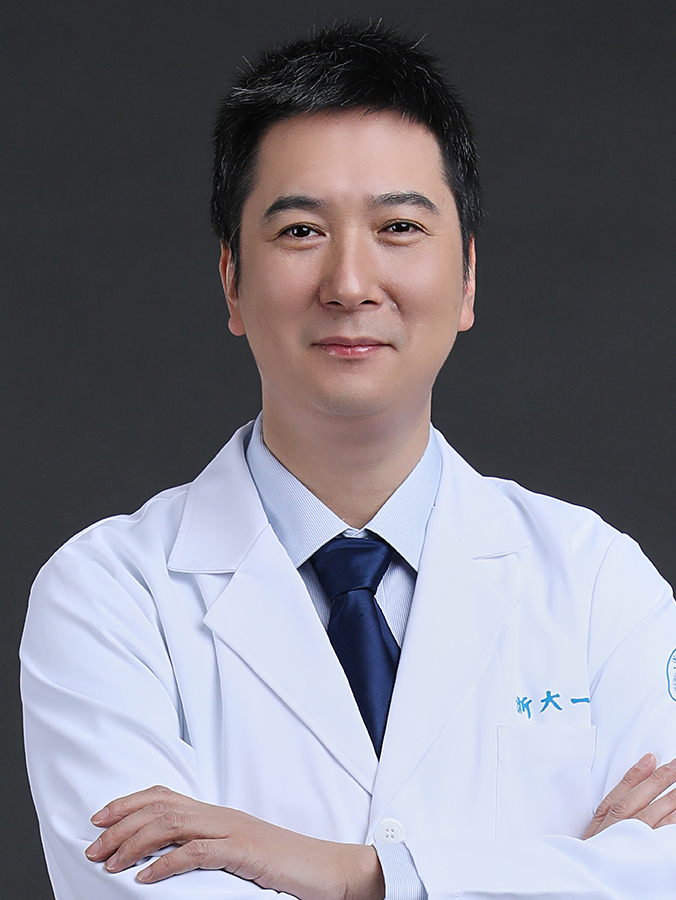 Haiyang Xie (谢海洋)合作论文数The First Affiliated Hospital, Zhejiang University School of Medicine5
 Zaoqu Liu合作论文数The First Affiliated Hospital, Zhengzhou University4Yipu ZHAO (赵艺璞)合作论文数4Senfeng Zhao (赵森峰)合作论文数4XiaoWei Dang (党晓卫)合作论文数4Zhang Yan-Peng合作论文数4
 Dechao Jiao合作论文数4
 Liming Wu (吴李鸣)合作论文数The Fourth Affiliated Hospital, School of Medicine, Zhejiang University;The First Affiliated Hospital, School of Medicine, Zhejiang University4
 Shengyong Yin (殷胜勇)合作论文数The First Affiliated Hospital, School of Medicine, Zhejiang University4Qinwei Lu合作论文数3
 Xinwei Han (韩新巍)合作论文数The First Affiliated Hospital of Zhengzhou University3
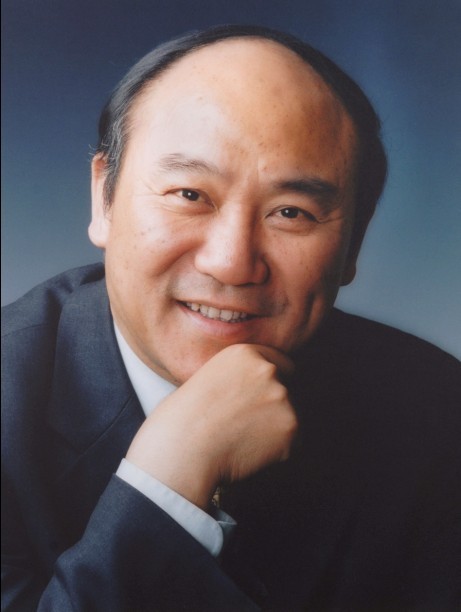 Shusen Zheng (郑树森)合作论文数The First Affiliated Hospital, Zhejiang University School of Medicine3Jian Li合作论文数3Sheng Guan (管生)合作论文数NUS;Electrical and Computer Engineering3Pengxu Lei合作论文数2XUE Ming-hui (薛明辉)合作论文数2Chenguang Sun合作论文数2Lianfeng Zhang合作论文数2Yi Zhang合作论文数2Xiaoqian Peng合作论文数2Shuai Huang合作论文数2Li Zhen合作论文数2Zhiwei Wang合作论文数2Peng ZHOU (周鹏)合作论文数2Jia-Hui Cao合作论文数2Long Liu合作论文数2Li-ming SONG (宋黎明)合作论文数2XueXiang Ye (叶学祥)合作论文数2DeXu Li (李德旭)合作论文数2Yan Song (宋燕)合作论文数2ZhiWei Wang (王志伟)合作论文数2Peng Xu (徐鹏)合作论文数2




