PURPOSE:Human papillomavirus (HPV)-related squamous cell carcinoma of the oropharynx (OPSCC) is extremely radiosensitive. Radiation therapy plus high-dose cisplatin remains the standard of care but causes long-term toxicity. Treatment deintensification approaches that reduce toxicity while maintaining survival are desirable for HPV-related OPSCC.METHODS AND MATERIALS:We conducted a single-arm, multicenter, phase 2 trial. Patients with newly diagnosed, biopsy-proven, American Joint Committee on Cancer (seventh edition) stage III or IV OPSCC positive for both p16 and HPV DNA were eligible. Patients with T4, N3, or T1N1 disease were excluded. Smoking history was not included in eligibility criteria. Patients received intensity modulated radiation therapy (IMRT) of 70 Gy in 35 fractions or 70.4 Gy in 32 fractions without chemotherapy. The primary endpoint was complete response or complete metabolic response 10 weeks after IMRT completion.RESULTS:Between September 13, 2013, and November 15, 2016, 39 patients were enrolled according to a 2-stage Simon design. Twenty-three patients (59%) had smoked for more than10 pack-years. Thirty-six patients (92%) had tumors genotyped as HPV16. Thirty-seven patients (95%) received full-dose radiation therapy and 35 (90%) had complete response or complete metabolic response. Median follow-up was 51 months (interquartile range, 41-63 months). One patient (3%) had regional recurrence and 3 (8%) had distant metastasis. One patient died of disease. The 2-year progression-free survival rate was 94% (95% CI, 81%-99%), and the 2-year overall survival rate was 100%. Common grade 3 adverse events during IMRT included mucositis in 10 patients (26%) and dysphagia in 7 patients (18%). No patients were dependent on a feeding tube at 1 month after IMRT completion. No grade 3 or 4 late adverse events were observed.CONCLUSIONS:IMRT alone is associated with excellent response as well as reduced toxicity and could be a treatment option for carefully selected patients with locally advanced "true" HPV-related OPSCC. Further studies are warranted.
Background/Aim: To retrospectively evaluate the efficacy and safety of modified TPEx (docetaxel 60 mg/m2 on day 1, cisplatin 60 mg/m2 on day 1, and weekly cetuximab 250 mg/m2 with loading dose of 400 mg/m2) followed by maintenance cetuximab as first-line treatment for inoperable recurrent and/or metastatic squamous cell carcinoma of the head and neck. Patients and Methods: We analyzed 22 Japanese patients receiving modified TPEx every 21 days for four cycles with or without prophylactic granulocyte colony-stimulating factor (G-CSF). Results: The best overall response rate was 55% [95% confidence interval (CI)=35-73]. The median progression-free survival and overall survival were 8.9 months (95%CI=3.9-10.2) and 14.3 months (95%CI=10.1-28.2), respectively. Without prophylactic G-CSF, Grade 3/4 neutropenia and febrile neutropenia was common (94% versus 20%; p=0.003 and 41% versus 0%; p=0.11, respectively). Conclusion: The modified TPEx is effective, while prophylactic G-CSF is essential.
Abstract Conclusion: The age-adjusted Charlson comorbidity index (ACCI) was associated with overall survival, disease-specific survival, and non-cancer death in patients treated with chemoradiation therapy (CRT) for hypopharyngeal cancer (HPC). Further studies using other CRT regimens are required. Objective: To investigate the impact of the ACCI on survival in patients with HPC. Methods: This study reviewed 128 patients with HPC who received CRT between 2004–2012. The survival rates and the cumulative incidence of non-cancer death according to the ACCI were estimated. A Cox proportional hazard model was used to assess the hazard ratio (HR) of the ACCI. Results: The disease-specific survival rates at 3 years for the low ACCI group, moderate group, and high group were 80.1%, 45.8%, and 54.8%, respectively (p = 0.007). The laryngectomy-free survival rates at 3 years were 61%, 39.7%, and 37.1%, respectively (p = 0.137). The cumulative incidences of non-HPC death were 5% for the low/moderate ACCI group and 15.5% for the high ACCI group (p = 0.031). The HRs compared to the low ACCI group for overall survival, disease-specific survival, and laryngectomy-free survival were 2.61 and 2.74, 2.55 and 2.27, and 1.75 and 1.97 in the moderate and high ACCI groups, respectively.
We present an autopsy case of repetitive stroke due to tumor emboli, indistinguishable from thromboembolism with a hypercoagulable state in its clinical course. A 72-year-old man diagnosed with stage IVA oropharyngeal squamous cell carcinoma received chemoradiotherapy. Follow-up imaging revealed mediastinal lymph nodes and pulmonary metastasis. One year later, the patient experienced right arm weakness, and brain magnetic resonance imaging showed acute ischemic lesions in multiple vascular territories. He was diagnosed with paradoxical cerebral embolism due to cancer-associated venous thrombosis and treated with rivaroxaban. However, newly developed cerebral infarcts were confirmed 1 month later. Then, rivaroxaban treatment was switched to subcutaneous unfractionated heparin injection. He was admitted again for stroke recurrence and died of respiratory failure 8 days after admission. Autopsy demonstrated pulmonary metastasis invading the veins and tumor emboli in the culprit cerebral arteries. D-dimer was kept constant at a slightly higher level, ranging from 1 to 3 µg/mL during the course of recurrence. We should consider tumor embolism in the differential diagnosis of recurrent stroke along with pulmonary tumor and resistance to heparin preparations with unchanged D-dimer levels.
We aimed to determine whether pretreatment metabolic tumor volume of the primary tumor (T‐MTV) or T classification would be a better predictor of laryngectomy‐free survival (LFS) and overall survival (OS) after chemoradiotherapy in patients with locally advanced laryngeal or hypopharyngeal cancer requiring total laryngectomy. We analyzed 85 patients using a Cox proportional hazards model and evaluated its usefulness by Akaike's information criterion. A T‐MTV cut‐off value was determined by time‐dependent receiver operating characteristic curve analysis. Interobserver reliability for measuring T‐MTV was estimated by the intraclass correlation coefficient (ICC). After adjustment for covariables, T‐MTV, irrespective of whether a continuous or dichotomized variable, and T classification remained independent predictors of LFS and OS. Large T‐MTV (>28.7 mL) was associated with inferior LFS (hazard ratio [HR], 4.16; 95% confidence interval [CI], 1.97–8.70; P = 0.0003) and inferior OS (HR, 3.18; 95% CI, 1.47–6.69; P = 0.004) compared with small T‐MTV (≤28.7 mL). The T‐MTV model outperformed the T classification model in predicting LFS and OS (P = 0.007 and 0.01, respectively). Three‐year LFS and OS rates for patients with small versus large T‐MTV were 68% vs 9% (P < 0.0001) and 77% vs 25% (P < 0.0001), respectively, whereas those for patients with T2‐T3 versus T4a were 61% vs 31% (P = 0.003) and 71% vs 48% (P = 0.10), respectively. ICC was 0.99 (95% CI, 0.99–1.00). Given the excellent interobserver reliability, T‐MTV is better than T classification to identify patients who would benefit from the larynx preservation approach.
Phase I study of weekly administration of low-dose docetaxel/cisplatin concurrent with conventionally fractionated radiotherapy for locally advanced head and neck squamous cell carcinoma suggested the recommended dose of docetaxel at 10 mg/m2 and cisplatin at 20 mg/m2. Phase II study of the concurrent chemoradiotherapy for technically resectable disease showed satisfactory results.
OBJECTIVE:We investigated the efficacy and safety of concurrent chemoradiotherapy using weekly low-dose docetaxel and cisplatin in patients with locally advanced nasopharyngeal carcinoma.METHODS:This was a retrospective analysis of 31 patients who were treated with this regimen from 2001 to 2014. Concurrent chemoradiotherapy consisted of radiotherapy with a total dose of 59.4-70.2 Gy plus weekly administration of docetaxel (5-10 mg/m2) and cisplatin (20 mg/m2), up to six cycles. At least two cycles of platinum-based adjuvant chemotherapy were prescribed for Stage IV and Stage III patients with partial response or stable disease after concurrent chemoradiotherapy.RESULTS:Of the 31 patients, 28 (90%) completed concurrent chemoradiotherapy as planned. The overall complete response and partial response rates were 42% and 52%, respectively. Seventeen of the 21 patients who were prescribed adjuvant chemotherapy underwent it. After a median follow-up of 39.1 months for the 23 surviving patients, 9 (29%) developed locoregional recurrence or progression and 6 patients (19%) developed distant metastasis. The 3-year overall survival and progression-free survival rates were 76% and 56%, respectively. Univariate analyses revealed that clinical stage was a significant predictor of complete response, overall survival and progression-free survival. The most serious adverse events were mucositis during concurrent chemoradiotherapy and neutropenia during adjuvant chemotherapy.CONCLUSIONS:This concurrent chemoradiotherapy protocol showed practical efficacy with high feasibility and acceptable toxicity. To improve the progression-free survival of patients with Stage IV disease who are treated by this protocol, changes to their treatment strategy should be considered.
Various serum biomarkers have been developed for predicting head and neck squamous cell carcinoma (HNSCC) prognosis. However, none of them have been proven to be clinically significant. A recent study reported that the ratio of aspartate aminotransaminase (AST) to alanine aminotransaminase (ALT) had a prognostic effect on non-metastatic cancers. This study aimed to examine the effect of the AST/ALT ratio on the survival of patients with HNSCC. Clinical data of 356 patients with locoregionally advanced HNSCC were collected. The effect of the AST/ALT ratio on overall survival was analyzed using a Cox proportional hazard model. Moreover, recursive partitioning analysis (RPA) was used to divide the patients into groups on the basis of the clinical stage and AST/ALT ratio. The prognostic ability of this grouping was validated using an independent data set (N = 167). The AST/ALT ratio ranged from 0.42 to 4.30 (median, 1.42) and was a prognostic factor for overall survival that was independent of age, primary sites, and tumor stage (hazard ratio: 1.36, confidence interval: 1.08-1.68, P = 0.010). RPA divided patients with stage IVA into the following two subgroups: high AST/ALT (≥2.3) and low AST/ALT (<2.3) subgroups. The 5-year survival rate for patients with stage III, stage IVA with a low AST/ALT ratio, stage IVA with a high AST/ALT ratio, and stage IVB were 64.8%, 49.2%, 28.6%, and 33.3%, respectively (p < 0.001). Compared with the low AST/ALT group, the adjusted hazard ratio for death was 2.17 for high AST/ALT group (confidence interval: 1.02-.22 P = 0.045). The AST/ALT ratio was demonstrated to be a prognostic factor of HNSCC. The ratio subdivided patients with stage IVA into low- and high-risk groups. Moreover, intensified treatment for the high-risk group may be considered.
甲状腺全摘術直後の副甲状腺機能低下症に対し,ファレカルシトリオールだけで血中カルシウム濃度をコントロールする際の有効性や安全性について前向きに検討した。甲状腺全摘術を施行した20例を対象としたが,解析対象は12例だけとなった。経口カルシウム製剤なしで9例(75%)がコントロール可能であり高い有効性を示したが,高リン血症を10例(83%)に認め,その他の合併症頻度も比較的高かった。年齢や術前のインタクト副甲状腺ホルモン値を予測因子とすることでより安全にコントロールできる可能性はあるが,基本的には個々の症例において検査結果を見ながら適切に用量を調節していく必要がある。
Chemotherapy-related death can occur, but is rarely experienced in the case of head and neck cancer. In this report, we present the case of a 55-year-old male who died of a severe febrile neutropenia during adjuvant chemotherapy. He was initially diagnosed as having nasopharyngeal carcinoma (cT2N0M0), and concurrent chemoradiotherapy was used as a primary treatment. He did not show any critical side effects during that therapy. After residual disease was proven by biopsy, docetaxel, cisplatin and 5-fluorouracil (TPF) therapy was introduced as adjuvant chemotherapy. The patient developed a high fever with a decreased neutrophil count on day 8, and went into a state of shock on day 9. He underwent immediate systemic management, but methicillin-resistant Staphylococcus aureus (MRSA) pneumonia and enteritis were uncontrolled, resulting in death on day 43. The autopsy findings suggested that the main cause of death was acute respiratory distress syndrome (ARDS), but cytomegalovirus (CMV) infection was also noted in multiple organs. . Since it is assumed from literature that the mortality rate in TPF therapy is about 2-4%, it was considered that prior sufficient explanations and informed consent should be required before this therapy.
ルビエールリンパ節 (RLN) とは外側咽頭後リンパ節のことであり,頭頸部癌からしばしば転移をきたす。今回,RLN転移を認めた頭頸部扁平上皮癌のうち2003年から2012年の間に治療した19例について検討を行った。後発転移病変の治療として当科ではサイバーナイフ (CK) を利用することが多いため,特にその効果に着目した。CKを施行していたのは7例であり施行後の短期奏効率は100%であったが,長期においては再発や出血をきたす症例もありRLN制御率や生存率に関してはCKの効果が高いとはいえなかった。一方,RLN制御に影響を与える因子の検討では「年齢」が有意差を認め,高齢になるほど制御良好であるという結果であった。RLN転移病変に対しては全例放射線中心の治療を施行していたが,全体の2年全生存率が55%と過去の報告と同程度であり,放射線治療でも手術と同等の治療効果が期待できると思われた。
BackgroundThe standard treatment for advanced external auditory canal squamous cell carcinoma (SCC) is subtotal temporal bone resection and postoperative radiation therapy (RT), whereas chemoradiation therapy (CRT) is used in some institutions to improve patient prognosis. The purpose of this study was to evaluate the efficacy of CRT in external auditory canal SCC treatment. MethodsMeta-analyses of external auditory canal SCC studies were performed. We extracted 5-year overall survival rates and number of patients for aggregate patient data, and types of treatment and outcomes for individual patient data. ResultsThe 5-year overall survival rate of 752 patients was 57%. In the individual patient data meta-analysis, the 5-year overall survival rates of patients who received surgery RT, preoperative CRT, definitive CRT, and postoperative CRT were 53.5%, 85.7%, 43.6%, and 0%, respectively. ConclusionOur data suggest that preoperative CRT may improve the survival of surgically treated patients with external auditory canal SCC and that definitive CRT may be equivalent to surgical resection. (c) 2014 Wiley Periodicals, Inc. Head Neck 37: 1073-1080, 2015
Head and neck squamous cell carcinoma (HNSCC) is the sixth most common cancer, and its prognosis remains poor. The poor prognosis results from recurrence, metastasis, and therapeutic resistance. Recently, cancer stem cells (CSCs) were shown to result in treatment failure, but their function and identification are not well understood in HNSCC. Previously, several markers of CSCs in HNSCC have been reported from 2007 to 2009. However, whether these markers serve as true markers of CSCs remains controversial. Thus, there is a need to explore novel CSC markers in HNSCC. Since 2013, several novel HNSCC CSCs markers have been reported, and in this review we describe and discuss these markers.
Objective: The first-line treatment for inoperable recurrent or metastatic head and neck squamous cell carcinoma (HNSCC) has long been the combination of cisplatin and fluorouracil (PF). Recently, cetuximab has been shown to provide an additional survival benefit to PF. It remains unknown whether docetaxel adds additional benefits to PF. Therefore, we sought to evaluate the efficacy and toxicity of docetaxel, cisplatin, and fluorouracil (TPF) for inoperable recurrent or metastatic HNSCC.Methods: A retrospective chart review from January 2005 to March 2013 identified patients who were treated with docetaxel 60 mg/m(2) on day 1, followed by cisplatin 60 mg/m(2) on day 1, and fluorouracil 600 mg/m(2)/day on days 1-5 (modified TPF) every 4 weeks for inoperable recurrent or metastatic HNSCC.Results: Twenty-four patients were identified; seven and five patients had locoregional disease only and distant metastasis only, respectively, while 12 patients had locoregional disease and distant metastasis simultaneously. Of the 17 patients with distant metastasis, multiple organs were affected in 9 patients, with the most frequently affected organ being the lung (n = 11). Three patients had no prior treatment, whereas 21 patients underwent intensive prior treatment. In 17 of 21 patients who had received prior treatment, the treatment included chemoradiotherapy and/or chemotherapy. The median number of cycles of modified TPF was two (range, 1-5). One patient showed complete response, four patients showed partial response, two patients had stable disease, and 17 patients had progressive disease. Overall, the rate of objective response was 21%, with a 95% confidence interval (Cl) of 9-40%. Median overall survival was 8.0 months (95%CI, 4.4-10.6 months). The treatment efficacy differed significantly according to extent of disease. Objective response in patients with distant metastasis alone was better than in patients with locoregional disease with or without distant metastasis (60% vs. 11%, respectively; P = 0.02). Median overall survival in the former patients was longer than in the latter patients (not reached vs. 7.0 months, respectively; P = 0.02). Fifteen patients (63%) had Grades 3-4 neutropenia, and seven patients (29%) developed Grade 3 febrile neutropenia. There were no toxic deaths.Conclusion: The efficacy of modified TPF in the setting of first-line treatment for recurrent or metastatic HNSCC is not very high, while the toxicity is acceptable with extensive care. The development of more efficacious chemotherapeutic regimen is required. (C) 2015 Elsevier Ireland Ltd. All rights reserved.
Purpose: We investigated the efficacy and safety of weekly low- dose docetaxel and cisplatin therapy concurrent with conventionally fractionated radiation in patients with technically resectable stage III- IV squamous cell carcinoma of the head and neck. Methods and Materials: Between March 2004 and October 2011, we enrolled 117 patients, of whom 116 were analyzable ( 43 had oropharyngeal cancer, 54 had hypopharyngeal cancer, and 19 had laryngeal cancer), and 85 ( 73%) had stage IV disease. Radiation consisted of 66 Gy in 33 fractions. Docetaxel, 10 mg/ m 2, followed by cisplatin, 20 mg/ m 2, administered on the same day were given once a week for 6 cycles. The primary endpoint was overall complete response ( CR) rate after chemoradiation therapy. Human papillomavirus ( HPV) DNA in oropharyngeal cancer was examined by PCR. Results: Of 116 patients, 82 ( 71%) completed treatment per protocol; 102 ( 88%) received the full radiation therapy dose; and 90 ( 78%) and 12 ( 10%) patients received 6 and 5 chemotherapy cycles, respectively. Overall CR rate was 71%. After median follow- up of 50.9 months ( range: 15.6- 113.9 months for surviving patients), 2- year and 4- year overall survival rates were 82% and 68%, respectively. Cumulative 2- year and 4- year local failure rates were 27% and 28%, respectively, whereas distant metastasis rates were 15% and 22%, respectively. HPV status in oropharyngeal cancer was not associated with treatment efficacy. Acute toxicity included grade 3 and 4 infield mucositis in 73% and 5% of patients, respectively, whereas myelosuppression and renal injury were minimal. No patients died of toxicity. Feeding tube dependence in 8% and tracheostomy in 1% of patients were evident at 2 years postchemoradiation therapy in patients who survived without local treatment failure. Conclusions: Local control and survival with this regimen were satisfactory. Although acute toxicity, such as mucositis, was common, late toxicity, such as laryngoesophageal dysfunction, was minimal. Therapy using weekly low- dose docetaxel and cisplatin concurrent with radiation warrants further evaluation. 2015 Elsevier Inc. All rights reserved.
進行頭頸部癌に対する化学放射線療法 (以下CRT) は標準治療の一つとして行われている一方,その有害事象が大きいことも知られている。特に摂食嚥下機能低下は不可避であり,栄養状態の悪化によりQOLや治療完遂率の低下に繋がり得るとされる。今回高用量シスプラチン併用のCRTを行った頭頸部癌患者を対象とし,治療開始時より経腸栄養剤を用いた栄養介入を行い,CRT期間中の総投与熱量の程度による体重減少への抑制効果,治療完遂率への影響,有害事象の軽減効果を検討した。43例が解析の対象となった。全症例の総投与エネルギーの中央値は1484kcal/日で,中央値未満のA群 (低栄養群) 21例と中央値以上のB群 (高栄養群) 22例の2群に分けて検討を行った。B群では有意に体重減少の抑制効果 (p=0.0047),治療完遂率の向上 (p=0.042),腎障害の軽減効果 (p=0.0071) が得られた。CRT中の栄養介入は体重減少や腎障害を抑制し治療完遂率を向上させていることを示唆しているものと考えられる。
CONCLUSIONS:Serum squamous cell carcinoma antigen (SCC-Ag) level was an independent prognostic factor for survival in patients with head and neck squamous cell carcinoma (HNSCC), and the prognostic value depended on the carcinoma site.OBJECTIVES:To assess the value of SCC-Ag as a prognostic indicator in patients with HNSCC and to determine the effect of primary tumor site on prognosis.METHODS:We reviewed 493 patients with HNSCC between 2004 and 2012. The chi-squared test was used to assess associations between SCC-Ag levels and TNM classification. A Cox proportional hazard model was used to assess the hazard ratio of SCC-Ag at different sites for death, and it was analyzed as a continuous variable.RESULTS:The median serum level of SCC-Ag was 1.1 ng/ml (range 0-20). SCC-Ag was significantly higher in patients with advanced T and N classification tumors. Primary sites in the oral cavity, in the hypopharynx, advanced T and N classification, distant metastasis, and SCC-Ag were negatively associated with survival in univariate analysis. Multivariate analysis revealed that SCC-Ag was a significant risk factor for overall survival in cancers of the oral cavity, hypopharynx, and larynx, but not in oropharyngeal cancer.
CONCLUSIONS:The head and neck cancer patients with more co-morbidities and those dependent on tube feeding are at a high risk of severe infections during chemotherapy. Therefore, prophylaxis with colony-stimulating factors and/or antibiotics should be considered for those patients.OBJECTIVES:To investigate the risk factors for severe infection during chemotherapy in head and neck cancer patients.METHODS:A retrospective study was conducted of 129 patients with head and neck cancer who received taxane-based and platinum-based chemotherapy between 2008-2013. Logistic regression models were used to evaluate risk factors.RESULTS:Febrile neutropenia occurred in 50 patients out of the 129 (39%), severe infections occurred in 24 patients (19%), and bacteremia in two patients (2%). In univariate analysis, low serum albumin levels and tube feeding were significantly associated with severe infections (p = 0.015 and < 0.001, respectively). In multivariate analysis, the odds ratios for a higher modified Charlson co-morbidity index and tube feeding were 2.80 and 9.74, respectively. These two were independent predictive factors for severe infections (p = 0.020 and 0.001, respectively).
BACKGROUND:Cancer stem cells (CSCs) are responsible for treatment failure. However, their identification and roles in resistance are not well established in head and neck squamous cell carcinoma (HNSCC).METHODS:Three HNSCC cell lines (FaDu, Detroit562 and BICR6) were treated with cisplatin or radiation. Cell surface antigens were analysed by LyoPlate, a novel cell surface antigen array. The expression levels of antigens highly expressed after treatments were further compared between cisplatin-resistant Detroit562 cells and its parental line. Association of the candidate antigen with CSCs properties, namely sphere formation and in vivo tumourigenicity, was also examined.RESULTS:CD10, CD15s, CD146 and CD282 were upregulated across the treated cell lines, while the increased expression of CD10 was prominent in the cisplatin-resistant cell line. Isolation mediated by FACS revealed that the CD10-positive subpopulation was more refractory to cisplatin, fluorouracil and radiation than the CD10-negative subpopulation. It also showed an increased ability to form spheres in vitro and tumours in vivo. Moreover, the CD10-positive subpopulation expressed the CSC marker OCT3/4 at a higher level than that in the CD10-negative subpopulation.CONCLUSIONS:CD10 is associated with therapeutic resistance and CSC-like properties of HNSCC. CD10 may serve as a target molecule in the treatment of refractory HNSCC.
混合性喉頭麻痺とは,声帯麻痺に他の脳神経麻痺を合併したものであり,多彩な臨床症状を呈する。今回われわれは,頭部外傷の後,高度嚥下障害を発症した両側の混合性喉頭麻痺症例に対して手術的加療を行い,良好な結果を得たので報告する。症例は78歳男性。木から転落して頭部を打撲し,救急救命専門施設に搬送された。頭部CT検査において,くも膜下出血および右側頸静脈孔・舌下神経管周囲に骨折が認められた。全身状態および意識レベルの改善の後,失声・嚥下障害が判明した。嚥下障害の治療のため当科に紹介受診された。内視鏡検査下に,右声帯は傍正中位に,左声帯は中間位に完全固定していた。嚥下造影検査において,バリウム嚥下を試みるも嚥下反射は全く生じなかった。嚥下改善目的に両側輪状咽頭筋切断術・喉頭挙上術・気管喉頭分離術・喉頭閉鎖術を施行した。術後,肉の塊を除く多様な形態の食物が摂食可能となった。また後日プロテーゼを挿入して言語コミュニケーションが可能となった。以上より,複数の脳神経損傷に起因する咽喉頭の機能障害であっても,種々の機能外科的手術を適切に組み合わせることにより生活の質の改善が期待できると考えられた。
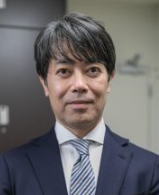 Hidenori Inohara (猪原秀典)合作论文数Department of Neural and Sensory Organ Surgery, Graduate School of Medicine, Osaka University41
 Yukinori Takenaka合作论文数Karmanos Cancer Institute, Wayne State University33
 Yoshifumi Yamamoto合作论文数27Yasui Toshimichi合作论文数18Atsushi Hanamoto合作论文数14Cho Hironori合作论文数12Tadashi Yoshii合作论文数12Fukusumi Takahito合作论文数11
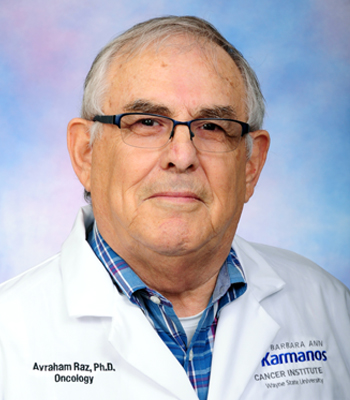 Avraham Raz合作论文数Karmanos Cancer Institute, Department of Pathology, School of Medicine, Wayne State University11Michiba Takahiro合作论文数10Takemoto Norihiko合作论文数10Masashi Yamamoto合作论文数8Isohashi Fumiaki合作论文数7Kazuhiko Ogawa合作论文数7
 Motoyuki Suzuki合作论文数Zhejiang University, Zhejiang University7Seo Yuji合作论文数Department of Radiation Oncology, Osaka University Graduate School of Medicine6Eiji Miyoshi合作论文数Osaka University6Yasuo Yoshioka合作论文数The Center for Advanced Medical Engineering and Informatics, Osaka University, 1-6 Yamadaoka, Suita, Osaka 565-0871, Japan6
 Eiichi Morii (森井英一)合作论文数Center for Infectious Disease Education and Research, Osaka University;Division of Medicine, Graduate School of Medicine, Osaka University5Takashi Fujii合作论文数5Yoichiro Tomiyama合作论文数5Hanamoto Atshushi合作论文数4
 Naoyuki Taniguchi合作论文数Department of Glyco-Oncology and Medical Biochemistry, Osaka International Cancer Institute;Osaka University4Suetaka Nishiike合作论文数4Victor Hogan合作论文数4Kunitoshi Yoshino合作论文数3Osamu Suzuki合作论文数3
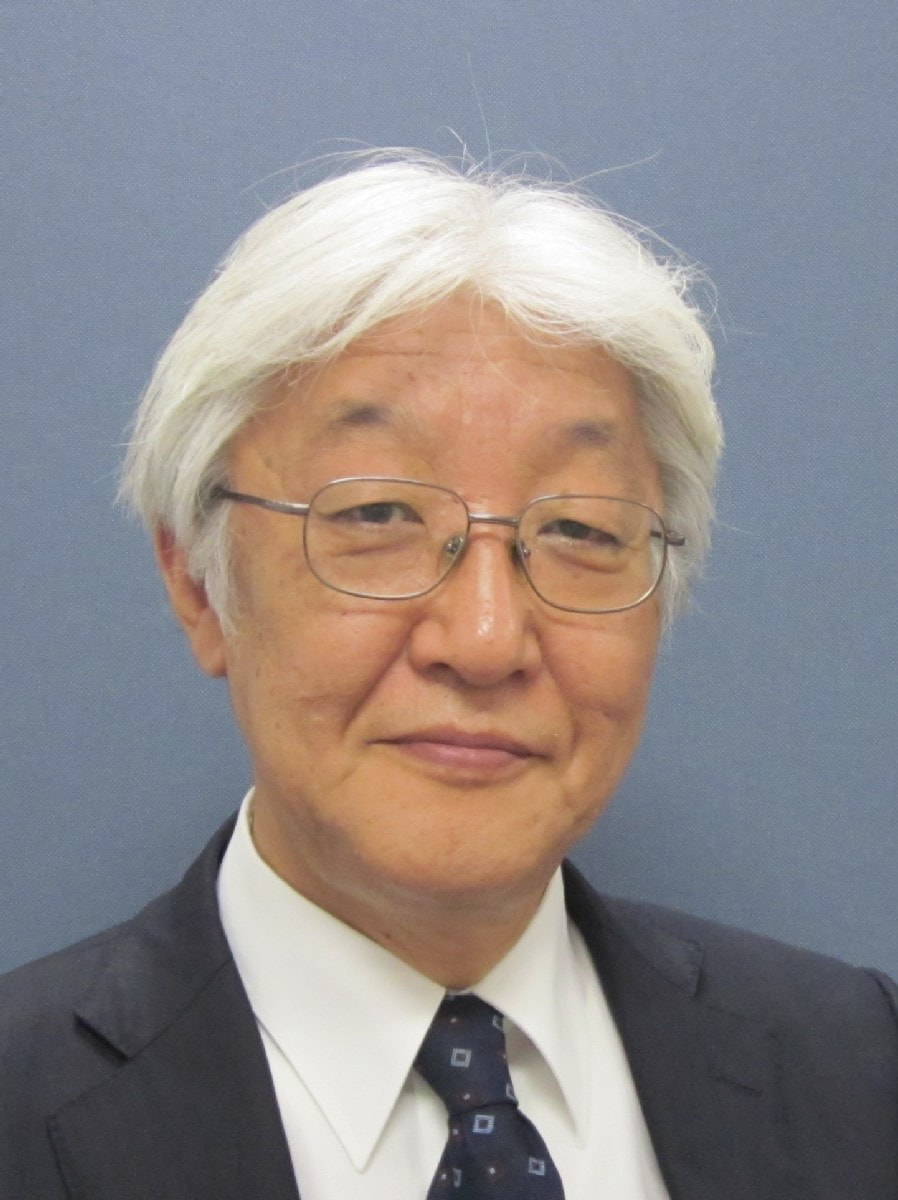 Jun Hatazawa合作论文数Department of Nuclear Medicine, Osaka University Hospital;Department of Nuclear Medicine and Tracer Kinetic, Graduate School of Medicine, Osaka University3
 Shinji Ihara合作论文数Department of Biochemistry;Osaka University;Graduate School of Medicine;Graduate School of Medicine, Osaka University3Natsuo Oka合作论文数3Mitsuaki Tatsumi合作论文数Graduate School of Medicine, Osaka University3
 Kenta Moriwaki合作论文数3N Taniguchi合作论文数2Toshimitsu Hamasaki合作论文数2
 Hidenori Tanaka合作论文数2Nami Kondo合作论文数2Takahiro Sasaki合作论文数2Toshihiro Kishikawa合作论文数Osaka Univ, Dept Stat Genet, Grad Sch Med, Suita, Osaka, Japan2
 Takeshi Todo (藤堂剛)合作论文数Department of Radiation biology and Medical Genetics, Graduate School of Medicine, Osaka University2Takeshi Kubo合作论文数2
 Takashi Saito (齊藤貴志)合作论文数Department of Neurocognitive Science, Institute of Brain Science, Graduate School of Medical Sciences, Nagoya City University2
 Hideshi Ishii (石井秀始)合作论文数Institute for Datability Science, Osaka University;Department of Medical Data Science, Graduate School of Medicine, Osaka University2Masaya Tohyama合作论文数Medical School, Osaka University;Department of Anatomy & Neuroscience, Graduate School of Medicine, Osaka University2Taiichi Katayama合作论文数2Yoshihito Ide合作论文数2
 Iori Sumida合作论文数2Motoko Takahashi合作论文数2Katsuhisa Noda合作论文数2
 Jianguo Gu (顧建国)合作论文数Faculty of Pharmaceutical Sciences, Tohoku Medical and Pharmaceutical University;Division of Regulartory Glycobiology, Institute of Molecular Biomembrane and Glycobiology, Tohoku Medical and Pharmaceutical University2




