Women with breast cancer experience social disruption during and after treatment. Brief cognitive-behavioral (CBT) and relaxation (RT) interventions may improve social disruption by increasing positive affect. Using the Broaden-and-Build Theory as a framework, this study examined whether short-term CBT- and RT-related increases in positive affect mediate long-term reductions in social disruption in women with breast cancer undergoing treatment (N = 183). This secondary analysis used latent change score and growth models to test 6- and 12-month intervention effects on positive affect and social disruption, respectively; a parallel-process model assessed mediation. RT demonstrated larger reductions in social disruption across 12 months compared to CBT and a health education control. Six-month latent change in positive affect was significant but not driven by condition. There was a significant direct effect linking the latent slopes of positive affect and social disruption but meditation was not observed. These preliminary findings hint at the value of promoting positive affect and inform the development of brief behavioral interventions that aim to augment social functioning among women surviving breast cancer.
Objective Previous studies have examined whether spiritual well-being is associated with cancer outcomes, but minority populations are under-represented. This study examines associations of baseline spiritual well-being and change in spiritual well-being with change in distress and quality of life, and explores potential factors associated with changes in spiritual well-being among Hispanic women undergoing chemotherapy. Methods Participants completed measures examining spiritual well-being, distress, and quality of life prior to beginning chemotherapy and at weeks 7 and 13. Participants' acculturation and sociodemographic data were collected prior to treatment. Mixed models were used to examine the association of baseline spiritual well-being and change in spiritual well-being during treatment with change in distress and quality of life, and to explore whether sociodemographic factors, acculturation and clinical variables were associated with change in spiritual well-being. Results A total of 242 participants provided data. Greater baseline spiritual well-being was associated with less concurrent distress and better quality of life (p < 0.001), as well as with greater emotional and functional well-being over time (p values < 0.01). Increases in spiritual well-being were associated with improved social well-being during treatment, whereas decreases in spiritual well-being were associated with worsened social well-being (p < 0.01). Married participants reported greater spiritual well-being at baseline relative to non-married participants (p < 0.001). Conclusions Greater spiritual well-being is associated with less concurrent distress and better quality of life, as well as with greater emotional, functional, and social well-being over time among Hispanic women undergoing chemotherapy. Future work could include developing culturally targeted spiritual interventions to improve survivors' well-being.
Background There is heterogeneity in conceptualizations of resiliency, and there is, to date, no established theoretically driven resiliency assessment measure that aligns with a targeted resiliency intervention. We operationalize resiliency as one’s ability to maintain adaptive functioning in response to the ongoing, chronic stress of daily living, and we use a novel resiliency measure that assesses the target components of an evidence based resiliency intervention. We present our resiliency theory, treatment model, and corresponding assessment measure (Current Experience Scale; CES). Methods To establish the psychometric properties of the CES, we report the factor structure and internal consistency reliability (N = 273). Among participants in our resiliency intervention (N = 151), we explored construct validity in terms of associations with theoretical model constructs, a validated resiliency measure, and sensitivity to change from before to after the intervention. Results Results indicated that a 23-item, 6-factor solution was a good fit to the data (RMSEA = .08, CFI = .97; TLI =.96) and internal consistency was good (α = .81 to .95). The CES showed correlations in the expected direction with resiliency model constructs (all p ’s < .001) and significant post intervention improvements. Conclusion Our resiliency theory, treatment model, and outcome appear aligned; the CES demonstrated promise as a psychometrically sound outcome measure for our resiliency intervention and may be used in future longitudinal studies and resiliency building interventions to assess individuals’ resiliency to adapt to ongoing stress.
BackgroundDepressed affect is observed during primary treatment for early-stage breast cancer and often persists into survivorship. Pain can influence the long-term emotions of women with breast cancer. Behavioral mechanisms explaining this relationship are less clear. Coping during primary treatment may play a role in the association between pain and depressed affect.AimsOur observational study examined a longitudinal mediation model testing whether post-surgical pain intensity predicted depressed affect 5 years later via disengagement and/or engagement coping at the end of treatment.MethodWomen (N = 240) with stage 0-III breast cancer completed measures of pain, coping, and depressed affect 4-10 weeks post-surgery, and 12 months and 5 years later.ResultsStructural modeling yielded measurement models of 12-month disengagement and engagement coping. Direct effects emerged between post-surgical pain intensity and 12-month disengagement (β = .37, p < .001) and engagement coping (β = .16, p < .05). Post-surgical pain intensity was also related to 5-year depressed affect (β = .25, p < .05). Disengagement and engagement coping were not associated with depressed affect at 5-year follow-up, and there was no evidence of mediation.LimitationsThis is a secondary analysis of data from a trial conducted several years ago, and may not generalize due to a homogenous sample with attrition at long-term follow-up.ConclusionsGreater post-surgical pain intensity predicts more disengagement and engagement coping at the end of primary treatment, as well as depressed affect during survivorship. Managing post-surgical pain may influence the emotions of survivors of breast cancer up to 5 years later, possibly through coping or non-coping processes.
Context. The Hospital Anxiety and Depression Scale (HADS) is a brief self-report measure commonly used to screen for symptoms of anxiety and depression in cancer patients. The HADS has demonstrated validity in over 100 languages, including Spanish. However, validation studies have largely used European Spanish-speaking samples with a variety of medical diagnoses. Objectives. The aim of this study was to examine the psychometric properties of the Spanish version of the HADS in a sample of Spanish-speaking Latina women with cancer in the U.S. Methods. Participants (N = 242) completed self-report measures of anxiety and depression (HADS), quality of life (Functional Assessment of Cancer Therapy-General Version), cancer-related distress (Impact of Events Scale-Revised Version Intrusion Subscale), and cancer symptomatology (Memorial Symptom Assessment Scale-Short Form) before initiating chemotherapy and five to seven weeks later. Analyses evaluated internal consistency and test-retest reliability, construct validity, and convergent validity. Results. Factor analysis supported a two-factor structure as proposed by the original HADS developers (X-2 [76, N = 242] = 143.3, P < 0.001, comparative fit index = 0.94, root-mean-square error of approximation = 0.06, and standardized root-mean-square residual = 0.06). The HADS and its subscales demonstrated good internal consistency (alpha = 0.83-0.88) and test-retest reliability (intraclass correlation coefficient = 0.76-0.82). Construct validity was evidenced by factor analysis and item-subscale, item-total, and subscale-total correlations. Convergent validity was demonstrated by strong positive correlations with cancer-related distress (r = 0.51-0.71) and symptom severity (r = 0.54-0.62) and strong negative correlations with quality of life (r = -0.63 to -0.76) (all P's < 0.001). Conclusion. The Spanish version of the HADS evidenced sound psychometric properties in Latinas with cancer in the U.S., supporting its use in clinical oncology research and practice. (C) 2019 American Academy of Hospice and Palliative Medicine. Published by Elsevier Inc. All rights reserved.
BackgroundWomen with breast cancer (BCa) experience heightened distress, which is related to greater inflammation and poorer outcomes. The s100 protein family facilitates the inflammatory response by regulating myeloid cell function through the binding of Toll‐like receptor 4 and the receptor for advanced glycation end products (RAGE). The heterodimer s100A8/A9 RAGE ligand is associated with hastened tumor development and metastasis. Previously, a 10‐week stress‐management intervention using cognitive behavioral therapy (CBT) and relaxation training (RT) was associated with less leukocyte inflammatory gene expression in patients with BCa; however, its impact on s100A8/A9 was not examined. Because a 10‐week intervention may be impractical during primary treatment for BCa, the authors developed briefer forms of CBT and RT and demonstrated their efficacy in reducing distress over 12 months of primary treatment. Here, the effects of these briefer interventions were tested effects on s100A8/A9 levels over the initial 12 months of BCa treatment.MethodsPostsurgical patients with BCa (stage 0‐IIIB) were randomized to a 5‐week, group‐based condition: CBT, RT, or health education control (HE). At baseline and at 12 months, women provided sera from which s100A8/A9 levels were determined using any enzyme‐linked immunosorbent assay.ResultsParticipants (mean age ± standard deviation, 54.81 ± 9.63 years) who were assigned to either CBT (n = 41) or RT (n = 38) had significant s100A8/A9 decreases over 12 months compared with those who were assigned to HE (n = 44; F[1,114] = 4.500; P = .036) controlling for age, stage, time since surgery, and receipt of chemotherapy or radiation. Greater increases in stress‐management skills from preintervention to postintervention predicted greater reductions in s100A8/A9 levels over 12 months (β = −0.379; t[101] = −4.056; P < .001).ConclusionsBrief, postsurgical, group‐based stress management reduces RAGE‐associated s100A8/A9 ligand levels during primary treatment for BCa.
Inflammation and social adversity have been linked to poorer long-term outcomes in breast cancer (BCa) patients, whereas greater social and family well-being (sfwb) relates to less inflammation and longer disease-free interval in BCa. S100A8A9 is a RAGE-related ligand that can up-regulate inflammatory and pro-metastatic processes and has been associated with increased risk of BCa metastasis. Here we examined associations between sfwb, s100A8A9 levels, and pro-inflammatory cytokines in 50 (M age = 53.65) distressed BCa patients in the weeks post-surgery (T1) and at 12-months (T2). Regression analyses controlling for age and disease stage showed lower S100A8A9 levels related to greater FACTsfwb at T1 (β = -.353, p = .001) and T2 (β = -.398, p =.01). S100A8A9 significantly related to T1 levels of IL6 (β =.412, p = .008) and IL1β (β =.588, p = .001), and T2 levels of IL6 (β =.486, p = .001) and IL-1β (β =.548, p = .001). Additionally, 12-month change in S100A8A9 was significantly related to 12-month change in IL6 (β =.279, p = .001) and IL1β (β = .164, p =.001). These findings demonstrate that greater social and family well-being during BCa primary treatment is associated with lower levels of upstream and downstream inflammatory markers and point to the potential value of psychosocial interventions that target enhancement of social and family well-being during this time. .
Cancer patients often report increased stress during chemotherapy. Stress management training has been shown to reduce this adverse outcome, but few interventions exist for Spanish‐speaking Hispanic and Latina women (Latinas).
Objective: Cognitive-behavioral stress management (CBSM) improves adaptation to primary treatment for breast cancer (BCa), evidenced as reductions in distress and increases in positive affect. Because not all BCa patients may need psychosocial intervention, identifying those most likely to benefit is important. A secondary analysis of a previous randomized trial tested whether baseline level of cancer-specific distress moderated CBSM effects on adaptation over 12 months. We hypothesized that patients experiencing the greatest cancer-specific distress in the weeks after surgery would show the greatest CBSM-related effects on distress and affect. Methods: Stages 0-III BCa patients (N = 240) were enrolled 2-8 weeks after surgery and randomized to either a 10-week group CBSM intervention or a 1-day psychoeducational (PE) control group. They completed the Impact of Event Scale (IES) and Affect Balance Scale (ABS) at study entry, and at 6- and 12- month follow-ups. Results: Latent Growth Curve Modeling across the 12-month interval showed that CBSM interacted with initial cancer-related distress to influence distress and affect. Follow-up analyses showed that those with higher initial distress were significantly improved by CBSM compared to control treatment. No differential improvement in affect or intrusive thoughts occurred among low-distress women. Conclusion: CBSM decreased negative affect and intrusive thoughts and increases positive affect among post-surgical BCa patients presenting with elevated cancer-specific distress after surgery, but did not show similar effects in women with low levels of cancer-specific distress. Identifying patients most in need of intervention in the period after surgery may optimize cost-effective cancer care.
Following adverse life events, many people report positive changes, sometimes referred to as Benefit Finding (BF). In its most basic sense, we are referring to people’s reports that they have changed meaningful aspects of their lives as a result of a challenging circumstance or illness. This chapter explores the historical roots of BF and highlights the dangers of using imprecise terminology while studying this phenomenon. Next, issues related to the measurement of BF, theories of how BF develops and changes over time, and whether BF is actually associated with better outcomes are reviewed. We also discuss BF interventions and provide a cautionary note about whether encouraging BF might cause more harm than good. The chapter concludes with a surprising recommendation for less, but much more thoughtful and precise, research in this area.
History of trauma has been linked with increased pain and poorer pain outcomes in the chronic pain literature but less is known about how past trauma may impact post-surgical pain in breast cancer patients. Regression analysis was used to investigate the effect of prior trauma-related distress on pain interference, controlling for current pain intensity, cancer stage, age, and time since surgery; and whether current depressive symptomology intervenes on the relationship between past trauma-related distress and pain interference following surgery. Women with stage 0-III breast cancer completed a baseline assessment 2–10 weeks post-surgery as part of a psychosocial clinical trial. Scores for the current analyses were obtained from the Brief Pain Inventory, the Hamilton Depression Rating Scale, and a short questionnaire on past traumatic events. Of the sample, 69% endorsed at least one previous traumatic experience. The model examining the effect of the intensity of distress from the trauma on pain interference was significant, F[5, 136] = 17.073, p < .001, with higher trauma-related distress predicting greater pain interference, b = .245, SE = .108, t(136) = 2.262, p = .025. The model examining the effect of trauma-related distress on depression was also significant, F[5, 136] = 4.742, p = .001, with higher trauma-related distress predicting higher depression, b = 1.135, SE = .341, t(136) = 3.33, p = .001. A model including both trauma and depression as predictors of pain interference was significant, F[6, 135] = 16.988, p < .001. Here, depression significantly predicted pain interference, b = .086, SE = .026, t[135] = 3.250, p = .001, while the effect of trauma on pain interference was non-significant, b = .148, SE = .109, t(135) = 1.357, p = .177. A Sobel's test confirmed a significant indirect relationship (p = .02). Results suggest that significant distress in response to traumatic events may result in lasting psychiatric symptoms, such as depression, that may contribute to heightened pain interference following surgery. Understanding how psychosocial variables influence pain in breast cancer patients will aid in the development of targeted psychosocial interventions targeting pain and psychological wellness in post-surgical patients.
Metformin (MET), the first-line medication for Type-2 Diabetes (T2D), has been shown to reduce chronic inflammation indirectly through reduction of hyperglycemia, or directly acting as anti-inflammatory drug. The effects of MET on B lymphocytes is uncharacterized. In the present study, we measured in vivo and in vitro influenza vaccine responses in 2 groups of T2D patients: recently diagnosed but not taking anti-diabetic drugs, and patients taking MET. Results show that B cell function and vaccine responses, hampered by obesity and T2D, are recovered by MET. Moreover, MET used in vitro to stimulate B cells from recently diagnosed T2D patients is also able to reduce B cell-intrinsic inflammation and increase antibody responses, similar to what we have seen in B cells from patients taking MET, who show increased responses to the influenza vaccine in vivo. These results are the first to show an effect of MET on B cells.
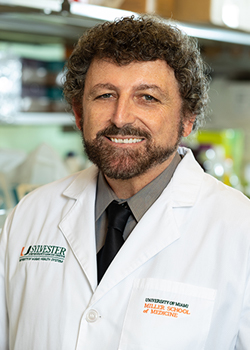 Michael H. Antoni合作论文数Center for Psycho-Oncology Research, Department of Psychology, College of Arts and Sciences, University of Miami;Behavioral Medicine Research Center, University of Miami Miller School of Medicine;Sylvester Comprehensive Cancer Center, University of Miami Health Systems108
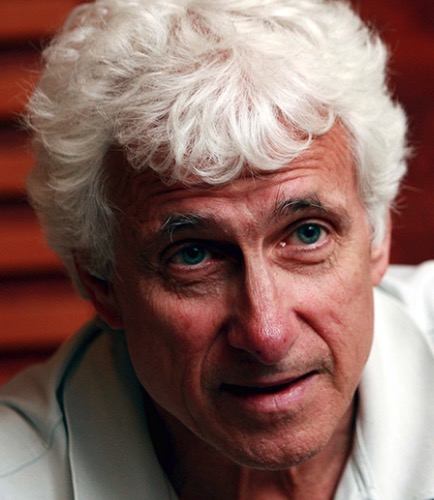 Charles S. Carver合作论文数Department of Psychology, College of Arts & Sciences, University of Miami76
 Bonnie B. Blomberg合作论文数Department of Microbiology & Immunology, Miller School of Medicine, University of Miami57
 Gudenkauf Lisa M合作论文数36Devika R. Jutagir合作论文数35Stagl Jamie M合作论文数35
 Laura Bouchard合作论文数31
 Stefan Gluck合作论文数29Alain Diaz合作论文数29
 Hannah Fisher合作论文数19
 Susan Lutgendorf合作论文数Department of Psychological and Brain Sciences, College of Liberal Arts and Sciences, University of Iowa;Department of Urology, University of Iowa;Department of Obstetrics and Gynecology, University of Iowa15
 Sara Vargas合作论文数14
 Frank J Penedo合作论文数Department of Medical Social Sciences, Feinberg School of Medicine, Northwestern University12Chloe J Taub合作论文数11
 Neil Schneiderman合作论文数Department of Psychology, College of Arts and Sciences, University of Miami11Annane Debra W合作论文数11
 Steven W. Cole合作论文数Department of Medicine, School of Medicine, University of California, Los Angeles;Jonsson Comprehensive Cancer Center, University of California, Los Angeles11Chelsea R. Amiel合作论文数8Derhagopian Robert P合作论文数8
 Jamie M Jacobs合作论文数7
 Paul Jacobsen合作论文数Department of Psychology, College of Arts and Sciences, University of South Florida;Division of Cancer Control and Population Sciences, National Cancer Institute7
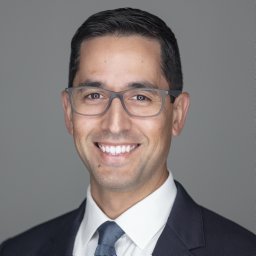 Gonzalez Brian D合作论文数Health Outcomes and Behavior Program, Moffitt Cancer Center7
 John Goodwyn Lewis合作论文数6
 Nicole Ennis合作论文数Center for Translational Behavioral Science, Florida State University College of Medicine6Phillips Kristin M合作论文数6
 Marc E. Lippman合作论文数Departments of Oncology and Medicine, Georgetown University Medical Center6Daniela Frasca合作论文数6Cathy D. Meade合作论文数6Dinorah Martinez Tyson合作论文数6Belinda Robertson合作论文数5Yvelise Rodriguez合作论文数5Andrea Vinard合作论文数5Krause Madeline Hernandez合作论文数5
 Crystal Park合作论文数Department of Psychological Sciences, College of Liberal Arts and Sciences, University of Connecticut5
 Kathryn E Weaver合作论文数Department of Psychology, University of Miami5
 Lara N. Traeger合作论文数Department of Psychiatry, Massachusetts General Hospital;Department of Psychiatry, Harvard Medical School5
 Gail H. Ironson合作论文数Department of Psychology, University of Miami5Erica R. Nahin合作论文数4
 Jason R. Dahn合作论文数4
 Maria Romero合作论文数CVPath Institute, Inc.4
 Betina R Yanez合作论文数Department of Medical Social Sciences, Feinberg School of Medicine, Northwestern University4
 Emily Lattie合作论文数Lyra Health4
 Bruce Kava合作论文数4
 Taekyoung Kwak合作论文数Cancer Research Institute, Seoul National University4
 Elyse Park合作论文数Cancer Center Smokefree Support Service, Massachusetts General Hospital;Harvard Medical School;Health Promotion and Resiliency Intervention Research Center4
 Aaron S. Heller合作论文数Department of Psychology and Helen Wills Neuroscience Institute, University of California4
 Ana Marie Landin合作论文数4
 Adam W Carrico合作论文数Department of Psychology, University of Miami4Natalie E. Bustillo合作论文数4




