We investigated the role of platelet-activating factor (PAF) in acute septic lung injury by examining the effects of the selective PAF antagonist SRI 63-675 and by measuring PAF in lung tissue in the porcine model. Four groups of pigs (15–25 kg) were studied: saline control (C, n = 5); Pseudomonas (Ps, n = 9), given 5 × 10⁸ CFU/ml at 0.3 ml/20 kg/min intravenously over 1 hr; SRI (n = 3), given SRI 63-675 in a 40 mg/kg bolus; and SRI + Ps (n = 5). Ps infusion produced a fulminant lung injury characterized by a threefold increase in pulmonary arterial pressure at 30 min and persistent pulmonary hypertension (P < 0.05 vs C), a significant (P < 0.05 vs C) decrease in arterial oxygen tension (PaO2) from 60 min, a significant (P < 0.05 vs C) increase in extravascular lung water (EVLW) from 120 min, and a significant (P < 0.05 vs C) increase in albumin flux determined scintigraphically as slope index at 150–180 min. Systemic arterial pressure and cardiac index (CI) decreased significantly (P < 0.05) in the Ps group vs C at 60 and 180 min, respectively. Bolus injection of SRI 63-675 at the time of Ps infusion blocked the early pulmonary hypertension, attenuated the early and late fall in PaO2, ameliorated the increase in EVLW, and prevented the late (150–180 min) increase in albumin flux. SRI 63-675 had minimal effects on Ps-induced hypotension or alterations in CI. The quantity of PAF bioactivity in lung tissue as determined by rabbit platelet serotonin release was significantly (P < 0.05) greater in Ps-infused animals than in saline controls. Collectively these results suggest that PAF plays a major role in septic lung injury.
The effects of intravenous ibuprofen on measurements of pulmonary function and alveolar capillary membrane permeability to protein in sepsis-induced porcine acute lung injury (ALI) were studied. Young swine (15-25 kg) were anesthetized, cannulated, and ventilated (5 cm H2O PEEP, 0.5 FIO2, and 15 cc/kg tidal volume). Three groups were studied: septic animals (Ps,n= 10) receivedPseudomonas aeruginosafor 1 hr IV, controls (C,n= 9) received 0.9% NaCl, and ibuprofen-treated septic animals (Ps + Ibu,n= 7) received ibuprofen 12.5 mg/kg at 0 and 120 min post Ps. Systemic (SAP) and pulmonary (PAP) arterial pressures, PaO2, cardiac index (CI), static lung compliance (Cl), EVLW (thermal cardiogreen), and peripheral white blood cell counts (WBC) were measured. Bronchoalveolar lavage (BAL) was performed for protein and % neutrophil (%PMN) content.Results:Ps produced significant (p< 0.05) decreases in CL, PaO2, SAP, CI, and peripheral WBC and increases in PAP, EVLW, BAL protein, and %PMN's vs. controls. Ibu prevented the early increase in PAP and attenuated the late increase in PAP and EVLW. Ibu also maintained PaO2,CL, BAL protein, and %PMN's in BAL at control levels, but exhibited no significant effect on peripheral leukopenia. These data strongly suggest that ibuprofen administered before and at 120 min after onset of Pseudomonas infusion improves lung compliance and affects neutrophil function sufficiently to significantly ameliorate many of the physiologic derangements in acute sepsis.
We compared the sensitivity of dynamic (Cdyn) and static lung compliance (CL) with indicators of permeability injury in a model of septic porcine adult respiratory distress syndrome. Two groups of anesthetized ventilated swine (15-25 kg) were studied. Septic animals (Ps, n = 13) received Pseudomonas aeruginosa intravenously for 1 h, which resulted in severe adult respiratory distress syndrome. Controls (C, n = 13) received 0.9% NaCl. Cdyn, CL, bronchoalveolar lavage for protein estimation, and thermal cardiogreen extravascular lung water (EVLW) measurements were performed in seven C and eight Ps animals. Six C and five Ps animals underwent gamma camera measurement of lung-to-heart ratio (slope index) of 99Tc-labeled human serum albumin. Both Cdyn and CL decreased significantly (P less than 0.01) at 30 min and thereafter in Ps vs. C. EVLW, slope index, and bronchoalveolar protein content increased significantly (P less than 0.05) in Ps vs. C at 120, 150, and 300 min, respectively. Cdyn and CL decreased well before onset of permeability injury. These early changes may be due to release of vasoactive mediators and sequestration of neutrophils in the pulmonary capillaries and later to increases in EVLW. Measurement of Cdyn and CL represents an early means of assessing evolving lung injury in this acute septic porcine model.
A combination of cimetidine, diphenhydramine, and ibuprofen has been shown to be an effective treatment in a porcine model of septic acute lung injury. The present study was designed to evaluate this therapy in a delayed treatment survival model. Three groups of animals were studied: a control group (C, n = 6) received a sham infusion of 0.9% saline; a septic group (Ps, n = 5) received a continuous infusion of live Pseudomonas aeruginosa organisms; and a treatment group (CID, n = 6) received P. aeruginosa plus cimetidine 150 mg, ibuprofen 12.5 mg/kg, and diphenhydramine 10 mg/kg given at 90 min after P. aeruginosa infusion, and hourly thereafter. Group Ps developed fulminant acute lung injury and hypodynamic septic shock. CID therapy ameliorated temporarily the progressive course of hypoxemia and increased extravascular lung water (EVLW), delayed the onset of cardiovascular deterioration, and improved significantly survival time. It was concluded that CID therapy given at 90 min after the onset of lethal continuous P. aeruginosa infusion improved significantly animal survival time by improving temporarily hypoxemia and increase in EVLW and delaying cardiovascular collapse.
Hypochlorous acid (HOCI), a neutrophil-generated oxidant, has been implicated in tissue destruction in sepsis induced acute lung injury (ALI). Ibuprofen, a cyclooxygenase inhibitor, successfully attenuates many of the physiological derangements in ALI. The aim of this study was to examine the role of PMN hypochlorous acid in sepsis-induced ALI and evaluate the effect of ibuprofen therapy. Neutrophils from three groups of young (15–25 kg), anesthetized swine were studied: controls (C, n = 7) received 0.9% NaCl, septic animals (Ps, n = 8) received live Pseudomonas aeruginosa (5 × 10⁸ CFU/ml at 0.3 ml/20 kg/min) for 60 min, and ibuprofen-treated animals (Ps + I, n = 6) received Ps plus ibuprofen 12.5 mg/kg administered at 0 and 120 min. Neutrophils were isolated from peripheral blood at 0, 60, and 300 min and the rate and total production of HOCl were assessed on the basis of the ability of the amino acid taurine to trap HOCl. Results: Septic (Ps) PMNs produce 32% more HOCl, P < 0.01, at 300 min than at baseline which was associated with a marked increase in both extravascular lung water (6.44 ± 0.8 ml/kg, t = 0 vs 16.03 ± 2.6 ml/kg, t = 300, P < 0.01) and bronchoalveolar protein content (115 ± 13 μg/ml, t = 0 vs 633 ± 104 μg/ml, t = 300, P < 0.01). Ibuprofen significantly attenuated (P < 0.05) HOCl production when compared to Ps, in conjunction with significantly (P < 0.05) reduced levels of extravascular lung water and bronchoalveolar lavage protein.
The effects of the serotonin receptor blocker, ketanserin, were studied in a porcine Pseudomonas adult respiratory distress syndrome model. Swine, weighing 14-30 kg, were anesthetized and ventilated with 0.5 FiO2 and 5 cm H2O positive end expiratory pressure. Three groups were studied: saline control (C, n = 9), continuous intravenous Pseudomonas aeruginosa, 5.0 X 10(8)CFU/kg/min (Ps, n = 8), and Pseudomonas and intravenous ketanserin, 0.2 mg/kg, given at 20 and 120 min after the onset of the Pseudomonas infusion (KET, n = 5). Pulmonary arterial (PAP) and systemic arterial (SAP) pressures, cardiac index (CI), thermal Cardio-Green extravascular lung water (EVLW), pulmonary albumin flux (slope index, SI), arterial blood gases, and whole blood serotonin levels were measured and pulmonary shunt and pulmonary (PVRI) and systemic (SVRI) vascular resistance indices were calculated. At 3 hr the Ps group demonstrated significant (P less than 0.05) increases in PAP (34 +/- 1 vs C 13 +/- 2 mm Hg), EVLW (14.4 +/- 2.2 vs C 4.3 +/- 1.2 ml/kg), SI (2.05 +/- 0.23 X 10(-3) vs C 0.38 +/- 0.09 X 10(-3) U/min), pulmonary shunt (67 +/- 15% vs C 9 +/- 3%), PVRI (1599 +/- 89 vs C 184 +/- 14 dyn X sec X cm-5/m2), and SVRI (4542 +/- 774 vs C 2087 +/- 129 dyn X sec X cm-5/m2) and decreases in CI (0.9 +/- 0.1 L/min/m2 vs C 2.8 +/- 0.2 L/min/m2), PaO2 (93 +/- 17 Torr vs C 203 +/- 15 Torr) and arterial blood serotonin concentration (23.5 +/- 13% decrease from basal). Treatment with ketanserin was associated with maintenance of PaO2 (KET 207 +/- 5 mm Hg vs C 203 +/- 15 mm Hg), pulmonary shunt (KET 8 +/- 3% vs C 9 +/- 3%), and CI (KET 2.3 +/- 0.1 L/min/m2 vs C 2.8 +/- 0.2 L/min/m2) at control levels and attenuated the Pseudomonas-induced increase in PVRI (873 +/- 37 vs Ps 1599 +/- 89 dyn X sec X cm-5/m2) and SVRI (2089 +/- 287 vs Ps 4542 +/- 774 dyn X sec X cm-5/m2), but did not alter the development of pulmonary edema. These data indicate that serotonin plays a role in the development of the V/Q mismatch and arterial hypoxemia observed in this model by a mechanism independent of changes in microvascular injury and permeability and was probably a result of reduced peripheral bronchiolar constriction.
The effects of two pharmacologically distinct histamine H2 receptor antagonists were studied in combination with ibuprofen (I) and diphenhydramine (D) in a porcine model of septic ARDS. Cimetidine (C) is reported as having direct oxygen radical scavenging abilities and is an inhibitor of cytochrome P-450, whereas ranitidine (R) acts solely by H2 receptor blockade. Four groups were studied: Group Ps (n = 8) received a continuous infusion of live Pseudomonas aeruginosa 5 x 10(8) CFU/ml at 0.3 ml/20kg/min, Group C (n = 6) received a control saline infusion, and the treatment groups received I (12.5 mg/kg) and D (10 mg/kg) in combination with either C (150 mg, CID, n = 6) or R (25 mg, RID, n = 5) given at 20 and 120 minutes after the onset of Ps. Pulmonary (PAP) and systemic (SAP) arterial pressures, cardiac index (CI), PaO2, thermal cardiogreen extravascular lung water (EVLW) and scintigraphically determined pulmonary albumin flux (slope index, SI) were measured. Ps infusion produced significant (p less than 0.05) cardiovascular collapse, hypoxemia and increased EVLW and SI. Both CID and RID temporarily reversed pulmonary arterial hypertension and maintained PaO2, EVLW, SAP and CI at control levels throughout the study, and significantly improved SI at 180 min. These results suggest that cimetidine and ranitidine act in this combination therapy primarily as H2 receptor antagonists.
The effects of ibuprofen (I) and methylprednisolone (M) were studied in the Pseudomonas porcine model of adult respiratory distress syndrome (ARDS). Four groups of animals were anesthetized and ventilated with 0.5 FIO2, 5 cm PEEP, and 20 cc/kg tidal volume: a control group given saline alone; Pseudomonas infusion alone (P); Pseudomonas with ibuprofen (I), 12.5 mg/kg given at 20 and 120 min; and P with methylprednisolone (M), 30 mg/kg given at 20 and 120 min. We compared the alteration in pulmonary hemodynamics with the alteration in the plasma concentration of thromboxane (TxB2) and 6-keto PGF1 alpha in the treated and untreated groups. Hemodynamic parameters measured included the pulmonary (PAP) and systemic (SAP) arterial pressures, cardiac index (C1), thermal-cardiogreen extravascular lung water (EVLW), and PaO2. Albumin Flux was measured by a gamma scintigraphic method (slope index; SI). P produced a dramatic increase in PAP (P less than 0.05) with a progressive increase in EVLW and SI (P less than 0.05) and fall (P less than 0.05) in PaO2, CI, and SAP. The acute pulmonary hypertension was associated with a significant rise in TxB2 and 6-keto PGF1 alpha in the Pseudomonas group. I effectively blocked the elevation of TxB2 and caused a significant but transient improvement in PAP and rise in PaO2. Albumin flux and water leak as measured by SI and EVLW were not affected by ibuprofen. M reduced the elevation of TxB2 and 6-keto PGF1 alpha but failed to block these prostaglandins significantly.(ABSTRACT TRUNCATED AT 250 WORDS)
Porcine Pseudomonas adult respiratory distress syndrome (ARDS) has been shown to respond to combination therapy of 150 mg of cimetidine, 12.5 mg/kg of ibuprofen, 10 mg/kg of diphenhydramine, 0.2 mg/kg of ketanserin, and 30 mg/kg of methylprednisolone (CIDKM or Poly-5) given at 20 and 120 minutes after the onset of a continuous infusion of liver Pseudomonas aeruginosa, 5 X 10(8) colony-forming units (CFU) ml at 0.3 ml/20 kg/min. The present study was designed to determine the minimal, effective therapy by selective deletion of individual agents from CIDKM. Eight groups were studied: saline control (S, n = 9), Pseudomonas control (P, n = 8), and the following Pseudomonas plus treatment groups (each n = 5): CIDKM (cimetidine, ibuprofen, diphenhydramine, and ketanserin), CID (cimetidine, ibuprofen, and diphenhydramine), IC (ibuprofen and cimetidine), ID (ibuprofen and diphenhydramine), and CD (cimetidine and diphenhydramine). Pseudomonas alone produced severe ARDS with significant (p less than .05) decreases in PAO2 cardiac index, and systemic arterial pressure and significant increases in pulmonary artery pressure, extravascular lung water (EVLW) and scintigraphically determined pulmonary albumin flux measured as slope index (SI). Full therapy, CIDKM or Poly-5, showed significant improvement in all parameters. Deletion of methylprednisolone did not significantly effect any parameter measured. The deletion of ketanserin, leaving CID, did not alter treatment efficacy, except for a significant decline in cardiac index at 3 hours. Deletion of ibuprofen from CID resulted in a failure to reverse pulmonary arterial hypertension, hypoxemia, elevated EVLW, and increased SI. Removal of either cimetidine or diphenhydramine from CID resulted in significant increases in EVLW compared with control levels and SI compared with both control levels and CID. These results indicate that a combination of both histamine H1 and H2 receptor blockers and the cyclooxygenase inhibitor, ibuprofen, is effective and essential in the treatment of hypoxemia, early pulmonary hypertension, and pulmonary microvascular injury in this fulminant model of porcine Pseudomonas ARDS.
A combination drug therapy (Poly-5: ibuprofen 12.5 mg/kg, methylprednisolone 30 mg/kg, cimetidine 150 mg, diphenhydramine 10 mg/kg, and ketanserin 0.2 mg/kg) given at 20 and 120 minutes after starting continuous intravenous Pseudomonas (Ps, 5 X 10(8) CFU/20 kg/min) was studied in three groups of swine: saline control (C, n = 9), Ps alone (Ps, n = 8), and Ps plus Poly-5 (n = 5). PaO2, systemic (SAP) and pulmonary arterial (PAP) pressures, cardiac index (CI), thermal-cardiogreen extravascular lung water (EVLW), pulmonary albumin flux (slope index, SI), and arterial blood serotonin levels (5-HT) were measured. Ps produced significant (p less than 0.05) increases in PAP, EVLW, and SI with decreases in PaO2, CI, and SAP. 5-HT fell significantly compared to baseline. Poly-5 prevented (p less than 0.05) the rise in EVLW and SI and the fall in PaO2 and CI compared to Ps. PAP and SI were maintained at C until 90 and 150 minutes, respectively. SAP fell significantly from C at 30, 60, and 180 minutes. 5-HT was significantly lower than Ps throughout, and significantly lower than baseline at 180 minutes. Combined blockade of arachidonic acid metabolites, histamine, and serotonin receptors prevented hypoxemia, increased pulmonary capillary permeability, and cardiovascular deterioration in this porcine septic ARDS model.
Sielatf, Timothy D. U.S.; Sugerman, Harvey J. M.D.; Tatum, James L. M.D.; Kellum, John M. M.D.; Blocher, Charles S. B.S. Author Information
 Harvey J. Sugerman合作论文数Virginia Commonwealth University10
 CR Blocher合作论文数7Jl Tatum合作论文数7PD Carey合作论文数6K BYRNE合作论文数6Jenkins J K合作论文数3Alberto Vasquez合作论文数3JI HIRSCH合作论文数2
 John Kellum合作论文数Division of General Surgery, School of Medicine, VCU;MCV Hospitals2Jm Kellum合作论文数1James L. Tatum合作论文数1Barbara Michna合作论文数1
 Bernard J Fisher合作论文数1Charles F Harvey合作论文数1John F. Kuemmerle合作论文数1
 Curtis N. Sessler合作论文数Department of Internal Medicine, Virginia Commonwealth University School of Medicine/Division of Pulmonary and Critical Care Medicine, Department of Medicine, Virginia Commonwealth University Health System/Medical Director of Critical Care, Medical College of Virginia Hospitals1Mary C. Walsh合作论文数1
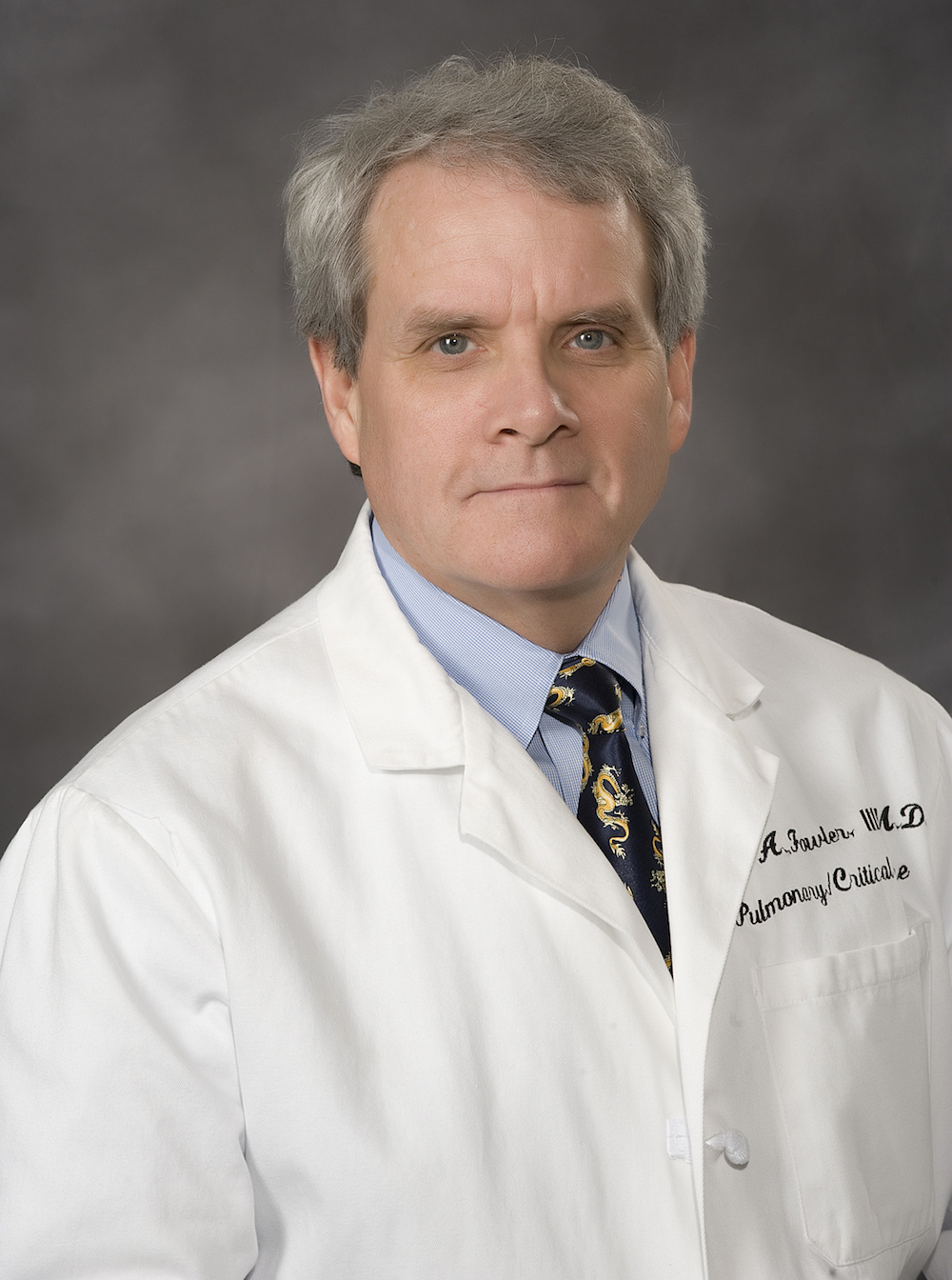 Alpha A. Fowler, III合作论文数Division of Pulmonary Disease and Critical Care Medicine, Department of Internal Medicine, School of Medicine, Virginia Commonwealth University1




