Abstract Background and aims Sovateltide, an endothelin-B receptor agonist, has shown favorable functional outcomes in acute ischemic stroke (AIS) and is approved in India as a first-in-class therapy for AIS. A phase 4 study (NCT05955326) is currently recruiting patients in India (target N=160) to further assess safety and effectiveness. This report presents the results of a prespecified interim analysis conducted after enrollment of 80 patients. Methods Eligible participants were adults aged 18 to 78 years with radiologically confirmed AIS and an NIHSS score of 6 or higher, presenting within 24 hours of symptom onset. Exclusion criteria included intracranial hemorrhage and receipt of endovascular therapy. Participants were randomized to receive either normal saline or sovateltide (0.3 μg/kg), administered intravenously in three doses at 3±1 hour intervals on days 1, 3, and 6. Analyses were conducted in the intention-to-treat population, with missing endpoints imputed using MICE. Results Patient age and body weight, sex distribution, NIHSS score (p=0.5216), comorbidities, and the median time from symptom onset to first dose (16–18 hours) were comparable between groups. At 90 days, the sovateltide group (92.3%) of patients with mRS 0-2, showed greater improvement (OR 8.50, 95% CI 2.44-29.01; p=0.0005) than the control group (58.5%). Sovateltide group had more patients (84.62%) with improvement of ≥2 mRS points from baseline (Odds 5.24, 95% CI 1.85-15.50; p=0.0014) than control (51.22%). Ordinal shift analysis of mRS also favored sovateltide by 33% compared to control. Conclusions Sovateltide was associated with significantly improved 90-day functional outcomes, consistent with results from previous AIS efficacy trials. Conflict of interest
Abstract Background and aims Sovateltide is being developed as a first-in-class drug for acute ischemic stroke (AIS). It is an endothelin-B receptor agonist and has shown anti-apoptotic, angiogenic, and neurogenic properties. It received approval for marketing in India in 2023. A global Phase III trial (RESPECT-ETB) is underway to evaluate its safety and efficacy. Methods Present the details of the RESPECT-ETB protocol, a pivotal study of sovateltide for the treatment of AIS. Results RESPECT-ETB is a randomized (1:1), double-blind, placebo-controlled trial being conducted in the USA, Germany, Spain, Australia, and the UK. It has received a Special Protocol Assessment agreement from the USFDA. Key inclusion criteria are adults (18–80 years) with AIS onset within 24 hours, NIHSS ≥8 and <20, NIHSS 1A <2, and pre-stroke mRS 0–2. Exclusions include intracranial hemorrhage, endovascular therapy, coma, pregnancy/lactation, and life-threatening comorbidities. Patients to receive an IV bolus dose of sovateltide/placebo (0.3 μg/kg) three times daily on days 1, 3, and 6. Conclusions The proportion of patients achieving an mRS score of 0–2 at day 90 is the primary endpoint; secondary endpoints include the proportion of patients with NIHSS 0-5, BI 90-100 on day 90 post-randomization. Stratification is by stroke onset time (<12 vs. ≥12 hours) and thrombolytic use. The proportion of patients with recurrent stroke, mortality, and intracranial hemorrhage within 90 days will be determined. Conflict of interest
Introduction: AI-based Stroke Care Coordination Platforms (AI-SCCP) have been shown to improve patient transfer decisions and provide access to the highest quality standards of care for all patients. Since strokes happen everywhere and anytime, we examine the economic benefits of implementing AI-SCCPs for two different hospital types: CSC - a comprehensive 24/7 stroke program inclusive of endovascular surgical care and PSC - “Acute Stroke Ready” facilities with radiological imaging and thrombolytic medication treatment capacities but no endovascular surgical care and patients/families. Methods: Using 2021 Medicare MS-DRG payment averages, we calculate the AI-SCCP's PSC break-even point, its effects on CSC finances, and the reduced transfers' economic benefits for the patient and family. Results: Avoided transfers enable the PSC to continue caring for the patient locally, increasing patient volume and resulting in increases in total contribution margin and net revenues beyond the costs of the AI-SCCP. While these retained patients decrease the CSC patient transfer volume, the CSCs will still provide care to all PSC patients needing surgical interventions and patients with MS-DRGs 61-66 who arrive at their locations via initial presentation in their emergency departments. Only 1.7% of all non-surgical stroke discharges were from PCS rural/small-town community hospitals (15% of all US hospitals), illustrating that there is room to avoid more futile transfers. Futile transfers have financial costs for family members, such as hotels, transportation, meals, and lost wages during the patient’s care and increased negative impacts on the patient’s health. Futile transfers increase the episode of care costs to the healthcare system through added ambulance transfers and physician and facility bills, adding out-of-pocket patient costs without adding health outcomes or value. Conclusions: AI-SCCPs offer financial benefits to the PSC and CSC by ensuring patients are at the facility, which provides the best possible benefits for them, a triple “win” for the PCS, CSC, and patients/families. For financially strained PCSs, the retained revenue is critical. Using AI-SCCPs ensures that local hospital/emergency departments can provide timely, expert stroke care for patients and their families in situ. In cases of necessary transfer, the receiving CSC team is prepared and ready to treat these patients, saving valuable time and brain immediately.
Background: Cryptogenic strokes account for approximately 30-40% of all stroke cases, underscoring the critical need for effective identification of right-to-left shunt (RLS) and PFO. The recently published BUBL Study (NCT04604015), a multicenter, prospective trial, demonstrated a 3-fold increase in the detection of RLS/PFO using raTCD compared TTE. Wechsler recognized the study's important findings in an accompanying editorial, while also highlighting the need for further validation through additional studies. This study aims to provide robust real-world data to further substantiate the findings of the BUBL Study. Methods: This study involved a multicenter retrospective analysis of prospectively collected real-world clinical data across 5 centers in the US and Canada. The inclusion criterion was any patient who underwent raTCD for RLS detection as part of their stroke evaluation. A standardized TCD, TTE, and TEE bubble study protocol was consistently applied. Key outcomes include overall and large (Spencer Grade ≥3) RLS detection rates for raTCD, detection rates comparison between matched raTCD, TTE, and TEE. Results: A total of 1,372 patients underwent raTCD, with 455 and 114 had matched TTE and TEE respectively. The overall cohort had a mean age of 55.5 ± 13.3 yrs, with 44% female. Using raTCD, RLS was detected in 54% (735/1,372) and large RLS in 28% (383/1,372) of the overall population. When compared with TTE (n=455), raTCD identified 1.7 times more cases of RLS/PFO (56.7% vs. 33.2%, p<0.001 – Table 1). For all and large RLS detected by raTCD, 27.4% (125/455) and 12.3% (56/455), respectively were negative on TTE. Comparing TEE and raTCD, 14.9% (17/114) were negative on TEE but positive on raTCD compared to 5.3% (6/114) which were positive on TEE and negative on raTCD. Overall, using TEE as the “gold standard” raTCD reported a SEN of 92.1%. For the overall population (n=1,372) TTE and TEE status was unknown for 917 patients and will subsequently be investigated. Conclusions: This study represents the largest real-world study to date, validating raTCD against traditional diagnostic modalities. The study showed that raTCD detected 1.7 times the number of positive RLS/PFO compared to TTE, revealing the limitations of TTE as a screening modality for PFO in cryptogenic stroke. These results build upon the prospective multicenter BUBL Study reinforcing the imperative to incorporate raTCD into a new diagnostic algorithm for cryptogenic stroke workup.
BackgroundStroke is the leading cause of adult disability worldwide, with approximately 30% of strokes remaining cryptogenic. One potential important etiology is a patent foramen ovale (PFO), which may contribute to stroke through paradoxical thromboembolism or in situ thromboembolus formation. Recent advancements in robot-assisted transcranial Doppler (raTCD) have shown increased sensitivity in detecting right-to-left shunt (RLS) compared to transthoracic echocardiography (TTE), particularly in detecting the large shunts which are associated with higher stroke risk.MethodsWe conducted a retrospective quality improvement project at our regional stroke center to compare the performance of TTE and raTCD in identifying RLS in ischemic stroke patients. The study involved 148 patients admitted between February 2021 and February 2023. All patients underwent TTE and raTCD with agitated saline bubble contrast, with additional transesophageal echocardiography (TEE) at the treatment team’s discretion. The primary metrics analyzed included differences in overall RLS detection and large RLS detection rates for raTCD, TTE and TEE.ResultsraTCD detected RLS in 60.1% of patients compared to 37.2% with TTE (p < 0.001), with a 42.6% detection rate for large shunts on raTCD versus 23.0% on TTE (p < 0.001). The sensitivity and specificity of raTCD were 92 and 87.5%, respectively, compared to 78.57 and 71.43% for TTE, using TEE as the gold standard. Nine patients underwent PFO closure, all correctly identified with large shunts by raTCD, while TTE missed or underestimated the PFO size in 44% of the cases.ConclusionraTCD significantly outperforms TTE in detecting RLS and large shunts, suggesting its integration into standard PFO workup protocols may enhance secondary stroke prevention. These findings support the adoption of raTCD as a complementary diagnostic tool alongside TTE and TEE for more accurate PFO detection and risk stratification.
Background: The utilization of artificial intelligence (AI) platforms to provide rapid access to images, LVO detection, and team communication in acute stroke protocols is expanding globally. The VALIDATE study showed that Viz.ai was correlated with significant decrease in arrival to neurointerventionalist notification time of 40 minutes and a synergistic effect with hospital pre-notification. The study aims to assess if these findings are generalizable to other AI platforms specifically RAPIDAI. Methods: Acute stroke consultations seen in the emergency department in 103 facilities (35 RAPID AI and 68 no-AI) in 24 states from July 1, 2021 to December 31, 2021 were extracted from the TeleCare by TeleSpecialists TM database. The encounters were reviewed for demographics, LVO, accepted for intervention, arrival to NIR notification time (ATN), and RAPIDAI software used. Patients were classified into two groups based on use of RAPIDAI or no AI software as well as hospital pre-notification of teleneurologist vs pre-notifications cases excluded. The median arrival to NIR notification times were compared. Results: A total of 14,159 patients were included: No AI group (7,433), and RAPIDAI (6,726). The median arrival to NIR notification time for No AI group was 88.5 minutes when compared to RAPIDAI groups 57.5 minutes was significantly longer, p <0.0001. For pre-notification cases, the No AI group was 80.5 minutes and the ATN time for RAPIDAI was 47 minutes, p <0.0001. When pre-notifications were excluded, the ATN times for No-AI were 94.5 minutes vs RAPIDAI were 69 minutes, p = 0.0001. Conclusions: The use of the RAPIDAI platform was associated with a significant, 31-minute reduction in the patient arrival to neurointerventionalist notification time. When looking at the subgroup of hospitals with RAPIDAI where a teleneurologist was also notified prior to the patient’s ED arrival, the ATN was even shorter at 33.5 minutes. Our data supports the conclusion that Best Practice for improving patient times to thrombectomy includes the combination of a pre-hospital notification to the teleneurologist and the use of an AI platform for LVO patients.
Purpose: Odatroltide (LT3001), a novel small synthetic peptide molecule designed to recanalize occluded blood vessels and reduce reperfusion injury, is safe and efficacious in multiple embolic stroke animal models. This study aimed to investigate the safety and tolerability of intravenous administration of odatroltide in patients with acute ischemic stroke within 24 hours of onset. Patients and Methods: Patients with National Institutes of Health Stroke Scale (NIHSS 4-30) who were untreated with intravenous thrombolysis or endovascular thrombectomy were randomized (2:1) to receive a single dose of odatroltide (0.025 mg/kg) or placebo within 24 hours of stroke symptom onset. The primary safety outcome was symptomatic intracranial hemorrhage (sICH) occurrence within 36 hours. Results: Twenty-four patients were enrolled and randomized; of these 16 and 8 received intravenous odatroltide infusion and placebo, respectively. sICH did not occur in both groups, and other safety measures were comparable between the groups. The rate of excellent functional outcome (modified Rankin Scale score, 0-1, at 90 days) was 21% and 14% in the odatroltide and placebo groups, respectively. Furthermore, 47% and 14% of patients in the odatroltide and placebo groups, respectively, showed major neurological improvement (NIHSS improvement >4 points from baseline to 30 days). Among the 9 odatroltide-treated patients with baseline NIHSS >= 6, 78% showed major neurological improvement Conclusion: Compared with placebo, treatment with intravenous odatroltide within 24 hours following onset of ischemic stroke appears to be safe and may be associated with better neurological and functional outcomes. However, the efficacy and safety of odatroltide requires further confirmation in the next phase of clinical trials.
BackgroundCardiac monitoring strategies to detect occult atrial fibrillation (AF) post-stroke differ among healthcare institutions. This may be related to discrepancies in stroke subtype classification/adjudication, and/or consultation of cardiology specialists at Community Hospitals (CoH) and Academic Centers (AcC). Identifying the degree of heterogeneity may encourage development of guideline-directed monitoring protocols, result in higher AF detection rates and treatments, and fewer strokes.MethodsThe DiVERT (SeconDary Stroke PreVEntion ThRough Pathway ManagemenT) study was designed to characterize post-stroke cardiac monitoring practices in a hospital setting. Care pathways were assessed with in-person stakeholder interviews; patient-level data were reviewed using electronic medical records.ResultsDiVERT identified 2,475 patients with diagnoses of cryptogenic (83.6% vs. 33.1%, p < 0.001), large vessel disease (LVD) (13.3% vs. 37.0%, p < 0.001), or small vessel disease (SVD) (3.1% vs. 29.9%, p < 0.001) stroke, at CoH and AcC, respectively. CoH consulted cardiology significantly less than AcC (12.3% vs. 34.7%, p < 0.001) and ordered significantly fewer short- or long-term cardiac monitors than AcC (6.8% vs. 69.2%, p < 0.001). CoH had shorter length of stay (5.3 vs. 9.4 days, p < 0.001) and patient demographics were significantly different (p < 0.001 for age, ethnicity and race).ConclusionSignificant heterogeneity in cardiac monitoring post-stroke exists: CoH reported 2.5-times more cryptogenic stroke than AcC yet ordered 10-times fewer short/long-term cardiac monitors to look for AF. Significant differences in patient demographics among institutions may account for this discrepancy. Regardless, efforts to reduce heterogeneity are warranted to improve AF detection and treatment and prevent recurrent stroke.
Compare the arrival to Neurointerventionalist (NIR) Notification times for facilities utilizing Viz.ai, RapidAI, and no AI software for acute stroke.
Background: The benefits of mechanical thrombectomy in low NIHSS score (<6) is unclear and undergoing investigation. Current acute stroke guidelines do not address the utilization of computed tomography angiography (CTA) in low NIHSS largely due to a paucity of data leading to great variation in clinical practice. Understanding the predictive value of NIHSS subitems for LVO may help guide imaging selection. Methods: Acute stroke consultations seen in the emergency department in 227 facilities (27 states) from July 1, 2021 to December 31, 2021 were extracted from the TeleCare by TeleSpecialists TM database. The encounters with CTA performed were reviewed for LVO detected, and NIHSS score with individual subitems. Logistic regression analysis was performed on the NIHSS subitems in total and at NIHSS cutoff points of ≤6, ≤4, and ≤2. Results: A total of 12,668 patients had complete NIHSS subitems available with 1,459 (11.5%) having an LVO and 11,209 without an LVO were extracted. There is a significant difference in the ORs for each subitem. The ORs for patients with NIHSS ≤6 subitems: Level of Consciousness 1.11 (p=0.626), Consciousness Questions 1.36 (p<0.001), Consciousness Commands 1.94 (p<0.001), Best Gaze 1.61 (p=0.061), Visual Field 1.65 (p<0.001), Facial palsy 1.71 (p <0.001), Motor Arm-left 1.43 (p <0.001), Motor arm-right 1.03 (p=0.840), Motor leg-left 0.97 (p=0.758), Motor leg-right 0.83 (p=0.103), Limb ataxia 1.09 (p=0.545), Sensory 0.67 (p=0.001), Language 1.92 (p<0.001), Dysarthria 1.81 (p<0.001), and Neglect 5.78 (p<0.001). Trends in subitems with each lower cutoff were increased odds of LVO with Consciousness Commands, Visual Fields, Language, and Neglect, and lower odds of LVO with Sensation. Conclusions: This analysis shows the limitations of the NIHSS subitems to predict LVO. Despite the trend of lower odds of LVO for Sensation, even with the NIHSS cutoff of ≤2 there would have been 7 LVOs missed. There are 6 subitems showing statistical significance at an NIHSS cutoff of ≤2 which suggests that an NIHSS cutoff, even with these identified subpoints, is not a good CTA candidate selection tool for the detection of all LVOs.
BackgroundThousands of hospitals worldwide have adopted mobile artificial intelligence (AI)-based stroke care coordination platforms. Studies exploring the benefit of these platforms have been scrutinized due to small sample size, serial cohort design, and measurement of metrics with multiple determinants. In this large multi-center study, we evaluated the ability of an AI-based stroke care coordination platform to expedite contact with the interventionalist (NIR) for potential thrombectomy.MethodsAcute stroke consultations seen by TeleSpecialists, LLC physicians at 166 facilities (17 states) utilizing Viz.ai software (AI) vs. no AI software (non-AI) were extracted from the TeleCare by TeleSpecialists™ database from December 1, 2021, through March 31, 2022. The primary outcome was time from patient arrival to first contact with the interventionalist to discuss need for potential thrombectomy (Arrival-to-NIR notification).ResultsA total of 14,116 cases were analyzed. Compared to the non-AI cohort, Arrival-to-NIR notification in the AI cohort was: (1) 39.5 min faster (44.13% reduction, p < 0.001) in the overall analysis; (2) 33.0 min faster (34.0% reduction, p < 0.001) in the non-thrombectomy (non-TC) facility subgroup analysis; and (3) 34.0 min faster (43.59% reduction, p < 0.001) in the thrombectomy capable (TC) facility subgroup analysis. IQR range comparison demonstrated a significant improvement in uniformity of stroke workflow across all AI subgroups. Significant, albeit small, confounding biases were revealed in the data. The presence of AI within the non-TC subgroup correlated with a lower acceptance rate for thrombectomy by the NIR (delta = −10.79% absolute and 23.17% relative reduction, p < 0.0001).ConclusionsWhile this study was limited by our inability to capture detailed neuroimaging timelines and patient outcomes, it suggests a potential significant benefit of AI-based stroke care coordination platforms and underscores the critical need to development robust “big data” systems to study the effects of AI, and other emerging technologies, on stroke systems of care.
Introduction Current technologies including EEG and near infrared pulse oximetry for non‐invasive monitoring of cerebral blood flow during cardiac surgery have proven inadequate for perioperative stroke risk mitigation. Cerebral arterial flow velocity is an excellent indicator of cerebral blood flow making transcranial doppler ultrasound (TCD) an excellent alternative technology for operating room continuous cerebral monitoring. To date, TCD utilization in the operating room has been limited due to frequent movement‐related loss of signal requiring nearly continuous manual probe readjustment. The recent development of fully autonomous robotic TCD (aTCD) has overcome these technical limitations, opening the door for real‐time continuous noninvasive cerebral blood flow monitoring with simultaneous emboli detection. Methods A 47‐year‐old female patient was found to have preoperative complete occlusion of the proximal brachiocephalic artery producing a double cerebral steal phenomenon with retrograde flow in the right internal carotid and vertebral arteries into the subclavian. A preoperative aTCD study disclosed baseline markedly diminished blood flow in the right middle cerebral artery (MCA) fed exclusively by small‐diameter collaterals via the circle of Willis.Intraoperatively, robotic aTCD was used to continuously monitor blood flow in the bilateral MCAs and perform emboli detection. In response to movement‐related signal loss, the robotic aTCD autonomously adjusted the probe position to maintain continuous MCA insonation. Results Shortly after intubation, a small drop in mean arterial pressure led to a near‐total loss of cerebral perfusion to the entire right hemisphere. This perfusion decrease was detected by aTCD, triggering the anesthesiologist to rapidly correct blood pressure to ensure adequate cerebral perfusion as confirmed by the robotic system. The patient was then placed on bypass pump with deployment of a temporary Y‐graft from the pump to the subclavian artery distal to the vertebral branch point and to the aorta to temporarily reverse the double cerebral steal. Coronary bypass was then performed, throughout which cerebral flow velocities were monitored continuously with aTCD and maintained in the safe cerebral perfusion range by adjusting pump pressures. Following a three‐vessel coronary bypass graft, permanent brachiocephalic artery bypass grafts were placed from the proximal aorta to the right subclavian and the proximal common carotid artery.Postoperative aTCD disclosed correction of the previously diminished blood flow detected in the right MCA preoperatively. Brain MRI postoperatively confirmed the absence of acute stroke. Conclusions This case represents the first use of robotic aTCD for real time continuous cerebral blood flow monitoring and optimization during complex cardiac surgery. Our experience suggests that aTCD may improve patient outcomes, particularly during high‐risk cardiac surgical and interventional procedures. Further studies of this promising technology are now needed.
Objective: Analyze the rate of large vessel occlusion (LVO) detection in low National Institutes of Health Stroke Scale (NIHSS) score patients in a large multicenter database. Background: The benefits of mechanical thrombectomy in low NIHSS score (<6) is unclear and undergoing investigation. Currently, great variation exists in practice patterns of computed tomography angiography (CTA) for patients with low NIHSS. Current guidelines do not address low NIHSS largely owing to a paucity of data. Better understanding of the rate of LVO associated with low NIHSS could help guide clinical practice and pave the way for expanding guideline recommendations. Design/Methods: Acute stroke consultations seen in the emergency department in 227 facilities (27 states) from July 1, 2021 to December 31, 2021 were extracted from the TeleCare™ database. The encounters seen within 24 hours of last known normal were reviewed for CTA performed, LVO detected, and NIHSS score. Multivariate analysis was performed to determine the odds ratio (OR) for CTA performed, and LVO found at each NIHSS score of 0–5 with reference of ≥6. Results: 23,166 acute stroke encounters were included and 10,507 had CTA performed. There were lesser odds for CTA being performed among patients with an NIHSS of: 0 (OR=0.14, [0.13,0.15]); 1 (OR=0.16, [0.15,0.18]); 2 (OR=0.27, [0.24,0.3]); 3 (OR=0.33, [0.3,0.37]); 4 (OR=0.49, [0.43,0.55]); and 5 (OR=0.71, [0.61,0.82]). In addition, there were lesser odds of an LVO detected among patients with an NIHSS of: 0 (OR=0.1, [0.07,0.13]); 1 (OR=0.09, [0.06,0.12]); 2 (OR=0.16, [0.12,0.22]); 3 (OR=0.14, [0.1,0.2]); 4 (OR=0.24, [0.18,0.32]), and 5 (OR=0.27, [0.2,0.37]). Conclusions: Analysis of our large telemedicine database demonstrated a significant number of LVOs detected with NIHSS <6, supporting lowering the minimum NIHSS score for emergent CTA. The cutoff of ≥4 may be optimal threshold for LVO capture. We suggest a rational approach to CTA performance to include patients with NIHSS ≥4 or cortical symptoms. Disclosure: Dr. Sevilis has stock in Moderna. Dr. Fowler has nothing to disclose. Dr. Avila has nothing to disclose. Ms. Boyd has nothing to disclose. Mr. Collins has nothing to disclose. Dr. Gao has nothing to disclose. Dr. Heath has received personal compensation in the range of $0-$499 for serving as a Epidemiologic analysis consultant with Neuroscience Innovation Foundation . Dr. Devlin has received personal compensation for serving as an employee of Neuroscience Innovation Foundation. Dr. Devlin has received personal compensation in the range of $10,000-$49,999 for serving as a Consultant for Nova Signal. Dr. Devlin has received personal compensation in the range of $10,000-$49,999 for serving as a Consultant for Viz.ai. Dr. Devlin has received personal compensation in the range of $500-$4,999 for serving as a Consultant for Medtronic. Dr. Devlin has received personal compensation in the range of $500-$4,999 for serving on a Speakers Bureau for Medtronic. Dr. Devlin has received personal compensation in the range of $500-$4,999 for serving on a Speakers Bureau for Viz,ai. Dr. Devlin has received personal compensation in the range of $5,000-$9,999 for serving as an officer or member of the Board of Directors for Neuroscience Innovation Foundation. Dr. Devlin has stock in Nova Signal. Dr. Devlin has stock in Viz.ai. The institution of Dr. Devlin has received research support from Viz.ai. Dr. Devlin has received research support from Nova Signal. Dr. Devlin has received intellectual property interests from a discovery or technology relating to health care.
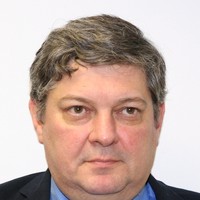 Tudor Jovin合作论文数Cooper Neurological Institute, Cooper University Health Care;Department of Neurosurgery, Cooper Medical School, Rowan University35
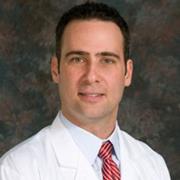 Raul Nogueira合作论文数Department of Emergency Medicine, Emory University School of Medicine;Department of Neurology, Emory University School of Medicine26
 Gregory W. Albers合作论文数Department of Neurosurgery, School of Medicine, Stanford University;Stanford Stroke Center, Stanford Medical Center, Stanford University23
 Michael Hill合作论文数Department of Clinical Neuroscience, University of Calgary;Hotchkiss Brain Institute, University of Calgary20
 Mayank Goyal合作论文数Department of Radiology, University of Calgary19
 Dileep R. Yavagal合作论文数Albany Medical Center, Neuroscience Institute19
 Ruchir Shah合作论文数CHI Mem Hosp, Chattanooga, TN USA18
 Theresa Sevilis合作论文数16Amanda Avila合作论文数16
 Andrew Demchuk合作论文数Department of Clinical Neurosciences, University of Calgary15
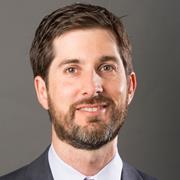 Diogo Haussen合作论文数Department of Neurology, School of Medicine, Emory University14
 Bruce Campbell合作论文数Faculty of Medicine, Dentistry and Health Sciences, University of Melbourne;Department of Medicine, Royal Melbourne Hospital, University of Melbourne;Florey Institute of Neuroscience and Mental Health14
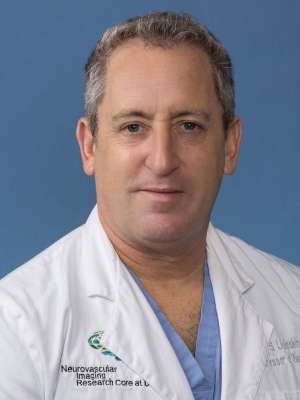 David S. Liebeskind合作论文数Department of Neurology, University of California, Los Angeles14Lan Gao合作论文数13Michael Frankel合作论文数12
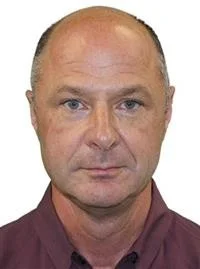 Blaise W. Baxter合作论文数Lehigh Valley Health Network12
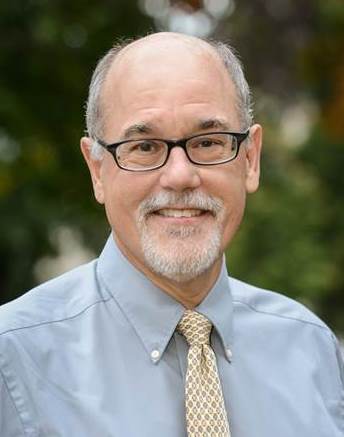 Gregory Wayne Heath合作论文数Department of Public Health, College of Education, Health, and Human Sciences, University of Tennessee 12Caitlyn Boyd合作论文数11
 Bijoy K Menon合作论文数Dept Clin Neurosci, Univ Calgary11
 Akhtar Naveed H合作论文数Hamad Med Corp11Tsai Jenny P合作论文数11
 Roland Bammer合作论文数Department of Radiology, Faculty of Medicine, Nursing and Health Sciences, School of Clinical Sciences, Monash University;Department of Radiology and Radiological Sciences, Faculty of Medicine, Nursing and Health Sciences, School of Clinical Sciences, Monash University10
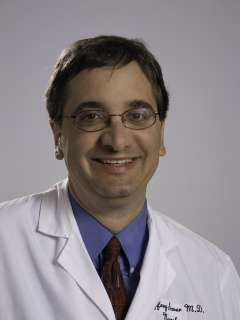 Jeffrey L. Saver合作论文数Department of Neurology, University of California, Los Angeles10
 Ashfaq Shuaib合作论文数Department of Medicine, Faculty of Medicine & Dentistry, University of Alberta10Helmi L. Lutsep合作论文数10Richard du Mesnil de Rochemont合作论文数10
 Nishant K. Mishra合作论文数9Scott Brown合作论文数9
 Federau Christian合作论文数Lausanne University Hospital, Lausanne University Hospital9Blasco Jordi合作论文数9
 Peter Mitchell合作论文数The Royal Melbourne Hospital;Melbourne Health;The Royal Childrens Hospital;University of Melbourne9Matus Straka合作论文数9
 Demetrius Lopes合作论文数Advocate Aurora Health9
 Michael P. Marks合作论文数Radiology Department, Stanford University9
 Greg Zaharchuk合作论文数Center for Advanced Functional Neuroimaging, School of Medicine, Stanford University;Wu Tsai Neurosciences Institute, Stanford University9
 Diederik Dippel合作论文数Department of Neurology, Erasmus MC9
 Michael Mlynash合作论文数The Stanford Stroke Center Team, Stanford Stroke Center, Stanford University9
 Stephanie M Kemp合作论文数Stanford Stroke Center, Department of Neurology and Neurological Sciences, School of Medicine, Stanford University9Biggya Sapkota合作论文数8Mariecken Fowler合作论文数8
 Hester F Lingsma合作论文数8
 Søren Tvorup Christensen合作论文数Department of Biology, Faculty of Science, University of Copenhagen8Marilyn Rymer合作论文数8
 Donald Frei合作论文数8
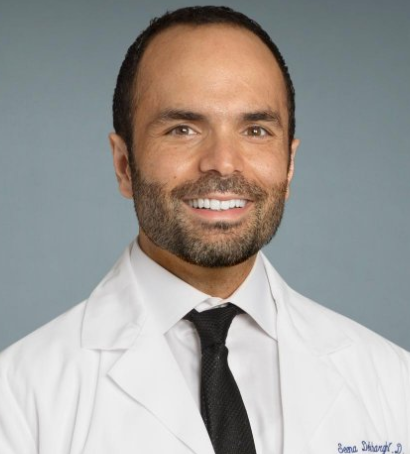 Seena Dehkharghani合作论文数Department of Neurology, Department of Medicine, New York University8
 Mohammed A Almekhlafi合作论文数Dept Clin Neurosci, Univ Calgary8
 Geoffrey Donnan合作论文数Faculty of Medicine, Dentistry and Health Sciences, The University of Melbourne8
 Rishi Gupta合作论文数WellStar Health System8
 Robert van Oostenbrugge合作论文数Department of Neurology, Maastricht University;Cardiovascular Research Institute Maastricht, Maastricht University;AZM8




