Global ocean circulation regulates climate and has undergone significant changes over the Cenozoic. Today, the Atlantic Meridional Overturning Circulation (AMOC) is driven by North Atlantic Deep Water (NADW) formation and Southern Ocean upwelling. By contrast, during the middle Eocene to early Oligocene (48-28 Ma), a restricted Drake Passage was limiting the northern Ekman transport, while a circum-equatorial current sustained by trade winds promoted low-latitude upwelling. Our set of simulations with the IPSL-CM5A2 model reveals that this paleogeographic setting favored proto-NADW upwelling at low latitudes, confining the AMOC to the Northern Hemisphere. Consequently, the role of southern westerly winds was limited, and the northward heat transport was weaker than in the modern ocean.
The South Indian Subtropical Gyre (SISG) is a major ocean current system contributing to the global circulation. Simulations from the Deep-Time Model Intercomparison Project (DeepMIP) for the Eocene SISG reveal substantial changes in oceanic and atmospheric circulation primarily driven by shifts in paleogeography. The results indicate a reconfiguration and weakening of the gyre no longer connected to the Atlantic (collapsed Agulhas leakage) and extending into the Pacific and a southward displacement of the Subtropical Front (STF). Additionally, the simulations show significantly warmer deep waters (by 9 degrees C), the disappearance of the freshwater nature of Antarctic Intermediate Water, and a reduced meridional temperature gradient; findings that are broadly consistent with available proxy reconstructions. This study serves as a first step in disentangling robust patterns related to the SISG from inter-model differences of varying magnitude, thereby highlighting the role of model dependency and addressing potential biases in General Circulation Models (GCM) simulating the Eocene.
The Atlantic Meridional Overturning Circulation (AMOC) is a key component of the climate system, exhibiting strong variability across daily to millennial timescales and significantly influencing global climate. Sensitive to external conditions such as freshwater input, greenhouse gas concentrations, and aerosol forcing, important variations of the AMOC can be triggered by anthropogenic emissions. This study presents a comprehensive analysis of sources of AMOC variance in state-of-the-art climate ensemble models. By decomposing the effects of scenario, model, ensemble, and time variability, along with their interactions, through an Analysis of Variance (ANOVA) and by introducing a novel combination of the variance contributions based on physical considerations, we identify three distinct regimes of AMOC variability from 1850 to 2100. The first regime, spanning most of the historical period, is characterized by a relatively stable AMOC dominated by internal variability (i.e., ensemble spread). The second regime, initiated by AMOC decline at the end of the 20th century and lasting until mid-21st century, is governed by a transient increase of time variability. Notably, the direct effect of forcing scenario differences remains muted all along this regime, despite the start of emission-scenarios in 2015. The third regime, beginning around 2050, is marked by the emergence and rapid dominance of inter-scenario variability. Throughout the simulations, inter-model variability remains the primary source of uncertainty, influenced by aerosol forcing response, AMOC decline magnitude, and the physical variability. A key finding of this work is the evidence that internal variability decreases simultaneously with AMOC intensity and seems inversely proportional to emission-scenario intensity.
Insular faunas and fossil assemblages result from a complex interaction of geodynamical (geological, climatic, and eustatic) and biological, taphonomic, and historical processes. The debate should not be framed as a contest between biology and geodynamics but rather as an effort to reconcile the two. Geodynamic reconstructions must remain independent of biological assumptions, yet they must also be consistent with biological evidence. If faunal dispersal patterns appear to contradict existing geological models to the extent that they require improbable explanations, then the fault likely lies in the geological reconstructions, which should be revisited. We present here how recent geophysical and geological data completely reshape our view of the geodynamic evolution of the Mozambique Channel and provide geodynamic and paleo-biogeographical coherence, leading to more robust and coherent reconstructions of Earth's past.
The North Atlantic Deep Water (NADW) is a key component of modern climate systems, redistributing heat from equatorial to polar regions and contributing to the Atlantic Meridional Overturning Circulation. However, the timing of its emergence and the mechanisms driving its formation remain uncertain. This study explores ocean circulation patterns during the middle Eocene (48–38 Ma) and early Miocene (23–16 Ma) using simulations with the IPSL‐CM5A2 climate model. In the middle Eocene simulations, reduced surface salinity in the North Atlantic prevents NADW formation, regardless of atmospheric levels or the presence of an Antarctic ice sheet. Conversely, early Miocene simulations suggest that paleogeographic shifts promote higher Atlantic salinity, enabling NADW formation. Specifically, the closure of the Polish Strait and the narrowing of the Central American Seaway enhance salt retention in the Atlantic and increase salt transport from subtropical to subpolar regions. Additionally, changes in African monsoonal precipitation—characterized by a reduction and eastward shift across Central Africa—reduce freshwater influx into the Atlantic between the middle Eocene and early Miocene. These combined factors weaken North Atlantic stratification, facilitating NADW development during the early Miocene. This research provides a timeline for NADW initiation and insights into the processes driving its formation.
The modern thermohaline circulation in the Atlantic Ocean plays a crucial role in shaping the climates of Europe and North America. It also significantly influences ocean carbon storage and biological productivity through processes such as deep ocean ventilation and nutrient advection. A pivotal element of this intricate circulation system is the deep convection in the North Atlantic, which is essential for the Atlantic meridional overturning circulation. Paleogeographic studies based on data from the Cenozoic era propose that the establishment of this ocean conveyor belt occurred between the Middle Eocene (approximately 48 to 38 million years ago) and the Late Miocene (around 11 to 5 million years ago). This period witnessed significant climate fluctuations, notably exemplified by the Eocene-Oligocene transition (34 million years ago), marked by a sudden global temperature cooling and the emergence of the Antarctic Ice Sheet (AIS). Did these changes have a significant impact on the stability of the North Atlantic Ocean? To address this question, we investigate the mechanisms behind the initiation of deep water in the North Atlantic during the Eocene to Miocene transition, using the Earth System model IPSL-CM5A2. Our Eocene simulation indicates an absence of convective instabilities in the North Atlantic, whereas deep convection is evident in our Miocene simulation, enabling the presence of a proto-Atlantic Meridional Overturning Circulation (AMOC) cell. In order to investigate the processes triggering North Atlantic Deep Water (NADW) initiation under Miocene conditions, we conducted sensitivity tests involving a reduction in atmospheric CO2 concentration from 1,120 ppmv to 560 ppmv and the introduction of AIS for Eocene conditions. Our findings reveal that halving the CO2 concentration and initiating AIS during the Eocene is insufficient to destabilize the water column in the North Atlantic and instigate the formation of NADW. The Eocene paleogeography emerges as a key factor, contributing to an inflow of fresh water into the Atlantic Ocean, resulting in low surface water density. This process reinforces stratification, hindering the onset of convection.
Future changes in El Niño‐Southern Oscillation (ENSO), the dominant mode of global climate variability, remain uncertain. Accordingly, large ensembles—which allow internally‐generated variations to be averaged out—are essential for assessing the response of ENSO to external forcing. In this study, we analyze state‐of‐the‐art large‐ensemble simulations from CMIP6 climate models and show that, in most models, ENSO frequency increases under anthropogenic warming. Two factors drive this frequency increase. First, a shift toward the Eastern Pacific (EP) El Niño pattern—characterized by higher frequencies and greater amplitudes relative to the Central Pacific (CP) pattern. Second, an overall increase in the frequency of both EP and CP variability. These changes scale with the intensity of anthropogenic forcing. Most models also exhibit ENSO strengthening that begins in the century and continues throughout the century. Consequently, the observed intensification of ENSO during the second half of the century could be of anthropogenic origin.
Paleobathymetric reconstructions suggest that 35 million years ago, local uplift of the Davie Ridge could have temporarily raised a continental land-bridge between Africa and Madagascar and dramatically affected their connectivity. Numerical simulations of a regional model of the southwest Indian Ocean at mesoscale resolution are performed to investigate the consequences of such a closure of the Mozambique Channel. Compared to a reference simulation of present day circulation, blocking the Mozambique Channel results in a redistribution of the transport around Madagascar dramatically strengthening the East Madagascar Current and eddy variability south of Madagascar, broadening the Agulhas Current, and modifying water mass properties and bottom circulation.
Along with the mean sea level rise due to climate change, the sea level exhibits natural variations at a large number of different time scales. One of the most important is the one linked with the seasonal cycle. In the Northern Hemisphere winter, the sea level is as much as 20 cm below its summer values in some locations. It is customary to associate these variations with the seasonal cycle of the sea surface net heat flux which drives an upper-ocean thermal expansion creating a positive steric sea level anomaly. Here, using a novel framework based on steric sea level variance budget applied to observations and to the Estimating the Circulation and Climate of the Ocean state estimate, we demonstrate that the steric sea level seasonal cycle amplitude results from a balance between the seasonal sea surface net heat flux and the oceanic advective processes. Moreover, for up to 50% of the ocean surface, surface heat fluxes act to damp the seasonal steric sea level cycle amplitude, which is instead forced by oceanic advection processes. We also show that eddies play an important role in damping the steric sea level seasonal cycle. Our study contributes to a better understanding of the steric sea level mechanisms which is crucial to ensure accurate and reliable climate projections.
As well as having an impact on the background state of the climate, global warming due to human activities could affect its natural oscillations and internal variability. In this study, we use four initial-condition ensembles from the CMIP6 framework to investigate the potential evolution of internal climate variability under different warming pathways for the twenty-first century. Our results suggest significant changes in natural climate variability and point to two distinct regimes driving these changes. The first is a decrease in internal variability of surface air temperature at high latitudes and all frequencies, associated with a poleward shift and the gradual disappearance of sea ice edges, which we show to be an important component of internal variability. The second is an intensification of the interannual variability of surface air temperature and precipitation at low latitudes, which appears to be associated with El Ni & ntilde;o-Southern Oscillation (ENSO). This second regime is particularly alarming because it may contribute to making the climate more unstable and less predictable, with a significant impact on human societies and ecosystems.
The world's oceans are facing plastic pollution, 80 % of which of terrestrial origin flowing from the mismanaged waste of coastal populations and from river discharge. To study the fate of this pollution, the three-dimensional trajectories of neutral plastic particles continuously released for 24 years according to realistic source scenarios are computed using currents from a global ocean-wave coupled model at 14∘ resolution and from a reference ocean-only model. These Lagrangian simulations show that neutral particles accumulate at the surface in the subtropical convergence zones from where they penetrate to about 250 m depth and strongly disperse over 40∘ of latitude. About 5.3 % of the particles remain at the surface with the wave-coupled model currents, whereas only 2 % for the uncoupled model, with some modulation in the location of the convergence zones. Increased surface retention results from upward vertical velocities induced by widespread divergence of waves-induced Stokes transport in the surface layers.
Understanding the mechanisms of regional steric sea level variability is fundamental to understand the regional sea level variability recorded by satellite altimetry for years and to insure that future projections made by climate models are realistic. Here, we first develop a novel method based on steric sea level variance budget that allows to detect the sources and sinks of the variability. Using the "Estimating the Circulation and Climate of the Ocean" (ECCO V4) state estimate, we then show that interannual steric sea level variability is mainly sustained by interannual fluctuating winds via Ekman transport almost everywhere. The damping of the variability is made by both the interannual fluctuating net heat flux from the atmosphere, that largely dominates the atmospheric freshwater fluxes, and the parametrized effect of eddies. It is also found that the parametrized effect of diffusion on the variability is weak in most regions and that, although globally weak, the fluctuations of atmospheric freshwater fluxes are a source of variance close to the Equator in the Pacific Ocean.
Madagascar's vertebrate fauna is the result of an intricate biogeographic history not considered in the models developed to explain colonization on other islands. For 80 years popular opinion has held that most of Madagascar's terrestrial vertebrate fauna arrived via transoceanic dispersal (i.e., by rafting or swimming), chiefly from Africa. The alternative solution of recurrent uplifts of a land bridge connected with cyclic global kinematic revolutions, proposed in 2021, was recently challenged. The 2021 paper demonstrates the strength of a comprehensive holistic approach (sedimentary, tectonic, kinematic, and palaeo-environmental studies) based on the new, large-scale dataset provided by the PAMELA (Passive Margins Exploration Laboratories) research project. This episodic land bridges hypothesis was tested with divergence estimates of dispersal mechanisms of Madagascar's Angiosperm taxa. The present study includes preliminary palynological results obtained on the latest Miocene to earliest Pliocene material from DSDP Site 242. These pollen assemblages are illustrative of vegetation belts from the coastline to high relief, i.e., from mangrove up to montane forests including intermediate low altitude vegetation.
Identifying the primary drivers of North Atlantic interdecadal climate variability is crucial for improving climatic prediction over the coming decades. Here the effect of thermal coupling on the leading energy sources of the interdecadal variability of the ocean-atmosphere system is examined by means of a stochastically forced idealized coupled model. The effect of coupling is quantified from a comparison of the buoyancy variance budget of coupled and uncoupled model configurations. The simplicity of the model allows us to contrast the effect of coupling between a supercritical regime where the deterministic ocean dynamics drive the variability and a damped regime where noise forcing is central to its existence. The results show that changes in surface buoyancy fluxes act as a sink of temperature variance in the supercritical regime, and only become a source in the strongly damped regime. By contrast, internal ocean dynamics associated with the interaction of transient buoyancy fluxes with mean buoyancy gradients always act as a source of interdecadal variability. In addition to the reduced thermal damping effect in coupled integrations, thermal coupling with the atmosphere is shown to significantly increase the role of internal ocean dynamics in the variability, particularly in the regime where interdecadal modes are damped. Only for oceanic background states in the strongly damped regime do changes in surface buoyancy fluxes play a leading role in the upper-ocean variability. A stochastically forced coupled box model is proposed that captures the basic effect of thermal coupling on atmospheric and oceanic energy sources of variability. Significance StatementThe purpose of this study is to better understand the impact of ocean-atmosphere thermal coupling on the leading energy sources of Atlantic interdecadal variability. Increasing our understanding of the physical mechanisms driving climate variability at interdecadal time scales is important to improve climate prediction. We show that the effect of ocean-atmosphere thermal coupling, as measured by the atmospheric feedback on sea surface temperature anomalies, is to substantially increase the role of internal ocean dynamics in the low-frequency variability of the upper-ocean heat content and sea surface temperature. Atmospheric stochastic forcing only becomes the primary driver of the oceanic temperature variability in the large dissipative limit, when internal ocean modes are strongly damped.
HAL is a multi-disciplinary open access archive for the deposit and dissemination of scientific research documents, whether they are published or not. The documents may come from teaching and research institutions in France or abroad, or from public or private research centers. L’archive ouverte pluridisciplinaire HAL, est destinée au dépôt et à la diffusion de documents scientifiques de niveau recherche, publiés ou non, émanant des établissements d’enseignement et de recherche français ou étrangers, des laboratoires publics ou privés. Geodispersal as a Biogeographic Mechanism for Cenozoic Exchanges between Madagascar and Africa Judith C Masters, Fabien Génin, Romain Pellen, Paul P A Mazza, Yurui Zhang, Thierry Huck, Marina Rabineau, Daniel Aslanian
One of the proposed mechanisms to explain the multidecadal variability observed in sea surface temperature of the North Atlantic Ocean consists of a large-scale low-frequency internal mode spontaneously developing because of the large-scale baroclinic instability of the time-mean circulation. Even though this mode has been extensively studied in terms of the buoyancy variance budget, its energetic properties remain poorly known. Here we perform the full mechanical energy budget including available potential energy (APE) and kinetic energy (KE) of this internal mode and decompose the budget into three frequency bands: mean, low frequency (LF) associated with the large-scale mode, and high frequency (HF) associated with mesoscale eddy turbulence. This decomposition allows us to diagnose the energy fluxes between the different reservoirs and to understand the sources and sinks. Because of the large scale of the mode, most of its energy is contained in the APE. In our configuration, the only source of LF APE is the transfer from mean APE to LF APE that is attributed to the large-scale baroclinic instability. In return the sinks of LF APE are the parameterized diffusion, the flux toward HF APE, and, to a much lesser extent, the flux toward LF KE. The presence of an additional wind stress component weakens multidecadal oscillations and modifies the energy fluxes between the different energy reservoirs. The KE transfer appears to only have a minor influence on the multidecadal mode relative to the other energy sources involving APE, in all experiments. These results highlight the utility of the full APE-KE budget.
The fate of plastics entering the 3D ocean circulation from rivers discharge is examined through the Lagrangian analysis of neutrally buoyant particles. Particles are released continuously over 1991–2010 at the surface along the coasts according to monthly estimates of rivers plastic waste input. They are advected by daily currents from a state-of-the-art global ocean model at 1/12° resolution. At the end of the simulation (year 2010), particles remaining in the surface layer of 1 m thickness represent less than 2% of the total particles released. These are concentrated in the center of subtropical gyres, mostly in the South Indian Ocean, and the North Pacific, in relation with the large sources from Asia, and in good agreement with previous 2D numerical experiments in the surface layer. These patterns remain similar down to about 30 m depth, this upper layer strongly influenced by Ekman currents trapping about 20% of the total released particles. About 50% of the total released particles remain in the upper 100 m, and up to 90% are found in the upper 400 m at the end of the experiment. Below the mixed layer, they are more widely dispersed horizontally and follow the main global pathways of ocean ventilation of mode and deep water masses. Plastic particles, neutrally buoyant because of their small size or biofouling, are thus expected to be strongly dispersed in the global ocean thermocline following mode waters patterns, and reach the deeper layers following the North Atlantic Deep Water formation path. Two major source regions have a global impact. Particles from the western North Pacific spread over the whole Pacific Ocean poleward of 20°S, whereas particles from Indonesia spread over the whole latitude band from 60°S to 20°S.
An asymmetry in the clustering of oceanic surface material has been observed at the submesoscales. Energetic and ephemeral submesoscale cyclonic fronts are associated with convergence zones, hence cluster surface material. Their anticyclonic counterparts do not feature such an effect. Yet, at the mesoscale, literature has been contradictory about such an asymmetry. Here, we combine surface drifter trajectories with an altimetry‐derived mesoscale eddy database in the North Atlantic to show that mesoscale cyclones contain 24% more drifters than anticyclones. A numerical Lagrangian experiment using a mesoscale‐resolving model quantitatively reproduces the observational results. It reveals that particles preferentially cluster in cyclonic regions, both in fronts and eddies. The model further suggests that ageostrophic cyclonic fronts concentrate particles a few days before the eddy formation and detection.
 Alain Colin de Verdière合作论文数20
 Florian Sevellec合作论文数Southampton Marine and Maritime Institute, Faculty of Engineering and Physical Sciences, University of Southampton18
 Olivier Arzel合作论文数Laboratoire de Physique des Océans14Antoine Hochet合作论文数9
 Daniel Aslanian合作论文数IFREMER, Géosciences Marines9
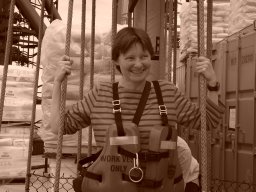 Marina Rabineau合作论文数Domaines océaniques (UMR 6538), 1 Place Copernic, 29280 Plouzané, France9
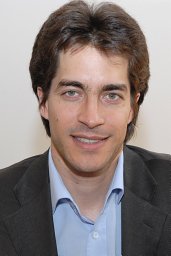 Mahdi Ben Jelloul合作论文数L.M.D/E.N.S.9Nicolas Grima合作论文数8Romain Pellen合作论文数African Primate Initiat Ecol & Speciat APIES, Nelson Mandela Univ7
 Christophe Maes合作论文数Climate Modeling Branch;Centers for Environmental Prediction, National;Climate Modeling Branch, National Centers for Environmental Prediction6
 Bethany Jorgensen合作论文数5
 Jean-Baptiste Ladant合作论文数Univ Paris Saclay, Lab Sci Climat & Environm, LSCE IPSL, CEA CNRS UVSQ, Gif Sur Yvette, France5
 Yurui Zhang (张彧瑞)合作论文数College of Ocean and Earth Sciences, Xiamen University Xiang' an Campus;State Key Laboratory of Marine Environmental Science, Xiamen University Xiang' an Campus5Maryline Moulin合作论文数Bocage Teaching Hospital, University of Dijon School of Medicine5
 Fabien Genin合作论文数5
 Camille Lique合作论文数Laboratoire d'Océanographie Physique et Spatiale, Ifremer Centre de Bretagne5
 Yannick Donnadieu合作论文数Laboratoire des Sciences du Climat de l'Environnement, CEA Saclay5
 Judith C Masters合作论文数Natal Museum;School of Biological and Conservation Sciences;University of KwaZulu-Natal;School of Biological and Conservation Sciences, University of KwaZulu-Natal5Bruno Blanke合作论文数5
 Philippe Soudant合作论文数4Aquilino Miguelez合作论文数4Ana Carrasco合作论文数4
 Jean Paul Vanderlinden合作论文数Universite de Versailles Saint-Quentin-en-Yvelines, Universit�� de Versailles4
 Herle Mercier合作论文数Laboratoire de Physique des Océans, UBO4
 Celine Surette合作论文数Environment Canada4
 Arnaud Huvet合作论文数Laboratoire des Sciences de l'Environnement Marin, Universite de Bretagne Occidentale4
 Pascale Lherminier合作论文数4
 Elisabetta Broglio合作论文数Institut de Ciències del Mar, CMIMA CSIC)4
 Joaquim Garrabou合作论文数UMR 6540 Dimar, Centre d’océanologie de Marseille4
 Pierrick Penven合作论文数Institut de Recherche pour le Développement4
 Quentin Jamet合作论文数Inst Geosci & Environm, Univ Grenoble Alpes3
 Juan Baztan合作论文数3
 Richard Thompson合作论文数School of Biological and Marine Sciences, University of Plymouth;Faculty of Science and Engineering, University of Plymouth;Marine Institute, University of Plymouth3
 Francois Galgani合作论文数Department of Biological Resources and Environment, Institut Francais de Recherche pour l'Exploitation de la Mer3
 Elodie Martinez合作论文数UMR 241 - Écosystèmes Insulaires Océaniens, IRD;Tahiti French Polynesia;UMR 241 - Écosystèmes Insulaires Océaniens, IRD3Dhouha Ferjani合作论文数3
 Omer Chouinard合作论文数3
 Artem Sarafanov合作论文数3
 Virginie Thierry合作论文数3
 Paul Peter Mazza合作论文数Museo di Geologia e Paleontologia, Università degli Studi di Firenze3
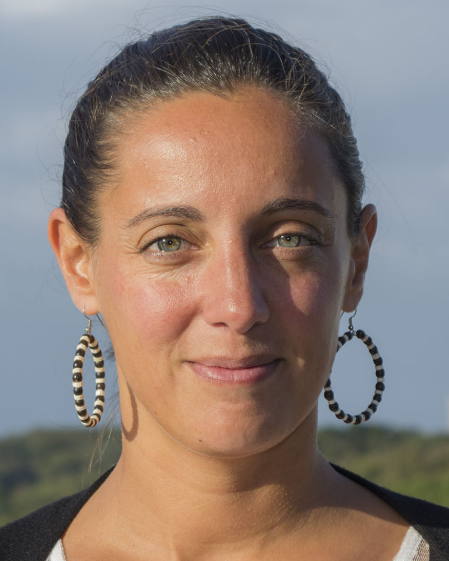 Ika Paul-Pont合作论文数Laboratory of Environmental Marine Sciences, Universite de Bretagne Occidentale3
 Sabine Pahl合作论文数University of Sheffield3Bruno Ferron合作论文数3
 Anastasia Falina合作论文数3P. P. A. Mazza合作论文数2J. Baztan合作论文数2Arthur Coquereau合作论文数2
 Raphael Bajon合作论文数2
 Antoine Delaunay合作论文数Phys Sci & Engn Div, King Abdullah Univ Sci & Technol2




