Brain health refers to optimal brain functioning and integrity, shaped by complex cognitive, psychological, and social determinants. Individuals with mild neurocognitive disorder (mNCD) are at higher risk of developing dementia. Prioritising brain health is essential throughout the lifespan, particularly at midlife when health risks often emerge alongside heavy life responsibilities. International frameworks emphasise addressing modifiable risk factors across the lifespan to reduce dementia risk, yet little is known about the strategies middle-aged individuals with mNCD use to maintain brain health in everyday life. Understanding how people in midlife interpret and act on information about brain health is essential to align clinical care and prevention policies with lived experience. This scoping review followed the Joanna Briggs Institute methodology and mapped data published from August 2015 to 2025 using the 2024 Lancet Commission on dementia and the Cochrane PROGRESS-Plus equity framework. The primary aim of this review was to map the range and characteristics of non-pharmacological brain health strategies used by middle-aged individuals with mNCD to reduce the risks of developing dementia. After screening 6349 records, 17 articles were included. The results are presented in three groups: brain health strategies, facilitators and barriers across strategies, and the equity analysis. Strategies were classified as formalised interventions and self-directed practices. Facilitators and barriers varied according to population characteristics and the strategies used. Equity gaps included limited representation of study participants from rural and low-socioeconomic settings, reduced generalisability to male populations, and underrepresentation of minoritised ethnic groups. Clinicians, service planners, and policymakers should prioritise equity-oriented brain health strategies co-designed with middle-aged individuals. Equity and co-design should be explicitly integrated within global brain health policies and agendas.
Abstract Public and patient involvement (PPI) in health system design and health-related research has gained momentum over the past two decades. It is an acknowledgement that services and research must be accountable and transparent to the public. However, it is also a response to public and patient pressure to be involved in critical decisions about their care. While much progress has been made, PPI is far from equitable and accessible to all stakeholders. Traditional roles of power and privilege are still at play. The chapter examines the benefits and challenges of PPI in health system development, describes critical elements of critique and provides examples of how collaborative approaches can tackle complex challenges in areas such as healthcare support for people with disabilities and those who are homeless.
Introduction Mild neurocognitive disorder (mNCD) is characterised by a slight and noticeable decline in cognitive abilities that does not significantly interfere with an individual’s daily functioning. This may progress to dementia. Dementia risk reduction is often misconceived as a strategy associated with later life. However, the newer term ‘brain health’ resonates with people of all ages. Individuals at midlife with mNCD face challenges in maintaining cognitive function while managing work and social responsibilities. Midlife provides a critical window for preventive interventions which begin to exert a significant influence on brain health trajectories. However, available evidence on how middle-aged individuals with mNCD maintain brain health remains fragmented. This protocol addresses the main question: How do middle-aged individuals with mild neurocognitive disorder maintain brain health? This will systematically map the existing literature on brain health strategies and interventions used by this group to provide a more nuanced understanding of barriers and facilitators to maintaining brain health. Methods This scoping review will follow the Preferred Reporting Items for Systematic Reviews and Meta-Analyses extension for Scoping Reviews (PRISMA-ScR) guidelines and Arksey and O'Malley’s (2005) methodology framework. A systematic search will be conducted across five electronic databases [PubMed, Embase, CINAHL, PsycINFO and Cochrane], grey literature sources and specific websites of professional and healthcare organisations. Studies will be selected according to a set of inclusion and exclusion criteria by independent reviewers, with conflicts resolved by a third reviewer. Screening and data extraction will be managed using Covidence software. Equity mapping will be undertaken using the Cochrane Progress Plus tool. Conclusion This scoping review will provide a comprehensive synthesis of strategies employed by middle aged individuals with mild neurocognitive disorder to maintain brain health. By mapping the existing evidence, the review will offer insights into commonly used interventions by people themselves and identify areas requiring further research.
Abstract Introduction Women of lower socio-economic position have a higher incidence of cervical cancer and less awareness and lower uptake of cervical screening in Ireland. Co-design is an approach applied in health research that works with healthcare professionals, patients and service-users to collaboratively develop solutions to a problem they face, valuing their expertise and knowledge. This research aimed to co-design appropriate solutions to promote cervical screening among women of low socio-economic position. Methods Women aged 25–65, living in Dublin, who self-reported regular or irregular screening attendance, without university-level education and in low-income employment or not working, were recruited via community organisations. A pragmatic theory-informed co-design approach was employed using the Double Diamond design framework and behaviour change theory. Four co-design workshops were conducted to ideate solutions to overcome the barriers to screening participation and prototype solutions to promote screening using liberating structures, techniques and participatory activities. Subsequently, focus groups and interviews were conducted with other women of low socioeconomic position, healthcare providers, policymakers and community workers to assess their perceptions and acceptability of the co-designed solutions. Results The co-design group (N = 8) prioritised the following enablers and barriers to screening: visibility in the community; emotions of fear and anxiety; and support of friends and family. After ideating potential solutions, the top considerations were: supportive and accompanying friends/family; a national awareness day; education as early as possible. The co-design group prototyped two solutions: (1) a screening promotion tag placed alongside the price tag on underwear in clothes shops; and (2) a coffee morning in a local setting with a nurse to provide information on screening. Both solutions were perceived as acceptable to a range of stakeholders (N = 18) who suggested amendments to enhance the co-designed outputs. Conclusions The co-designed solutions to develop campaigns to increase visibility in their community and normalise conversations about screening were acceptable. Community-led educational interventions and impactful marketing campaigns hold promise to increase awareness of screening. The study delineates genuine co-design research where women were decision-makers in developing relevant interventions to promote cervical screening in their community. This study provides a transparent, novel, theory-informed framework for co-designing health interventions.
ABSTRACT Background Robust evidence confirms that physical activity (PA) levels among older people who live in care homes are considerably lower than those who live in their own homes. Low PA in care homes may reduce independence, function, and quality of life. Objective To explore social ecological factors that influence PA facilitation in care homes. Methods Focussed ethnographic study informed by social ecological models in five care homes for older people comprising 54 h of non‐participant observation and 15 in‐depth interviews with care workers. Observations focused on key interactions between staff and residents, the daily routines of care homes, and the physical environment. Interviews were informed by observations and sought explanations for observed behaviour. Data were subjected to reflexive thematic analysis. Results The findings show how care workers' perceived roles, identity, and sense of purpose influenced how (or if) PA was facilitated. The study identified blurred role boundaries between formal and informal care practices in relation to PA. Blurred role boundaries led to a continuum between formal and informal PA facilitation practices that were mediated by intrapersonal, interpersonal, organisational and physical environmental factors. Formal roles in PA promotion were defined by their explicit inclusion in job descriptions, for example, staff employed as activity coordinators, and were highly demarcated leading to limited interprofessional collaboration among care workers regarding PA. Conversely, informal roles reflected how recognising and creating incidental opportunities to promote PA occurred for all staff as they enacted their roles during day‐to‐day work. Social spaces in the care home physical environment acted as destinations that encouraged walking and incidental PA, especially when supported by staff creativity and encouragement. Conclusions These findings provide evidence to support the transformation of care worker roles in a way that emphasises PA facilitation as a key part of the role. Patient or Public Contribution Care home staff, residents, and family members contributed to the design of the observation topic guide and the practical procedures to implement the observation element of the ethnography. Member checking of the themes with two care home managers and three members of care home staff that were participants in the study was conducted to obtain feedback on the findings.
BACKGROUND:Homelessness is a significant public policy and health service challenge globally. Often identified as a 'wicked problem' homelessness is hard to define with limited data confirming the exact numbers of people who are homeless due to varying metrics employed many of which likely exclude women by design. Research and policy have primarily focused on the experiences of single men, and the impact of homelessness on women and their experiences of it are not well understood. OBJECTIVE:To synthesise evidence from qualitative studies of homelessness to identify key dimensions of women in high-income countries (HIC) and their experiences navigating lives when homeless. METHODS:Systematic searches of six databases [MEDLINE, Embase, Global Health, PsycINFO, CINAHL and ASSIA] were completed from 2012 to 8th January 2024. We included peer-reviewed publications published in English reporting primary qualitative data on women's experiences of homelessness in high-income countries only. A review protocol was developed and published. Noblit and Hare's Metaethnography steps guided the synthesis and are reported according to the eMERGe guidelines. FINDINGS:Thirty-two studies were identified describing the experiences of 227 women across nine HICs. A conceptual model comprising three themes is presented within a social-ecological theoretical framework within structural and temporal axes of impact with effects on individual and societal levels. These themes, 1) Precarity, 2) Existing with Risk and Surviving, and 3) Fracturing Identity, describe the implications of homelessness and how the experience of precarity impacts identity and decision-making abilities. The impact of risk arising from violence and exclusion, coupled with descriptions of shame and stigma, presents insight into women's experiences that have hitherto had a limited presence in clinical discourses. CONCLUSIONS:The evidence in this review highlights the perpetual reporting of a deficit lens on homelessness. Women experiencing homelessness in HICs are a heterogeneous group that is poorly recognised and understood in the literature. It appears that there is a lack of tailored and responsive service availability and that this further perpetuates the structural underpinnings of homelessness, which cluster in highly gendered ways.
AIM:This descriptive qualitative study explored the transition to adulthood for young people with cerebral palsy (CP), gathering perspectives from young people, parents, and health professionals. METHOD:Twenty-one semi-structured interviews were conducted with young people with CP aged 16 to 22 years, and their parents, and 27 interviews were conducted with health professionals. Data were analysed using the framework method. RESULTS:An overarching theme 'from passenger to pilot' depicts how young people gradually take on a more autonomous role during transition with four subthemes reflecting the multiple transitions young people navigate. System transitions describe the differences in expectations and care philosophies as young people move from a child-centred to adult-oriented health system. Power transitions highlight dynamics between young people, parents, and health professionals that hinder young people's autonomy in health management. Developmental transitions describe the development of young people's autonomy through enhanced personal capacities, facilitated or constrained by interactions with parents and health professionals. Social and educational transitions describe aspirations and barriers in broader life-course participation. INTERPRETATION:To empower young people with CP, transition support must extend beyond service coordination to address communication, power-sharing, and relational continuity. Holistic approaches that recognize transition as a negotiated process, shaped by interactions between young people, parents, and health professionals are needed to support autonomy, engagement, and preparedness for adult services.
BackgroundRare renal disorders are a group of complex conditions that can lead to progressive kidney failure and lifelong multi-system complications. Upon reaching young adulthood, adolescents and young adults must navigate the healthcare transition between paediatric and adult services. This process serves to bridge the gap between health services and provide adolescents and young adults with developmentally appropriate support to manage adult life with their condition. However, this process can prove challenging for adolescents and young adults with rare renal disorders, a research area that is currently under explored.AimTo explore the experiences of adolescents and young adults and parents living with a rare renal disorder and undergoing healthcare transition.DesignQualitative descriptive study, using reflexive thematic analysis. Results reported according to the COnsolidated Criteria for REporting Qualitative research (COREQ) checklist.MethodsTwenty eight in-depth interviews were conducted, with 17 parents and 11 adolescents and young adults with rare renal disorders.ResultsFive themes were developed: 1. the complex and ever-changing nature of rare renal disorders, 2. preparing to move on, 3. understanding the person, 4. building support networks, and 5. care coordination, consistency, and communication. Adolescents and young adults and their parents recognised the need for individualised, collaborative, and holistic approaches to healthcare transition, emphasising the need for comprehensive support that acknowledges other areas of adolescents and young adults lives, including educational transitions, peer connection and psychological support.ConclusionThis study emphasises the dynamic interplay between health and social systems when planning healthcare transition. This study offers valuable insights into healthcare transition in rare renal disorders. Findings provide a foundation for future research and can inform practice, policy and the development of future healthcare transition interventions.Patient or public contributionTwo adolescents and one parent from a rare-disease advisory group provided input on the study materials.
Background Poor transition from child- to adult-oriented healthcare may lead to negative outcomes and dissatisfaction with services in adulthood. The aim of the study was to examine how transition is provided to and experienced by young people with cerebral palsy in Ireland. This report provides integrated quantitative and qualitative findings and implications based on the totality of knowledge generated. Methods A convergent parallel mixed-methods study was conducted. Data were collected from people with cerebral palsy aged 16–22 years, parents, and health professionals using surveys and semi-structured interviews, which were both informed by a framework of nine key transition practices. Quantitative finding from the surveys and qualitative findings from interviews were integrated at the interpretation stage of the research using integration through joint displays. Implications were developed through discussions with health professionals, young people, and parents. Results Surveys were completed by 75 young people/parents and 108 health professionals. Interviews were conducted with 13 young people, 14 parents, and 27 health professionals. There was complementarity between quantitative and qualitative findings indicating lack of a named worker, limited information provision, insufficient self-management support, no opportunity to meet the adult team, limited contact with the general practitioner, and no opportunity for attending formal life skills training. There was dissonance between quantitative and qualitative findings regarding appropriate level of parental involvement. Quantitative findings identified limited promotion of health self-efficacy and a lack of senior managers responsible for transition. These practices were not described in the qualitative findings. Conclusion Implications of integrated findings include the need for a standardised transition pathway, intentional actions to enable parents and young people to adapt to changing roles, provision of information in a collaborative and phased approach, a common understanding of self-management between young people, parents and health professionals, and the need to involve general practitioners in transition.
INTRODUCTION:Older people's experiences with access to primary healthcare are overlooked in LMICs, leading to inequitable access and limited delivery of person-centred care. In Lebanon, the economic crisis has increased older people's vulnerabilities and reliance on services provided through primary healthcare centres (PHCCs). This study explores (1) factors shaping decisions of using PHCCs; (2) experiences of older people accessing PHCCs from three perspectives: the older people themselves, family members and service providers; (3) family members' experiences with accessing PHCCs; and (4) service providers' experiences with providing care for older people within PHCCs in a Northern Lebanese district. METHODS:This study adopts a qualitative descriptive design with an inductive content analysis approach. Data were collected through seven focus group discussions and 15 individual interviews (n = 57 older people, family members, and service providers). RESULTS:Factors shaping decisions of using PHCCs' services include socio-economic status, knowledge of services, influences of family members, perceived service quality and proximity, age-related changes, and providers' attitudes and behaviours. Older people reported varied access experiences shaped by factors at individual, organisational, communal, governmental and global levels. Positive experiences included enhanced autonomy, gratitude for receiving needed services, perceived care quality and socialising opportunities. However, negative experiences included humiliation and discomfort, anxiety, dependency, perceived status regression, perceived poor quality and a sense of being a burden. While some family members reported relief from getting affordable care, others reported discomfort, perceived status regression, blame for neglect and challenges with coordinating care across multiple providers. Service providers' experiences included pride in supporting older people, but resentment due to unfair remuneration. CONCLUSION:Findings reveal aspects of care that older people and family members appreciate and others that contribute to negative experiences. Experiences of older people, family members and service providers are interconnected. Quality improvement requires comprehensive approaches addressing their needs. Findings inform practitioners and policymakers to design multidimensional and people-centred approaches to maximise healthcare access. PATIENT AND PUBIC CONTRIBUTION:No PPI engagement methods were applied in this study or analysis. However, the findings informed discussions with older people and facilitated partnerships to co-design a follow-up study focused on developing solutions.
Homelessness is a global challenge that impacts many population groups, including adults, families, and children. People become homeless for various reasons, and international data underestimates the prevalence of homelessness. The impact of homelessness on health and wellbeing is well described, including reduced life expectancy and significant morbidity. A lack of housing stock, increased waiting lists, and provision of temporary and emergency accommodation exist globally, with inconsistencies in approach and provision. Limited data are reported on the impact of the living conditions on health and wellbeing for people experiencing homelessness. This feasibility study was co-designed with one charitable partner organization that sought to understand the impact of providing a lower-density accommodation unit at the individual and service levels. The intention was to provide evidence of the impact to enable further funding and development. This paper reports on qualitative interviews with previous residents, service providers, and local key informants to understand the impact and experience of this type of accommodation unit. A workshop was subsequently facilitated to review the data and co-develop recommendations for practice. Ethical approval was provided (2023), and data collection was completed (October 2023 to February 2024). Thematic data analysis of interviews was completed, and four themes were reported: 'Sense of Home Environment', 'Empowerment to Independent Living', 'Building New Identities', and 'Future Planning'. Nine recommendations support the development of service planning and delivery. This study, which assessed the feasibility of a type of accommodation, demonstrates the strengths of using engaged research methods.
Introduction. Recent crises such as COVID-19, cyber-attacks on health care digital infrastructure, mass migration and war, highlight the crucial role of digital technology in service delivery. The establishment of the EU4 Health Programme in 2021, emphasized the need for an EU wide comprehensive enhancement of workforce digital skills with an emphasis on crisis resilience. At present there is almost no comparative EU wide workforce survey research in this area to inform effective policy implementation. Aim. To explore the use of digital technologies, the expressed training needs, the wellbeing and perception of organisational capacities referenced to digital technology across health care workforce in nine European Union states. Methods. A 36-item survey was developed focused on digital competencies, digital use, cybersecurity awareness, training needs, sense of wellbeing and perception of organisational readiness to implement digital change, utilising convenience sampling. For purposes of analysis workforce respondents were divided between clinical and non-clinical staff. Data was analysed using SPSS according to a pre-registered analysis plan. Results. After data cleaning, 2,028 respondents’ answers were analysed. Non-clinical staff demonstrated higher proficiency and usage rates in digital technologies. Significant differences between non-clinical and clinical staff were noted in security awareness, with clinical staff having significantly less knowledge/ awareness. All respondents perceived their organisations as only moderately ready to implement digital health care change. Conclusions. These exploratory results highlight need for policy development and interventions that enhance digital competencies across the EU health workforce. The results also suggest there is a need to address organisational capacities to support both training of the workforce and effective use of the workforce’s digital skills once these are acquired.
Purpose: Rare diseases are individually uncommon yet collectively prevalent. They affect over 300,000 people in Ireland, with 50-70 % impacting children. This study explores the supportive care needs of parents caring for children with rare diseases in Ireland, utilising a validated Parental Needs Scale for Rare Diseases (PNS-RD). Design and methods: This descriptive quantitative study employed survey techniques to assess parental support needs. An online survey was administered to parents across Ireland from August 2021 to December 2021 using the QualtricsTM platform. Results: Out of 107 consented participants, 89 provided data suitable for analysis. Findings revealed significant challenges, with children averaging six hospital visits per year; 77 % of families indicated special education needs, and 42 % required medically complex care. The PNS-RD scale mean was M = 48.62 (95 % CI: 44.5-52.7), comprising four dimensions (each scored out of 25): i) Understanding the disease (M = 9.01, 95 % CI: 7.5-10.5), ii) Working with health professionals (M = 13.68, 95 % CI: 12.0-15.4), iii) Emotional issues (M = 13.22,95% CI: 12.0-14.5), and iv) Financial needs (M = 12.94, 95 % CI: 11.2-14.6). Parents demonstrated confidence in managing their child's care but reported considerable emotional strain and financial challenges. Conclusion: While parents generally felt confident in handling their child's rare disease and were moderately satisfied with the care and support received, the emotional, psychological, and financial toll remained high. Implications for practice: This study underscores the urgent need for comprehensive support systems to alleviate these burdens, advocating for tailored healthcare and social support interventions to meet the diverse needs of these families. (c) 2025 The Authors. Published by Elsevier Inc. This is an open access article under the CC BY license (http:// creativecommons.org/licenses/by/4.0/).
INTRODUCTION:Older people in low- and middle-income countries face significant challenges when accessing primary care services. In Lebanon, most older people (75%) living with at least one chronic disease previously accessed private health services for care. However, the economic crisis substantially increased their reliance on primary healthcare centers (PHCCs), while factors shaping access to public services were unknown. This study explores the barriers and enablers influencing access to PHCCs' services. METHODS:This descriptive qualitative study involved 57 people including older adults (aged 60-92 years), informal caregivers, and service providers, recruited using maximum variation sampling. Data were collected through seven focus groups and fifteen interviews. The Framework Method was adopted for thematic analysis. The Patient-centered Access to Healthcare Framework facilitated mapping of barriers and enablers across five access opportunities. RESULTS:Findings are presented under five themes: 1) perception of healthcare needs, enabled by acute symptoms, free services, literacy, and familial support but hindered by lack of information on services; 2) healthcare seeking, supported by respectful providers, familial support, available quality services, and positive leadership, but constrained by providers' attitudes, poor service organization, limited finances, and negative perceptions; 3) healthcare reaching, enabled by proximity of PHCCs and home care, but limited by transport issues, mobility restrictions, staff and resource shortages, and service delivery challenges; 4) healthcare utilization, facilitated by low fees and economic recession, but hindered by lack of funds and financial resources; and 5) healthcare consequences, facilitated through positive relationships, literacy, and personal abilities, but constrained by cognitive and sensory limitations, poor relationships, and lack of care continuity, coordination, comprehensiveness, and patient-centeredness. CONCLUSIONS:This study highlights the challenges for older people, indicating factors to be strengthened and barriers requiring action at the PHCC and multi-sectoral levels. Ensuring adequate funding, information, and health coverage is primordial to improve older people's access to PHCCs.
Background: Homelessness is a global challenge impacting many population groups including adults, families and children with prevalence estimates around 1%. In Ireland, the prevalence of homelessness increases with over 13,000 people reported officially as homeless. Data on homelessness vastly underestimates the extent of the issue due to a lack of an internationally agreed definition. People become homeless due to a variety of reasons including both personal factors and structural and environmental barriers. The detrimental impact of homelessness on the health and well-being of individuals is well understood, with reduced life expectancy and a higher incidence of morbidity. While individual factors may have led to homelessness and the impact of this differs for each person, what is similar is the loss of belonging. While homeless services in Ireland are publicly funded, the services are delivered by charitable non-governmental organisations. The lack of available housing continues to increase waiting lists and precarity for this marginalised group. A collection of accommodation is available mostly aimed at single adults with limited temporary accommodation for families; however, little is known about the impact of living in particular temporary accommodation on the ability to exit homelessness or live independently. Aim: This study is a Patient and Public Involvement (PPI) led study co-designed in partnership with a homeless charity to establish the feasibility of one type of accommodation and its impact on the lives of previous residents and key stakeholders. Methods: This is a co-created study funded by UCD PPI seed funding in 2022 and has used a partnership approach since the development of the proposal. Following ethical approval by Dublin Simon and Low-Risk ethical approval by the UCD Human Research Ethics Committee, a study steering committee was developed and a study working group was formed. Initial meetings were held monthly during 2023. A partnership approach was used in the recruitment of participants for the study. Interviews were facilitated locally and additionally, visits were provided to the research team to two types of accommodation provided by the PPI partner. Results: To date, nine individual interviews have been conducted with previous residents (n=4) and key stakeholders (n=5). Recorded interviews were transcribed verbatim and coding and analysis will commence in December 2023. A PPI-led workshop is planned for February 2024 to present preliminary findings from triangulated data and to identify priorities and next steps for funding and advocacy. Conclusion: This is the first study to assess the feasibility of a type of accommodation from the perspective of residents and key stakeholders. Evidence from this study will be used in developing future services and advocating for further funding.
Limited access of older people to primary health care is a pressing issue in resource-constrained countries, particularly in Lebanon, amid the ongoing crisis. The co-design research approach is instrumental in addressing this problem, as it draws on people's experiences to generate practical and sustainable solutions. Using the design thinking framework, this co-design study involved 13 older people, family members, and primary healthcare service providers in co-designing solutions to maximize older people's access to primary healthcare centers in Lebanon. The design thinking process was implemented through seven in-person workshops, complemented by three individual interviews with older people involved as advisors. Co-designers identified the lack of preventive strategies for mental health and cognitive abilities as a key access barrier and a co-design challenge. The process resulted in two solution prototypes: (i) a plan to implement screenings for depression and cognitive problems, as a new service to be delivered at the primary health care center, and (ii) a creative brief for a social media campaign to raise awareness about the importance of preventive strategies to promote mental health and abilities among older people. This study suggests that enhancing preventive care to promote mental health and cognitive abilities can improve access by fostering the approachability, acceptability, appropriateness, and availability of services, as well as individuals' ability to perceive the need for care, seek, pay, and engage with care. Further research is needed to support the implementation of suggested solutions, to replicate this work in different settings across regions, and to address other identified challenges.
The absence of a comprehensive, unified, conceptualisation of loneliness and the consequent lack of a clear and precise theoretical definition of loneliness impede research, policy and practice activities to understand and address this global public health issue. Our study aimed to establish the first such conceptualisation and develop the first such definition. To do so, we undertook a systematic conceptual review, specifically an umbrella concept analysis, including 42 documents summarising/synthesising the literature concerning the conceptualisation and/or theoretical definition of loneliness. The novel definition developed is the negative feeling(s) one experiences as a result of a (conscious or subconscious) personal perception that one's interpersonal needs are not satisfied by (the quantity and/or quality of) one's interpersonal (emotional, social, collective, professional and/or religious) relationships. In the process, we identified the unidimensionality of loneliness and generated clarity regarding the opposite of loneliness ('unloneliness'). We call on researchers, policymakers and practitioners working in the field of loneliness, the wider field of interpersonal relationships or encountering loneliness in other fields of activity, across the globe, to employ the novel conceptualisation and theoretical definition as a foundation for activities to further progress understanding and addressing of loneliness. We also encourage consideration of unloneliness, when undertaking such activities.
Background Healthcare transition can be challenging for young people and families living with chronic kidney conditions, including those with rare renal disorders who often have multi-systemic conditions, those who have undergone kidney transplantation, and those who face intense treatments like dialysis. Comprehensive, holistic healthcare transition interventions are required, encompassing physical, psychosocial, sexual, educational and vocational support. Aim This manuscript presents a systematic scoping review synthesising the healthcare transition interventions to support youth and families within nephrology services. Methods This review followed Arksey and O’Malley's five-stage framework, updated by Levac, Colquhoun and O'Brien and the Joanna Briggs Institute. Six databases were systematically searched: CINAHL Plus with Full Text, Embase, PsycINFO, Web of Science, PubMed, and the Applied Social Sciences Index and Abstracts (ASSIA), locating 12,662 records. Following a systematic screening process, 28 articles met the inclusion criteria. Results were analysed systematically and presented using the PAGER framework developed by Bradbury-Jones et al. (2022). Results Various interventions were sourced. Three broad patterns emerged: 1. Contextual Factors, e.g. cultural differences between paediatric and adult services; 2. Major Intervention Components, e.g. parental/familial/peer-to-peer support, and 3. Personal factors, e.g., self-management ability. Conclusion Few interventions are available to support youth with rare renal disorders, specifically. Future research must be directed at this cohort. Healthcare transition timing remains hotly contested, with additional guidance required to support decision-making. Finally, limited interventions have been evaluated for practice. Implications This review has provided various considerations/recommendations that should be taken into account when designing, implementing or evaluating future healthcare transition supports.
Introduction: This study aimed to i) identify the care needs of families experiencing cardiac arrest; and ii) co-identify strategies for meeting the identified care needs. Cardiac arrest survivors and family members (of survivors and non-survivors) were engaged as “experience experts,” collaborators and co-researchers in this study. Methods: A qualitative study using semi-structured interviews of cardiac arrest survivors and family members was conducted. Participants were recruited from the membership of the Family Centred Cardiac Arrest Care Project. Interviews were recorded, transcribed, and analysed using Framework analysis. Results: Twenty-eight participants described 22 unique cardiac arrest events. We identified five primary care need themes: 1) “Help us help our loved one”; 2) “Work with us as a cohesive team”; 3) “See us: treat us with humanity and dignity”; 4) “Address our family’s ongoing emergency”; and 5) “Help us to heal after the cardiac arrest” as well as 29 subordinate care need themes. We performed touchpoint mapping to identify key moments of interaction between patients and families, and the health system to highlight potential areas for improvement, as well as strategies for meeting family care needs. Conclusion: Our participants identified varied family care needs during and long after cardiac arrest. Fortunately, many proposed strategies are inexpensive and have low barriers to adoption. However, some unmet care needs identified suggest larger systemic issues such as service gaps that leave families feeling abandoned and isolated. Overall, our findings suggest that care during and after cardiac arrest are critical components of a comprehensive cardiac arrest care system.
Introduction Ensuring access for older people to Primary Health Care (PHC) is vital to achieve universal health coverage, improve health outcomes, and health-system performance. However, older people living in Low-and Middle-Income Countries (LMICs) face barriers constraining their timely access to appropriate care. This review aims to summarize the nature and breadth of literature examining older people’s experiences with access to PHC in LMICs, and access barriers and enablers. Methods Guided by Arksey and O’Malley’s framework, four databases [CINAHL, Cochrane, PubMed, and Embase] were systematically searched for all types of peer-reviewed articles published between 2002 and 2023, in any language but with English or French abstract. Gray literature presenting empirical data was also included by searching the United Nations, World Health Organization, and HelpAge websites. Data were independently screened and extracted. Results Of 1165 identified records, 30 are included. Data were generated mostly in Brazil (50%) and through studies adopting quantitative designs (80%). Older people’s experiences varied across countries and were shaped by several access barriers and enablers classified according to the Patient-Centered Access to Healthcare framework, featuring the characteristics of the care delivery system at the supply side and older people’s attributes from the demand side. The review identifies that most access barriers and enablers pertain to the availability and accommodation dimension, followed by the appropriateness, affordability, acceptability, and approachability of services. Socio-economic level and need perception were the most reported characteristics that affected older people’s access to PHC. Conclusions Older people’s experiences with PHC access varied according to local contexts, socioeconomic variables, and the provision of public or private health services. Results inform policymakers and PHC practitioners to generate policies and services that are evidence-based and responsive to older people’s needs. Identified knowledge gaps highlight the need for research to further understand older people’s access to PHC in different LMICs.
 Kate Frazer合作论文数29
 Jacqui H Morris合作论文数24
 Deirdre O'Donnell合作论文数Sch Nursing Midwifery & Hlth Syst, Univ Coll Dublin19
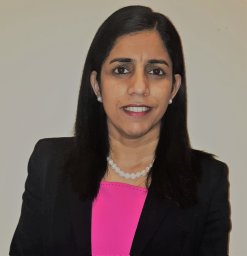 Suja Somanadhan合作论文数UCD School of Nursing, University College Dublin;UCD Centre for Interdisciplinary Research, Education and Innovation in Health Systems (UCD IRIS),, University College Dublin18
 Carmel Patricia Davies合作论文数17
 Éidín Ní Shé合作论文数Graduate School of Healthcare Management, Royal College of Surgeons in Ireland15
 Sarah Donnelly合作论文数Social Work Department, Adelaide and Meath Hospital15
 Brian Williams合作论文数Institute of Health Research and Innovation, School of Health Social Care and Life Sciences, University of the Highlands and Islands14
 Matthew Kehn合作论文数14
 Caroline Bradbury-Jones合作论文数Institute of Clinical Sciences, College of Medical and Dental Sciences, University of Birmingham14Lafferty Attracta合作论文数University College12Gillian Paul合作论文数11
 Purity Mwendwa合作论文数UCD Ctr Interdisciplinary Res Educ & Innovat Hlth, Univ Coll Dublin10
 Diarmuid Stokes合作论文数10
 De Brún Aoife合作论文数Department of Food Business and Development, University College10
 Gerard M. Fealy合作论文数UCD Dublin, UCD School of Nursing10Clare Duffy合作论文数9Grace Lavelle合作论文数9
 Breda Moloney合作论文数9
 Jennifer Margaret Fortune合作论文数9Kathleen Stoddart合作论文数9
 Annetta Smith合作论文数9
 Jennifer M Ryan合作论文数Children's Research Centre, Our Lady's Hospital for Sick Children9
 Leah Macaden合作论文数9
 Mathilde Azar合作论文数9Sara Joice合作论文数9
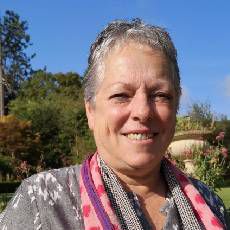 Julie Taylor合作论文数School of Nursing, College of Medical and Dental Sciences, University of Birmingham;Birmingham Women’s and Children’s Hospitals NHS Foundation Trust9Derick Mitchell合作论文数8Majella Fahy合作论文数8
 Linda Dowling-Hetherington合作论文数Univ Coll Dublin8Steve Macgillivray合作论文数8
 Meriel Kate Norris合作论文数School of Health Sciences and Social Care, Brunel University8
 Gillian Mead合作论文数Centre for Population Health Sciences, Usher Institute, College of Medicine and Veterinary Medicine, The University of Edinburgh8Marie Therese Cooney合作论文数8Aisling Walsh合作论文数Department of Epidemiology and Public Health Medicine, Royal College of Surgeons in Ireland8
 Margaret C Watson合作论文数Pharm World Sci;Department of General Practice and Primary Care;University of Aberdeen;Department of General Practice and Primary Care, University of Aberdeen8
 Melinda Neri合作论文数8
 Claire Kerr合作论文数8
 Dominique Phillips合作论文数7Owen Hensey合作论文数7Kirsty Killick合作论文数7Mary Owens合作论文数7A. Awan合作论文数7Michael Walsh合作论文数7
 Francesco Fattori合作论文数Social & Community Psychol Working Cod Ric & Inte7
 Emma Nicholson合作论文数Department of Psychology, National University of Ireland7Groah Suzanne L合作论文数7
 Madalina Toma合作论文数7
 Douma Matthew合作论文数Faculty of Medicine, University of Toronto7




