Extreme temperature events associated with climate change have led to significant declines in rice production, particularly when they occur during reproductive growth stages. However, existing models lack the ability to capture the distinct effects of sustained versus episodic low-temperature stress. In this study, a two-year temperature-controlled experiment was conducted with two temperature levels to compare the impacts of individual and combined low-temperature stress at booting (BS), flowering (FS), and combined (BS + FS) stages on rice yield and its components. Low-temperature stress occurring at booting and combined stages significantly reduced spikelet fertility in the upper spike and grain number in the lower spike, whereas it showed a stronger effect on the spikelet fertility in the lower spike at flowering stage. Under the same cooling degree-days (CDD), continuous low temperature at 12 degrees C for 8 days at booting caused the largest yield loss (55.3 %), compared with 15.5 % at flowering and 39.3 % under the combined treatment, suggesting that low-temperature stress exerts different cumulative effects across booting and flowering stages. We refined the ORYZA yield formation algorithms using these experimental insights, enabling the model to account for both intermittent low-temperature events and combined stress across booting and flowering stages, thereby better reflecting the conditions observed in rice production. The improved model substantially enhanced simulation accuracy (RMSE reduced from 7.18 to 2.05 g plant-1; D index increased from 0.72 to 0.93), and was further validated against historical low-temperature events at multiple sites in Northeast China. This improvement enhances the reliability of rice yield predictions under field low-temperature scenarios, thereby supporting climate risk assessment and cold-tolerance breeding.
Complex and spatially varying warming impacts on rice yield hinder climate change impact assessments on food security. To address this issue, we compiled a global dataset of field-warming experiments (n = 214) and analyzed stage-specific crop responses to temperature variations. Results show that exposures to high (30° to 35°C) and extreme high (>35°C) temperatures are the dominant drivers of warming-induced rice yield losses, primarily through harvest index reductions. One additional exposure day above 30°C during the reproductive stage reduces rice yields by 1.1 to 1.8%. In contrast, current global gridded crop models underestimate this sensitivity, simulating only 0.1 to 1.3% yield loss per exposure day. After adjusting the model biases, we estimate that global rice yield losses decrease by 8.1% under 1°C of global warming, approximately twice the unadjusted estimates, with South and Southeast Asia being the most vulnerable regions. Our results highlight the critical role of high-temperature exposure in shaping warming impacts on rice yield.
Rice cultivation contributes substantially to global greenhouse gas (GHG) emissions, accounting for ~10% of anthropogenic methane (CH₄), highlighting the need for process-based mitigation tools. Existing versions of ORYZA simulate crop growth, water and nitrogen dynamics, but do not explicitly represent soil carbon and nitrogen transformation and GHG emissions, limiting their use for mitigation planning and Tier 3 inventories. In this study, ORYZA was extended with soil carbon and nitrogen biogeochemical and GHG emission module. The resulting ORYZA 3.5 version concurrently simulates rice growth, soil organic carbon and nitrogen dynamics, and CH4/N2O/CO2 emissions. Using experimental data from irrigated rice systems at IRRI (2023–2024), the model was applied to (i) evaluate crop and soil parameter effects on yield, SOC, and GHG emissions; (ii) quantify sensitivities via Adaptive Sobol’ analysis; and (iii) characterize non-linear parameter effects and interactions using Shapley Additive exPlanations (SHAP). An ensemble was generated using ±25% parameter perturbations, and machine-learning surrogate models were trained to emulate model outputs. Results indicated that soil hydraulic properties exerted the strongest control on yield and biomass. Seasonal CH₄ emissions were primarily influenced by methanogenesis potential, soil bulk density, and decomposition parameters, whereas SOC dynamics were dominated by initial SOC/soil organic nitrogen (SON) stratification and crop carbon allocation. SHAP analysis revealed substatial nonlinearities and parameter interactions. Trade-off analysis showed that 22–38% of parameter combinations achieved higher yield with lower CH₄ emissions with statistically robust frequencies (SE = 0.0022–0.0026). The ORYZA v3.5 provides a basis for Tier 3 GHG estimation, carbon accounting, and climate-smart rice management.
Mid-season rice in the Yangtze River basin was studied to analyze the effects of high-temperature stress during flowering on yield and seed setting rate, using ORYZA(v3) model simulation data (1981–2019). Results indicated that: (1) Under varying high-temperature durations during flowering, rice yield and seed setting rate were less negatively impacted in coastal Jiangsu. (2) In the mid-season rice-producing area of the Yangtze basin, long-duration (≥8 days) low-intensity (≤38 ℃) and short-duration (≤3 days) high-intensity (≥41 ℃) heat stress during flowering induced similar yield and seed setting rate reductions. (3) Yield and seed setting rate reduction trends plateaued when high-temperature duration at anthesis reached 8 days; durations below 2 days showed no significant differential effects on reduction percentages across intensities. Given these findings, under future warming scenarios, extremely high-temperature events in the rice-producing region of the Yangtze River Basin are expected to increase in frequency and persistence. Proactive measures are crucial for mitigating sequential high-temperature events during rice flowering, thereby ensuring stable and high yields in mid-season rice-producing areas of the Yangtze Basin.
To evaluate the impact of climate change on maize production,accurately measuring the radiation use efficiency(RUE)of maize is critical.This study focused on three maize cultivars in Jilin Province,China:Zhengdan 958(ZD958),Xianyu 335(XY335),and Liangyu 99(LY99).Under the optimal growing conditions for high density planting(9 plants m-2),the maize RUE was determined during the vegetative and reproductive phases,and the entire growth period.The results showed that the canopy light interception for maize peaked during anthesis.After anthesis,maize plant biomass continued to accumulate.The maize RUE was calculated based on the absorbed photosynthetically active radiation(APAR).During the entire growth period,maize RUE averaged 5.71 g MJ-1 APAR among the three cultivars,with a high-to-low order of ZD958(5.85 g MJ-1 APAR)>XY335(5.64 g MJ-1 APAR)>LY99(5.07 g MJ-1 APAR).Within the vegetative and reproductive growth periods,maize RUE averaged 6.85 and 5.64 g MJ-1 APAR,respectively.When utilizing maize models that depend on RUE to predict aboveground biomass accumulation,such as APSIM,the current RUE value of 3.6 g MJ-1 APAR is considerably lower than the measured value obtained under high-density optimal growing conditions.Consequently,to derive the optimal potential yield for maize in such planting conditions,we recommend adjusting the RUE to a range of 5.07-5.85 g MJ-1 APAR.
Context As the world’s second-largest maize producer, China faces increasing challenges in sustaining maize self-sufficiency under climate change and intensifying resource constraints. Quantifying attainable yield and the exploitable yield gap on existing croplands is therefore critical for long-term food security. Objective This study aimed to quantify the spatiotemporal patterns of maize attainable yield and yield gaps across China, and to assess their responses to future climate change and agronomic adaptation. Methods A site-to-grid machine learning framework was developed to upscale site-level attainable yield records from national maize variety trials to a high-resolution 0.5° × 0.5° gridded dataset across China’s major maize-producing regions. Six machine learning models were evaluated, and the optimal model was used to reconstruct historical yield patterns and project future attainable yields under three CMIP6 climate scenarios and two management strategies. Key drivers of yield were identified using SHAP analysis. Results Accumulated solar radiation was identified as the most influential factor driving attainable yields, accounting for 25.8% of relative importance, followed by growing period length at 16.7%, planting density at 15.4%, and daily temperature range at 11.4%. During 2001–2014, national mean attainable yield estimated by the optimal model reached 12.2 t·ha−1, while actual production achieved only 36.6% of this potential, leaving a large exploitable yield gap of 63.4%. Future projections to 2050 indicate continued increases in attainable yield, with higher levels under low-emission pathways and adaptive sowing strategies. Nevertheless, substantial yield gaps are projected to persist, narrowing only to 43.6%-44.7% by mid-century. Conclusion Maize yield potential in China exhibits strong heterogeneity and remains substantially underutilized. Spatially targeted and climate-adaptive management could substantially enhance maize production, unlock this unrealized potential, and support intensification for sustainable food security.
In recent years, frequent global drought events have posed severe challenges to food security, particularly in the arid region of Northwest China. To investigate the propagation mechanism from meteorological drought to crop drought, the drought characteristics, propagation processes, and influencing factors of winter wheat, spring maize, and potato were analyzed based on the Daily Standardized Weighted Average Precipitation (SWAP) and the Daily Standardized Crop Drought Index (SID), combined with the Copula function, Random Forest, SHAP analysis, and marginal response analysis. The results showed that: (1) crop drought was generally more severe than meteorological drought, with winter wheat exhibiting the highest drought frequency (24.12%), intensity (19.72), and duration (15.95 d), whereas spring maize and potato experienced relatively less severe drought; (2) the propagation time from meteorological drought to crop drought gradually decreased with crop growth progression, following the order of winter wheat > potato > spring maize; (3) the drought propagation threshold gradually decreased with increasing crop drought severity and propagation probability, and significant differences were observed among the three crops; (4) precipitation and temperature were the dominant drivers of crop drought, with a combined contribution exceeding 80%, while temperature contributed relatively more to SID prediction in potato; and (5) precipitation exhibited a diminishing marginal effect on crop drought alleviation, with drought mitigation tending to stabilize when the 14-day cumulative precipitation reached 30–35 mm. In contrast, increasing temperature continuously aggravated drought in all three crops, with potato showing the highest sensitivity to temperature variation. These findings provide a scientific basis for crop-specific drought monitoring, early warning, and precision drought management in the arid region of Northwest China.
Climate change threatens rice yields and global food security, while conventional flooded rice remains a major source of methane emissions. Management options that enhance both mitigation and adaptation are therefore essential. We evaluate water-saving and low-emission rice management practices, alternate wetting and drying (AWD) and system of rice intensification (SRI), compared with continuous flooding across three districts in Bangladesh using an integrated climate-crop-economic modeling framework. The analysis links climate, crop, methane, water-use, and farm economic outcomes and assesses impacts across district and farm-size strata to capture spatial and socioeconomic heterogeneity. Under warmer futures, with each management system evaluated relative to its own current-climate baseline, farm net returns vary across strata, with modest gains of up to 5% in some regions but declines of up to 10% in most areas, while methane emissions increase by 12%-55%. The modeled adoption of SRI-AWD, relative to continuous conventional flooding under both current and future climate conditions, reduces methane emissions by 35% on average while improving farm income and water-use efficiency, although outcomes vary across farm populations. These results show that SRI-AWD can reduce economic losses and emissions relative to conventional management under both current and future changing climate conditions, while highlighting that scaling potential depends on where and for whom benefits occur across heterogeneous rice-farming systems.
Abstract Rapid assessment of rice yield impacts under extreme heat is essential for planning and food security. However, data-driven models often perform poorly at unprecedented temperatures because historical observations of extreme heat are limited. We developed a machine learning framework that integrates the ORYZA (v3) to generate millions of synthetic high-temperature scenarios representing potential heat stress during the rice flowering period. This approach creates comprehensive training data that capture the full spectrum of heat impacts on yield, including extreme conditions rarely observed in historical records. Four machine learning algorithms were trained using both historical meteorological data and synthetic scenarios from the middle and lower Yangtze River basins. Under independent future climate scenarios, the enhanced models showed improved agreement with ORYZA (v3)-simulated yields, with R 2 increases of up to 16.2% and greater stability under extreme conditions. Interpretability analysis suggested that enhanced models consistently highlighted critical growth periods and key environmental drivers. Using GFDL-ESM4 forcing and fixed cultivar and management assumptions, this scenario-based assessment estimated flowering-stage heat stress yield losses of 3.0%–13.1% during 2036–65. When a literature-based carbon dioxide (CO 2 ) adjustment was considered, the regional-mean net effect under shared socioeconomic pathway (SSP) 5-8.5 was approximately neutral, although localized yield declines remained possible. The framework can generate predictions 5.7–234 times faster than traditional crop simulation in our tests, providing an operationally efficient tool for assessing heat stress impacts on rice yield and supporting adaptation planning for high-temperature events in regions facing data constraints under changing climate conditions. Significance Statement Climate change is making heat waves more common during critical growing periods, threatening food security. Farmers and policymakers need fast, accurate tools to predict crop yields under extreme conditions, but existing methods face a trade-off: Crop models are accurate but too slow for large-scale planning, while fast machine learning fails under unprecedented heat events. We solve this by using crop models to create millions of synthetic extreme scenarios for training machine learning. Our approach delivers predictions 5.7–234 times faster than traditional models, while improving accuracy by 16.2% and stability by 39.2% compared to machine learning trained only on historical data. In our framework with fixed management under potential production conditions, heat stress may reduce rice yields by 3.0%–13.1% by midcentury. Under shared socioeconomic pathway (SSP) 5-8.5, these losses can largely offset carbon dioxide (CO 2 )-driven gains, underscoring the need for adaptation.
Direct-seeding of rice by sowing dry seeds on dry soils often results in poor seedling emergence due to erratic rainfall. Adjusting the sowing depth to a given rainfall pattern may improve rice emergence. To assess risks of crop failure in direct-seeded rice, we developed a platform for modelling and simulation of rice emergence at different sowing depths. We combined the HYDRUS-1D soil simulation model, which simulates the surface soil's moisture dynamics, with two rice emergence models recently developed by our research group. The platform used 48 years of daily weather data (1977-2024) for the study site as inputs for the soil model to simulate soil moisture and temperature at designated depths. We then input the simulated values and sowing depths into the emergence models to simulate final emergence and the emergence date. The simulated soil water tension at a depth of 1 cm showed huge interannual variation, reaching 10 MPa in dry years. The simulation showed that relative to a 1-cm sowing depth, depths of 4 and 6 cm greatly reduce the probability of crop failure under rainfed conditions (from 8 % to between 1 % and 2 %). Our novel platform for risk assessment should therefore facilitate the use of direct-seeded rice in suboptimal environments. The platform also fills a knowledge gap for simulation of crop establishment in direct-seeded rice under future climate scenarios.
To investigate the long-term effects of combined organic and inorganic fertilizer application on the structural stability and fertility of soil in paddy fields located in the cool northeastern region of China, a long-term fixed-site experiment was initiated in 2017. The experiments included the following five treatments: 100% conventional chemical fertilizer NPK (CK), conventional PK fertilizer without N fertilizer (T1), 30% organic N and 70% chemical N fertilizers with conventional PK fertilizer (T2), 50% organic N and 50% chemical N fertilizers with conventional PK fertilizer (T3), and 100% organic N fertilizer (T4). Notably, the total amount of fertilizer applied remained consistent across treatment groups. The results revealed that the combination of organic and inorganic fertilizers significantly increased rice yields and nitrogen use efficiency, with the T3 treatment performing the best. Compared with CK, T3 resulted in a 24.26% greater rice yield, and it increased the nitrogen agronomic efficiency by 71.05%. There were no significant differences among the treatment groups in terms of the proportions of soil aggregates larger than 2 mm or smaller than 0.053 mm. Nitrogen fertilizer application reduced the proportion of 0.053-0.25 mm aggregates and promoted the formation of predominantly 0.25-2 mm aggregates. However, the different organic-inorganic combinations did not cause significant differences in soil aggregate structure or stability. Compared with the CK treatment, the application of both organic and inorganic fertilizers increased soil organic matter content, decreased N2O emissions, and increased soil catalase activity. In summary, the application of 50% organic N and 50% chemical N fertilizers with conventional PK fertilizer (T3) was determined to be the optimal combination for achieving high and stable rice yields in the cool northeastern region of China while increasing the structural stability and fertility of the soil.
Climate resilience refers to the capacity to improve soil fertility and water storage while maintaining stable crop yields. Conservation tillage practices, such as no-tillage and crop rotation, are recognized as effective strategies for enhancing climate resilience. The objective of this study was to evaluate the effects of tillage practices (notillage and rotary tillage), and cropping systems (continuous maize, soybean-maize-maize rotation and maizesoybean rotation) on crop yields, growth dynamics, soil fertility, and soil water storage. Then we explored the influence of key indicators on yield performance. No-tillage (NT) increased maize and soybean yields by 4.54 % and 7.45 %, respectively, versus rotary tillage (RT). Legume rotation also boosted maize yields by 3.56 % compared to continuous maize (MM). Yield stability was assessed against precipitation variability during the four-year study. Maize yield CV (coefficient of variation) under NT with legume rotation was < 50 % of RT and MM systems, while increasing soil fertility by 12.49 %. Yield stability was directly linked to biomass accumulation and soil organic matter, which positively influenced yields. Integrating NT with legume rotation enhances soil fertility, stabilizes yields, and strengthens climate resilience in Northeast China, providing an effective strategy for sustainable agriculture.
In recent years, Northeast China (NEC) has emerged as a key rice production region. However, the region's scarce precipitation and surface water availability raise concerns about groundwater over intensive rice cultivation. Using the process-based rice model ORYZA (v3), we assessed irrigation water demand and groundwater depletion under two irrigation regimes - Flood (FLD) Irrigation and Alternative Wet-dry (AWD) Irrigation - across two climate change scenarios (SSP1-2.6 and SSP5-8.5). Results indicated a substantial increase in irrigation water demand (28.6 % to 52.3 %) and groundwater depletion ratio (23.6 % to 53.0 %) under future climate scenarios, with higher impacts under the more extreme SSP5-8.5 pathway. Spatial analysis revealed that regions with larger rice cultivation areas, particularly in Sanjiang Plain, are more vulnerable to groundwater depletion. Furthermore, the benefits of AWD irrigation in mitigating water stress decline under climate change, with reductions in groundwater extraction alleviation (by 7.6 % to 7.9 %) and water use efficiency improvement (by 8.1 % to 8.3 %). These findings underscore the urgent need for spatially optimized rice cultivation and adaptive irrigation strategies tailored to ensure long-term groundwater sustainability and regional food security.
Maize is a staple crop worldwide due to its extensive food, feed and industrial applications. With climate change, heat waves are becoming more frequent and intense, leading to a significant decrease in maize production. To meet the growing demand for maize products, it is critical to understand the mechanisms by which maize crops respond to heat stress. During anthesis, maize is particularly sensitive to heat, especially in the development of kernels, where kernel number is a major yield component. This sensitivity can vary considerably among different cultivars. However, studies on this topic have been infrequently reported thus far. We comprehensively reviewed controlled experiments from 13 independent, observation-based publications and summarised the negative impacts of heat stress on maize yield and yield components. Our findings indicate that maize is more sensitive to heat stress after silking, particularly during the first 4 days following silking, compared to the period before silking. Moreover, maize yield is further reduced by increased maximum air temperature (T max) and accumulated heat degree days (HDD) for T max values exceeding 30 degrees C. Among all the studied maize cultivars, the heating degree days threshold for mild heat stress ranged from 35 degrees Cday in the heat-sensitive cultivar to 59 degrees Cday in the heat-tolerant cultivar. Failing to select the appropriate heat-tolerant cultivars for planting may lead to a significant reduction in maize production. Therefore, we strongly recommend that maize growers select heat-tolerant cultivars or other varieties from the same series before planting to effectively combat climate change.
[Objective]The objective of this research is to clarify the effects of LED supplementary lighting on production and leaf physiological characteristics of substrate-cultivated strawberry,and develop a light control strategy for strawberry cultivation in Chinese solar greenhouses,which will provide theoretical basis and technical support for improving the quality and efficiency of strawberry cultivation in winter and spring seasons in China when solar radiation is low.[Method]Strawberry cultivar'HongYan'was grown in a Chinese solar greenhouse with substrate cultivation,and LED supplementary lighting was provided during the early stage of flower bud differentiation(lamps were installed approximately 15 cm above the canopy).The experiments were set up with different light intensity experiments(photosynthetic photon flux density(PPFD)of 254,367,and 492 μmol·m-2·s-1,corresponding to the power of 80,120 and 160 W,respectively),the different light quality experiments(red/blue 9/1,red/blue 1/1,and white light,PPFD of 360-390 μmol·m-2·s-1,with the same power of 120 W),and the different supplementary lighting duration and control strategy experiments(i.e.dynamic supplementary lighting for 10 h and continuous supplementary lighting for 5 h,referred to as DL10 and CL5 hereafter,respectively,both using 120 W white LED,PPFD of 367 μmol·m-2·s-1,lamp on/off strategy of DL10 treatment was the same as the light intensity and quality experiments,lamp of CL5 treatment was continuously turned on during the time period of 8:00-13:00),and the control was no supplementary lighting treatment.During the experiment,strawberry production,physiological and biochemical index of leaves and fruits,as well as the leaf photosynthetic parameters were measured,and the power usage efficiency was also analyzed.[Result]Compared with the control,all supplementary lighting treatments increased strawberry yield and accelerated harvest time by~10 d.In the light intensity experiment,the yield of 160 W treatment increased by 41.9%,which was slightly but not significantly higher than that of 80 W and 120 W treatments.In the light quality experiment,the yield of red/blue 9/1,red/blue 1/1 and white light treatments increased by 55.9%,44.1%,and 33.1%,respectively,compared to the control.In addition,the yield of DL10 treatment increased by 16%compared to CL5 treatment.Supplementary lighting increased yield due to the higher number of fruits per plant.Supplementary lighting reduced fruit water content and increased leaf thickness,but had no significant effect on leaf physiological and biochemical parameters.Supplementary lighting in the morning and afternoon significantly improved stomatal conductance,which was beneficial for photosynthesis.However,in the light intensity experiment,the maximum photosynthetic capacity of the leaves treated with 160 W was significantly lower than that of 120 W treatment,and the stomatal conductance was also lower than that of the control.Regarding the power usage efficiency,red/blue 9/1(120 W)treatment was the highest,while the 160 W white light was the lowest among all treatments.The power usage efficiency of DL10 treatment was 2.6 times that of CL5 treatment.[Conclusion]Supplementary lighting can significantly improve strawberry production and accelerate harvest time in winter and spring seasons when solar light is limited,appropriate supplementary light intensity is crucial for yield formation,and supplementing with a high fraction of red light has the best effect on strawberry production,dynamic supplementary light control strategy can significantly improve the power usage efficiency.
Rice cultivation faces multiple challenges from rising food demand as well as increasing water scarcity and greenhouse gas emissions, intensifying the tension of the food-water-climate nexus. Process-based modeling is pivotal for developing effective measures to balance these challenges. However, current models struggle to simulate their complex relationships under different water management schemes, primarily due to inadequate representation of critical physiological effects and a lack of efficient spatially explicit modeling strategies. Here, we propose an advancing framework that addresses these problems by integrating a process-based soil-crop model with vital physiological effects, a novel method for model upscaling, and the non-dominated sorting genetic algorithm II (NSGA-II) multi-objective optimization algorithm at a parallel computing platform. Applying the framework accounted for 52 %, 60 %, 37 %, and 94 % of the experimentally observed variations in rice yield, irrigation water use, methane, and nitrous oxide emissions in response to irrigation schemes. Compared with the original model using traditional parameter upscaling methods, the advancing framework significantly reduced simulation errors by 35 %-85 %. Moreover, it well reproduced the multi-variable synergies and tradeoffs observed in China's rice fields and identified an additional 18 % areas feasible for irrigation optimization, along with an additional 11 % and 14 % reduction potentials of water use and methane emissions, without compromising production. Over 90 % of the potentials could be realized at the cost of 4 % less yield increase and 25 % higher nitrous oxide emissions under multiple objectives. Overall, this study provides a valuable tool for multi-objective optimization of rice irrigation schemes at a large scale. The advancing framework also has implications for other process-based modeling improvement efforts.
Central Asia (CA) is a critical agricultural region, contributing significantly to global food and cotton production, yet it faces increasing threats from extreme heatwaves (HWs) due to global warming. Despite this, the specific impacts of historical and future HWs on CA's cropland remain underexplored. Here, using five bias‐corrected global circulation models from the Inter‐Sectoral Impact Model Intercomparison Project Phase 3b (ISIMIP3b), we present a detailed analysis of CA's cropland exposure to HWs from historical periods (1995–2014) and under three Shared Socioeconomic Pathways (SSP126, SSP370, and SSP585) for 2021–2100. Compared to historical levels, we find that exposure to heatwave frequency could increase by 199% by 2081–2100 under SSP126, while exposure to heatwave duration could rise by as much as 852% and 1143% under SSP370 and SSP585, respectively. Northern Kazakhstan emerges as particularly vulnerable, with the highest exposure levels across scenarios. Interactive effects between climate shifts and land‐use changes are the dominant contributors, accounting for over 50% of total exposure in each scenario. These findings highlight CA's vulnerability to HWs under various climate pathways, emphasizing the urgency of targeted adaptation strategies to protect regional agricultural resilience and, by extension, global food security.
Green manure (GM) enhances the ecological services in agricultural ecosystems, including soil health and carbon sequestration. However, its effect on regional methane (CH 4 ) emissions from paddy fields is unclear. Here we clarify the impacts of GM rotation by combining process‐based modeling with microbial gene abundance information and coordinated distributed observations at 14 sites in southern China. We found that GM management, including application rate and rotation year, mainly affects CH 4 emissions in GM‐rice systems by impacting soil biotic factors, which explain 78.4% of the variation ( p < 0.001). The most influential factor is the ratio of soil CH 4 production to oxidation gene abundances ( R 2 = 0.510; p < 0.001), which decreases with GM rotation year due to increased activity of methane‐oxidizing soil microbes ( p < 0.001), indicating that CH 4 emissions from GM‐rice systems decrease with increased GM rotation year. By incorporating these microbial mechanisms as quantitative parameters in process‐based model, we project that approximately 76% of the paddy rice areas in southern China, which have relatively low GM biomass and baseline CH 4 emissions, can achieve reductions in CH 4 emissions through nearly 15 years of GM crop rotation. This study indicates that CH 4 emissions from GM‐rice rotations with appropriate GM application rate over the long term will not significantly increase, resolving the contradictions in previous research.
 Xiaoguang Yang (杨晓光)合作论文数College of Resources and Environmental Sciences, China Agricultural University31
 Tianyi Zhang (张天一)合作论文数Institute of Atmospheric Physics, Chinese Academy of Sciences;University of Chinese Academy of Sciences19
 Erjing Guo合作论文数14
 Zhijuan Liu (刘志娟)合作论文数College of Resources and Environmental Sciences, China Agricultural University13
 Marcaida Manuel合作论文数10Chuang Zhao (赵纯)合作论文数Beijing Tiantan Hospital, Capital University of Medical Sciences10
 Zhao Jin (金钊)合作论文数Institute of Geographic Sciences and Natural Resources Research, Chinese Academy of Sciences;University of Chinese Academy of Sciences10
 Olivyn Angeles合作论文数Crop and Environmental Sciences Division, International Rice Research Institute (IRRI),9
 Donald Gaydon合作论文数CSIRO Agriculture and Food8
 Shen Yuan合作论文数College of Plant Science and Technology, Huazhong Agricultural University8
 Yan Zhu (朱艳)合作论文数College of Agriculture, Nanjing Agricultural University8Yanying Shi合作论文数7
 Zhang Zhentao (张镇涛)合作论文数College of Resources and Environmental Sciences, China Agricultural University7Ando M. Radanielson合作论文数7
 Liang Tang (汤亮)合作论文数College of Agriculture, Nanjing Agricultural University7
 Roberto Confalonieri合作论文数Department of Environmental Science and Policy, Università degli Studi di Milano7
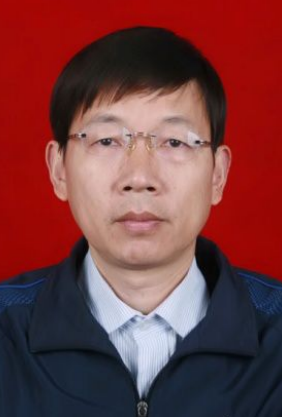 Shaobing Peng合作论文数Department of Agronomy, College of Plant Science and Technology, Huazhong Agricultural University7
 Kenneth J. Boote合作论文数Department of Agronomy, University of Florida7
 Lloyd T. (Ted) Wilson合作论文数Beaumont Research and Extension Center, Texas A&M University7
 Jiang Shukun合作论文数Key Laboratory of Northern Japonica Rice Breeding of Liaoning Province, Shenyang Agricultural University7
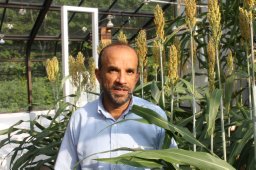 Singh Upendra合作论文数6Daniel Wallach合作论文数INRA Toulouse, INRA6
 Fulu Tao (陶福禄)合作论文数Institute of Geographic Sciences and Natural Resources Research, Chinese Academy of Sciences;College of Resources and Environment, University of Chinese Academy of Sciences6
 Toshihiro Hasegawa合作论文数National Institute for Agro-Environmental Sciences6
 Samuel Buis合作论文数CERFACS, European Centre for Research and Advanced Training in Scientific Computation6
 Francoise Ruget合作论文数Unité de Recherche en Bioclimatologie, INRA6Haoyu Ma合作论文数5Hong-tao XIANG (向洪涛)合作论文数5Hiroshi Nakagawa合作论文数5Yubin Yang合作论文数5
 Bas Bouman合作论文数International Rice Research Institute5
 Alex C. Ruane合作论文数Climate Impacts Group, National Aeronautics and Space Administration;Goddard Institute for Space Studies, National Aeronautics and Space Administration;Columbia University5Lizhi Wang (王立志)合作论文数Institute of Animal Nutrition, Sichuan Agricultural University5
 Xuhui Wang (王旭辉)合作论文数College of Urban and Environmental Sciences, Peking University5Simone Bregaglio合作论文数Department of Crop Science, University of Milan5Tamon Fumoto合作论文数5
 Tanguy Lafarge合作论文数5
 Xiaomao Lin合作论文数Kansas State University5Samarendu Mohanty合作论文数4Kaixin Guan合作论文数4Xue Cheng合作论文数4
 Shuang Sun合作论文数4
 Yongcai Lai (来永才)合作论文数Heilongjiang Academy of Agricultural Sciences4Yoshida Hiroe合作论文数4
 Xinyou Yin合作论文数Centre for Crop Systems Analysis, Department of Plant Sciences, Wageningen University & Research4
 Xu Yue (乐旭)合作论文数School of Environmental Science and Engineering, Nanjing University of Information Science and Technology4
 Jianliang Huang (黄见良)合作论文数College of Plant Science & Technology, Huazhong Agricultural University4
 Nanyan Deng (邓南燕)合作论文数College of Plant Science & Technology of Huazhong Agricultural University4
 Xiaoxia Ling (凌霄霞)合作论文数Department of Ecological Cultivation and Meteorology, College of Plant Science & Technology, Huazhong Agricultural University4




