Arteriovenous anastomoses (AVA) in skin microcirculation are mediated by the sympathetic stimuli. The inspiratory gasp test (IG test) triggers the sympathetic nervous system, resulting in a decrease in AVA skin blood flow, as measured by laser Doppler fluxmetry (LDF). We studied the reproducibility of the IG test under carefully standardized respiratory conditions. In each of 19 healthy (young) volunteers with a mean skin temperature during the experiment above 28 degrees C 13 IG tests were performed, either under spirometric control or uncontrolled and by using a negative pressure transducer. Starting the IG test end-inspiratory results in the most pronounced absolute LDF decrease [140 PU (70-490)], median (minimum-maximum) as compared to starting end-expiratory [100 PU (40-260)] and during inspiration [110 PU (50-350)], respectively, p < 0.001 and p < 0.001. Inspiration as fast as possible results in a larger absolute LDF decrease [150 PU (40-450)], compared to inspiration in 5 s [120 PU (60-340); p < 0.02] and in 10 s [130 PU (40-350); p < 0.05]. Continuously sucking negative mouth pressure results in a larger LDF decrease [140 PU (30-420)] in comparison with taking one deep breath and holding it for 10 s [110 PU (30-270); p < 0.01]. However, standardization of the IG test did not improve its reproducibility.
Disturbances in sympathetic cutaneous vasomotor reflexes may be of pathogenetic importance in several microvascular problems. Laser Doppler fluxmetry (LDF) enables one to study the influence of sympathetic reflexes on skin blood flow. A matter of concern is the high variability of skin blood flow and its reactivity to sympathetic reflex test resulting in a poor reproducibility. In this study we evaluated two sympathetic stimulation tests, distant cooling and inspiratory gasp, and their influence on LDF-measured skin blood flow of the pulp of the big toe in 63 healthy volunteers. No age or sex dependency of the LDF test results was found. Absolute and relative LDF decrease during distant cooling was highly variable between the subjects (LDF decrease, mean +/-SD: 0.7 +/- 5.3%) compared to an LDF decrease of 46.5 +/- 3.1% during an inspiratory gasp test. The reproducibility, however, was better for the distant cooling test [coefficient of variation (CV): distant cooling: 5.8%, inspiratory gasp test: 35.4%]. With the use of a thermostatically controlled LDF probe holder fixed at a temperature of 36 degrees C, the short-term reproducibility of the two sympathetic vasomotor tests did not improve, probably because of a steady increase in baseline skin blood flow during the test. Surprisingly long-term variability of the percentage LDF decrease during the inspiratory gasp test, performed with the heated LDF probe, was lower compared to the short-term variability (CV 19.2 vs. 39.0%, p < 0.05). In conclusion to study sympathetic skin vasomotor reflexes with LDF, vasoconstriction during the inspiratory gasp test was more uniform compared to the distant cooling test, although the latter was more reproducible. Measuring skin blood flow reactivity with a heated LDF probe (36 degrees C) did not improve reproducibility.
 Paetrick M. Netten合作论文数7Hub Wollersheim合作论文数6U Gustafsson合作论文数3T Klyscz合作论文数3Rangan U合作论文数3Inge Romslo合作论文数3Daniel Duprez合作论文数2P. van den Broek合作论文数2du Buf-Vereijken P W合作论文数2Joost M Festen合作论文数2
 Folke Sjöberg合作论文数Department of Biomedical and Clinical Sciences, Linkoping University;Burn Center, Linköping University Hospital2S. Shimegi合作论文数1Pierre Lievens合作论文数1Jp Duverger合作论文数1Dl Clement合作论文数1M. Jünger合作论文数1Pt Mccollum合作论文数1David K. Harrison合作论文数1Leesmans E合作论文数1
 Erik van der Heijden合作论文数Radboud University Medical Center Nijmegen;Faculty of Medical Sciences, Radboud Universiteit1Rizzo Victor合作论文数1Kondo S合作论文数1Morita Y合作论文数1Pons C合作论文数1Elisabeth Dhondt合作论文数1Bartelink M L合作论文数1D'Arbigny P合作论文数1Shore Angela C合作论文数1M. De Buyzere合作论文数1
 Soren Ejling Larsen合作论文数Wind Energy Dept, Danish Tech Univ1
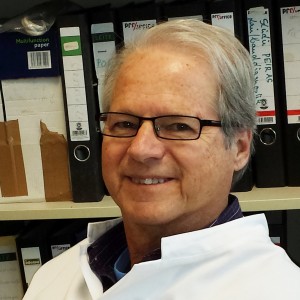 Mark Clemens合作论文数Center for Biomedical Engineering and Science, William States Lee College of Engineering, University of North Carolina at Charlotte;Department of Biological Sciences, College of Liberal Arts & Sciences, University of North Carolina at Charlotte1
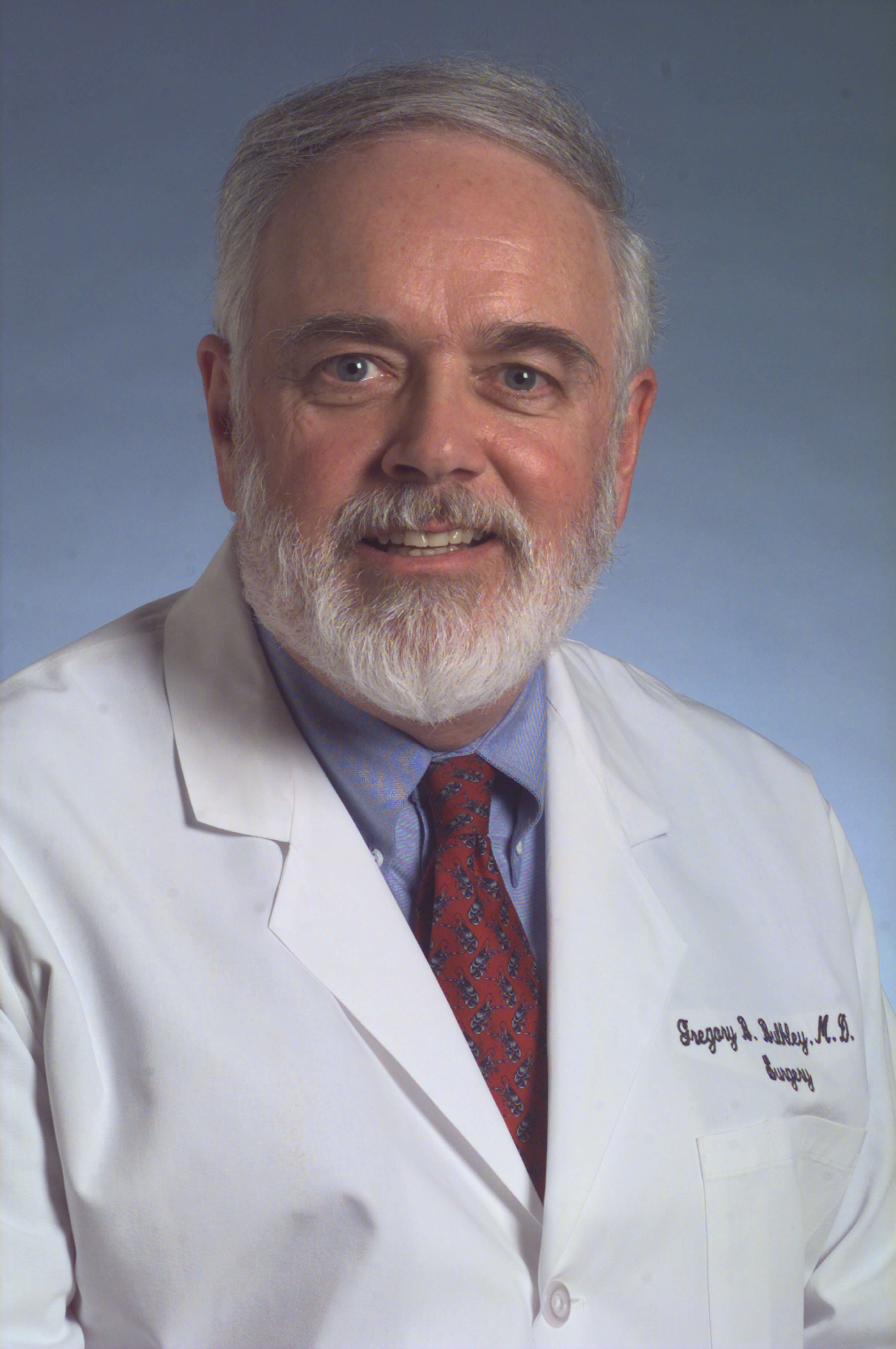 Gregory B. Bulkley合作论文数Johns Hopkins University1
 Yutaka Kano (狩野裕)合作论文数Department of Culture and Information Science, Faculty of Culture and Information Science, Doshisha University1
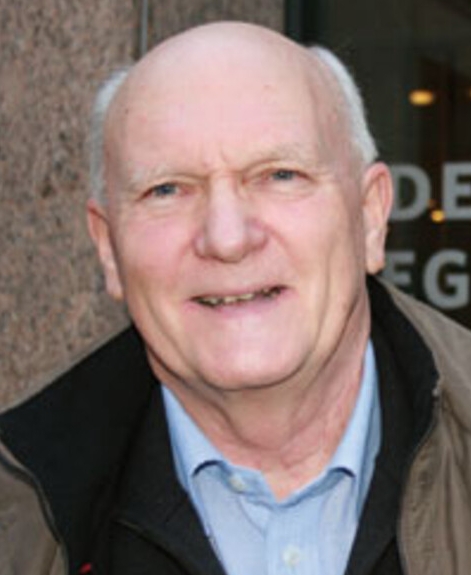 Hans Olav Myhre合作论文数Norwegian University of Science and Technology1Hajime Ohmori合作论文数1
 Giuseppe Sampietro合作论文数1H. Sakato合作论文数1Shigeru Katsuta合作论文数1Katy Drieu合作论文数1
 Lloyd S. Miller合作论文数Department of Microbiology, Immunology, and Molecular Genetics, David Geffen School of Medicine1Jos a Lutterman合作论文数1Olivia Stucker合作论文数1
 Kazumi Masuda合作论文数1




