High-dose-rate (HDR) brachytherapy for rectal cancer is an evolving modality that integrates advanced imaging, personalized applicator design, and multidisciplinary coordination to support organ preservation and improve patient outcomes. As interest in rectal brachytherapy grows-driven by technological innovation and emerging clinical evidence-there is a critical need to define the competencies required for safe and effective practice. This Clinical Competency Review outlines contemporary approaches to HDR rectal brachytherapy, including patient selection, treatment planning, applicator technologies, and quality assurance. It complements existing training frameworks by proposing structured milestones adapted from the Accreditation Council for Graduate Medical Education and informed by international consensus. By delineating procedural expectations and knowledge domains, this document aims to support the development of standardized training pathways and promote high-quality implementation of rectal brachytherapy across diverse clinical settings.
Background The purpose of this scoping review was to systematically review the published literature of randomized controlled trials (RCT) in rectal cancer to generate a comprehensive list of study outcomes. The secondary objectives of this study were to describe trends in outcome reporting in rectal cancer RCTs with a particular focus on patient-reported outcome measures (PROM). Methods We systematically searched for rectal cancer RCTs suing several electronic databases. Eligible studies needed to be published after the year 2000 and had to evaluate a locoregional or systemic therapy for non-metastatic rectal cancer as its primary exposure. All reported outcomes were extracted verbatim from the article and subsequently re-categorized into “standardized outcome terms” and within OMERACT Core Areas of health. Data regarding the use of patient-reported outcome measures and the choice of primary outcome were also extracted. Results In total, 89 RCT’s were included: 56 (62.9%) were considered neoadjuvant trials, 24 (27.0) surgical trials, and 9 (10.1%) adjuvant trials. Fifty-three standardized outcome terms were identified and grouped into various domains and Core Areas. The primary outcomes utilized in each RCT were highly variable and differed by study type. In total, 37 (41.6%) trials used one or more patient-reported outcome measure as an outcome, mainly consisting of health-related quality of life. There were no significant trends in outcome reporting by year or author specialty. Conclusions A comprehensive list of study outcomes categorized into several domains and Core Areas was generated.
Introduction With the rapidly changing landscape of rectal cancer treatment, it is becoming increasingly challenging for clinicians to interpret and synthesise the vast amount of high-quality evidence being generated. A core outcome set (COS) for clinical trials in rectal cancer would help address issues surrounding outcome selection and reporting. The purpose of this research project is to develop a COS to be used in research comparing different treatment paradigms in the management of rectal cancer.Methods and analysis This will be a mixed-methods project, including a systematic review, semi-structured interviews and a Delphi consensus process. The project was designed in accordance with the COMET (Core Outcome Measures in Effectiveness Trials) Handbook, which provides a framework for COS development based on existing evidence. A multidisciplinary Study Advisory Group, composed of rectal cancer providers, methodologists and patients, will oversee the project. A systematic review will be performed to identify an inclusive list of outcomes reported by researchers in previous rectal cancer trials. Outcomes will be collapsed into various core areas and domains according to the OMERACT Filter V.2.0. Semi-structured interviews with rectal cancer survivors and their partners/caregivers will help identify additional patient-centric outcomes not captured in the systematic review. Finally, after a final list of outcomes is generated, patients and healthcare professionals will be invited to participate in a Delphi process to develop the final COS.Ethics and dissemination The study has received full approval with the Research Ethics Committee at the Integrated Health and Social Services Network for West-Central Montreal (health network responsible for the Jewish General Hospital) (REC: 2025-4377) and the Institutional Review Board of the Mount Sinai School of Medicine (IRB: STUDY-25-00515). The results of this study will be presented at national and international meetings and a manuscript will be submitted for publication in a high-impact surgery and/or oncology peer-reviewed journal.Trial registration number The study was registered in the COMET database in December 2023 (https://www.comet-initiative.org/Studies/Details/2941). The full systematic review protocol, along with the search strategy and inclusion/exclusion criteria, was registered online in September 2023 (researchregistry.com; reviewregistry1705).
PURPOSE:Endoscopy is critical in the identification of rectal tumors, but is prone to observer errors. The aim of this study was to assess the inter- and intra-observer variability in delineating rectal lesions in endoscopic images taken during high-dose-rate (HDR) brachytherapy and develop a deep learning-based automatic tumor segmentation model. MATERIALS AND METHODS:Three expert annotators identified tumors, scaring, ulcers and radiation proctitis in 801 endoscopic images from 24 patients. Inter-observer variability was evaluated at both whole-image and contour levels. Intra-observer variability was assessed by re-annotating 15 images from 14 patients after six months. Four DeepLabV3 models with a ResNet50 backbone were trained using a nested cross-validation approach: one per annotator and a fourth trained on majority-vote contours. Model performance was evaluated on 60 unseen images, which the annotators rated using a five-point Likert scale. RESULTS:Manual annotations showed significant variability for ulcers and radiation proctitis (average Dice: 0.36 and 0.57) versus tumors (0.83). Intra-observer Dice scores were 0.72, 0.68, and 0.87 across annotators. The majority-vote model outperformed individual annotator models (average Dice: 0.77) but generated many false positives, misclassifying ulcers and proctitis as tumors. Annotators generally rated the model trained on their own contours higher on the unseen test set. CONCLUSIONS:This work highlights the variability in expert annotations used as ground-truth for deep learning-based segmentation of rectal tumors in endoscopic images acquired during HDR brachytherapy. Automated contouring may provide a foundation for adaptive, AI-assisted brachytherapy workflows.
BackgroundLarge reported variability in the material composition and geometrical components of the Xoft electronic high-dose-rate brachytherapy Causes inter-source discrepancy in the source output. This variability is due to the manual manufacturing and assembly of the sources.PurposeThis study aimed to develop a dosimetry software tool called E-Brachy to characterize the Xoft source and quantify the discrepancies in its photon spectrum and dosimetric properties.MethodsE-Brachy is based on the Geant4 Monte Carlo toolkit and consists of two parts. In part one, the geometry and material composition for the source received in the computer-aided design format from the vendor were converted to the geometry description markup language format using the GUIMesh Python tool and integrated into the E-Brachy software. There was a large variation in material composition and thickness for some of the tube components. The simulation started from electrons and resulted in x-ray generations in the anode region. Multithreading, a track length estimation, and the uniform bremsstrahlung splitting variance reduction techniques were used to decrease the simulation time and increase the x-ray production. The photon energy, position, and momentum were saved into a phase space file as the photon exited the source, but before interacting with the external environment. The obtained x-ray energy spectrum was compared with measurements from the National Institute of Standards and Technology (NIST). In part two, by sampling from the generated photons, the dose rates and dosimetric parameters according to the TG-43 protocol were calculated for model S7500 and compared to the ones previously calculated for model S700 source, which were deemed identical by the manufacturer.ResultsThe material composition that resulted in the most similar spectrum as the measured NIST spectrum with Pearson's correlation coefficient of 0.99 and a calculated Euclidean difference of 0.061 +/- 0.001$0.061\,\pm \,0.001$ keV was chosen for further dosimetric analysis of the model S7500 source. Characteristic peaks showed the presence of tungsten, yttrium, and silver in the source components. Differences in dose rates between the two source models surpassed 20% for polar angles theta >= 150 degrees$\theta \,\ge \,150<^>\circ$, reaching a peak at r=3$r\,=\,3$ cm and theta=175 degrees$\theta \,=\,175<^>\circ$. The differences in the radial dose function values were within 5%. The relative difference in percentage between the anisotropy function values of the two models was closer to 0 for smaller theta$\theta$ values, but at higher polar angles, they increased to 300%.ConclusionsA software package called E-Brachy was successfully developed for the characterization and dosimetry of Xoft electronic brachytherapy sources. E-Brachy can be combined with spectral measurements to investigate the inter- and intra-source variability. The software package was tested by comparing the simulated spectra from the S7500 Xoft source model with NIST measurements and its TG-43 parameters with the S700 model. The TG-43 parameters between the two sources significantly exceed the recommendations of TG-56.
Purpose/Objective(s) Planned non-operative management (NOM) for patients with rectal cancer is gaining much popularity. However, clinical trial availability, specialized equipment and provider expertise may influence access to NOM. In the PATHOS study, we seek to characterize both patient-related and provider-related factors which may impact the likelihood of proceeding with NOM. We present the findings from the first 40 patients who enrolled on this study. Materials/Methods Patients seen in the Radiation Oncology clinic of an academic center were invited to participate in this questionnaire-based study. Adult patients were included if they were diagnosed with biopsy-proven, surgically resectable rectal cancer, and able to respond to two questionnaires. The first questionnaire focuses on socio-demographic details, and initial understanding of their diagnosis and treatment options. Upon completion of this questionnaire, patients proceed with the radiation consultation and receive a brochure, which provides an overview of treatment options. A second questionnaire at the next visit focuses on baseline symptoms, and tradeoffs between treatment preferences and potential toxicities. The sample size of this study is n = 178 patients, which provides a 90% power to detect a significant effect of patient age on treatment decision, assuming 10% attrition between questionnaires. We conducted a planned query upon accrual of 40 patients for descriptive review. Results Among the 40 participants, 76% were male, and 86% were non-smokers. Most participants had completed high school. Subjects had received their diagnosis from a surgeon (46%) or gastroenterologist (30%); they felt that this provider gave sufficient information on staging procedures (73%), radiotherapy (50%), chemotherapy (47%), and surgery (54%). Prior to the Radiation Oncology visit, the worst perceived toxicity would consist of a permanent stoma (72%), or fecal incontinence (22%). In the second questionnaire, 39% of patients were experiencing major Lower Anterior Resection Syndrome (LARS) symptoms at baseline, with 25% having minor LARS, and 36% without LARS. If given the option of participating in a NOM trial, 55% would “definitely participate”, and 38% would “maybe participate”. Moreover, 55% of respondents expressed that a minimum of 60% long-term surgical avoidance would be required to consider the risks of a trial. In terms of overall survival (OS), 48% of patients were willing to accept a decline in OS of 6% or more in order to achieve organ preservation, with 52% willing to risk 5% or less OS loss. Finally, when choosing experimental therapy escalation, 86% of respondents would prefer radiation intensification instead of 14% electing systemic therapy intensification. Conclusion The preliminary findings of the PATHOS study suggest that patients wish to be involved in their cancer-related treatment decisions. A clear definition of treatment outcomes, benefits and risks can facilitate patient participation in NOM programs.
Purpose/Objective(s) Rectal cancer local control and outcomes have significantly improved with the combined used of neoadjuvant chemoradiotherapy (CRT) and total mesorectal excision (TME). This prospective study aims to evaluate the long-term incidence and severity low anterior resection syndrome (LARS) in patients undergoing CRT followed by TME and CRT-alone. Materials/Methods This study included all patients who received CRT followed by TME and underwent a lower anterior resection, as well as those treated solely with CRT. Assessments for low anterior resection syndrome (LARS) were conducted at baseline, 0-6 months, 7-12 months, and 13-24 months, utilizing validated questionnaires that categorized LARS into three groups: no LARS (0-20 points), minor LARS (21-29 points), and major LARS (≥30 points). Statistical analyses were performed using unpaired two-tailed t-tests, and significance was determined with a P value < 0.05. Results A total of 40 patients underwent CRT+TME, while 41 patients received CRT-alone. The median age was 62.5 years and 62 years for patients treated with CRT+TME and CRT-alone, respectively. Baseline comparisons of patients treated with CRT + TME vs CRT with no LARS 40% vs 44.1%, minor LARS 20% vs 26.1%, and major LARS 40% vs 26.5% (p = 0.28). At 0-6 months, CRT + TME vs CRT revealed no LARS 20% vs 46.2%, minor LARS 26.7% vs 15.4%, major LARS 53.4% vs 38.5% (p = 0.9). At 7-12 months, CRT + TME vs CRT exhibited no LARS 44.4% vs 70%, minor LARS 33.3% vs 10%, major LARS 22.2% vs 20% (p = 0.34). At 13-24 months, CRT + TME vs CRT demonstrated no LARS 18.2% vs 54.5%, minor LARS (36.4% vs 36.4%), major LARS 45.5% vs 9.1% (p = 0.04*). Conclusion Patient-reported outcomes showed that the LARS incidence and severity at 2 years was significantly higher in patients treated with CRT followed by TME compared to those treated with CRT-alone. These findings are promising, implying that a non-operative approach may offer a superior quality of life compared to the conventional TME surgery.
Objective.Relative biological effectiveness (RBE) differs between radiation qualities. However, an RBE of 1.0 has been established for photons regardless of the wide range of photon energies used clinically, the lack of reproducibility in radiobiological studies, and outdated reference energies used in the experimental literature. Moreover, due to intrinsic radiosensitivity, different cancer types have different responses to radiation. This study aimed to characterize the RBE of clinically relevant high and low photon energiesin vitrofor three human cancer cell lines: HCT116 (colon), HeLa (cervix), and PC3 (prostate).Approach.Experiments were conducted following dosimetry protocols provided by the American Association of Physicists in Medicine. Cells were irradiated with 6 MV x-rays, an192Ir brachytherapy source, 225 kVp and 50 kVp x-rays. Cell survival post-irradiation was assessed using the clonogenic assay. Survival fractions were fitted using the linear quadratic model, and survival curves were generated for RBE calculations.Main results.Cell killing was more efficient with decreasing photon energy. Using 225 kVp x-rays as the reference, the HCT116 RBESF0.1for 6 MV x-rays,192Ir, and 50 kVp x-rays were 0.89 ± 0.03, 0.95 ± 0.03, and 1.24 ± 0.04; the HeLa RBESF0.1were 0.95 ± 0.04, 0.97 ± 0.05, and 1.09 ± 0.03, and the PC3 RBESF0.1were 0.84 ± 0.01, 0.84 ± 0.01, and 1.13 ± 0.02, respectively. HeLa and PC3 cells had varying radiosensitivity when irradiated with 225 and 50 kVp x-rays.Significance.This difference supports the notion that RBE may not be 1.0 for all photons through experimental investigations that employed precise dosimetry. It highlights that different cancer types may not have identical responses to the same irradiation quality. Additionally, the RBE of clinically relevant photons was updated to the reference energy of 225 kVp x-rays.
The standard of care for locally advanced rectal cancer is total neoadjuvant therapy followed by surgical resection. Current evidence suggests that selected patients may be able to delay or avoid surgery without affecting survival rates if they achieve a complete clinical response (CCR). However, for older cancer patients who are too frail for surgery or decline the surgical procedure, local recurrence may lead to a deterioration of patient quality of life. Thus, for clinicians, a treatment algorithm which is well tolerated and may improve CCR in older and frail patients with rectal cancer may improve the potential for prolonged remission and potential cure. Recently, immunotherapy with check point inhibitors (CPI) is a promising treatment in selected patients with high expression of program death ligands receptor 1 (PD- L1). Radiotherapy may enhance PD-L1 expression in rectal cancer and may improve response rate to immunotherapy. We propose an algorithm combining immunotherapy and radiotherapy for older patients with locally advanced rectal cancer who are too frail for surgery or who decline surgery.
Purpose Organ preservation for patients diagnosed with rectal cancer is an increasingly popular treatment strategy. In this paradigm, prospective data and early results from randomized trials suggest improved success rates with endoluminal radiotherapy techniques over external beam radiotherapy counterparts. We have previously published the interim analysis of the randomized phase II-III Morpheus trial, exploring the efficacy of external beam radiotherapy boost (EBRT, Arm A) against adaptive brachytherapy boost (BT, Arm B). We aim to report the early findings from bowel function evaluation in this research patient population. Materials and Methods This single institution, randomized phase II-III trial (Morpheus) received IRB approval and is ongoing. Patients receiving radiotherapy for rectal cancer were randomized 1:1 to Arm A, pelvic chemoradiation (CRT) with EBRT Boost, or Arm B, pelvic CRT with BT Boost. At the time of the first pre-planned interim analysis, the Lower Anterior Resection Score (LARS) quality of life surveys were queried. The available data were summarized by arm as median LARS score and interquartile range (IQR) of LARS scores. Time points consisted of baseline, 1-6, 7-12, 13-24, 25-36 months after treatment. We performed mixed effects regression analyses in order to assess time trends in LARS and compare treatment effect in both arms. We modeled the crude LARS score categories (known as "none", "minor", and "major" LARS) using univariate regression models. Results There were 45 patients in the Morpheus trial sub-population, who contributed 203 LARS evaluations over follow-up. The median age was 68 years, with 31 patients being male. At the time of this analysis, 20 patients had been randomized to Arm A, and 25 patients were in Arm B. Tumor location was either in the lower third (25/45, 56%) or middle third (20/45, 44%) of the rectum, based on trial inclusion criteria. The baseline LARS score was similar between arms (Arm A mean 18, Arm B mean 21). Within the first 6 months of therapy, the risk of Major LARS was significantly greater in Arm B, with 62% of patients experiencing Major symptoms versus 14% in Arm A (OR 23.9, 95% CI 2.5-226.5). However, at time points beyond 12 months, the risk of Major LARS was significantly greater in Arm A and sustained over time: for instance, at the 25-36 months bracket, 3/8 (38%) of Arm A experienced Major LARS, versus 2/13 (15%) in Arm B (OR 0.5, 95% CI 0-9.2). Conclusions The sub-analysis in the Morpheus trial suggested that LARS scores and the odds of major LARS were higher in Arm B than Arm A during the 1-6 months after treatment, later reversing, with worse LARS scores in Arm A beyond 12 months. However, due to the small sample size, the confidence intervals were very large, and the statistical power to detect a difference was low. We also observed some challenges in interpreting data without accounting for the proportion of patients undergoing temporary ileostomy or permanent colostomy placement. This trial is ongoing, with plans to activate this trial in additional participating institutions, and to analyze the bowel function measures at maturity. Organ preservation for patients diagnosed with rectal cancer is an increasingly popular treatment strategy. In this paradigm, prospective data and early results from randomized trials suggest improved success rates with endoluminal radiotherapy techniques over external beam radiotherapy counterparts. We have previously published the interim analysis of the randomized phase II-III Morpheus trial, exploring the efficacy of external beam radiotherapy boost (EBRT, Arm A) against adaptive brachytherapy boost (BT, Arm B). We aim to report the early findings from bowel function evaluation in this research patient population. This single institution, randomized phase II-III trial (Morpheus) received IRB approval and is ongoing. Patients receiving radiotherapy for rectal cancer were randomized 1:1 to Arm A, pelvic chemoradiation (CRT) with EBRT Boost, or Arm B, pelvic CRT with BT Boost. At the time of the first pre-planned interim analysis, the Lower Anterior Resection Score (LARS) quality of life surveys were queried. The available data were summarized by arm as median LARS score and interquartile range (IQR) of LARS scores. Time points consisted of baseline, 1-6, 7-12, 13-24, 25-36 months after treatment. We performed mixed effects regression analyses in order to assess time trends in LARS and compare treatment effect in both arms. We modeled the crude LARS score categories (known as "none", "minor", and "major" LARS) using univariate regression models. There were 45 patients in the Morpheus trial sub-population, who contributed 203 LARS evaluations over follow-up. The median age was 68 years, with 31 patients being male. At the time of this analysis, 20 patients had been randomized to Arm A, and 25 patients were in Arm B. Tumor location was either in the lower third (25/45, 56%) or middle third (20/45, 44%) of the rectum, based on trial inclusion criteria. The baseline LARS score was similar between arms (Arm A mean 18, Arm B mean 21). Within the first 6 months of therapy, the risk of Major LARS was significantly greater in Arm B, with 62% of patients experiencing Major symptoms versus 14% in Arm A (OR 23.9, 95% CI 2.5-226.5). However, at time points beyond 12 months, the risk of Major LARS was significantly greater in Arm A and sustained over time: for instance, at the 25-36 months bracket, 3/8 (38%) of Arm A experienced Major LARS, versus 2/13 (15%) in Arm B (OR 0.5, 95% CI 0-9.2). The sub-analysis in the Morpheus trial suggested that LARS scores and the odds of major LARS were higher in Arm B than Arm A during the 1-6 months after treatment, later reversing, with worse LARS scores in Arm A beyond 12 months. However, due to the small sample size, the confidence intervals were very large, and the statistical power to detect a difference was low. We also observed some challenges in interpreting data without accounting for the proportion of patients undergoing temporary ileostomy or permanent colostomy placement. This trial is ongoing, with plans to activate this trial in additional participating institutions, and to analyze the bowel function measures at maturity.
Older cancer patients are disproportionally affected by the Coronavirus 19 (COVID-19) pandemic. A higher rate of death among the elderly and the potential for long-term disability have led to fear of contracting the virus in these patients. This fear can, paradoxically, cause delay in diagnosis and treatment that may lead to a poor outcome that could have been prevented. Thus, physicians should devise a policy that both supports the needs of older patients during cancer treatment, and serves to help them overcome their fear so they seek out to cancer diagnosis and treatment early. A combination of telemedicine and a holistic approach, involving prayers for older cancer patients with a high level of spirituality, may improve vaccination rates as well as quality of life during treatment. Collaboration between health care workers, social workers, faith-based leaders, and cancer survivors may be crucial to achieve this goal. Social media may be an important component, providing a means of sending the positive message to older cancer patients that chronological age is not an impediment to treatment.
 Slobodan Devic合作论文数Gerald Bronfman Department of Oncology, Faculty of Medicine and Health Sciences, McGill University94
 Tamim Niazi合作论文数52
 Aurelie Garant合作论文数43
 Shirin Abbasinejad Enger合作论文数Université Laval, Université Laval27
 Marylise Boutros合作论文数Division of General Surgery, Department of Surgery, Faculty of Medicine and Health Sciences, McGill University21
 Ervin Podgorsak合作论文数Department of Oncology Division of Radiation Oncology, McGill University Montreal20
 Carol-Ann Vasilevsky合作论文数19
 Gerald Batist合作论文数Centre for Translational Research in Cancer, McGill University;Segal Cancer Centre, Jewish General Hospital;Exactis Innovation;QCROC Quebec Consortium of Clinical Research in Cancer19
 Thierry Muanza合作论文数Division of Experimental Medicine, Department of Medicine, Faculty of Medicine and Health Sciences, McGill University17
 Francois Deblois合作论文数Jewish General Hospital, McGill University17
 Sergio Faria合作论文数Gerald Bronfman Department of Oncology, Faculty of Medicine and Health Sciences, McGill University16
 Morin Nancy合作论文数16Lorraine Portelance合作论文数McGill University Health Center16
 Patrick Charlebois合作论文数Division of General Surgery, Department of Surgery, Faculty of Medicine and Health Sciences, McGill University13
 Jan Seuntjens合作论文数Department of Medical Biophysics, Temerty Faculty of Medicine, University of Toronto;Princess Margaret Cancer Centre13
 Thierry Alcindor合作论文数Department of Medicine, Faculty of Medicine and Health Sciences, McGill University;Department of Medicine, Division of Medical Oncology, McGill University Health Centre;Tufts Medical Center12
 Frank Verhaegen合作论文数Dept Radiat Oncol MAASTRO, Maastricht Univ12S. Liberman合作论文数11
 Claire Richard合作论文数11William Parker合作论文数11
 Natasa Tomic合作论文数11B. Stein合作论文数10G. Shenouda合作论文数10Michael D.C. Evans合作论文数10
 Arthur Sun Myint合作论文数University of Liverpool10
 Boris Bahoric合作论文数Gerald Bronfman Department of Oncology, Faculty of Medicine and Health Sciences, McGill University10
 Laurent Azoulay合作论文数Division of Epidemiology, Biostatistics and Occupational Health, School of Population and Global Health, Faculty of Medicine and Health Sciences, McGill University10
 Vinh-Hung Vincent合作论文数Centre Hospitalier Public du Cotentin;UZ Brussel;Vrije Universiteit Brussel10
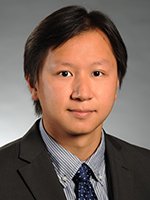 Nam Nguyen合作论文数Department of Radiation Oncology, University of Arizona10
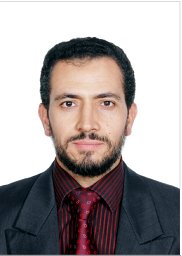 Belal Moftah合作论文数King Faisal Specialist Hospital & Research Center SA10
 Andre-Guy Martin合作论文数9Brigitta G. Baumert合作论文数9
 Juliette Thariat合作论文数8Ulf Karlsson合作论文数8É. Ferland合作论文数8David Donath合作论文数8Liheng Liang合作论文数8
 Inti Zlobec合作论文数Institute of Pathology, University of Bern8Carole S. Richard合作论文数7Micaela Motta合作论文数7
 Sender Liberman合作论文数7
 Nada Tomic合作论文数Gerald Bronfman Department of Oncology, Faculty of Medicine and Health Sciences, McGill University7
 Alan Spatz合作论文数Gerald Bronfman Department of Oncology, Faculty of Medicine and Health Sciences, McGill University7
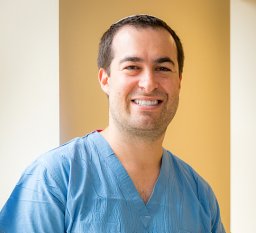 Corey S Miller合作论文数7P. Belliveau合作论文数7
 Petr Kavan合作论文数Gerald Bronfman Department of Oncology, Faculty of Medicine and Health Sciences, McGill University;Department of Neurology and Neurosurgery, McGill University7
 Meritxell Arenas合作论文数Department of Oncology, Hospital Universitari Sant Joan de Reus7P. Fava合作论文数6




