The objectives of the current study were to estimate the genetic parameters and genetic trends for growth traits, and to assess inbreeding levels of Abera sheep under community-based breeding programs (CBBPs) in Ethiopia. General linear model consisting of the fixed effects of sex, breeder cooperative, season and birth type was used to analyze growth traits. Variance components and genetic parameters were estimated within each breeder cooperative following univariate animal model based on the restricted maximum likelihood method. All fixed effects influenced (P < 0.05) the growth traits. Multivariate analysis was also employed to compute correlation estimates among growth traits. Based on the best fitted models, the direct heritability for weaning weight (WWT) and six-month weight (SMWT) in the six breeder cooperatives were in the ranges of 0.12 +/- 0.12-0.38 +/- 0.17 and 0.20 +/- 0.10-0.49 +/- 0.01, respectively. Range of positive genetic progress in WWT (0.15-0.44 kg) and SMWT (0.21-0.57 kg) was achieved in Abera sheep breeder cooperatives during selection years.
Structural measurements are indicators of animal performance, productivity and carcass characteristics. This study was conducted with the objectives of assessing structural measurements, developing body weight prediction and structural indices for cows of Arsi breed. The cows were purchased from highland and lowland agro-ecologies of Arsi and East Shoa zones of Oromia regional state, Ethiopia and kept in Adami Tulu Agricultural Research Center (ATARC) for the breed development purpose. Totally 222 cows were included in the structural traits measurement. Thirty four young heifers were also considered in the study. Twenty two structural traits were considered during observational survey. The structural index was calculated from the phenotypically correlated linear measurements. Structural traits were analyzed by T-test of SPSS version twenty four. The observed average values of height at wither, chest depth, heart girth, body length, pelvic width, cannon bone circumferences of the cows were 107, 55.62, 141.06, 117.82, 31.41 and 13.58cm, respectively. Heart girth (0.82), flank girth (0.73), hook circumferences (0.67), chest depth (0.65) and height at rump (0.64) were highly correlated (P< 0.01) to body weight of the cows. Regression analysis indicated that hearth girth had the highest coefficient of determination for body weight of the cows and heifers. Accordingly, the simple linear equations were developed to predict the body weight of cows and heifers. Body weight of Arsi cow (y) = -221.005 + 3.1(heart girth) and Body weight of Arsi heifer (y) = -188.452 + 2.75 (heart girth). Based on this, the measuring chart tape can be developed to estimate the body weight of Arsi cows and heifers at field condition where there is no access to weighing scales.
C hicken production makes substantial contributions to household food security throughout the developing world.Consumption of poultry products in developing countries grew by 5.8 % per annum during the 1990s, faster than that of human population growth (Sonaiya and Swan, 2004).Chicken products are the primary affordable sources of foods of animal origin for rural households because of unaffordable price (Aberra, 2014).Poultry meat represents about 33% of the total global meat production (FAO, 2010).In Ethiopia, the average national poultry meat production is 72,300 metric ton of which over 90% is from indigenous chicken (Solomon and Getnet, 2015).Performance tests of dual-purpose (Lohmann Dual and
The study was conducted in Adami Tulu Jidokombolcha (ATJK), Bora, Dodola, Shala and Negele-Arsi districts with objective to assess main cattle feed resources, water sources and housing systems. A pre-tested, semi-structured questionnaire was used to conduct survey. About 240 respondents were identified using random sampling techniques. Collected data was analyzed by SPSS statistical software (Ver. 24). Study result indicates that household in average had three hectares of land and allocated about two hectares of land for crop cultivation. Most respondents reported that cattle herding is not common during dry season while it is common during wet season. Survey result indicate that natural pasture, weed and maize tiller and stored crop residues are main feed resources in wet season while crop after math, crop residue and fodder trees are main resources during dry season. Brackish, local mineral and common salt are mineral sources for cattle in study areas. Lake, river and boreholes are important water sources in dry season where as ponds and rivers are main water sources during wet season for their cattle. The observed cattle watering frequency is mainly once a day. Housing system practiced in the study areas is mainly Kraal. The information generated from this study on land size per household, cattle herding system, feed resources, mineral sources, water sources, water utilization and housing type can be used as a baseline for any livestock development programs in those and similar areas.
Background. Poultry production is a tool for livelihood improvement and poverty alleviation in the developing countries. Indigenous chickens are numerous but lower in egg production performance than exotic chickens in Ethiopia. Objective. To compare egg yield, feed conversion ratio (FCR), mortality, and egg quality traits of Normal feathered local (LL), Sasso-RIR (SRSR) and their F1-cross (LSR) chickens under on-station conditions. Methodology. Data on egg production, feed intake and mortality were collected for 33 weeks whereas egg quality was assessed at 6, 9 and 12 months of age at poultry farm of Hawassa University. The experiment was laid out with Completely Randomized Design with four replications. Results. Next to SRSR chickens, LSR performed higher than LL chickens in terms of egg number per hen (96.8), egg weight (46.9 g/egg), daily feed intake (102 g/hen), body weight (1882 g/hen), albumen height (5.97 mm), albumen weight (27.2 g/egg) and albumen weight ratio (56.8). FCR was best, intermediate and worst for SRSR (4.19), LL (4.57), and LSR (5.20) chickens, respectively. Higher egg weight (52.9 g), yolk weight (18.3 g), albumen weight (28.9 g), and yolk weight ratio (35.1) were obtained from eggs of older hens whereas higher albumen weight ratio (59.4) and shell weight ratio (11.0) were obtained from eggs of younger hens. For LL chickens, the lowest values of egg weight, egg length, yolk color, albumen weight, albumen weight ratio were obtained at older ages whereas the lowest value of yolk weight ratio was obtained at younger ages. Implications. The results of the present study contribute in knowing the effects of cross-breeding of LL chicken with SRSR chicken on egg yield and quality. Conclusions. The exotic blood of Sasso-RIR chicken had played a significant role in upgrading most of the economically important egg production and quality traits. However, the influence of genotype on some egg quality traits depends on laying age of hen. .
One Health is a holistic approach for investigation as well as for the control of human, animal, and environmental health problems. It comes with a multisectoral approach for the multifactor health problems and this made it to be more advocated.
The study was conducted in mid-rift valley of Oromia Regional State of Ethiopia with objective to assess traditional cattle breeding objectives and their production constraints.
Community-based breeding programs (CBBPs) for small ruminants have been suggested as alternatives to centralised, government-controlled breeding schemes which have been implemented in many developing countries. An innovative methodological framework on how to design, implement and sustain CBBPs was tested in three sites in Ethiopia: Bonga, Horro and Menz. In these CBBPs, the main selection trait identified through participatory approaches was 6-month weight in all three sites. In Horro and Bonga, where resources such as feed and water permitted larger litter sizes, twinning rate was included. Ten-year (2009 to 2018) performance data from the breeding programs were analysed using Average Information Restricted Maximum Likelihood method (AI-REML). Additionally, the socioeconomic impact of CBBPs was assessed. Results indicated that 6-month weight increased over the years in all breeds. In Bonga, the average increase was 0.21 ± 0.018 kg/year, followed by 0.18 ± 0.007 and 0.11 ± 0.003 kg/year in Horro and Menz, respectively. This was quite substantial in an on-farm situation. The birth weight of lambs did not improve over the years in Bonga and Horro sheep but significant increases occurred in Menz. Considering that there was no direct selection on birth weight in the community flock, the increased weights observed in Menz could be due to correlated responses, but this was not the case in Bonga and Horro. The genetic trend for prolificacy over the years in both Bonga and Horro flocks was positive and significant (P < 0.01). This increase in litter size, combined with the increased 6-month body weight, increased income by 20% and farm-level meat consumption from slaughter of one sheep per year to three. The results show that CBBPs are technically feasible, result in measurable genetic gains in performance traits and impact the livelihoods of farmers.
On station small ruminant researches in Ethiopia were ineffective due to various factors. As alternative, community based breeding program (CBBP) has emerged. In the current CBBPs, sires' side selection only (SN1) was practiced. The objective of the present work was to compare SN1 by simulating alternative breeding scenarios for Abergelle (AB), Centeral Highland (CH) and Woyto-Guji (WG) goat breeds in Ethiopia. Three scenarios including selection on dam's side (SN2) in addition to SN1, application of genomic selection (SN3) on SN1 and use of sires from SN1 for mating in additional flocks (SN4) were simulated and compared with SN1 based on the predicted annual genetic gain (PAGG) and discounted profits. The breeding objective traits or selection criteria were six month weight (6mw, kg) for all breeds, average daily milk yield (ADM, kg) and survival to six month of age (SURV) for AB, litter size at birth (LSB) for CH and WG, litter size at weaning (LSW) for CH and kidding interval (KI, days) for WG. ZPLAN + software was used for the simulation. The PAGG for 6mw ranged from 0.086 kg (SN4) to 0.249 kg (SN3) for AB where it ranged from 0.471 kg (SN4) to 0.970 kg (SN3) for ADM for same breed. PAGG ranging from 0.130 kg (SN4) to 0.467 kg (SN3) and from 0.204 kg (SN4) to 0.311 kg (SN3) for CH Gonder and Ambo sites, respectively were simulated whereas this parameter ranged from 0.103 kg (SN4) to 0.271 kg (SN3) for WG. The alternative breeding scenarios to SN1 resulted in better PAGGs, especially for 6mw in three of the goat breeds and for ADM in AB. Based on the PAGGs and profitability we recommend SN2 over SN1. However, SN4 could also be applied, compared to SN1, in view of better profitability and suitability of addressing emerging demands.
Background A Cross sectional study of Middle East Respiratory Syndrome Corona virus (MERS-CoV) in Camel was conducted between February 2018 to April 2019 in three selected sites of Amibara district of Afar region, Northeast Ethiopia. The study was aimed to observe the current sero-prevalence status of MERS-CoV, assess the presence of active cases through detection RNA Viral particle and investigate possible risk factors of MERS-CoV in camels. A total of 589 sera were collected and tested with indirect Enzyme linked ImmunoSorbent Assay (iELISA). Result The overall seroprevalance of MERS-CoV was 87.3% (n=514/589, 95% CI: 84.5-89.9). Association of different risk factors with seroprevalance revealed that origin (X 2 =13.39,P=0.001), sex (X 2 =4.5 P=0.034), age ((X 2 =185.7, P=0.001) season (X 2 =41.7, P=0.000) and reproduction status (X 2 =96.1, P=0.001) displayed a statistical significant difference among the groups (P<0.05) while herd size did not show a Significant difference among groups (p>0.05). In multivariable logistic regression analysis, age (OR=7.39, 95% CI:3.43-15.91), season (OR=4.83, 95% CI:-2.14-10.90), and in adult female camel reproduction status (OR=7.39,95% C I:3.43-15.91) showed statistically significant difference among the groups for MERS CoV antibody detection while risk factors of origin, animal sex and herd size difference were statistically insignificant. A total of 857 nasal swab samples were collected for the detection of MERS-CoV RNA particle. However, all swab samples tested by Real-time reverse transcription polymerase chain reaction (RT-PCR) technique were Negative for the virus. Conclusion In conclusion, the present study revealed a high seroprevalance of MERS CoV in adult camels. However, in spite of high seroprevalance the lack of any RNA viral particle in the study suggests the need for further in depth longitudinal study to detect the circulating virus focusing on juveniles and young camels whereby seroprevalance of antibody is low when compared with adult camel in order to get the active virus before the camel develop antibody. Moreover, the zoonotic significance and potential transmission routes of MERS CoV to pastoral communities should also be investigated and design strategy for the preparedness in control of the diseases in Ethiopia.
Camels are the most adapted species to the harsh conditions of arid/semi-arid rangelands of Ethiopia where pastoralism is the dominant mode of life and mobility is an inherent strategy to efficiently utilize the spatially and temporally distributed pasture and water resources. Usually, large numbers of camels and other domestic animals from many different herds/flocks congregate at watering sites, and this may create a perfect condition for disease transmission and spread among animals. The same water sources are also shared by multitudes of wild animals. Camel herd sizes per household range from few heads (five to ten) to several hundreds. Female camels account for more than 75% of the herd. Male camels are usually sold early as pack animals or for slaughter. Female camels may remain fertile up to 25 years, during which time they produce eight to ten calves. Camels are herded during daytime on communal rangelands. During night, they are kept in traditional kraals around homesteads. Breeding time is short and seasonal and is affected by rainfall patterns and feed availability. Usually, only men milk camels. Milking frequency ranges from two to five times per day. Washing of hands, milking vessels, the udder and teats is not practised by many prior to milking the camels. Besides, the milking area is generally full of dust and dung and without shade. This affects the quality and safety of the produced milk. Pathogens and diseases of camelids are less well known; however, they are suspected as zoonotic sources for the human infection with the Middle East respiratory syndrome coronavirus. There is an increasing need to determine whether camels are clinically susceptible, act as potential reservoirs and maintenance or bridge hosts, to viral pathogens.
SummaryThe aim of this article was to study opportunities for improvement of the indigenous and threatened Red Maasai sheep (RM) in Kenya, by comparing purebreeding with crossbreeding with Dorper sheep (D) as a terminal breed, in two different environments (Env. A and a harsher Env. B), assuming different levels of genotype‐by‐environment interaction (G × E). Breeding goals differed between environments and breeds. Four scenarios of nucleus breeding schemes were stochastically simulated, with the nucleus in Env. A. Overall, results showed an increase in carcass weight produced per ewe by more than 10% over 15 years. Genetic gain in carcass weight was 0.17 genetic SD/year (0.2 kg/year) across scenarios for RM in the less harsh Env. A. For survival and milk yield, the gain was lower (0.04–0.05 genetic SD/year). With stronger G × E, the gain in the commercial tier for RM in the harsher Env. B became increasingly lower. Selection of females also within the commercial tier gave slightly higher genetic gain. The scenario with purebreeding of RM and a subnucleus in Env. B gave the highest total income and quantity of meat. However, quantity of meat in Env. A increased slightly from having crossbreeding with D, whereas that in Env. B decreased. A simple and well‐designed nucleus breeding programme would increase the genetic potential of RM. Crossbreeding of RM with D is not recommended for harsh environmental conditions due to the large breed differences expected in that environment.
Meat production is the most important trait in the breeding objectives of sheep production in East Africa. The aim of this study was to investigate breed differences in live weight, conformation, carcass traits and economic values for meat production among Red Maasai and Dorper sheep and their crosses. In total, 88 ram lambs, which were reared at the ILRI experimental station, Kapiti plains Estate in Central Kenya, were used for the study. The lambs were slaughtered at Kenya Meat Commission (KMC) at about 1 year of age. Prior to slaughter, the lambs were weighed, measured and assessed by experienced evaluators, and at the abattoir carcass traits were recorded. Large breed differences were found for most traits. Dorper lambs were heavier at delivery for slaughter and had better carcass grade but lower dressing percentage and fat levels than Red Maasai. Crossbreds were generally better than the parental breeds. Evaluators were willing to pay more for the Dorper lambs for slaughter although carcass weights later were shown not to be higher than for Red Maasai. Evaluators undervalued Red Maasai lambs by 8–13 % compared to Dorper lambs according to the prices quoted per kilogramme live or carcass weight by KMC. Live weight was better than any other live measure in predicting carcass weight. Due to the overall higher ranking of the crossbred lambs for meat production, Dorper may be useful as a terminal sire breed for crossing with Red Maasai ewes.
Different breeding strategies targeting two indigenous cattle breeds of Ethiopia (Borana and Horro) were evaluated with the objective of developing appropriate breeding programs that would maximize production and productivity of the breeds maintained on pastures using a deterministic approach. Borana was evaluated for beef, milk and both for beef and milk (dual purpose) while Horro was evaluated for milk and dual purposes. Two units, breeding unit and production unit, consisting of six selection groups were defined for both breeds. Selection criteria used were yearling weight, milk yield, age at first calving, calving interval and calf survival to yearling for dual purpose program and milk yield, age at first calving, calving interval and calf survival to yearling for milk production program. In addition, yearling weight, age at first calving, calving interval and calf survival to yearling were used to improve beef production in Borana breed. Three different levels of breeding bull selection proportions (5%, 10%, and 15%) were used. For all goal traits investigated, more genetic gains were obtained from bull selection groups than the cow selection groups. The bull selection groups also had the shortest generation interval compared to the cow groups (4.07 vs. 6.42 years). From the estimated annual genetic gains for the individual goal traits, all traits had favorable genetic gains except age at first calving. Genetic gains per year were highest for milk yield followed by live weight. Genetic gains were near zero for the other traits. Nearly comparable annual genetic gains were estimated for both Borana and Horro cattle breeds assumed for milk improvement program under different selection proportions. Estimated genetic improvements of about 291.96, 268.63 and 252.73l of milk were simulated for Borana in 5%, 10% and 15% breeding bull selection proportion. The corresponding improvements for Horro were 291.55, 268.31 and 252.43l. However, gains were higher in Borana when the two cattle breeds are assumed for dual purpose program (85.92–98.64 for Borana Vs 78.14–90.26 for Horro). Estimated genetic improvements for live weight ranged from 38.96 to 45.11kg for Borana and 34.17–39.46kg for Horro when both cattle breeds investigated for dual purpose program. In the current study information is lacking on economic values for each goal trait. Thus, further works are warranted. Except for age at first calving, the genetic gain per year in yearling weight, milk yield, calving interval and survival to yearling obtained from the different options are satisfactory and can result in reasonable genetic improvements of these cattle breeds.
Crossing local breeds with exotic breeds may be an option for increased livestock productivity. However, there is a risk for endangerment of the local breeds. One such case is in Kenya where the imported Dorper breed is used for crossbreeding with Red Maasai sheep. The aim of this study was to investigate farmers' trait preferences as a basis for determination of breeding objectives for Red Maasai and Dorper sheep at two sites, Amboseli and Isinya, in Kenya. Within their own flock, each farmer identified three ewes representing the best, average and poorest within each breed group: Red Maasai, Dorper and Crosses. Farmers gave reasons for their ranking. Body measurements and weights were also taken. At the harshest site, Amboseli, differences between breed groups in body weight were small and breeds were equally preferred. In Isinya, where environmental conditions are better and farmers are more market oriented, Dorper and Crosses had significantly higher body weights and market prices and were thus preferred by the farmers. Red Maasai were preferred for their maternal and adaptive traits. Breeding objectives should emphasize growth traits and milk production in both breeds at both sites. Body condition needs to be specifically considered in the breeding objectives for sheep in Amboseli, whereas adaptive traits need to be generally emphasized in Dorper.
Breeding programmes described as community-based (CBBP) typically relate to low-input systems with farmers having a common interest to improve and share their genetic resources. CBBPs are more frequent with keepers of small ruminants, in particular smallholders of local breeds, than with cattle, pigs or chickens with which farmers may have easier access to alternative programmes. Constraints that limit the adoption of conventional breeding technologies in low-input systems cover a range of organizational and technical aspects. The analysis of 8 CBBPs located in countries of Latin-America, Africa and Asia highlights the importance of bottom-up approaches and involvement of local institutions in the planning and implementation stages. The analysis also reveals a high dependence of these programmes on organizational, technical and financial support. Completely self-sustained CBBPs seem to be difficult to realize. There is a need to implement and document formal socio-economic evaluations of CBBPs to provide governments and other development agencies with the information necessary for creating sustainable CBBPs at larger scales.
Africa's human population is growing at an estimated rate of approximately 2% per year and is predicted to reach 1.9 billion in 2050. At the same time, urbanization is advancing in Africa with growth rates of 3.5% in the last two decades. In 2010, the share of the African urban population was approximately 36% and is projected to increase to 50% and 60% by 2030 and 2050, respectively. Urbanization goes hand in hand with a shift in diet towards more meat and dairy products. Both factors, population growth and urbanization, lead to a higher consumption of meat with growth rates over 2.7% per year, and milk and dairy products at 3.5–4.0% per year. To satisfy this, growing demand is considered a big opportunity for the large number of smallholder farmers in Africa to escape poverty and to participate in a growing market. At the same time, livestock production systems are confronted with several challenges. The recent Intergovernmental Panel on Climate Change (IPCC) report 2014 predicts an increase in temperature and a simultaneous decrease in precipitation for many African regions, which will increase vulnerability of livestock-keeping communities. Possible consequences are a higher prevalence of diseases and parasites and more and longer droughts. Therefore, disease and parasite tolerance need to be included in future breeding programmes. Heat stress and tolerance of salty water might be other traits to be considered. Other stressors for livestock production are rangeland degradation, increased variability in access to water, fragmentation of grazing areas, changes in land tenure from communal towards private ownership and hence restricted mobility, in-migration of non-pastoralists into grazing areas, lack of opportunities to diversify livelihoods, conflict and political crisis, weak social safety nets, and insecure access to land, markets, and other resources. One quarter of the world's estimated 752 million poor livestock keepers live in Africa south of the Sahara (SSA), where more than 85% of them live in extreme poverty. However, in much of the SSA, areas well suited to livestock production are restricted to the semi-arid zones by the presence of tsetse fly and trypanosomiasis in more humid areas. Therefore, the research agenda set for animal scientists is challenging and requires enormous investments in the area. But, recent data show that in most African countries, investment levels are well below the levels required to sustain agricultural research and development (R&D) needs. In 2011, SSA as a whole invested 0.51% of AgGDP on average (AgGDP = total public agricultural R&D spending as a percentage of agricultural output), which is below the set target of 1%. Consensus exists that improved livestock production can significantly change the livelihoods of many families, but the commitment by governments seems to be still weak. Given the diverse production systems in Africa, there is no 'blueprint' set of interventions. This is reflected in one of the papers of this issue (Marshall, 2014). The author suggests different key research areas to be addressed. One of these is to identify production systems where breed-change interventions for intensification might be feasible. For a long time, cross-breeding with often exotic breeds from temperate climates has been considered a taboo by scientists and the international community based on worries about loss of genetic diversity. Despite the scientific criticism of indiscriminate cross-breeding, many farmers in favourable environments and with market opportunities at hand go for this option. It has been shown that farmers are aware of higher requirements of crossbred animals, but they are willing to invest in animal nutrition and animal health and accept higher work load as the higher input pays off. Research looking into sustainable cross-breeding strategies is required. Best composites, both in terms of breeds involved and blood levels of the constituent breeds, need to be determined for many regions of the continent. While genomic data are extremely useful in determining levels of admixture at a comparatively low price, phenotyping of many animals for many traits under farmer conditions is a key task. Establishment of functional breeding programmes under smallholder conditions remains a challenge. Past genetic improvement efforts mostly failed, among other things, due to these reasons: (i) dependence on breed replacement and/or indiscriminate cross-breeding of native with exotic breeds with no plan on how to maintain suitable exotic blood levels and no selection on the dam line; (ii) incompatibility of introduced genotypes with producers' breeding objectives, management practices and environmental conditions; (iii) lack of comprehensive approach to design simple but effective breeding strategies instead of adopting complex breeding programmes that require many logistics and technologies; and (iv) insufficient or no systematic breed evaluation studies ensuring fair comparison of the relative merit of indigenous and exotic breeds under typical environment considering the role of G × E interaction. Moreover, smallholder production systems are characterized by small animal numbers per household, single-sire herds/flocks, lack of systematic animal identification, absence of performance and pedigree recording, illiteracy, poor infrastructure and ill-functioning institutions. The mobility of pastoral flocks poses additional difficulties in recording and selection. Two papers of this issue (Gizaw et al.) present possible solutions by implementing village-based (also called community-based) breeding programmes. This approach has been tested with sheep and goats in several regions of Ethiopia, and there are indications that it can successfully work. Currently, there are initiatives to expand village breeding programmes to wider areas of the country and to other regions of Africa. The African Goat Improvement Network, a 'Feed the Future' initiative, is about to explore the potential utility of suing low-cost genomic marker panels in the context of village breeding programmes. It is also clear that genetic improvement, whatever strategy is chosen, has to be developed together with other interventions at farm level. This system perspective means that research has to be performed in interdisciplinary teams. Researchers also have to engage more in a dialogue with farmers and other stakeholders to be able to address the needs of the livestock sector.
A bio-economic model was adapted to estimate economic values for important traits of two Ethiopian indigenous sheep breeds, the Menz and Horro breeds. To do so, a meat sheep herd for fattening lambs and rearing young replacement sheep was simulated. Traits included in the analysis were: daily gain (fattening trait), live weight of ewes, length of productive life, lambing interval, litter size, stillbirths and lamb survival (functional traits). To avoid double counting, the economic value for each trait was derived while keeping all other traits constant. Economic values were obtained per ewe place, year, and genetic standard deviation. For the Menz breed, economic values in € per genetic standard deviation were 0.63 (daily gain), −0.77 (mature ewe live weight), −0.97 (length of productive life), 1.57 (lambing interval), 0.98 (litter size), 0.41 (stillbirths) and 2.20 (lamb survival). Economic values (in €) of 1.35 (daily gain), −1.26 (mature ewe live weight), −1.15 (length of productive life), 1.98 (lambing interval), 3.67 (litter size), 0.56 (stillbirth) and 3.25 (lamb survival) were derived for the Horro breed. Negative economic values for length of productive life and mature ewe live weight were estimated for both breeds. After setting the economic values of length of productive life and mature ewe live weight to zero, the economic values (in %) for the ratio of the trait complexes fattening: functional traits were 11:89 and 12.5:87.5 for Menz and Horro, respectively. Economic values for litter size, lambing interval and lamb survival traits were sensitive to changes in price for breeding rams in both breeds.
 Maria Wurzinger合作论文数Department of Sustainable Agricultural Systems, University of Natural Resources and Applied Life Sciences (BOKU),15
 G. Duguma合作论文数Bako Agricultural Research Center13
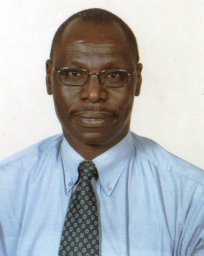 Ally Mwai Okeyo合作论文数Department of Animal Production, University of Nairobi11
 Barbara Rischkowsky合作论文数Tropical Animal Production, University of Göttingen10
 Markos Tibbo合作论文数International Livestock Research Institute (ILRI10A. Haile合作论文数9
 Johann Sölkner合作论文数Division of Livestock Sciences, Universität für Bodenkultur Wien7
 Aynalem Haile合作论文数5Jan Philipsson合作论文数5
 Tadelle Dessie合作论文数5J. Soelkner合作论文数4
 Aman Gudeto合作论文数4
 Emelie Zonabend Konig合作论文数Department of Animal Breeding and Genetics, Swedish University of Agricultural Sciences4
 Erling Strandberg合作论文数Department of Animal Breeding and Genetics, Swedish University of Agricultural Sciences4
 Joaquín Mueller合作论文数Instituto Nacional de;Tecnología Agropecuaria;Instituto Nacional de|Tecnología Agropecuaria4
 Julie M. Ojango合作论文数Animal Breeding and Genetics Group, Egerton University4James Audho合作论文数3Luis Iniguez合作论文数3
 Tesfaye Getachew合作论文数Department of Sustainable Agricultural Systems, University of Natural Resources and Life Sciences3
 Banerjee Sandip合作论文数3a yimegnuhal合作论文数2
 Getachew Gari合作论文数2Elias Walelign合作论文数2Nega Tewolde合作论文数2AM Okeyo合作论文数2O Mwai合作论文数2
 Ally Okeyo Mwai合作论文数International Livestock Research Institute2
 Dadi Hailu合作论文数School of Biotechnology, Yeungnam University2
 Solomon Gizaw合作论文数Faculty of Advanced Life Science, Hokkaido University;Graduate School of Life Science, Hokkaido University;Hokkaido University, Hokkaido University2Solomon Abegaz合作论文数2
 Aberra Melesse合作论文数2Nega Tolla合作论文数2Birgitta Malmfors合作论文数2a willam合作论文数1Mieso Guru合作论文数1
 T. Jembere合作论文数1T Tesfaye Alemu合作论文数1Ihab ElMasry合作论文数1Sophie VonDobschuetz合作论文数1Gijs van ‘t Klooster合作论文数1
 Kahsa Tadel Gebre合作论文数1
 Ayele Mandefro合作论文数Dept Biotechnol, Addis Ababa Sci & Technol Univ1A. Abebe合作论文数1Mwacharo Joram M合作论文数1Besbes B合作论文数1
 Ranawaka A. P. M Perera合作论文数The Faculty of Medicine, The University of Hong Kong1
 Zelalem Terfa合作论文数1




