446 Background: Nivolumab plus Cabozantinib is an established first-line standard of care in mRCC after demonstrating significant improvements over Sunitinib in the phase III CheckMate 9ER trial. However, real-world outcomes with this regimen remain under-reported. Methods: Using the International mRCC Database Consortium (IMDC), we identified all patients treated with Nivolumab plus Cabozantinib between January 1, 2018, and August 31, 2025. Baseline characteristics were described, and median time to next treatment (mTTNT), overall survival (mOS), overall response rate (ORR), and subsequent treatment sequencing and efficacy were evaluated. OS was compared by IMDC risk group using log-rank. Results: 195 patients were identified. Baseline characteristics are summarized in Table 1. With a median follow-up of 18.9 months, the ORR was 41.6% (3.6% CR), mTTNT was 19.4m (95% CI 16.9-26.4) and mOS 44.4m (95% CI 29.6 m-NR). By IMDC risk group, mOS was NR (44.4–NR), 46.9m (26.4–NR), and 18.4m (11.5–NR) for favorable, intermediate, and poor risk, respectively (p<0.0001). At data cutoff, 91 patients were still on treatment, and 58 patients started a 2nd line. The most commonly used second line drugs were Axitinib (27.6%) and Lenvatinib plus Everolimus (17.2%). Others included Sunitinib (6.9%), Pazopanib (6.9%), Tivozanib (6.9%), Pembrolizumab plus Lenvatinib (5.2%) and Belzutifan (3.4%). Among patients treated with second-line Axitinib (n=16), ORR was 33.3%, with a mTTNT of 7.2m (95% CI 5.4–NR) and mOS of 12.3m (95% CI 5.4–NR). Conclusions: In this real-world analysis, Nivolumab plus Cabozantinib achieved TTNT and OS comparable to those reported in CheckMate 9ER, albeit with a somewhat lower ORR (41.6% vs 55.7%), likely influenced by the inclusion of non-clear cell histology. Importantly, 2nd line TKIs demonstrated activity following Cabozantinib exposure, supporting its use in this treatment sequence. Baseline characteristics. Characteristic N=195 (%) Median Age (IQR) 63 (56-71) Male 157 (80.5%) Non-clear cell 54 (27.7%) Nephrectomy 107 (54.9%) Brain metastasis 18 (9.3%) Bone metastasis 97 (49.7%) Liver metastasis 40 (20.5%) More than 1 metastasis site 141 (72.3%) IMDC risk (Fav/Int/Poor) 36 (21.7%) / 81 (48.8%) / 49 (29.5%)
INTRODUCTION:Patients with mRCC who achieve a complete response (CR) to immuno-oncology (IO) combinations have an excellent prognosis and may experience prolonged responses. However, real-world data on CR durability, mortality, and need for subsequent therapy remain limited. PATIENTS AND METHODS:Using the International mRCC Database Consortium (IMDC), we identified patients with mRCC who achieved a documented CR to first-line treatment between 2015 and 2022. We described baseline characteristics, time to next treatment (TTNT), time to second line (TT2L), overall survival (OS), and use of subsequent therapies in patients treated with a vascular endotelial growth factor receptor pathway targeted therapy vascular endotelial growth factor (VEGF), IO plus VEGF (IO-VE), or Ipilimumab plus Nivolumab (IOIO). RESULTS:CR was achieved with IO-VE in 25 of 610 (4.1%) patients, with IO-IO in 82 of 1313 (6.2%), and with VEGF in 46 of 2980 (1.5%) patients. OS in patients with CRs was not significantly different (log-rank P = .42) among the 3 treatment groups. After a median follow-up of 46.7 months, 4-year OS was for IO-VE 100% (95% CI, 100%-100%; HR ref), for IO-IO 92.9% (95% CI, 86.2%-100%; HR 1.89, 95% CI, 0.22-16.4), and for VEGF 94.8% (95% CI 88%-100%; HR 3.18, 95% CI 0.4-25.2). In the IO-VE cohort, 5 (20%) started second-line therapy, and 1 died; in IO-IO, 11 (13.4%) began second-line, and 5 (6.1%) died; and in VEGF, 17 (37%) started second-line, and 9 (19.6%) died. TTNT was not reached for any treatment, and TT2L was in IO-VE 46.8 months (95% CI, 27.5-NR), in IO-IO 30.2 months (95% CI, 21.5-NR), and in VEGF 23 months (95% CI, 14.3-51.7) (P = .66). IO rechallenge occurred in 20% (n = 1) of IO-VE and 63.6% (n = 7) of IO-IO patients receiving second-line, with CR to second-line in 2/8, PR in 4/8, standard deviation in 2/8, and no deaths. DISCUSSION:This real-world study confirms that achieving CR confers an excellent prognosis. However, CR does not guarantee a cure, as a subset of patients do experience a relapse. Retreatment with IO was frequent and effective. These results support the significance of CR but highlight the need for ongoing surveillance and tailored care.
e17042 Background: AVPC (≥ 2 alterations in PTEN / TP53 / RB1 ) and MMR-d are genomically distinct subsets of prostate cancer with poor response to androgen-pathway therapies (ARPi) and docetaxel (DTx). Methods: This prospective RW multicenter study (Alberta, Canada) investigates the incidence, characteristics, systemic treatment (tx), and outcomes of pts with metastatic (m) and/or castration resistant prostate cancer (CRPC) receiving genomic testing (2018-2025). Pts with AVPC or MMR-d were compared with pts with no biomarker detected (NBD: lacking AVPC, MMR-d and HRD). Pt characteristics, time to CRPC (tCRPC) from androgen deprivation therapy (ADT) initiation, survival post-mCRPC (OS), time to PSA progression (TTPP), and radiographic PFS (rPFS) were assessed using univariate tests of association and Kaplan-Meier analyses. Results: Of 178 cases, 19 (12%) were AVPC (18 PTEN, 4 RB1, 17 TP53), 19 (12%) MMR-d (4 EPCAM, 3 MLH1, 6 MSH2, 6 MSH6, 2 PMS2), and 140 (76%) NBD. HRD was observed concurrently in 42% (8/19) each of AVPC [ATM/PTEN/TP53 (n = 2); BRCA2/PTEN/TP53 (n = 3); BRCA2/TP53/RB1 (n = 2); PALB2/PTEN/TP53 (n = 1); RAD51C/TP53/RB1 (n = 1)] and MMR-d [ATM/MLH (n = 1); ATM/EPCAM/MSH6 (n = 1); BRCA2/MSH6 (n = 1); BRCA2/MSH2 (n = 2); CDK12/MSH6 (n = 1); CDK12/MSH2 (n = 1); 1 PALB2/MSH6 (n = 1)]. Excluding concurrent HRD, 11 AVPC (11 PTEN, 2 RB1, 9 TP53), 11 MMR-d (3 EPCAM, 1 MLH1, 2 MSH2, 4 MSH6, 2 PMS2), and 140 NBD were analyzed. Concurrent HRD did not impact tCRPC or OS for AVPC or MMR-d. Clinicopathological features (age, Gleason ≥8, disease volume, visceral or de novo metastases, pathology, PSA) were similar across groups. tCRPC was 16.6, 18.4 and 29.9 mo for AVPC, MMR-d and NBD, respectively (p = 0.6). AVPC had a significantly shorter OS (11.9 mo), compared to MMR-d (13.6 mo) and NBD (37 mo); p < 0.01). 97/178 pts with mCSPC received treatment intensification (66 ARPi [26 APA; 31 ABI; 9 ENZA), 19 ARPi + DTx [8 ABI; 11 DARO], and 12 DTx). 1L mCRPC tx consisted of 82% (41/50) ARPi [2 APA; 20 ABI; 19 ENZA), 16% (8/51) DTx, and 2% (1/50) platinum chemotherapy (P). 2L for mCRPC pts was 77% (39/55) DTx, 24% (13/55) ARPi [6 ABI; 7 ENZA], 3% (2/55) cabazitaxel, and 2% (1/55) P. Conclusions: This RW study identified a high proportion of pts harbouring AVPC or MMR-d were also concurrently HRD. Yet, AVPC is a distinct aggressive subtype with poor outcomes, demonstrating a short OS and tCRPC, and rapid TTPP and rPFS on both ARPi and Dtx. No pts received AKT inhibitors and a single pt with MMR-d (PMS2) received a self-funded immune checkpoint inhibitor, underlining the need for earlier comprehensive biomarker testing in M1 or CRPC and further trial development in these unique subtypes. AVPC n (%) MMR-dn (%) NBDn (%) p 1L Single Agent ARPi N 9/11(81) 8/11 (72) 90/126 (71) 0.3 TTPP 8.3 14.8 26.6 <0.01* R-PFS 8.2 10.3 21.4 <0.01* 2L DTx N 4/7 (57) 5/6 (83) 34/47 (72) 0.8 TTPP 1.4 11.1 10.2 <0.01* R-PFS 4.2 3.0 7.1 0.5
Importance:The International Metastatic Renal Cell Carcinoma Database Consortium (IMDC) risk criteria stratify metastatic renal cell carcinoma (mRCC) into favorable, intermediate, and poor risk groups, but heterogeneity within the favorable risk category remains poorly understood. Objective:To evaluate a proposed very favorable subgroup (tier 1: Karnofsky Performance Status ≥90%; diagnosis to treatment ≥3 years; and no brain, liver, and bone metastases) and characterize its molecular and clinical features. Design, Setting, and Participants:This retrospective cohort study analyzed IMDC data, from January 2015 to September 2024, of patients with favorable risk mRCC (tier 1 and tier 2 [favorable and not tier 1]). Molecular profiling leveraged IMmotion151 (A Study of Atezolizumab in Combination With Bevacizumab Versus Sunitinib in Participants With Untreated Advanced Renal Cell Carcinoma) trial data with whole-exome sequencing, RNA sequencing, and programmed cell death ligand 1 immunohistochemistry. Exposures:Systemic standard of care treatments for mRCC, which include vascular endothelial growth factor receptor targeted therapy (VEGF-TT [sunitinib or pazopanib]), immune-oncology-VEGF (IO-VE [pembrolizumab and axitinib, pembrolizumab and lenvatinib, nivolumab and cabozantinib, or avelumab and axitinib]), and 2 IO (IO-IO [ipilimumab and nivolumab]) regimens. Main Outcomes and Measures:The primary end point of this study was overall survival (OS) at 2 years of the favorable risk group and in the tier 1 and tier 2 subgroups with the different treatment options. Secondary end points included time to next treatment, treatment duration, and overall response rate. Outcomes were compared across treatment types: VEGF-TT, IO-VE, and IO-IO. Results:Among 641 patients with favorable risk mRCC (median [IQR] age, 65 [58-71] years; 475 males [74.1%]), 176 (27.5%) were in tier 1, and 465 (72.5%) were in tier 2. Those in tier 1 met criteria for a very favorable subgroup, characterized by similar age and treatment distribution but lower rates of sarcomatoid features; more patients with only 1 metastatic site; and an absence of brain, bone, and liver metastases compared with patients in tier 2 with favorable risk. Patients in tier 1 showed a median OS of 79.1 (95% CI, 73.7 to not reached) months vs 54.5 (95% CI 45.5-67.7) months in tier 2 (P < .001) and distinct molecular features: high polybromo-1 alterations (64.7%), low BRCA1-associated protein 1 alterations (8.8%), and programmed cell death ligand 1 positivity (21.9%); transcriptomics revealed less immune-infiltrated tumors (8.5% immunogenic clusters) than in the other subgroups. Clinically, IO-IO underperformed in tier 1, with a 2-year OS of 73.1% (95% CI, 49.1%-97.1%) vs 89.1% (95% CI, 79.0%-99.2%) with IO-VE and 92.4% (95% CI, 86.5%-98.3%) for VEGF-TT (IO-IO hazard ratio, 3.64 [95% CI, 1.49-9.06]; P = .005), and a lower overall response rate (26.3% vs 63.3% in IO-VE and 57.0% in VEGF-TT). Conclusions and Relevance:In this cohort study, the very favorable risk subgroup had a less immunogenic molecular profile and superior outcomes from VEGF-containing regimens (VEGF-TT and IO-VE) compared with the favorable risk group. The IO-IO combination showed significantly worse survival in this population, suggesting that VEGF inhibition remains essential for optimal outcomes.
Objective:Non-muscle-invasive bladder cancer (NMIBC) is typically managed with transurethral resection and intravesical instillation therapy. For patients with high-risk NMIBC after failure of bacillus Calmette-Guérin (BCG) therapy, radical cystectomy and urinary diversion are the standard of care, which can be associated with a high morbidity and impaired quality of life. Developing efficacious bladder-sparing strategies is an unmet need for such patients. We conducted a systematic review of prospective interventional studies on NMIBC after BCG failure. Methods and analysis:We comprehensively searched the Cochrane Database, PubMed and ClinicalTrials.gov to identify prospective studies on NMIBC after BCG failure from their inception up to June 2025. Search results were summarised according to types of agents by focusing on efficacy. To assess the risk of bias, the Methodological Index for Non-Randomized Studies was used for single-arm studies, while the Risk of Bias 2.0 tool was applied to randomised controlled trials. Results:Of 2493 studies screened, 114 studies met the eligibility criteria, of which most were early-phase or single-arm trials. Types of agents or modalities used included immunotherapy and biological response modifiers, cytotoxic anticancer drugs, immune checkpoint inhibitors (ICIs), tyrosine kinase inhibitors, antibody-drug conjugates, radiotherapy and photodynamic therapy; of these, the former three accounted for more than 80% of the eligible trials. Among 37 published studies, complete response (CR) rates in patients with carcinoma in situ with or without papillary NMIBC ranged from 8% to 84%, and 12-month recurrence-free survival rates ranged from 20% to 86%. Interim reports of several ongoing trials using a novel intravesical drug delivery system of gemcitabine, gene therapy-based biological response modifiers with or without ICI, and a combination of ICI with anticancer agents demonstrated CR rates of 70% or higher. Conclusion:This systematic review demonstrated the promising efficacy of novel bladder-sparing strategies for NMIBC after BCG failure. This review is limited by the predominance of early-phase trials and a limited number of comparative studies, offering only limited guidance for clinical decision-making.
Background Cabozantinib is approved as a subsequent therapy for patients with metastatic renal cell carcinoma (mRCC) based on the METEOR trial. However, only 5% of patients in this trial received prior immunotherapy. Objective Analyze the effectiveness of Cabozantinib in the second-line setting after different first-line treatments. Methods This retrospective study analyzed patients with mRCC who received second-line Cabozantinib between 2010 and 2023, using the International mRCC Database Consortium (IMDC). Patients were grouped by prior therapy and IMDC risk category. We assessed overall response rate (ORR), time to next treatment (TTNT), treatment duration (TD), and overall survival (OS). Results Among 603 patients (mean age 59 years), 31.5% had received IO-IO regimens, 24.5% IO-TKI combinations, and 34.3% TKI monotherapy as initial therapy. At Cabozantinib start, 13.8% were favorable-risk, 49.1% intermediate-risk, and 16.7% poor-risk per IMDC. The ORR for the overall cohort was 25.7%; median TTNT was 10.1 months; median TD was 8.9 months; and median OS was 19.0 months. Efficacy outcomes were consistent across first-line treatment groups. Conclusion This real-world analysis supports the effectiveness of Cabozantinib in the second-line setting, including among patients previously treated with immune checkpoint inhibitors. Prior treatment type did not significantly affect Cabozantinib outcomes.
BACKGROUND AND OBJECTIVE:Real-world evidence on the effectiveness of first-line immuno-oncology (IO)-based combinations or cabozantinib (CABO) over traditional targeted therapies in metastatic non-clear cell renal cell carcinoma (nccRCC) is limited. This study aims to compare the outcomes of first-line therapies for metastatic nccRCC according to histologic subtypes, including papillary renal cell carcinoma (RCC), unclassified RCC, and chromophobe RCC with or without sarcomatoid dedifferentiation. METHODS:Using the International Metastatic Renal Cell Carcinoma Database Consortium, patients with metastatic nccRCC who received (1) IO plus vascular endothelial growth factor (IOVE) combination therapy, (2) IOIO doublet therapy, (3) CABO monotherapy, (4) sunitinib or pazopanib (SUN/PAZ) monotherapy, or (5) mammalian target of rapamycin (mTOR) monotherapy were included. Baseline patient characteristics, clinician assessment of objective response rates (ORRs), and overall survival (OS) were compared across first-line therapy regimens. KEY FINDINGS AND LIMITATIONS:The most common nccRCC histology was papillary found in 725 (47%), and sarcomatoid dedifferentiation was found in 236 (15%) of the 1551 patients included. Within the papillary RCC cohort, ORRs and median OS were, respectively, 31% and 33.2 mo for IOVE, 26% and 31.9 mo for IOIO, and 37% and 30.7 mo for CABO, as compared with 13% and 17.2 mo for SUN/PAZ and 3.4% and 13.1 mo for mTOR. Within the sarcomatoid dedifferentiation cohort, receipt of IOIO was associated with the highest ORR and the longest median OS (39% and 31.9 mo, respectively). CONCLUSIONS AND CLINICAL IMPLICATIONS:Distinct patient outcomes were observed across histologic subtypes. More histology-specific strategies are required given the differential activity of first-line therapy regimens against each nccRCC histology.
IntroductionTherapies for metastatic renal cell carcinoma (mRCC) have evolved significantly, making treatment decisions more complex. We used machine learning (ML) to identify subgroups of patients who have a high probability of response to first line systemic treatment.MethodsPatients from the International mRCC Database Consortium (IMDC) with mRCC and treatment response measured to first-line were identified, and a ML classification and regression tree analysis was conducted, in which we grew a complex tree up to a depth of 30 with a minimum node split size of 2 with no constraints on the cost-complexity parameter. The resulting tree was pruned according to the cost-complexity parameter that minimized the leave one out cross-validated error rate and had a minimum bucket size of 25 patients.Results2,549 patients were included, 73.2% male, 13.5% non-clear cell histology, 70.3% nephrectomy. 19.4%, 54.2%, and 26.4% had favorable, intermediate and poor IMDC risk respectively. First line treatment regimens consisted of VEGF inhibitors (51.5%), IO-IO combinations (32.3%), and IO-TKI combinations (16.2%). The ORR was 36.0% overall, with 29.6% for VEGF inhibitors, 39.1% for IO-IO, and 50.2% for IO-TKI combinations. ML identified 5 hierarchal variables, therapy type, nephrectomy, lung metastasis, other sites of metastasis, and age, that divided patients into 7 different categories with different response probabilities. VEGF therapy showed the poorest response, with no additional variables able to predict response. The highest ORR was observed in patients treated with IO-TKI and nephrectomy (54.9%); and in those treated with IO-IO, nephrectomy, and only lung metastasis (59.8%). Factors associated with poorer ORR included non-clear cell histology, older age, bone and liver metastases, poor performance status, elevated neutrophils, and poor IMDC risk score.ConclusionThis large-scale ML analysis identified five key clinical variables that predict treatment response in mRCC, with treatment type emerging as the primary determinant. These results suggest that treatment selection for mRCC could potentially be optimized by considering these hierarchical variables, though further validation is needed.
BACKGROUND:Immune-related adverse events (irAEs) are reportedly associated with favorable outcomes in patients with metastatic urothelial carcinoma (mUC) receiving pembrolizumab. Previous studies on this topic focused on the severity of irAEs. The type and number of organs affected by irAEs may also be associated with the therapeutic outcomes. METHODS:The present, retrospective study included 146 patients with mUC receiving pembrolizumab between January 2018 and March 2022. The primary endpoints were the overall response rate (ORR), progression-free survival (PFS), and overall survival (OS) associated with the type and number of organs affected by irAEs and the severity of the symptoms. IrAEs were graded using the Common Terminology Criteria for Adverse Events version 5.0. The treatment response was assessed using the Response Evaluation Criteria in Solid Tumors version 1.1. Cox proportional hazards was used to assess for any association between the variables and survival. Time-dependent analysis was used to assess the status of irAEs as a prognostic factor. RESULTS:IrAEs ≥ grade (G) 2 were observed in 48 (33%) patients, of whom 9 (6%) had multiple irAEs. IrAEs ≥G2 were significantly associated with a higher ORR (57% vs. 22% for <G2; P < 0.001) and longer PFS and OS (both P < 0.001). Multiple irAEs ≥G2 had a higher ORR (89% vs. 49% for a solitary irAE ≥ G2 vs. 22% for irAEs < G2; P < 0.001) and a significantly longer PFS and OS (both P < 0.001). Skin, lung, and liver-related irAEs ≥G2 were significantly associated with a higher ORR and a longer PFS and/or OS. On multivariable analysis, the severity of irAEs ≥G2 vs. <G2 and the number of irAEs ≥G2 were independently and significantly associated with longer OS (P = 0.04), PFS, and OS (both P < 0.001). Skin irAEs ≥G2 were independently associated with longer PFS and OS (both P = 0.07). CONCLUSIONS:The severity and number of irAEs and the organs affected by them appeared to be relevant to the therapeutic efficacy of pembrolizumab in patients with mUC.
494 Background: Immuno-oncology (IO)-based combination therapy with or without anti-vascular endothelial growth factor (VE) has become a standard of care for mnccRCC. However, real-world evidence on the effectiveness of contemporary therapies over traditional targeted therapies against mnccRCC is limited. Methods: Using the IMDC, patients with mnccRCC were classified into five subgroups based on 1L therapies: IOIO, IOVE, CABO, SUN/PAZ, and mammalian target of rapamycin (mTOR). Baseline patient characteristics, clinician assessment of objective response rates (ORRs) as per RECIST 1.1, and overall survival (OS) were compared across 1L therapies. Results: Of 1551 patients with mnccRCC, 180 (11.6%), 90 (5.8%), 45 (2.9%), 1039 (70.0%), and 197 (12.7%) received IOIO, IOVE, CABO, SUN/PAZ, and mTOR, respectively. The most common histology was papillary in 725 (46.7%), followed by unclassified in 287 (18.5%), chromophobe in 200 (12.9%), and translocation in 84 (5.4%), while sarcomatoid dedifferentiation was found in 236 (15.2%). The IMDC prognostic categories (favourable/intermediate/poor) differed significantly across 1L therapies: IOIO (6.7%/52.3%/40.9%), IOVE (26.9%/44.9%/28.2%), CABO (16.1%/53.2%/30.7%), SUN/PAZ (16.1%/53.2%/30.7%), and mTOR (9.6%/51.4%/39.0%). For the papillary subtype, ORRs and median OS were better in IOIO (26.1% and 31.9 months), IOVE (31.0% and 33.2 months), and CABO (36.8% and 30.7 months) than in SUN/PAZ (12.8% and 17.2 months) and mTOR (3.4% and 13.1 months), whereas for the unclassified subtype, CABO did not appear to be as effective as IOIO and IOVE. For the chromophobe and translocation subtypes, there was no significant relationship between 1L therapies and the outcomes. IOIO was associated with the highest ORR and the longest median OS for mnccRCC with sarcomatoid dedifferentiation. Conclusions: Contemporary therapies seem to be effective against mnccRCC, although histology-specific strategies may guide personalized treatment selection. Histologic subtype IOIO IOVE CABO SUN/PAZ mTOR p-value Papillary (n = 54) (n = 31) (n = 25) (n = 499) (n = 116) ORR, n (%) 12/46 (26.1%) 9/29 (31.0%) 7/19 (36.8%) 52/407 (12.8%) 3/87 (3.4%) <0.001 Median OS (95% CI), months 31.9 (20.3–NA) 33.2 (18.6–NA) 30.7 (17.5–48.7) 17.2 (15.3–19.6) 13.1 (11.1–15.4) 0.002 Unclassified (n = 50) (n = 20) (n = 10) (n = 179) (n = 28) ORR, n (%) 14/45 (31.1%) 5/17 (29.4%) 0/7 (0%) 22/149 (14.8%) 1/22 (4.5%) 0.018 Median OS (95% CI), months 18.8 (13.8–29.0) 15.5 (11.1–NA) 7.6 (2.1–NA) 13.6 (11.0–16.7) 6.1 (3.6–9.5) <0.001 mnccRCC with sarcomatoid dedifferentiation (n = 47) (n = 12) (n = 2) (n = 141) (n = 34) ORR, n (%) 16/41 (39.0%) 2/10 (20.0%) 0/2 (0%) 16/106 (15.1%) 1/26 (3.8%) 0.003 Median OS (95% CI), months 31.9 (19.3–NA) 14.0 (2.1–NA) 14.3 (7.6–NA) 12.8 (7.0–13.9) 6.6 (3.6–12.5) <0.001
4528 Background: In Phase III trials for mRCC, OS is a gold standard primary endpoint. However, for ICI-based regimens, this requires extended follow-up times, resulting in higher costs and delayed drug approvals. Identification of surrogate or intermediate endpoints for OS would be beneficial in addressing these challenges. In the current study, we investigated 6-month TTF as a potential intermediate endpoint (IE) for OS in mRCC. Methods: We included all patients from the International mRCC Database Consortium (IMDC) who received ICI-based regimens from 2013 to 2023. TTF was defined from ICI start until drug cessation or death or censored at date of last follow-up. The cohort was divided into 10 equal sub-cohorts based on the decile disease risk scores, calculated using multivariable Cox regression for OS, considering all relevant covariates (IMDC risk groups, presence of bone, brain, or liver metastases, histology, age, prior nephrectomy, ICI type, and year of ICI initiation). For these sub-cohorts, we used Kaplan-Meier methods to determine 18-month OS and event-free rates for 6, 9, and 12-month TTF. We then performed linear regression of stratum-specific 18-month OS against stratum-specific 6-month (and 9- and 12-month) TTF. In the landmark analysis, OS was calculated starting at 6 months after therapy initiation, excluding patients who died or had follow-up of less than 6 months. Results: The IMDC cohort consisted of 1667 patients with a median age of 63 years and 83% had clear cell histology. Median follow-up was 15.4 months (IQR: 7.1-28.6). Across the 10 sub-cohorts, 6-month TTF accounted for 76% of the variance in 18-month OS (R 2 = 0.76, 95% CI: 0.26-0.87). Similar patterns were seen for 9 (R 2 = 0.65, 95% CI: 0.11-0.81) and 12-month TTF (R 2 = 0.64, 95% CI: 0.09-0.80). In the 6-month landmark analysis (evaluable n = 1255), mRCC patients experiencing treatment failure at 6 months had an 18-month OS (i.e. 12 months after the landmark time) rate of 68% (95% CI: 63%-72%), compared to 92% (95% CI: 90%-94%) for those without treatment failure (adjusted HR: 2.74, 95% CI 2.15-3.49). Conclusions: 6-month TTF was predictive of 18-month OS in mRCC patients. These findings suggest that 6-month TTF may be a promising intermediate endpoint for OS and provides supportive evidence of future validation in prospective studies.
BACKGROUND:Attrition rates for patients with mRCC are not well characterized in the era of immunoncology (IO)-based combinations. This study aims to quantify real-world attrition rates by line of therapy, analyze associated clinical predictors, and describe treatment sequencing across multiple international centers. METHODS:IMDC data for patients with mRCC who received first line Nivolumab + Ipilimumab (IO-IO) or IO- Vascular Endothelial Growth Factor receptor targeted therapy (VEGFR TT) (IO-VE) were included. Clinical and pathologic characteristics and outcomes were extracted. Chi-square tests were used to compare categorical variables between patients who received second line and those who did not. A logistic regression model was used to assess predictors of second line therapy initiation. RESULTS:A total of 1411 patients were identified, of whom 995 patients were treated with first line IO-IO and 434 with IO-VE. Of them, 935 (704 first line IO-IO and 231 first line IO-VE) stopped first line and were suitable for second line therapy. Reasons for stopping first line included progressive disease (PD) in 41.1%, toxicity in 24.4%, death in 3.9%, complete response in 1.5% and other in 28.3%. Among second line suitable patients, 544 (58.2%) started any second line whereas 391 (41.8%) did not. Patients who stopped first line for PD were more likely to initiate second line than those who stopped for other reasons (57.9% vs. 17.6%, P < .00001). Patients who received second line were more likely to have clear-cell histology (77.2% vs. 66.8%, P = .04), without sarcomatoid features (57.2 vs. 44.8%, P = .02), a Karnofsky performance score (KPS) of 80 or higher (80.1 vs. 73.9%, P = .01), and bone metastases (39.0 vs. 28.1%, P = .0009). (Table 2). After adjusting for IMDC criteria, only age and reason for stopping first line remained significant predictors of receiving second line therapy. Among 353 patients who stopped second line, 199 (56.4%, overall 21.3%) started third line therapy. Of the 139 patients who stopped third line, 80 (57.6%, overall 8.6%) started fourth line therapy. CONCLUSIONS:In this real-world analysis, we found that just over half of suitable patients received the subsequent line of therapy post first line. We were able to identify age and reason for stopping first line as predictors of second line therapy initiation.
Introduction:The prognosis of unresectable metastatic adrenocortical carcinoma is very poor. We report a case of Lynch syndrome accompanying metastatic adrenocortical carcinoma treated with pembrolizumab. Case Presentation:A 73-year-old woman was diagnosed with left adrenocortical carcinoma and multiple lung, liver, and lymph node metastases. First-line mitotane therapy failed due to toxicity and progressive disease. Immunohistochemical analysis of mismatch repair proteins revealed an MSH6 deficiency. Pembrolizumab monotherapy was started for microsatellite instability-high/mismatch repair-deficient malignant disease. After the first administration, we experienced temporal clinical findings considered to reflect the collapse of tumors. She gained remarkable reductions in all lesions after four cycles. Genetic analysis disclosed the germline pathogenic variant of MSH6, so this case was diagnosed as Lynch syndrome. Conclusion:We report a patient with metastatic adrenocortical carcinoma in Lynch syndrome who demonstrated an excellent response to pembrolizumab. Genetic analyses can play a beneficial role in cases of adrenocortical carcinoma.
Background and objective: Patients receiving immune checkpoint blockade (ICB) therapy may experience periods of prolonged disease control without a need for systemic therapy. Treatment-free survival (TFS) is an important measure for this period, but no data are available for patients with metastatic renal cell carcinoma (mRCC) starting first-line agents. Our aim was to analyze TFS outcomes for patients with mRCC starting first-line therapy. Methods: We analyzed data for patients with mRCC starting first-line systemic therapy with VEGFR-targeted monotherapy, an ICB + VEGFR combination, or an ICB doublet from February 1, 2014 to February 1, 2023 from the multicenter International Metastatic RCC Database Consortium (IMDC) database. We estimated 36-mo TFS as the difference in restricted mean survival time between (1) the time to first-line therapy discontinuation and (2) the time to subsequent systemic therapy initiation. Key findings and limitations: The study population included 3758 patients receiving either first-line VEGFR monotherapy (n = 2635), an ICB + VEGFR combination (n = 354), or doublet ICB (n = 769) were included. For the IMDC favorable-risk cohort, the 36-mo TFS estimate was 3.1 mo (95% confidence interval [CI] 1.5-4.6) for the VEGFR monotherapy group and 3.7 mo (95% CI 0.2-7.2) for the ICB + VEGFR group. For the IMDC intermediate-/poor-risk cohort, TFS was 2.1 mo (95% CI 1.4-2.8) for the VEGFR monotherapy group, 3.7 mo (95% CI 1.0-6.4) for the ICB + VEGFR group, and 5.3 mo (95% CI 3.8-6.8) for ICB doublet group. Limitations include the retrospective design and an inability to quantify time spent with adverse events. Conclusions and clinical implications: Our study demonstrates that patients with IMDC intermediate or poor risk treated with ICB doublet therapy experienced longer TFS than those treated with VEGFR monotherapy in the first-line setting. These results emphasize the utility of TFS as an informative endpoint and provide survival estimates to inform decision-making in mRCC. Patient summary: For patients with metastatic kidney cancer, we compared the survival time free from a second treatment line for different first-line treatment options. The results show that the time free from second-line treatment was longer when first- line treatment was with a combination of two immunotherapy drugs (ipilimumab and nivolumab) in comparison to other treatment options. Association of Urology. Published by Elsevier B.V. All rights are e for text and data mining, AI training, and similar technologies.
479 Background: Cabozantinib is approved as a subsequent therapy for patients with metastatic renal cell carcinoma (mRCC) based on the METEOR trial. However, only 5% of patients in this trial received prior immunotherapy. Methods: We identified patients with mRCC from the IMDC who were treated with cabozantinib in the second-line (2L) setting from 2010 to 2023. These patients were stratified by IMDC risk groups and first-line (1L) treatment. We analyzed overall response rate (ORR), time to next treatment (TTNT), treatment duration (TD), overall survival (OS) and performed a multivariable analysis adjusted by IMDC criteria at 2L. Results: A total of 603 patients were identified. Baseline characteristics are summarized in the table. For the entire cohort, the ORR was 25.7%, TTNT was 10.1 months (mo), TD was 8.9 mo and mOS was 19 mo. Among patients treated with 1L ipilimumab/nivolumab (n=190), anti-PD1 + TKI (n=148), and TKI alone (n=207), cabozantinib showed an ORR of 27.2%, 26.4%, and 25%, respectively; a median TTNT of 9.9, 10.3, and 9.7 mo; a median TD of 9.4, 8.2, and 8.3 mo. Median OS was 18.6, 17.6, and 21.3 mo, respectively. A multivariable analysis was unable to demonstrate that first-line ORR (CR/PR vs SD vs PD) or TTNT (< 12 vs ≥ 12 mo) predicts for second-line cabozantinib ORR in the overall cohort and by first-line therapy type. Specifically, patients with stable disease or with partial and complete response in 1L were associated with an OR for a response of 0.99 (95% CI 0.52-1.92) or 1.23 (95% CI 0.61-2.49), respectively. Similarly, a first-line TTNT of ≥12 months had an OR for response of 1.04 (95% CI 0.59-1.82). Conclusions: This study demonstrates that cabozantinib maintains efficacy comparable to that observed in the METEOR trial in a real-world setting, including in patients with prior immunotherapy combination therapies. Efficacy of 1L treatment does not predict efficacy of 2L cabozantinib. Baseline characteristics. Variable Overall (N = 603) IO-IO (N = 190) IO-TKI (N = 148) TKI Alone (N = 207) Other (N = 58) p-value Non clear cell histology 107 (17.7) 33 (17.4) 26 (17.6) 28 (13.5) 20 (34.5) 0.003 Nephrectomy 416 (69.0) 97 (51.1) 110 (74.3) 166 (80.2) 43 (74.1) <0.001 1st line IMDC Risk Fav/Int/Poor 83 (13.8)/296 (49.1)/101 (16.7) 10 (5.3)/100 (52.6) /46 (24.2) 37 (25)/62 (41.9) /20 (13.5) 29 (14)/99 (47.8)/27 (13) 7 (12.1)/35 (60.3)/8 (13.8) <0.001 2nd line IMDC risk Fav/Int/Poor 56 (9.3)/269 (44.6)/108 (17.9) 7 (3.7)/90 (47.4)/45 (23.7) 25 (16.9)/63 (42.6)/24 (16.2) 19 (9.2)/87 (42.0)/32 (15.5) 5 (8.6)/29 (50.0)/7 (12.1) 0.002 Greater than 1 site of Metastasis 473 (78.4) 146 (76.8) 114 (77.0) 161 (77.8) 45 (77.6) 0.722 Brain Metastasis 36 (6.0) 18 (9.5) 5 (3.4) 13 (6.3) 0 (0.0) 0.022 Bone Metastasis 221 (36.7) 74 (38.9) 60 (40.5) 70 (33.8) 17 (29.3) 0.326 Liver Metastasis 106 (17.6) 32 (16.8) 26 (17.6) 39 (18.8) 9 (15.5) 0.926
505 Background: The IMDC model has been effectively used to predict patients’ (pts) outcomes with mRCC, significantly guiding treatment decisions in the era of immune checkpoint inhibitors (ICIs) that have improved survival. In this study, we aim to characterize the clinical outcomes between patients classified as low (L, IMDC score of 0) vs. low-intermediate (L/I, IMDC score of 1) categories. Methods: Data of pts with mRCC receiving first-line (1L) ICI-based therapies with IMDC scores 0 or 1 was collected from the IMDC. Pts with score 1 were further subdivided into 4 groups based on their individual risk factor: low hemoglobin (Hb), Karnofsky Performance Status (KPS) <80, time from diagnosis (dx) to treatment < 1 year, and other risk factors including elevated neutrophils, platelets, and calcium. Overall survival (OS) and time to treatment failure (TTF) were analyzed using Cox regression models. Logistic regression was used to compare an objective response rate (ORR) according to RECIST 1.1. Results: Among the 803 eligible patients, 283 were classified as L and 520 as L/I. Patients' median age was 60 years (Q1-Q3: 23-88 years). The distribution of patients across specific risk categories within the IMDC score 1 group is detailed in the table. Compared to those with an IMDC score of 0, patients with a score of 1 related specifically to low performance status was associated with a shorter TTF (HR: 2.93, p<0.0001) and ORR (OR: 0.24, p=0.002). Anemia was significantly associated with decreased OS (HR: 1.61, p=0.002), shorter TTF (HR: 1.63, p=0.0002), and reduced ORR (OR: 0.65, p=0.05). Time from diagnosis to initiation of treatment within 1 year was significantly associated with shorter TTF (HR: 1.39, p=0.0015). Conclusions: Anemia and low-performance status emerged as the most informative factors differentiating prognosis between L and L/I IMDC risk groups receiving 1L ICI-based treatment. Molecular studies could further clarify these differences, aiding risk stratification and personalized treatment. Clinical outcomes of patients with mRCC based on risk factors. IMDC =0(N=283) IMDC=1 Low Hb(N=133) Time from dx to treatment <1 year (N=331) KPS <80 (N=21) Other risk factors (N=35) HR for OS* (95% CI) Ref. 1.61 (1.08-2.42)p-value = 0.002 1.11 (0.8-1.56)p-value = 0.55 1.9(0.819-4.408)p-value = 0.135 1.16 (0.55-2.42)p-value = 0.7 HR for TTF* (95% CI) Ref. 1.63 (1.26-2.10)p-value = 0.0002 1.39(1.13-1.7)p-value = 0.0015 2.88 (1.73-4.774)p-value <0.0001 1.9 (0.73-1.91)p-value = 0.47 OR for ORR** (95% CI) Ref. 0.65 (0.42-0.99)p-value = 0.05 1.1 (0.8-1.52)p-value = 0.52 0.22 (0.05-0.66)p-value = 0.02 0.99 (0.48 – 2)p-value = 0.98 *Analysis included 781 patients for OS and 778 for TTF after excluding cases with missing data. **78 not evaluable patients were included as non-responders.
 Daniel Y C Heng合作论文数Univ Calgary, Tom Baker Canc Ctr, Calgary, AB, Canada38Fumitaka Koga合作论文数Tokyo38Ito Masaya合作论文数31
 Connor Wells合作论文数31Takeshi Yuasa合作论文数Genitourinary Chemotherapy Division, The Cancer Institute Hospital of Jfcr30
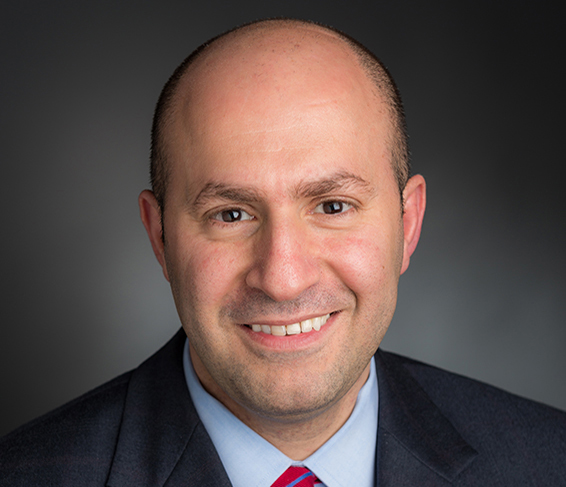 Toni Choueiri合作论文数Lank Center for Genitourinary (GU) Oncology, Dana-Farber Cancer Institute;Harvard Medical School;Brigham and Women's Hospital29Hiroaki Suzuki合作论文数27Madoka Kataoka合作论文数23
 Rana McKay合作论文数21Tobisu Kenichi合作论文数20
 Sumanta Kumar Pal合作论文数Department of Medical Oncology & Therapeutics Research, City of Hope;Bladder & Kidney Cancer19Nakanishi Yasukazu合作论文数19
 Benoit Beuselinck合作论文数Faculty of Medicine, KU Leuven;Department of Oncology, Faculty of Movement and Rehabilitation Sciences, KU Leuven;UZ Leuven18
 Frede Donskov合作论文数Department of Oncology, Aarhus University Hospital17
 Naveen Basappa合作论文数Department of Oncology, Faculty of Medicine & Dentistry, University of Alberta17
 Junji Yonese合作论文数Genitourinary Center, The Cancer Institute Hospital of JFCR;Department of Genitourinary Oncology, The Cancer Institute Hospital of JFCR17Kazumasa Sakamoto合作论文数16
 Thomas Powles合作论文数University of London;Barts Cancer Centre, St. Bartholomew's Hospital16Ryo Fujiwara合作论文数15
 Wanling Xie合作论文数Department of Biostatistics and Computational Biology, Dana-Farber Cancer Institute15
 Renee Maria Saliby合作论文数Faculty of Medicine, Saint Joseph University14
 Lee, Jae-lyun合作论文数Department of Oncology, Asan Medical Center;Digestive Disease Center, Asan Medical Center;University of Ulsan College of Medicine12Noboru Numao合作论文数12Audreylie Lemelin合作论文数11
 Lori Wood合作论文数Department of Medicine, Dalhousie University;Beatrice Hunter Cancer Research Institute11
 Cristina Suárez合作论文数Vall d'Hebron University Hospital Barcelona11N. Iida合作论文数10Bernadett Szabados合作论文数Barts Cancer Institute, Queen Mary University of London10Chris Labaki合作论文数10
 Guillermo De Velasco合作论文数9
 Neeraj Agarwal合作论文数Fred Hutchinson Cancer Research Center, University of Washington;Harborview Medical Center, University of Washington;Yoshio Inoue, Multicare Regional Cancer Center;Huntsman Cancer Institute, University of Utah;Sumanta K. Pal, City of Hope;Norris Comprehensive Cancer Center, University of Southern California;Ajjai Alva, University of Michigan;Karmanos Cancer Center, Wayne State University;Elaine T. Lam, University of Colorado;Morisani College of Medicine, University of South Florida;Hollings Cancer Center, Medical University of South Carolina;British Columbia Cancer Agency, University of British Columbia;Nicholas J. Vogelzang, Comprehensive Cancer Centers of Nevada;University of Texas Health Science Center at San Antonio;University of Washington, University of Texas Health Science Center at San Antonio9
 Navani Vishal合作论文数Department of Infectious Diseases, Brighton and Sussex University Hospitals9Matthew Scott Ernst合作论文数8
 Aly-Khan Lalani合作论文数McMaster Univ, Juravinski Canc Ctr, Hamilton, ON, Canada8Yasuda Yosuke合作论文数8Haoran Li合作论文数7Hiroshi Fukushima合作论文数Department of Urology, Tokyo Medical and Dental University7Oguchi Tomohiko合作论文数7
 Philip Board合作论文数John Curtin School of Medical Research, College of Health & Medicine, Australian National University7Honoka Fuse合作论文数6Lisa Ludwig合作论文数6
 Luis Meza合作论文数Department of Medical Oncology & Experimental Therapeutics, City of Hope Comprehensive Cancer Center6Shinya Yamamoto合作论文数6Kobayashi Shuichiro合作论文数6
 Christian Kollmannsberger合作论文数BC Cancer Vancouver Center;Vancouver Prostate Centre;Department of Medicine, Faculty of Medicine, University of British Columbia6
 Camillo Porta合作论文数Department of Oncoematologico, Università degli Studi di Pavia6Ichiro Yonese合作论文数5Ryosuke Oki合作论文数5Yusuke Yoneoka合作论文数5




