Resolving growth mechanisms and thickness evolution of functional properties is one of the key tasks in materials discovery and optimization involving thin-film materials, traditionally requiring significant experimental budgets. Here we introduce the combination of thickness-gradient libraries and automated scanning probe microscopy as a systematic pathway to elucidate growth modes and disentangle ferroelectric and electrochemical contributions in ferroelectric thin films. As a model system, we explore the Hf0.5Zr0.5O2 (HZO) gradient thin films grown on LaxSr1-xMnO3 (LSMO) bottom electrode thin films. Automated piezoresponse force microscopy, spectroscopy, and lithography reveals that irreversible topographic deformation arises from electrochemical activity at the LSMO surface, whereas reversible phase inversion in HZO reflects ferroelectric switching. Automated topography height-map scans are used to further quantify nucleation density, particle-size evolution, and roughness correlations across the thickness-gradient, demonstrating that improved plume stabilization during growth suppresses interfacial reactions and promotes dense, fine-grained HZO conducive to ferroelectric phase formation. This combined materials-engineering and automated-SPM framework establishes a platform for high-throughput, mechanism-resolved characterization of ferroionic and ferroelectric responses in complex oxide films.
Autonomous science platforms which make decisions on the fly are fundamentally changing the outlook for materials development. AI-driven schemes can effectively reduce the total number of iterations needed to arrive at the best stoichiometry for desired properties or optimum synthesis parameters by significant margins. Here, we demonstrate real-time closed-loop autonomous navigation of a multi-dimensional synthesis parameter space for fabricating phase-pure epitaxial films of a metastable functional oxide phase using pulsed laser deposition. Sequential growth iterations in search of the optimized recipe to stabilize the desired crystal phase were performed using frame-by-frame quantitative computer vision of electron diffraction images at the unit-cell level. Our scheme regularly resulted in > 30-fold reduction in the number of experiments compared to comprehensive parameter-space mapping. The real-time workflow developed here can be readily extended to other thin film synthesis platforms opening the door for self-driving atomic-level materials design as well as autonomous semiconductor manufacturing.
Voltage-tunable capacitors (varactors) are key components in microwave circuits. Tunable dielectric varactors can outperform competing technologies but typically suffer from high dielectric loss. Ruddlesden-Popper dielectric thin films can, by contrast, offer low microwave loss. Unfortunately, their crystallographic symmetry is usually not compatible with an out-of-plane parallel-plate varactor design, which can minimize size and maximize the electric field in the tunable dielectric compared with an in-plane device design. Here we show that a low-loss and tunable Ruddlesden-Popper dielectric thin film that is compatible with the parallel-plate varactor design can be created by breaking this crystallographic symmetry. We study films that are similar to the widely studied tunable microwave dielectric Ba0.45Sr0.55TiO3 but have a Ba0.45Sr0.55O rock-salt layer for every n-perovskite unit cells. The film with n = 8 exhibit an optimum combination of tunability and loss, with a material quality factor of around 200 and a relative tunability of 51% at an applied electric field of 250 kV cm-1, which results in a dielectric tuning figure of merit of 100 at 10 GHz.
Selective inference (SI) provides statistically valid p-values for hypotheses selected by applying an algorithm to the data, correcting for the bias that arises when the same data are used both to select and to test a hypothesis. Developing an SI procedure for a new algorithm, however, has required an expert to derive, and then implement, the selection event, i.e., the conditions under which the hypothesis is selected. Repeating this specialized effort for every new algorithm is why exact SI has so far been available for only a narrow class. We propose AutoSI, a framework that removes this barrier in two ways. First, AutoSI constructs the selection event automatically from the algorithm's individual operations, so the user only writes the algorithm as ordinary NumPy-like code and derives nothing by hand. Second, AutoSI broadens the class of selection events SI can handle: existing exact methods are limited to selection events characterized by linear or quadratic inequalities in the data, whereas AutoSI covers any algorithm expressible through rational functions of the data (ratios of polynomials). We prove that the p-values computed by AutoSI are exactly valid in finite samples. We demonstrate AutoSI on three feature-selection methods, each written in a few dozen lines of code. One of these methods, the lasso with its tuning parameter selected by cross-validated R^2, cannot be handled within existing exact SI frameworks and is made possible by AutoSI. Experiments on synthetic and real datasets show that the resulting p-values control the type I error rate (i.e., the false positive rate) at the nominal level while retaining high power.
We have synthesized layered superconducting LiNbO_2 crystals through a bulk phase transformation from LiNbO_3 single crystals via CaH_2 reduction. As the Nb valence is reduced from 5+ to 3+, the material undergoes a structural transformation to the resulting product, LiNbO_2, which is accompanied by metallic behavior and a superconducting transition, Tc onset, as high as 14.4 K. Secondary ion mass spectroscopy (SIMS) and X-ray photoelectron spectroscopy (XPS) show that the resulting phase is hole-doped through de-lithiation during the reduction. Magnetization and AC susceptibility measurements from a tunnel diode resonator confirm the bulk nature of superconductivity with a superconducting volume fraction of approximately 77
Autonomous labs enable the integration of automated experiment execution, data analysis and decision making. The main challenge remains the integration of diverse data streams from multiple instruments, where the data is often heterogeneous and unsynchronized. The standard learning process of undetermined synthesis-process-structure-property relationships (SPSPR) usually relies on post-experiment analysis after data is fully collected, not during live experiments, and decision making is carried out independently across characterization equipment. Here, we demonstrate the Multi-instrument Autonomous Discovery (MAD) framework – combining structural property mapping and functional property optimization simultaneously in a closed-loop manner. As an example, we applied MAD to phase change memory (PCM) materials, and, in particular on the Mn-Sb-Te ternary, a previously unexplored materials system for PCM. A multi-output model is employed to merge data from x-ray diffraction (XRD) and electrical resistance measurements simultaneously through a co-regionalization kernel that models the relationship between them. The output probabilistic posterior and uncertainty quantification facilitate decision making with shared knowledge, while the goals are different across tasks. We aimed to maximize the knowledge of crystal structure distribution using non-negative matrix factorization (NMF), while in parallel, we find the composition with the maximum resistance value, an important figure of merit for PCM. Leveraging MAD, we found promising electrical PCMs and identified the SPSPR within 25 closed-loop iterations, corresponding to a seven-fold speed-up. The framework opens a new path of study in large-scale autonomous facilities, where future experiments can be run in parallel together, not independently.
Recently, magnetic 2-dimensional (2D) van der Waals (vdW) materials have garnered tremendous attention. The vdW ferromagnet Fe5Ge1Te2 has a Curie temperature Tc of 270 K, which is tailorable by tuning the stoichiometry and the Fe deficiency to reach room temperature. To explore the expanded compositional space, we implemented combinatorial synthesis and high-throughput characterization to investigate the structural phase distribution and ferromagnetism of a Fe-Ge-Te thin film library. The library was prepared by magnetron co-sputtering followed by annealing in vacuum or in an inert environment. Composition and structural phase distribution of the 177 pads in the library were characterized using high-throughput wavelength dispersive spectroscopy (WDS), X-ray diffraction (XRD), and two-point probe resistance measurements. We leverage unsupervised machine learning to cluster the XRD dataset into groups of compositions with similar structural phases, and further study the ferromagnetic properties via SQUID magnetometry and X-ray magnetic circular dichroism (XMCD) across different clusters. The results are compared against magnetization and structural models calculated using DFT. Our results demonstrate that the hexagonal crystal structure is a critical prerequisite for ferromagnetism in this system, and that unexplored materials adopting this structure can be efficiently identified as possible ferromagnetic materials using our high-throughput, ML-assisted framework. This workflow based on the combinatorial strategy allows us to rapidly capture the composition-structure-magnetic property map across a broad compositional landscape of novel magnetic materials.
Cu-Al-Mn alloys are promising materials for industrial applications because of their excellent workability and low transformation stress. In this work, Cu-Al-Mn alloys with compositions in the range of 64.8–78.23 at% Cu, 12.2–31.6 at% Al, and 0–17.87 at% Mn were synthesized via arc melting, and their martensitic transformation temperature and latent heat were investigated. The austenite finish temperature (Af) decreased with increasing Al or Mn composition ratios. The latent heat of the transformation from the martensitic to austenitic phase showed a maximum value of 7.216 J g−1 for 70.4Cu-23.8Al-5.86Mn. A correlation between the latent heat, average martensitic transformation start temperature, and Af (T0) was observed. The latent heat increased with increasing T0, up to 20.55°C, and decreased at higher temperatures. This positive correlation was consistent with the Clausius–Clapeyron equation. The composition containing only the phases involved in the martensitic transformation exhibited a higher latent heat than the composition with unrelated phases at the same transformation temperature. This has led to interesting results that contribute to the study of solid-state refrigerants using Cu-Al-Mn alloys.
The discovery of superconductivity in bilayer nickel-oxides has revived an intense effort to understand the potential of high-temperature superconductivity in these materials and their relation to cuprate superconductors. In this work, we investigate the growth and properties of bilayer La_3Ni_2O_7 thin films as a function of substrate, oxygen treatment and applied pressure in order to study the evolution of transport properties. We report epitaxial growth of La_3Ni_2O_7 thin films on LaAlO_3 (LAO) (001) and SrLaAlO_4 (SLAO) (001) substrates, and the effects of ex-situ annealing in a high pressure furnace under an oxygen-rich environment. Transport measurements show that the La_3Ni_2O_7 thin films on LAO(001) exhibit Fermi liquid-like metallic behavior with a slight Kondo-like upturn at low temperatures, which evolves with the application of modest hydrostatic pressures toward non-Fermi liquid behavior with a temperature dependence of resistance approaching ∼ T^1.4 at 1.41 GPa. The ability to tune the normal state resistivity of La_3Ni_2O_7 films to display non-Fermi liquid behavior under such a modest hydrostatic pressure range - only 6 - 8
Functionalities of ferroelectric materials are governed by the spatial organization and coupling of polarization, strain, lattice rotation, and structural order accessible via atomically resolved scanning transmission electron microscopy (STEM) images. Quantitative interpretation of atomic-resolution STEM data has conventionally relied on locating atomic columns and converting their fitted coordinates into local structural descriptors. Here, we develop a field-based approach in which atomic-resolution images are represented by spatially varying latent Bragg fields, whose amplitudes and phases provide continuous maps of crystalline order, lattice displacement, strain, rotation, and mode-specific residual structure. The observed atomically resolved images are decoded from the latent fields. We apply this framework to image series of Sm-substituted BiFeO3 spanning 0-20
The growing interest in optical phase change materials (PCMs) has spurred the development of programmable photonics systems with zero-static power. Their optical properties make them well-suited for nonvolatile retention and reversible phase switching. PCMs can be switched using optical pulses or integrated microheaters. Microheaters provide Joule heating to indirectly induce the phase change. This mechanism offers the most promising route to achieving scalability through CMOS integration and reliable multilevel modulation. However, optimizing the design and modulation of microheater devices has become challenging due to the complex electrothermal dynamics, which require high temporal and spatial resolution techniques for accurate assessment. This article presents an electrothermal co-design of silicon-doped microheaters through advanced thermal characterization, which can reveal temperature distributions, on the submicrosecond scale, not readily obtainable through computational methods. We evaluate the geometrical and electrical parameters dependence on the transient thermal transport to maximize the hotspot temperature and quenching rates, as well as the impact of the pulsewidth on the multilevel response and energy consumption. High resolution transient thermoreflectance imaging (TTI) was used to measure and evaluate the temperature distribution under pulsed biasing (0.2-10 mu s). Reduced doped region lengths (< 6 mu m) enable higher current densities to maximize the temperature and quenching rates. Additionally, shorter pulsewidths (< 1 mu s) enable well-defined multilevel temperature profile responses and approximate to 13 times reduction in energy consumption.
We consider an optimization problem of an expensive-to-evaluate black-box function, in which we can obtain noisy function values in parallel. For this problem, parallel Bayesian optimization (PBO) is a promising approach, which aims to optimize with fewer function evaluations by selecting a diverse input set for parallel evaluation. However, existing PBO methods suffer from poor practical performance or lack theoretical guarantees. In this study, we propose a PBO method, called randomized kriging believer (KB), based on a well-known KB heuristic and inheriting the advantages of the original KB: low computational complexity, a simple implementation, versatility across various BO methods, and applicability to asynchronous parallelization. Furthermore, we show that our randomized KB achieves Bayesian expected regret guarantees. We demonstrate the effectiveness of the proposed method through experiments on synthetic and benchmark functions and emulators of real-world data.
To curb greenhouse gas emissions from conventional vapour compression cooling technologies, it is necessary to develop refrigerants with low global warming potential and solid-state caloric cooling devices, argues Ichiro Takeuchi.
A data analysis pipeline is a structured sequence of steps that transforms raw data into meaningful insights by integrating multiple analysis algorithms. In many practical applications, analytical findings are obtained only after data pass through several data-dependent procedures within such pipelines. In this study, we address the problem of quantifying the statistical reliability of results produced by data analysis pipelines. As a proof of concept, we focus on clustering pipelines that identify cluster structures from complex and heterogeneous data through procedures such as outlier detection, feature selection, and clustering. We propose a novel statistical testing framework to assess the significance of clustering results obtained through these pipelines. Our framework, based on selective inference, enables the systematic construction of valid statistical tests for clustering pipelines composed of predefined components. We prove that the proposed test controls the type I error rate at any nominal level and demonstrate its validity and effectiveness through experiments on synthetic and real datasets.
Autonomous materials science, where active learning is used to navigate large compositional phase space, has emerged as a powerful vehicle to rapidly explore new materials. A crucial aspect of autonomous materials science is exploring new materials using as little data as possible. Gaussian process-based active learning allows effective charting of multi-dimensional parameter space with a limited number of training data and, thus, is a common algorithmic choice for autonomous materials science. An integral part of the autonomous workflow is the application of kernel functions for quantifying similarities among measured data points. A recent theoretical breakthrough has shown that quantum kernel models can achieve similar performance with less training data than classical kernel models. This signals the possible advantage of applying quantum kernel machine learning to autonomous materials discovery. In this work, we compare quantum and classical kernels for their utility in sequential phase space navigation for autonomous materials science. In particular, we compute a quantum kernel and several classical kernels for x-ray diffraction patterns taken from an Fe–Ga–Pd ternary composition spread library. We conduct our study on both IonQ’s Aria trapped ion quantum computer hardware and the corresponding classical noisy simulator. We experimentally verify that a quantum kernel model can outperform some classical kernel models. The results highlight the potential of quantum kernel machine learning methods for accelerating materials discovery and suggest that complex x-ray diffraction data are a candidate for robust quantum kernel model advantage.
In practical machine learning, the environments encountered during the model development and deployment phases often differ, especially when a model is used by many users in diverse settings. Learning models that maintain reliable performance across plausible deployment environments is known as distributionally robust (DR) learning. In this work, we study the problem of distributionally robust feature selection (DRFS), with a particular focus on sparse sensing applications motivated by industrial needs. In practical multi-sensor systems, a shared subset of sensors is typically selected prior to deployment based on performance evaluations using many available sensors. At deployment, individual users may further adapt or fine-tune models to their specific environments. When deployment environments differ from those anticipated during development, this strategy can result in systems lacking sensors required for optimal performance. To address this issue, we propose safe-DRFS, a novel approach that extends safe screening from conventional sparse modeling settings to a DR setting under covariate shift. Our method identifies a feature subset that encompasses all subsets that may become optimal across a specified range of input distribution shifts, with finite-sample theoretical guarantees of no false feature elimination.
Chalcogenide phase-change materials (PCMs) are important for nonvolatile memory and reconfigurable photonic technologies. The GeTe-Sb2Te3 mixture system, commonly referred to as GST, is the most well-known PCM family, but new PCMs are needed to broaden the accessible property space while retaining fast switching. Here, we propose a thermodynamic framework, motivated by Ostwald's rule, for understanding and identifying PCM materials. Since direct modeling of phase-transition dynamics is computationally expensive, Using first-principles calculations, we systematically evaluate the energetics of ternary chalcogenide mixtures along binary-binary tie lines and their polymorphs. By comparing ground-state and metastable structures, we assess phase stability, miscibility, and the likelihood of GST-like polymorph-mediated crystallization pathways across a broad composition space. The calculations reproduce known behavior in GST and related systems and identify several promising candidate mixtures with similar features. These results provide insight into why some PCM systems are more favorable than others and establish thermodynamic polymorph screening as a practical route for future PCM discovery.
The validity of statistical inference depends critically on how data are collected. When data gathered through active data collection (ADC) are reused for a post-hoc inferential task, conventional inference can fail because the sampling is adaptively biased toward regions favored by the collection strategy. This issue is especially pronounced in black-box optimization, where sequential model-based optimization (SMBO) methods such as the tree-structured Parzen estimator (TPE) and Gaussian process upper confidence bound (GP-UCB) preferentially concentrate evaluations in promising regions. We study statistical inference on actively collected data when the inferential target is constructed in a data-dependent manner after data collection. To enable valid inference in this setting, we propose post-ADC inference, a framework that accounts for the biases arising from both the active data collection process and the subsequent data-driven target construction. Our method builds on selective inference and provides valid p-values and confidence intervals that correct for both sources of bias. The framework applies to a broad class of ADC processes by imposing only assumptions on the observation noise, without requiring any assumptions on the underlying black-box function or the surrogate model used by the SMBO algorithm. Empirical results also show that post-ADC inference provides valid inference for data collected by GP-UCB and TPE.
Laser-directed energy deposition offers unique opportunities for fabricating and repairing high value metallic components. However, major barriers do exist for widespread adoption due to costly, modeldependent, trial-and-error experimentation-based qualification protocols. In this study, we demonstrated an autonomous framework for process optimization that integrates in-situ X-ray imaging with Gaussian Process-based active learning. Thin-wall structures of the Ni-base superalloy Mar-M247 were fabricated under systematically varied laser power and scan speed, and build quality was quantified using a new metric combining geometrical and structural conformity. Crack identification was achieved through a machine-learning pipeline by employing modern data science, AI and in-situ sensing. The autonomous system rapidly converged to optimal process parameters within 14 iterations, significantly fewer than conventional design-of-experiments approaches. Ex-situ x-ray diffraction (XRD) and scanning electron microscope (SEM) characterizations confirmed that cracking tendency and microstructural evolution are strongly correlated with thermal gradients and melt pool geometry. Thermomechanical simulations further validated the observed "Goldilocks" regime of laser power and scan speed required to minimize cracking while maintaining geometrical conformity. Importantly, we show that geometrical and structural conformity are coupled phenomena, governed by the same underlying thermal gradients and stress evolution. While current sensor resolution limits defect detection at the sub-micron scale, the framework demonstrates a scalable pathway for rapid qualification.
 Xiaohang Zhang合作论文数Department of Physics, Florida State University54
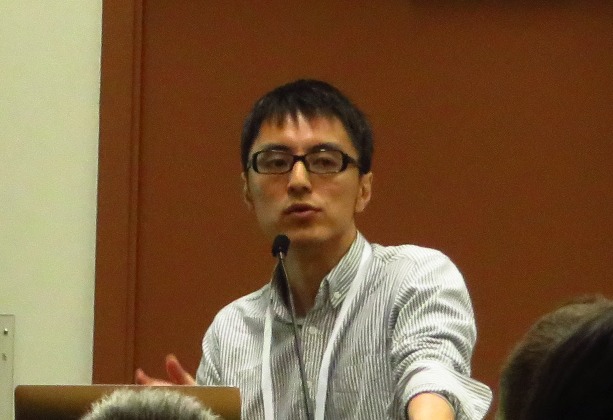 Masayuki Karasuyama合作论文数Department of Computer Science, Nagoya Institute of Technology54
 Thirumalai Venky Venkatesan合作论文数Center for Quantum Research and Technology, Dodge Family College of Arts and Sciences, University of Oklahoma;Neocera and Neocera Magma45
 Richard Greene合作论文数Department of Physics, College of Computer, Mathematical and Natural Sciences, University of Maryland37
 Manfred R. Wuttig合作论文数Department of Materials Science & Engineering, A. James Clark School of Engineering, University of Maryland30
 Aaron Gilad Kusne合作论文数Materials Measurement Science Division, National Institute of Standards and Technology;Department of Materials Science & Engineering, University of Maryland29
 Sam Lofland合作论文数Department of Physics & Astronomy, College of Science & Mathematics, Rowan University29
 Seunghun Lee合作论文数R&D Department, Denforus Co.28
 Z. Trajanovic合作论文数28
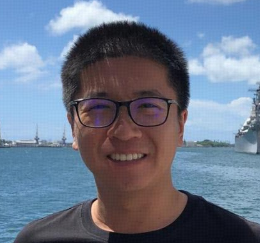 Heshan Yu (于和善)合作论文数School of Microelectronics, Tianjin University27Makoto Murakami合作论文数24
 Sergei V. Kalinin合作论文数Tennessee Quantum Center, The University of Tennessee, Knoxville;Department of Materials Science and Engineering, Tickle College of Engineering, The University of Tennessee, Knoxville;Pacific Northwest National Laboratory24
 Nagarajan Valanoor合作论文数School of Materials Science & Engineering, Faculty of Science, The University of New South Wales24
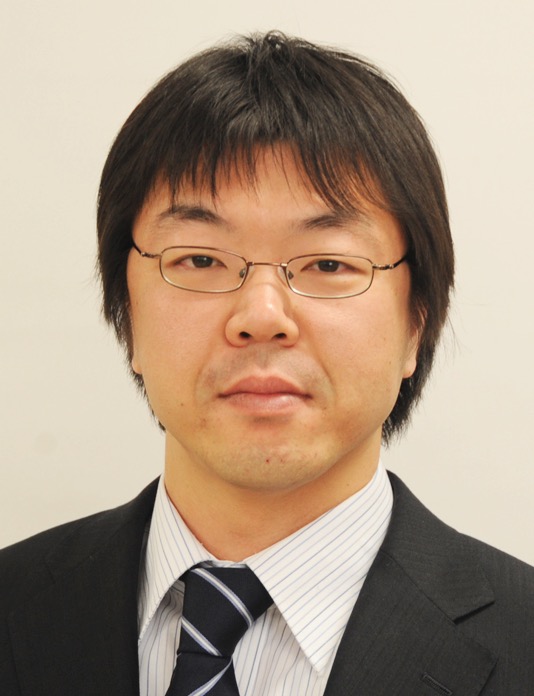 Daisuke Kan (菅大介)合作论文数Institute for Chemical Research, Department of Chemistry, Graduate School of Science, Kyoto University23
 Masashi Sugiyama (杉山将)合作论文数Department of Complexity Science and Engineering, Graduate School of Frontier Sciences, The University of Tokyo;Department of Computer Science, Graduate School of Information Science and Technology, The University of Tokyo;RIKEN Center for Advanced Intelligence Project22
 Valentin Stanev合作论文数AstraZeneca21Yu Inatsu合作论文数Department of Computer Science, Nagoya Institute of Technology20Leonid A. Bendersky合作论文数20
 Jason Hattrick Simpers合作论文数Department of Materials Science and Engineering, Faculty of Applied Science and Engineering, University of Toronto19Varatharajan Anbusathaiah合作论文数School of Materials Science and Engineering, University of New South Wales18
 Ambar Mehta合作论文数Harvard Medical School;Massachusetts General Hospital18
 Jason R. Hattrick-Simpers合作论文数National Institute of Standards and Technology18
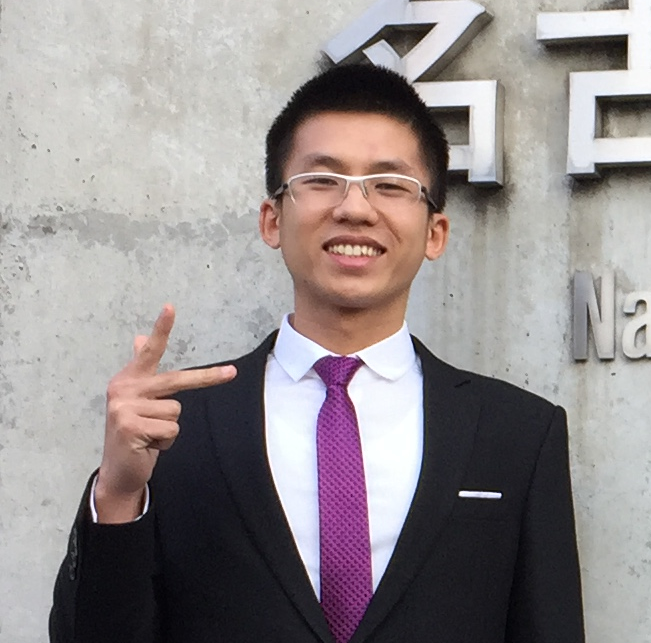 Vo Nguyen Le Duy合作论文数Data-Driven Biomedical Science Team, RIKEN Center for Advanced Intelligence Project18K. S. Chang合作论文数17
 Xiaodong Xiang (项晓东)合作论文数Department of Physics, Southern University of Science and Technology/Materials Science and Engineering, Southern University of Science and Technology17
 Shion Takeno (竹野思温)合作论文数Graduate Department of Mechanical Systems Engineering, Graduate School of Engineering, Nagoya University;Japan Science and Technology Agency16
 Christopher John Lobb合作论文数Department of Physics, College of Computer, Mathematical & Natural Sciences, University of Maryland16
 Johnpierre Paglione合作论文数Quantum Materials Center, Department of Physics, University of Maryland;Center for Nanophysics and Advanced Materials, University of Maryland16
 Chris Long合作论文数National Institute of Standards and Technology16Tomohiro Shiraishi合作论文数Nagoya Machine Learning & Data Science Laboratory, Nagoya University15R.R. Sharma合作论文数15
 TieRen Gao合作论文数Fudan University, Fudan University15
 Maxim Ziatdinov合作论文数Pacific Northwest National Laboratory15Noriaki Hashimoto合作论文数RIKEN Center for Advanced Intelligence Project15
 Jim Booth合作论文数Communications Technology Laboratory, National Institute of Standards and Technology15Hiroyuki Hanada合作论文数15LA Bendersky合作论文数13
 Mo Li合作论文数Department of Electrical & Computer Engineering, University of Washington;Department of Physics, University of Washington13
 Nathan D. Orloff合作论文数13
 Paul Warburton合作论文数London Centre for Nanotechnology, University College London;Department of Electronic and Electrical Engineering, University College London13Eugene A. Eliseev合作论文数National Academy of Sciences of Ukraine | ISP · Institute for problems of materials sciences13
 Anna Nickolaevna Morozovska合作论文数Department of Physics of Magnetic Phenomena, Institute of Physics, National Academy of Sciences of Ukraine13
 R.D. Vispute合作论文数Center for Nanophysics and Applied Materials, University of Maryland13
 Ríos Carlos合作论文数12J. S. Tsai合作论文数12Masanobu Nakayama合作论文数Department of Applied Chemistry, Tokyo Institute of Technology12M. A. Aronova合作论文数11M. Rajeswari合作论文数11
 Chen Gao (高琛)合作论文数School of Physical Sciences, University of Chinese Academy of Sciences11




