Rotor–stator whirling is a critical malfunction frequently encountered in rotating machinery, often resulting in severe damages. This study investigates the nonlinear dynamics of a whirling rotor interacting with a snubber ring through numerical simulations that account for the stiffness asymmetries of the snubber ring. A two-degrees-of-freedom (DOF) model is employed to analyse the contact interactions that occurred between the rotor and the snubber ring, assuming a linear elastic contact model. The analysis also incorporates the static offset between the centers of the rotor and the snubber ring. The dynamic behaviour of the whirling system is characterised by pronounced nonlinearity due to transitions between contact and non-contact states. The model is first validated against our prior theoretical and experimental studies. The nonlinear responses of the rotor are analysed to evaluate the effects of stator asymmetry through various techniques, including time-domain waveforms, frequency spectra, rotor orbits, and bifurcation diagrams. Furthermore, the influence of varying system parameters, such as rotational speed and the damping ratio, both with and without stator asymmetry, are systematically analysed. The results demonstrate that the rubbing response is highly sensitive to small variations in system parameters, with stator asymmetry significantly affecting system behaviour, even at low asymmetry levels. Direct stiffness asymmetry is shown to have a more pronounced effect than cross-coupling stiffness. The system exhibits a range of dynamics, including periodic, quasi-periodic, and chaotic responses, with regions of periodic orbits coexisting with chaotic ones. Complex phenomena such as period doubling, period halving, and jump bifurcations are identified, alongside quasi-periodic and period doubling routes to chaos. These findings contribute to a deeper understanding of the nonlinear phenomena associated with rotor–stator whirling and provide valuable insights into the unique characteristics of rubbing faults, which could facilitate fault diagnosis.
The rotor-bearing system is a crucial component of rotating machinery, such as turbines, pumps, compressors, and turbogenerators, which are widely used in various advanced engineering fields. This work presented a methodology for studying the behavior of an elastic Jeffcott rotor supported by two similar fluid film journal bearings. A finite element model using consistent matrix formulation was employed to simulate the shaft, including the external load, with four degrees of freedom per node. The small perturbation method was used to evaluate the second-order bearing coefficients of a journal bearing of finite length. These coefficients were further integrated with the finite element model to evaluate the dynamic response of the flexible rotors. Moreover, the system equations of motion were presented in dimensional form. The results of the second-order bearing coefficients analysis agreed with nonlinear analysis when the speed was less than the threshold speed, while there was a pronounced difference in second-order analysis when the speed was above the threshold speed. The behavior of the rotor-bearing system was studied using dynamic response and orbit diagrams, revealing that changes in rotational speed significantly affected the rotor's stability.
In this article, we study efficient techniques to tackle the news background linking problem, in which an online reader seeks background knowledge about a given article to better understand its context. Recently, this problem attracted many researchers, especially in the Text Retrieval Conference (TREC) community. Surprisingly, the most effective method to date uses the entire input news article as a search query in an ad-hoc retrieval approach to retrieve the background links. In a scenario where the lookup for background links is performed online, this method becomes inefficient, especially if the search scope is big such as the Web, due to the relatively long generated query, which results in a long response time. In this work, we evaluate different unsupervised approaches for reducing the input news article to a much shorter, hence efficient, search query, while maintaining the retrieval effectiveness. We conducted several experiments using the Washington Post dataset, released specifically for the news background linking problem. Our results show that a simple statistical analysis of the article using a recent keyword extraction technique reaches an average of 6.2× speedup in query response time over the full article approach, with no significant difference in effectiveness. Moreover, we found that further reduction of the search terms can be achieved by eliminating relatively low TF-IDF values from the search queries, yielding even more efficient retrieval of 13.3× speedup, while still maintaining the retrieval effectiveness. This makes our approach more suitable for practical online scenarios. Our study is the first to address the efficiency of news background linking systems. We, therefore, release our source code to promote research in that direction.
The present study investigates the free vibration behavior of rotating beams made of functionally graded materials (FGMs) with a tapered geometry. The material properties of the beams are characterized by an exponential distribution model. The stiffness and mass matrices of the beams are derived using the principle of virtual energy. These matrices are then evaluated using three different beam theories: Bernoulli-Euler (BE) or Classical Beam Theory (CBT), Timoshenko (T) or First-order Shear Deformation Theory (FSDT), and Reddy (R) or Third-order Shear Deformation Theory (TSDT). Additionally, the study incorporates uncertainties in the model parameters, including rotational velocity, beam material properties, and material distribution. The mean-centered second-order perturbation method is employed to account for the randomness of these properties. To ensure the robustness and accuracy of the probabilistic framework, numerical examples are presented, and the results are compared with those obtained through the Monte Carlo simulation technique. The investigation explores the impact of critical parameters, including material distribution, taper ratios, aspect ratio, hub radius, and rotational speed, on the natural frequencies of the beams is explored within the scope of this investigation. The outcomes are compared not only with previously published research findings but also with the results of 3-Dimensional Finite Element (3D-FE) simulations conducted using ANSYS to validate the model's effectiveness. The comparisons demonstrate a strong agreement across all evaluations. Specifically, it is observed that for thick beams, the results obtained from FSDT and TSDT exhibit a greater agreement with the 3D-FE simulations compared to CBT. It is shown that the coefficient of variation (C.O.V.) of first mode eigenvalue of TSDT, FSDT and CBT are approximately identical for random rotational velocity and discernible deviations are noted in CBT compared to FSDT and TSDT in the case of random material properties. The findings suggest that TSDT outperforms FSDT by eliminating the need for a shear correction coefficient, thereby establishing its superiority in accurately predicting the natural frequencies of rotating, tapered beams composed of FGMs.
The lateral vibration of cracked isotropic thick beams is investigated. Generally, the analysis of thick beam based on line elements can be undertaken using either Timoshenko beam theory or a third order beam theory (TSDT) such as Reddy beam theory. TSDT is superior to Timoshenko beam theory, as it eliminates the need for a shear correction coefficient. However, there is no available solution for a cracked beam based on Reddy beam theory which is the main focus of this paper. The investigated beam is divided into several elements where their stiffness and mass matrices are derived using Reddy beam theory. Each element has two nodes with 3 degrees of freedom (1 lateral and 2 rotational) at each node. The crack was modeled using two rotating springs with stiffnesses that varied with crack depth. These elements are used to connect the adjacent beam elements. The impact of boundary conditions, slenderness ratio, crack location, and crack depth are investigated. In addition, experimental and finite element analyses of cracked steel beams is undertaken to validate the results of the present model. The results show that the maximum deviation between the analytical and the experimental results is less than 3% up to the third mode shape.
Modeling the nonlinear dynamics of rotors supported by finite length journal bearings is of great importance in various engineering applications. In this study, four-dimensional polynomial functions are evaluated to represent the nonlinear hydrodynamic force based on a previously evaluated database. These functions are then used to model the dynamics of flexible rotor/bearing systems. The quasi statics and dynamics of rotor-bearing systems are investigated, and the results are compared with the numerical solution obtained by solving the Reynolds equation at each timestep. The findings indicate that the current analysis yields favorable agreement with the direct solution of Reynolds equation in both perturbation analysis from the equilibrium position and dynamic analysis. Moreover, the analysis reveals that the computational time required to solve the dynamics of rotor-bearing systems is significantly lower than that of solving Reynolds equation at each timestep to acquire the bearing forces.
Rotor-stator rubbing phenomenon is a very common fault in various engineering applications. Usually, the stator supports are assumed to be symmetric, however, in some conditions, the stator support stiffness is anisotropic in nature. In this paper, an approximate analytical solution for the rub interactions between a Jeffcott rotor and an asymmetrically supported stator is introduced. The present problem is a good example of piecewise nonlinear dynamics in which contact causes the system to switch between linear and nonlinear dynamic behavior. To evaluate an analytical solution to the contact equations, Taylor's expansion is used to linearize the contact forces. Then, an analytical solution is introduced based on this approximation. To investigate the validity of the present model, the proposed approximate analytical solution is compared with the numerical solution obtained using direct numerical integration for the same problem. The results show that the proposed piecewise analytical solution is efficient in evaluating the system response for both periodic and chaotic responses.
Misinformation spread over social media has become an undeniable infodemic. However, not all spreading claims are made equal. If propagated, some claims can be destructive, not only on the individual level, but to organizations and even countries. Detecting claims that should be prioritized for fact-checking is considered the first step to fight against spread of fake news. With training data limited to a handful of languages, developing supervised models to tackle the problem over lower-resource languages is currently infeasible. Therefore, our work aims to investigate whether we can use existing datasets to train models for predicting worthiness of verification of claims in tweets in other languages. We present a systematic comparative study of six approaches for cross-lingual check-worthiness estimation across pairs of five diverse languages with the help of Multilingual BERT (mBERT) model. We run our experiments using a state-of-the-art multilingual Twitter dataset. Our results show that for some language pairs, zero-shot cross-lingual transfer is possible and can perform as good as monolingual models that are trained on the target language. We also show that in some languages, this approach outperforms (or at least is comparable to) state-of-the-art models.
We present an overview of Task 1 of the fourth edition of the CheckThat! Lab, part of the 2021 Conference and Labs of the Evaluation Forum (CLEF). The task asks to predict which posts in a Twitter stream are worth fact-checking, focusing on COVID-19 and politics in five languages: Arabic, Bulgarian, English, Spanish, and Turkish. A total of 15 teams participated in this task and most submissions managed to achieve sizable improvements over the baselines using Transformer-based models such as BERT and RoBERTa. Here, we describe the process of data collection and the task setup, including the evaluation measures, and we give a brief overview of the participating systems. We release to the research community all datasets from the lab as well as the evaluation scripts, which should enable further research in check-worthiness estimation for tweets and political debates. © 2021 Copyright for this paper by its authors. Use permitted under Creative Commons License Attribution 4.0 International (CC BY 4.0).
We introduce AraFacts, the first large Arabic dataset of naturally occurring claims collected from 5 Arabic fact-checking websites, e.g., Fatabyyano and Misbar, and covering claims since 2016. Our dataset consists of 6,121 claims along with their factual labels and additional metadata, such as fact-checking article content, topical category, and links to posts or Web pages spreading the claim. Since the data is obtained from various fact-checking websites, we standardize the original claim labels to provide a unified label rating for all claims. Moreover, we provide revealing dataset statistics and motivate its use by suggesting possible research applications. The dataset is made publicly available for the research community.
We describe the fourth edition of the CheckThat! Lab, part of the 2021 Conference and Labs of the Evaluation Forum (CLEF). The lab evaluates technology supporting three tasks related to factuality, and it covers Arabic, Bulgarian, English, Spanish, and Turkish. Here, we present the task 2, which asks to detect previously fact-checked claims (in two languages). A total of four teams participated in this task, submitted a total of sixteen runs, and most submissions managed to achieve sizable improvements over the baselines using transformer based models such as BERT, RoBERTa. In this paper, we describe the process of data collection and the task setup, including the evaluation measures used, and we give a brief overview of the participating systems. Last but not least, we release to the research community all datasets from the lab as well as the evaluation scripts, which should enable further research in detecting previously fact-checked claims. © 2021 Copyright for this paper by its authors. Use permitted under Creative Commons License Attribution 4.0 International (CC BY 4.0).
The reporting and the analysis of current events around the globe has expanded from professional, editor-lead journalism all the way to citizen journalism. Nowadays, politicians and other key players enjoy direct access to their audiences through social media, bypassing the filters of official cables or traditional media. However, the multiple advantages of free speech and direct communication are dimmed by the misuse of media to spread inaccurate or misleading claims. These phenomena have led to the modern incarnation of the fact-checker --- a professional whose main aim is to examine claims using available evidence and to assess their veracity. Here, we survey the available intelligent technologies that can support the human expert in the different steps of her fact-checking endeavor. These include identifying claims worth fact-checking, detecting relevant previously fact-checked claims, retrieving relevant evidence to fact-check a claim, and actually verifying a claim. In each case, we pay attention to the challenges and the potential impact on real-world fact-checking.
In this paper, we present ArCOV-19, an Arabic COVID-19 Twitter dataset that spans one year, covering the period from 27th of January 2020 till 31st of January 2021. ArCOV-19 is the first publicly-available Arabic Twitter dataset covering COVID-19 pandemic that includes about 2.7M tweets alongside the propagation networks of the most-popular subset of them (i.e., most-retweeted and -liked). The propagation networks include both retweets and conversational threads (i.e., threads of replies). ArCOV-19 is designed to enable research under several domains including natural language processing, information retrieval, and social computing. Preliminary analysis shows that ArCOV-19 captures rising discussions associated with the first reported cases of the disease as they appeared in the Arab world. In addition to the source tweets and propagation networks, we also release the search queries and language-independent crawler used to collect the tweets to encourage the curation of similar datasets.
When collecting item ratings from human judges, it can be difficult to measure and enforce data quality due to task subjectivity and lack of transparency into how judges make each rating decision. To address this, we investigate asking judges to provide a specific form of rationale supporting each rating decision. We evaluate this approach on an information retrieval task in which human judges rate the relevance of Web pages for different search topics. Cost-benefit analysis over 10,000 judgments collected on Amazon’s Mechanical Turk suggests a win-win. Firstly, rationales yield a multitude of benefits: more reliable judgments, greater transparency for evaluating both human raters and their judgments, reduced need for expert gold, the opportunity for dual-supervision from ratings and rationales, and added value from the rationales themselves. Secondly, once experienced in the task, crowd workers provide rationales with almost no increase in task completion time. Consequently, we can realize the above benefits with minimal additional cost.
On June 24, 2018, Turkey conducted a highly consequential election in which the Turkish people elected their president and parliament in the first election under a new presidential system. During the election period, the Turkish people extensively shared their political opinions on Twitter. One aspect of polarization among the electorate was support for or opposition to the reelection of Recep Tayyip Erdoğan. In this paper, we present an unsupervised method for target-specific stance detection in a polarized setting, specifically Turkish politics, achieving 90% precision in identifying user stances, while maintaining more than 80% recall. The method involves representing users in an embedding space using Google's Convolutional Neural Network (CNN) based multilingual universal sentence encoder. The representations are then projected onto a lower dimensional space in a manner that reflects similarities and are consequently clustered. We show the effectiveness of our method in properly clustering users of divergent groups across multiple targets that include political figures, different groups, and parties. We perform our analysis on a large dataset of 108M Turkish election-related tweets along with the timeline tweets of 168k Turkish users, who authored 213M tweets. Given the resultant user stances, we are able to observe correlations between topics and compute topic polarization.
To create a new IR test collection at low cost, it is valuable to carefully select which documents merit human relevance judgments. Shared task campaigns such as NIST TREC pool document rankings from many participating systems (and often interactive runs as well) in order to identify the most likely relevant documents for human judging. However, if one's primary goal is merely to build a test collection, it would be useful to be able to do so without needing to run an entire shared task. Toward this end, we investigate multiple active learning strategies which, without reliance on system rankings: 1) select which documents human assessors should judge; and 2) automatically classify the relevance of additional unjudged documents. To assess our approach, we report experiments on five TREC collections with varying scarcity of relevant documents. We report labeling accuracy achieved, as well as rank correlation when evaluating participant systems based upon these labels vs. full pool judgments. Results show the effectiveness of our approach, and we further analyze how varying relevance scarcity across collections impacts our findings. To support reproducibility and follow-on work, we have shared our code online\footnote\urlhttps://github.com/mdmustafizurrahman/ICTIR_AL_TestCollection_2020/ .
Passage retrieval in a conversational context is extremely challenging due to limited data resources. Information seeking in a conversational setting may contain omissions, implied context, and topic shifts. TREC CAsT promotes research in this field by aiming to create a reusable dataset for open-domain conversational information seeking (CIS). The track achieves this goal by defining a passage retrieval task in a multi-turn conversation setting. Understanding conversation context and history is a key factor in this challenge. This solution addresses this challenge by implementing a multi-stage retrieval pipeline inspired by last year’s winning algorithm. The first stage in this retrieval process is a historical query expansion step from last year’s winning algorithm where context is extracted from historical queries in the conversation. The second stage is the addition of a pseudo-relevance feedback step where the query is expanded using top-k retrieved passages. Finally, a pre-trained BERT passage re-ranker is used. The solution performed better than the median results of other submitted runs with an NDCG@3 of 0.3127 for the best performing run.
In this paper, we present the participation of the bigIR team at Qatar University in the TREC Deep Learning 2020 track. We participated in both document and passage retrieval tasks, and each of its subtasks, full ranking and reranking. As it is our first participation in the track, our primary goal is to experiment with the latest approaches and pre-trained models for both tasks. We used Anserini IR toolkit for indexing and retrieval, and experimented with different techniques for passage expansion and reranking, which are either BERT-based or sequence-to-sequence based. All our submitted runs for the passage retrieval task, and most of our submitted runs for the document retrieval task outperformed TREC median submission. We observed that BERT reranker performed slightly better than T5 reranker when expanding passages with sequence-to-sequence based models. However, T5 achieved better results than BERT when passages were expanded with DeepCT, a BERT-based model. Moreover, the results showed that combining the title and the head segment as document representation for reranking yielded significant improvement over each separately.
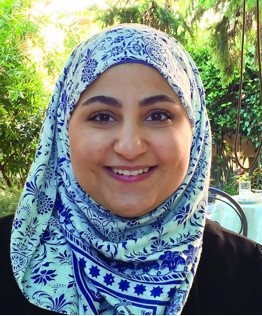 Maram Hasanain合作论文数Qatar Computing Research Institute11
 Mucahid Kutlu合作论文数TOBB University of Economics and Technology8
 Douglas W. Oard合作论文数College of Information Studies, University of Maryland6
 S.H. Farghaly合作论文数Mechanical Design Department, Faculty of Engineering and Technology, P.O. Box 11718, Mataria, Cairo, Egypt5Reem Suwaileh合作论文数Computer Science and Engineering Department, College of Engineering, Qatar University4
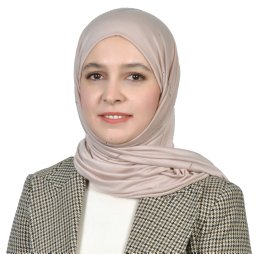 Fatima Haouari合作论文数Qatar University4
 Marwan A. Torki合作论文数Computer and Systems Engineering Department, Faculty of Engineering, Alexandria University4
 Matthew Lease合作论文数School of Information, University of Texas at Austin;NSF-Simons AI Institute for Cosmic Origins;Amazon4Marwa Essam合作论文数3
 Amr A. Abdel Fatah合作论文数3
 Vahid Vaziri合作论文数School of Engineering, University of Aberdeen3
 Firoj Alam合作论文数Qatar Computing Research Institute3
 Walid Magdy合作论文数Institute for Language, Cognition and Computation, School of Informatics, The University of Edinburgh;The Alan Turing Institute;Social Media Analysis and Support for Humanity Group, The University of Edinburgh3
 Shaden Shaar合作论文数Zillow3
 Preslav Nakov合作论文数Natural Language Processing Department, Mohamed Bin Zayed University of Artificial Intelligence3
 Marian Wiercigroch合作论文数Centre for Applied Dynamics Research, School of Engineering, University of Aberdeen3
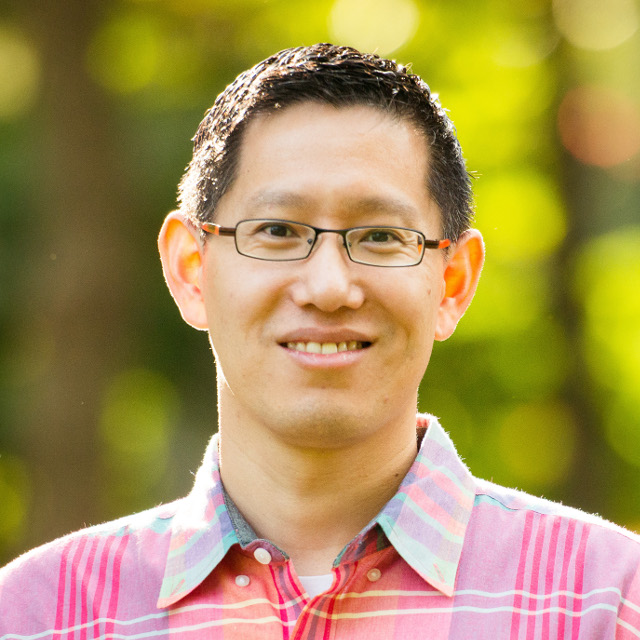 Jimmy Lin合作论文数David R. Cheriton School of Computer Science, University of Waterloo3
 Russell J Hand合作论文数Department of Materials Science and Engineering, The University of Sheffield3
 Giovanni Da San Martino合作论文数Department of Mathematics, University of Padua3Mohamed B. Shehab合作论文数2
 Moustafa S. Taima合作论文数Faculty of Engineering, Helwan University2
 Watheq Mansour合作论文数Qatar University2
 Cansin Bayrak合作论文数Dept Comp Engn, TOBB Univ Econ & Technol2Zien Sheikh Ali合作论文数Computer Science and Engineering Dept, Qatar University2
 Heba H. El-Mongy合作论文数Helwan University2
 Ammar Rashed合作论文数Univ Ottawa2
 Michael I Friswell合作论文数College of Engineering, Swansea University;Faculty of Science and Engineering, Swansea University2
 Kareem Darwish合作论文数Qatar Computing Research Institute;aiXplain, Inc.2
 Hussein Abdel-Aziz Sayed合作论文数Faculty of Economics and Political Sciences, Cairo University2
 Lidan Wang (王利丹)合作论文数School of Microelectronics, Southern University of Science and Technology2
 Alberto Barrón-Cedeño合作论文数Hamad bin Khalifa University2
 Tyler Mcdonnell合作论文数University of Texas at Austin2Rana Malhas合作论文数Dept. of Computer Science&Engineering, Qatar University2
 Qutaibah Malluhi合作论文数Department of Computer Science and Engineering, College of Engineering, Qatar University2
 Donald Metzler合作论文数Google DeepMind2
 James Mayfield合作论文数Human Language Technology Center of Excellence, Johns Hopkins University1Ruben Miguez合作论文数1nabil eltayeb合作论文数1
 Paul McNamee合作论文数Applied Physics Laboratory, Johns Hopkins University;Human Language Technology Center of Excellence, Johns Hopkins University1Haya Al-Thani合作论文数1
 Nassma Mohandes合作论文数1
 Abdulaziz Khalid Al-Ali合作论文数1Rahma Ali合作论文数CSE Department, Qatar University1
 Bayan Hamdan合作论文数Amman1
 Evi Yulianti合作论文数Fac Comp Sci, Univ Indonesia1
 Md. Mustafizur Rahman合作论文数1
 Ameer Albahem合作论文数RMIT University1Nikolay Babulkov合作论文数FMI, Sofia University “St Kliment Ohridski”, Sofia, Bulgaria1
 Javier Beltrán合作论文数Newtral Media Audiovisual1




