Introduction Hematopoietic stem cell transplantation (HSCT) is a crucial treatment approach for hematologic malignancies. The quantity of CD34+ cells is the most significant factor influencing engraftment kinetics and hematologic recovery, which directly affects patients' outcomes. Flow cytometry using International Society of Hematotherapy and Graft Engineering (ISHAGE) protocols is recognized as the gold standard for counting CD34+ cells. While many U.S. hospitals have relied on external reference labs for CD34+ cell enumeration, the growing demands for faster turnaround times, advancements in cytometry technology, and improved standardization are prompting a shift toward in-house testing. Objectives Evaluated the correlation and agreement between CD34+ cell counts by the American Red Cross (ARC) reference lab and MetroHealth's ISHAGE-compliant protocol.Validate the reliability of the in-house flow cytometry protocol CD34+ counting cells, ensuring compliance with international standards and clinical requirements.Enhance the operational advantages of transitioning to in-house CD34+ cell testing, focusing on improvements in turnaround time, cost-effectiveness, and patient care logistics. Methods 75 autologous HSCT collections at MetroHealth were analyzed. Paired results were obtained in 63 cases. 9 lacked paired data, and 3 were excluded due to sample preparation errors: the CD45/μL vs. WBC/μL ratio differed by more than 40%. Apheresis products were tested at MetroHealth on the day of collection and shipped to ARC (Philadelphia) for next-day testing. Both sites utilized Becton Dickinson (BD) Stem Cell Enumeration Kits in conjunction with BD flow cytometers (Canto or Lyric at MetroHealth; Lyric at ARC). Statistical analysis was performed using GraphPad Prism X, with significance defined as p < 0.05. Results To assess consistency between MetroHealth's in-house CD34+ enumeration protocol and the ARC reference method, we analyzed the 63 matched HSCT collections using a paired two-sample t-Test and Pearson correlation. The mean CD34+ count from ARC was 1,318 cells/μL, while MetroHealth reported a mean of 1,334 cells/μL, showing no statistically significant difference (p = 0.46). The variance was comparable, with ARC at 2,286,477 and MetroHealth at 2,393,958 supporting dispersion homogeneity. The Pearson correlation coefficient was r = 0.987, indicating a strong linear relationship. The Bland-Altman analysis showed a mean bias of +16.57 cells/μL and standard deviation of 176.91 cells/μL, with 95% limits of agreement ranging from -330.17 to +363.31 cells/μL. Conclusions MetroHealth's in-house CD34+ cell enumeration demonstrates a strong correlation with ARC values, confirming its reliability for transplant decision-making. These findings support the shift to in-house CD34+ testing, which enhances program autonomy and reduces turnaround times.
Introduction Accurate data collection is critical for the Center for International Blood and Marrow Transplant Research (CIBMTR) to support reliable reporting of center-specific outcomes. In 2023, our institution launched an adult autologous stem cell transplant program and, due to low volumes, outsourced CIBMTR data abstraction. Initial audits revealed a 17.5% error rate, exceeding the acceptable threshold of <3%. Despite process improvements, a follow-up audit showed a reduced but still elevated error rate of 7.2%. Contributing factors included differing interpretations of data requirements across critical and random fields and lack of mechanisms to verify correction of identified errors. Audit staff faced challenges from limited familiarity with CIBMTR standards, often requiring input from clinical staff, who were also unclear on specific data requirements. These issues highlighted gaps in the quality assurance framework and the need for a more structured, accountable approach to data abstraction and audit resolution. Methods To improve data integrity, a Corrective Action Plan (CAP) was implemented to strengthen quality control. The CAP included enhanced vendor quality reviews and internal quality control (QC) chart reviews before audits. Staff responsible for chart reviews completed CIBMTR data manager training to reinforce understanding of data elements. Additional training covered data elements and the audit process. A revised chart review tool was created to assess “corrections/potential errors,” and the audit tool was updated to differentiate critical from random fields for targeted analysis. Quarterly quality meetings with the vendor were established to review data quality and resolve interpretation issues. Results Post intervention, the chart review error rate dropped by 10%, and the quarterly audit error rate declined to 1.9%, below the 3% threshold, reflecting a 16% overall error reduction. These improvements demonstrate enhanced accuracy and reliability of CIBMTR data, driven by ongoing oversight, targeted training, and structured collaboration. Conclusion The structured CAP significantly reduced data abstraction errors and improved CIBMTR submission quality. Targeted training, enhanced QC measures, revised audit tools, and vendor collaboration addressed workflow gaps. These results highlight the importance of continuous oversight, formal training, and robust internal processes to support compliance and accurate tracking of patient outcomes.
Introduction Patients (pts) undergoing blood and marrow transplant (BMT) at urban safety net hospitals face major psychosocial and socioeconomic barriers that can impact outcomes. These institutions serve marginalized populations disproportionately affected by social determinants of health (SDOH) such as housing instability, limited access to care, and financial hardship. This study evaluated demographics and psychosocial stressors among pts undergoing autologous (auto) BMT at an urban safety net hospital and identified potential areas for intervention through structured psychosocial support. Methods A single-center retrospective chart review was conducted on pts receiving auto BMT. Data collected included demographics, SDOH and psychosocial measures. Demographics included age, sex, race, and BMT indication. SDOH factors assessed were financial instability, housing/food insecurity, tobacco use, and transportation needs. Psychosocial status was measured using the Stanford Integrated Psychological Assessment for Transplant (SIPAT), PHQ-9, GAD-7, PROMIS10 and NCCN Distress Thermometer. Medical outcomes evaluated included readmissions, length of stay (LOS), and ICU transfers. Descriptive statistics and measures of central tendency were applied. Results Among 23 pts (median age 60 years, 61% male, 35% Black, 70% Myeloma), only 2 had comprehensive psychosocial screening pre-BMT. The SIPAT was completed by 20 (87%), mean score of 12.35; 2 (10%) scored >40, indicating poor psychosocial candidacy. PROMIS-10 was done for 5 pts with a mean T-score for physical and mental health being 40.94 and 40.82, respectively. Overall, 61% had behavioral health comorbidities (depression, anxiety, or substance use) and 39% were active smokers. SDOH screening was inconsistent: transportation was missing for 35%, food insecurity/financial strain for 26%. ICU transfers occurred in 4 pts (median LOS 3.5 days(d)). Median hospital LOS was 17d. Readmission occurred in 1 pt within 48 hours (fever) and in 2 within 30d. One pt had early transplant-related mortality (<100d). Conclusion Pre-BMT screening revealed significant unmet psychosocial needs at this safety net hospital. Standardized, comprehensive screening with instruments such as PROMIS10, PHQ-9, GAD-7, SIPAT, NCCN Distress Thermometer, AUDIT-C, and DAST may better identify psychosocial risks and improve both SDOH and clinical outcomes. Implementation of such a program is underway, with future studies planned to evaluate its effectiveness.
Background Multiple myeloma (MM) is a heterogeneous plasma cell malignancy, with recent therapeutic advances extending the median survival to 8-10 years. Standard of care for eligible patients includes induction chemotherapy followed by autologous stem cell transplant (ASCT) and lenalidomide maintenance. Chimeric antigen receptor T-cell (CAR-T) therapy, approved for relapsed/refractory MM, is a promising cellular immunotherapy approach. This study evaluates and compares clinical efficacy, toxicities, costs, and cost-effectiveness of lenalidomide maintenance versus (vs) CAR-T consolidation after ASCT. Methods We evaluated the comparative effectiveness and cost-effectiveness of lenalidomide maintenance vs CAR-T consolidation after ASCT in patients achieving >partial response after receiving daratumumab, lenalidomide, bortezomib, and dexamethasone (Dara-VRd). Clinical inputs for lenalidomide maintenance were from phase III trials: CAR-T outcomes were from second-line treatment studies. Post-progression treatments were standard regimens with reduced efficacy in later lines. A Markov model was built in TreeAge Pro Healthcare 2022 using monthly cycles and lifetime horizon from a US payer perspective. Costs/utilities were discounted at 3% annually. Outcomes were assessed using incremental cost-effectiveness ratio (ICER) with a willingness to pay threshold of $250,000/quality-adjusted life year (QALY). Costs included one-time hospitalization costs for inpatient toxicities and ongoing monthly costs for outpatient events. Cost and disutility estimates were sourced from the literature and adjusted to 2025 US dollars. Results Simulation results demonstrated higher probabilities of grade 3/4 complications with CAR-T consolidation compared to lenalidomide maintenance including infections (26.9% vs 6.5%), anemia (35.6% vs 4.8%), neutropenia (89.9% vs 50.2%), thrombocytopenia (41.3% vs 14.7%), lymphopenia (20.7% vs 9.1%), cytokine release syndrome (CRS) (1.1% vs 0%), and neurotoxicity (2.8% vs 0%). CRS and neurotoxicity were the costliest complications ($74,609 and $113,848). In contrast, lenalidomide maintenance showed higher rates of febrile neutropenia (6.5% vs 0%) and diarrhea (5.2% vs 3.8%), but an overall lower toxicity burden. Disutilities reflected clinical course, with acute events modeled as short-term decrements and chronic toxicities as ongoing quality-of-life losses during active therapy. The overall most effective treatment depended on assumptions for response to therapy and rates of progression. Conclusion CAR-T consolidation after ASCT is associated with greater toxicity and cost, particularly from CRS and neurotoxicity, whereas lenalidomide maintenance shows a more favorable toxicity profile. These findings highlight the need to integrate toxicity and cost-effectiveness in treatment decisions for newly diagnosed MM.
Introduction Chimeric antigen receptor T-cell (CAR-T) therapy is effective for relapsed/refractory hematologic malignancies, but access is limited by socioeconomic barriers such as low income, poor health literacy, transportation challenges, and lack of insurance. In 2025, our urban, public, safety net hospital launched a CAR-T program. We report our initial experience, focusing on the successes and challenges of implementation in a resource-limited setting. Methods A retrospective chart review of the first 3 patients (pts) treated with CAR-T was conducted. Data collected included diagnosis, prior treatment, CAR-T response, barriers to care, and pt-specific challenges. Results Three males (ages 37, 64, 69; 2 Black, 1 White) with relapsed/refractory disease received CAR-T (n=1 non-Hodgkin's lymphoma (NHL); n=2 multiple myeloma (MM)). All pts had Karnofsky score 80%. Insurance: 1 pt had marketplace/private, 2 pts had Medicaid. Stanford Integrated Psychosocial Assessment scores were 8 (n=2, good) and 21 (n=1, minimally acceptable). All pts received fludarabine/cyclophosphamide for lymphodepleting chemotherapy. Products used were Lisocabtagene maraleucel (Length of stay (LOS) 16d) and Idecabtagene vicleucel (LOS 12d). Pt with NHL had primary refractory disease and received 2 prior lines of therapy. After receiving CAR-T therapy, imaging demonstrated stable disease. One MM pt had relapsed disease post autologous transplant/maintenance; the other MM pt had 2 prior lines of therapy. Responses after CAR-T were partial remission (n=1) and very good partial remission (n=1). No ICU transfers for cytokine release syndrome or immune-effector cell associated neurotoxicity syndrome occurred. Readmissions after discharge were not seen. All pts faced significant barriers to care, including limited insurance, transportation instability, missed appointments, psychosocial stressors, and limited caregiver support. Each patient was assigned a dedicated coordinator who provided intensive, hands-on navigation across all phases of care, critical to ensuring therapy completion in this high-risk population. Conclusion Commercial CAR-T therapy can be delivered safely and effectively in a public safety-net hospital, expanding access for underserved populations. Despite complex barriers, all pts completed therapy without major complications. Our experience underscores the need for robust care coordination, patient education, and structured follow-up in resources limited settings.
Introduction Access to autologous (auto) transplant is often limited for under-resourced patients (pts), perpetuating racial, ethnic, and socioeconomic disparities in outcomes. Few reports describe outcomes of cellular therapy in public safety-net hospitals. In January 2023, MetroHealth, a large, urban public safety-net hospital in Cleveland, Ohio, launched an auto transplant program to expand access for underrepresented patients. Methods We conducted a single-center retrospective review of consecutive pts who underwent auto transplant from January 2023 to July 2025. Demographic, clinical, and outcome data were extracted from medical records. Descriptive statistics were used to summarize the data. Results Twenty-three pts received auto transplants over 31 months; median age 60 years (range 20-75), 61% male. The cohort was racially and ethnically diverse: 35% were Black and 13% Hispanic, compared to 17% and 13%, respectively, in CIBMTR registry data (Table 1). Median Karnofsky score was 80% (range 60-100%). Insurance coverage reflected socioeconomic vulnerability: 52% Medicaid, 26% Medicare, and 22% marketplace/private insurance. Average income by zip code was $61,870 (median $65,778), which was below the county ($68,360; 2023) per capita income. Myeloma was the primary indication (70%) for transplant. Disease status at transplant was 43% complete remission, 17% very good partial remission, and 39% partial remission. All pts successfully received their transplant, with one early transplant-related mortality (<100 days(d)). Engraftment occurred as expected (median ANC 11.5d, median platelet 19d). Four pts required ICU transfer (median stay 3.5d). One patient was readmitted within 48 hours (fever) and 2 others within 30d. Conclusion Establishing an auto transplant program in a public safety net hospital is feasible, safe, and expands access to populations historically excluded from treatment. Our pt cohort was racially diverse and socioeconomically vulnerable. Despite small numbers and short follow-up, our experience demonstrates the ability to reduce racial/ethnic and socioeconomic disparities in access to auto transplant. These findings underscore the role of safety-net hospitals in reducing disparities and highlight the need for further expansion of such programs as a strategy to address inequities in access.
There has been an increase in volume as well as improvement in overall survival (OS) after hematopoietic cell transplantation (HCT) for hematologic disorders. It is unknown if these changes have impacted racial/ethnic minorities equally. In this observational study from Center for International Blood and Marrow Transplant Research of 79,904 autologous (auto) and 65,662 allogeneic (allo) HCTs, we examined the volume and rates of change of auto HCT and allo HCT over time and trends in OS in 4 racial/ethnic groups: Non-Hispanic Whites (NHWs), Non-Hispanic African Americans (NHAAs), Hispanics across five 2-year cohorts from 2009 to 2018. Rates of change were compared using Poisson model. Adjusted and unadjusted Cox proportional hazards models examined trends in mortality in the 4 racial/ethnic groups over 5 study time periods. The rates of increase in volume were significantly higher for Hispanics and NHAAs vs. NHW for both autoHCT and alloHCT. Adjusted overall mortality after autoHCT was comparable across all racial/ethnic groups. NHAA adults (HR 1.13; 95% CI 1.04-1.22; p=0.004) and pediatric patients (HR 1.62; 95% CI 1.3-2.03; p<0.001 had a higher risk of mortality after alloHCT compared to NHWs. Improvement in OS over time was seen in all 4 groups after both autoHCT and alloHCT.Our study shows the rate of change for the use of autoHCT and alloHCT is higher in NHAAs and Hispanics compared to NHWs. Survival after autoHCT and alloHCT improved over time, however NHAAs have worse OS after alloHCT which has persisted. Continued efforts are needed to mitigate disparities for patients requiring alloHCT.
Background: Umbilical cord blood transplant (UCBT) improves access to transplant for patients lacking a fully matched donor. Previous Center for International Blood and Marrow Transplant Research (CIBMTR) showed that Black patients had a lower overall survival (OS) than White patients following single UCBT. The current study draws on a larger modern cohort and compares outcomes among White, Latinx, Black, and Asian patients. Objective: To compare outcomes by social determinants of health. Study Design: We designed a retrospective study using CIBMTR data. US patients were between ages 1 and 80; 983 received single and 1529 double UCBT as reported to CIBMTR, following either a myeloablative (N = 1752) or reduced intensity conditioning (N = 759) for acute myeloid leukemia, acute lymphoid leukemia, or myelodysplasia. The primary outcome was 2-year OS. Secondary outcomes included disease free survival, transplant related mortality (TRM), acute and chronic graft vs host disease (GVHD), and GVHD free, relapse free survival (GRFS). Results: For 1705 adults, in univariate analysis, 2-year OS was 41.5% (99% CI, 37.6 to 45.3) for Whites, 36.1% (99% CI, 28.2 to 44.5) for Latinx, 45.8% (99% CI, 36.7 to 55.1) for Blacks, and 44.5% (99% CI, 33.6 to 55.6) for Asians. In multivariate analysis of adults, Latinx patients had inferior OS compared to black patients (p = .0005, HR 1.45, 99% CI 1.18 to 1.79). OS improved over time for all racial/ethnic groups. GVHD rates were comparable among the different racial/ethnic groups. In the 807 children, the 2-year OS in univariate analysis was 66.1% (99% CI, 59.7 to 72.2) for Whites, 57.1% (99%CI, 49 to 64.9) for Latinx, 46.8% (99%CI, 35.3 to 58.4) for Blacks, and 53.8% (99%CI, 32.7 to 74.2) for Asians. In multivariate analysis, no difference in OS was observed among racial/ethnic groups (p = .051). Grade III/IV acute GVHD was higher in Blacks compared with Whites (p = .0016, HR 2.25, 99% CI 1.36 to 3.74) and Latinx (p = .0016, HR 2.17, 99% CI 1.43 to 3.30). There was no survival advantage to receiving a UCB unit from a donor of similar race and ethnicity, for any racial/ethnic groups, for both children and adults. Black and Latinx adult patients were more likely to live in areas defined as high poverty. Patients from high poverty level areas had worse OS (p = .03), due to a higher rate of TRM (p=0.04). Educational level, and type of insurance did not impact overall survival, GVHD, TRM or other transplant outcomes. Children from areas with a higher poverty level had higher TRM, regardless of race and ethnicity (p = .02). Public health insurance, such as Medicaid, was also associated with a higher TRM (p = .02). However, poverty did not impact pediatric OS, DFS, or other post-transplant outcomes. Conclusions: OS for UCBT has improved over time. In adults, OS is comparable among Whites, Blacks, and Asians and lower for Latinx patients. In children, OS is comparable among Whites, Blacks, Latinx, and Asians, but Grade III/IV acute GVHD was higher in Black patients. There was no survival benefit to matching UCB unit and patient by race and ethnicity for adults and children. (c) 2024 The American Society for Transplantation and Cellular Therapy. Published by Elsevier Inc. All rights are reserved, including those for text and data mining, AI training, and similar technologies.
The field of hematopoietic cell transplantation and cell therapy (HCT/CT) is advancing rapidly to bring an ever-expanding collection of potentially curative therapies to patients with malignant and non-malignant diseases. The impact of these therapies depends on our ability to implement them as new evidence becomes available to advance the quality of care. There is often a long delay between evidence development and adoption of therapies based on that evidence into clinical practice. In this review, we describe the potential factors based on an implementation framework that could act as facilitators or barriers to adoption of therapies in the context of HCT/CT. We highlight two examples, the first to showcase the efforts to improve the efficiency of adoption of new findings and accelerate improvement in care of HCT/CT patients and the second to discuss the challenges in real world implementation of chimeric antigen receptor T cell therapy. We conclude by reviewing strategies to improve translation of evidence and ways to measure their success.
OBJECTIVE/BACKGROUND:Cytomegalovirus (CMV) reactivation remains a serious complication after allogeneic hematopoietic cell transplantation (HCT) occurring in approximately 60-70% of CMV-seropositive HCT recipients. CMV reactivation leads to adverse outcomes including end-organ damage, graft-versus-host disease, and graft failure. METHODS:Ganciclovir was administered pretransplant at 5 mg/kg twice daily intravenously from the start of conditioning to Day T-2 to CMV-seropositive patients receiving their first allogeneic HCT. CMV DNA was monitored weekly until at least Day 100 posttransplant. RESULTS:A total of 109 consecutive patients were treated, median age 57 (range 20-73) years. Of these, 36 (33%) patients had a CMV reactivation within the first 105 days posttransplant with a median time of reactivation of 52.5 (range 36-104) days posttransplant. The cumulative incidence of CMV reactivation at Day 105 posttransplant was 33.1% (95% confidence interval: 24.4-42.0). One patient developed CMV disease. CONCLUSION:The use of pretransplant ganciclovir was associated with low incidence of CMV reactivation and disease. These data suggest that pretransplant ganciclovir with preemptive therapy for viral reactivation may be a useful strategy to reduce CMV reactivation. Future prospective trials are needed to compare strategies for CMV prophylaxis.
Abstract Background: Cancer patients who participate in clinical trials have access to novel therapies, increased monitoring, and potentially improved survival. However, this access is not universal. Striking disparities in clinical trial enrollment have been linked to race, sex, and geography. However, studies on this topic are limited due to a lack of patient-specific socioeconomic data. Methods: This analysis used a novel linkage of administrative patient data from University Hospitals Seidman Cancer Center (Cleveland, Ohio) linked to the LexisNexis Socioeconomic Health Attributes, a robust dataset containing 442 patient-specific attributes gathered from public records regarding income, education, housing stability, property ownership and value, social support, and many others. We included cancer patients aged 18-75 years at the time of the latest cancer diagnosis (before trial enrollment if patient was enrolled) during 2007-2022. Because of the substantial differences in the demographic and clinical characteristics between the trial and non-trial patients, we applied the propensity score matching technique to one-to-one match all trial patients to non-trial patients by age, sex, race/ethnicity, cancer type, and year of the latest cancer diagnosis. Next, we applied the classification and regression tree (CART) machine learning algorithm to identify “phenotypes”, or combinations of patient socioeconomic characteristics that predict their trial enrollment status. We additionally performed the random forest algorithm to determine whether our CART model captured the most important variables in predicting trial enrollment. Results: We identified 28,671 cancer patients with a mean and median age of 60 and 62 years. Of those, 2,479 patients were enrolled in trials, and a corresponding 2,479 non-trial patients were matched. We identified 9 phenotypes of trial enrollment from the results of CART. The percentage of patients enrolled in trials ranges from 30% to 80%. Patients belonging to the highest-enrollment phenotype were identified by their estimated annual income exceeding $50,000, higher fraud-risk level, and age under 61 years. Patients falling into the lowest-enrollment phenotype were characterized by an estimated annual income below $30,000, an estimated home value below $243,000, and no college attendance. Variables identified by CART were also among the top-ranked variables in the random forest regarding their variable. Other important variables identified by random forest include, whether the patient ever registered to vote, risk of not being motivated to manage one's own health, and business records. Conclusion: Compared to community-level data, the use of patient-specific socioeconomic data provides a more granular understanding of clinical trial disparities. The use of machine learning methods of CART and random forest offers a promising avenue for future disparities research. This novel approach will deepen our understanding of cancer disparities and improve our ability to intervene and improve care for our most vulnerable patients. Citation Format: Weichuan Dong, Jamie Shoag, Tamila Kindwall-Keller, Ali Kara, John Shanahan, Debora Bruno, Johnie Rose, Siran Koroukian, Richard Hoehn. A novel approach to understanding disparities in cancer clinical trial enrollment [abstract]. In: Proceedings of the 16th AACR Conference on the Science of Cancer Health Disparities in Racial/Ethnic Minorities and the Medically Underserved; 2023 Sep 29-Oct 2;Orlando, FL. Philadelphia (PA): AACR; Cancer Epidemiol Biomarkers Prev 2023;32(12 Suppl):Abstract nr A128.
Introduction The majority of AYAs, ages 15-39, are treated outside of major academic centers and recent data suggests inferior outcomes for these patients. Social determinants of health play an important role in the outcomes for AYAs due to longer duration of survival, less established social networks, diminished support systems, and financial toxicity. Here we report SDoH data from self-reported screening questionnaires in the EPIC electronic medical record (EMR). The purpose of this study was to examine differences in SDoH between AYAs and older adults from diagnosis of hematological malignancy through 5 years at a nonprofit public safety-net health system in Cleveland, Ohio. Methods Using a retrospective cohort design, patients with hematological malignancies (acute/chronic leukemia, lymphoma, myelodysplastic syndrome, myeloproliferative neoplasms, etc.) identified in the EMR by ICD code, were assigned two groups, AYAs (15-39) and older adults (>39 years of age). Social determinants of health data screenings for Alcohol Use, Depression, Financial Resource Strain, Food Insecurity, and Transportation Needs were evaluated beginning at malignancy diagnosis through 5 years. Scores for each item rated from 0 to 3 based on 3 questions pertaining to each item. Data was stratified by low scores (0 to 1) and high scores (2 to 3) and cumulative incidence was obtained at timepoints of diagnosis (-7 to +7 days), and annually through year 5 from diagnosis. Statistical significance was performed using Kruskal-Wallis chi square analysis and odds ratios (OR). Results A total of 1710 patients with 11010 screens were identified from days 7 prior to diagnosis to 12070 after diagnosis. Any positive score (score of 1 to 3) was obtained in 93% of AYA screens and 95% of >39 years of age screens. To further investigate the degree of positivity of SDoH screen, scores were stratified by low (0 to 1) and high (2 to 3). At initial diagnosis, no statistical difference between AYAs and >39 years was found (x 2=0.97, p=0.3251). A statistical difference was seen for cumulative incidence at all timepoints after diagnosis: 1 year x 2=9.23, p=.0024; 2 years x 2=15.86, p=0.0001; 3 years x 2=18.58, p<0.00001; 4 years x 2=25.47, p<0.00001; 5 years x 2=25.32, p<0.00001 (table 1). Odds ratios (with 95% CI) were statistically significant at all timepoints after diagnosis: 1 year 2.06 (1.28-3.13), p=0.0029; 2 years 1.77 (1.21-2.58), p=0.0031; 3 years 1.97 (1.44-2.69), p=<0.0001; 4 years 2.07 (1.55-2.76), p=<0.0001; 5 years 1.94 (1.49-2.53), p=<0.0001, (figure 1). Most prominently positive were self-reported depression screens in AYAs at 1 year (x 2=6.54, p=0.0105), 2 years (x 2=16.35, p=.0001), 3 years (x 2=21.42, p<0.00001), 4 years (x 2=19.09, p<0.00001), 5 years (x 2=26.86, p<0.00001). Lastly, we assessed annual incidences for total SDoH screens which showed significance at 1 year (x 2=8.73, p=.0031), 3 years (x 2=11.04, p=.0009), and 4 years (x 2=7.96, p=.0048) but not at 2 or 5 years (x 2=1.17, p=0.2798 and x 2=1.40, p=0.2373, respectively). Conclusions Within a highly vulnerable population at a public safety-net hospital, AYAs with hematological malignancies had a statistically significant higher proportion of self-reported Alcohol Use, Depression, Financial Resource Strain, Food Insecurity, and Transportation Needs versus older adults. While no statistical difference existed at time of diagnosis, a larger proportion of high-risk scores were seen beginning at 1 year after diagnosis through 5 years after diagnosis. In addition, odds ratios were most prominent at 1 year and 4 years after diagnosis possibly suggesting a higher social toxicity seen by AYAs in active treatment and survivorship. Specific attention should be given to mental health services for AYAs throughout treatment and prospective observation studies should be done in order to confirm the observed results. In addition, further research is needed to assess the role of hospital setting type (academic, county, community) and presence of an AYA program on social determinants of health for AYAs as well as implementation of social interventions that may mitigate these outcomes.
Background: Thrombotic thrombocytopenic purpura (TTP) is a rare and life-threatening thrombotic microangiopathy with a mortality rate up to 90% if left untreated. The PLASMIC score is a clinical prediction tool used to estimate the pretest probability of severe ADAMTS13 deficiency. Female sex, black ethnicity, and obesity have been identified as potential risk factors for TTP, however, definitive evidence for this is lacking. Our goal was to externally validate the PLASMIC score at our institution, explore the role of socioeconomic factors on TTP outcomes, and potentially identify a more accurate predictive model for TTP. Methods: We conducted a retrospective analysis of patients admitted to our institution in Cleveland, Ohio with suspected TTP between January 2000 and January 2023. Any patient who had an ADAMTS13 test ordered was included in the study. The PLASMIC score was retrospectively calculated based on admission labs and correlated with ADAMTS13 levels. Logistic regression analysis was performed to identify potential predictors of TTP with effect measured by odds ratio (OR) and its 95% confidence interval (CI). The performance of 5 predictive models was summarized using the area under the curve (AUC) and compared using Delong's test (Figures 1.1&1.2). We also examined the relationship between age, race, average income, and underlying chronic diseases with TTP outcomes including length of hospital stay, number of blood transfusions, treatment options, lowest hemoglobin level during admission, and lowest platelet count during admission. Overall survival (OS) was calculated from admission to death or last follow-up for surviving patients and was evaluated using Kaplan-Meier method and Cox model. Results: We identified a cohort of 47 patients who underwent ADAMTS13 testing. The average age was 50 years old with 62% females and 44.7% identifying as African American. A total of 47% of patients were diagnosed with TTP and had ADAMTS13 levels below 10%. Our analysis revealed that the PLASMIC score was predictive of TTP with OR = 3.05 (P=0.003). When the PLASMIC score was dichotomized into a low-intermediate range (0-5) and a high range (6-7), the model predicted severe ADAMTS13 deficiency (at cutoff point -0.1088028) with a positive predictive value of 75%, negative predictive value of 69.6%, sensitivity of 72%, and specificity of 72.7%. Among the five predictive models compared (Figures 1.1 & 1.2) the final multivariable model that included sex and four components of the PLASMIC score (Active Cancer, Mean Corpuscular Volume, International Normalized Ratio, and Creatinine) was found to be the most accurate in predicting TTP, with an AUC 0.88. In patients with TTP, 94% received plasma exchange and 100% received systemic steroids as treatment. Only 6 TTP patients (31.5%) received rituximab, and 2 patients (10.5%) received intravenous immunoglobulin. The use of multiple treatment options was significantly higher in older patients (P=0.017), obesity (P=0.002), and those with higher average income (per 1% increase, P=0.006). The length of hospital stay was associated with older age (P=0.015), hyperlipidemia (P=0.037), and the presence of underlying autoimmune disease (P=0.009). There was no statistically significant correlation between race and any of the adverse outcomes. Patients diagnosed with TTP had a significantly better OS compared to patients without TTP (P=0.011). The OS of patients who underwent plasmapheresis was slightly better, although the difference was not statistically significant (P=0.067). Conclusion: Our study validates the original PLASMIC score as a reliable predictor of severe ADAMTS13 deficiency. However, we propose a new multivariable model that incorporates sex and four components of the original PLASMIC score (Active Cancer, Mean Corpuscular Volume, International Normalized Ratio, and Creatinine) as a better predictor for TTP. Further multicenter studies with larger sample sizes are necessary to validate this new model. We also identified socioeconomic disparities, such as patients with higher income who received multiple lines of treatment compared to lower income patients. Notably, patients diagnosed with TTP had lower mortality possibly due to prompt diagnosis and effective management at our institution and/or the presence of more severe alternative diagnoses in the non-TTP group.
To develop a prognostic model for patients undergoing allogeneic hematopoietic cell transplantation (allo-HCT) for myelofibrosis (MF), we examined the data of 623 patients undergoing allo-HCT between 2000 and 2016 in the United States (the Center for International Blood and Marrow Transplant Research [CIBMTR] cohort). A Cox multivariable model was used to identify factors prognostic of mortality. A weighted score using these factors was assigned to patients who received transplantation in Europe (the European Bone Marrow Transplant [EBMT] cohort; n = 623). Patient age >50 years (hazard ratio [HR], 1.39; 95% confidence interval [CI], 0.98-1.96), and HLA-matched unrelated donor (HR, 1.29; 95% CI, 0.98-1.7) were associated with an increased hazard of death and were assigned 1 point. Hemoglobin levels <100 g/L at time of transplantation (HR, 1.63; 95% CI, 1.2-2.19) and a mismatched unrelated donor (HR, 1.78; 95% CI, 1.25-2.52) were assigned 2 points. The 3-year overall survival (OS) in patients with a low (1-2 points), intermediate (3-4 points), and high score (5 points) were 69% (95% CI, 61-76), 51% (95% CI, 46-56.4), and 34% (95% CI, 21-49), respectively (P < .001). Increasing score was predictive of increased transplant-related mortality (TRM; P = .0017) but not of relapse (P = .12). The derived score was predictive of OS (P < .001) and TRM (P = .002) but not of relapse (P = .17) in the EBMT cohort as well. The proposed system was prognostic of survival in 2 large cohorts, CIBMTR and EBMT, and can easily be applied by clinicians consulting patients with MF about the transplantation outcomes.
Chronic graft-versus-host disease (cGVHD) is a leading cause of non-relapse mortality in allogeneic hematopoietic cell transplant (HCT) recipients. While the current standard of care is proactive in detecting cGVHD in the lungs, liver, and skin, cGVHD involving kidneys is an underrecognized and likely underdiagnosed cause of post-HCT renal dysfunction. Nephrotic syndrome (NS) is a very rare complication of HCT that is postulated to be a glomerular manifestation of cGVHD. Herein, we report 2 cases of post-HCT minimal change disease likely secondary to cGVHD. In both cases, the onset of NS coincided with tapering of calcineurin inhibitors, and 1 patient had previously been diagnosed with cGVHD of the lungs. One patient was treated with corticosteroids alone and the other with a corticosteroids and tacrolimus. Complete, sustained remission was achieved in both cases. Our cases illustrate the implications of the association between cGVHD and post-HCT NS for patient care, including the importance of obtaining a renal biopsy to establish an accurate histopathological diagnosis and guide-appropriate treatment.
 Hillard M. Lazarus合作论文数Department of Medicine, School of Medicine, Case Western Reserve University26
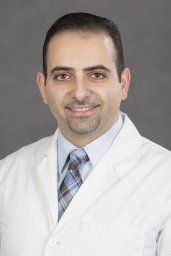 Amer Beitinjaneh合作论文数20
 leonid volodin合作论文数17Saber Wael合作论文数15Karen K. Ballen合作论文数15Baldeep Wirk合作论文数Bone Marrow Transplant Program, Penn State Cancer Institute14Taiga Nishihori合作论文数Department of Radiation Medicine and Neurosurgery;Faculty of Medicine;Hokkaido University;Faculty of Medicine, Hokkaido University14Richard Olsson合作论文数13
 Robert Peter Gale合作论文数Centre for Haematology, Department of Immunology and Inflammation, Imperial College London;Division of Experimental Medicine, Imperial College London13
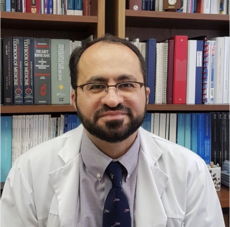 Mahmoud Aljurf合作论文数King Faisal Specialist Hospital and Research Centre13Bipin N. Savani合作论文数13
 David Marks合作论文数University Hospitals Bristol NHS Foundation Trust12Sachiko Seo合作论文数11
 Ayman Saad合作论文数11
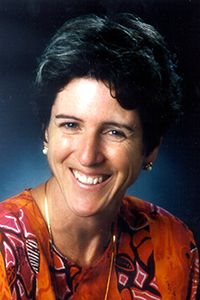 Mary J. Laughlin合作论文数Cleveland Cord Blood Center11Cesar O Freytes合作论文数Department of Medicine, University of Texas Health Science Center San Antonio11Gergis Usama合作论文数10Kamble Rammurti T合作论文数10Brenda W. Cooper合作论文数9
 Celalettin Ustun合作论文数Department of Medicine, Medical College of Georgia9
 Jan Cerny合作论文数Department of Cell Biology;CBR Institute for Biomedical Research;Medical School, Harvard;CBR Institute for Biomedical Research, Harvard Medical School9hannah e spencer合作论文数8
 Shahrukh K. Hashmi合作论文数Department of Health Abu Dhabi;Department of Hematology, Mayo Clinic8
 Jean Yared合作论文数8
 Zhen-Huan Hu合作论文数8
 Paige L. Williams合作论文数Harvard T.H. Chan School of Public Health, Harvard University8Siddhartha Ganguly合作论文数8
 rj Creger合作论文数8
 Kwang Woo Ahn合作论文数Department of Physiology, Medical College of Wisconsin;Department of Plastic Surgery, Medical College of Wisconsin;Center for International Blood & Marrow Transplant Research, Medical College of Wisconsin8
 Miguel A. Diaz合作论文数Department of Pediatrics, Division of Pediatric Hematology-Oncology and Hematopoietic Stem Cell Transplantation and Cell Therapy Unit, Hospital Infantil Universitario Niño Jesus7Grunwald Michael R合作论文数1650 Orleans St, CRB 186 - Oncology, Baltimore, MD 21231, USA. grunwald@jhmi.edu7Edwin P. Alyea合作论文数7
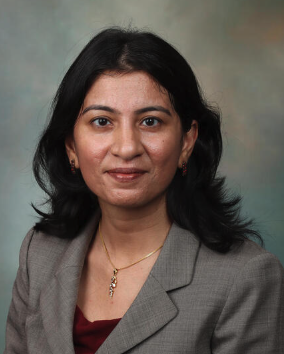 Nandita Khera合作论文数Transplant Center, Mayo Clinic7
 Parameswaran Hari合作论文数Department of Medicine, Medical College of Wisconsin;Clinical & Translational Science Institute, Medical College of Wisconsin;Froedtert Cancer Center, Medical College of Wisconsin7
 Ronald Sobecks合作论文数Department of Hematologic Oncology and Blood Disorders, Taussig Cancer Institute, Cleveland Clinic;Transplantation Center, Division of Surgery, Cleveland Clinic;Cleveland Clinic Lerner College of Medicine, Case Western Reserve University7
 Mohamed A. Kharfan Dabaja合作论文数Department of Hematology, Mayo Clinic;Mayo Clinic hospital in Jacksonville7
 Uday R Popat合作论文数Department of Stem Cell Transplantation, Division of Cancer Medicine, The University of Texas MD Anderson Cancer Center;Department of Stem Cell Transplant Fellowship, The University of Texas MD Anderson Cancer Center7
 Yoshihiro Inamoto合作论文数Department of Hematology and Oncology, Graduate School of Medicine, Nagoya University;Department of Hematopoietic Stem Cell Transplantation, National Cancer Center Hospital7Melhem Solh合作论文数7
 Ulrike Bacher合作论文数6Battiwalla Minoo合作论文数6
 Shaji Kumar合作论文数Division of Hematology, Department of Internal Medicine, Mayo Clinic6
 William Woo合作论文数Division of Hematology, Department of Medicine, School of Medicine, University of North Carolina at Chapel Hill6
 Richard T. Maziarz合作论文数Oregon Health and Science University6
 Ravi Vij合作论文数Siteman Cancer Center, Washington University6
 Matt Kalaycio合作论文数Department of Hematology and Medical Oncology, Cleveland Clinic6
 Jean-Yves Cahn合作论文数6Jason Tay合作论文数Rohde&Schwarz Systems&Communications Asia Pte Ltd6
 Gina R. Petroni合作论文数School of Medicine, University of Virginia6




