Metal cluster compounds are expected to be catalysts for new reactions because of synergistic effect of the metal atoms. In solid-state halide clusters and sulfide clusters, metal cluster frameworks are linked in two- or three-dimensions to form a cluster network. Halogen- or sulfur-deficient metal sites in an octahedral metal cluster framework are retained intact and act as catalytically active sites even at high temperatures of 400-700 degrees C. This review reports recent advances in the development of coordinatively unsaturated metal atoms on solid-state clusters with an octahedral metal framework and their application to organic catalytic reactions. (C) 2018 Elsevier Ltd. All rights reserved.
When phenols were reacted with alpha,beta-unsaturated carbonyl compounds in a He stream over a silica gel-supported niobium halide cluster with an octahedral metal framework, [(Nb6Cl12)Cl-2(H2O)(4)]center dot 4H(2)O, at 200-350 degrees C, the catalytic activity of the cluster for cyclizative condensation developed to yield the corresponding chromenes selectively. The reaction can be seen as a substantial extension of Dobner-von Miller quinoline synthesis using phenol instead of aniline. The halide clusters of tantalum and tungsten also catalyzed the reaction.
Solid-state molybdenum halide clusters with an octahedral metal framework MoX2 (or [MO6X8]X2X4/2) (X = Cl, Br, I) are applied to catalysis. When these clusters are thermally activated in a hydrogen stream above 300 degrees C, they exhibit catalytic activity for the dehydrogenative C-methylation of piperidine with methanol, to yield 3-methylpyridine. At 400 degrees C, the selectivity is as high as 74%. This catalytic behavior is different from that of the molecular clusters [(M6Cl12)Cl-2(H2O)(4)]center dot 4H(2)O (M = Nb, Ta) and (H3O)(2)[(M6Cl8)Cl-6]center dot 6H(2)O (M = Mo, W), which exhibit Bronsted acidity after thermal activation; piperidine is N-methylated to yield N-methylpiperidine selectively. Elemental analysis and thennogravimetric analysis demonstrate that the solid-state clusters partially eliminate halogen ligands during the activation. Infrared analysis of adsorbed pyridine on the activated clusters shows the presence of a Lewis acid site. This coordinatively unsaturated site of the molybdenum is catalytically active for dehydrogenative C-methylation. The formation of an eta(3)-1-azaallyl species on the molybdenum facilitates the methylation at the 3-position of piperidine, followed by dehydrogenation to yield 3-methylpyridine.
Solid-state molybdenum sulfide clusters with a nonstoichiometric sulfur-deficient site, CuxMo6S8-delta (x=2.94 and delta approximate to 0.3) and Mo6S8-delta (delta approximate to 0.4), catalyze the dehydrogenation of cyclohexene, the hydrogenation of alkyne, alkene, aldehyde, ketone, and nitrobenzene, and the hydrogenolysis of halogenobenzenes in a hydrogen stream above 300 degrees C This catalytic behavior of the clusters is similar to that of the platinum group metals, which is attributable to the isoelectronicity of sulfur-coordinating molybdenum atom to the platinum group metals. (C) 2015 Elsevier B.V. All rights reserved.
Five- to seven-membered common-sized heterocyclic compounds containing an oxygen, sulfur, or nitrogen were synthesized by the intramolecular condensation of alpha,omega-hydroxy, mercapto, or amino alkanes, respectively, over halide cluster complexes as a thermally stable molecular solid weak acid catalyst in the gas phase at temperatures >= 150 degrees C. From omega-mercapto and omega-amino alcohols, cyclic sulfides and amines were obtained, respectively. These unimolecular reactions are thermodynamically and kinetically favored.
A series of molecular rhenium sulfide clusters K-4[Re5S8Cl6] (1), K-4[Re6S8(OH)(6)], and [Re6S8(H2O)(6)]SO4 supported on silica gel catalyze ring-opening addition of thiols to epoxides to yield beta-hydroxy sulfides in a stream of hydrogen at temperatures ranging from 175 to 250 degrees C. The thermal activation mechanisms of 1 is studied. Powder X-ray diffraction analyses and Raman spectrometry reveal the retention of integrity of the octahedral cluster framework up to 500 degrees C. Thermogravimetry and elemental analyses of the silica gel-supported 1 show the loss of chlorido ligands, and evolution of hydrogen chloride is observed on activation. No coordinatively unsaturated metal site is observed by CO titration. Titration of the activated cluster shows the appearance of weak Bronsted acid sites with H-0 approximate to 1.8. The catalytically active site of the silica gel-supported 1 is a hydroxo ligand that is formed by reaction with silanol groups. (C) 2015 Elsevier B.V. All rights reserved.
A series of molecular rhenium sulfide clusters [Re6S8(OH)6−n (H2O) n ](4−n)− (n = 0, 2, 4, 6) catalyze dehydrogenation of alcohols, and hydrogenation of ketones and olefins in a hydrogen stream at 350 °C. The catalytic activities of the dianionic and neutral clusters (n = 2, 4) are lower than those of tetraanionic and dicationic clusters (n = 0, 6) for all the reactions. When 1,4-butanediol is allowed to react over K4[Re6S8(OH)6], dehydrogenation proceeds to yield 2-hydroxytetrahydrofuran and successively γ-butyrolactone above 300 °C. Over [Re6S8(H2O)6]SO4 dehydration proceeds to yield tetrahydrofuran above 250 °C. The thermal activation mechanisms of these clusters were studied by powder X-ray diffraction analyses, Raman spectrometry, extended X-ray absorption fine structure spectrometry, thermogravimetry, and differential thermal analyses. The catalytically active site of K4[Re6S8(OH)6] is an uncoordinated metal site (Lewis acid site) developed by the loss of a water molecule from two hydroxo ligands. The active site of [Re6S8(H2O)6]SO4 is a Brønsted acid site; the anhydrous aqua cluster dication disproportionates to a hydroxo cluster monocation and a proton. Both of the octahedral cluster frameworks are retained up to 500 °C.
Halide clusters of Group 5–7 metals develop catalytic activity above 150–250 °C, and the activity is retained up to 350–450 °C by taking advantage of their thermal stability, low vapor pressure, and high melting point. Two types of active site function: the solid Brønsted acid site and a coordinatively unsaturated site that catalyzes like the platinum metals do. Various types of catalytic reactions including new reactions and concerted catalyses have been observed over the clusters: hydrogenation, dehydrogenation, hydrogenolysis, isomerization of alkene and alkyne, and alkylation of toluene, amine, phenol, and thiol. Ring-closure reactions to afford quinoline, benzofuran, indene, and heterocyclic common rings are also catalyzed. Beckmann rearrangement, S-acylation of thiol, and dehydrohalogenation are also catalyzed. Although the majority of the reactions proceed over conventional catalysts, closer inspection shows some conspicuous features, particularly in terms of selectivity. Halide cluster catalysts are characterized by some aspects: cluster counter anion is too large to abstract counter cation from the protonated reactants, cluster catalyst is not poisoned by halogen and sulfur atoms. Among others, cluster catalysts are stable at high temperatures up to 350–450 °C. At high temperatures, apparent activation energy decreases, and hence weak acid can be a catalyst without decomposing reactants.
Solid-state molybdenum sulfide clusters with an octahedral metal framework, the Chevrel phases, are applied to the catalytic cracking of methyl tert-butyl ether (MTBE) to yield isobutene. The copper salt of the nonstoichiometric sulfur-deficient cluster, Cu x Mo6S8−δ (x = 2.94 and δ ≈ 0.3), after storing in air, is thermally activated in a hydrogen stream, followed by the reaction with MTBE. Two kinds of catalytically active sites develop depending on the activation temperature: one developed at 100–200 °C is a Brønsted-acidic hydroxo ligand on the copper cation while the other developed at 350–400 °C is a Lewis-acidic coordinatively unsaturated molybdenum atom with a sulfur-deficient site. A nonstoichiometric sulfur-deficient neutral cluster Mo6S8−δ (δ ≈ 0.4) also catalyzes the cracking reaction when activated at 400 °C.
Zirconium complexes of some [5]cumulene derivatives were studied for their variable coordination modes and haptotropic shifts. Some [5]cumulene compounds reacted with zirconocene(II) species to afford 1-zirconacyclopent-3-yne complexes that have five-membered cycloalkyne structures. Only a few [5]cumulene compounds afforded eta(2)-coordinated complexes in the presence of neutral ligands such as trimethylphosphine and tert-butyl isocyanide. Interconversion between the five-membered structure and the eta(2)-complex was observed. Investigation of [5]cumulene derivatives of various cycloalkylidene moieties indicated that the eta(2)-complex was preferred when the [5]cumulene has bulkier substituents. A [5]cumulene with 2,2,6,6-tetramethylcyclohexylidene groups much preferred the 1-zirconacyclopent-3-yne structure to eta(2)-coordination. In sharp contrast, the eta(2)-coordinated complex was favored for a [5]cumulene with 2,2,7,7-tetramethylcycloheptylidene groups in the presence of PMe3. Small differences in steric environments caused totally different reactivity in [5]cumulene complexes. DFT calculations on the formation enthalpy were consistent with the experimental results, although that cannot fully rationalize the difference.
Halide clusters have not been used as catalysts. Hexanuclear molecular halide clusters of niobium, tantalum, molybdenum, and tungsten possessing an octahedral metal framework are chosen as catalyst precursors. The prepared clusters have no metal–metal multiple bonds or coordinatively unsaturated sites and therefore required activation. In a hydrogen or helium stream, the clusters are treated at increasingly higher temperatures. Above 150–250 °C, catalytically active sites develop, and the cluster framework is retained up to 350–450 °C. One of the active sites is a Brønsted acid resulting from a hydroxo ligand that is produced by the elimination of hydrogen halide from the halogen and aqua ligands. The other active site is a coordinatively unsaturated metal, which can be isoelectronic with the platinum group metals by taking two or more electrons from the halogen ligands. In the case of the rhenium chloride cluster Re3Cl9, the cluster framework is stable at least up to 300 °C under inert atmosphere; however, it is reduced to metallic rhenium at 250–300 °C under hydrogen. The activated clusters are characterized by X-ray diffraction analyses, Raman spectrometry, extended X-ray absorption fine structure analysis, thermogravimetry–differential thermal analysis, infrared spectrometry, acid titration with Hammett indicators, and elemental analyses.
Invited for this month's cover is the group of Noriyuki Suzuki at Sophia University. The image shows how [3]comulene couples with an alkyne on the zirconium atoms.
Benzenethiol was reacted with methanol under a hydrogen stream over [(Nb6Cl12)Cl2(H2O)4]·6H2O supported on silica gel. Catalytic activity of the cluster commenced above 250°C, yielding methyl phenyl sulfide. The selectivity was 98% at 400°C. Molybdenum, tantalum and tungsten halide clusters with the same octahedral metal framework also catalyzed the reaction. Primary alcohols with shorter alkyl chains were effective reagents for the S-alkylation. Aliphatic ethers, dialkyl carbonates, orthoesters and alkyl halides were effective reagents for the S-alkylation. When 1-hexene was applied to the reaction, spontaneous and catalytic S-alkylation proceeded simultaneously above 200°C, yielding n-hexyl phenyl sulfide. When alkyl acetates were subjected to this reaction, the niobium cluster afforded S-phenyl thioacetate, and the other clusters afforded alkyl phenyl sulfides selectively. A Brønsted acid site attributable to a hydroxo ligand, which is formed on the cluster complex by thermal activation, is proposed as the active site of the catalysts.
We have studied crystal structures of a Ni bond alternating chain compound [{Ni-2(Medpt)(2)(mu-ox)(mu-N-3)}(n)] {(ClO4). 0.5H(2)O}(n) (Medpt=methyl-bis(3-aminopropyl)amine, ox-C2O4) (1) and a Ni dimer compound [Ni-2(dpt)(2)(mu-ox)(H2O)(2)] (NO3)(PF6) (dpt=bis(3-aminopropyl)amine) (2) by x-ray diffraction. Both title compounds crystallize in the triclinic system, space group P (1) over bar with fw=646.41, a=8.032(1)Angstrom, b=13.436(1)Angstrom, c=13.968(2)Angstrom, alpha=63.84(1)degrees, beta=80.54(1)degrees, gamma=81.29(1)degrees, V=1329.3(2)Angstrom(3), Z=2, R=0.067 and R-w=0.075 for 1 and with fw=710.88, a=8.814(1)Angstrom, b=12.255(1)Angstrom, c=13.487(1)Angstrom, alpha=81.16(1)degrees, beta=89.57(1)degrees, gamma=88.53(1)degrees, V=1439.0(1)Angstrom(3), Z=2, R=0.059 and R-w=0.068 for 2. The difference of chain structures between 1 and a similar bond alternating compound [{Ni-2(dpt)(2)(mu-ox)(mu-N-3)}(n)](PF6)(n) is discussed.
Benzenethiol is reacted with acetic acid in a hydrogen stream over [(Mo6Cl8)Cl-4(H2O)(2)]center dot 6H(2)O. Catalytic activity of the clusters appears above 200 degrees C, yielding S-phenyl thioacetate. The selectivity is 98% at 300 degrees C. Niobium, tantalum, and tungsten halide clusters with the same octahedral metal framework also catalyze the reaction. Benzoic acid and aliphatic carboxylic acids afford the corresponding S-phenyl carbothioates by reaction with benzenethiol. Aliphatic thiols are also S-acylated to yield the corresponding S-alkyl carbothioates. When carboxylic esters are applied to the reaction with benzenethiol over [(Nb6Cl12)Cl-2(H2O)(4)]center dot 4H(2)O at 450 degrees C, the sterically unhindered moiety of the ester is incorporated into the products: S-phenyl thioacetate or methyl phenyl sulfide is obtained selectively. A Bronsted acid site developed on the cluster complex by thermal activation is the active site of the catalyst. Hence, solid acids such as silica-alumina, zeolites, and heteropoly acids that are stable above 200 degrees C also catalyze these reactions. (C) 2013 Elsevier B.V. All rights reserved.
Thin films of fullerene derivative were prepared by an electrospray deposition (ESD) method using six types of fullerene derivatives (a series of [6,6]-Phenyl-C61-butyric acid ester and adducts of C60 with indene). The optimized conditions for fabricated thin films were investigated by ESD process using 1.0 mg/mL diluted solutions of the fullerene derivatives : the spray diameter as a function of the supply rate by changing the applied voltages. In all the cases, the spray diameters increased with increasing applied voltage reaching the maximum diameter (Dmax) at the voltage (VDmax) and decreasing for higher voltage. The scanning electron microscope observation of the successfully fabricated thin films showed the imbricated structure formed by the stacking of fullerene derivative sheets. The atomic force microscope image revealed that the highest density of imbricated structure was obtained at VDmax, and the root-mean-square roughness of the film surface decreased sharply reaching at the voltage. These findings suggest that the ESD method is expected to be effective to prepare a fullerene derivative thin film for the production of organic devices.
Thin films of three types of fullerene derivatives were prepared through the electrospray deposition (ESD) method.The optimized conditions for the fabrication of the thin films were investigated for different types of fullerene derivatives: [6,6]-phenyl-C 61 -butyric acid methyl ester, [6,6]-phenyl-C 71 -butyric acid methyl ester, and indene-C 60 -monoadduct.The spray diameter during the ESD process was observed as a function of the supply rate achieved by changing the applied voltage.In all cases, the spray diameter increased with increasing applied voltage, reaching the maximum diameter (D max ) in the voltage range 4 to 6 kV.It was clear that D max was influenced by the dipole moments of the fullerene derivatives (as calculated by density functional theory methods).Scanning electron microscopy observation of the fabricated thin films showed that imbricated structures were formed through the stacking of the fullerene-derivative sheets.Atomic force microscopy images revealed that the density of the imbricated structure was dependent on the spray diameter during the ESD process, and the root-mean-square roughness of the film surface decreased with increasing applied voltage.These findings suggest that the ESD method will be effective for the preparation of fullerene-derivative thin films for the production of organic devices.
Solid-state molybdenum sulfide clusters with an octahedral metal framework, the superconducting Chevrel phases, are applied to catalysis. The cluster of copper salt, Cu x Mo6S8 (x = 2.94), stored in air is treated in a hydrogen stream above 300 °C. The activated cluster exhibits catalytic activity for the ring-opening of tetrahydrofuran, yielding butyraldehyde. Cyclic ethers such as trimethylene oxide and tetrahydropyran are also converted to the corresponding aldehydes. The cluster contains nonstoichiometric defects of sulfur atoms. Oxygen atoms are incorporated at the sulfur-deficient sites upon storage in air, but they are removed from the sites by the activation in a hydrogen stream. The resulting coordinatively unsaturated molybdenum atoms are catalytically active for the ring-opening reaction. The molybdenum atom in an intermediate oxidation state around 2+ is moderately coordinated by the oxygen of tetrahydrofuran and favorably releases the produced aldehyde. The neutral cluster Mo6S8, which has such sulfur-deficient sites, also catalyzes the reaction.
Pyridine is allowed to react with methanol under a hydrogen stream in the presence of (H3O)2[(W6Cl8)Cl6]·6H2O supported on silica gel. When the temperature is raised above 200 °C, the catalytic activity of the cluster appears. Methylation of pyridine proceeds yielding 2-methylpyridine in 61% selectivity at 400 °C. The corresponding hexanuclear chloride clusters of niobium, molybdenum, and tantalum also catalyze the reaction. Ethanol affords the corresponding 2-ethylpyridine. When phenol is allowed to react with methanol in the presence of (H3O)2[(Mo6Cl8)Cl6]·6H2O supported on silica gel in the same manner, selective O-methylation proceeds yielding anisole in 57% selectivity at 150–200 °C. Above 250 °C, C-methylation predominates and provides o-cresol with 67% selectivity at 300 °C. The corresponding clusters of niobium, tantalum, and tungsten also catalyze the reaction. Ethanol and 1-propanol afford the corresponding 2-alkylphenols. Alkyl cations produced over weak Brønsted acid sites (H 0 ≈ +1.3) developed on the clusters are assumed as intermediates for both reactions.
 Satoshi Kamiguchi合作论文数33Haruo Ogawa合作论文数27Sayoko Nagashima合作论文数23Yasuo Wakatsuki (若槻康雄)合作论文数Department of Chemistry, Collage of Humanities and Sciences, Nihon-Universtity17Kazuo Taya合作论文数13
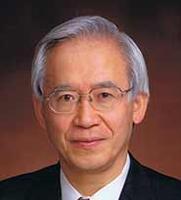 Yasuhiro Iwasawa (岩澤康裕)合作论文数lwasawa Laboratory, Department of Engineering, The University of Electro-Communications;Innovation Research Center for Fuel Cells and Hydrogen, The University of Electro-Communications;Department of Engineering Science, Graduate School of Informatics and Engineering, The University of Electro-Communications;The University of Tokyo12Shousuke Teratani合作论文数11
 Daisuke Hashizume (橋爪大輔)合作论文数Center for Emergent Matter Science, RIKEN;College of Science, Rikkyo University10
 Yasuo Izumi合作论文数Department of Chemistry, Graduate School of Science, Chiba University9Noriyuki Suzuki合作论文数8Hiroshi Yamazaki合作论文数8Mitsuo Kodomari合作论文数6Kazunori Tanaka合作论文数6Masakazu Iwasaki合作论文数Research Center, Asahi Kasei Pharma Corporation6
 Hideki Kurokawa合作论文数Graduate School of Science and Engineering, Saitama University6S Kamiguchi合作论文数5Takaaki Watanabe合作论文数5Meguru Tezuka合作论文数5M. Saburi合作论文数4Ikuko Takahashi合作论文数4
 Hajime Yoshida合作论文数4
 Hiroshi Miura合作论文数4Akane Suzuki合作论文数Faculty of Science and Technology, Keio University4Tamiki Fujigaki合作论文数4
 Kazu Okumura (奥村和)合作论文数Catalytic Chemistry Laboratory, Department of Applied Chemistry, School of Advanced Engineering, Kogakuin University;Faculty of Bioscience and Applied Chemistry, Hosei University4Kunihiko Kondo合作论文数3ryu kajio合作论文数3kentaro kudo合作论文数3Takahiro Tase合作论文数3
 Takuji Hirose合作论文数3Satoshi Ohguchi合作论文数3Tamie Wakabayashi合作论文数3
 Masayuki Hagiwara (萩原雅之)合作论文数Institute for Advanced Synchrotron Light Source, National Institutes for Quantum and Radiological Science and Technology3T. MISE合作论文数2kazumasa takeshi合作论文数2keisuke ida合作论文数2hitomi yamazaki合作论文数2makoto yuasa合作论文数2Tomoaki Sasaki合作论文数2M. KODOMARI合作论文数2hiroshi nagashima合作论文数2Hao Xiuhua合作论文数2Yoshitaka Yamaguchi合作论文数2shota furukawa合作论文数2
 Masahiro Nomura合作论文数2
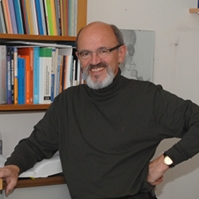 Horst Kisch合作论文数Department Chemie Und Pharmazie, Naturwissenschaftliche Fakultät, Friedrich-Alexander-Universität Erlangen-Nürnberg2




