Over the past decade, an increasing number of Chinese faculty members from non-double first-class universities and vocational colleges, particularly those working in social sciences, arts, and humanities, have pursued doctoral degrees in ASEAN developing countries. To investigate their decision-making process, we interviewed 20 such individuals and adopted Lin, Wang, and Shen’s (2024) Access-Experience-Outcome model as the analytical framework to guide the data analysis. The findings reveal that unlike self-directed student mobility, academic mobility embedded in career development operates on a different set of logic, which is characterized by instrumental demands and pragmatic benefits. A Demand-Perception-Benefit model is thus constructed to delineate the factors involved. Specifically, Chinese faculty members’ decisions of pursing doctoral degrees and selecting ASEAN as their study destination are shaped by three dimensions of factors—the demands for enhanced academic qualifications at governmental, institutional, and individual levels; the perceptions of host countries, institutions, and programs; and the anticipated benefits for themselves and their home institutions—and are often constrained by the dual pressure of economic and scholastic capital. Notably, while Chinese faculty members’ pursuit of doctoral degrees in ASEAN developing countries represents South-South academic mobility, it paradoxically reinforces the Western dominance in the global higher education landscape, underscoring the persistent education inequalities between the Global South and the Global North. We therefore call for more indigenous knowledge circulation between ASEAN and China to foster the development of a more inclusive, equitable, and multi-polar ecosystem for knowledge production.
The changing international political economy, global uncertainties, and emergencies in recent years are prompting renewed discussions about the role of Education for International Understanding (EIU). This study aims to explore the effectiveness of teaching international understanding related knowledge and skills in Chinese public primary and secondary schools. It is based on a joint 'EIU Curriculum Development Project' between Beijing Normal University and Chengdu Hi-Tech Industrial Development Zone, through collaborative EIU curriculum development. Employing a mixed-methods approach that integrates quantitative and qualitative research techniques, a survey that tests four dimensions of 'international understanding' - willingness, skills, knowledge, and action - has been administered among a total of 21 public schools encompassing 10,979 students. Additionally, semi-structured interviews have been conducted with 30 students involved in the study. The findings of the study reveal two key points: firstly, students participants demonstrate a stronger grasp of 'international understanding' among all four dimensions, compared to their peers in non-participating schools, highlighting the significant role of universities as partners and 'mentors' in guiding practical applications in primary and secondary educational settings. Secondly, among the four dimensions, EIU-specific knowledge plays a critical role in EIU, serving as an essential prerequisite for cultivating willingness, and fostering skills relevant to international understanding. As an on-going long-term universityschool partnership (USP) project, the results in this paper provide empirical evidence for future collaboration and improvement in EIU curriculum development, especially for a co-production of EIU between universities and schools.
We, as six transnational female Chinese scholars, carried out collaborative autoethnography to unpack the asymmetric power relations and epistemic injustices that undergird our knowledge production and to identify strategies to strive toward pluriversality. Gathering in virtual circles regularly over 6 months, we examined our plural selves in relation to a spectrum of intellectual resources from traditional wisdoms to decolonial theories. Through iterative dialogues, we developed the conceptual and methodological framework of 'selves as methods' to draw out the reflexive and transformative potential of relational selfhood. Guided by this framework, we identify key relationships that shape our identities and knowledge production, tease out the power structures embedded in these relationships, and investigate strategies to foster pluriversality in global social science research paradigms and methodologies. We share our emergent framework of relational, reflexive, and transformative selves, and invite global scholars to engage in transformative dialogues and praxis.
Since its establishment in 1945, UNESCO's approach to gender equality in education has progressed through four key phases: legal provision for equal access to educational resources, education to enable female participation in economic development, addressing power dynamics to advance female development, and gender mainstreaming for empowerment. These shifts reflect a dynamic interaction between institutional frameworks, global priorities, and evolving theoretical perspectives. However, the gender equality strategies promoted by UNESCO have not fundamentally addressed the structural inequities within educational systems. The limitations of these strategies include the reproduction of gendered power relations, biases in global universalist narratives, and the absence of intersectional perspectives. UNESCO's reliance on a liberal feminist framework tends to reduce complex gender politics to technocratic solutions that align with neoliberal ideals, thus limiting more radical critiques of the Global North's dominant discourse. To foster true gender equality, it is essential to transform educational systems, decolonize knowledge, and strengthen the agency and voice of intersectionally marginalized groups.
A three-wave prospective study was conducted to provide a better understanding of the ability of the integrated model of self-determination theory (SDT) and the theory of planned behavior (TPB) to predict future physical activity (PA) engagement among adolescents. Nearly 2500 secondary school students from China were recruited to test the hypothesized pathway from autonomous motivation from SDT at baseline (T1) through the constructs of TPB one month later (T2) on leisure-time PA levels of secondary school students three months later (T3). The findings revealed that the structural equation models yielded excellent fit indices with χ2 = 1858.989, df = 257, CFI = 0.936, TLI = 0.926, RMSEA = 0.050 [90% CI = 0.048 to 0.052], and SRMR = 0.032. In particular, autonomous motivation at T1 was positively associated with attitude (R2 = 0.160), subjective norms (R2 = 0.160), and perceived behavioral control (PBC) (R2 = 0.173) at T2 (β = 0.395 to 0.414, p < 0.001) and subsequently associated with intention at T2 (R2 = 0.875, β = 0.112 to 0.478, p < 0.001). T2 intention was positively associated with leisure-time PA levels (R2 = 0.004) at T3. Our findings contribute to a better understanding of the motivational mechanisms and social cognition processes involved in predicting adolescents’ leisure-time PA levels among adolescents.
This study uses mixed methods to explore Chinese primary school teachers' working time allocation after the enactment of the "Double Reduction" Policy. Data were collected from 364 questionnaires and six subsequent in-depth interviews. Findings reveal that despite having brought about some benefits, the "Double Reduction" Policy has increased Chinese primary school teachers' working time. Moreover, the teachers' working time is unevenly allocated, with disproportionately more time devoted to subject teaching and less time devoted to professional development. As a result, the nature of the different types of Chinese primary school teachers' working time further affect the teachers' perceived workload and work-related stress. Therefore, it is recommended that teachers recieve greater support and time for their ongoing professional development.
This article examines the rise of human capital theory and the investment discourse in education with a focus on Chinese rural education. We carry out Critical Discourse Analysis on 38 research articles published in highly cited English-language social science journals between 1978 and 2022. We demonstrate that Chinese rural education boomed as a topic of international research in the 21st century due to intensified academic internationalisation in China, which is intertwined with China's pursuit of global influence and rising nationalism. The articles in our sample respond more to mainstream discourses dominated by the Global North than to the concerns of local communities, thereby reinforcing the dominance of western social theories and discourses like the human capital theory and the investment discourse. Amidst increasingly antagonistic global politics, we call for the critical 'double negation' (this issue) of both coloniality and nationalism to open up possibilities of plural knowledges.
为厘清中国农村教育国际学术话语现状、探索话语重塑的机遇与思路,我们对12个社会科学研究领域及学科里国际影响力最高的40种英语国际学术期刊在1978-2022年间发表的173篇中国农村教育相关论文进行内容分析.研究发现,农村教育是国际学界关注中国教育的重要切入点,但中国农村教育仍是国际学界中的边缘议题,我国本土农村教育研究者与实践者在国际学术生产体系中也高度边缘化.虽然2010年以来顶级英语国际学术期刊对中国农村教育的关注度显著提升,但该领域仍面临量化实证研究主导下的范式困境及西方经典社科理论主导下的理论困境.当前国际格局的变动及国内国际对农村发展的重视为中国农村教育国际学术话语重塑创造了前所未有的机遇,我国应通过各级科研基金大力支持农村教育研究并向有理论创新潜力的实证研究倾斜,鼓励高校及科研机构设立农村教育或农村发展主题的国际学术期刊,继续支持国际学术交流与合作.我国教育研究者与实践者也应注重文化自觉与理论自觉,力争基于中国农村教育发展经验与思想资源提出突破西方主流话语的新概念、新范畴、新表达.
全面构建中国教育自主知识体系是推进中国教育现代化的必然要求,其核心关键在于主体的自觉性和知识体系的"中国性".中国教育自主知识体系的构建应该在厘清基本意涵的基础上,从明确研究问题、建立理论框架、提出原创概念三个关键维度出发,保持开放的心态,在聚焦本国教育问题的同时继续保持对"他者"的关注,提出真实且有价值的研究问题;自觉运用中国传统与现代文化思想资源,寻求具有解释力的理论框架;着力打造原创概念,提升对中国和世界性问题的解答力.
How to respond to the educational challenges brought by immigrants is a common problem that many countries are facing or will face soon in the global era since the second world war.Since the 1980s,Spain has introduced intercultural education in schools to address the issues of educational right,educational quality,and school bullying brought by the rapid influx of immigrants.Through the dual integration approach based on the whole educational process,content and objectives,Spain has been able to promote the acceptance of immigrants of the education system and their integration into the education system,ensuring their right to education,improving their academic performance,promoting a harmonious educational environment and cultivating the intercultural competence of all the students.Though the concept of intercultural education is gradually transferring to inclusive education recently,while the value orientation remains to be pursuing a more equal,inclusive and harmonious society.
新冠疫情放大了全球化进程给世界带来的问题,中美教育交流与合作也面临着诸多不确定性.新天下体系理论从传统中汲取智慧,为破解中美教育交流与合作困局提供了新的视角.回顾中美教育交流与合作的历程,其早期呈现出典型的非世界性特征,存在非对称性和外部性的突出问题.尽管在当前的共在表象下,非世界性从外显走向了内隐,但仍未从根本上解决问题,中美教育交流合作仍需转型.基于中美两国当前的教育政策,双方应以关系理性原则为指导,积极探寻未来中美教育交流合作的可能生生空间,真正实现"世界性"的无外共在.
国际教育是培养创新性顶尖人才、促进高等教育质量提升和提高国家文化软实力的重要内容.对B大学151名教育学研究生的国际教育现状、需求及满意度进行调查发现,不同年级与学位类型的学生在需求上存在显著差异,研究生对已有国际化教学活动的形式、数量和深度,国际交流项目的层次和范围以及校园文化环境建设提出更高要求,高校现有的外语与非外语课程在目标、内容与评价手段的国际化水平上有待提升.鉴于此,高校应充分考虑学生需求,推进国际教育进一步精细化、具体化、差异化,通过完善现有国际化课程体系,拓展国际化教学活动形式并增强学生参与,创新管理、激励与服务机制,建设国际化校园文化环境等方式促进研究生国际教育的发展.
家庭作业是中小学教育的重要组成部分,也是学校和社会愈发关注的热点问题.欧洲中小学家庭作业的管理与设计有着丰富的经验.在政策引导与规范层面上,欧洲大多数国家明确了家庭作业学习与社会双重价值目标,不仅将家庭作业作为学业辅助,更希望以此缓解教育不公平的社会问题.另外,政府还明确了学校、组织、家庭等不同主体的权责,对相关主体提供针对性的财政补贴.在社会支持层面上,欧洲家庭作业组织呈现多层次协同的特点,关注作业设计的研究机构、提供作业帮助的公益机构和链接学校与家庭的桥梁委员会分工协作,共同构成家庭作业系统中的组织支持体系.在学校实践中,欧洲家庭作业有着可视化、内容有趣有效、合作作业系统统筹和反馈个性化等特点.
新冠肺炎疫情的全球蔓延改变了全球发展的秩序和框架,在这样百年未有的大变局中,加强国际理解,培养儿童全球意识至关重要.为此,2020年9月19日,北京师范大学资深教授顾明远与美国哈佛大学教授霍华德·加德纳(Howard Gardner)、哥伦比亚大学教授霍普·莱克特(Hope Leichter)通过线上展开对话,共同探讨在全球化时代下,教育者如何通过学校、课堂以及博物馆、艺术、研学旅行等多样化方式,增进儿童的国际理解,培养儿童的全球意识,让儿童在包容、尊重的基础上,携手合作,共创和平美好的未来世界.对话由NOBO无界公益教育项目创始人燕柏彤女士主持.
中小学国际理解教育对于培养适应未来发展的人才具有重要价值,那么,新时代中小学国际理解教育该如何高质量开展呢? 新时代中小学国际理解教育的基本定位 1.落实立德树人的根本任务 国际理解教育是落实立德树人根本任务的重要途径之一.新时代,国际理解教育为学生开拓了更加开阔的全球视野,搭建了多民族文化交流与合作的舞台,鲜明地展现出新时代中国特色社会主义核心价值观和中华优秀传统文化的魅力.在学习全球性知识的同时,提升道德素养和树立远大理想,以成长为能够在现代世界自由行走的中国人、能够具备人类命运共同体意识,并承担人类命运共同体责任的社会成员.
印度学者拉杰尼·科塔里提出"倾听的智慧",这一概念在后疫情时代的文明对话中具有重要意义,它是对世界文化遗产的不断丰富与扩展,为比较教育工作的开展带来了新思路.倾听的智慧使我们能够深入接触来自不同地区的思想和观点.我们要重新审视亚非文化的重要性,利用文明对话中丰富的文化和精神资源,充实比较教育和比较高等教育的理论,早日实现联合国提出的可持续发展目标.
顾明远先生高度关心教师的成长和教师队伍的建设.在新时代背景下,顾明远先生就教师专业发展问题强调:课堂作为教师的主战场,是培养人才的主渠道,教师要立足课堂,充分发挥学生的主体性,上好每一堂课,教好每一名学生;课堂教学是课改的主渠道,教师应在课堂中成为学习环境的创设者、学习资源的提供者、学习过程的陪伴者和学习结果的评价者;教师应重视自身的专业成长,历经五项修炼,不断提升自身综合素质和业务水平,从而形成自己的教学风格;进入信息时代,教师角色应由传统教育的知识传授者转变为教育的设计者、指导者和帮助者,成为与学生共同学习的伙伴;教师应坚持正确的政治方向,以身作则,尊重并相信学生,谨言慎行,既为经师更为人师,为"两个一百年"目标的实现培养人才.
With the rapid development of the Chinese economy and society, the number of international schools in China has increased sharply. As a core part of school quality, the curriculum development in international schools is facing a series of challenges due to the changing requirements from both the government and the market. In order to better understand the current practices of curriculum development in these international schools in China, this study adopts Tyler ' s and Gu ' s curriculum theories to design a questionnaire to collect data from 104 international schools national-wide. In addition, a semi-structured interview for teachers and principals was also conducted in nine international schools in five different cities in China. The findings show that most international schools aim at cultivating '' global citizens '' or '' eaders and elites.'' In China, most schools attach importance to foreign language teaching, and most courses are offered in English. Group work, inquiry and discussion, and project-based learning are frequently adopted in international schools. The findings also show there is a strong integration of '' Chinese culture '' and '' global vision,'' and schools generally try to balance the two aspects. Some schools rely heavily on foreign curriculum resources, and are in urgent need of capacity building in term of curriculum development based on Chinese policy, market demands and their school realities. Compared with developed countries, international schools in China endorse the new mission, mixing the requirements of modernization and globalization at the same time. Therefore, how to reconstruct a Chinese neo-modern curriculum system is the fundamental challenge for all international schools in China.
2019年初,中国政府发布《中国教育现代化2035》计划,这对全球可持续发展教育目标的实现有方法论和内容的双重价值,主要表现在以下四个方面:表达了坚定的政治意愿,提供了强有力的政府领导;努力建构优质公平的国民教育体系;积极推动开放平等互促的国际教育交流与合作;遵循并实践联合国教科文组织关于"教育规划"的基本原则.
 Mingyuan Gu (顾明远)合作论文数Faculty of Education, Beijing Normal University27
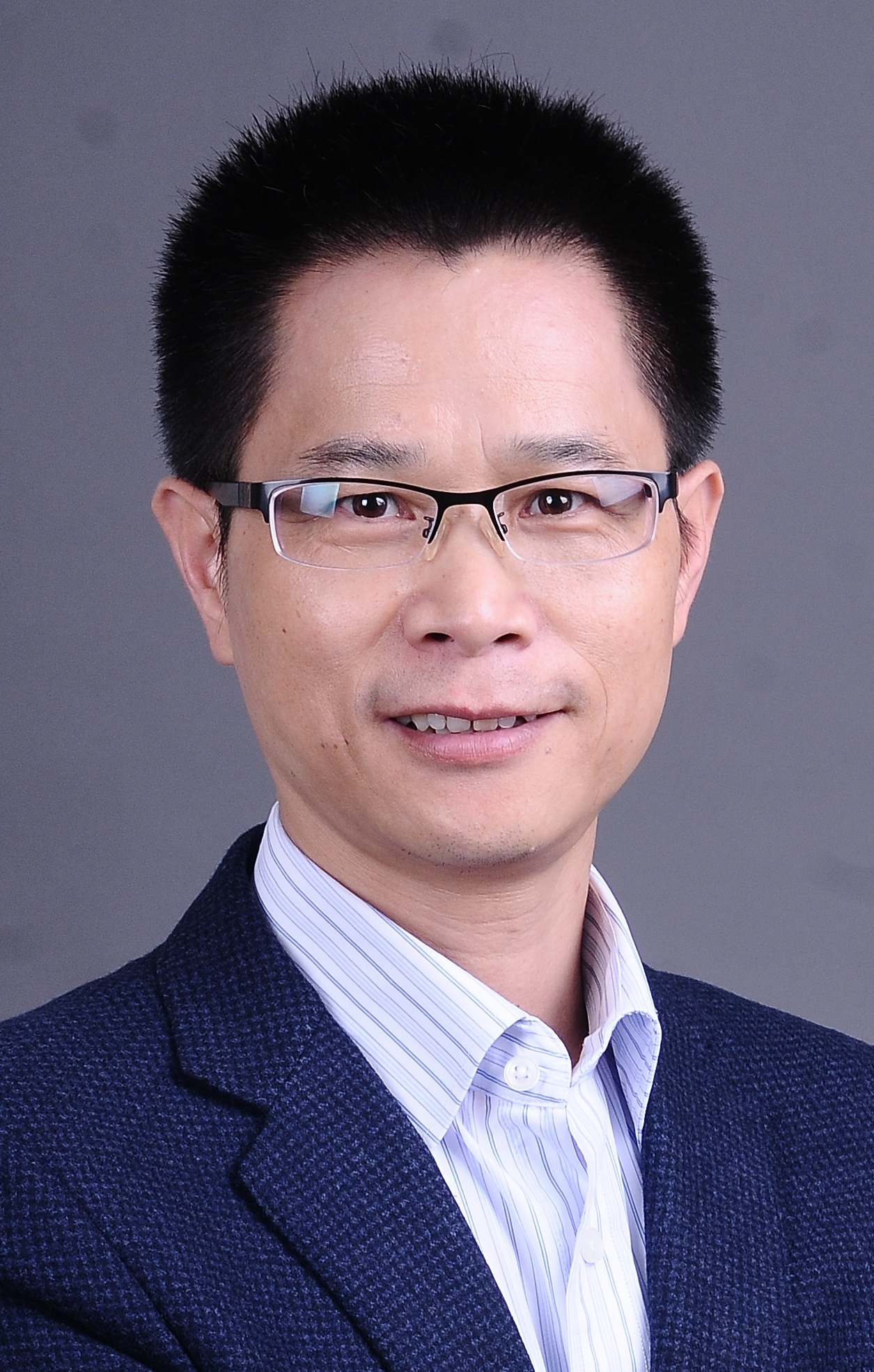 Jiansheng Ma (马健生)合作论文数Institute of International and Comparative Education, Faculty of Education, Beijing Normal University24
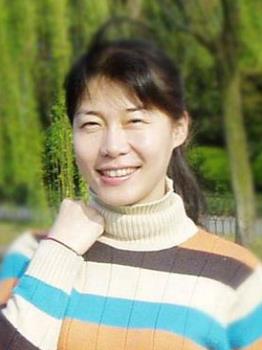 Liu Chen (陈柳)合作论文数School of Humanities, Wenzhou University5
 Mei QU (曲梅)合作论文数3Xiaoling Zhu (朱晓玲)合作论文数3Yuzhuo Cai (蔡瑜琢)合作论文数2HAN Siyang (韩思阳)合作论文数2GONG Fan-shu (龚凡舒)合作论文数2Yang-nan WANG (王杨楠)合作论文数2Chunxiu LU (鲁春秀)合作论文数2Xiaoyan DU (杜晓燕)合作论文数2xin tang (唐鑫)合作论文数2JiaYi Hu (胡佳怡)合作论文数2
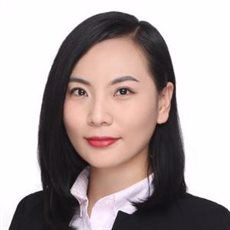 Meng Tian合作论文数The Department of Teacher Education, School of Education, College of Social Sciences, University of Birmingham2
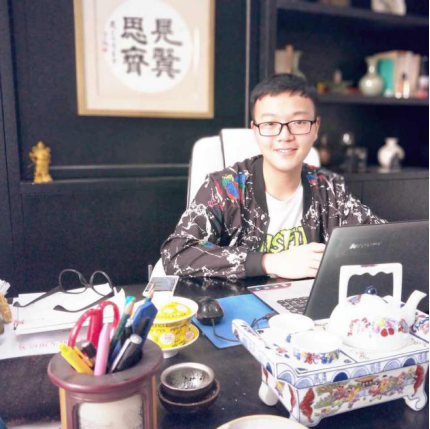 Yunzhen Lv (吕云震)合作论文数Institute For Finance and Economics, Central University of Finance and Economics2
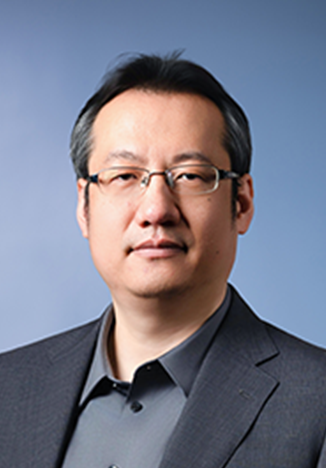 Lei Zhang (张磊)合作论文数School of Public Administration and Policy, Renmin University of China2Min Yu合作论文数2
 Diana Lin Yi Su合作论文数1Xiaoli Jing合作论文数1JIANG Zhujun (江竹君)合作论文数1AN Na (安娜)合作论文数1Xin Xiang合作论文数1
 Christopher B. Crowley合作论文数Coll Educ, Wayne State Univ1Pei SHI (石佩)合作论文数1zixiao xu (徐紫霄)合作论文数1yaqing yang (杨雅晴)合作论文数1Fang Wang (王芳)合作论文数1Anna (安娜)合作论文数1Ting-ting ZHANG (张婷婷)合作论文数1huarong liu (刘华蓉)合作论文数1MeiDe Xu (许美德)合作论文数1TingTing Yuan (袁婷婷)合作论文数1ManSheng Zhou (周满生)合作论文数1
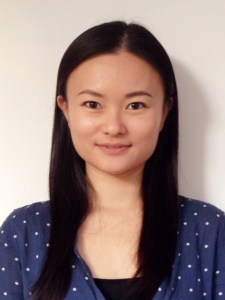 Yun You (游韵)合作论文数Department of Education, East China Normal University;Institute of Schooling Reform and Development, East China Normal University1
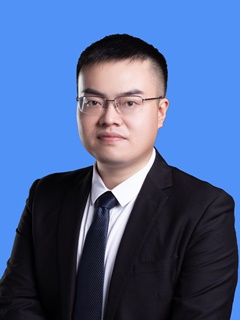 Liaojian Qu (屈廖健)合作论文数School of Humanities, Jiangnan University1Lingyi Zheng (郑灵臆)合作论文数1
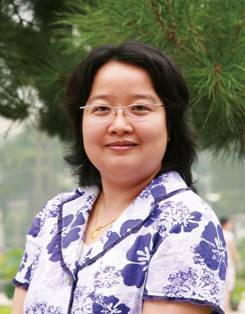 Minyi Li (李敏谊)合作论文数Faculty of Education, Beijing Normal University1
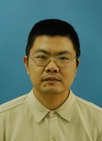 Li Shen (沈立)合作论文数Faculty of Education, Beijing Normal University1
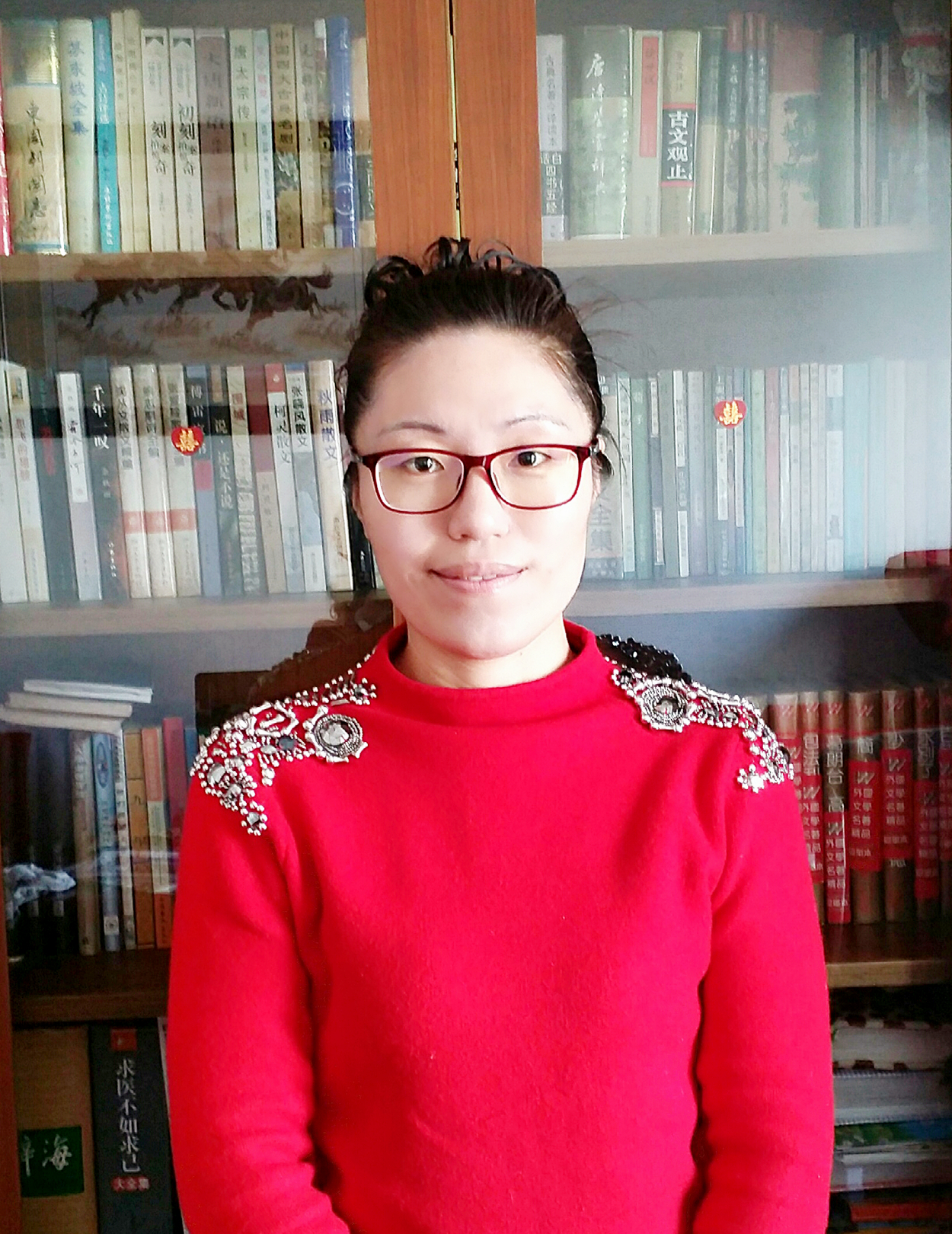 Leina Shen (沈蕾娜)合作论文数College of Education, Capital Normal University1
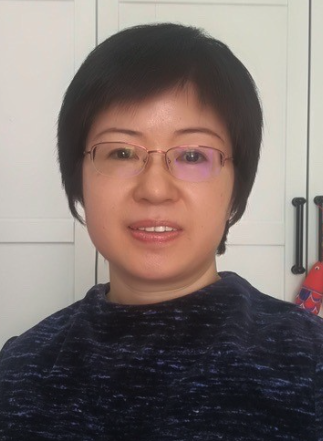 Jing Lin (林静)合作论文数Collaborative Innovation Centre of Assessment for Basic Education Quality, Beijing Normal University1Tingting Zhang (张婷婷)合作论文数1Xin Han (韩欣)合作论文数1
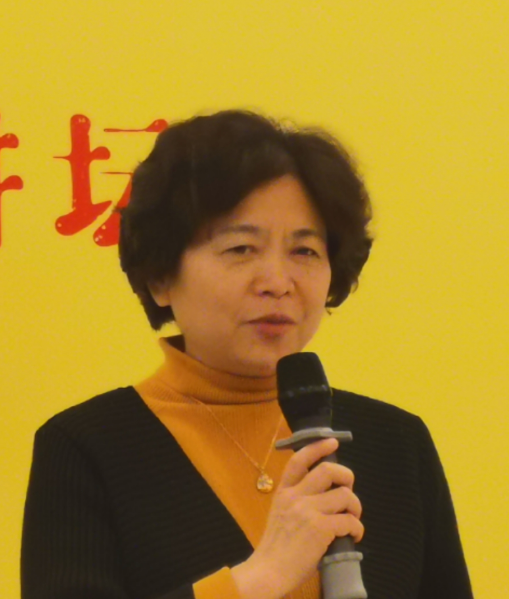 Su Xiao (肖甦)合作论文数Faculty of Education, Beijing Normal University1
 Min Li (李敏)合作论文数Elementary Education College of Capital Normal University1
 He Qiao (乔鹤)合作论文数College of Education, Capital Normal University1
 Ruichang Ding (丁瑞常)合作论文数Faculty of Education, Beijing Normal University1
 Derwin King-Chung Chan (陳勁聰)合作论文数School of Public Health, LKS Faculty Medical College The University of Hong Kong1




