In this paper, we study the problem of black-box attack and propose a new adversarial sample generation framework to attack the robust trained model (ARTM). Iterative methods can cause serious overfitting problems because they only consider the optimality of a single adversarial sample and ignore the entire sample distribution. The generative approach maps the entire original sample distribution to the target model attack space. However, such methods are also limited by the similarity of the decision boundary between the substitute model and the target model, and the difference of the boundary will affect the adversarial sample transferability. Hence, we aim to mitigate this impact by adjusting the decision boundaries of the substitute model. Through robustness training, the model decision boundary is smoother, and the distribution of adversarial samples will reduce some noise and become more concentrated. This also makes the substitute model boundary more similar to the target model, thus improving the transferability of adversarial sample. Our proposed framework offers a fresh perspective for adversarial sample generation and robust training. The experimental results based on the ImageNet dataset show that our method is effective.
Artistic Image Aesthetic Assessment (AIAA) is an emerging paradigm that predicts the aesthetic score as the popular aesthetic taste for an artistic image. Previous AIAA takes a single image as input to predict the aesthetic score of the image. However, most existing AIAA methods fail dramatically to predict the artistic images with a large variance of artistic subjective voting with only a single image. People are good at employing multiple similar references for making relative comparisons. Motivated by the practice that people considers similar semantics and specific artistic style to keep the consistency of the voting result, we present a novel Semantic and Style based Multiple Reference learning (SSMR) to mimic this natural process. Our novelty is mainly two-fold: (a) Similar Reference Index Generation (SRIG) module that considers artistic attribution of semantics and style to generate the index of reference images; (b) Multiple Reference Graph Reasoning (MRGR) module that employs graph convolutional network (GCN) to initialize and reason by adjusting the weight of edges with intrinsic relationships among multiple images. Our evaluation with the benchmark BAID, VAPS and TAD66K artistic aesthetic datasets demonstrates that the proposed SSMR outperforms state-of-the-art AIAA methods, and verifies the comparable to the SOTA IAA methods on the AVA general aesthetic dataset.
Image Aesthetic Assessment (IAA) is an emerging paradigm that predicts aesthetic score as the popular aesthetic taste for an image. Previous IAA approaches take a single image as input to predict the aesthetic score of the image. However, we discover that most existing IAA methods fail dramatically to predict the images with a large variance of aesthetic voting distribution. Motivated by the practice that people consider similar experiences to improve the consistence of the voting result, we present a novel Multiple Image joint Learning Network (MILNet) to mimic this natural process. Our novelty is mainly three-fold: (a) Semantic-based retrieval method that constructs aesthetic similarity (the similarity of aesthetic attribution) to select reference images; (b) Graph network reasoning that initializes and updates the weight of intrinsic relationships among multiple images; (c) Adaptive Earth Mover's Distance (AdaEMD) loss function that adjusts weight for easy and hard instances to mitigate unbalanced distribution of aesthetic datasets. Our evaluation with the benchmark AVA and TAD datasets demonstrates that the proposed MILNet outperforms state-of-the-art IAA methods. The code is available at https://github.com/flyingbird93/MILNet.
Image cropping aims at locating a candidate (rectangle region) with the highest aesthetic quality in professional photography. One solution of the previous methods is to generate a large number of candidates and then filter them, which leads to low efficiency. Another idea directly regresses the candidate coordinates to speed up but ignores the aesthetic subjectivity of the candidate’s evaluation, limiting the model’s performance. In this paper, we present an Aesthetic and Composition joint Probability Distribution regression Network (ACPD-Net) to explicitly investigate the process of generating the candidate with a joint probability distribution paradigm to improve the performance of cropping results in an efficient way. The joint probability distribution paradigm between location and size branch can identify the subjective aesthetic region and satisfy the objective composition rules in an end-to-end manner. Our method has been tested on the FCDB and FLMS datasets, which shows the superiority of ACPD-Net. The code is available at https://github.com/flyingbird93/ACPD-Net.
Trajectory prediction for challenging scenarios has always been a significant problem in the field due to the complexity of dynamic scenarios and interactions. Furthermore, there is often a dynamic gap between evaluating and validating methods on fixed datasets and real driving scenarios. This letter forms part of a series of reports emanating from the IEEE Transactions on Intelligent Vehicles's Decentralized and Hybrid Workshops (DHW) dedicated to the field of Scenarios Engineering. Our research proposes a scenario engineering-based calibration and validation framework for trajectory prediction of autonomous vehicles to more effectively validate the performance of the method in challenging scenarios. First, Scenarios Engineering (SE) uses OpenSCENARIO and real dataset to generate high-definition maps for challenging driving scenarios. Then, the vectorization approach is employed to extract contextual details from the scene and agent trajectory information from the HD map, and the graph neural network is used to model the high-order interaction to realize the interactive trajectory prediction. Compared with the traditional method, the trajectory prediction can be calibrated through SE so that the prediction process can use more traffic information and attribute characteristics, and improve the evaluation index of prediction. The DHW discusses a practical case to verify the potential of the trajectory prediction framework based on scenarios generation in improving the authenticity and accuracy of trajectory prediction.
Although deep salient object detection (SOD) has achieved remarkable progress, deep SOD models are extremely data-hungry, requiring large-scale pixel-wise annotations to deliver such promising results. In this paper, we propose a novel yet effective method for SOD, coined SODGAN, which can generate infinite high-quality image-mask pairs requiring only a few labeled data, and these synthesized pairs can replace the human-labeled DUTS-TR to train any off-the-shelf SOD model. Its contribution is three-fold. 1) Our proposed diffusion embedding network can address the manifold mismatch and is tractable for the latent code generation, better matching with the ImageNet latent space. 2) For the first time, our proposed few-shot saliency mask generator can synthesize infinite accurate image synchronized saliency masks with a few labeled data. 3) Our proposed quality-aware discriminator can select highquality synthesized image-mask pairs from noisy synthetic data pool, improving the quality of synthetic data. For the first time, our SODGAN tackles SOD with synthetic data directly generated from the generative model, which opens up a new research paradigm for SOD. Extensive experimental results show that the saliency model trained on synthetic data can achieve $98.4%$ F-measure of the saliency model trained on the DUTS-TR. Moreover, our approach achieves a new SOTA performance in semi/weakly-supervised methods, and even outperforms several fully-supervised SOTA methods. Code is available at https://github.com/wuzhenyubuaa/SODGAN
In recent years, Deep Learning systems have been applied to face recognition, autonomous vehicles and other safety-critical fields. Testing Deep Learning systems effectively and adequately is increasingly significant. In this paper, we proposed and implemented TSDTest, a coverage guided two-stage testing framework for deep learning systems. To test more logic for Deep Neuron Network (DNN), TSDTest generates highly diverse test cases with as high neuron coverage as possible during its two stages. Compared with DLFuzz, TSDTest achieved an average 1.75 % improvement in neuron coverage and 80.3% more adversarial test inputs on MNIST and Fashion-MNIST. And the step dynamical adjustment also effectively reduces $l_{2}$ distance and avoids the manual identification of test oracle. The implementation of TSDTest shows its effectiveness and superiority in generating diverse test cases and improving the robustness of DNN.
The adversarial example generation algorithm is currently a very popular algorithm for deceiving machine learning. The main method is to change the original sample in a way that is almost imperceptible to the user, and cause an obvious error in the result returned by the model. At present, there are many adversarial algorithms for computer vision, but there are few for NLP models, and there is almost no algorithm for Question & Answer task. This paper designs a framework of adversarial example generation algorithm KBAA(Knowledge-based Adversarial Attack), which is a black box attack, and is against KBQA (Knowledge-based Question & Answer). By extracting the knowledge graph of the original sample (attribute value is null, Entity-Attribute-(null)), the algorithm chooses the more important one of Entity and Attribute in the original sample and generates an adversarial example in order to deceive the KBQA model.
How to check and assess the whole process of Test and Evaluation on equipment software is one of the major challenges faced by the development of equipment software at present. In order to solve above problems, this paper proposed the development strategies of Test and Evaluation assessment for equipment software in terms of the overall design, data-driven, assessment system and method construction. Then the process of Test and Evaluation assessment on equipment software was checked to verify the development ability, design and organization ability. Therefore, the assessment loop of quality for equipment software as well as the assessment loop of design, development, and stereotyping for equipment software could be gotten through. In this way, the assessment of Test and Evaluation provides supports and traction for equipment software. Moreover, the development strategy of Test and Evaluation assessment on equipment software were made for the operational and in-service usage, which could finally and greatly improve the quality and operational effectiveness of equipment software.
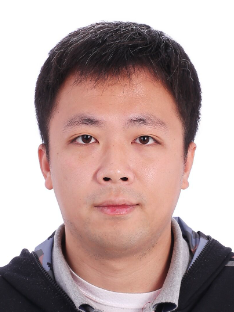 Chenglizhao Chen (陈程立诏)合作论文数College of Computer Science and Technology, China University of Petroleum (East China)5
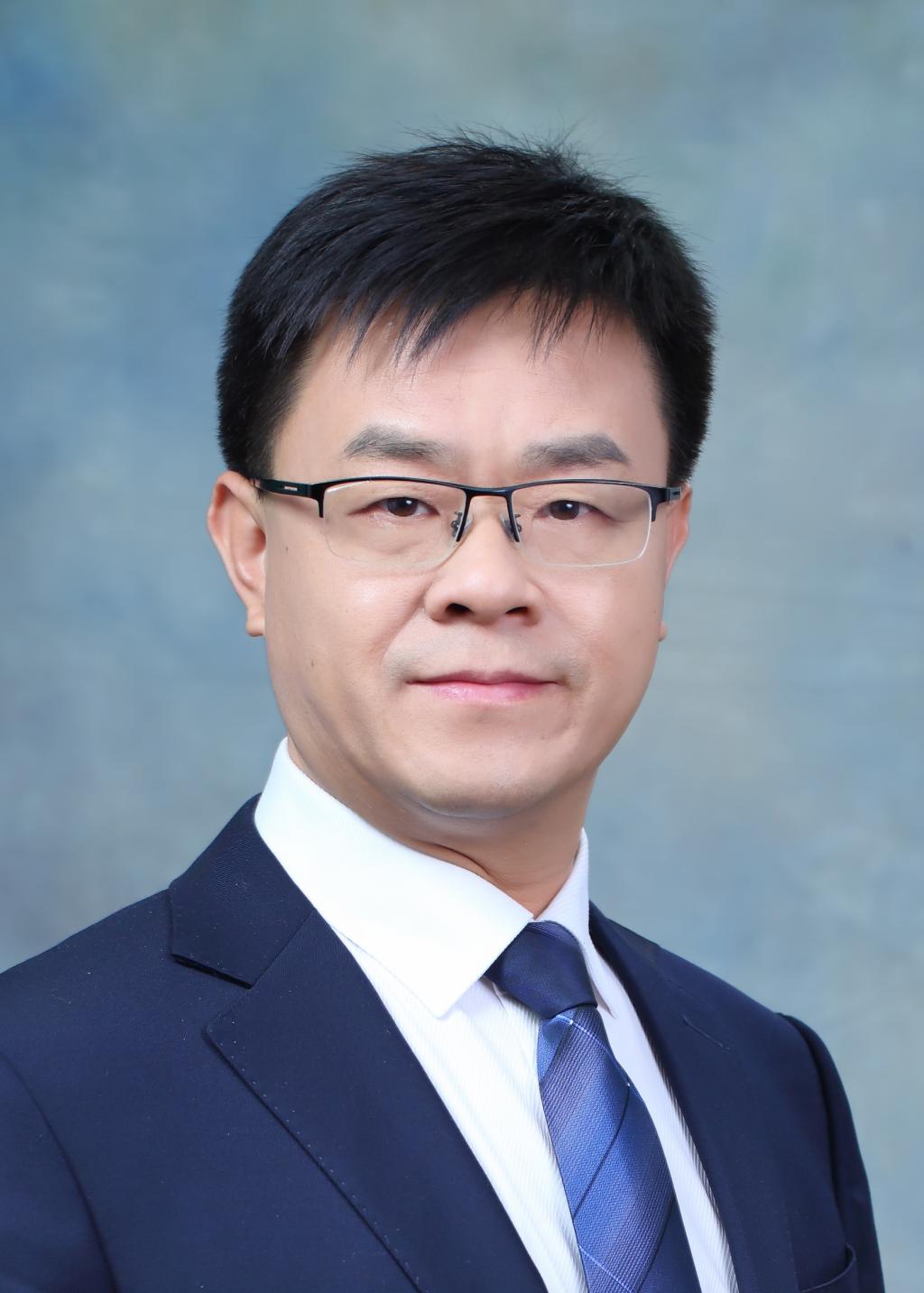 Aimin Hao (郝爱民)合作论文数School of Computer Science & Engineering, Beihang University4
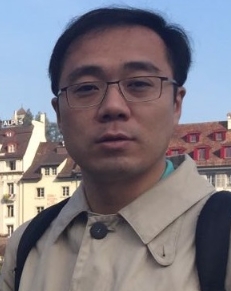 Shihai Wang (王世海)合作论文数Science and Technology on Reliability and Environmental Engineering Laboratory, School of Reliability and System Engineering, Beihang University3
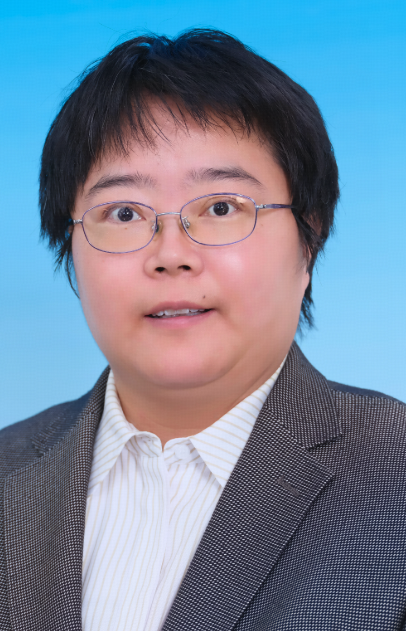 Wenfeng Song (宋文凤)合作论文数College of Computer Science, Beijing Information Science and Technology University2
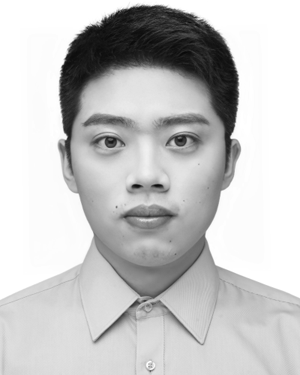 Haoran Li合作论文数2
 Yuanbo He合作论文数2Ce Shan合作论文数1
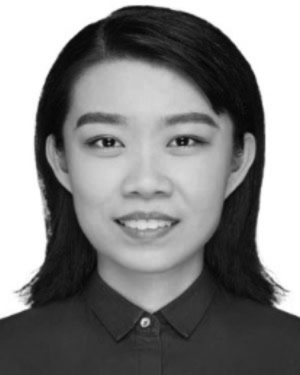 Yu Liu合作论文数1liu yang合作论文数1
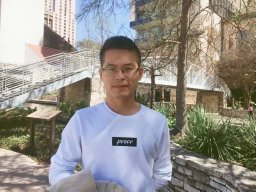 Lulu Guo合作论文数State Key Lab. of Automotive Simulation & Control, Jilin Univ.;c;State Key Lab. of Automotive Simulation & Control, Jilin Univ.1
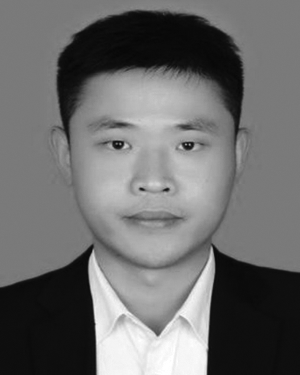 Xuan Li合作论文数1
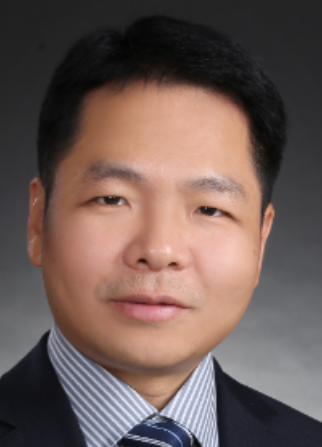 Yunfeng Lu (路云峰)合作论文数School of Reliability and System Engineering, Beihang University1
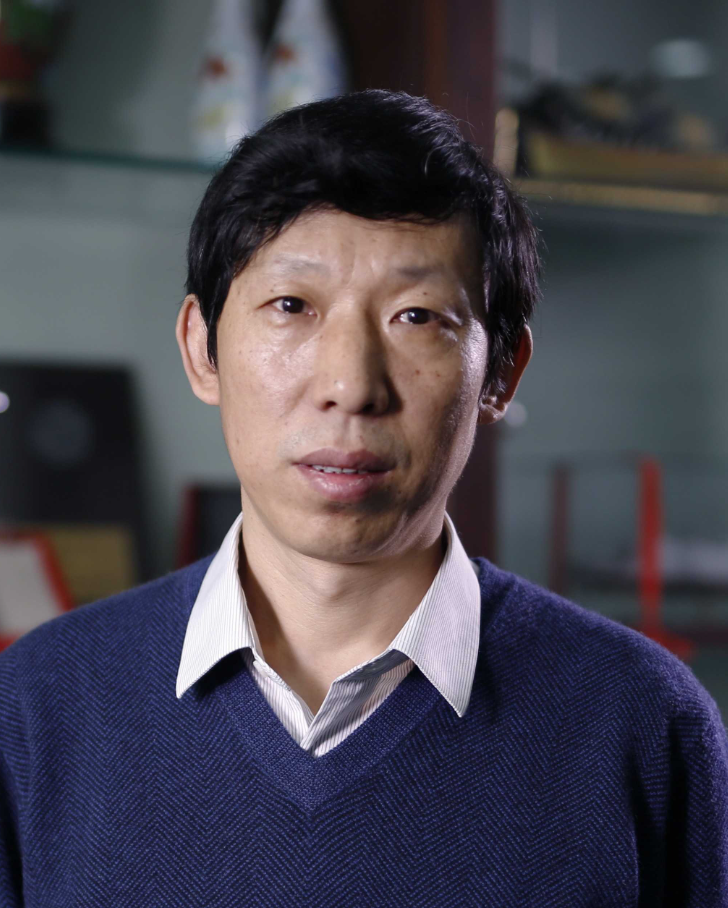 Bin Liu (刘斌)合作论文数School of Software, Beihang University;School of Reliability and Systems Engineering, Beihang University1
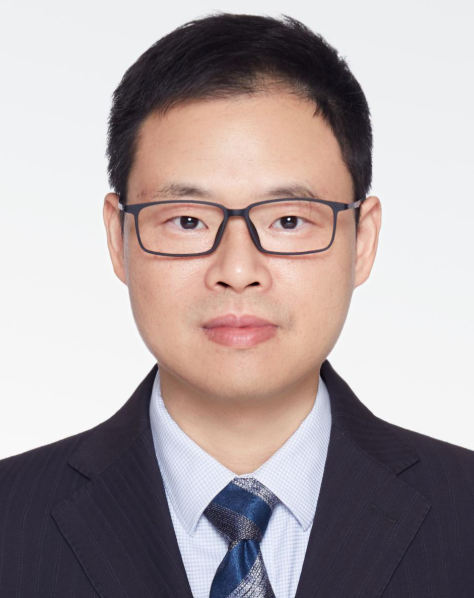 Zhenyu Wu (吴震宇)合作论文数School of Mechanical Engineering, Zhejiang Sci-Tech University1
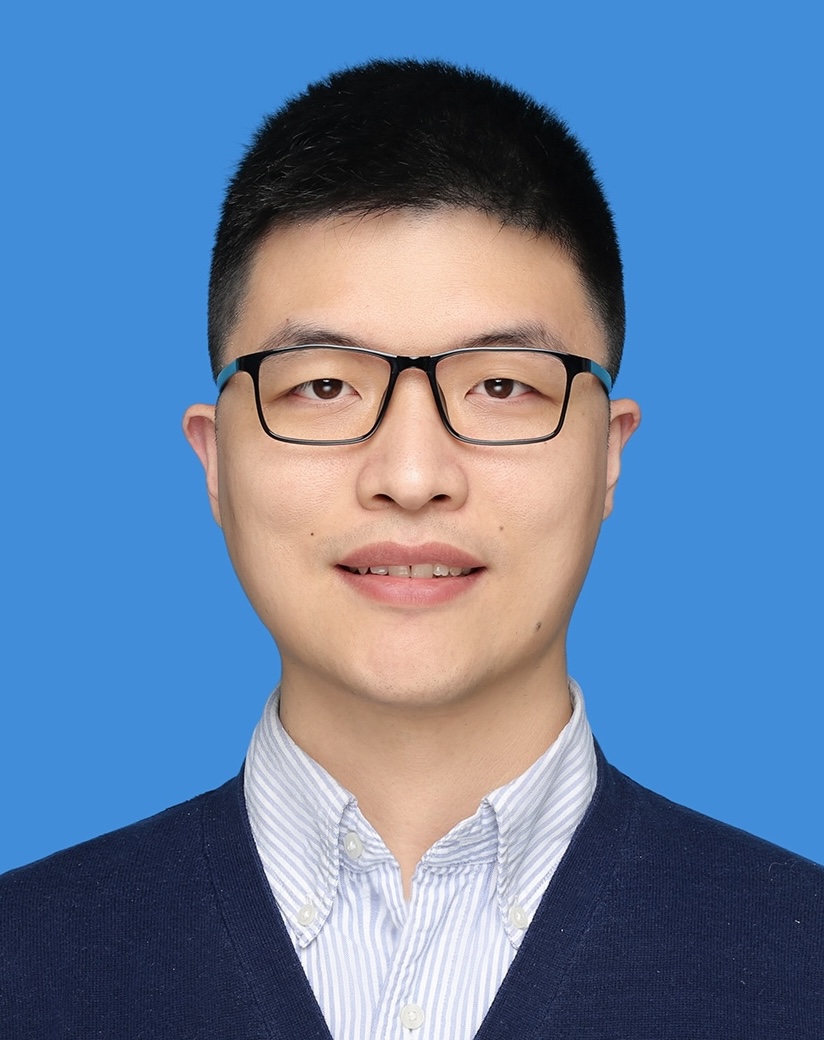 Wei Wang (王伟)合作论文数Center of Digital Media Information Processing, Institute of Information Science, School of Computer Science & Technology, Beijing Jiaotong University1
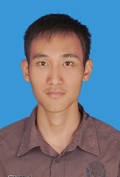 Lin Wang合作论文数School of Electronic Engineering and Computer Science, Queen Mary University of London1
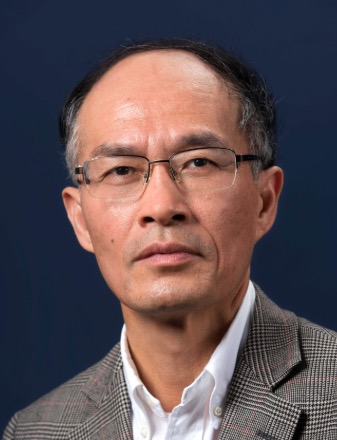 Feiyue Wang (王飞跃)合作论文数The State Key Laboratory for Management and Control of Complex Systems, Institute of Automation, Chinese Academy of Sciences;University of Chinese Academy of Sciences1
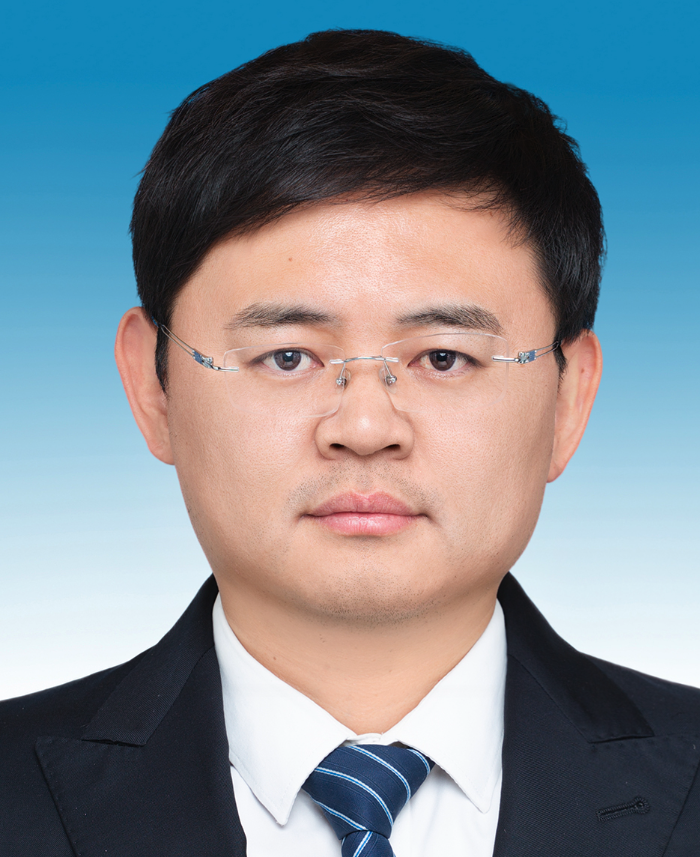 Yuming Fang (方玉明)合作论文数Jiangxi University of Finance and Economics1Shuo Li合作论文数School of Artificial Intelligent, Xidian University1




