Reliable identification of the thoracic duct (TD) is critical during esophagectomy to prevent clinically significant chylothorax. Although various fat-loading and imaging techniques exist, many require specialized equipment or large-volume administration. We standardized a protocol using a small dose of high-fat ice cream administered three hours before anesthesia induction to facilitate lymphatic opacification. In our experience, this protocol was well-tolerated, without anesthesia-related adverse events, and achieved successful TD visualization in all cases without specialized imaging systems such as indocyanine-green fluorescence. Several practical lessons emerged from this decade-long experience. First, combined with thoracoscopic magnification, this approach enables reliable visualization down to the TD branches. This not only prevents inadvertent injury but also allows for the immediate identification and secure repair of any leakage. Second, preserving a clearly visualized TD was associated with fewer clinically relevant chyle leaks, even within a perioperative pathway incorporating very early enteral feeding. Third, TD preservation under direct visualization did not appear to compromise oncologic adequacy, with comparable survival and recurrence patterns in appropriately selected cases. In conclusion, safe intraoperative TD management may depend less on routine en bloc resection than on strategic preservation enabled by reliable visualization. This simple, widely accessible fat-loading protocol facilitates consistent TD identification, and supports selective preservation guided by oncologic considerations without increasing technical complexity. This practical framework enhances surgical safety and optimizes perioperative outcomes in modern esophageal surgery.
BACKGROUND/AIM:Advances in chemotherapy have shifted the treatment paradigm for colorectal cancer from surgical intervention to medical treatment. We report the outcomes of laparotomy following total pelvic exenteration (TPE) and describe specific methods for preventing ileal conduit injury. PATIENTS AND METHODS:Eighteen patients underwent a total of 29 laparotomies after TPE. Laparotomies were categorized into three types "Recurrence surgery", "Complication surgery (early complications and late complications)", and "Palliative surgery". Ileal conduit preservations were categorized into Category A (Retrograde catheterization), Category B (Internal stenting via nephrostomy), and Category C (Sustained stenting after TPE). RESULTS:Among the seven recurrence surgeries, four (57.1%) involved tumor resection with ostectomy and three (42.9%) involved tumor resection alone. Among the seven early complication surgeries, colostomy and drainage for peritonitis due to perforation was the most common procedure (3/7, 42.9%). Among the eight late complication surgeries, ileal conduit reconstruction was most common (3/8, 37.5%). Among the seven palliative surgeries, bypass surgery was the most frequent procedure (5/7, 71.4%). The distribution of ileal conduit preservation strategies differed significantly according to surgery type: recurrence surgery, Category A 28.6%, Category B 28.6%, none 42.8%; early complication surgery, Category C 100.0%; late complication surgery, Category A 37.5%, Category B 50.0%, none 12.5%; and palliative surgery, Category B 14.3%, Category C 14.3%, none 71.4% (p<0.0001). CONCLUSION:Laparotomy after TPE appears to be a feasible and acceptably safe option when performed with appropriate precautions, particularly with strategies aimed at preserving the ileal conduit.
BACKGROUND:Squamous cell carcinoma antigen (SCC-Ag) and carcinoembryonic antigen (CEA) are routinely monitored after definitive chemoradiotherapy (dCRT) for esophageal squamous cell carcinoma (ESCC) in Japan, but their clinical significance remains unclear. METHODS:We analyzed data from patients with resectable ESCC treated with dCRT in the JCOG0502 and JCOG0909 trials, who underwent intensive protocolized surveillance with computed tomography (CT), esophagogastroduodenoscopy (EGD), SCC-Ag, and CEA. Tumor marker positivity was defined as exceeding the cut-off value at least once, at two consecutive measurements, or at three consecutive measurements during follow-up. Sensitivity and specificity were calculated for SCC-Ag and CEA at 0.1-ng/mL increments to determine whether any cut-off met the predefined performance criteria (sensitivity ≥60% and specificity ≥70%). RESULTS:This study included 239 patients (stage I/II/III = 147/58/34 [UICC 6th edition]), among whom 38% (91/239) experienced disease progression or recurrence. The median baseline SCC-Ag and CEA levels were 1.0 ng/mL (interquartile range [IQR], 0.8-1.5) and 2.3 ng/mL (IQR, 1.6-3.6), respectively, with a median of 16 measurements each (IQR, 8-19 for SCC-Ag; 8-20 for CEA). The highest specificities with sensitivity ≥60% were 19.6% for SCC-Ag (cut-off, 1.5 ng/mL) and 20.3% for CEA (cut-off, 2.2 ng/mL), but neither met the predefined criteria. CONCLUSIONS:In this pooled cohort of patients with resectable ESCC who underwent dCRT and intensive protocolized CT and EGD surveillance, routine SCC-Ag and CEA monitoring showed limited incremental diagnostic value. The relevance of these findings to higher-risk cohorts and less intensive surveillance settings warrants further study.
INTRODUCTION:Endoscopic submucosal dissection (ESD) is a standard treatment for early gastric cancer; however, severe anatomical distortion caused by a large hiatal hernia can render the procedure technically infeasible. We report a case in which laparoscopic reduction enabled successful ESD in a 1-stage hybrid procedure. CASE PRESENTATION:An older woman with a large type III hiatal hernia was diagnosed with early gastric cancer in the antrum, with most of the stomach herniated into the thoracic cavity. ESD was attempted but proved technically infeasible because of poor endoscopic maneuverability due to the intrathoracic displacement of the stomach. A 1-stage hybrid approach was therefore planned for treatment. With the patient under general anesthesia, laparoscopic reduction and posterior crural closure were performed to restore the normal hiatal anatomy. ESD was then performed under more stabilized conditions that allowed en bloc resection, while intraoperative endoscopy simultaneously enabled assessment of luminal narrowing at the esophagogastric junction. The anterior wall of the upper gastric body was fixed to the abdominal wall to prevent recurrence of the hernia. The patient's postoperative course was uneventful. Histopathological examination of the resected specimen confirmed the curative resection of an intramucosal adenocarcinoma (pT1a, ly0, v0, HM0, VM0). No recurrence was observed during 3 years of follow-up. CONCLUSIONS:A hybrid laparoscopic-endoscopic approach can enable ESD in otherwise technically infeasible cases by restoring anatomical configuration and stabilizing endoscopic maneuverability. This strategy may provide a safe and minimally invasive 1-stage treatment option.
Although Helicobacter pylori (H. pylori) infection, a well-established risk factor for gastric cancer, has been implicated as causative in biliary tract cancer (BTC) and pancreatic cancer (PC), the evidence remains inconclusive. Moreover, while germline pathogenic variants may modify the association between H. pylori infection and gastric cancer risk, their roles in BTC and PC are unclear. We examined these associations while accounting for genetic susceptibility and lifestyle factors. Two case-control studies were conducted, including 116 BTC cases, 417 PC cases, and 3086 controls. Odds ratios (ORs) and 95% confidence intervals (CIs) were estimated using logistic regression adjusted for age, sex, study version, carrier status of pathogenic variants, smoking, and alcohol consumption. H. pylori infection was defined by antibody seropositivity, pepsinogen-based atrophic gastritis (AG), and their combination. Subsite-specific analyses were also performed. No significant association was observed between H. pylori infection and BTC risk. However, higher H. pylori antibody titers (per 10 U/mL increase) were positively associated with overall PC risk (OR 1.04, 95% CI: 1.01-1.07). In subsite analyses, AG without detectable antibodies was positively associated with pancreatic head cancer risk (OR 3.04, 95% CI: 1.23-7.54), whereas H. pylori seropositivity was positively associated with pancreatic body cancer risk (OR 1.75, 95% CI: 1.10-2.77). No interaction between H. pylori infection and pathogenic variants, smoking, or alcohol consumption was observed for either cancer. These findings suggest that H. pylori infection may be associated with pancreatic cancer risk in specific anatomical regions, with limited evidence for modification by genetic or lifestyle factors.
The optimal timing of surgery following neoadjuvant therapy in esophageal squamous cell carcinoma (ESCC) remains uncertain. This exploratory analysis aims to assess the impact of time to surgery (TTS) on perioperative and survival outcomes in patients with advanced ESCC enrolled in the phase III trial JCOG1109. Patients who underwent esophagectomy following neoadjuvant chemotherapy or chemoradiotherapy were included. Within each treatment arm, patients were categorized into four TTS subgroups according to cohort quartiles. Perioperative complications, overall survival (OS), and progression-free survival (PFS) were evaluated. The median TTS was 35 (range, 16–81), 38 (17–109), and 41 (14–98) days for the cisplatin plus fluorouracil (CF), docetaxel, cisplatin plus fluorouracil, and CF with radiotherapy (CF-RT) arms, respectively. Baseline characteristics were comparable across the TTS subgroups. Operative time and overall complication rates showed no significant differences. In the CF-RT arm, a longer TTS was associated with increased blood loss (200, 210, 300, and 370 mL) and a trend toward a higher anastomotic leakage (6
Surgery and chemoradiotherapy (CRT) are standard options for clinical stage I esophageal squamous cell carcinoma (ESCC). JCOG0502, a multicenter, non-randomized, parallel-group comparison, demonstrated the non-inferiority of definitive CRT compared with surgery for overall survival (OS) in patients with cT1bN0M0 ESCC; however, institutional differences may influence outcomes. This study explored inter-institutional heterogeneity in survival and adverse events (AEs) among patients in JCOG0502. Among 379 enrolled patients, 364 were analyzed. Institutions enrolling ≥ 13 patients, corresponding to the median institutional trial enrollment, were classified as high-enrollment institutions (High), whereas those enrolling < 13 patients were classified as low-enrollment institutions (Low). Institutional trial enrollment was evaluated as an exploratory indicator, rather than as a direct measure of institutional case or procedural volume. The primary endpoint was OS. Secondary endpoints were progression-free survival (PFS) and AEs. In the surgery group, institutional trial enrollment volume was not significantly associated with OS (HR for High vs. Low, 0.73; 95
Objective: Complications after esophagectomy are associated with poor long-term outcomes; however, the prognostic impacts of postoperative complications in patients receiving intensive neoadjuvant chemotherapy remain unclear. This study aimed to investigate the association between postoperative complications and the prognosis of patients receiving intensive neoadjuvant treatment. Summary Background Data: This study is a supplementary analysis of JCOG1109, which is a phase III randomized trial that assessed the efficacy of neoadjuvant doublet chemotherapy (cisplatin plus 5-fluorouracil [CF]), triplet chemotherapy (docetaxel plus cisplatin plus 5-FU [DCF]), and chemoradiotherapy (radiation with CF [CF-RT]) in patients with locally advanced esophageal cancer. Methods: Patients were randomly assigned to one of the three preoperative therapies, followed by open esophagectomy (OE) or thoracoscopic esophagectomy (TE) with regional lymphadenectomy. Postoperative complications (Grade ≥2) and their impacts on overall survival (OS) and progression-free survival (PFS) were assessed within each arm. Results: A total of 601 patients were randomized (CF/DCF/CF-RT: 199/202/200) and 541 underwent esophagectomy (CF/DCF/CF-RT: 183/181/177) between 2012 and 2018. Postoperative complications, including pneumonia, anastomotic leakage, recurrent laryngeal nerve paralysis, and infectious complications, exhibited no significant impact on OS in any treatment arm. TE introduction appeared to attenuate the prognostic impact of complications: hazard ratios for OS shifted from 1.557 to 0.802, from 1.151 to 0.703, and from 1.548 to 1.186 in the CF, DCF, and CF-RT arms, when comparing OE with TE, respectively. Conclusion: In this exploratory analysis of JCOG1109, postoperative complications were not significantly associated with prognosis. Minimally invasive esophagectomy, such as TE and intensified neoadjuvant therapy, may reduce the negative prognostic impact of complications.
This study aimed to describe the clinical characteristics, surgical selection patterns, and postoperative outcomes of patients who underwent either primary tumor resection (PTR) or ostomy for symptomatic unresectable stage IV rectal cancer in a real-world clinical setting. We retrospectively reviewed 63 patients who underwent palliative surgery at Aichi Cancer Center Hospital between 2005 and 2023: PTR (n = 39) or ostomy (n = 24). The outcomes included postoperative complications, time to chemotherapy, and overall survival. Liver metastases were observed in 89.7
ABSTRACT Background Neoadjuvant chemotherapy with fluorouracil, cisplatin, and docetaxel (NAC‐DCF) followed by surgery is the current standard of care for resectable advanced esophageal squamous cell cancer (ESCC) in Japan based on the JCOG1109 trial. Although NAC‐DCF improves survival, it also increases the risk of febrile neutropenia. Therefore, it is essential to identify tumor factors that predict the greatest benefit from NAC‐DCF over conventional fluorouracil and cisplatin chemotherapy (NAC‐CF) to optimize patient selection. Methods We retrospectively analyzed patients with resectable advanced ESCC who received either NAC‐CF or NAC‐DCF at our institution between 2006 and 2019. Propensity score‐based inverse probability weighting (IPW) and multivariable adjusted analyses were used to consider baseline differences and compare overall survival (OS) stratified by cTNM factors between groups. Results A total of 408 patients received NAC‐CF, while 218 received NAC‐DCF. NAC‐DCF was applied to more advanced patients, with 86% having cT3‐4a and 52% having cN2‐3 (both p < 0.001). After IPW, the hazard ratio (HR) for OS in the NAC‐DCF group was 0.74 [95% confidence interval (CI), 0.55–0.98]. Subgroup analysis showed that patients with cN2‐3 had a significant survival benefit with NAC‐DCF (HR 0.51; 95% CI, 0.34–0.76) in the IPW analysis, whereas no clear association was observed in those with cN0–1 (HR 0.93; 95% CI, 0.62–1.34), with a nominally significant interaction by clinical N stage ( p = 0.039). Conclusion Neoadjuvant chemotherapy with fluorouracil, cisplatin, and docetaxel (NAC‐DCF) was associated with improved survival, with a potential benefit in patients with advanced nodal involvement; however, these findings should be interpreted as hypothesis‐generating given the retrospective design.
OBJECTIVE:Complications after esophagectomy are associated with poor long-term outcomes; however, the prognostic impacts of postoperative complications in patients receiving intensive neoadjuvant chemotherapy remain unclear. This study aimed to investigate the association between postoperative complications and the prognosis of patients receiving intensive neoadjuvant treatment. SUMMARY BACKGROUND DATA:This study is a supplementary analysis of JCOG1109, which is a phase III randomized trial that assessed the efficacy of neoadjuvant doublet chemotherapy (cisplatin plus 5-fluorouracil [CF]), triplet chemotherapy (docetaxel plus cisplatin plus 5-FU [DCF]), and chemoradiotherapy (radiation with CF [CF-RT]) in patients with locally advanced esophageal cancer. METHODS:Patients were randomly assigned to one of the three preoperative therapies, followed by open esophagectomy (OE) or thoracoscopic esophagectomy (TE) with regional lymphadenectomy. Postoperative complications (Grade ≥2) and their impacts on overall survival (OS) and progression-free survival (PFS) were assessed within each arm. RESULTS:A total of 601 patients were randomized (CF/DCF/CF-RT: 199/202/200) and 541 underwent esophagectomy (CF/DCF/CF-RT: 183/181/177) between 2012 and 2018. Postoperative complications, including pneumonia, anastomotic leakage, recurrent laryngeal nerve paralysis, and infectious complications, exhibited no significant impact on OS in any treatment arm. TE introduction appeared to attenuate the prognostic impact of complications: hazard ratios for OS shifted from 1.557 to 0.802, from 1.151 to 0.703, and from 1.548 to 1.186 in the CF, DCF, and CF-RT arms, when comparing OE with TE, respectively. CONCLUSION:In this exploratory analysis of JCOG1109, postoperative complications were not significantly associated with prognosis. Minimally invasive esophagectomy, such as TE and intensified neoadjuvant therapy, may reduce the negative prognostic impact of complications.
418 Background: Based on the JCOG1109 trial, neoadjuvant docetaxel, cisplatin, and fluorouracil (DCF) followed by surgery has become the standard of care for resectable locally advanced esophageal squamous cell carcinoma (ESCC). Although the combination of fluorouracil, leucovorin, oxaliplatin, and docetaxel (FLOT) demonstrated benefits for esophageal adenocarcinoma as a perioperative therapy, its safety and efficacy for locally advanced ESCC have not been evaluated. Methods: We conducted a multicenter phase II study of neoadjuvant FLOT therapy for ESCC. Patients with cT1N1-3M0-1 or cT2-3N0-3M0-1 (only supraclavicular lymph node (SCLN) metastasis is included as M1) based on the 8th edition of the UICC TNM staging system were eligible. Neoadjuvant chemotherapy consisted of oxaliplatin (85 mg/m 2 ), docetaxel (50 mg/m 2 ), and l-leucovorin (200 mg/m 2 ) on day 1, and continuous infusion of fluorouracil (2600 mg/m 2 /day) for 24 hours. This regimen was repeated every 2 weeks with a maximum of four cycles. The prophylactic antibody and G-SCF were not used mandatory. After completion of neoadjuvant chemotherapy, esophagectomy with extended lymphadenectomy was performed. Adjuvant treatment was prohibited for all patients. The primary endpoint was the pathological response rate (pRR), defined as the Grade 2 (more than two-thirds of the tumor is necrotic or fibrotic) or 3 (no viable tumor cells), based on the Japanese Classification of Esophageal Cancer. The sample size was determined based on an expected pRR of 38%, aiming for the lower bound of the 95% confidence interval to exceed the predetermined threshold of 20%. The expected number of patients to be enrolled was 60, with enrollment to be stopped when 45 patients with negative SCLN were enrolled. Results: Fifty-four patients were enrolled between September 2020 and January 2024. Patients with cStage I/II/III/IVB were 3/16/27/8. Of 54 patients, 45 patients were M0 without SCLN metastasis. Excluding 1 patient who did not receive any treatment after enrollment, 53 patients were included in the full analysis set. During chemotherapy, the most common grade 3 or 4 toxicities were neutropenia (73.6%), and leukopenia (22.6%). Febrile neutropenia was observed in 1 patient (1.9%). Finally, 46 patients underwent surgery. No treatment-related deaths were observed and the incidence of operative morbidity was tolerable. The pRR was 43.4% (23/53) (95% CI 29.8-57.7, p=00002). This study met the primary endpoint. The radical resection rate was 83.0% (44/53). The pathological complete response rate was 13.2% (7/53). Conclusions: Neoadjuvant FLOT therapy showed a promising pathological response with acceptable toxicities. It was noteworthy that the incidence of febrile neutropenia was relatively lower with compared to neoadjuvant DCF therapy. This regimen might be a treatment option for locally advanced ESCC. Clinical trial information: jRCTs031200094.
Robot-assisted minimally invasive esophagectomy (RAMIE) is increasingly utilized for locally advanced esophageal cancer; however, its clinical utility in challenging cases such as clinical T3 borderline resectable (cT3br) or cT4b tumors remains poorly understood. We retrospectively analyzed 60 patients with cT3br/cT4b esophageal cancer who underwent RAMIE (n=22) or video-assisted thoracoscopic esophagectomy (VATS) (n=38) after preoperative chemotherapy or chemoradiotherapy between 2014 and 2024. Three-year overall survival (OS), progression-free survival (PFS), and recurrence patterns were evaluated using a multivariable Cox proportional hazards model. A high R0 resection rate was achieved in both groups (RAMIE 90.9% vs. VATS 89.5%, p=1.000). The 3-year OS (75.4% vs. 82.7%, p=0.762) and PFS (51.8% vs. 57.8%, p=0.742) did not differ significantly between groups; however, the limited number of events precluded definitive comparative conclusions. After multivariable adjustment, the adjusted 3-year OS was 84.5% for VATS and 79.7% for RAMIE, while the adjusted 3-year PFS was 62.3% and 47.2%, respectively (both p>0.05). Adjuvant nivolumab was administered exclusively in the RAMIE group (27.3% vs. 0.0%, p<0.001). RAMIE was associated with a lower, although non-significant, rate of recurrent laryngeal nerve-area recurrence (4.5% vs. 10.5%, p=0.643) and significantly higher distant lymph node involvement (18.2% vs. 0.0%, p=0.015). One-year post-recurrence survival did not differ significantly between groups (RAMIE 80.0% vs. VATS 75.0%, p=0.941). RAMIE achieved similarly high R0 resection rates and shortterm safety compared with VATS despite a numerically higher baseline tumor burden. No significant differences in 3-year survival were observed between RAMIE and VATS, although larger multicenter studies are needed to validate these findings. BACKGROUND:Robot-assisted minimally invasive esophagectomy (RAMIE) is increasingly utilized for locally advanced esophageal cancer. However, its clinical utility in challenging cases, such as clinical T3 borderline resectable (cT3br) or cT4b tumors, remains poorly understood. METHODS:We retrospectively analyzed 60 patients with cT3br/cT4b esophageal cancer who underwent RAMIE (n = 22) or video-assisted thoracoscopic esophagectomy (VATS) (n = 38) after preoperative chemotherapy or chemoradiotherapy between 2014 and 2024. Three-year overall survival (OS), progression-free survival (PFS), and recurrence patterns were evaluated. A multivariable Cox proportional hazards model was used to estimate adjusted hazard ratios. RESULTS:A high R0 resection rate was achieved in both groups (RAMIE 90.9% vs. VATS 89.5%, p = 1.000). The 3-year OS (75.4% vs. 82.7%, p = 0.762) and PFS (51.8% vs. 57.8%, p = 0.742) did not differ significantly between groups; however, the limited number of events precluded definitive comparative conclusions. After multivariable adjustment, the adjusted 3-year OS was 84.5% (VATS) vs. 79.7% (RAMIE), and the adjusted 3-year PFS was 62.3% vs. 47.2% (both p > 0.05). Adjuvant nivolumab was administered exclusively in the RAMIE group (27.3% vs. 0.0%, p < 0.001). RAMIE was associated with a lower, although non-significant, rate of recurrent laryngeal nerve-area recurrence (4.5% vs. 10.5%, p = 0.643) and with significantly higher distant lymph node involvement (18.2% vs. 0.0%, p = 0.015). One-year post-recurrence survival did not differ significantly (RAMIE 80.0% vs. VATS 75.0%, p = 0.941). CONCLUSIONS:RAMIE achieved similarly high R0 resection rates and short-term safety compared with VATS, despite a numerically higher baseline tumor burden. No significant differences in 3-year survival were observed between RAMIE and VATS. Larger multicenter studies are needed to validate these findings.
The exact mechanism of sarcopenic dysphagia following esophagectomy, which is associated with reduced pharyngeal contraction, remains unclear. This study measured the maximum pharyngeal constriction area normalized (MPCAn) as a potential indicator of post-esophagectomy sarcopenic dysphagia. Videofluoroscopic examination of swallowing study was conducted in 134 patients with suspected dysphagia following esophagectomy, defined as a score of ≥3 in the 8-point penetration-aspiration scale. The area under the receiver operating characteristic curve of MPCAn was applied to detect dysphagia in comparison with duration and distance of hyoid bone elevation and upper esophageal sphincter opening width. Cutoff MPCAn values were used to compare patient characteristics, including body composition and physical function. Multivariate analysis was employed to evaluate the association of MPCAn with postoperative pneumonia and recurrent laryngeal nerve paralysis (RLNP). MPCAn was an important predictor of dysphagia, compared to the three videofluoroscopic examination of swallowing study parameters (0.874 vs. 0.784, P = 0.006). MPCAn was an independent risk factor for dysphagia at a cutoff value of 14. The patients with a larger MPCAn (N = 58) had significantly lower body mass index and worse timed Up and Go test results than those with a smaller MPCAn (N = 76) (19.76 vs. 21.56 kg/m2, P = 0.021 and 7.25 vs. 5.85 s; P = 0.014, respectively). MPCAn was significantly associated with late-onset pneumonia (odds ratio 2.58, 95% 1.03-6.46; P = 0.044) and was the only significant risk factor for dysphagia in those without RLNP (odds ratio 35.90, 95% confidence interval 6.20-205; P < 0.001). MPCAn was a useful predictor of post-esophagectomy sarcopenic dysphagia, especially in patients without RLNP, and was significantly associated with late-onset pneumonia.
457 Background: JCOG1109, a multicenter three-arm phase III trial, evaluated three neoadjuvant treatment regimens for advanced esophageal squamous cell carcinoma (ESCC): cisplatin and 5-fluorouracil (CF); docetaxel, cisplatin, and 5-fluorouracil (DCF); and cisplatin, 5-fluorouracil, and radiation therapy (CF-RT). The trial demonstrated the superiority of neoadjuvant DCF therapy in improving overall survival (OS). In the trial, neoadjuvant DCF showed a pathological complete response (pCR: ypT0N0M0) rate of 16.8%, and pCR is expected to be associated with the improved survival. We investigated prognostic factors and predictors of pCR in patients who received neoadjuvant DCF. Methods: This analysis included eligible patients from JCOG1109 who underwent surgery after neoadjuvant DCF therapy. Prognostic factors of OS were examined using Cox regression with clinical and pathological factors as covariates. Predictors of pCR were assessed using logistic regression with preoperative factors, and the diagnostic performance metrics of clinical CR (cCR: cT0N0M0) for pCR were calculated. Results: Of the 601 patients enrolled in JCOG1109, 181 patients underwent neoadjuvant DCF followed by surgery and completed pathological evaluation, making them eligible for the present analysis. Multivariable analyses of pre- and postoperative factors showed that pCR [vs non-pCR; hazard ratio (HR) 0.149, p=0.0020], performance status (PS) 1 [vs 0; HR 0.172, p=0.0047], serum albumin (Alb) <4.0 g/dl [vs ≥4.0 g/dl; HR 2.267, p=0.0104], and clinical stage T3 (cT3) [vs cT1-2; HR 2.091, p=0.0235] were significantly associated with survival. Thus, pCR, PS 1, serum Alb>4.0, and cT1-2 were favorable prognostic factors. Median overall survival was not reached for pCR and was 9.9 years for non-pCR. The 5-year overall survival rate was 93.8% for pCR and 61.4% for non-pCR. Multivariable analysis of preoperative factors potentially associated with pCR showed that cCR [vs non-cCR; odds ratio (OR) 6.615, p=0.0221], age ≥65 [vs <65; OR 2.713, p=0.0296], and cT1-2 [cT3 vs cT1-2; OR 0.381, p=0.0393] were significantly associated with pCR. The sensitivity, specificity, positive predictive value, and negative predictive value of cCR for pCR were 15.6%, 97.9%, 62.5%, 84.3%, respectively. Conclusions: pCR is an independent prognostic factor in neoadjuvant DCF for ESCC. cT1-2 and high serum Alb were also associated with improved survival, consistent with previous reports. cCR significantly associated with pCR, but the sensitivity and positive predictive value need further improvement for predicting pCR.
BACKGROUND:Multimodal esophageal cancer treatment carries substantial perioperative risks. Although centralization has improved outcomes, variability may persist even among high-volume centers. This study aimed to evaluate inter-institutional heterogeneity in perioperative and survival outcomes using data from JCOG1109. METHODS:JCOG1109, a phase III multicenter trial, compared neoadjuvant cisplatin plus 5-fluorouracil (CF); docetaxel, cisplatin, and 5-fluorouracil (DCF); and cisplatin and 5-fluorouracil combined with radiotherapy (CF-RT) for stage IB-III esophageal squamous cell carcinoma. Individual patient data and institutional survey results were analyzed. Mixed-effects models with random intercepts and slopes, incorporating institutions as random effects, were applied to quantify heterogeneity in DCF and CF-RT's treatment effects on postoperative complications, progression-free survival (PFS), and overall survival (OS), separated from baseline institutional risks in the CF arm. RESULTS:From 44 institutions, 580 patients were eligible and 546 underwent surgery. PFS treatment effect variance was smaller than baseline risk variability (CF: 0.062, standard deviation [SD]: 0.069; DCF: 0.044, SD: 0.053; CF-RT: 0.051, SD: 0.057), whereas OS variance exceeded baseline risk (CF: 0.058, SD: 0.068; DCF: 0.080, SD: 0.094; CF-RT: 0.072, SD: 0.079). Complication variance was lower in both experimental arms (CF: 0.342, SD: 0.432; DCF: 0.111, SD: 0.168; CF-RT: 0.190, SD: 0.326), although it was greater in the CF-RT arm than in the DCF arm. CONCLUSIONS:Multimodal treatment was delivered with high consistency across specialized centers, as reflected by minimal heterogeneity in PFS. In contrast, moderate heterogeneity in OS indicated institutional influences, particularly post-recurrence management, which should be considered in trial designs and clinical practice.
Minimally invasive esophagectomy (MIE) is technically demanding with a prolonged learning curve, yet training opportunities must be preserved at high-volume centers without compromising patient safety. Whether supervised trainee participation under a structured, protocol-based curriculum with predefined intraoperative checkpoints can maintain perioperative and long-term oncological outcomes remains uncertain. This retrospective cohort study was conducted including 603 consecutive patients undergoing video-assisted thoracoscopic esophagectomy (VATS) between 2015 and 2024 at a high-volume cancer center. Patients were categorized into supervisor-only and trainee-involved groups under a structured, protocol-based training system incorporating predefined intraoperative pacing and supervisor takeover criteria. Nine trainees participated over the study period; five completed ≥3 years of structured training (long-term trainees) and four were in-training (< 3 years). A stabilized inverse probability of treatment weighting (IPTW) approach was applied. The primary outcome was Textbook Outcome (TO). Secondary outcomes included postoperative complications and long-term survival. After IPTW adjustment, baseline characteristics were well balanced. Trainee participation was not associated with inferior TO achievement (adjusted OR 1.15, 95
Abstract Topic Esophageal Cancer: Surgical Treatment of Esophageal Cancer – long term outcomes Background The role of conversion surgery (CS) for locally advanced esophageal cancer with mediastinal M1b lymph node metastasis has not yet been clearly defined. Methods We evaluated the therapeutic outcomes of 27 patients who underwent conversion surgery (CS) for locally advanced esophageal cancer with mediastinal M1b lymph node metastasis, among 1,030 patients who underwent thoracic esophagectomy at our institution between January 2011 and November 2023. Results The number of patients with mediastinal M1b lymph node metastases (114/113/106pre/106tbR/112Ao-P) were 12/4/12/12/1/4, respectively (duplicate results). Preoperative therapy (CF/DCF/CRT) was administered to 7/15/4 patients, respectively. The response rate of preoperative treatment was 85%. Postoperative adjuvant chemotherapy (none/Nivo) was given in 0/3 of the patients. Short-term postoperative outcomes were suture failure in 4 patients (15%), pneumonia in 7 patients (27%), recurrent nerve palsy in 4 patients (15%), and no in-hospital death. Postoperative recurrence was observed in 15 patients (56%). The 3-year postoperative recurrence-free survival (PFS) rate was 52%, and the 3-year overall survival (OS) rate was 63%. 3-year PFS by distant lymph node (114 or 113 node/106pre or 106tbR node/112Ao-P node) was 60%/23%/75%, respectively. The 3-year OS was 67%/38%/75%, respectively. The short-term postoperative outcomes were acceptable in all cases, with 113/114 lymph node metastases and 112Ao-P metastases having a relatively better prognosis than 106pre/106tbR metastases. Conclusion CS may have significance in locally advanced esophageal cancer with mediastinal M1b lymph node metastasis as part of multimodality treatment in the case of anterior mediastinal lymph node metastasis and 112Ao-P.
To evaluate the oncologic outcomes and prognostic factors after salvage lateral lymph node resection for isolated lateral lymph node recurrence (LLNR). Rectal cancer patients with isolated LLNR who underwent salvage surgery at tertiary centers in Japan and Thailand between January 2013 and December 2024 were included. The primary endpoints were overall survival (OS), recurrence-free survival (RFS), and local re-recurrence. Thirty patients were included, with a median follow-up of 47.5 months. Salvage procedures included tumor resection in 19 patients (63.3
BACKGROUND:While invagination pancreaticojejunostomy may reduce the risk of postoperative pancreatic fistula after pancreatoduodenectomy, its long-term impact on anastomotic patency and remnant pancreatic function remains unclear. AIM:To compare long-term anastomotic patency and remnant pancreatic function between duct-to-mucosa pancreaticojejunostomy and invagination pancreaticojejunostomy after pancreatoduodenectomy. METHODS:In this retrospective study, we reviewed data from 120 patients from a previous randomized trial comparing the incidence of pancreatic fistula between duct-to-mucosa pancreaticojejunostomy and invagination pancreaticojejunostomy (UMIN000005890; 2011-2015). Remnant pancreatic duct dilatation and anastomotic stricture were evaluated as surrogate markers for late-term anastomotic patency. Benign anastomotic stricture was defined as an endoscopically confirmed narrowing of the anastomosis. Remnant pancreatic volume, fatty liver disease, and new-onset or worsening type 2 diabetes mellitus were evaluated as markers of exocrine and endocrine function. RESULTS:The frequency of benign remnant pancreatic duct dilatation was 18.6% in patients who underwent invagination pancreaticojejunostomy and 9.8% in those who underwent duct-to-mucosa pancreaticojejunostomy (P = .262). The 3- and 5-year cumulative incidences were 9.3% and 19.9%, respectively, for invagination pancreaticojejunostomy versus 9.5% and 13.4%, respectively, for duct-to-mucosa pancreaticojejunostomy (P = .356). Benign anastomotic stricture occurred in 9 patients (invagination pancreaticojejunostomy: n = 5; duct-to-mucosa pancreaticojejunostomy: n = 4), with no significant difference between groups. Among those with remnant pancreatic duct dilatation, some developed pancreatic pain or pancreatolithiasis, whereas no such symptoms were seen in patients without remnant pancreatic duct dilatation. Remnant pancreatic volume, fatty liver disease, and the incidence of type 2 diabetes mellitus were similar between groups. CONCLUSION:Radiologic suspicion of impaired patency and pancreatic functions was comparable between invagination pancreaticojejunostomy and duct-to-mucosa pancreaticojejunostomy. Although remnant pancreatic duct dilatation occurred occasionally, its clinical impact is likely to be relatively minimal.
 Yasuhiro Shimizu合作论文数105
 Seiji Ito合作论文数90
 Koji Komori合作论文数87
 Eiji Higaki合作论文数53
 Kazunari Misawa合作论文数51Kinoshita Takashi合作论文数50Uemura Norihisa合作论文数48Seiji Natsume合作论文数48Ito Yuichi合作论文数47Yoshiki Senda合作论文数45Takahiro Hosoi合作论文数35Akira Ouchi合作论文数34
 Ken Kato合作论文数Biobank Translational Research Support Section, Clinical Research Coordinating Section, Clinical Research Support Office, National Cancer Center Hospital33
 Masahiro Tajika合作论文数30
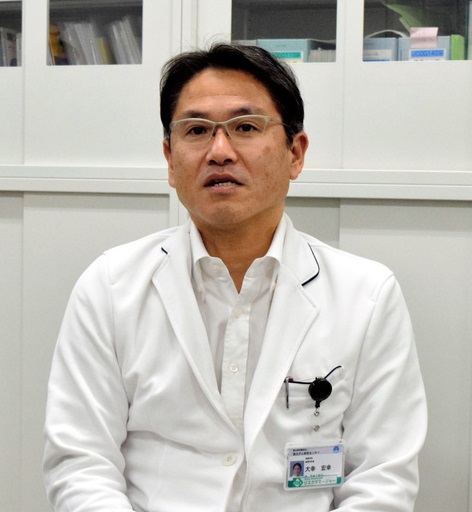 Hiroyuki Daiko合作论文数Esophageal Surgery, National Cancer Center Hospital28
 Kei Muro合作论文数Department of Clinical Oncology, Aichi Cancer Center Hospital;Outpatient Treatment Center, Aichi Cancer Center Hospital27Hironori Fujieda合作论文数26Masataka Okuno合作论文数24Kawakami Jiro合作论文数23Yoshinori Ito合作论文数22Yasumasa Niwa合作论文数21
 Yuko Kitagawa合作论文数Department of Surgery, Graduate School of Medicine, Keio University20
 Masato Nagino合作论文数Division of Surgical Oncology, Department of Surgery, Graduate School of Medicine, Nagoya University20
 Toshiaki Kikuchi合作论文数19Tanaka Tsutomu合作论文数19Nakamura Kenichi合作论文数19
 Satoru Miura合作论文数18
 Yusuke Sato合作论文数18
 Junki Mizusawa (水澤純基)合作论文数Biostatistics Section, Research Management Division, Clinical Research Support Office, National Cancer Center18
 Hiroya Takeuchi (竹内裕也)合作论文数Divisions of Gastroenterological & Vascular Surgery, School of Medicine, Hamamatsu University;Faculty of Medicine Surgery 2, Hamamatsu University;Department of Surgery, School of Medicine, Hamamatsu University18Kosuke Ichikawa合作论文数18Shigenori Kadowaki合作论文数17Daisuke Hayashi合作论文数16
 Satoshi Watanabe合作论文数Univ Tokyo, Dept Mat Engn, Bunkyo Ku, Tokyo 1138656, Japan16
 Keitaro Matsuo合作论文数Division of Cancer Epidemiology and Prevention, Aichi Cancer Center Research Institute16Taihei Oshiro合作论文数16Aina Kunitomo合作论文数15Ryunosuke Machida合作论文数15Shoji Satoshi合作论文数15Kimura Kenya合作论文数15Yasuhiro Tsubosa合作论文数15Hiroki Hara合作论文数14Takashi Kojima合作论文数14Oze Isao合作论文数Div Epidemiol & Prevent, Aichi Canc Ctr14Kawai Ryosuke合作论文数14An Byonggu合作论文数14Okajima Masaaki合作论文数14Shigeyoshi Itaru合作论文数14Tsutsuyama Masayuki合作论文数14




