David Smith was an exceptional chemical physicist who greatly contributed to the field of molecular science by inventing novel techniques and instruments to study gas-phase reactions of electrons and ions. These reactions are important for understanding the atmospheres and interstellar media. One of his inventions was the flowing afterglow Langmuir probe apparatus, which was used to collect data on electron attachment and electron–ion recombination. Another technique he developed was the selected ion flow tube (SIFT), which helped to understand thousands of ion–molecule reactions. This innovative technique has become the foundation of a new analytical method called SIFT-MS, which is currently used in various industries such as semiconductors and pharmaceuticals, as well as in biological and medical research.
Professor David Smith, PhD, FRS, passed away peacefully at home on 15 February 2023. Professor David Smith, one of nine children, was born 1935 in Stoke-on-Trent, UK. He was educated in physics and chemistry that resulted in his interest in gas discharge physics and this combined with a unique vision and inventiveness made him a leading figure in the experimental investigations of gas phase electron and ion chemistry. Among other achievements, he is known as the originator of the selected ion flow tube (SIFT) technique for the study of the kinetics of reactions of ions with molecules occurring in the interstellar space in the mid-1970s. Using this technique he studied with colleagues thousands of ion-molecule rate coefficients, most of which he kept in his phenomenal memory all of his life. This was a foundation for the development of the SIFT-MS analytical technique some 20 years later, which is now widely known in the breath gas community as one of the online tools for the quantification of breath gas constituents. In 1996, David wrote the first article detailing the utility of SIFT-MS for the quantitative and sensitive analysis of trace gases in breath. Today the breath gas literature is replete with articles reporting on breath-related studies employing SIFTMS. David Smith’s publications clearly illustrate his impact on the development of breath research over the past three decades. David was a founding member of the International Association of Breath Research (IABR), and a founding editorial board member of this journal. David’s unique contribution to breath analysis was his pioneering studies using SIFT-MS to measure the concentration of targeted volatile metabolites in breath in real-time. This approach provides quantitative information on the abundance of small molecules in breath that could not be observed in offline analyses of collected breath samples. His research was recognized nationally and internationally by many awards, notably election as a fellow of the Royal Society, London, UK,Honorary DSc, University of Keele, and most recently the Heyrovsky medal from the Czech Academy of Sciences. Additionally, a special issue of Journal of Breath Researchwas published in 2014 (J. BreathRes. 8 (2014) 030201) in recognition of David’s substantial contributions to the field of breath gas analysis. The breath research community will miss David for his unique contributions, critical approach to science, insight, vision and for his role in evocative discussions during international breath research meetings.
In contrast to blood and urine samples, breath is invisible and ubiquitous in the environment. Different precautions are now necessary beyond the usual 'Universal Precautions'. In the era of COVID-19, breath (especially the aerosol fraction) can no longer be considered as harmless in the clinic or laboratory. AsJournal of Breath Researchis a primary resource for breath-related research, we (the editors) are presently developing safety guidance applicable toall breath research, not just for those projects that involve known COVID-19 infected subjects. We are starting this process by implementing requirements on reporting safety precautions in research papers and notes. This editorial announces that authors of all new submissions to JBR henceforth must state clearly the procedures undertaken for assuring laboratory and clinical safety, much like the existing requirements for disclosing Ethics Committee or Institutional Review Board protocols for studies on human subjects. In the following, we additionally make some recommendations based on best practices drawn from our experience and input from the JBR Editorial Board.
Novel diagnostics have much promise, but they can be difficult to develop from concept to clinical utility. Herein, we review concepts germane to breath research, including metabolite selection and development vision, and offer some practical guidance. Although breath sampling is safe and can inexpensively and quickly deliver measurement results, clinical research evaluating breath analysis must adhere to the same safety and efficacy standards as other forms of clinical trials. A cohesive and well-resourced multidisciplinary team is required. Convincing results are expensive and time consuming to obtain, but essential for clinical, and ultimately, commercial success.
The scientific rationale for the use of simple masks or improvised facial coverings to trap exhaled aerosols and possibly reduce the breathborne spread of COVID-19, Joachim D Pleil, Jonathan D Beauchamp, Terence H Risby, Raed A Dweik
Ammonia physiology is important to numerous disease states including urea cycle disorders and hepatic encephalopathy. However, many unknowns persist regarding the ammonia response to common and potentially significant physiologic influences, such as food. Our aim was to evaluate the dynamic range of ammonia in response to an oral protein challenge in healthy participants. We measured blood and breath ammonia at baseline and every hour for 5.5 hours. Healthy men (N = 22, aged 18 to 24 years) consumed a 60 g protein shake (high dose); a subset of 10 consumed a 30 g protein shake (moderate dose) and 12 consumed an electrolyte drink containing 0 g protein (control). Change in blood ammonia over time varied by dose (p = 0.001). Difference in blood ammonia was significant for control versus high (p = 0.0004) and moderate versus high (p = 0.03). Change in breath ammonia over time varied by dose (p < 0.0001). Difference in breath ammonia was significant for control versus moderate (p = 0.03) and control versus high (p = 0.0003). Changes in blood and breath ammonia were detectable by fast, minimally-invasive (blood) or non-invasive (breath) point-of-care ammonia measurement methods. These pilot data may contribute to understanding normal ammonia metabolism. Novel measurement methods may aid research into genetic and metabolic ammonia disorders.
This review focuses on oxidative stress and more specifically lipid peroxidation in cardiac surgery, one of the fundamental theories of perioperative complications. We present the molecular pathways leading to lipid peroxidation and integrate analytical methods that allow detection of lipid peroxidation markers in the fluid phase with those focusing on volatile compounds in exhaled breath. In order to explore the accumulated data in the literature, we present a systematic review of quantitative analysis of malondialdehyde, a widely used lipid peroxidation product at various stages of cardiac surgery. This exploration reveals major limitations of existing studies in terms of variability of reported values and significant gaps due to discrete and variable sampling times during surgery. We also appraise methodologies that allow real-time and continuous monitoring of oxidative stress. Complimentary techniques highlight that beyond the widely acclaimed contribution of the cardiopulmonary bypass technology and myocardial reperfusion injury, the use of diathermy contributes significantly to intraoperative lipid peroxidation. We conclude that there is an urgent need to implement the theory of oxidative stress towards a paradigm change in the clinical practice. Firstly, we need to acquire definite and irrefutable information on the link between lipid peroxidation and post-operative complications by building international consensus on best analytical approaches towards generating qualitatively and quantitatively comparable datasets in coordinated multicentre studies. Secondly, we should move away from routine low-risk surgeries towards higher risk interventions where there is major unmet clinical need for improving patient journey and outcomes. There is also need for consensus on best therapeutic interventions which could be tested in convincing large scale clinical trials. As future directions, we propose combination of fluid phase platforms and 'metabography', an extended form of capnography-including real-time analysis of lipid peroxidation and volatile footprints of metabolism-for better patient phenotyping prior to and during high risk surgery towards molecular prediction, stratification and monitoring of the patient's journey.
Detection and analysis of volatile compounds in exhaled breath represents an attractive tool for monitoring the metabolic status of a patient and disease diagnosis, since it is non-invasive and fast. Numerous studies have already demonstrated the benefit of breath analysis in clinical settings/applications and encouraged multidisciplinary research to reveal new insights regarding the origins, pathways, and pathophysiological roles of breath components. Many breath analysis methods are currently available to help explore these directions, ranging from mass spectrometry to laser-based spectroscopy and sensor arrays. This review presents an update of the current status of optical methods, using near and mid-infrared sources, for clinical breath gas analysis over the last decade and describes recent technological developments and their applications. The review includes: tunable diode laser absorption spectroscopy, cavity ring-down spectroscopy, integrated cavity output spectroscopy, cavity-enhanced absorption spectroscopy, photoacoustic spectroscopy, quartz-enhanced photoacoustic spectroscopy, and optical frequency comb spectroscopy. A SWOT analysis (strengths, weaknesses, opportunities, and threats) is presented that describes the laser-based techniques within the clinical framework of breath research and their appealing features for clinical use.
Ethylene is a major plant hormone mediating developmental processes and stress responses to stimuli such as infection. We show here that ethylene is also produced during systemic inflammation in humans and is released in exhaled breath. Traces of ethylene were detected by laser spectroscopy both in vitro in isolated blood leukocytes exposed to bacterial lipopolysaccharide (LPS) as well as in vivo following LPS administration in healthy volunteers. Exposure to LPS triggers formation of ethylene as a product of lipid peroxidation induced by the respiratory burst. In humans, ethylene was detected prior to the increase of blood levels of inflammatory cytokines and stress-related hormones. Our results highlight that ethylene release is an early and integral component of in vivo lipid peroxidation with important clinical implications as a breath biomarker of bacterial infection.
Exhaled breath condensate (EBC) and associated exhaled breath aerosols (EBA) are valuable non-invasive biological media used for the quantification of biomarkers. EBC contains exhaled water vapor, soluble gas-phase (polar) organic compounds, ionic species, plus other species including semi-and non-volatile organic compounds, proteins, cell fragments, DNA, dissolved inorganic compounds, ions, and microbiota (bacteria and viruses) dissolved in the co-collected EBA. EBC is collected from subjects who breathe 'normally' through a chilled tube assembly for approximately 10 min and is then harvested into small vials for analysis. Aerosol filters without the chilled tube assembly are also used to separately collect EBA. Unlike typical gas-phase breath samples used for environmental and clinical applications, the constituents of EBC and EBA are not easily characterized by total volume or carbon dioxide (CO2) concentration, because the gas-phase is vented. Furthermore, EBC and associated EBA are greatly affected by breathing protocol, more specifically, depth of inhalation and expelled breath velocity. We have tested a new instrument developed by Loccioni Gruppa Humancare (Ancona, Italy) for implementation of EBC collection from human subjects to assess EBC collection parameters. The instrument is the first EBC collection device that provides instantaneous visual feedback to the subjects to control breathing patterns. In this report we describe the operation of the instrument, and present an overview of performance and analytical applications.
Breath research is an eclectic discipline that penetrates a variety of human biomonitoring applications. This year, the breath research community has delved into two relatively new topic areas with regards to (1) national security threat assessment and (2) forensic toxicology for tetrahydrocannabinol (THC) testing for marijuana intoxication. Other trending topics are the effects of physiological parameters and environment on the quality assurance and standardization of breath analysis and inter-laboratory comparability of data. These topics, and others, were presented and discussed at the Pittsburgh Conference on Analytical Chemistry and Applied Spectroscopy (PittCon Conference and Exposition).
The International Association of Breath Research (IABR), established in 2005, has organized a series of international conferences on breath research over the ensuing decade [1]. This year—from 13–15 September 2016—the international breath research community travelled to Zurich, Switzerland to present and discuss their research, hear the latest breakthroughs and emerging topics, network with existing collaborators, and establish new ties with peers from around the globe. The Swiss Federal Institute of Technology, Zurich (ETH Zürich), under the patronage of Ulrich Müller-Herold and Renato Zenobi, played host to the conference. The conference was attended by 200 delegates from countries spanning Australia, Canada, China, Europe, India, Israel, Japan, Russia, South Korea and USA. The scientific programme, chaired by Joachim Pleil with local host Pablo Martinez-Lozano Sinues, consisted of four plenary lectures, 13 keynote speakers, 60 platform presentations and over 60 technical posters. This editorial continues the series of meeting reports [1–6] by offering an overview and highlights of the IABR Breath Summit 2016. The conference commenced with some welcoming words from Marco Freek, executive director of IABR, Pablo Sinues, Terence Risby, Chair of IABR, and Joachim Pleil. A new feature this year was the introduction of focus groups, organized under the auspices of IABR, whose aims are to facilitate discussion and exchange of ideas on specific breath-related topics. These focus groups were proposed during the previous meeting in Vienna, Austria in 2015 and were summarized succinctly by Marieann Högman, Chair-Elect of IABR. To date, 13 focus groups have been established, comprising a range of diverse topics, namely: Standardisation co-chaired by Wolfram Miekisch (University of Rostock, Germany) and Jonathan Beauchamp; Clinical applications of breath testing chaired by Raed Dweik; Exhaled breath condensate (EBC) and aerosols chaired by Alison Montpetit (Virginia Commonwealth University, VA, USA); Engineering/sensors chaired by Cristina Davis (University of California Davis, CA, USA); Highresolution mass spectrometry chaired by Joachim Pleil; Human exposome and toxicity studies chaired by Michael Madden (Environ mental Protection Agency, NC, USA); In vitro metabolome chaired by Jane Hill (Dartmouth College, NH, USA); Medical diagnosis based on the use of stable isotopes chaired by Anil Modak (Cambridge Isotope Laboratories Inc., MA, USA); Oral metabolome (chair cur rently vacant); Perioperative and critical care chaired by Nandor Marczin (Imperial College London, UK); Real-time spectrometry and spectroscopy chaired by Patrik Španěl (Czech Academy of Sciences, Czech Republic); The human volatilome chaired by Norman Ratcliffe (University of the West of England, UK); and Veterinary studies and animal models chaired by Petra Reinhold (Friedrich Löffler Institute, Germany). Breath researchers are invited and encouraged to participate in these focus groups (with no restrictions on multiple memberships to different groups); readers who feel they could bring expertise to or benefit from a group should contact the IABR or the individual group chairs directly to express their interest and get involved; more complete details will be forthcoming on the new and improved IABR website (www.breathinternational.com).
This special issue, a collection of articles on the latest development in breath research, is dedicated to Professor Anton Amann PhD, who died tragically on 6 January 2015. Anton was born on 20 June 1956 in Bregenz, Austria. Since he was born into a well-known manufacturing dynasty located in Vorarlberg, Austria, his studies at the ETH Zurich in the field of chemistry were designed to serve as a technical basis for him to assume responsibility for his parents’ successful textile company. However, the decline of the regional textile industry shortly after he started his studies brought this entrepreneurial dream to an abrupt end. While at ETH Zurich, Anton was encouraged by Professor Hans Primas to apply his mathematical talents to theoretical chemistry. Anton became an expert on C* and W* algebras and focused his studies on the identification of quantum observables, the Jauch–Piron states of the quantum logic of molecular chirality, and the spectroscopy of single molecules. For both his diploma thesis in 1978 as well as his doctoral thesis in 1984 he received silver medals of the ETH Zurich. In 1991, Anton earned his habilitation1 in Physical Chemistry at the ETH Zurich and was appointed first as a research associate and subsequently as lecturer. In 1997, Anton earned his habilitation in Physical Chemistry at the University of Innsbruck and was appointed Professor. With this new appointment, Anton changed his research interests from theoretical to analytical chemistry, which were appropriate for leading a research anesthesia laboratory in the Department of Anesthesia and Intensive Care. Anton gradually succeeded to combine his broad expertise with vanguard ideas from medicine and biomathematics. After working on ECG data processing, (e.g. algorithms for detecting episodes of ventricular fibrillation and for removing artifacts due to resuscitation maneuvers), these efforts culminated in the question of how exhaled breath could be used for medical diagnosis. To help with this transition, Anton visited breath researchers around the world and one of these visits was to the Risby laboratories at Johns Hopkins in 2003. Anton, with help from the late Professor Werner Lindinger who was the developer of proton transfer reaction-mass spectrometry [1], proposed to make Innsbruck an international center of breath analysis. To achieve this lofty goal, he established long-standing collaborations with several institutes of the University of Innsbruck, the Medical University of Innsbruck, the University Hospital of Innsbruck, various regional hospitals, health insurance companies, as well as commercial partners (e.g. Roche Diagnostics, Ionicon, and Oncotyrol). Anton’s approach to breath analysis was comprehensive and ranged from multicenter clinical screening studies [2] to detailed investigations of the exhalation kinetics of specific volatile compounds [3, 4], and from headspace measurements of cell and bacteria cultures [5–7] to the analysis of volatiles released from breath, blood, urine, stool, and skin [8–10]. To achieve this highly ambitious and pioneering program, Anton equipped his laboratory with a full range of state-of-the-art mass spectrometers (PTR-TOF MS, TD GC-TOF MS, SIFT-MS, IMS, etc), thereby offering his research group the unique possibility to employ an unparalleled variety of analytical instrumentation to investigate the human volatilome [11]. In order to give the breath analysis community an international platform, Anton with the help from Professor Karl Unterkofler of the Vorarlberg University of Applied Sciences organized and chaired the conference ‘Breath Gas Analysis for Medical Diagnostics’ in Dornbirn, Austria in 2004. Prior to 2003, there had been only one international breath research conference in 2001, which was organized by Nandor Marczin and Magdi Yacoub, and held in Crete, Greece. As a direct result of the Dornbirn meeting, one year later the International Association of Breath Research (IABR) was founded at the Palace of Schönbrunn in Vienna. Anton was elected to lead IABR for 10 years as its chairman. From 2006 to 2009 Anton initiated and coordinated the EU Framework Program project ‘BAMOD’ (http://cordis.europa.eu/project/ rcn/78570_en.html), which dealt with fundamental questions regarding the detection of lung cancer via exhaled air and for the first time brought about a J King and T H Risby
Breath analysis has the potential to detect and monitor diseases as well as to reduce the corresponding medical costs while improving the quality of a patient’s life. Herein, a portable prototype, consisting of a commercial breath sampler modified to work as a platform for solid-state gas sensors was developed. The sensor is placed close to the mouth (<10 cm) and minimizes the mouth-to-sensor path to avoid contamination and dilution of the target breath marker. Additionally with an appropriate cooling concept, even high sensor operating temperatures (e.g. 350 °C) could be used. Controlled sampling is crucial for accurate repeatable analysis of the human breath and these concerns have been addressed by this novel prototype. The device helps a subject control their exhaled flow rate which increases reproducibility of intra-subject breath samples. The operation of this flame-made selective chemo-resistive gas sensor is demonstrated by the detection of breath acetone.
Quantifying changes in ammonia and ethanol in blood and body fluid assays in response to food is cumbersome. We used breath analysis of ammonia, ethanol, hydrogen (an accepted standard of gut transit) and acetone to investigate gastrointestinal physiology. In 30 healthy participants, we measured each metabolite serially over 6 h in control and high protein trials. Two-way repeated measures ANOVA compared treatment (control versus intervention), change from baseline to maximum and interaction of treatment and time change. Interaction was significant for ammonia (p<0.0001) and hydrogen (p <0.0001). We describe the dynamic measurement of multiple metabolites in response to an oral challenge.
Blood ammonia is routinely used in clinical settings to assess systemic ammonia in hepatic encephalopathy and urea cycle disorders. Despite its drawbacks, blood measurement is often used as a comparator in breath studies because it is a standard clinical test. We sought to evaluate sources of measurement error and potential clinical utility of breath ammonia compared to blood ammonia.We measured breath ammonia in real time by quartz enhanced photoacoustic spectrometry and blood ammonia in 10 healthy and 10 cirrhotic participants. Each participant contributed 5 breath samples and blood for ammonia measurement within 1 h. We calculated the coefficient of variation (CV) for 5 breath ammonia values, reported medians of healthy and cirrhotic participants, and used scatterplots to display breath and blood ammonia.For healthy participants, mean age was 22 years (+/- 4), 70% were men, and body mass index (BMI) was 27 (+/- 5). For cirrhotic participants, mean age was 61 years (+/- 8), 60% were men, and BMI was 31 (+/- 7). Median blood ammonia for healthy participants was within normal range, 10 MU mol L-1 (interquartile range (IQR), 3-18) versus 46 mu mol L-1 (IQR, 23-66) for cirrhotic participants. Median breath ammonia was 379 pmol mL(-1) CO2 (IQR, 265-765) for healthy versus 350 pmol mL(-1) CO2 (IQR, 180-1013) for cirrhotic participants. CV was 17 +/- 6%.There remains an important unmet need in the evaluation of systemic ammonia, and breath measurement continues to demonstrate promise to fulfill this need. Given the many differences between breath and blood ammonia measurement, we examined biological explanations for our findings in healthy and cirrhotic participants. We conclude that based upon these preliminary data breath may offer clinically important information this is not provided by blood ammonia.
 Shelley S. Sehnert合作论文数17
 Joachim Dieter Pleil合作论文数Department of Environmental Sciences and Engineering, Gillings School of Global Public Health, University of North Carolina11
 Frank K. Tittel合作论文数Department of Electrical and Computer Engineering, Rice University10By Chin合作论文数9S.S. Lestz合作论文数9Stuart P. Cram合作论文数8
 Lisa A Spacek合作论文数8AMK Choi合作论文数7
 Steven F. Solga合作论文数Division of Gastroenterology, Department of Medicine, Perelman School of Medicine, University of Pennsylvania7L Jiang合作论文数7
 Rafał Lewicki合作论文数7James F. Burdick合作论文数6Mudalel Matthew L合作论文数6Ronald E Yasbin合作论文数6
 Jonathan D Beauchamp合作论文数6Je Campana合作论文数5
 S.M. Cristescu合作论文数Life Sci Trace Gas Res Grp, Radboud Univ Nijmegen5
 Peter Jurs合作论文数Department of Chemistry, Eberly College of Science, The Pennsylvania State University5Larry R. Field合作论文数5GB BULKLEY合作论文数5F. A. Serravallo合作论文数5
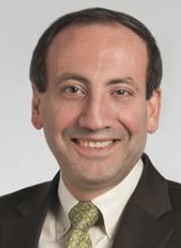 Raed Dweik合作论文数Case Western Reserve University;Lerner College of Medicine, Cleveland Clinic;Respiratory Institute, Cleveland Clinic5
 Anna Mae Diehl合作论文数Basic Research Laboratory, Department of Medicine, Duke University School of Medicine;Duke Cancer Institute5
 Nandor Marczin合作论文数Vascular Biology Center and Department of Pharmacology and Toxicology, Medical College of Georgia5KA Andreoni合作论文数4M Kazui合作论文数4Loccioni Claudio合作论文数4B. Fleet合作论文数4Frederick W Lampe合作论文数4James Yergey合作论文数4
 F.J.M. Harren (Frans)合作论文数AeroCount;Radboud University Nijmegen4Keary Cope合作论文数4
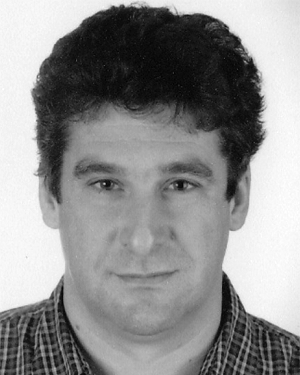 Wolfram Miekisch合作论文数4Jj Dulka合作论文数3G J Jakab合作论文数3Al Yergey合作论文数3Adolfo Russo合作论文数3Sp Cram合作论文数3WM FOSTER合作论文数3CE FIGGINS合作论文数3C Beattie合作论文数3M DUKOVICH合作论文数3
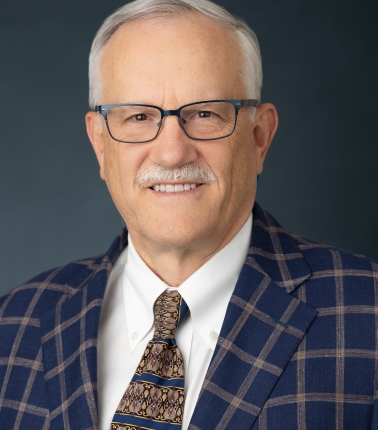 Lawrence J. Appel合作论文数Bloomberg School of Public Health, Johns Hopkins University;Division of Cardiovascular and Clinical Epidemiology, School of Medicine, Johns Hopkins University3Hekkert Sacco te Lintel合作论文数3
 Anatoliy A. Kosterev合作论文数Laser Science Group, Rice University3Anton Amann合作论文数Medizinische Universität Innsbruck/Universität Innsbruck3Roy M Dagnall合作论文数3
 Savitri Sharma合作论文数Laboratory Services, L V Prasad Eye Institute3




