Identifying the drivers of long-term population change is a key goal of ecological studies. It is complicated by extrinsic and intrinsic factors that may covary with time and/or operate on a time lag. For migratory shorebirds that breed on the barrier islands of eastern North America, populations may be limited by the anthropogenic, climatic, biological environments they encounter throughout the annual cycle. Using three-decades (1989–2017) of breeding monitoring data collected by the National Park Service at two national seashores in North Carolina (Hatteras and Lookout), we examined the potential drivers of nesting piping plover (Charadrius melodus) and American oystercatcher (Haematopus palliates) populations. Hatteras had five times more annual visitors than Lookout, and our modelling revealed a strong negative relationship between the population size of breeding plovers and human activity and a positive relationship with protection efforts aimed at reducing disturbance. Breeding and wintering climatic conditions, population productivity, and nesting habitat availability showed only weak effects. Thus, a decade-long decline in plover numbers at both seashores starting in the mid-90s reversed as the parks' visitor counts decreased and stricter protections from potential disturbance were implemented. However, the two sympatric populations of oystercatchers showed the opposite population trends from each other at the neighboring seashores, increasing only on Lookout after a hurricane improved habitat and subsequently the reproductive output. Our study suggests a strong relationship between the anthropogenic environment and the population trend of a threatened species and, simultaneously, the important role of stochastic events in shaping populations of long-lived shorebird species.
Exotic predators create novel ecological contexts for native species, particularly when prey exhibit predator naïve behaviors. Population recovery of island endemic species following predator eradication has been documented broadly, but studies examining mammalian prey behavioral responses to exotic predator removal are less common. The Key Largo woodrat (Neotoma floridana smalli) is an endangered Florida endemic species that exhibited drastic declines, signified by the loss of natural stick-nests, over the past three decades due to habitat loss and effects from exotic predators. We conducted camera trap surveys of woodrats at supplemental nests and used dynamic multistate occupancy models to evaluate changes in woodrat distribution and stick-nest building behavior over a two-year period of exotic predator (domestic cats [Felis catus] and Burmese pythons [Python bivittatus]) removal. The distribution of woodrats using supplemental nests increased from 27% to 39% in the two-year period, while the proportion of occupied supplemental nests with stick-nests increased from 37% in 2013 to 54% in 2015. The probabilities of supplemental nest use and stick-nest building behavior increased over time following a gradient away from the northern extent of Key Largo, an area associated with high cat activity and the only sites of python captures during the surveys. Woodrats that built stick-nests were more detectable than those that did not, which suggests that stick-nest building could make woodrats more susceptible to predation from novel predators when performing the behavior. We documented increasing woodrat occurrence, along with increasing stick-nest building behavior, which supports recovery and management objectives focused on exotic predator removal.
Accurate estimates of population abundance are essential to both theoretical and applied ecology. Rarely are all individuals detected during a survey and abundance models often incorporate some form of imperfect detection. Detection probability, however, consists of three components: probability of presence during a survey, probability of availability given presence, and probability of detection given availability and presence. We develop an integrated model to separate these three detection components and provide abundance estimates for the available, present, and superpopulation of individuals. Our framework integrates several common survey methods for unmarked populations: spatially and temporally replicated counts, distance sampling data, and time-of-detection data. Simulations indicated relatively unbiased estimates for detection and availability probabilities. Negative bias in estimated superpopulation abundance was present with three temporally replicated surveys, but greatly reduced with six surveys. In a case study of Island Scrub-Jays (Aphelocoma insularis), posterior modes for presence, availability, and detection probabilities were 0.78, 0.96, and 0.26, respectively, from 10-min point counts repeated at 97 sites on three occasions, with noticeable differences among available, present, and superpopulation abundance estimates. This generalizable framework integrates common sampling protocols and provides joint inferences on the components of detection probability, spatial and non-spatial temporary emigration, and abundance in unmarked populations.
Shorebird populations face increasing challenges as rising sea levels and growing human populations constrain their breeding habitats. On recreational beaches, the nesting season often coincides with a season of high visitor use, increasing the potential for conflict, which may negatively influence beach-nesting shorebird species. We designed a field experiment to study the responses of nesting American Oystercatchers (Haematopus palliatus) to off-road passenger vehicles (ORVs) at Cape Hatteras and Cape Lookout National Seashores in North Carolina, USA. We used continuous video and heart rate recordings to assess changes in the behavior and physiology of incubating oystercatchers. We conducted driving experiments affecting 7 nesting pairs in 2014 and 19 nesting pairs in 2015, between April and July of each year. Experimental treatments were repeated throughout the incubation period for each nest. Although responses were highly variable within and among pairs, paired randomized permutation tests indicated that, overall, oystercatcher pairs spent a greater proportion of time with their heads up and exhibited slower heart rates during driving treatments. Pairs also left their nests more frequently and attended their nests for a lower proportion of time during driving treatments, although these responses diminished over time. Higher nest attendance and lower departure rates late in incubation may have reflected a stronger attachment to nests closer to hatching or habituation to the driving treatment, although individuals continued to exhibit physiological responses to passing vehicles throughout incubation. Beach-nesting birds may benefit from reduced vehicle traffic at their nesting sites, allowing parents to spend more time attending the nest and less time on defensive behaviors.
Feral and free-ranging domestic cats (Felis catus) can have strong negative effects on small mammals and birds, particularly in island ecosystems. We deployed camera traps to study free-ranging cats in national wildlife refuges and state parks on Big Pine Key and Key Largo in the Florida Keys, USA, and used spatial capture–recapture models to estimate cat abundance, movement, and activities. We also used stable isotope analyses to examine the diet of cats captured on public lands. Top population models separated cats based on differences in movement and detection with three and two latent groups on Big Pine Key and Key Largo, respectively. We hypothesize that these latent groups represent feral, semi-feral, and indoor/outdoor house cats based on the estimated movement parameters of each group. Estimated cat densities and activity varied between the two islands, with relatively high densities (~4 cats/km2) exhibiting crepuscular diel patterns on Big Pine Key and lower densities (~1 cat/km2) exhibiting nocturnal diel patterns on Key Largo. These differences are most likely related to the higher proportion of house cats on Big Pine relative to Key Largo. Carbon and nitrogen isotope ratios from hair samples of free-ranging cats (n = 43) provided estimates of the proportion of wild and anthropogenic foods in cat diets. At the population level, cats on both islands consumed mostly anthropogenic foods (>80% of the diet), but eight individuals were effective predators of wildlife (>50% of the diet). We provide evidence that cat groups within a population move different distances, exhibit different activity patterns, and that individuals consume wildlife at different rates, which all have implications for managing this invasive predator.
The Lower Keys marsh rabbit (Sylvilagus palustris hefneri) is one of many endangered endemic species of the Florida Keys. The main threats are habitat loss and fragmentation from sea-level rise, development, and habitat succession. Exotic predators such as free-ranging domestic cats (Felis catus) pose an additional threat to these endangered small mammals. Management strategies have focused on habitat restoration and exotic predator control. However, the effectiveness of predator removal and the effects of anthropogenic habitat modifications and restoration have not been evaluated. Between 2013 and 2015, we used camera traps to survey marsh rabbits and free-ranging cats at 84 sites in the National Key Deer Refuge, Big Pine Key, Florida, USA. We used dynamic occupancy models to determine factors associated with marsh rabbit occurrence, colonization, extinction, and the co-occurrence of marsh rabbits and cats during a period of predator removal. Rabbit occurrence was positively related to freshwater habitat and patch size, but was negatively related to the number of individual cats detected at each site. Furthermore, marsh rabbit colonization was negatively associated with relative increases in the number of individual cats at each site between survey years. Cat occurrence was negatively associated with increasing distance from human developments. The probability of cat site extinction was positively related to a 2-year trapping effort, indicating that predator removal reduced the cat population. Dynamic co-occurrence models suggested that cats and marsh rabbits co-occur less frequently than expected under random conditions, whereas co-detections were site and survey-specific. Rabbit site extinction and colonization were not strongly conditional on cat presence, but corresponded with a negative association. Our results suggest that while rabbits can colonize and persist at sites where cats occur, it is the number of individual cats at a site that more strongly influences rabbit occupancy and colonization. These findings indicate that continued predator management would likely benefit endangered small mammals as they recolonize restored habitats.
Raccoons (Procyon lotor) are important predators of ground-nesting species in coastal systems. They have been identified as a primary cause of nest failure for the American Oystercatcher (Haematopus palliatus) throughout its range. Concerns over the long-term effects of raccoon predation and increased nest success following a hurricane inspired a mark-resight study of the raccoon population on a barrier island off North Carolina, USA. Approximately half of the raccoons were experimentally removed in 2008. Nests (n = 700) were monitored on two adjacent barrier islands during 2004-2013. Daily nest survival estimates were highest for 2004 (0.974 +/- 0.005) and lowest for 2007 and 2008 (0.925 +/- 0.009 and 0.925 +/- 0.010, respectively). The only model in our candidate set that received any support included island and time of season, along with a diminishing effect of the hurricane and a constant, 5-year effect of the raccoon removal. For both hurricane and raccoon removal, however, the support for island-specific effects was weak beta = -0.20 +/- 40.116 and 0.146 +/- 0.349, respectively). We conclude that either the raccoon reduction was inadequate, or factors other than predation cause more variation in nest success than previously recognized. A multi-faceted approach to management aimed at reducing nest losses to storm overwash, predation, and human disturbance is likely to yield the largest population level benefits.
In populations of long-lived species, adult survival typically has a relatively high influence on population growth. From a management perspective, however, adult survival can be difficult to increase in some instances, so other component rates must be considered to reverse population declines. In North Carolina, USA, management to conserve the American Oystercatcher (Haematopus palliatus) targets component vital rates related to fecundity, specifically nest and chick survival. The effectiveness of such a management approach in North Carolina was assessed by creating a three-stage female-based deterministic matrix model. Isoclines were produced from the matrix model to evaluate minimum nest and chick survival rates necessary to reverse population decline, assuming all other vital rates remained stable at mean values. Assuming accurate vital rates, breeding populations within North Carolina appear to be declining. To reverse this decline, combined nest and chick survival would need to increase from 0.14 to >= 0.27, a rate that appears to be attainable based on historical estimates. Results are heavily dependent on assumptions of other vital rates, most notably adult survival, revealing the need for accurate estimates of all vital rates to inform management actions. This approach provides valuable insights for evaluating conservation goals for species of concern.
The American Oystercatcher (Haematopus palliatus) Working Group formed spontaneously in 2001 as coastal waterbird biologists recognized the potential for American Oystercatchers to serve as focal species for collaborative research and management. Accomplishments over the past 15 years include the establishment of rangewide surveys, color-banding protocols, mark-resight studies, a revision of the Birds of North America species account, and new mechanisms for sharing ideas and data. Collaborations among State, Federal, and private sector scientists, natural resource managers, and dedicated volunteers have provided insights into the biology and conservation of American Oystercatchers in the United States and abroad that would not have been possible without the relationships formed through the Working Group. These accomplishments illustrate how broad collaborative approaches and the engagement of the public are key elements of effective shorebird conservation programs.
The Key Largo woodrat (Neotoma floridana smalli) and Key Largo cotton mouse (Peromyscus gossypinus allapaticola) are federally endangered subspecies endemic to the tropical hardwood hammocks of Key Largo, Florida. Woodrats are considered generalists in habitat and diet, yet a steady decline in natural stick nests and capture rates over the past several decades suggests that they are limited by the availability of nesting habitat due to habitat loss and fragmentation. The more specialized Key Largo cotton mouse appears to rely on old growth hammock, a habitat type that is rare following past land clearing. In 2004, the U.S. Fish and Wildlife Service started building supplemental nest structures to restore habitat quality and connectivity for these endangered rodents, but nest use requires evaluation. We used camera traps and occupancy models to evaluate the factors influencing woodrat and cotton mouse use of the supplemental nests. We detected woodrats at 65 and cotton mice at 175 of 284 sampled nest structures, with co‐occurrence at 38 nests. Woodrat nest use followed a gradient from low nest use in the north to high nest use in the south, which might relate to the proximity of free‐ranging domestic cat (Felis catus) colonies in residential developments. Cotton mouse nest use, however, was related positively to mature hammock and related negatively to disturbed areas (e.g. scarified lands). The two species occurred independently of each other. Stick‐stacking behavior was observed at supplemental nests and, although it was correlated with detection of woodrats, it was not a strong predictor of their occurrence. We suggest that nest supplementation can be an important tool for species recovery as habitat quality continues to improve with succession.
As human populations and associated development increase, interactions between humans and wildlife are occurring with greater frequency. The effects of these interactions, particularly on species whose populations are declining, are of great interest to ecologists, conservationists, land managers and natural resource policy‐makers. The American Oystercatcher Haematopus palliatus, a species of conservation concern in the USA, nests on coastal beaches subject to various forms of anthropogenic disturbance, including aircraft overflights, off‐road vehicles and pedestrians. This study assessed the effects of these human disturbances on the incubation behaviour and reproductive success of nesting American Oystercatchers at Cape Lookout National Seashore, on the Atlantic coast of the USA. We expanded on‐going monitoring of Oystercatchers at Cape Lookout National Seashore by supplementing periodic visual observations with continuous 24‐h video and audio recording at nests. Aircraft overflights were not associated with changes in Oystercatcher incubation behaviour, and we found no evidence that aircraft overflights influenced Oystercatcher reproductive success. However, Oystercatchers were on their nests significantly less often during off‐road vehicle and pedestrian events than they were during control periods before the events, and an increase in the number of off‐road vehicles passing a nest during incubation was consistently associated with significant reductions in daily nest survival (6% decrease in daily nest survival for a one‐vehicle increase in the average number of vehicles passing a nest each day; odds ratio = 0.94; 95% confidence interval (CI) 0.90, 0.98) and hatching success (12% decrease in hatching success for a one‐vehicle increase in the average number of vehicles passing a nest each day; odds ratio = 0.88; 95% CI 0.76, 0.97). Management of vehicles and pedestrians in areas of Oystercatcher breeding is important for the conservation of American Oystercatchers.
Fire suppression in southern Appalachian pine-oak forests during the past century dramatically altered the bird community. Fire return intervals decreased, resulting in local extirpation or population declines of many bird species adapted to post-fire plant communities. Within Great Smoky Mountains National Park, declines have been strongest for birds inhabiting xeric pine-oak forests that depend on frequent fire. The buildup of fuels after decades of fire suppression led to changes in the 1996 Great Smoky Mountains Fire Management Plan. Although fire return intervals remain well below historic levels, management changes have helped increase the amount of fire within the park over the past 20 years, providing an opportunity to study patterns of fire severity, time since burn, and bird occurrence. We combined avian point counts in burned and unburned areas with remote sensing indices of fire severity to infer temporal changes in bird occurrence for up to 28 years following fire. Using hierarchical linear models that account for the possibility of a species presence at a site when no individuals are detected, we developed occurrence models for 24 species: 13 occurred more frequently in burned areas, 2 occurred less frequently, and 9 showed no significant difference between burned and unburned areas. Within burned areas, the top models for each species included fire severity, time since burn, or both, suggesting that fire influenced patterns of species occurrence for all 24 species. Our findings suggest that no single fire management strategy will suit all species. To capture peak occupancy for the entire bird community within xeric pine-oak forests, at least 3 fire regimes may be necessary; one applying frequent low severity fire, another using infrequent low severity fire, and a third using infrequently applied high severity fire.
Coastal ecosystems are under increasing pressure from human activity, introduced species, sea level rise, and storm activity. Hurricanes are a powerful destructive force, but can also renew coastal habitats. In 2003, Hurricane Isabel altered the barrier islands of North Carolina, flattening dunes and creating sand flats. American Oystercatchers (Haematopus palliatus) are large shorebirds that inhabit the coastal zone throughout the year. Alternative survival models were evaluated for 699 American Oystercatcher nests on North Core Banks and South Core Banks, North Carolina, USA, from 1999-2007. Nest survival on North Core Banks increased from 0.170 (SE = 0.002) to 0.772 (SE = 0.090) after the hurricane, with a carry-over effect lasting 2 years. A simple year effects model described nest survival on South Core Banks. Habitat had no effect on survival except when the overall rate of nest survival was at intermediate levels (0.300-0.600), when nests on open flats survived at a higher rate (0.600; SE = 0.112) than nests in dune habitat (0.243; SE = 0.094). Predator activity declined on North Core Banks after the hurricane and corresponded with an increase in nest survival. Periodic years with elevated nest survival may offset low annual productivity and contribute to the stability of American Oystercatcher populations.
Remotely sensed differenced normalized burn ratios (DNBR) provide an index of fire severity across the footprint of a fire. We asked whether this index was useful for explaining patterns of bird occurrence within fire adapted xeric pine-oak forests of the southern Appalachian Mountains.
Raccoons (Procyon lotor) are highly adaptable meso-carnivores that inhabit many environments, including the Atlantic barrier islands, where their role as predators of declining, beach-nesting bird and turtle species is of particular interest. Population models that improve our understanding of predator-prey dynamics are receiving increasing attention in the literature; however, their effective application requires site-specific information on population parameters. We studied an unharvested raccoon population on the Outer Banks of North Carolina and evaluated spatial and seasonal differences in a number of population/demographic factors of raccoons inhabiting areas of high and low human activity. Raccoons denned and foraged primarily in salt marsh habitats but shifted their movements in response to changes in seasonal resource conditions. The population was skewed toward older animals and exhibited delayed breeding, typical of populations at high density with few sources of mortality. Diet and movement analysis indicated shorebird and turtle predation was attributed to a small number of individual raccoons. Although seasonal resources appeared adequate to sustain a high population density of raccoons, poor body condition and low recruitment suggested a population near carrying capacity.
Summary Populations are rarely censused. Instead, observations are subject to incomplete detection, misclassification and detection heterogeneity that result from human and environmental constraints. Though numerous methods have been developed to deal with observational uncertainty, validation under field conditions is rare because truth is rarely known in these cases. We present the most comprehensive test of occupancy estimation methods to date, using more than 33 000 auditory call observations collected under standard field conditions and where the true occupancy status of sites was known. Basic occupancy estimation approaches were biased when two key assumptions were not met: that no false positives occur and that no unexplained heterogeneity in detection parameters occurs. The greatest bias occurred for dynamic parameters (i.e. local colonization and extinction), and in many cases, the degree of inaccuracy would render results largely useless. We examined three approaches to increase adherence or relax these assumptions: modifying the sampling design, employing estimators that account for false‐positive detections and using covariates to account for site‐level heterogeneity in both false‐negative and false‐positive detection probabilities. We demonstrate that bias can be substantially reduced by modifications to sampling methods and by using estimators that simultaneously account for false‐positive detections and site‐level covariates to explain heterogeneity. Our results demonstrate that even small probabilities of misidentification and among‐site detection heterogeneity can have severe effects on estimator reliability if ignored. We challenge researchers to place greater attention on both heterogeneity and false positives when designing and analysing occupancy studies. We provide 9 specific recommendations for the design, implementation and analysis of occupancy studies to better meet this challenge.
ABSTRACTUnbiased estimators of abundance and density are fundamental to the study of animal ecology and critical for making sound management decisions. Capture–recapture models are generally considered the most robust approach for estimating these parameters but rely on a number of assumptions that are often violated but rarely validated. Mark‐resight models, a form of capture–recapture, are well suited for use with noninvasive sampling methods and allow for a number of assumptions to be relaxed. We used ancillary data from continuous video and radio telemetry to evaluate the assumptions of mark‐resight models for abundance estimation on a barrier island raccoon (Procyon lotor) population using camera traps. Our island study site was geographically closed, allowing us to estimate real survival and in situ recruitment in addition to population size. We found several sources of bias due to heterogeneity of capture probabilities in our study, including camera placement, animal movement, island physiography, and animal behavior. Almost all sources of heterogeneity could be accounted for using the sophisticated mark‐resight models developed by McClintock et al. (2009b) and this model generated estimates similar to a spatially explicit mark‐resight model previously developed for this population during our study. Spatially explicit capture–recapture models have become an important tool in ecology and confer a number of advantages; however, non‐spatial models that account for inherent individual heterogeneity may perform nearly as well, especially where immigration and emigration are limited. Non‐spatial models are computationally less demanding, do not make implicit assumptions related to the isotropy of home ranges, and can provide insights with respect to the biological traits of the local population. © 2015 The Wildlife Society.
was affected by year and island, and declined over the nesting season. Mammals were responsible for 54% of identified nest failures. Daily brood survival (mean 0.981, SE 0.002) varied by island and increased non-linearly with age, with highest mortality in the seven days after hatching. Model results indicate direct access to foraging sites has a positive effect on brood survival, whereas presence of off-road vehicles has a negative effect. We studied chick behavior and survival using radio telemetry and direct observation and found that vehicles caused mortality and affected behavior and resource use by oystercatcher chicks. We identified the source of mortality for 37 radio-tagged chicks. Six (16%) were killed by vehicles, 21 (57%) by predators, and 10 (27%) by exposure and starvation. From 1995 to 2008, 25 additional oystercatcher chicks were found dead, 13 (52%) killed by vehicles. Chicks on beaches closed to vehicles used beach and intertidal zones more frequently than chicks on beaches open to vehicles. Chick predators included Great Horned Owls Bubo virginianus, Fish Crows Corvus ossifragus, cats Felis catus, mink Mustela vison, raccoons Procyon lotor, and ghost crabs Ocypode albicans. The factors affecting reproductive success differed between the incubation and chick-rearing stages. Management actions that influence chick survival will have a larger effect on total productivity than actions affecting nest survival.
ABSTRACT The extensive breeding range of many shorebird species can make integration of survey data problematic at regional spatial scales. We evaluated the effectiveness of standardized repeated count surveys coordinated across 8 agencies to estimate the abundance of American Oystercatcher (Haematopus palliatus) breeding pairs in the southeastern United States. Breeding season surveys were conducted across coastal North Carolina (90 plots) and the Eastern Shore of Virginia (3 plots). Plots were visited on 1–5 occasions during April–June 2013. N-mixture models were used to estimate abundance and detection probability in relation to survey date, tide stage, plot size, and plot location (coastal bay vs. barrier island). The estimated abundance of oystercatchers in the surveyed area was 1,048 individuals (95% credible interval: 851–1,408) and 470 pairs (384–637), substantially higher than estimates that did not account for detection probability (maximum counts of 674 individuals and 316 pairs). Detection probability was influenced by a quadratic function of survey date, and increased from mid-April (~0.60) to mid-May (~0.80), then remained relatively constant through June. Detection probability was also higher during high tide than during low, rising, or falling tides. Abundance estimates from N-mixture models were validated at 13 plots by exhaustive productivity studies (2–5 surveys wk−1). Intensive productivity studies identified 78 breeding pairs across 13 productivity plots while the N-mixture model abundance estimate was 74 pairs (62–119) using only 1–5 replicated surveys season−1. Our results indicate that standardized replicated count surveys coordinated across multiple agencies and conducted during a relatively short time window (closure assumption) provide tremendous potential to meet both agency-level (e.g., state) and regional-level (e.g., flyway) objectives in large-scale shorebird monitoring programs.
 Kenneth Hugh Pollock (Kenneth H. Pollock)合作论文数Department of Biology, North Carolina State University33
 George L. Farnsworth合作论文数13Mathew W. Alldredge合作论文数13
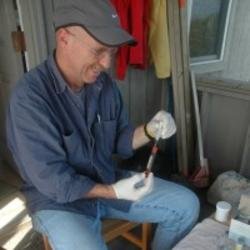 O'Connell Allan F合作论文数10Larissa L. Bailey合作论文数Department of Zoology, North Carolina State University9
 Beth Gardner合作论文数School of Environmental and Forest Sciences, University of Washington8
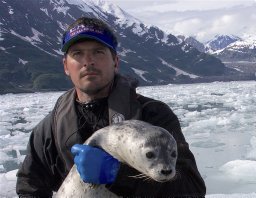 Brett T. Mcclintock合作论文数Department of Fishery and Wildlife Biology, Colorado State University5Shiloh A. Schulte合作论文数5eli t rose合作论文数4Nathan J Hostetter合作论文数Washington Cooperat Fish & Wildlife Res Unit, Univ Washington4Conor P. McGowan合作论文数4
 James Nichols合作论文数USGS Eastern Ecological Science Center, US Department of the Interior;Northeast Climate Adaptation Science Center, University of Massachusetts Amherst4
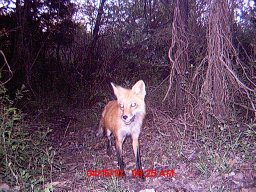 Michael Cove合作论文数Department of Biology and Agriculture, University of Central Missouri4
 Arielle Waldstein Parsons合作论文数4
 John R. Sauer合作论文数U.S. Geological Survey4
 Susan Ann Shriner合作论文数Department of Fishery and Wildlife Biology;Colorado State University;Department of Fishery and Wildlife Biology, Colorado State University4
 Krishna Pacifici合作论文数US Geological Survey;NC Cooperative Fish;Wildife Research Unit;Department of Zoology;Department of Zoology, NC Cooperative Fish4Stocking Jessica J合作论文数3Jason D. Riddle合作论文数3
 Michael Stoskopf合作论文数Department of Clinical Sciences, College of Veterinary Medicine, North Carolina State University3Kathleen E. Franzreb合作论文数3
 Jaime A. Collazo合作论文数North Carolina Cooperative Fish and Wildlife Research Unit, North Carolina State University3Robert P. Clay合作论文数2John M. Wettroth合作论文数2Ke Franzreb合作论文数2Jerome P. Brewster合作论文数2
 Shilo K. Felton合作论文数North Carolina Cooperat Fish & Wildlife Res Unit, North Carolina State Univ2tracy e borneman合作论文数2Weir Linda A合作论文数2
 Grant Evan H Campbell合作论文数SO Conte Anadromous Fish Lab, Patuxent Wildlife Res Ctr2Debra Reynolds合作论文数2
 Christopher S DePerno合作论文数Fisheries and Wildlife Sciences Program;Department of Forestry and Environmental Resources;North Carolina State University;Department of Forestry and Environmental Resources, North Carolina State University2
 T. Scott Sillett合作论文数Smithsonian Migratory Bird Center, National Zoological Park2
 Frank R. Moore (Frank Moore)合作论文数Department of Biological Sciences, The University of Southern Mississippi2Andrei L. Podolsky合作论文数2Kerry N. Rabenold合作论文数2
 Sidney Gauthreaux合作论文数Department of Biological Sciences;Clemson University2Arielle H. Waldstein合作论文数2
 Jeremy W. Lichstein合作论文数Department of Ecology and Evolutionary Biology, Princeton University2Stephen J. Stanislav合作论文数2Steven G. Fancy合作论文数U. S. Fish and Wildlife Service Patuxent Wildlife Research Center;Hawai ' i Research Group2Jeff Cordes合作论文数2
 Christopher Moorman合作论文数Fisheries and Wildlife Sciences Program;Department of Forestry and Environmental Resources;North Carolina State University;Department of Forestry and Environmental Resources, North Carolina State University2
 David A. Buehler合作论文数Department of Forestry;University of Tennessee;Department of Forestry, University of Tennessee2
 David A. W. Miller合作论文数Department of Ecosystem Science and Management, College of Agricultural Sciences, The Pennsylvania State University2Scott M. Pearson合作论文数1Andrew S. Maurer合作论文数1graham w smith合作论文数1Lindsay M. Addison合作论文数1




