Since its installation on the Hubble Space Telescope in 2009, the Cosmic Origins Spectrograph (COS) has obtained thousands of spectra in the ultraviolet. Most of these observations have used the far ultraviolet (FUV) channel. The microchannel plates in the FUV detector are subject to gain sag, resulting in a loss of sensitivity as a function of time, so the spectra are regularly repositioned to mitigate this effect. The original operations concept allowed space for spectra to be placed at five separate Lifetime Positions (LPs) on the detector, and the last of these will become operational in October 2021. Recent investigations into extending the operations of COS beyond 2025 have led to the realization that the instrument is capable of supporting additional LPs if operational changes are adopted. As a result, we have begun planning for taking data at LP6, which will use an area on the detector originally thought to be unavailable, beginning in 2022. Exploratory work for this effort began in late 2020, and additional characterization and calibration will continue over the next year. Here we discuss our plans for operating COS at LP6 and beyond.
The Far Ultraviolet detector of the Cosmic Origin Spectrograph (COS) on the Hubble Space Telescope (HST) is subject to distortions on a range of spatial scales in its two-dimensional format due to its analog nature. Incomplete correction of these effects can lead to errors in wavelength scales and flux measurements in the calibrated spectra. Two of the largest sources of error are geometric distortion and walk. Although they are accounted for separately in the CalCOS calibration pipeline, they are highly coupled and can be considered as manifestations of the same effect. The current calibration pipeline does not apply any walk correction in the dispersion direction even though walk-induced errors can be more than a resolution element in some cases. The current geometric correction, which was derived without considering walk effects, is also known to have inaccuracies. As part of our efforts to improve the wavelength calibration of COS, we have revisited the existing walk and geometric correction using both prelaunch and on-orbit data.
This chapter reviews the scientific information that has been extracted from the zeta Aur binaries by various methods, surveys the kinds of spectroscopic data that have been used in those analyses, and examines each of the 10 known eclipsing systems in turn, except for VV Cep which is treated separately in Chap. 3. It describes what has been achieved by modelling, and assesses what has been learned so far about the mass loss and winds from the cool giants and supergiants in those systems. It tries to keep in focus the fundamental questions posed at the end of the previous chapter (Sect. 1.8), in particular the role of the zeta Aur binaries as templates for single stars, and suggests observing strategies for the future.
This opening chapter provides a brief historical overview of the zeta Aur stars, with a focus on what K.O. Wright, his predecessors and colleagues at the Dominion Astrophysical Observatory, and his contemporaries further afield, achieved during the era of pre-electronic data. It places the topic within the framework of modern observing, data management and computing, outlines the principal features of the chromospheric-eclipse phenomena which single out the zeta Aur binaries for special study, and describes the considerable potential which this remarkable yet very select group of stars offers for increasing our understanding of stellar physics.
This opening chapter provides a brief historical overview of the ζ Aur stars, with a focus on what K.O. Wright, his predecessors and colleagues at the Dominion Astrophysical Observatory, and his contemporaries further afield, achieved during the era of pre-electronic data. It places the topic within the framework of modern observing, data management and computing, outlines the principal features of the chromospheric-eclipse phenomena which single out the ζ Aur binaries for special study, and describes the considerable potential which this remarkable yet very select group of stars offers for increasing our understanding of stellar physics.
The procedures used to develop and test the COS FUV fixed pattern noise template to correct the gridwire shadows in the G130M and G160M gratings are described. 1-D templates were derived by the FP-split technique. These were replicated over the active areas of the detectors to create 2-D flat fields that are easily implemented in CalCOS. The flat fields were tested on a number of high signal-to-noise data sets. The result show an increase in both the quality of the spectrum and the amount of useable spectra. Signal-to-noise ratios over regions affected by the gridwire shadows have an average increase of ∼30% for segment A and ∼26% for segment B in x1dsum combined spectra utilizing more than 1 FP-POS. We also describe an alternative approach to deriving 1-D flat field templates whose results agree well with the templates determined from the FP-split algorithm and which produces well defined errors. We use these templates to characterize the fixed pattern noise which remains after the gridwires have been corrected and to estimate the ultimate signal-to-noise capabilities of COS x1dsum data.
The Cosmic Origins Spectrograph (COS) was installed into the Hubble Space Telescope (HST) during Servicing Mission 4 (SM4) in May 2009. COS is designed to obtain spectra of faint objects at moderate spectral resolution (R > 16,000) in two channels: FUV, covering wavelengths from 1150 to 1450 angstrom; and NUV, covering 1700 - 3200 angstrom. Two low resolution gratings (R > 1500) cover the < 900 - 2050 angstrom (FUV) and 1650 - 3200 angstrom (NUV) wavelength regions. An imaging capability is also available on the NUV channel.As part of the Hubble Servicing Mission Observatory Verification (SMOV) program, an extensive period of checkout, fine-tuning and preliminary characterization began after the installation of COS. The COS SMOV program was a cooperative effort between the Space Telescope Science Institute and the Instrument Definition Team based at the University of Colorado. Nearly 2800 COS exposures in 34 separate observing programs were obtained during the course of SMOV. Early activities included an initial instrument functional checkout, turn-on and initial characterization of the detectors, NUV and FUV channel focus and alignment, and target acquisition verification and assessment. Once this initial period was completed, science-related calibrations and verifications were performed in order to prepare the instrument for normal science operations. These activities included wavelength calibration, flux calibration, detector flat field characterization, spectroscopic performance verification, high S/N operation, and thermal and structural stability measurements. We discuss the design, execution and results of the SMOV program, including the interrelationships between the various tasks, and how the pre-launch plan was adjusted in real-time due to changing conditions.
The COS FUV channel employs a detector comprised of two microchannel plate (MCP) segments with cross delay line anodes. The detector shows several types of non-uniformities due to the hexagonal and moire patterns in the MCPs, dead spots, gain variations, and shadows from the wire grid installed in front of the MCPs to increase quantum efficiency. These features induce fixed-pattern noise in FUV spectra. The effects of these artifacts can be reduced by dividing the data by a flat field and combining exposures taken at different grating settings. A spectral iterative technique, similar to that used for GHRS and FOS, shows that S/N > 100 can be achieved in extracted spectra. Although flat field observations were obtained during SMOV using white dwarfs, a two dimensional flat field of sufficient quality for standard CALCOS processing was not achieved. Other methodologies are being explored for flat field correction and are expected to be installed in CALCOS to improve the S/N of data incrementally. As an initial step, CALCOS currently ignores grid wire regions when creating a summed spectrum from exposures taken at different FP-POS positions. Average one-dimensional flats generated through spectral iteration have been investigated to correct individual exposures and show promise as an alternate flat fielding methodology. These may require separate flat fields for different cross-dispersion locations. An important result is that the flat fields and flux calibrations used by CALCOS are dependent on each other and should be derived together.
After the Cosmic Origins Spectrograph (COS) was installed onboard the Hubble Space Telescope (HST) in May 2009, it underwent an extensive calibration and characterization check-out during the Servicing Mission Observatory Verification (SMOV) period. The results from this program were used to update reference files and make changes to CALCOS, the COS data processing software .I mprovements to the standard data products are discussed. For the FUV channel, we have begun development of a flat-field correction. As an intermediate step, grid wire shadows are now ignored when combining FP-POS exposures. Pulse-height filtering has been activated to reduce background features. For the NUV channel, vignetting correc- tions are incorporated in the flat field file. For both channels ,i mprovements have been made in the wavelength scales, flux calibration, and data quality flagging. Ad- ditional data are included in the FITS products to allow user st o perform customized processing.
 David J. Sahnow合作论文数28
 William P. Blair合作论文数Department of Physics and Astronomy, Johns Hopkins University17
 Jason B McPhate合作论文数13
 Steven V. Penton合作论文数13
 Cristina Oliveira合作论文数12
 H. Warren Moos合作论文数William H. Miller III Department of Physics & Astronomy, Krieger School of Arts & Sciences, Johns Hopkins University12
 Jeffrey Walter Kruk合作论文数Goddard Space Flight Center, NASA;Astrophysics Science Division, NASA11Derck Massa合作论文数10Charles R. Proffitt合作论文数10
 Bryce A. Roberts合作论文数10
 Alessandra Aloisi合作论文数Space Telescope Science Institute;NASA Headquarters9Rachel Plesha合作论文数8
 Stephane Beland合作论文数8
 Parviz Ghavamian合作论文数7Ravi Sankrit合作论文数7Charles D. Keyes合作论文数7Eric B. Burgh合作论文数7Jeffrey W Kruk合作论文数7Scott D Friedman合作论文数6
 William Van Dyke Dixon合作论文数6
 James C. Green合作论文数Department of Astrophysical & Planetary Sciences, College of Arts and Sciences, University of Colorado Boulder6Fuse Operations Team合作论文数5w h zheng合作论文数5H. W. Moos合作论文数5
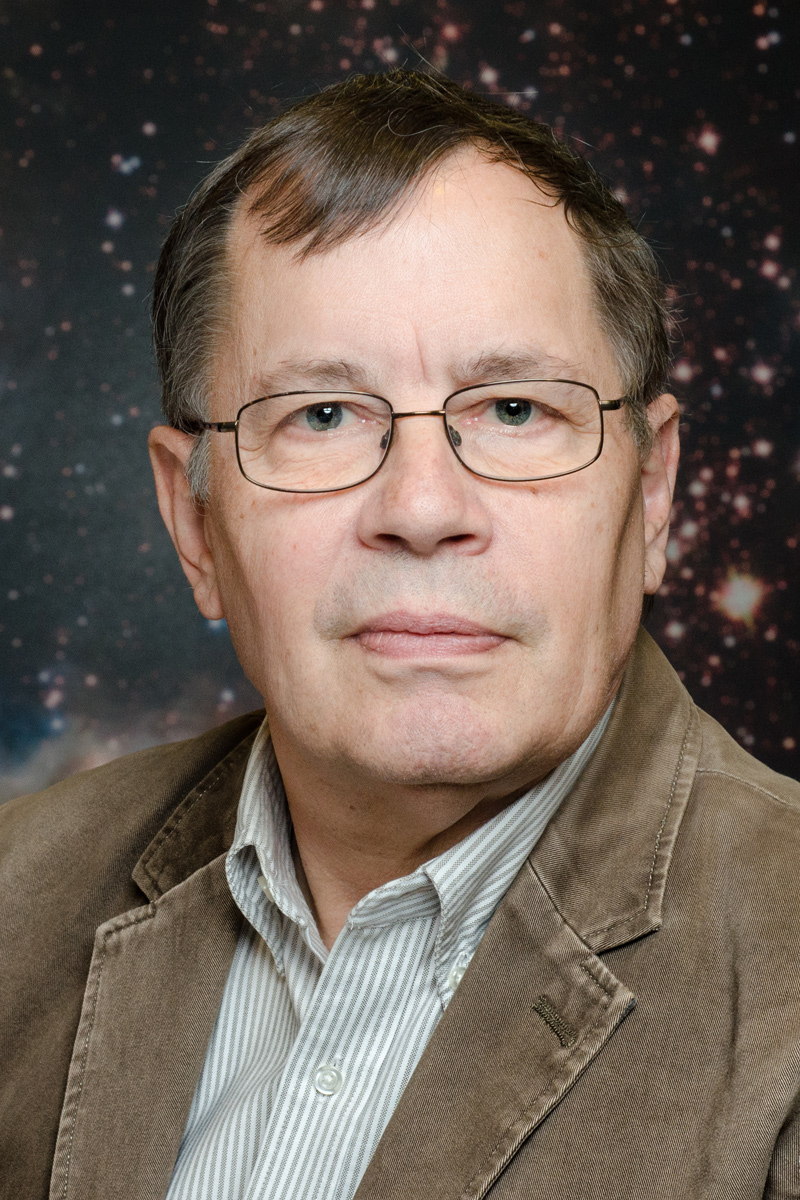 David Soderblom合作论文数Space Telescope Science Institute5
 B-G Andersson合作论文数5Daniel J. Lennon合作论文数5
 Rachel Osten合作论文数Space Telescope Science Institute;Center for Astrophysical Sciences, Johns Hopkins University5
 Kate Rowlands合作论文数Department of Mathematics, University of Wales5
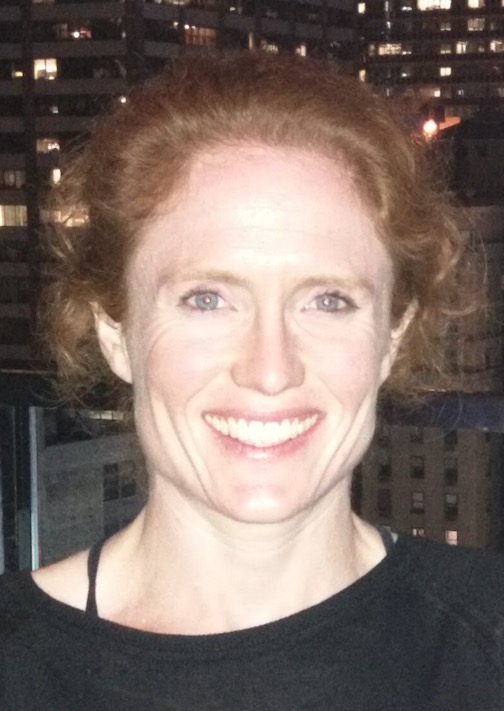 Julia Roman-Duval合作论文数Space Telescope Science Institute5philip e hodge合作论文数4Elaine M. Frazer合作论文数4
 Elizabeth Griffin合作论文数Canadas Natl Res Council Observ, Victoria, BC, Canada4
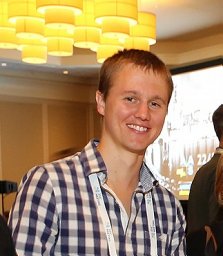 Justin Ely合作论文数Space Telescope Science Institute4
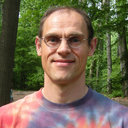 Paul Goudfrooij合作论文数4
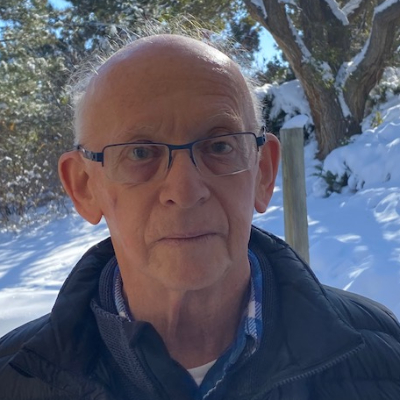 Jeffrey L. Linsky合作论文数Department of Astrophysical and Planetary Sciences, College of Arts and Sciences, University of Colorado Boulder4Andrea K. Dupree合作论文数4Steve Penton合作论文数4
 Cynthia S. Froning合作论文数Department of Astronomy, University of Texas at Austin;McDonald Observatory, University of Texas at Austin4Alice F. Berman合作论文数4michael a wolfe合作论文数3sami niemi合作论文数3thomas p delker合作论文数3Dzhuliya Dashtamirova合作论文数3
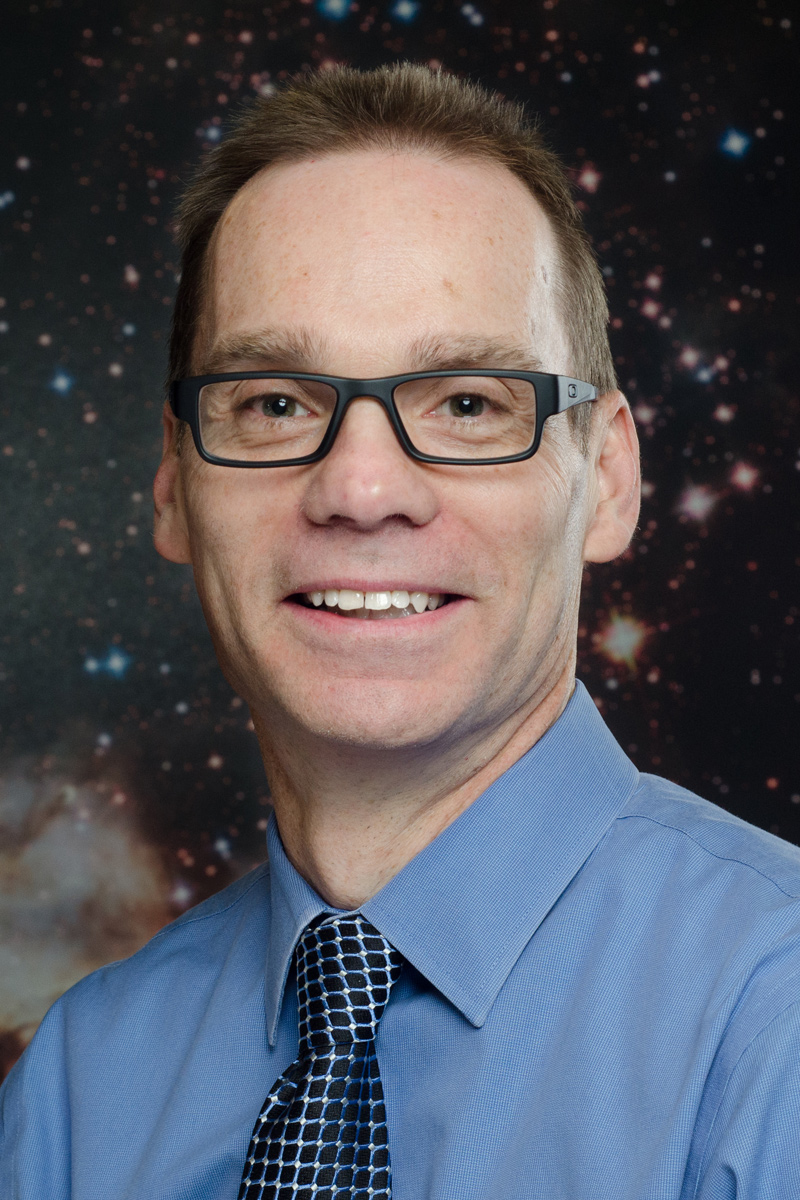 Kenneth Sembach合作论文数Space Telescope Science Institute3
 Peter R Young合作论文数National Aeronautics and Space Administration Goddard Space Flight Center3Richard D. Robinson合作论文数3Wei Zheng合作论文数Henry A. Rowland Department of Physics & Astronomy, Krieger School of Arts & Sciences, Johns Hopkins University3Mary Elizabeth Kaiser合作论文数3




