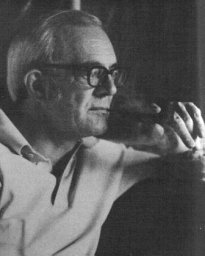
In a book as illuminating as it is captivating, Thomas E. Drabek presents an in-depth analysis of the emotional impacts of disaster events and the many ripple effects that follow. Through the technique of storytelling, a series of nine fictional stories where characters experience actual disasters of different types throughout the United States illustrate the vulnerabilities and resilience to enhance the readers understanding of disaster consequences. Designed for classroom use, each story is followed by an "Analysis" section wherein discussion and research paper topics are recommended. These highlight links to published research findings. A "References" section details citations for all works included. Brief commentary in a "Notes" section adds further connections to other disasters and relevant research studies. The Sociology of Disaster is an important innovation in disaster education and will become an invaluable resource within universities and colleges that offer degrees in emergency management at both the undergraduate and graduate levels.
While professors in other sub-fields of sociology occasionally have incorporated fictional works into their courses, rarely, if at all, has this been attempted in disaster and hazard studies. This paper is a summary of one such effort including both the rationale and approach. Following discussion of context, a case example of an original fictional story is described including its origins and method of analysis. The story is rooted in an actual disaster and based on data obtained shortly afterwards. This approach provides both links to the humanities and greater depth of student understanding of core concepts, like multiorganizational coordination which is used in this case example. Through this strategy students enhance their ability to empathize with disaster responders and victims who too often are trapped in social structures that result in failure.
Coordination of emergent community responses to disasters has challenged emergency managers especially in highly decentralized nations. Following a statement of theoretical context, five topics are assessed: 1) problem identification: fragmentation; 2) objects of study; 3) basic principles; 4) change agent strategies; and 5) future research agendas. Recent research indicates that community change agents have implemented numerous strategies that have increased resilience and reduced vulnerability. The analysis concludes that emergency managers must transcend the paradigm of community coordination toward a more active image of community change agents. This paradigm shift suggests several research agendas, including among others, documentation of coordination processes stemming from mitigation efforts and social adaptations to the enormous human consequences of climate change, impacts and limitations of information technologies, gender and vulnerable population issues.
Death and social disruption caused by disasters of varying forms will continue to increase in the future. So too will the impacts on tourism, now one of the fastest growing and largest sectors of the worldwide economy. Tourist business managers must implement evidence-based preparedness activities to enhance the survival potential and future profitability of their firms. Drawing upon recent research studies of the tourist industry during times of crisis and the broad social science knowledge base regarding human responses to disaster, seven key lessons are described. Emergency managers must facilitate the incorporation of these lessons into the culture of tourist business managers.
What social factors best predict the relative effectiveness of community disaster responses? This question is explored through interview and questionnaire data obtained from 62 local emergency managers whose communities were impacted by some type of disaster event. Various coordination strategies used in the year prior to the event and during the response were assessed first. These and numerous other potential sources of constraint were used in regression analyses to determine predictors of response effectiveness (both as perceived by the local emergency manager and through ten evaluative criteria). Results indicated that both measures of response effectiveness were predicted by seven factors: 1) high level of domain consensus; 2) use of more coordination strategies by the local emergency manager during the response; 3) more lengthy period of forewarning; 4) more frequent disaster training activities and actual responses during the prior two years; 5) more frequent participation by local emergency manager in local service organizations; 6) high community growth rate; and 7) use of more managerial strategies by the local emergency manager during the prior year.
Research on emergent behavior has been a significant topic within disaster studies. Through a detailed review of the literature we provide background information about this particular branch of disaster sociology. Following a brief discussion of the process by which literature was selected, important trends and areas of debate are discussed. These include the validation of previous findings, an expansion of the discussion on emergent phenomena and a critique of the bureaucratic approach. We conclude with implications for the theory and practice of emergency management.
This quantitative study may be the first one to compare travelers' reactions to weather-related emergencies (e.g., earthquakes, hurricanes) with the responses of their professional hosts (e.g., hotel GMs, resort operators, campground managers). Telephone interviewers reached 603 people who had experienced such an emergency while traveling, 523 of whom also completed a follow-up questionnaire. Those responses were then compared to an existing data base of 185 managers' reactions to and preparations for public emergencies (including evacuation). For the most part, guests had a substantially different view of the managers' roles and responsibilities related to evacuations when compared to what steps and provisions the managers themselves felt obligated to provide. For example, one survey item asked about managers' disaster-evacuation planning. Almost two out of every three managers believed that preparations were adequate, while only half of the customers thought so. Another item addressed whether managers would call for an evacuation if not directly ordered to do so by local officials. Few customers (17 percent) believed that GMs would wait until forced to evacuate, yet more than a third of the managers agreed that that was their policy. Additional items show similar if less dramatic gaps between travelers' and managers' perceptions of what to do, and when, during an emergency. These include whether the hotel or resort is obligated to provide special services such as assistance for the disabled, road-evacuation directions, and food and water.
This quantitative study may be the first one to compare travelers' reactions to weather-related emergencies (e.g., earthquakes, hurricanes) with the responses of their professional hosts (e.g., hotel GMs, resort operators, campground managers). Telephone interviewers reached 603 people who had experienced such an emergency while traveling, 523 of whom also completed a follow-up questionnaire. Those responses were then compared to an existing data base of 185 managers' reactions to and preparations for public emergencies (including evacuation). For the most part, guests had a substantially different view of the managers' roles and responsibilities related to evacuations when compared to what steps and provisions the managers themselves felt obligated to provide. For example, one survey item asked about managers' disaster-evacuation planning. Almost two out of every three managers believed that preparations were adequate, while only half of the customers thought so. Another item addressed whether managers would call for an evacuation if not directly ordered to do so by local officials. Few customers (17 percent) believed that GMs would wait until forced to evacuate, yet more than a third of the managers agreed that that was their policy. Additional items show similar if less dramatic gaps between travelers' and managers' perceptions of what to do, and when, during an emergency. These include whether the hotel or resort is obligated to provide special services such as assistance for the disabled, road-evacuation directions, and food and water.
When people are at work and they learn that disaster is imminent, what are their responses ? To what degree are there pattern differences in their response profiles because of event variations or structural features of the business firm for which they work? Interviews with employees (n = 406) of 118 businesses impacted by one of seven different recent disasters provide the first answers to these questions. While there were many interdependencies among three areas of constraint, analyses documented that many, but not all, aspects of employee evacuation behavior were patterned significantly by: (1) length of forewarning; (2) organizational size; and (3) organizational mission.
When disaster strikes and people are away from home, how do they respond? Based on interviews with 827 transients, lodging firm executives, and community officials following five major disasters, this article provides answers to three questions: 1) how did the modal evacuation patterns among these transients differ from those documented for residential populations?; 2) what were the major pattern differences among four types of transients (i.e., tourists, business travelers, migrant workers and homeless persons)?; and 3) what key policy issues were perceived by this transient population as the most important matters to which lodging firm executives and local government officials should seek solutions?
Over a decade has passed since the publication of Human System Responses to Disaster (Drabek 1986) in which findings from nearly 1,000 sociological studies were inventoried. This work, referred to by some as “the disaster encyclopedia, “ is revisited in this essay through the exploration of three topics: (1) discussion of the origins of this essay and its structuring influences; (2) aspects of the inventory that should be retained; and (3) recommended areas of change.
For over three decades I have implemented alternative methodologies so as to pursue interesting research questions. My work has been guided by three goals: (1) test and extend sociological theory related to human response to disaster; (2) identify insights relevant to emergency management practitioners; and (3) communicate the results to both the academic and practitioner communities. In this essay three themes are developed: (1) a survey of the alternative methods I used in numerous disaster studies; (2) an evaluation of the state of disaster research; and (3) speculative thoughts regarding future directions, needs, and potentials.
Detailed accounts were obtained from 827 people including 520 tourists and 83 business travellers impacted by disasters during the years 1991-1994 in order understand the behaviour of tourists during disaster. The study interviewed customers who offered suggestions including tourist managers being more proactive with their warnings and not denying the threat.
Too frequently, hospitality executives begin planning for disaster after the disaster has occurred, according to this study of 185 tourist-business executives doing business in communities that had experienced a disaster-specifically, flooding in northwestern Washington and Hurricane Bob on the Atlantic Coast. Most companies' planning processes fall into one of seven patterns: top down, elite group, team development, committee, staff review, external provision, and inherited. Less than one-third of the plans were written and barely one in five was reviewed annually. Decision making during a disaster tends to be incremental-as the situation appears to worsen, more decisions are made, many of them unanticipated. A few executives had engaged in local emergency-preparedness programs. The best way to meet disaster is by planning appropriate actions, resisting denial, having a single person in charge, improving employee and customer communication, anticipating the needs of special populations, and recognizing family priorities, as well as structuring media relations.